





Twelve reviewers spent the past week with the iPhone Duo and reached a consistent conclusion. Apple has built a genuinely impressive first foldable, and it is not yet a phone most people should buy.
That tension runs through every verdict. The hardware earns praise that borders on affection, while the software, cameras and price earn caveats.
What the reviewers agree the iPhone Duo gets right
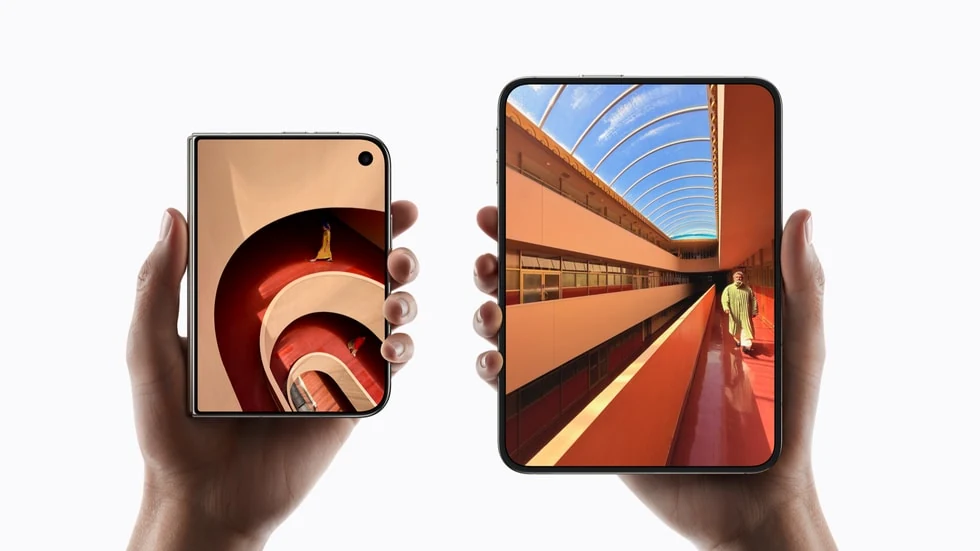
The inner display is the closest thing to a unanimous verdict. Apple’s 7.6-inch panel carries a nano-texture matte coating, and reviewers across the board say it does something no foldable has managed. CNET calls it a display that reduces glare and hides the crease, while Gizmodo goes further and describes a crease that is barely visible.
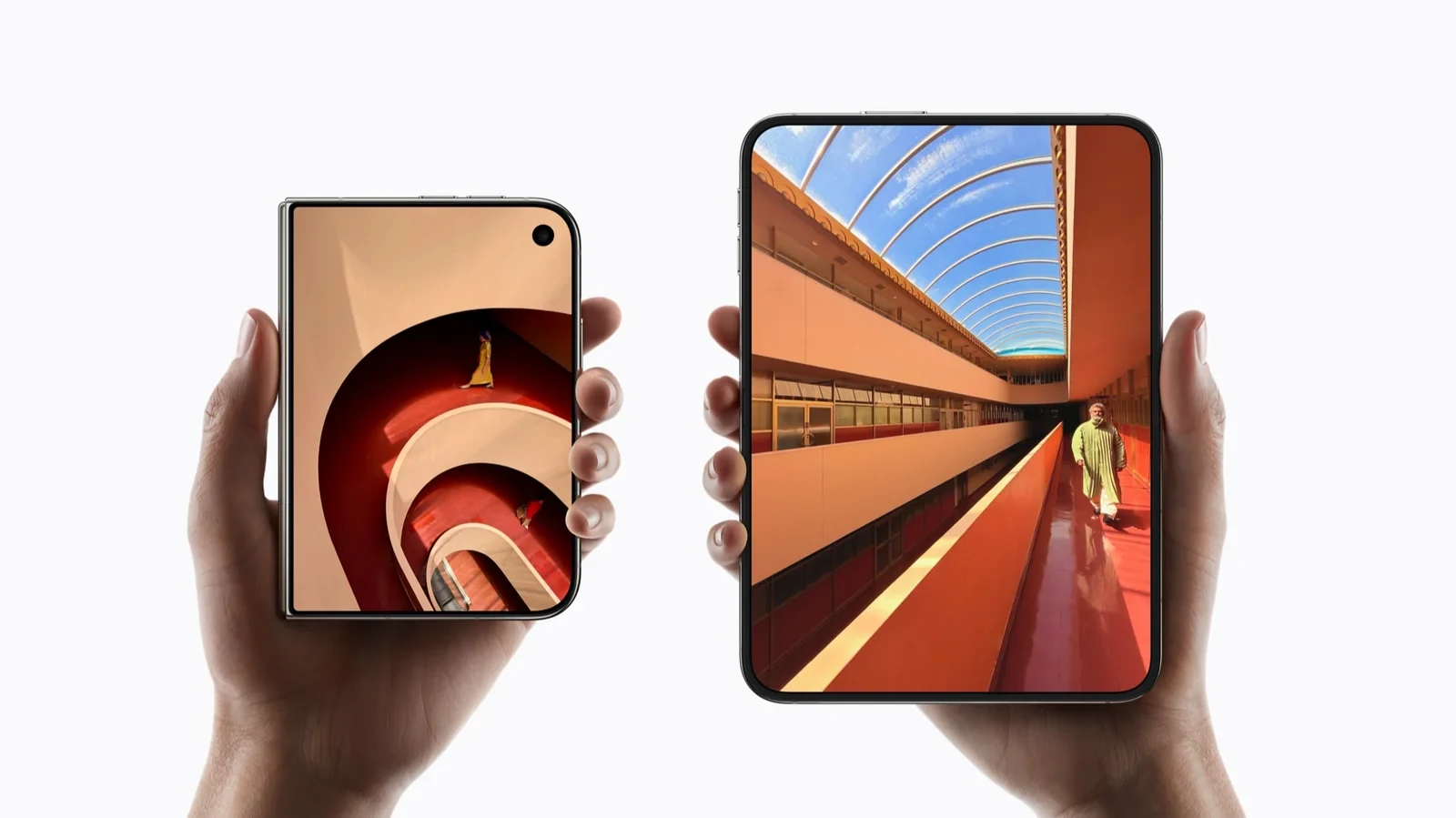
CNET adds that reading on the matte surface is easier on the eyes, and that the under-display FaceTime camera keeps the screen uninterrupted.
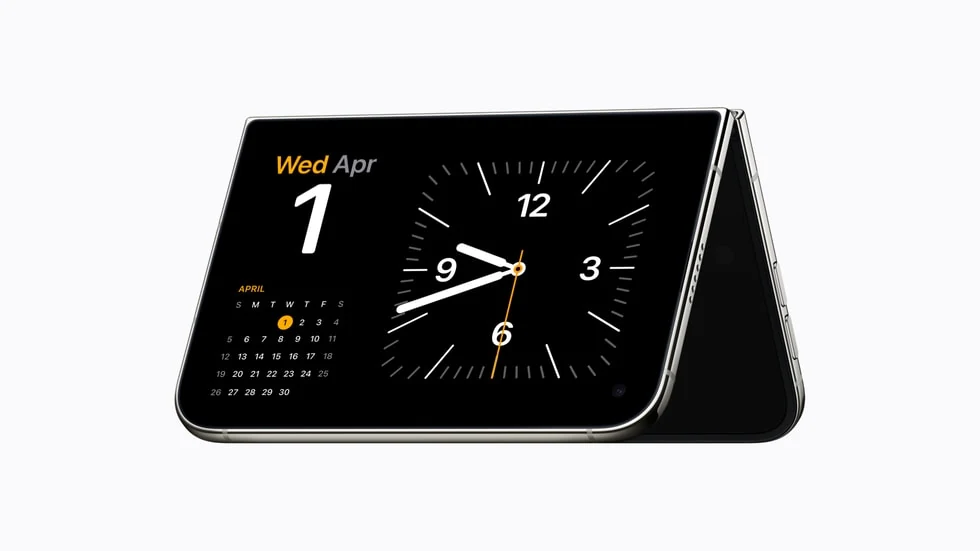
The hinge is the second point of agreement, and it is where durability claims stop being marketing. Joanna Stern built a folding robot with a hardware prototyper and ran it for four nights at 17 folds per minute, reaching 32,640 folds.
There was no noticeable deterioration. A calibrated push-pull gauge showed the hinge was slightly stiffer afterward, and in daily use it felt the same as day one.
Performance is where the Duo separates from its closest rival. Gizmodo ran Geekbench 7 and found the Duo and iPhone 18 Pro effectively tied at 4,002 single-core and 10,728 multi-core, with a GPU score of 60,608.
The Galaxy Z Fold 8 managed 3,112 single-core, 22 percent behind, and 17,331 on the GPU test, which is 71 percent behind. The Duo’s vapor chamber holds performance without throttling.
Battery life lands well ahead of the foldable category too. Tom’s Guide recorded 13 hours and 20 minutes in a web-browsing test at 150 nits over 5G, against 10 hours and 6 minutes for the Galaxy Z Fold 8. The iPhone 18 Pro Max still leads at 17 hours and 31 minutes.
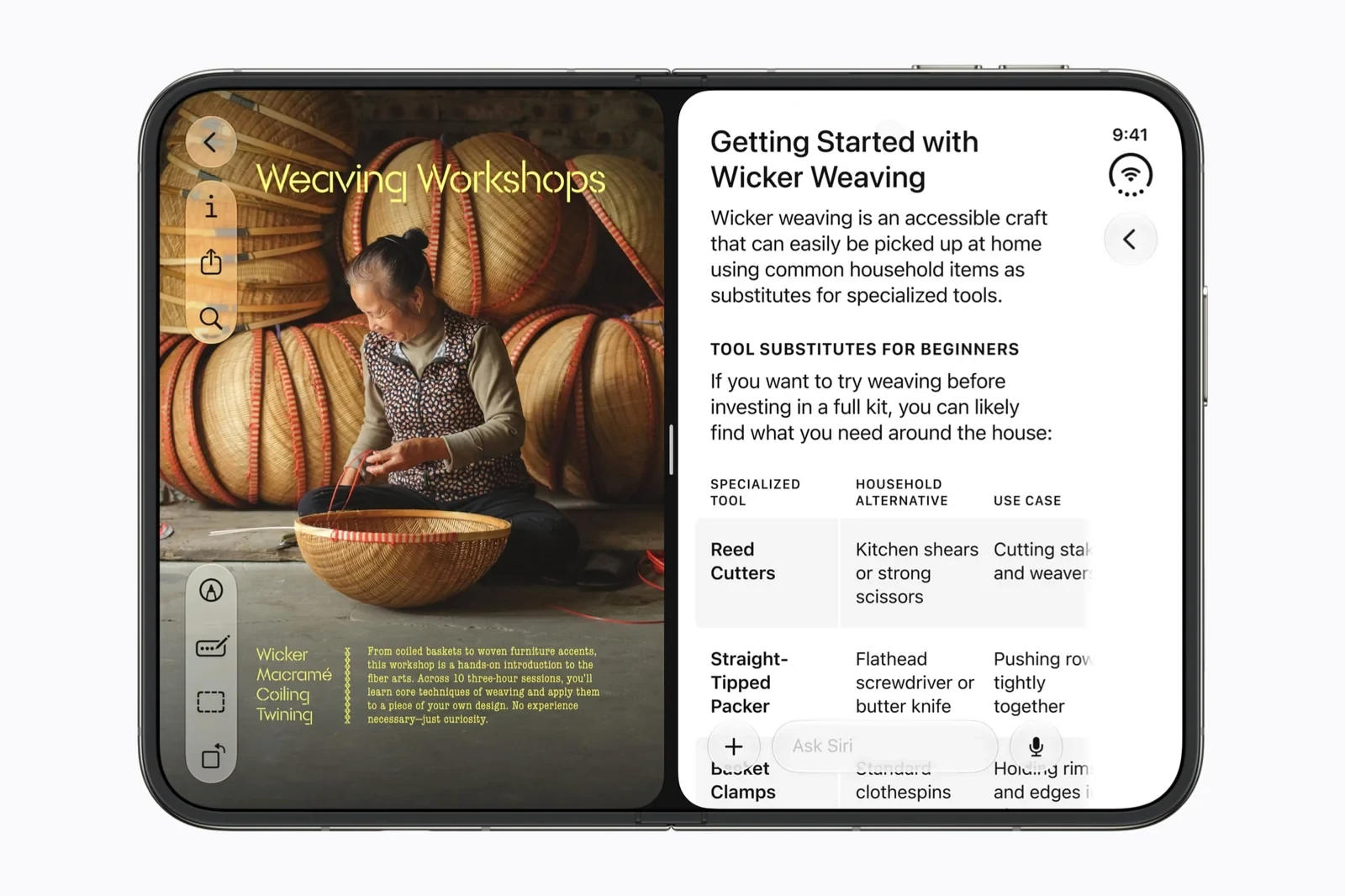
Multitasking and the passport shape earn consistent praise. The wide aspect ratio suits 16:9 video, and the inner screen is 50 percent larger by area than the iPhone 18 Pro Max panel.
Engadget lands at 8.8 out of 10 and calls it a first-class foldable, singling out the slick design, strong performance and the IP68 rating that puts it above the Galaxy Z Fold 8, which carries no dust resistance.
MKBHD, whose review is titled First Generation Fun, calls the hardware really fun and says the polish around the edges goes a long way, highlighting the hinge’s variable resistance and a pocketable iPad Mini pitch.
MrMobile’s Michael Fisher called it the most promising first-generation foldable ever.
What they agree is missing or unfinished
Unoptimized apps are the single largest complaint, and nearly every reviewer raises it. WIRED describes spending the week thinking about wasted space, with navigation elements pushed to a right rail while many apps sit letterboxed behind black bars.
WIRED’s advice is blunt: wait a few months for developers to optimize. The Verge found switching back to a standard phone to get something done often felt like a relief.
MKBHD names Spotify, Google Maps and Discord among the apps still showing misplaced buttons, black bars or stretched elements on the larger screen, and notes that some smaller apps may never fully adapt.
The absence of Face ID is the second recurring theme. Space constraints forced Touch ID into the power button instead. 9to5Mac calls the switch the hardest thing to adjust to, describing the deliberate reach for the side button as a step backward even though it works quickly and reliably.
Photography carries the most caveats for a flagship. The Duo has two 48MP rear cameras and no telephoto, so zoom comes from cropping the main sensor. Tom’s Guide rates the missing telephoto as the one true dealbreaker.
Tyler Stalman, who approached the Duo as a photographer, and MKBHD both note the dual 48MP setup is solid for a foldable but lacks a dedicated zoom, ProRes and log capture.

Tom’s Guide ranks the remaining trade-offs as no Face ID, weight, price, shorter battery than the iPhone 18 Pro Max, the under-display camera, and the missing variable aperture and Pro controls.
Weight is a real cost of the hardware. At 8.96 ounces the Duo is the heaviest iPhone yet and heavier than the iPhone 18 Pro Max, while the Galaxy Z Fold 8 is 7.09 ounces.
The Wall Street Journal framed its week-long test around whether the Duo is worth $2,000, concluding that the tablet-sized screen comes with real trade-offs.
Price draws fewer objections than expected because the whole category is expensive, but the top tiers escalate sharply. It is $1,999 for 256GB and reaches $3,199 at 2TB, where the competition stops at 1TB.
The Verge summarises the value question as an early adopter special: delightful for gadget enthusiasts, and likely frustrating for everyone else.
Several reviewers also flag first-generation bugs and a right-handed bias in the button and camera control placement.
Why the first generation still points somewhere good
The most hopeful note in the coverage is that the Duo’s problems resolve with time rather than new hardware.
The Verge makes the historical case, comparing the Duo to the first MacBook Air, which impressed almost no one and then took over the industry once Apple redesigned it. The Duo is incomplete as a product but complete enough as an idea.
That idea has already produced momentum. Fisher says the Duo has galvanized the developer community into an explosion of novel concepts, and compares the moment to the iPhone 3G.
Apple is also forcing the pace. Developers recompile against Xcode 27.1 to earn an optimized badge, and starting April 2027 every new App Store submission must include a screenshot showing its iPhone Duo interface, as we reported.
Gizmodo’s conclusion captures the consensus: the wait to refine foldables was the right move, and the Duo solved the flaws that held Android foldables back.
The iPhone Duo is now up for pre-order in the Philippines
Philippine buyers can already reserve one. Pre-orders opened on October 16 at 8 p.m. PHT through apple.com/ph and the Apple Store app, with local availability starting October 30.
The local pricing runs PhP159,990 for 256GB, PhP175,990 for 512GB, PhP207,990 for 1TB and PhP254,990 for 2TB, inclusive of taxes and duties. Both finishes, star white and night sky, cost the same at every tier.
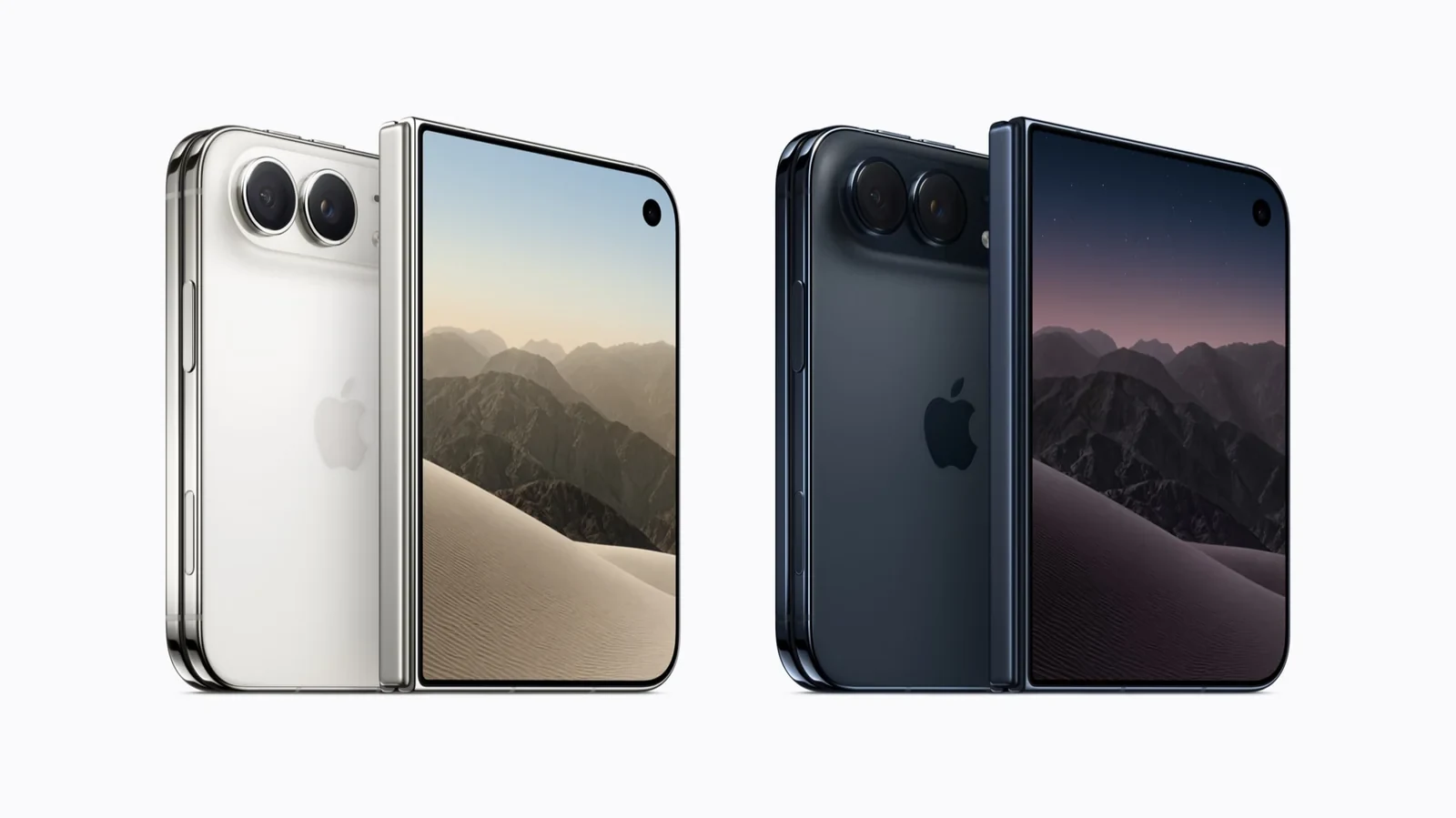
The Duo activates through eSIM only, so there is no physical SIM tray.
Smart is carrying the Duo from PhP6,304 a month on Postpaid Plans+ 1999, with zero-interest installments up to 24 months, and Smart Infinity plans starting from Infinity Plan 5000.
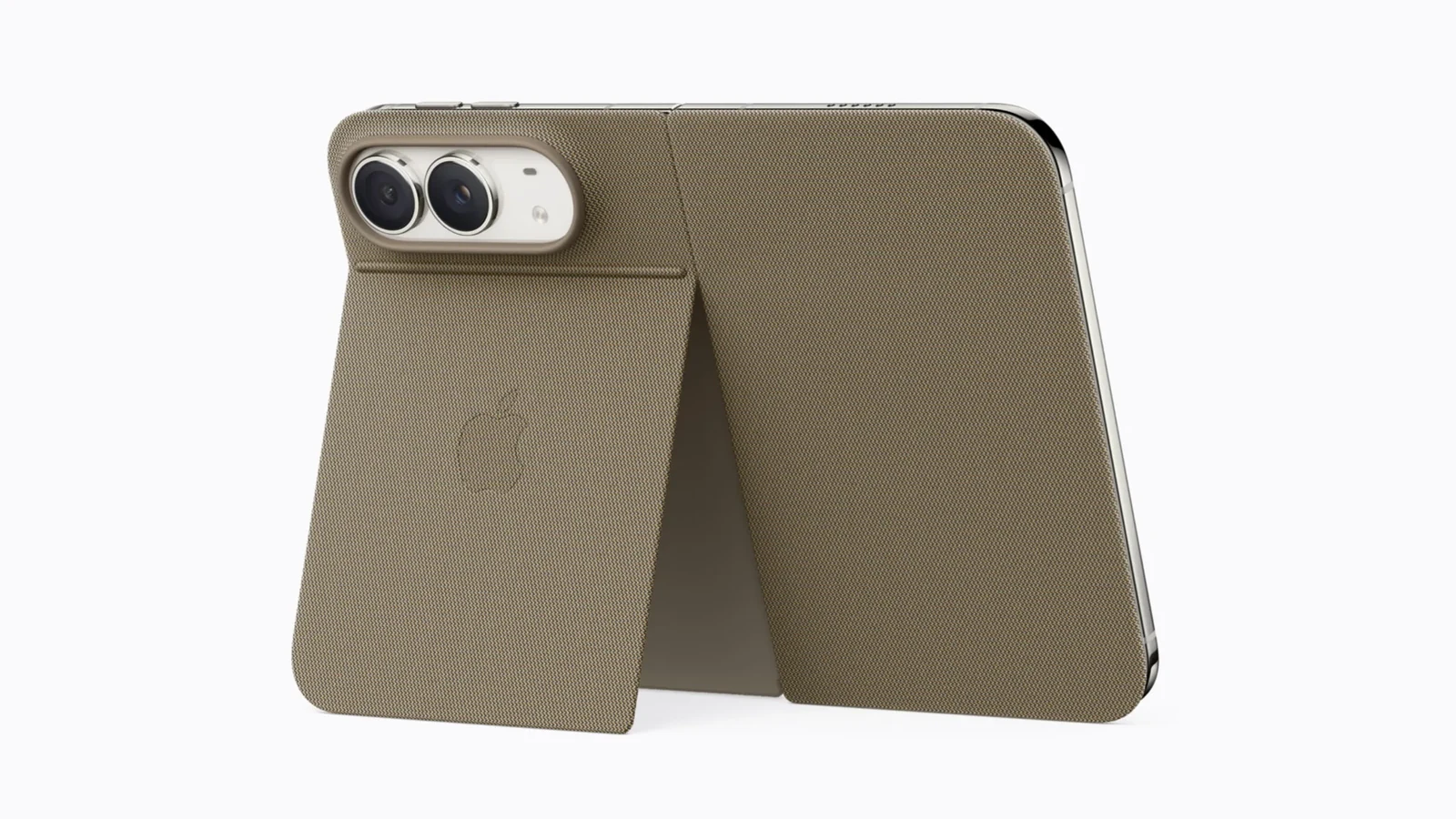
If you are still deciding whether the form factor suits you, our earlier explainer on what the iPhone Duo changes covers the basics.
The reviewers agree on the shape of the answer: this is a first-generation device for people who want to be early.

Gadget Pilipinas
Founded in 2009 by Gian Viterbo, Gadget Pilipinas is one of Philippines’ top sources for news, tutorials, reviews and tips about the latest trends in technology, gadgets, games, social and digital media and cyber culture.
View all articles →