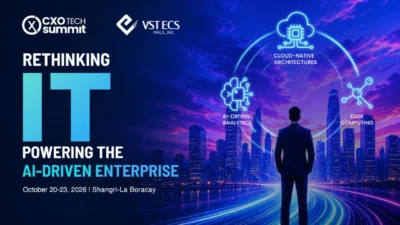




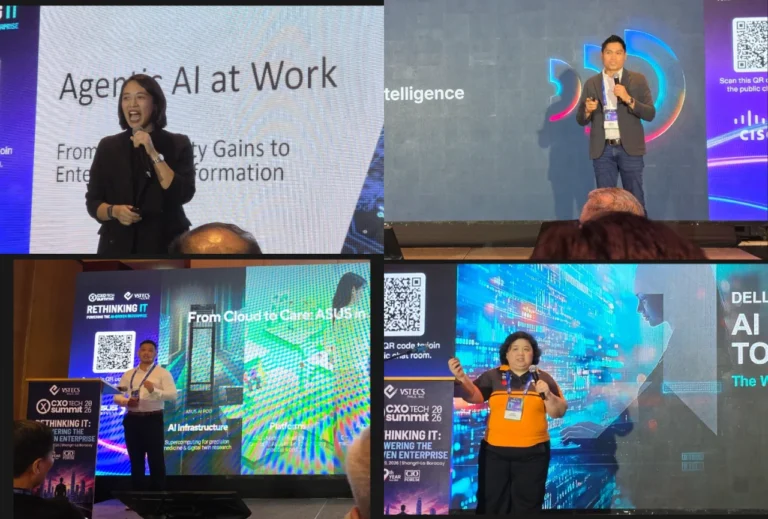
Day 1 of VST ECS CXO Tech Summit 2026 immediately made one thing clear to the technology leaders gathered in the summit, it is that enterprise AI has outgrown the honeymoon phase of simple prompt-and-response chatbots and is now shifting to agentic AI. But as organizations push toward deploying autonomous agents across their core operations, they are running into the cold math of enterprise infrastructure: cloud API bills that scale unpredictably, massive token waste, and the urgent necessity of balancing cloud flexibility with local, on-premise compute.
Across the opening day’s plenary sessions, that dynamic took center stage. HP set the operational benchmark by outlining the inevitable transition to goal-oriented Agentic AI, while Cisco laid bare the economic reality check of tokenomics. Backing up that software evolution, ASUS stepped forward as the primary NVIDIA powerhouse delivering scalable AI compute, while Dell presented an accessible endpoint counterweight through its expanded AMD PRO portfolio.
HP: The Leap from Conversational Chatbots to Goal-Driven Agents
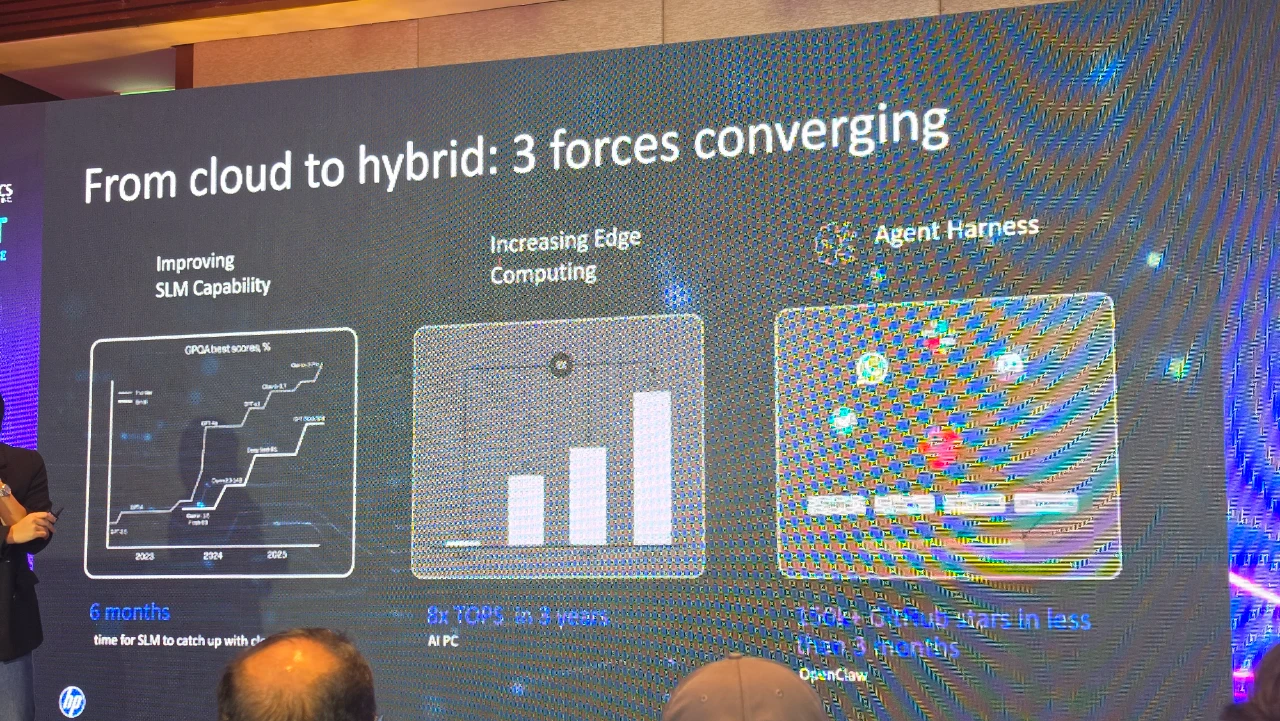
Setting the pace for where enterprise software is heading, Trish Alonzo Manabat, Country Category Manager at HP Philippines, laid out the architectural boundary between basic AI assistance and true digital transformation. As Manabat explained, the current wave of conversational AI remains fundamentally reactive—tools like ChatGPT can summarize notes or draft an email, but they require continuous human prompting and cannot execute downstream actions. Rigid deterministic automations, on the other hand, only follow static rules. Agentic AI bridges that divide: systems given an end objective that can autonomously plan multi-step workflows, navigate operational hurdles, and execute tasks across enterprise software, calling in human supervision only when predefined governance guardrails are triggered.
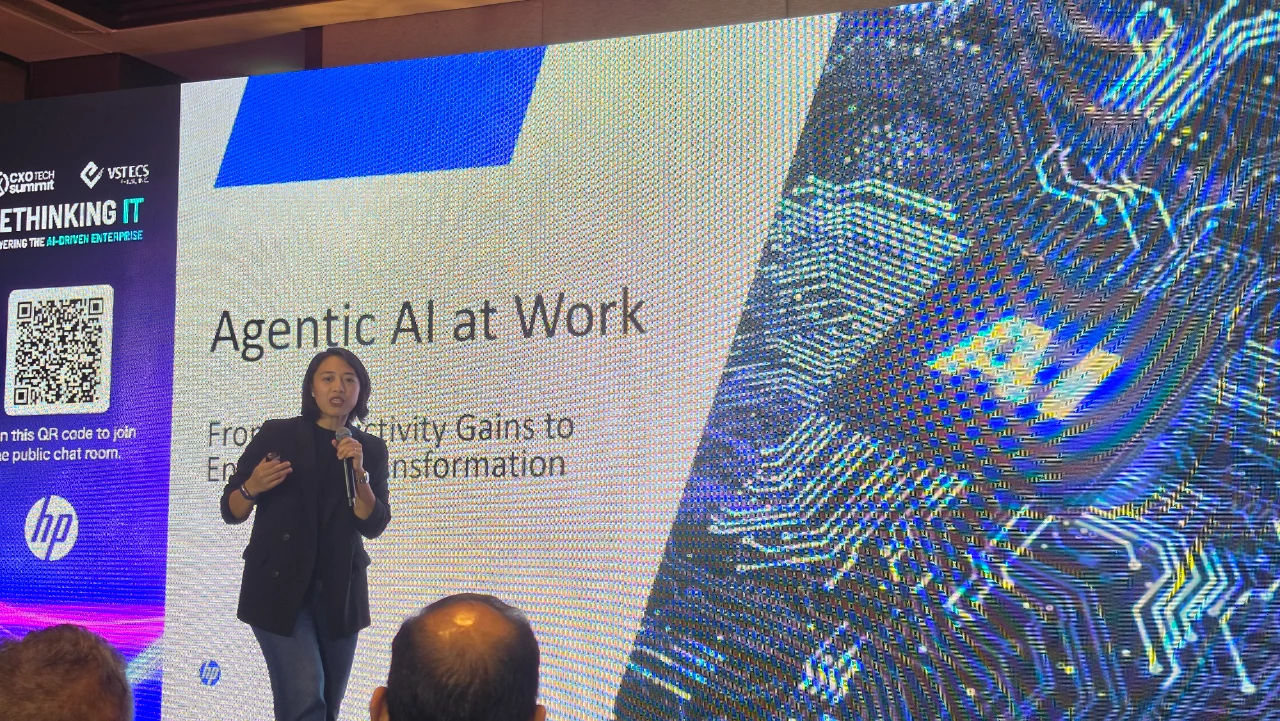
Manabat highlighted revised projections from Gartner revealing that while less than 5 percent of enterprise applications integrated task-specific agents in mid-2025, that adoption rate is expected to reach 40 percent by the end of 2026.
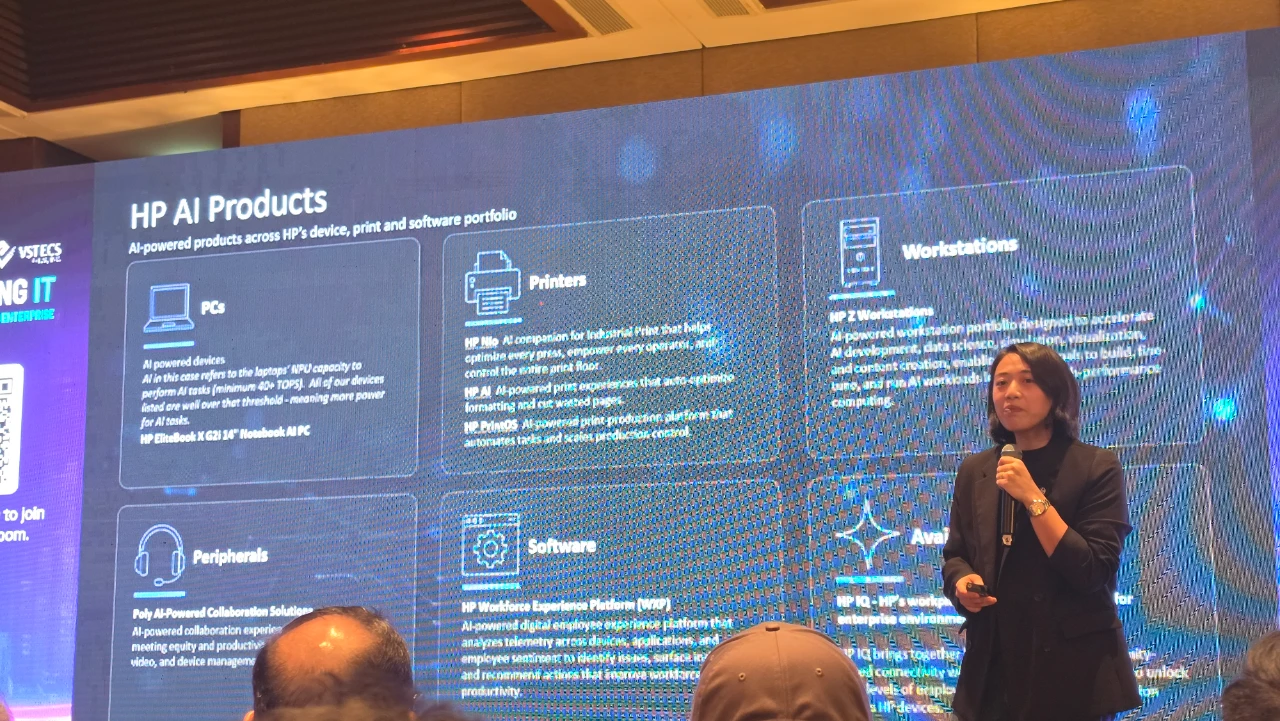
Crucially, Manabat noted that enterprise buyers are not allocating capital to acquire smarter models for the sake of novelty. The genuine business driver is eliminating workplace friction—eradicating administrative wait times and redundant manual data entry. To illustrate how this translates to hardware, HP pointed to pragmatic implementations: proactive IT support via its Workforce Experience Platform (WXP) that diagnoses system friction before disruptions occur, alongside AI-enabled multifunction printers capable of automatically scanning, parsing, summarizing, and routing physical documents directly into digital business pipelines without manual handling.
Cisco: Understanding AI Tokenomics
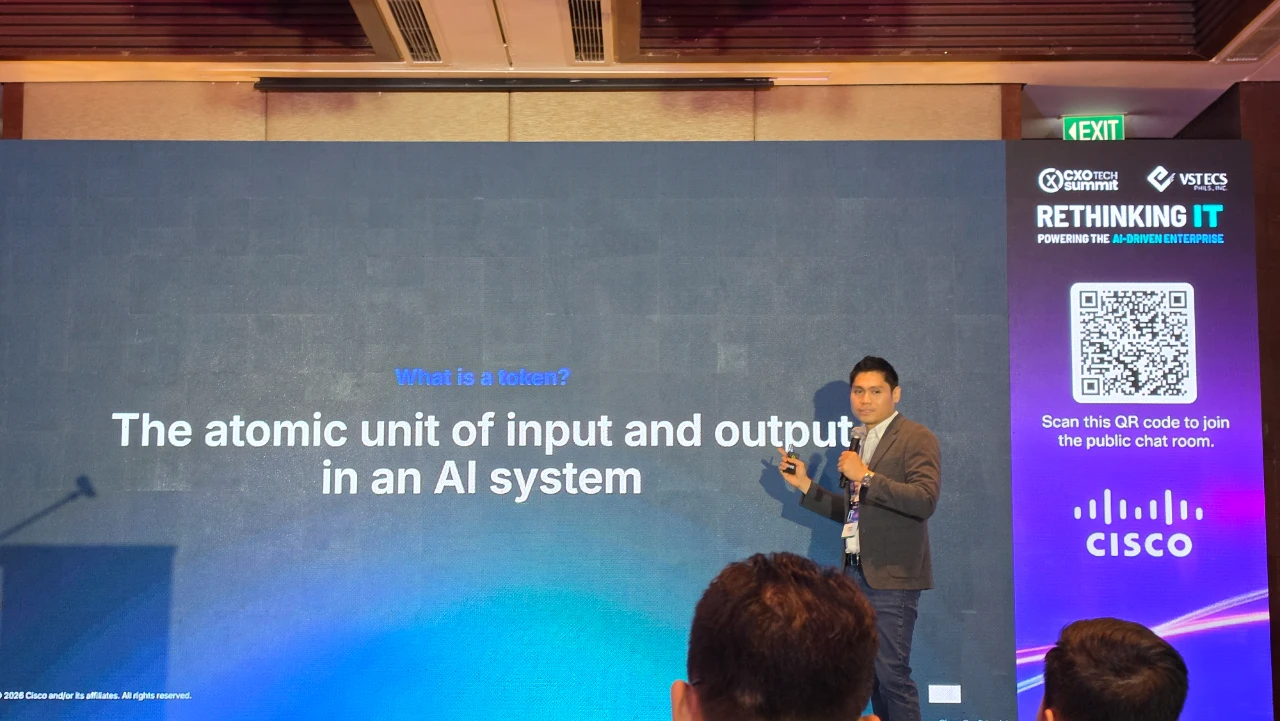
If HP provided the operational target for AI, Brian Cotaz, Enterprise Account Executive at Cisco, delivered the financial reality check in using AI at scale. Cotaz challenged delegates to look past high-level productivity claims and scrutinize the actual unit economics of intelligence: tokenomics.
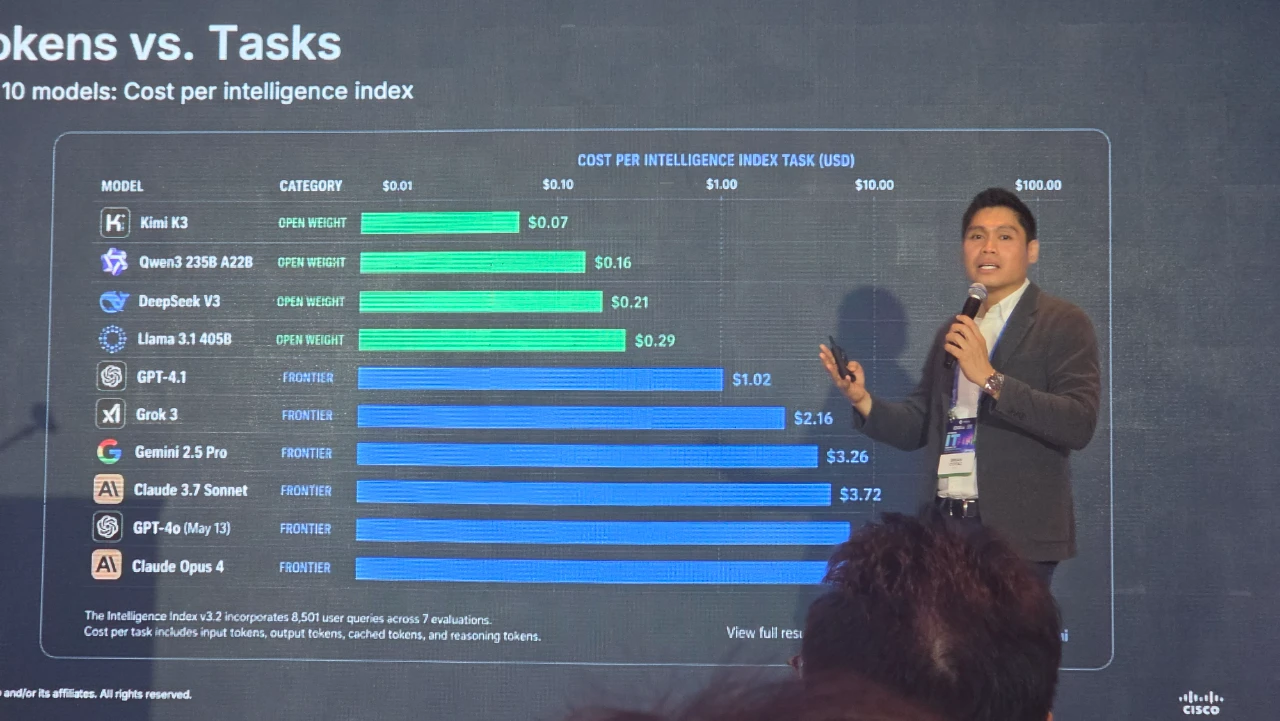
The core dilemma emerges the moment organizations transition from human employees to autonomous software agents. A human user queries a model and pauses to read the output; autonomous agents operate continuously in the background, collaborating across systems and querying models 24/7. Cotaz warned that this autonomous loop can multiply an enterprise’s inference API calls by as much as 450 times.
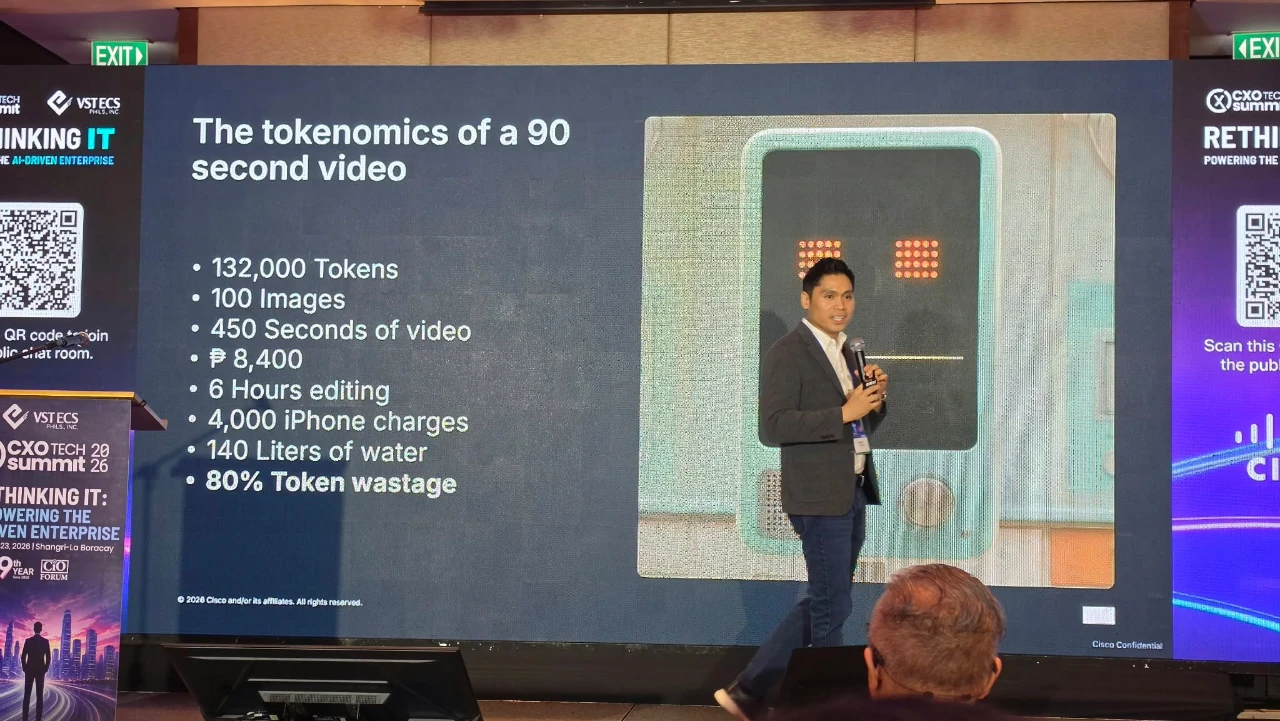
Cisco’s data revealed that in software development workflows, roughly 60 percent of generated tokens never reach production code; in interactive media pipelines, token waste reaches 80 percent. Letting autonomous agents run uninhibited against premium frontier cloud APIs like OpenAI, Claude, or Google Gemini for routine corporate tasks is an unsustainable operational expense.
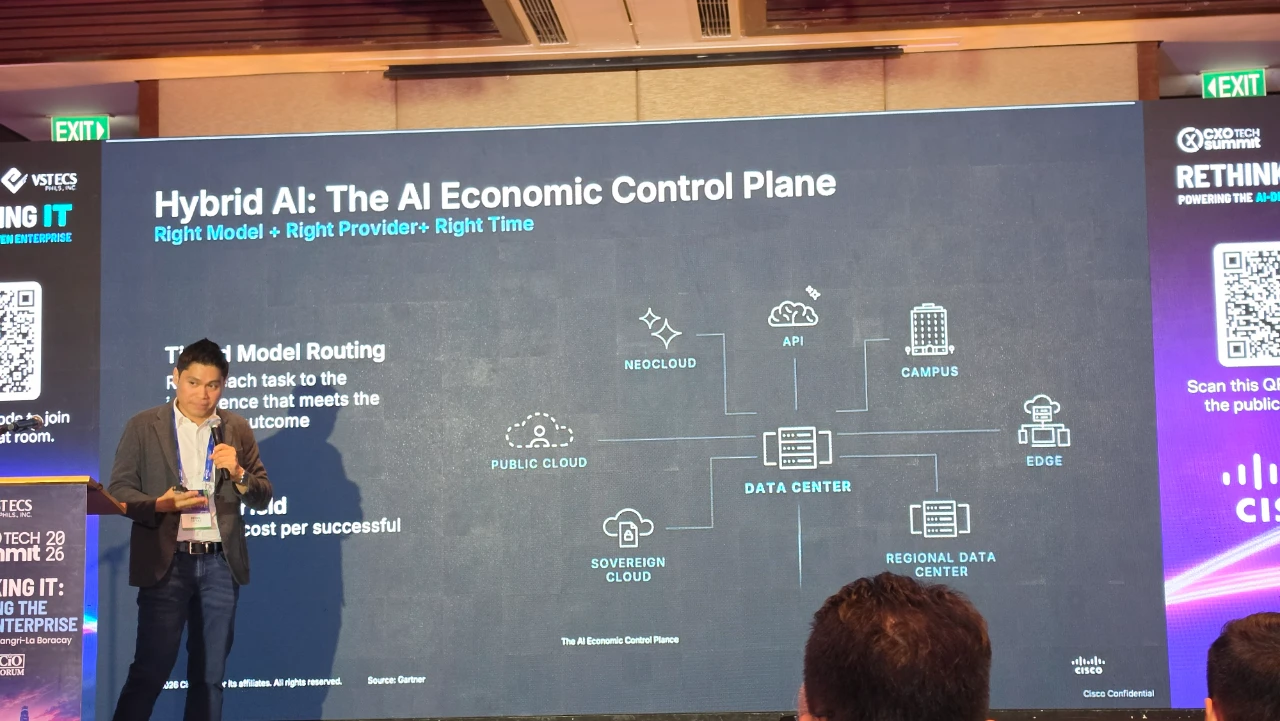
Cisco’s answer is to implement an AI economic control plane centered on intelligent model routing. Instead of routing every workload to the public cloud, enterprises can intercept incoming queries and direct them to the most cost-effective execution tier. Straightforward tasks like data extraction and classification can be offloaded to lighter open-weight models or private on-premise data centers, reserving expensive frontier cloud APIs strictly for complex, high-stakes reasoning.
ASUS: Bringing Scalable NVIDIA Silicon at the Edge
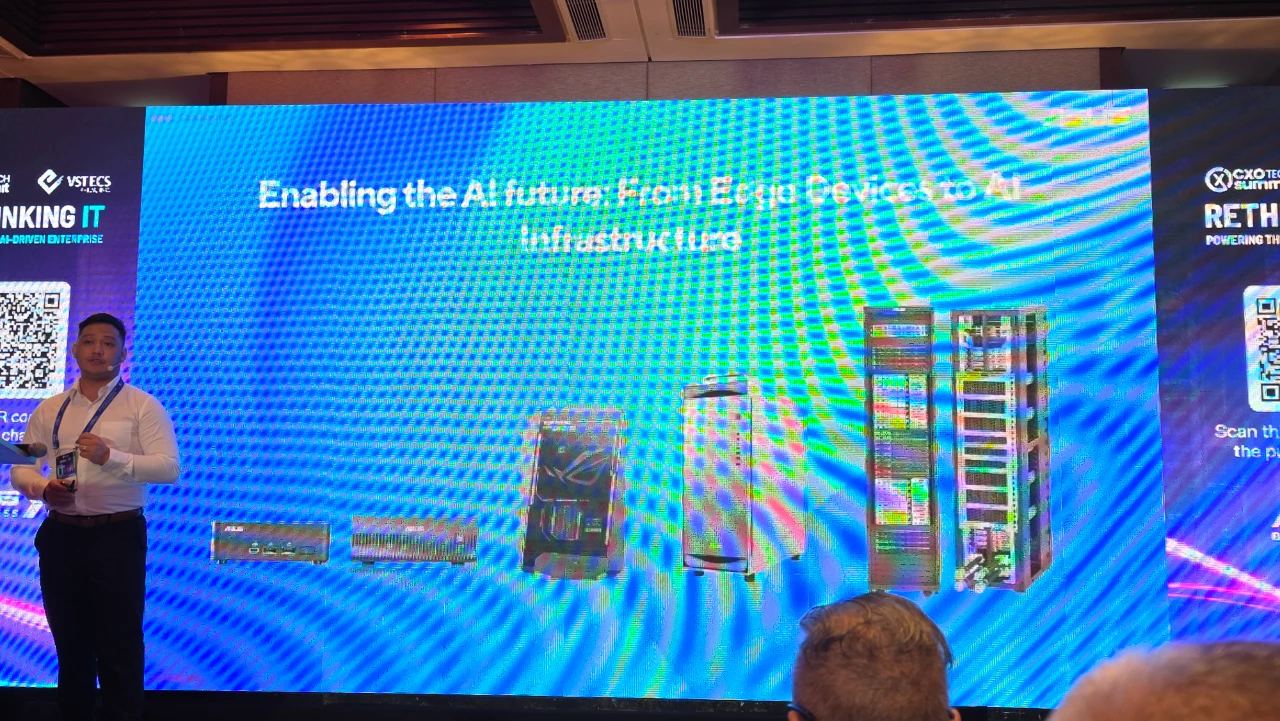
To make model routing and local execution viable, organizations need physical infrastructure capable of handling the load. ASUS Philippines Country Product Manager Edcel Emerenciana positioned ASUS as the leading provider bringing scalable NVIDIA compute directly to enterprise doorsteps.
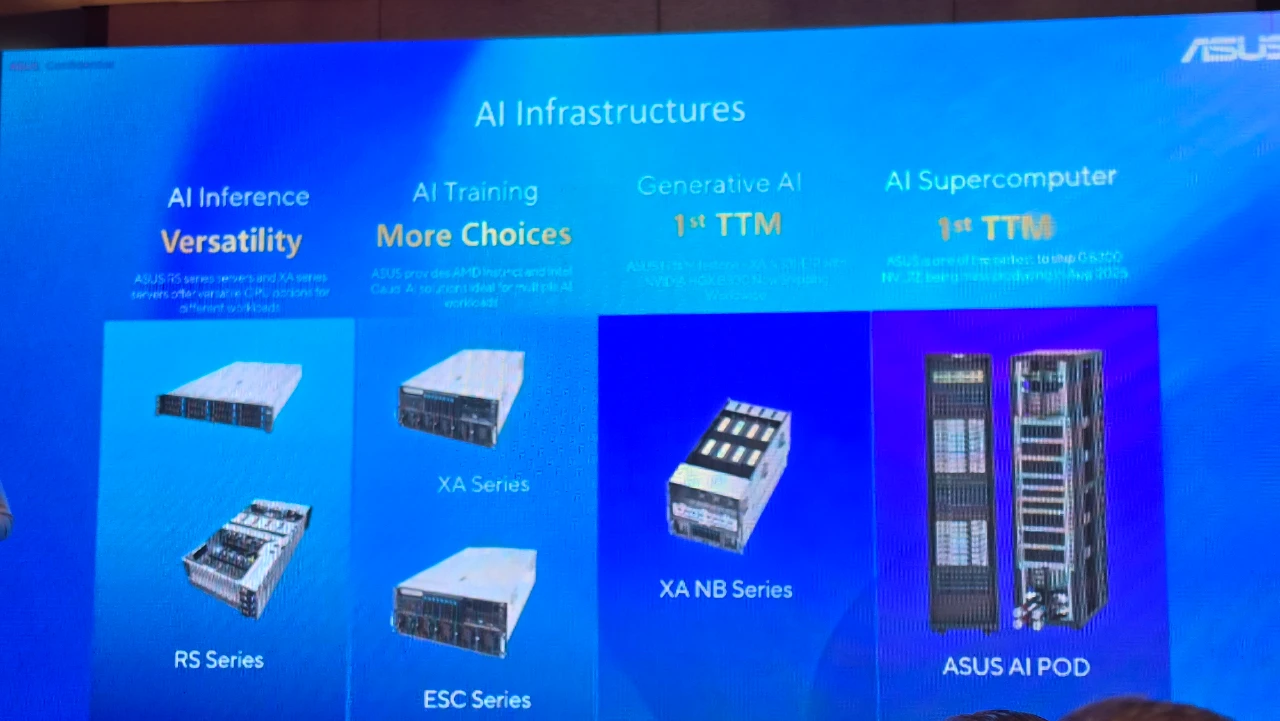
Emerenciana argued that owning your tokenomics ultimately requires owning your silicon. Relying entirely on cloud instances leaves enterprises vulnerable not only to recurring SaaS fees, but also to global memory and storage shortages that are already pushing hyperscale server deliveries into 2027. Furthermore, local mandates like Executive Order 119 have significantly raised compliance standards around domestic data residency and sovereignty.
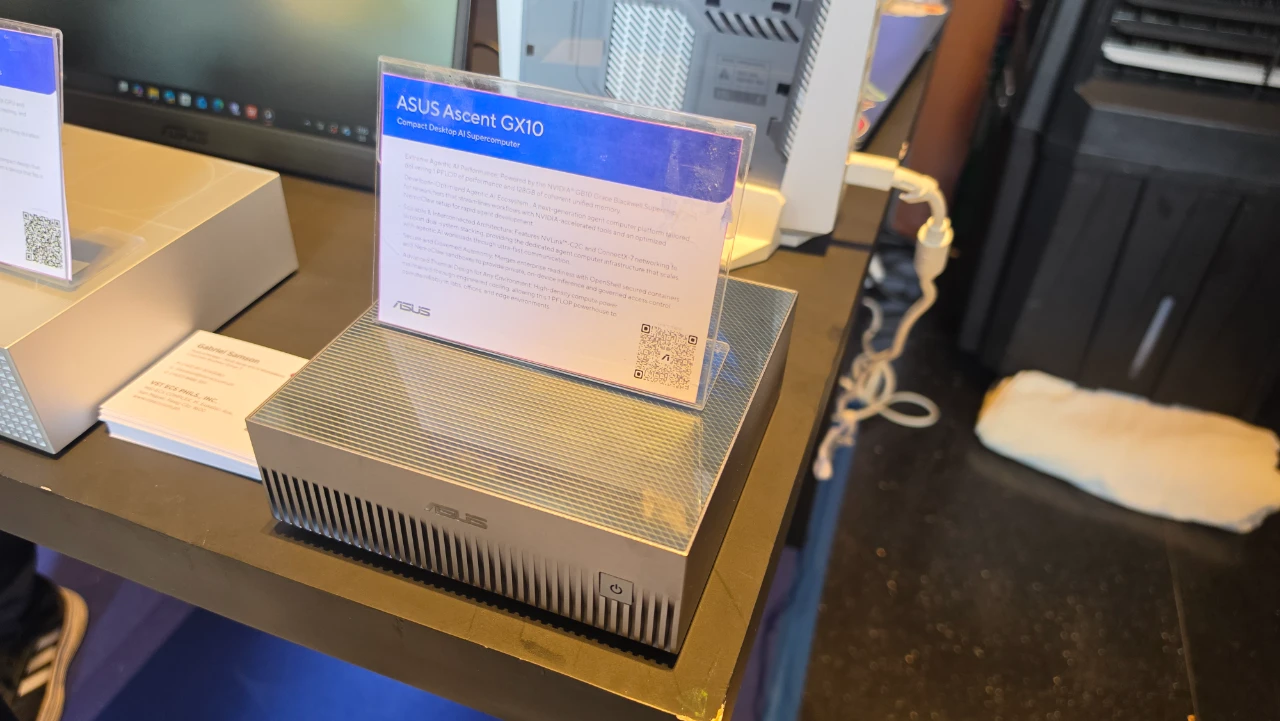
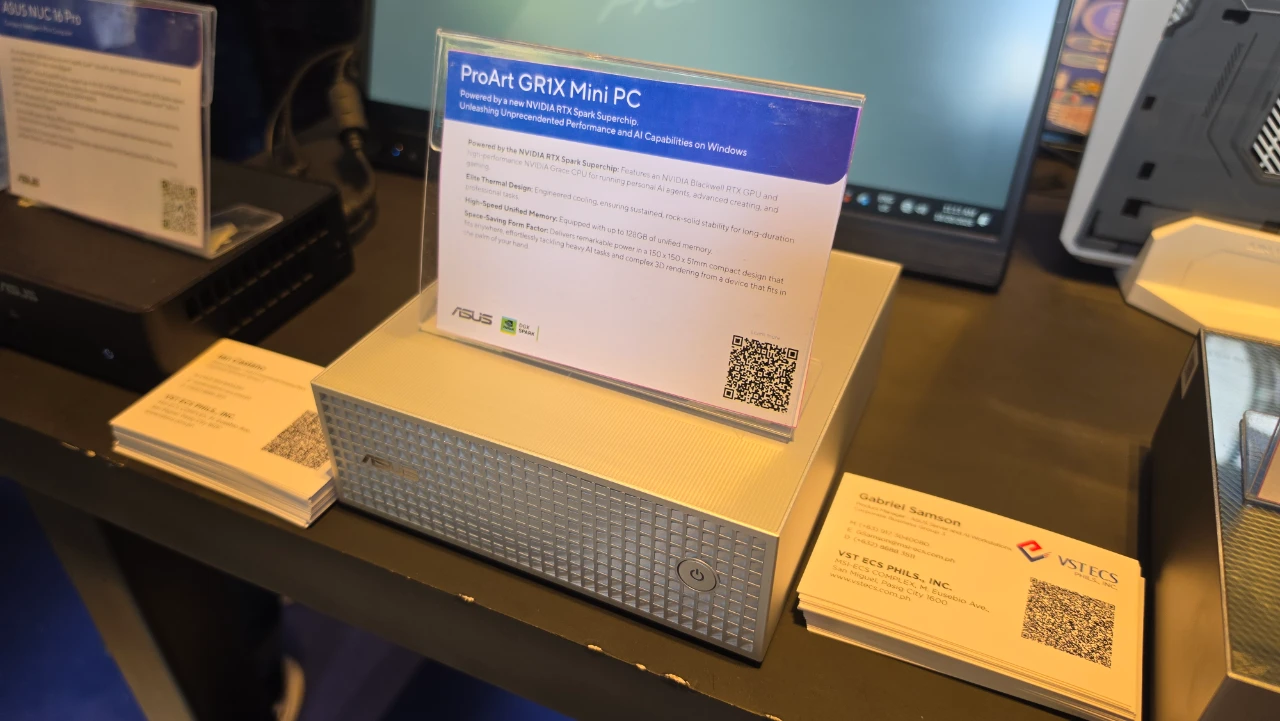
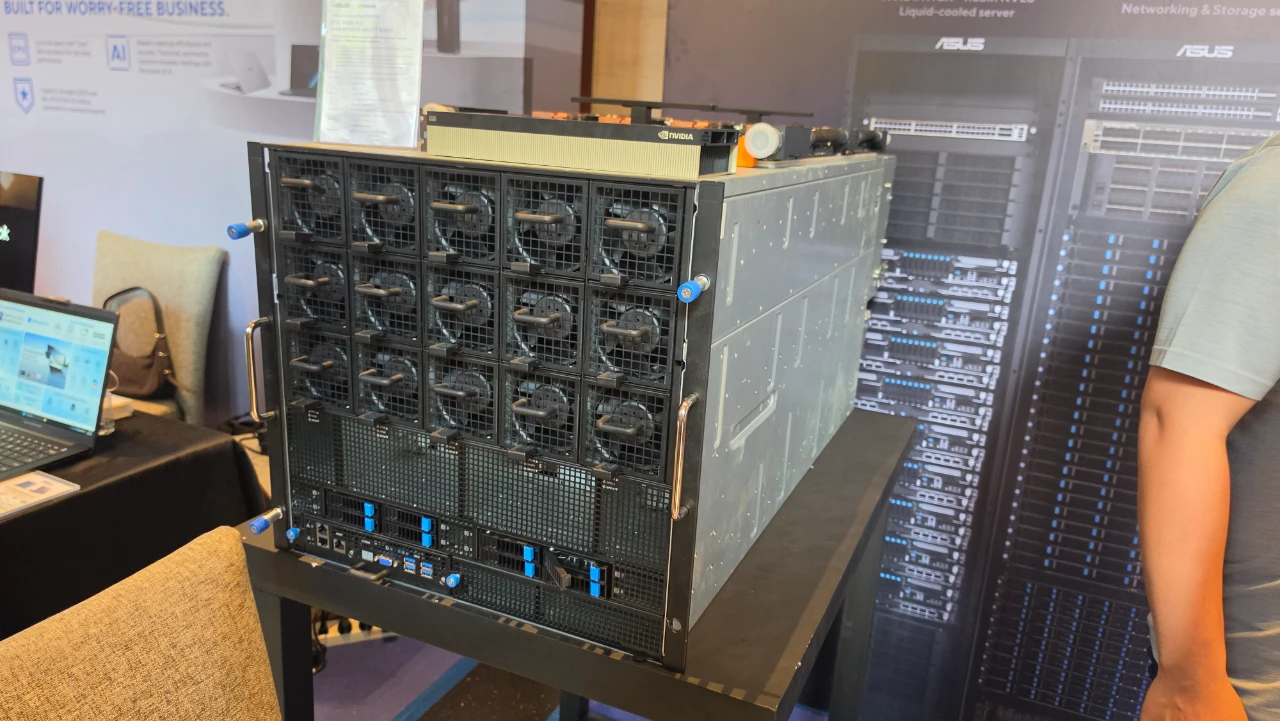
To address this, ASUS showcased a tiered hardware stack designed to pull training and inference on-premise:
- ASUS ProArt GR1X: Designed specifically for creative studios, multimedia pipelines, and enterprise design departments. Powered by the NVIDIA RTX Spark Superchip, the compact ProArt GR1X delivers one petaflop of AI compute backed by 128GB of unified memory. Unlike headless server nodes, it runs natively on Windows OS, giving digital creators, video editors, and generative AI designers a familiar, local powerhouse to run heavy visual models and on-device rendering without subscription lag.
- ASUS Ascent GX10: Built as a dedicated local AI development kit powered by the NVIDIA GB10 Superchip. Delivering one petaflop of compute and 128GB of unified memory running on NVIDIA DGX Base OS, the compact Linux-based system scales up to 40 stacked units. Distributed locally through VST ECS, it gives development teams and researchers predictable, local compute to fine-tune custom models without sending proprietary datasets to third-party clouds.
- ASUS 8900M G3: An enterprise desktop AI supercomputer housing NVIDIA’s flagship GB300 Superchip. Outputting 20 petaflops of compute backed by 784GB of unified memory, the system arrives preloaded with open AI frameworks like PyTorch, Jupyter, and Ollama to handle heavy-duty on-premise workloads.
- ASUS AI Pod: For organizations operating at full enterprise scale, ASUS highlighted its AI Pod infrastructure powered by the NVIDIA NVL72 platform. Engineered for large-scale training and high-throughput inferencing, it delivers liquid-cooled, rack-scale density that enables enterprises to run sovereign supercomputing clusters inside their own private facilities.
By showcasing deployments ranging from university research labs to municipal water management systems, ASUS demonstrated that deploying dedicated NVIDIA bare metal allows organizations to build custom AI pipelines that remain fully under local sovereign control.
Dell: Bringing AMD Alternatives Across the Enterprise Fleet
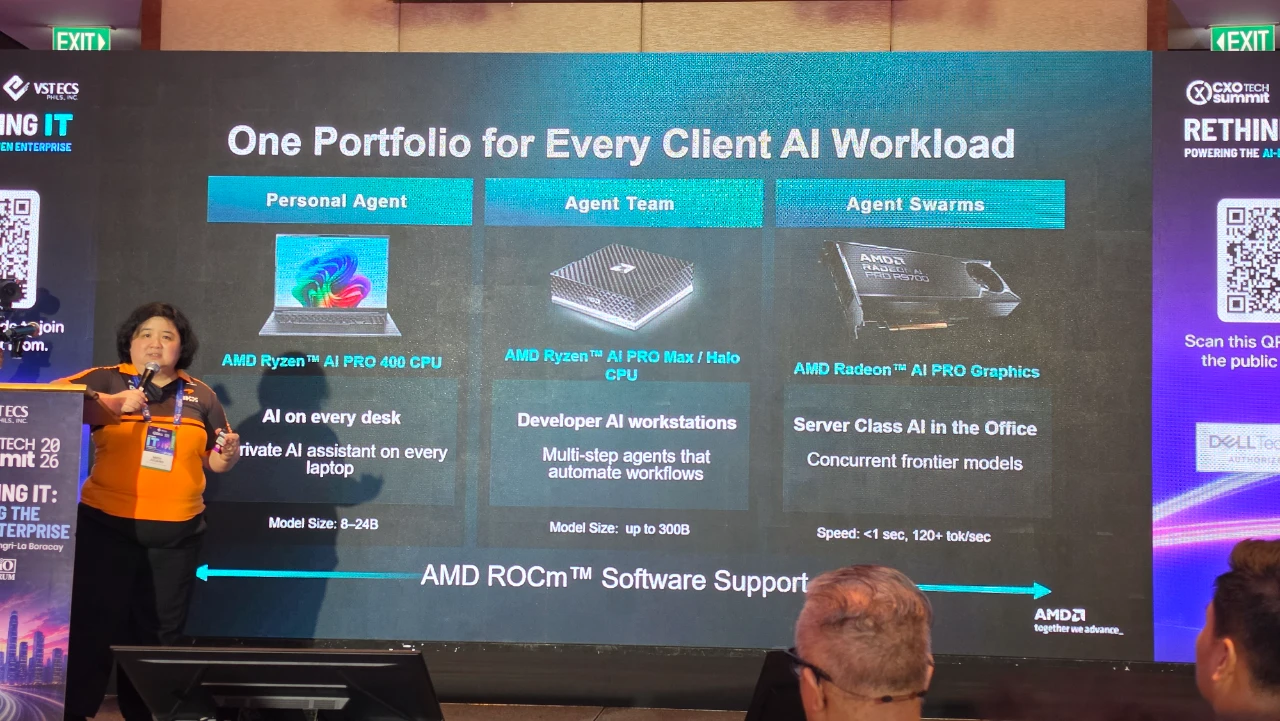
While ASUS focused on high-density NVIDIA infrastructure, Dell Technologies addressed the client side of the equation. Michelle Juliano, Channel Partner Account Manager at Dell Technologies, highlighted the operational necessity of pushing local AI processing down to employee PCs, framing Dell’s expanded partnership with AMD as a versatile, cost-effective alternative for corporate fleets.
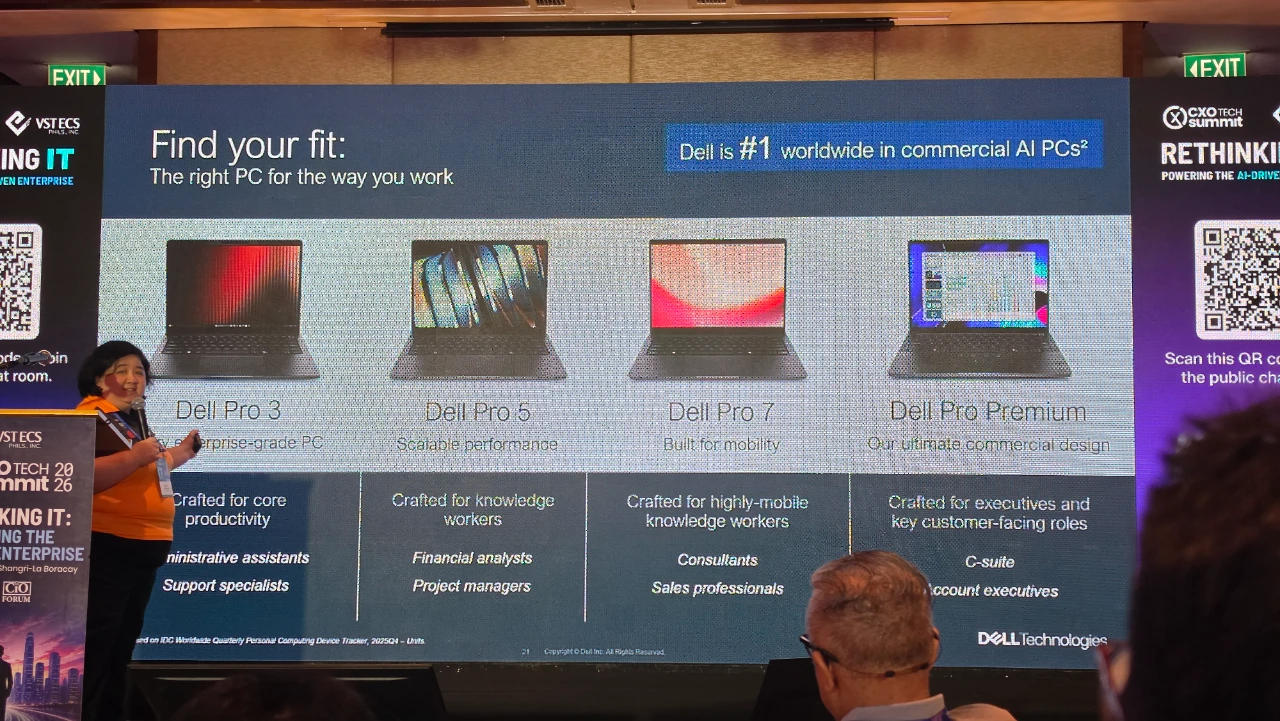
Rather than confining AMD configurations to entry-level commercial tiers as in prior hardware cycles, Dell has extended AMD Ryzen PRO silicon across its entire commercial lineup—from the mainstream Latitude 5000 series up to its flagship, ultra-thin Latitude 7000 family, alongside OptiPlex micro desktops and Precision mobile workstations.
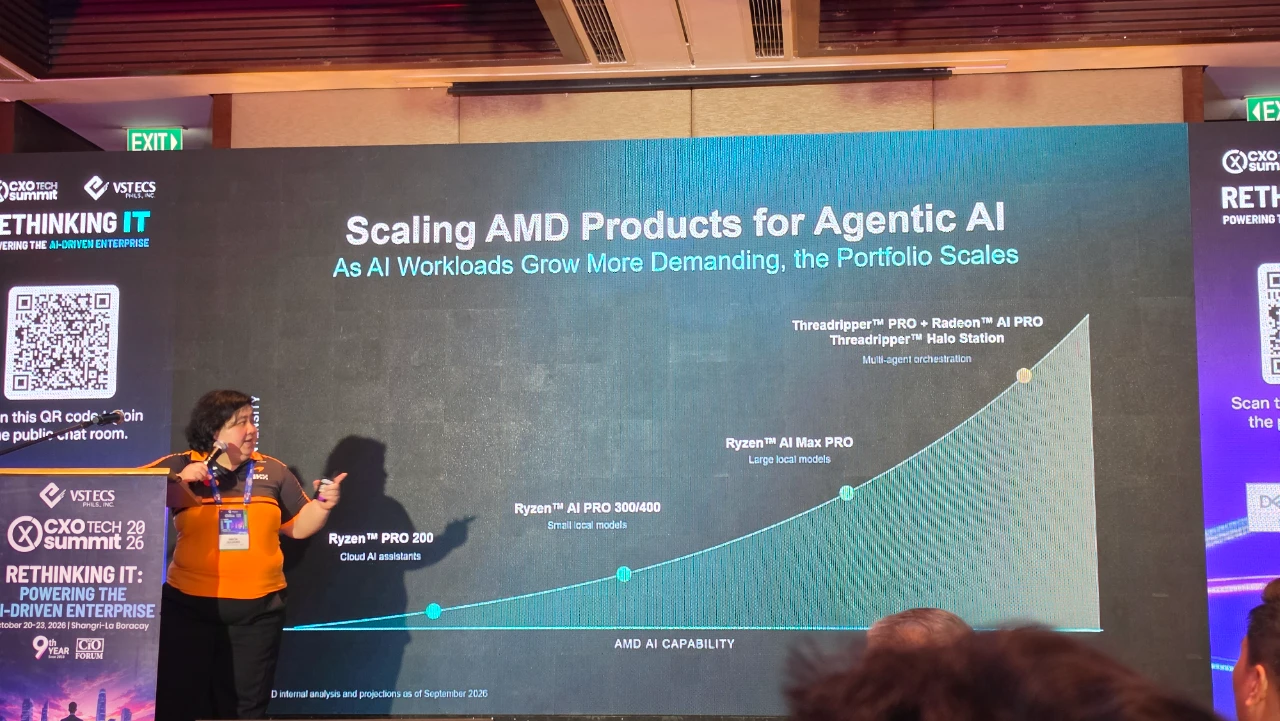
Equipped with AMD Ryzen processors delivering up to 60-plus TOPS of on-device neural processing capability, these systems allow employees to execute everyday AI tasks locally. By leveraging AMD’s open ROCm software ecosystem alongside centralized deployment via Microsoft Intune and Dell Client Command Suite, enterprise IT departments can enable local model inferencing and Windows Copilot+ workflows directly on endpoint hardware. This setup cuts cloud API query costs, eliminates network latency, and ensures sensitive business data never leaves the device.

Grant Soriano
Grant is a Financial Management graduate from UST. His passion for gadgets and tech crossed him over in the industry where he could apply his knowledge as an enthusiast and in-depth analytic skills as a Finance Major. His passion allows him to earn at the same time help Gadget Pilipinas' readers in making smart, value-based decisions and purchases with his reviews and guides.
View all articles →