



Security researchers from the University of Toronto have uncovered “GPUThor,” a newly detected Rowhammer attack that compromises NVIDIA workstation GPUs by bypassing Error Correction Code (ECC) protections, the very defense the company previously championed against such vulnerabilities.
‘GPUThor’ Rowhammer vs NVIDIA’s ECC Defenses
According to the reports, GPUThor can escalate unprivileged CUDA programs into root shells on Ampere-generation workstation cards (RTX A4000, A4500, A5000, A6000) with GDDR6 memory. The research will be presented at ACM CCS 2026. It utilizes Rowhammer attacks, which activate memory rows to leak electrical charge and flip adjacent bits. GPUThor bypasses Nvidia’s previous mitigations, such as Target Row Refresh (TRR) and ECC, with its effective “non-uniform hammering” technique.
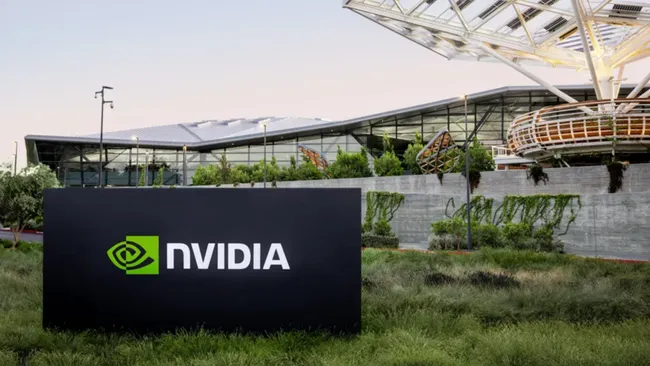
With ECC disabled, the researchers found that GPUThor could generate up to 377,000 bit flips per gigabyte on an RTX A5000, putting GPU vulnerabilities on par with CPU Rowhammer attacks. Even with ECC enabled, the exploit forces uncorrectable double- and triple-bit errors. On an RTX A6000, GPUThor forces a total GPU reset every two hours, crashing all running processes. Within a single day, the hardware degradation prompts the GPU to flag itself as RMA-ready (return to manufacturer).
The research team initially disclosed the vulnerability to NVIDIA in April 2026, and subsequently to industry giants including Google, Microsoft, and AWS. However, with a public code release slated for November 15, no CVE (Common Vulnerabilities and Exposures) has been assigned, and no official patch is available to protect affected workstations.

Started his freelancing adventure in 2018 and began doing freelance Audio Engineering work and then started freelance writing a few years later.
Currently he writes for Gadget Pilipinas and Grit.PH.
He is also a musician, foody, gamer, and PC enthusiast.

Miguel Palispis
Started his freelancing adventure in 2018 and began doing freelance Audio Engineering work and then started freelance writing a few years later. Currently he writes for Gadget Pilipinas and Grit.PH. He is also a musician, foody, gamer, and PC enthusiast.
View all articles →