

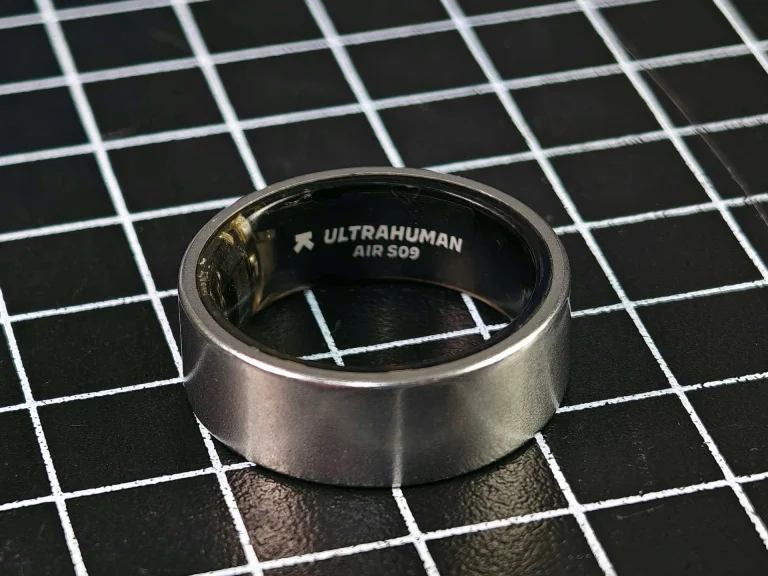
The Ultrahuman Ring Air is A 2.4-gram titanium ring that tracks your sleep, recovery and temperature without a screen, a strap, or a monthly fee. Here is why it has our attention, and why it deserves a fitting before you commit.
The case against the strap
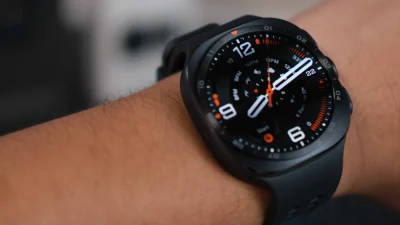
Most wearables ask for something before they give you anything. A watch like the Galaxy Watch Ultra 2 needs a wrist, a nightly charge, and often a subscription before the data tells you anything useful. The Ultrahuman Ring Air asks for a finger, and then it mostly gets out of the way.
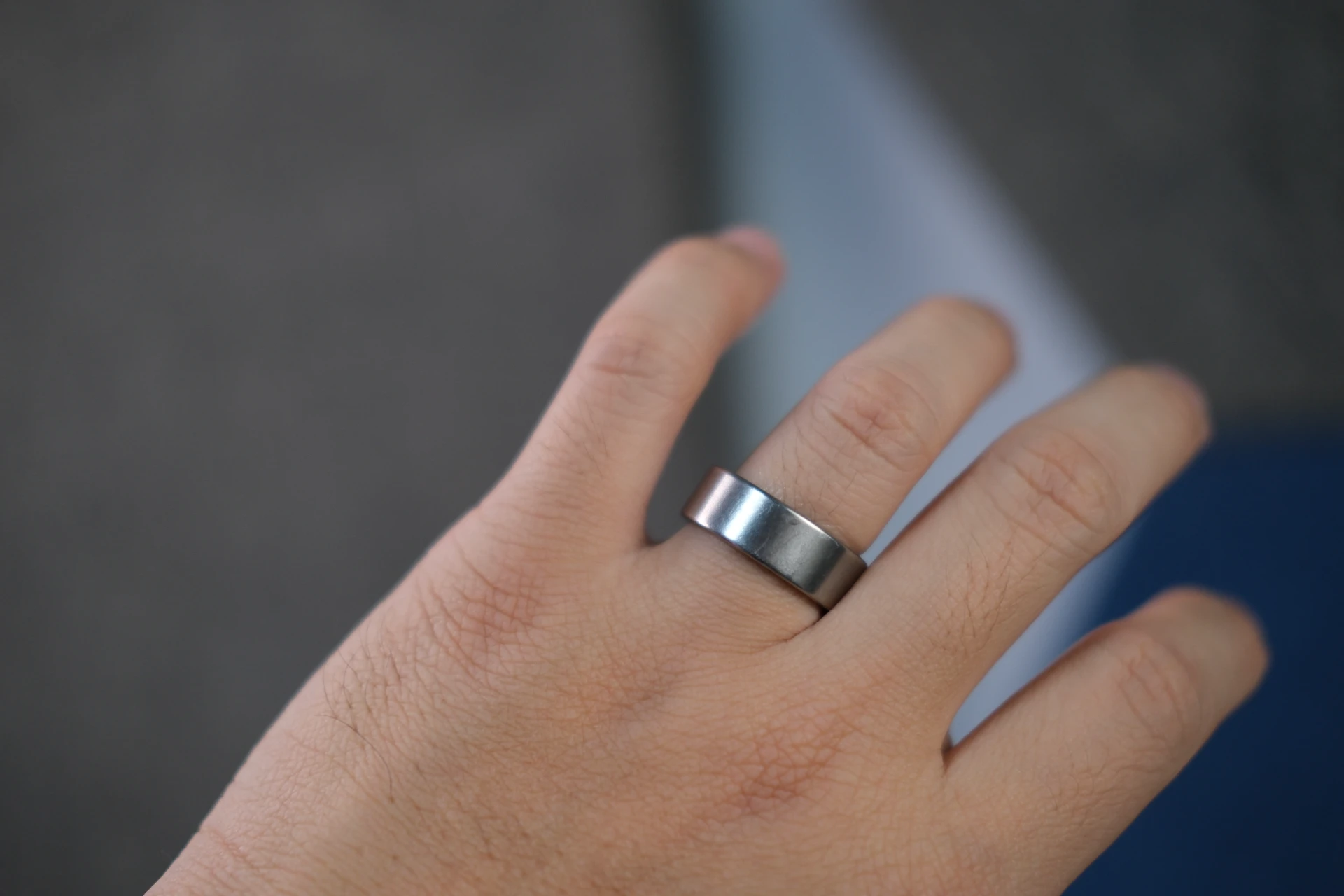
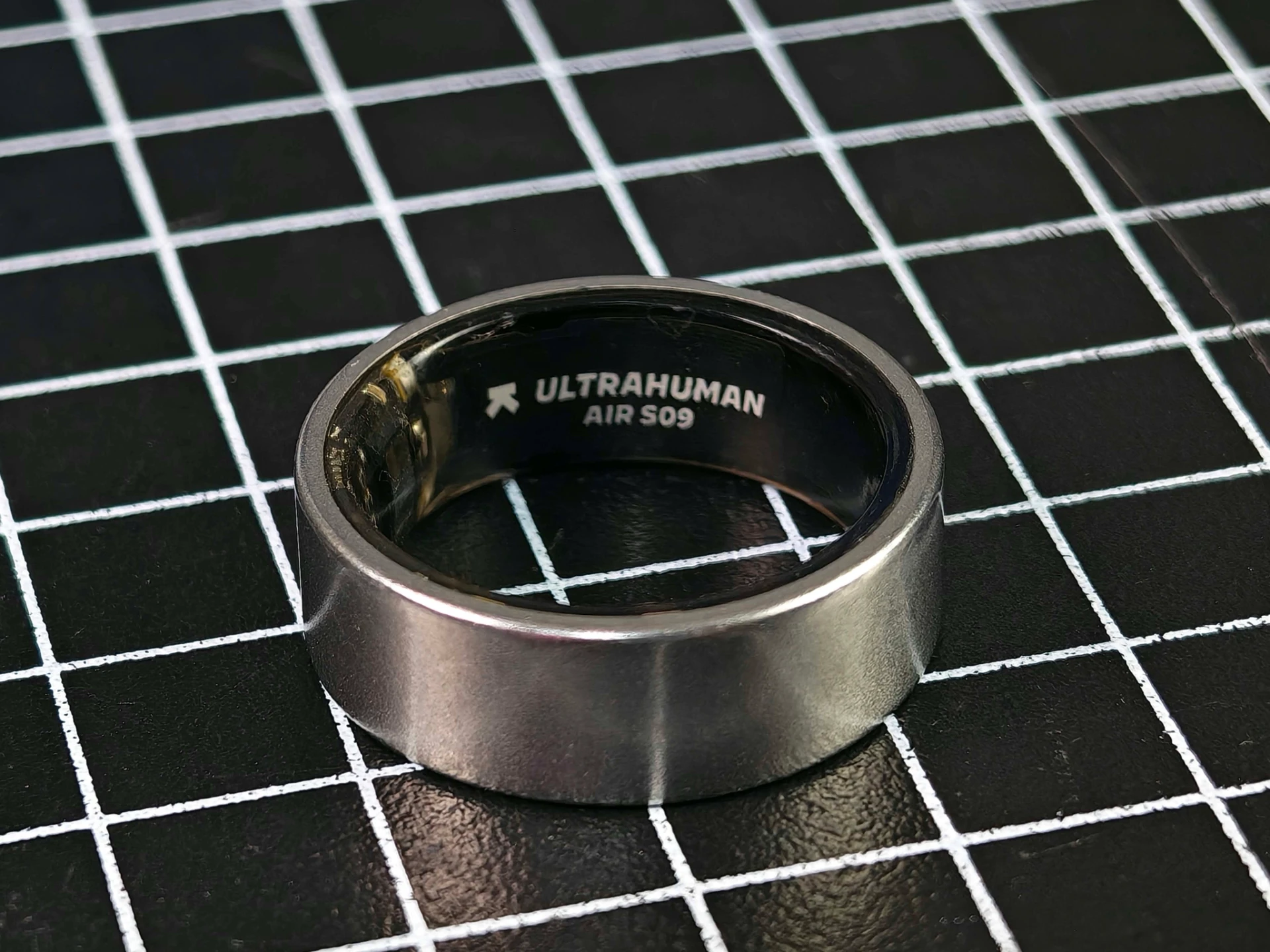
It measures 2.4 millimeters thick and weighs 2.4 grams, which is light enough that the honest review of this thing is that you stop noticing it. The shell is titanium with a tungsten carbide carbon coating, so it takes knocks without scuffing into something you would rather not wear to work.
What it actually tracks
The ring covers the basics properly and then reaches into the parts most trackers skip.
Sleep comes first. The Sleep Index folds duration, resting heart rate, restfulness and sleep stages into a single daily number, so you are not decoding four graphs before breakfast. Movement gets its own index, and recovery is handled dynamically rather than as a fixed suggestion.
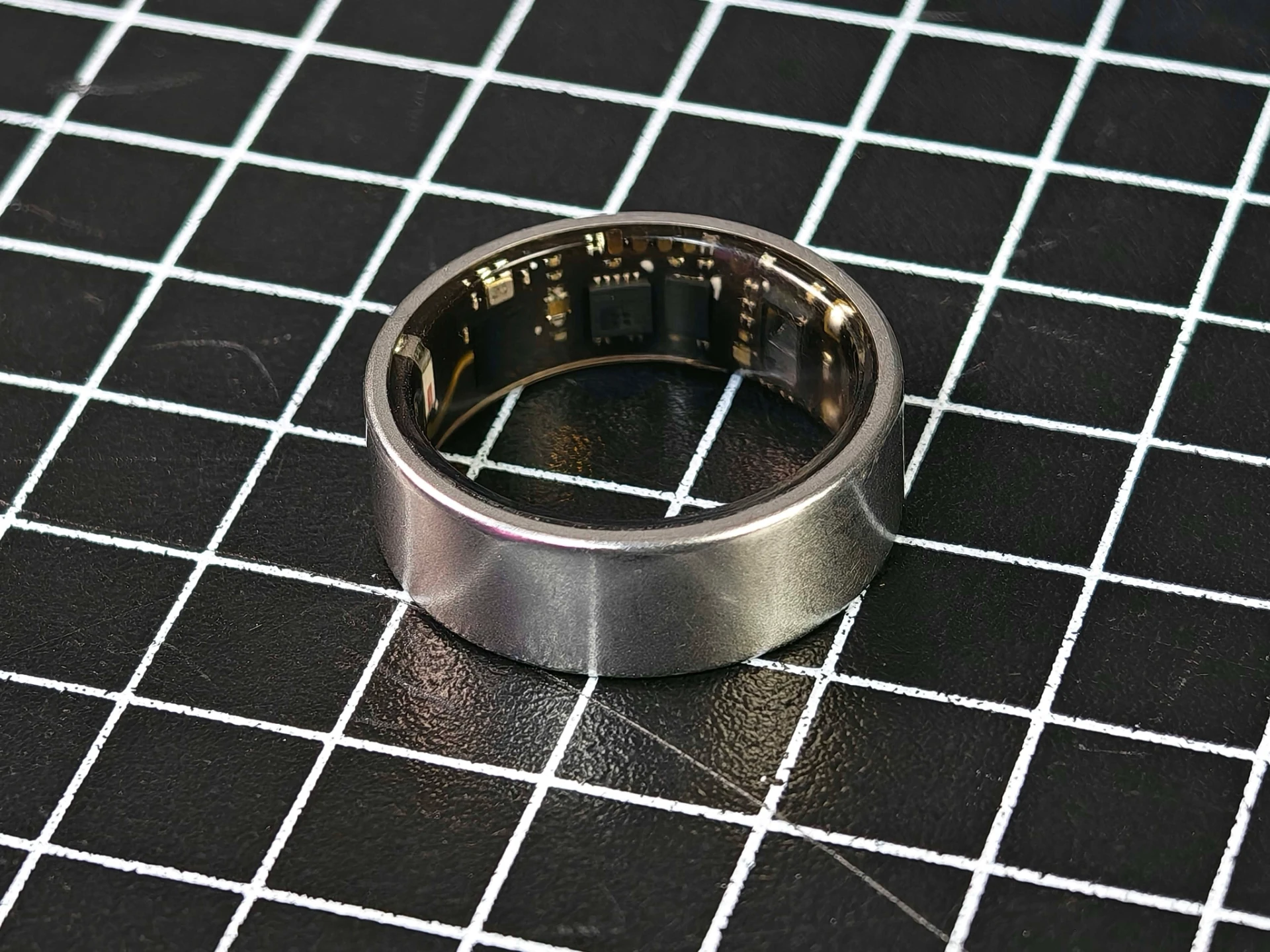
Skin temperature and circadian rhythm tracking are where the ring earns more than step counting. Temperature shifts show up before you feel run down, and circadian data tells you whether your body clock agrees with the schedule you are keeping. Neither is the kind of insight a phone can give you.
It is water resistant and built to be worn continuously, which is the whole point. A tracker you take off at night cannot tell you anything about your sleep.
No subscription, and that matters
The Ring Air runs at $349 in the United States, and the Philippine list price is PhP22,500 through Digital Walker, with some sizes currently discounted well below that.
The number worth focusing on is the one that repeats. There is no subscription. Plenty of health wearables now gate their real insights behind a monthly fee, which turns a one-time purchase into a quiet annual commitment. Paying once for a ring that keeps working is a materially different deal, and it is a large part of why this one keeps showing up on recommendation lists.
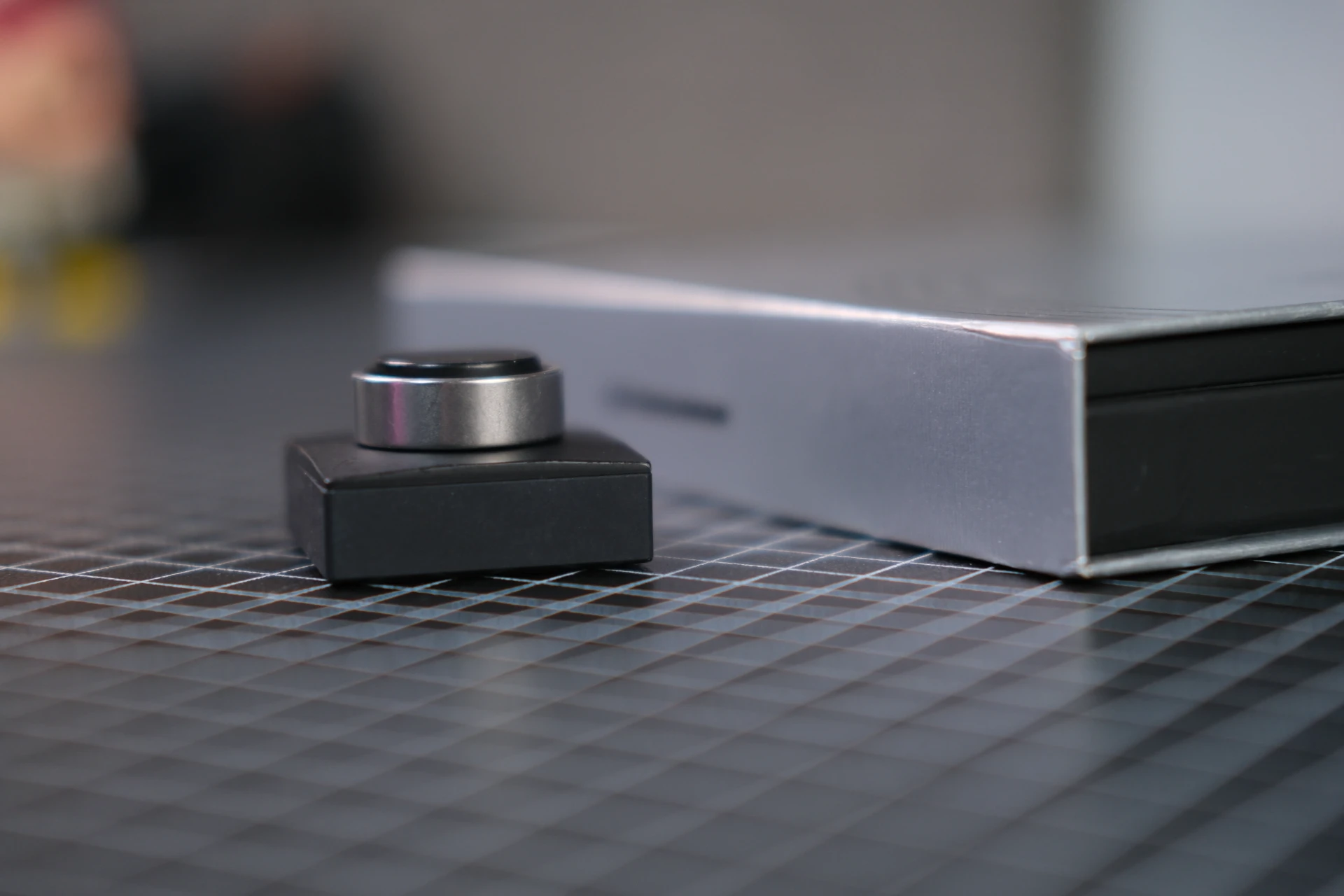
Battery life lands somewhere between four and six days depending on how hard it works, which means charging is a weekly habit rather than a nightly chore.
Ring or watch, and who should care
If you want a screen on your wrist, notifications, payments and GPS on your forearm, this is not that device. The Ring Air has no display and makes no attempt to be a smartwatch.
What it offers instead is something you can wear alongside an ordinary watch. You keep the timepiece you like, and the ring quietly does the health tracking underneath. For people who dress for work, that is not a small thing.
Try it at Digital Walker at SM Cyberzone
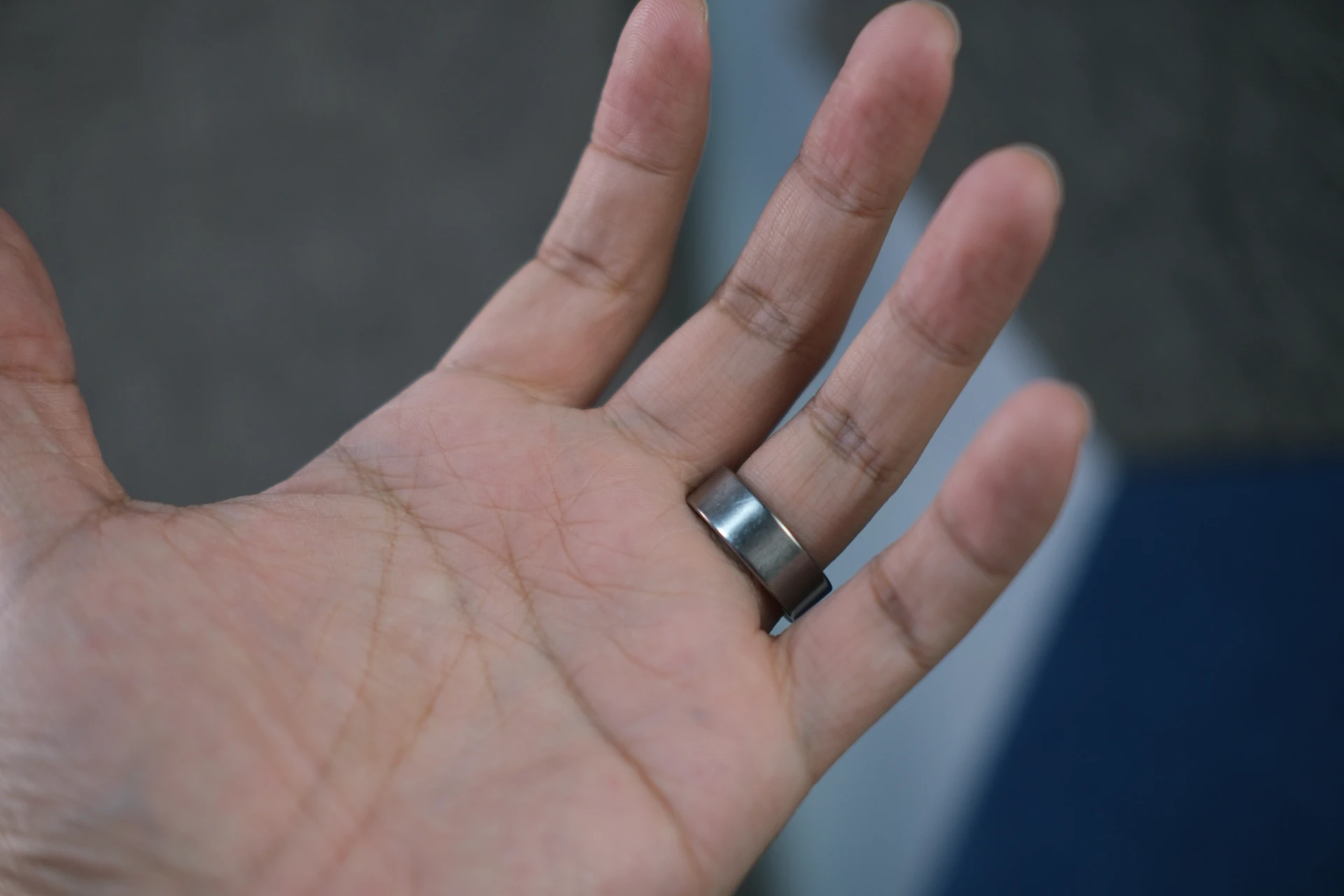
A ring is a fit problem before it is a software problem. Sizing is not guesswork you should do from a chart, and the difference between a ring you wear for two months and one you stop wearing is measured in fractions of a millimeter on the right finger.
Digital Walker at SM Cyberzone is where you can try sizes in person, see the finish against your own hand, and decide whether the weight disappears the way it is supposed to.
That is the thing about Cyberzone. It is the zone where tech stops being a spec sheet and becomes something you can hold, try, and decide on with your own hands. Tech we like, zone we love. The Ultrahuman Ring Air is exactly the kind of tech we like, and SM Cyberzone is exactly where you should go to meet it.

Giancarlo Viterbo
Giancarlo Viterbo is a Filipino Technology Journalist, blogger and Editor of gadgetpilipinas.net, He is also a Geek, Dad and a Husband. He knows a lot about washing the dishes, doing some errands and following instructions from his boss on his day job. Follow him on twitter: @gianviterbo and @gadgetpilipinas.
View all articles →