









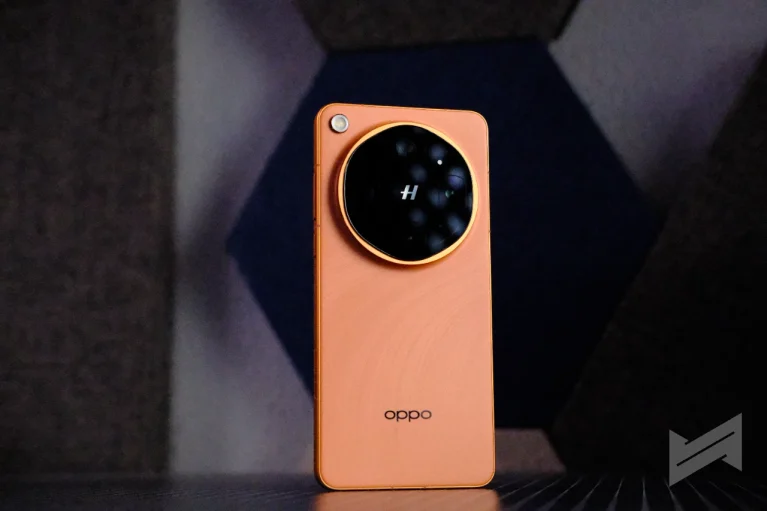
The OPPO Find X9 Ultra does not ask for attention politely. It arrives with two 200MP cameras, a separate 10x optical telephoto lens, and the kind of zoom hardware usually reserved for bridge cameras. After weeks of coverage around its restocks and its DXOMARK recognition, the question is no longer whether OPPO can build an imaging flagship. It is whether the Find X9 Ultra is worth ₱129,999 of your money. The short answer: for the right buyer, yes, and it is not close.
At a glance
- Variant tested: OPPO Find X9 Ultra (CPH2841), 12GB + 512GB, ColorOS 16
- Philippine price: ₱129,999, with a free Enco X3s (launched at a ₱99,999 early-bird price)
- Best for: photographers and video creators who want real zoom reach in a phone
- Skip if: you want a lighter phone, or the premium tier is beyond your budget
Price and positioning
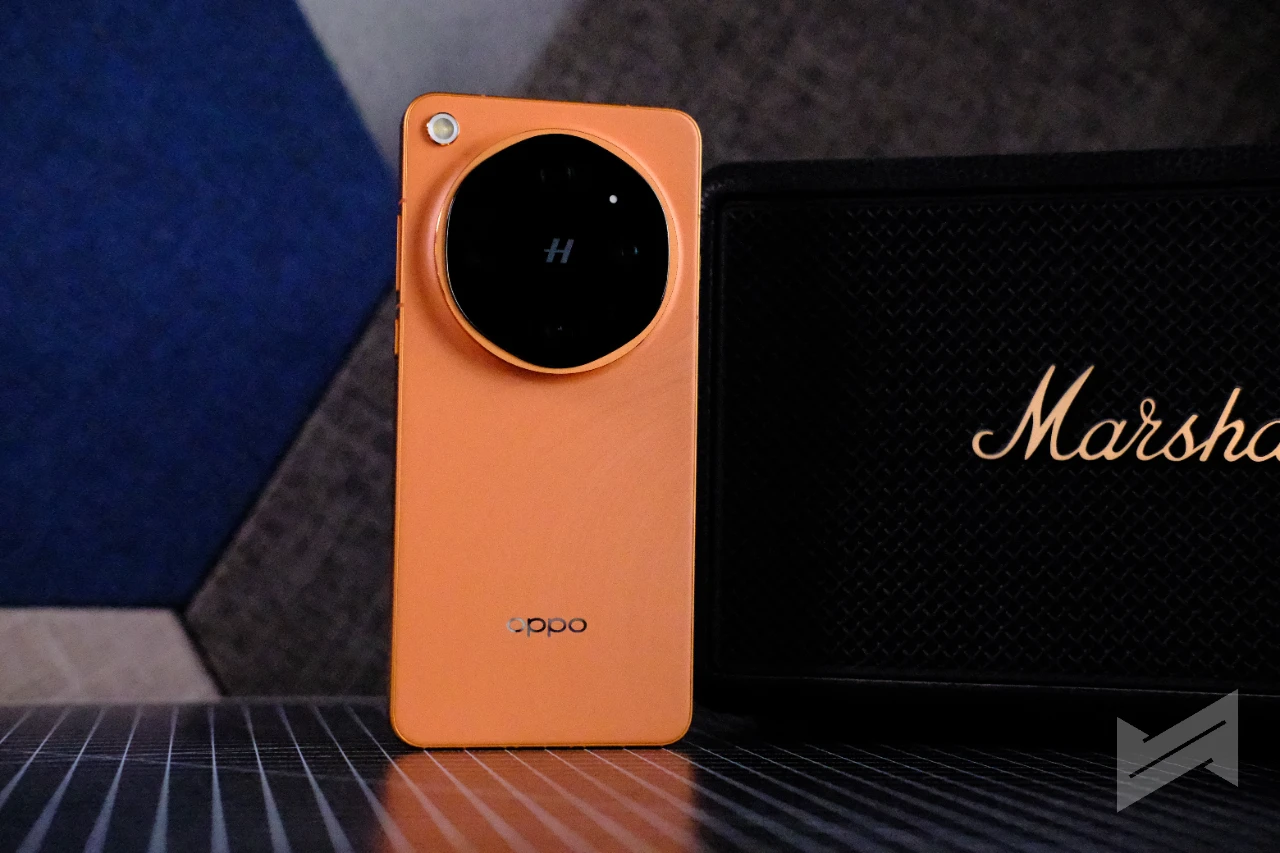
At ₱129,999, the Find X9 Ultra sits at the top of the Android camera-phone bracket, directly against the Galaxy S26 Ultra and above the foldable crowd that costs the same or less. That pricing makes sense only if the cameras genuinely deliver, and on paper they are the most aggressive configuration in the market: a 200MP main, a 200MP telephoto, a 50MP ultra-telephoto with 10x optical zoom, and a 50MP ultrawide. OPPO is not selling subtlety here; it is selling reach, and the rest of the phone has to support that promise.
Design and display
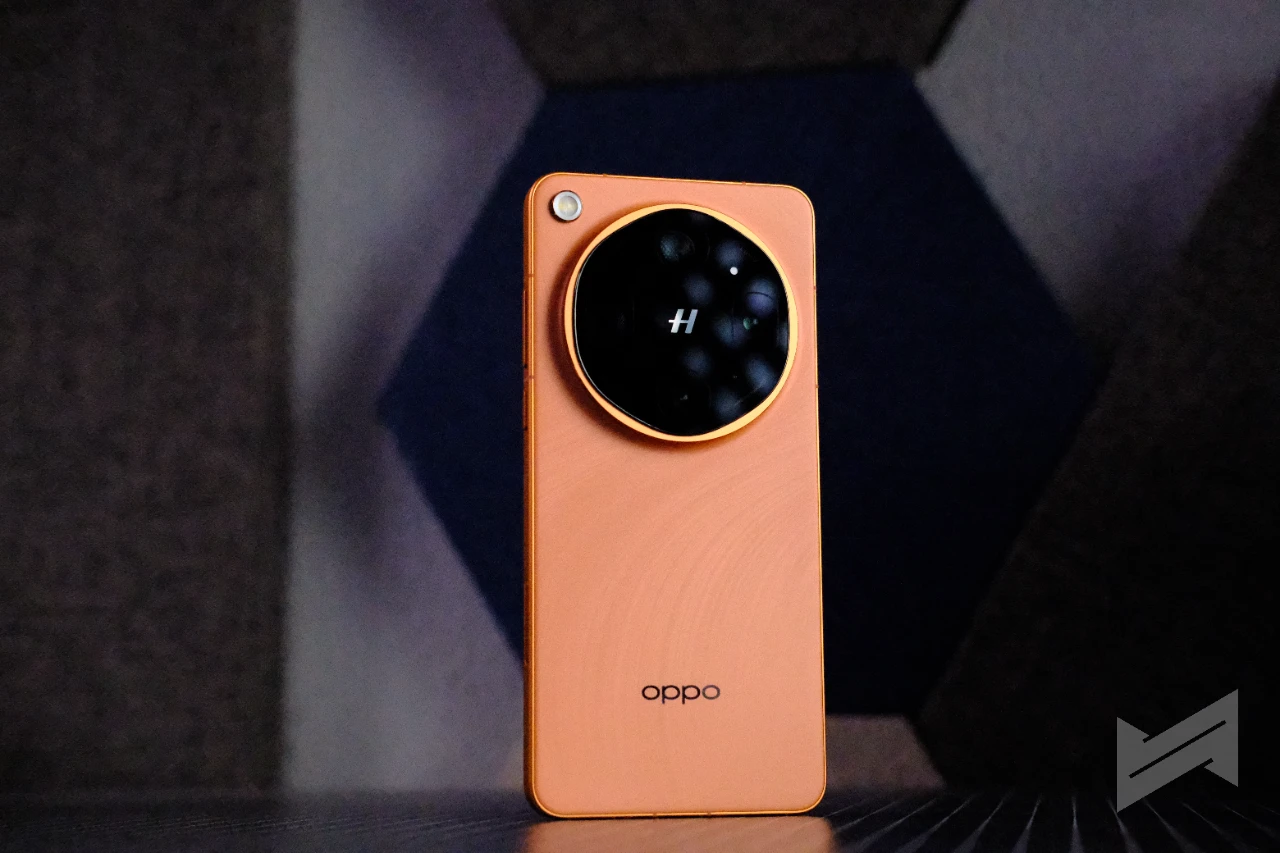
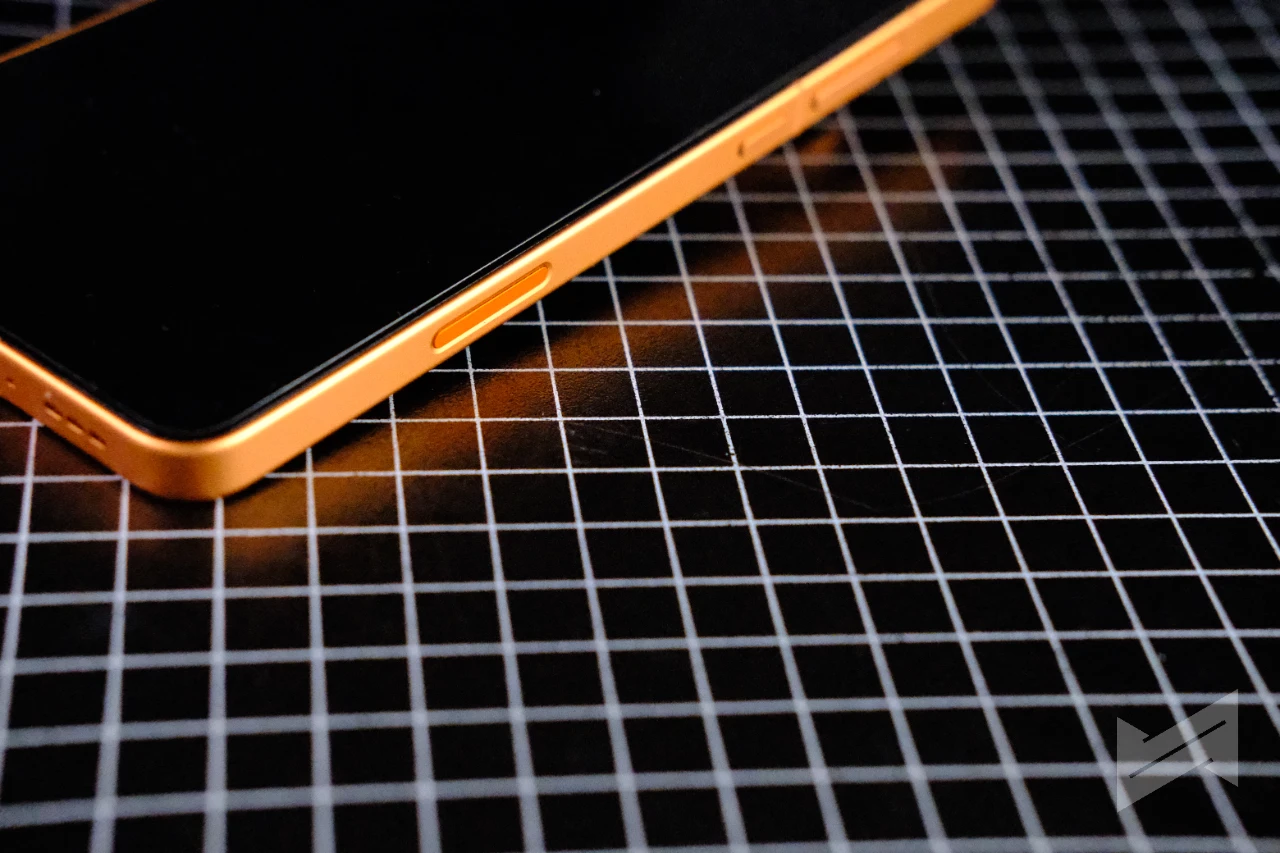
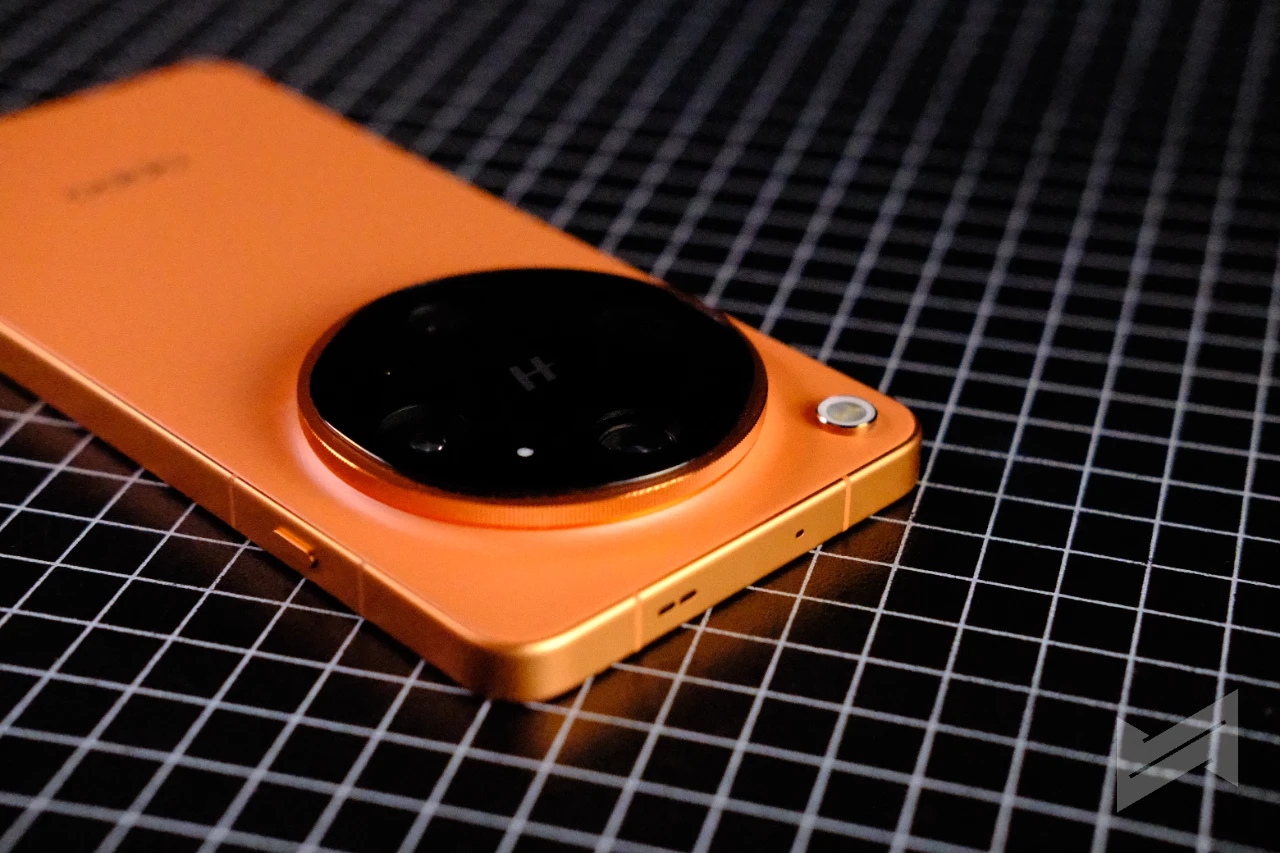
The Find X9 Ultra looks like a camera first and a phone second. The circular camera housing dominates the back, and in Canyon Orange the phone gets a tactile, grippy texture that suits its shooting-first personality. Tundra Umber swaps that for a more subdued glass finish. At 235g and 8.65mm, it is heavy and thick by flagship standards, but that weight is a trade-off for the 7,050mAh battery inside and the periscope hardware behind the lens. An IP69 rating means it shrugs off dust and high-pressure water, which matters for a device positioned for outdoor and travel shooting.
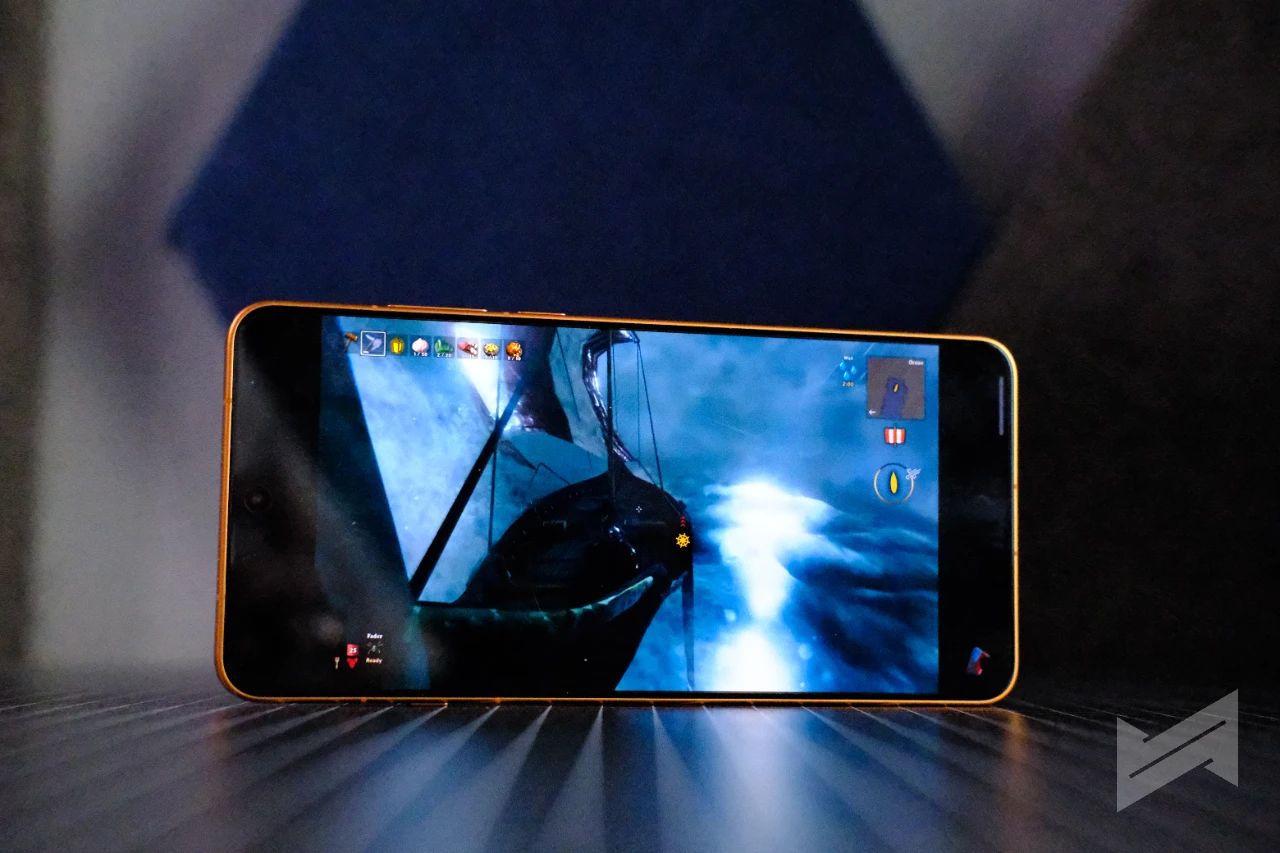
The 6.82-inch QHD+ display is among the best in class: 3168 x 1440 resolution, 10-bit color, a 1 to 120Hz adaptive refresh rate that jumps to 144Hz in supported games, and 1,800 nits of high-brightness output. The ProXDR panel is bright enough to review photos outdoors, and colors stay accurate across the standard, natural, and vivid profiles.
Cameras
This is the reason the Find X9 Ultra exists, and the hardware is genuinely unusual. The 200MP main sensor at f/1.5 with a 7-element lens and 2-axis OIS handles the everyday shots. The second 200MP sensor powers a telephoto that uses a prism reflection structure to keep the body thin. The dedicated 50MP ultra-telephoto delivers true 10x optical zoom, the kind of reach that used to require a separate lens. A 50MP ultrawide at 123 degrees rounds out the system, with a 3.2MP monochrome sensor assisting depth and detail.
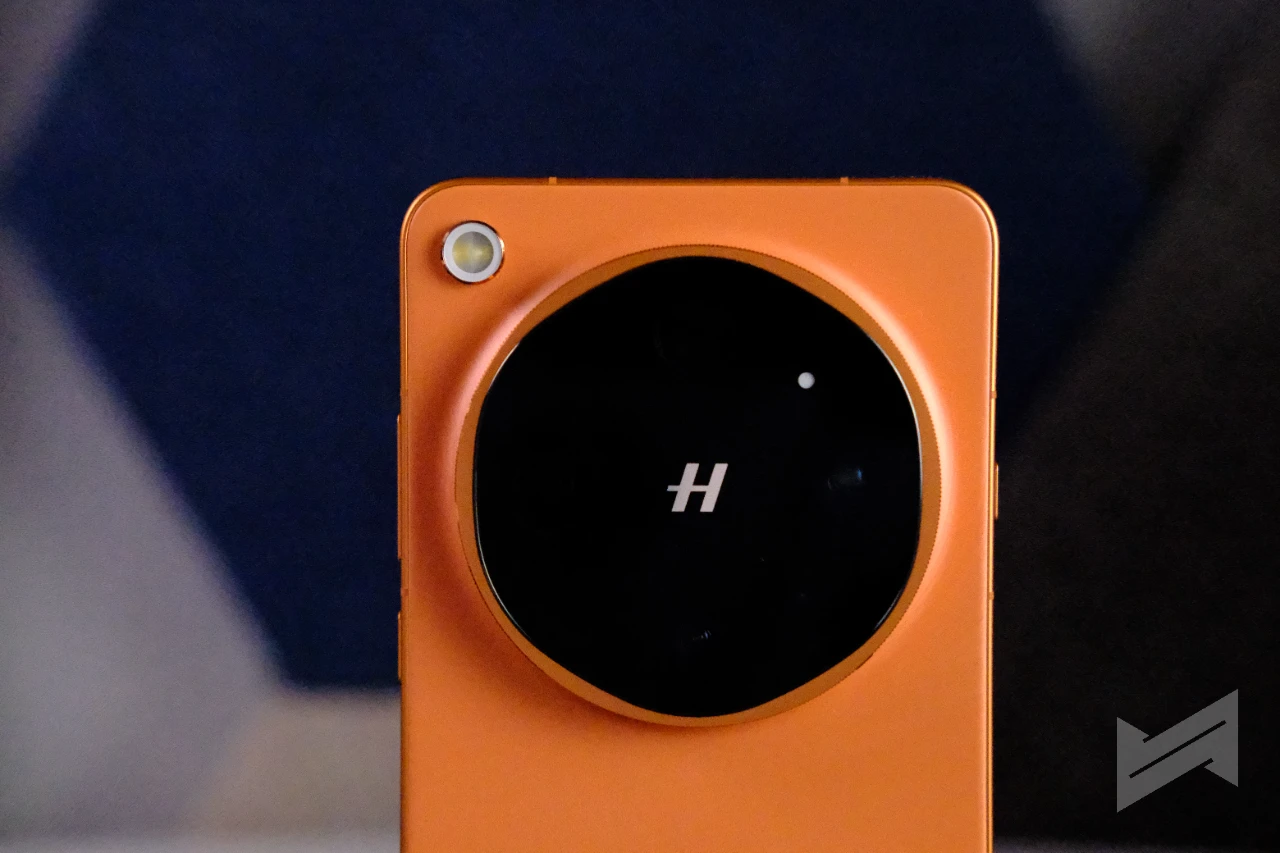
OPPO’s Hasselblad partnership is visible throughout. The color science favors natural reproduction over punch, skin tones come out believable, and the Hasselblad Master Mode hands over manual control of exposure, shutter, ISO, white balance, and focus for anyone who wants to shape the shot. DXOMARK’s recognition, with high marks across Portrait, Outdoor, Indoor, Low Light, and Zoom categories, lines up with what the hardware suggests: this is a phone that wants to be judged like a camera.










The zoom system deserves the extra attention OPPO gives it. The Quintuple Prism Reflection Periscope Structure keeps the 10x module compact while maintaining clarity and stability at distance, and the 3x and 10x optical steps cover the two ranges photographers actually use most: framing a portrait from a comfortable distance, and reaching a stage or a subject across a field. This is the setup that makes the Find X9 Ultra a practical replacement for a bridge camera at concerts, sports events, travel, and wildlife, which is exactly the positioning OPPO has pushed since the device first launched. Demand has backed the pitch up, with the phone restocking at select brand stores repeatedly after selling out.



Video is equally ambitious. The Find X9 Ultra records 8K at 30fps and 4K at up to 120fps, supports Dolby Vision capture, and its video zoom reaches 10x optical and up to 30x digital. For creators who shoot a lot of event coverage, the combination of 10x reach and stable footage replaces the need for a separate telephoto rig in most scenarios.
Performance
Under the hood is the Snapdragon 8 Elite Gen 5 with an Adreno 840 GPU, paired with 12GB of RAM and 512GB of UFS 4.1 storage on this variant. OPPO pairs it with an advanced vapor chamber cooling system, which matters because 200MP bursts and long 8K clips are exactly the workloads that make other phones throttle.
Beyond day-to-day use, I measured the Find X9 Ultra with four standard apps: AnTuTu Benchmark for overall system performance, Geekbench 6 for single and multi-core CPU results, 3DMark Wild Life for GPU load, and PCMark for real-world productivity workloads. Each suite stresses a different part of the Snapdragon 8 Elite Gen 5, so the results together paint a fuller picture than any single score.
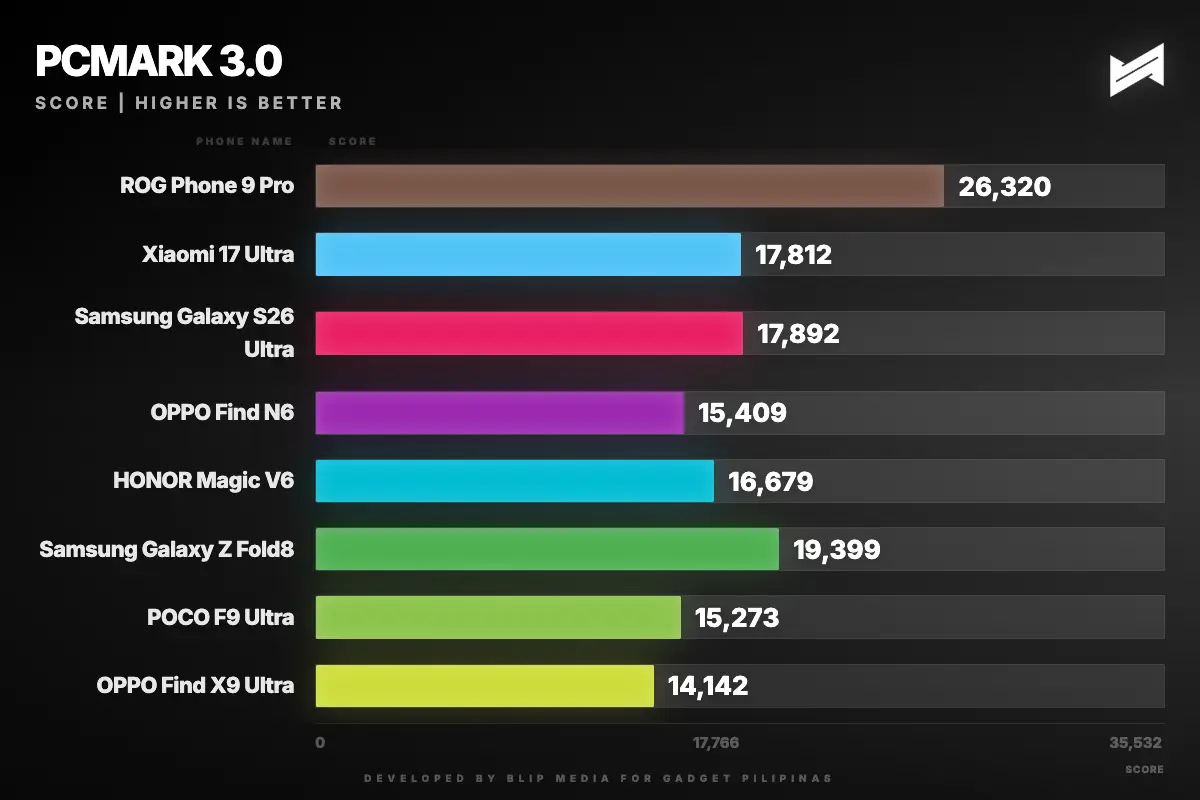
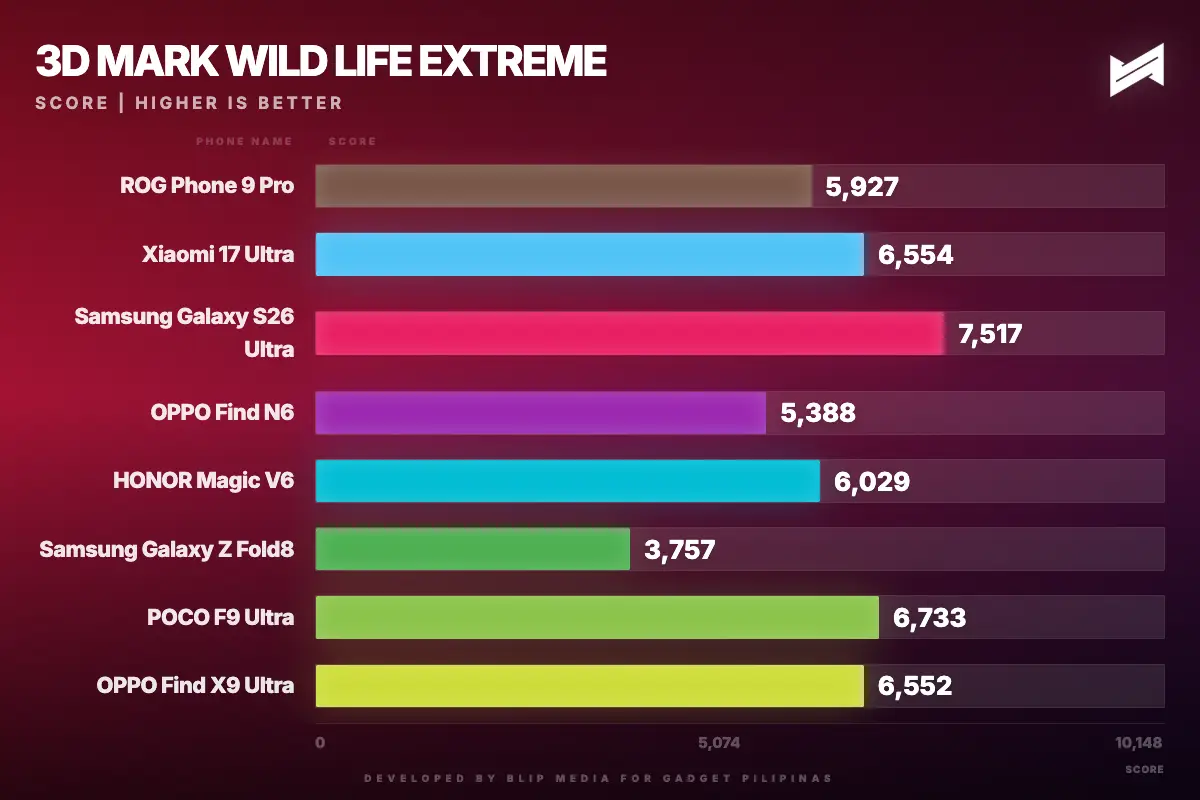
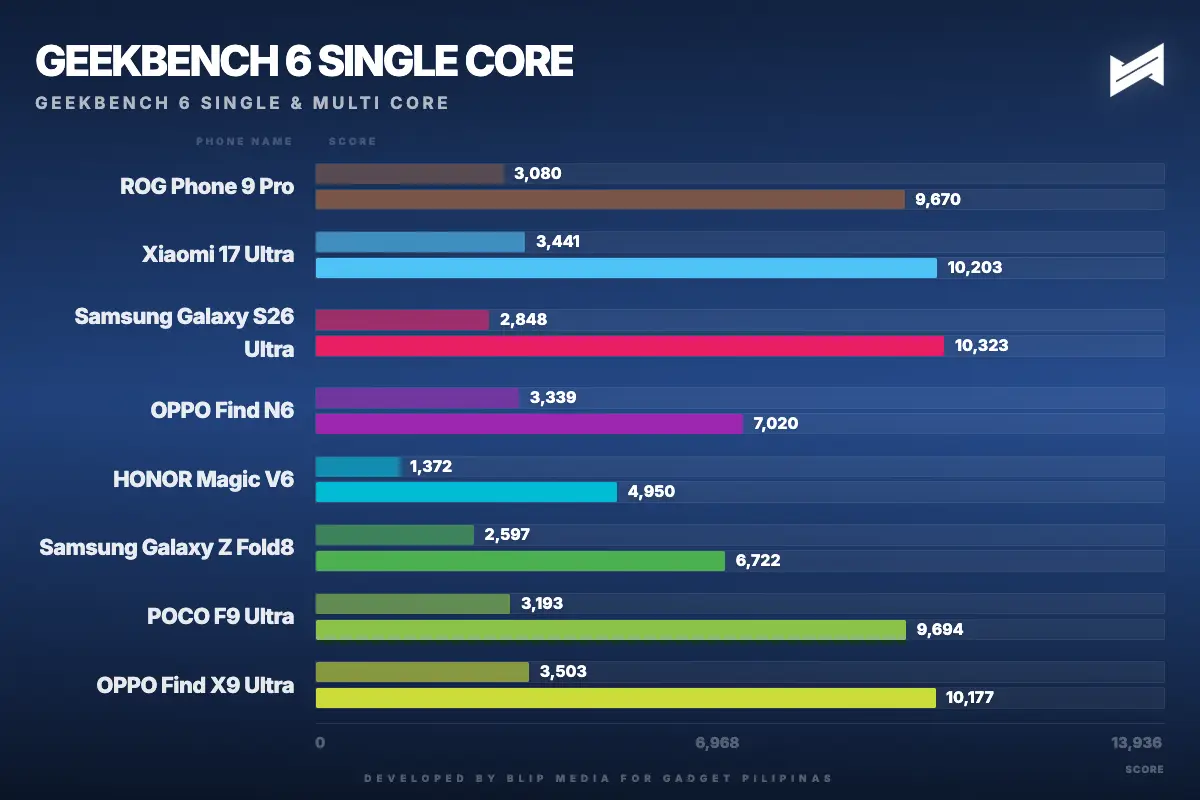
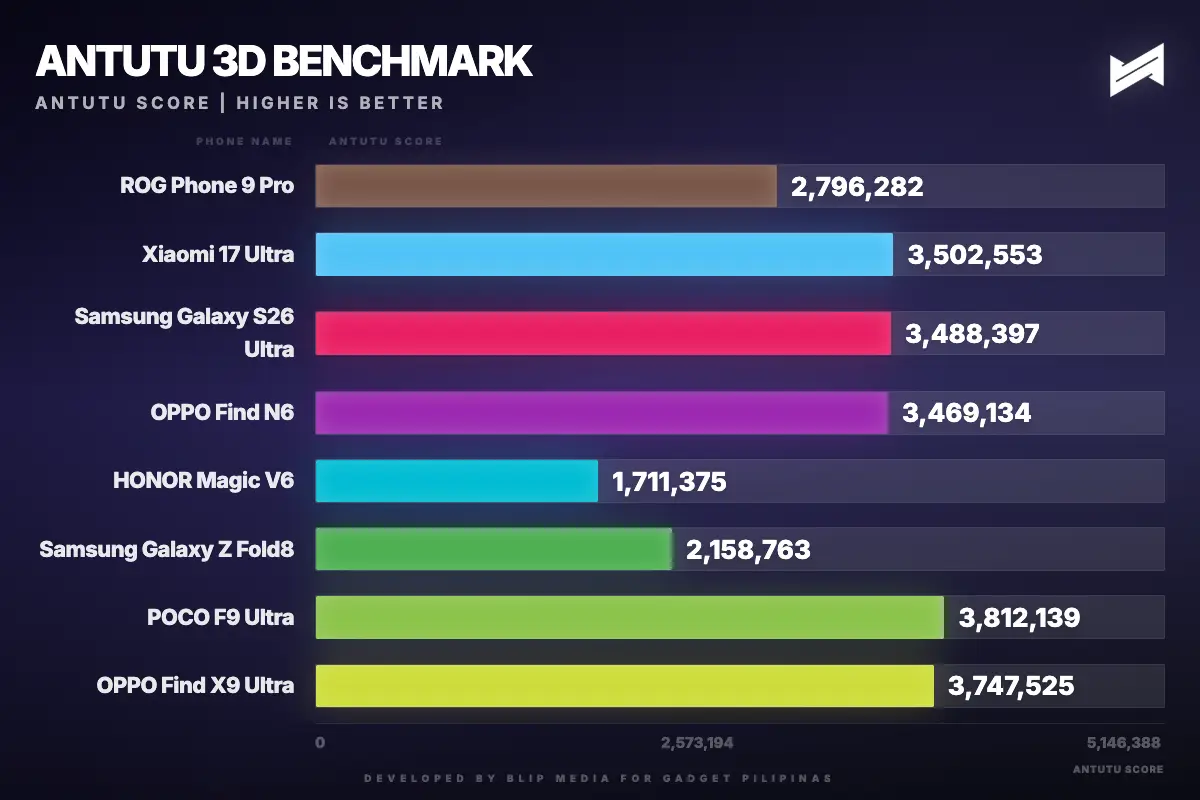
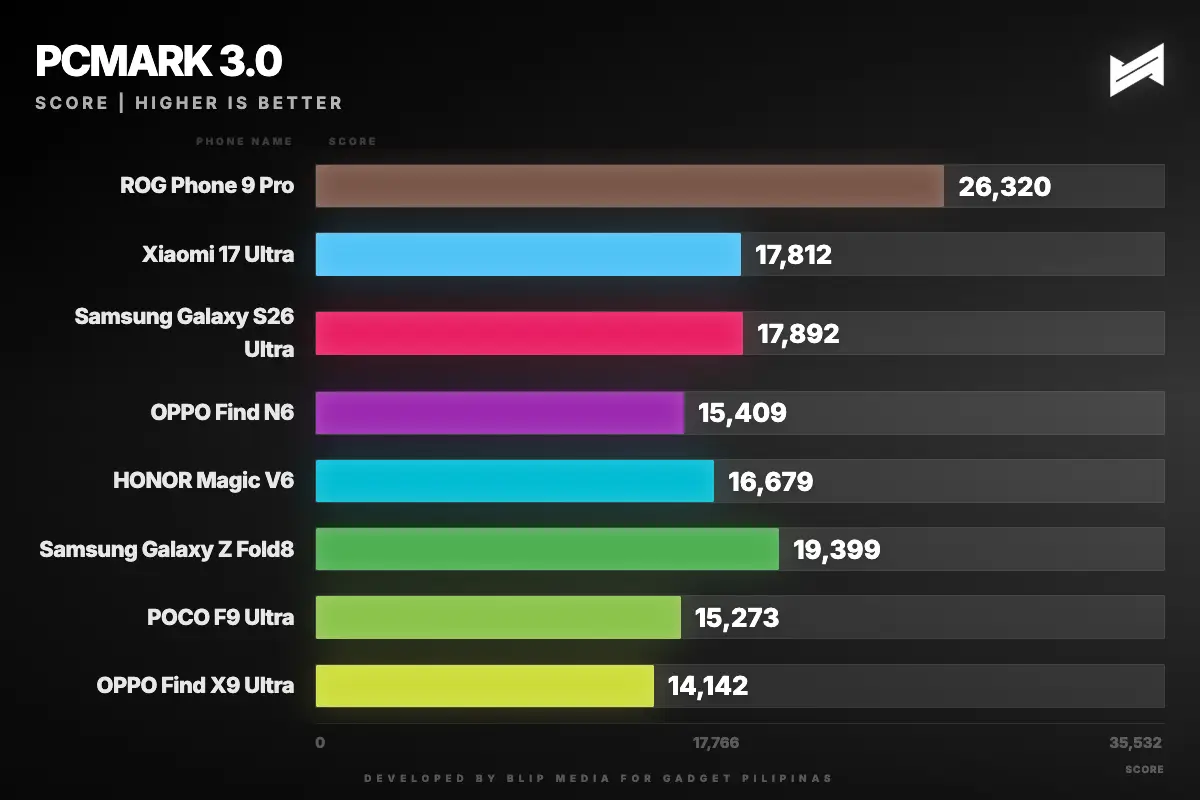
The phone scored 3,747,525 on AnTuTu, a figure that puts it at the top of the flagship class. Geekbench 6 returned 3,503 single-core and 10,177 multi-core, and 3DMark Wild Life hit 6,552, backing up the smooth experience under demanding workloads. PCMark came in at 14,142, confirming that heavy productivity work is well within reach. Taken together, the numbers match what the phone promises on paper, and the advanced vapor chamber cooling gives it the headroom those camera and video workloads demand.
Battery and charging
The 7,050mAh silicon-carbon battery is the largest in a mainstream flagship, and it is the quiet hero of this phone. Heavy camera days, navigation, streaming, and gaming are all within reach of a full day’s use, which is rare for a device with this much camera hardware to power. Charging is equally flagship-grade: 100W SUPERVOOC wired charging refills the battery quickly, 50W AIRVOOC handles wireless, and the phone supports 55W PPS for broader charger compatibility. In practice, the Find X9 Ultra is the rare phone where battery anxiety is a non-issue.
Software
ColorOS 16 brings the AI layer OPPO has been building toward. The imaging pipeline leans on AI for noise reduction and detail retention in low light, and the phone’s Cross-Ecosystem Connect allows seamless file transfers between the Find X9 Ultra and Apple devices, a genuinely useful bridge for creators who shoot on Android and edit or share on iPhone and Mac. The rest of ColorOS 16 is familiar OPPO: smooth, customizable, and packed with features, though the pre-installed apps and promotions will be a mild cleanup task for some buyers.
What could be better
The Find X9 Ultra’s size and weight are the first things a potential buyer will feel, and they will not suit everyone. There is no microSD slot, so the 512GB base storage is your ceiling unless you step up to the 16GB + 1TB variant. The camera bump means the phone rocks on flat surfaces without a case, and the price, while justified by the hardware, puts it out of reach for most Filipino buyers. Battery life under sustained 4K recording will also test the vapor chamber in ways casual use will not.
Verdict
The OPPO Find X9 Ultra is the phone for people who take photography seriously and want a single device that replaces the zoom lens they used to carry. The dual 200MP system, the 10x optical reach, and the 7,050mAh battery make it the most complete imaging flagship in the Philippines right now, and the Hasselblad color science keeps the results natural rather than oversaturated. If size and price are not obstacles, this is the camera phone to beat.
OPPO Find X9 Ultra
Gadget PilipinasWhat we like
- Dual 200MP cameras with true 10x optical zoom and Hasselblad color science
- Class-leading benchmarks: AnTuTu 3.7M+, Geekbench 6 multi-core 10.2K
- 7,050mAh battery with 100W wired and 50W wireless charging
- Stunning 6.82-inch QHD+ ProXDR display with 1,800 nits
Could improve
- Heavy and thick at 235g and 8.65mm
- PhP129,999 price and no microSD slot
- Camera bump rocks on flat surfaces

Giancarlo Viterbo
Giancarlo Viterbo is a Filipino Technology Journalist, blogger and Editor of gadgetpilipinas.net, He is also a Geek, Dad and a Husband. He knows a lot about washing the dishes, doing some errands and following instructions from his boss on his day job. Follow him on twitter: @gianviterbo and @gadgetpilipinas.
View all articles →Related Reviews
 realme 16T 5G Review: An 8000mAh Battery With a Price
 HP Smart Tank 580 Review: Affordable Everyday Printing Without the Cartridge Cycle
 DJI Osmo 360 II Review: A Small Price Bump for a Big Step Forward
 POCO F9 Ultra Review: The Flagship Killer Now Comes With a Subwoofer
 HONOR Magic V6 Review: A Foldable You Can Stop Babying
 Galaxy Z Fold8 Review: The Lightest, Most Usable Fold Samsung Has Built