


RTX Spark Laptops will soon populate your shopping feed
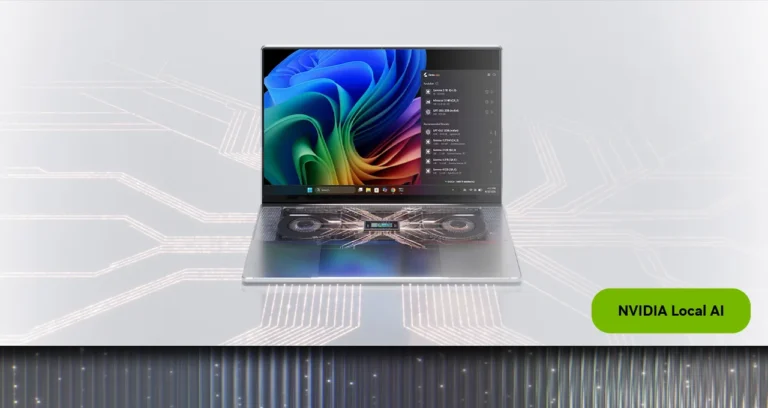
NVIDIA’s RTX Spark reaches store shelves on October 16, 2026, and it arrives inside laptops from eight manufacturers with prices that start at $2,599. The overall pitch of NVIDIA is not faster graphics, although the graphics are faster, but that the AI you already use stops being a cloud service.
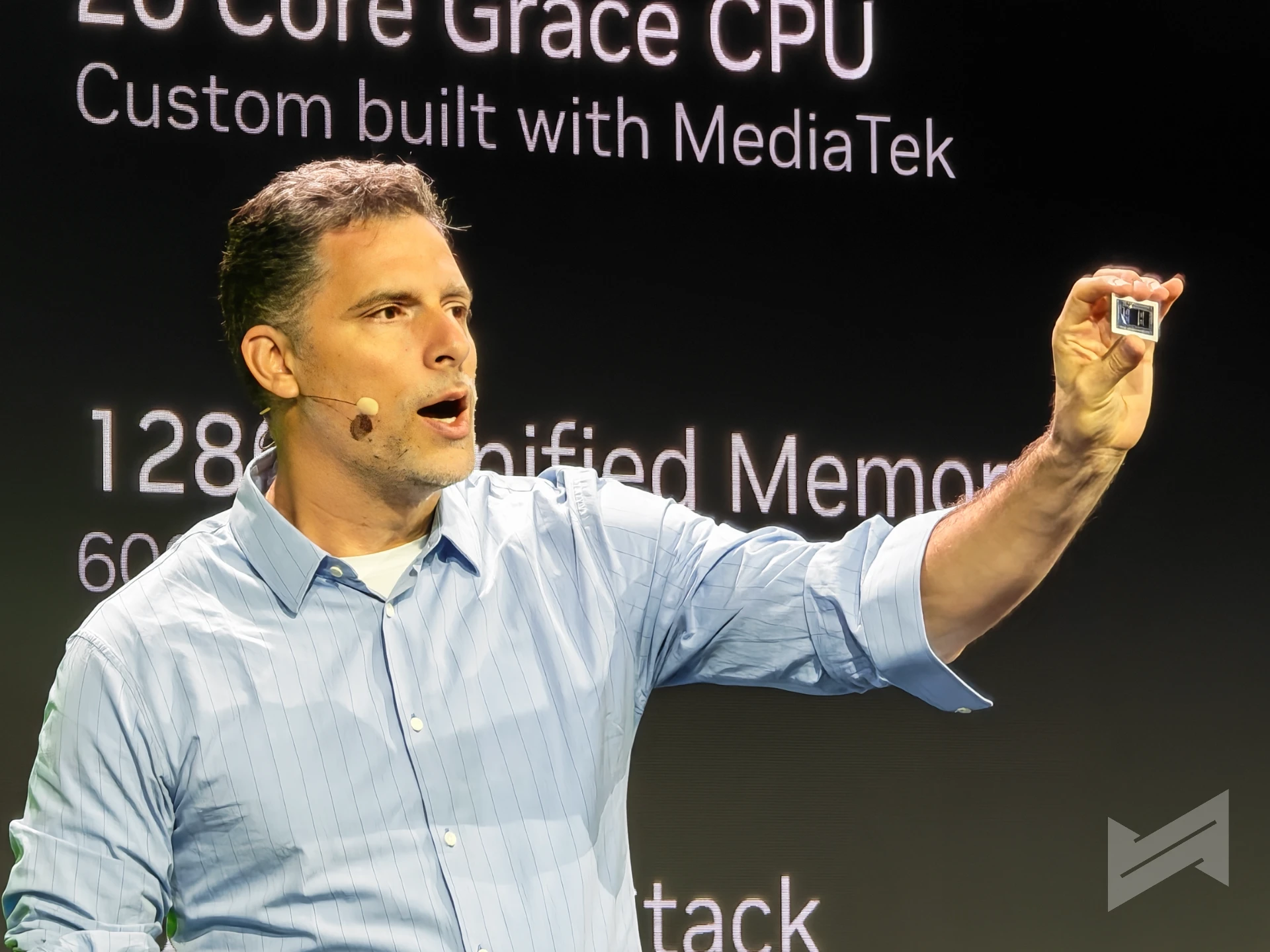
RTX Spark is a superchip rather than a graphics card, pairing a Grace Arm CPU with a Blackwell RTX GPU across one pool of LPDDR5X memory that reaches 128 GB. That shared pool is the part that changes the machine, because a conventional laptop splits its memory into a small pool for the GPU and a separate pool for the processor.
That split is the reason large language models live in data centers, since a model that does not fit in dedicated video memory has to run somewhere else. With a single pool, a laptop can load models that would never fit on a discrete GPU, and NVIDIA says the platform handles up to 120 billion parameters with context windows of a million tokens.
The practical result is an agent that keeps working when the network does not, image generation with no per-prompt bill, and documents that never leave the machine.
Windows on Arm is the other half of the story, because these machines run Windows 11 on Arm rather than on x86, which changes which applications feel native. RTX Spark ships in two tiers, and the tier decides what you can buy, because the 18-core CPU with a 5,120-core GPU covers configurations up to 64 GB of memory.
The 20-core CPU with a 6,144-core GPU is the full chip, and it carries the configurations of 48 GB and above, so buyers who want the top memory ceiling need the second tier.
Pre-orders opened on October 7, and the first machines ship on October 16, with compact desktops following in November rather than alongside the laptops.
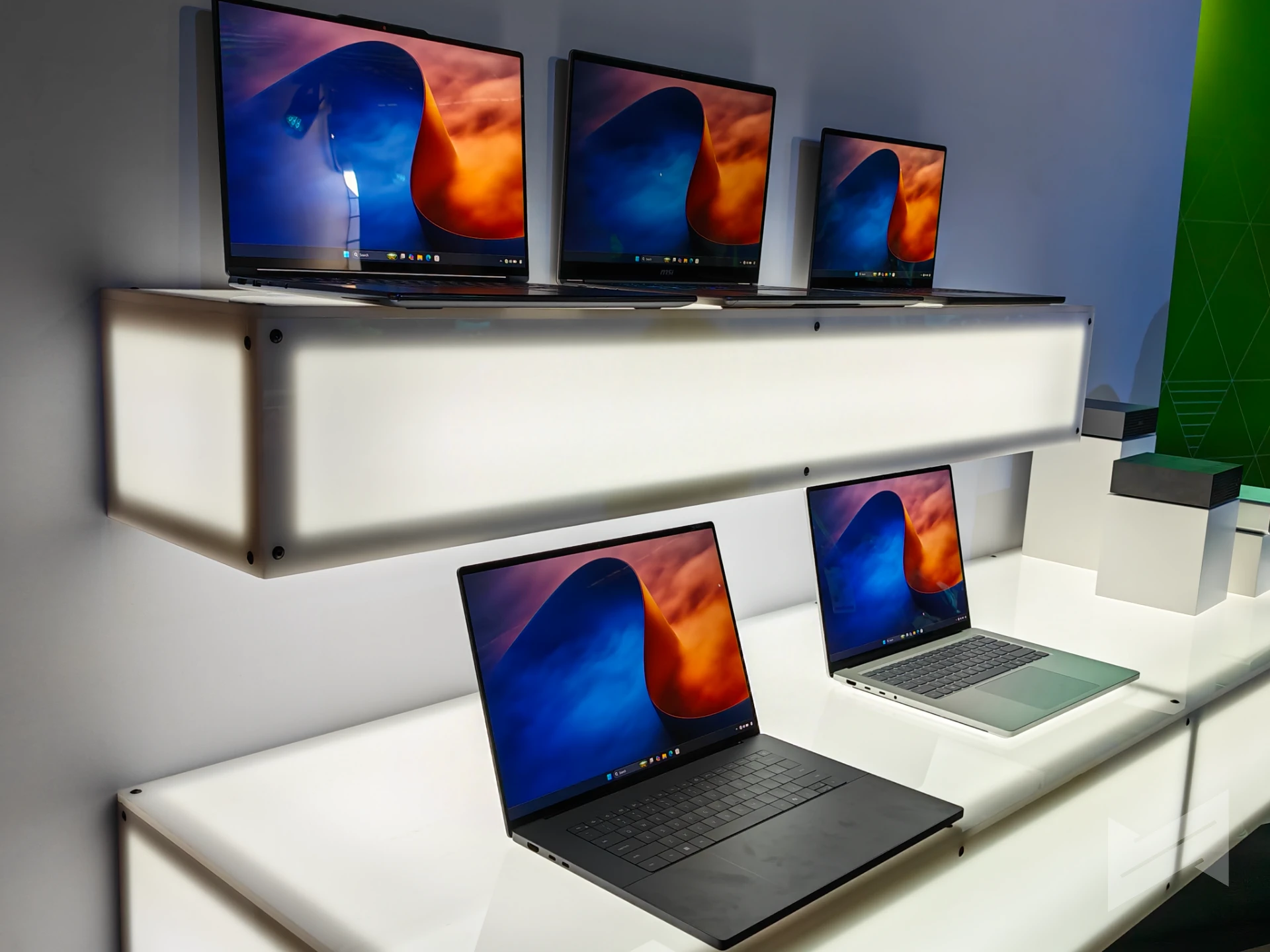
ASUS ProArt P series
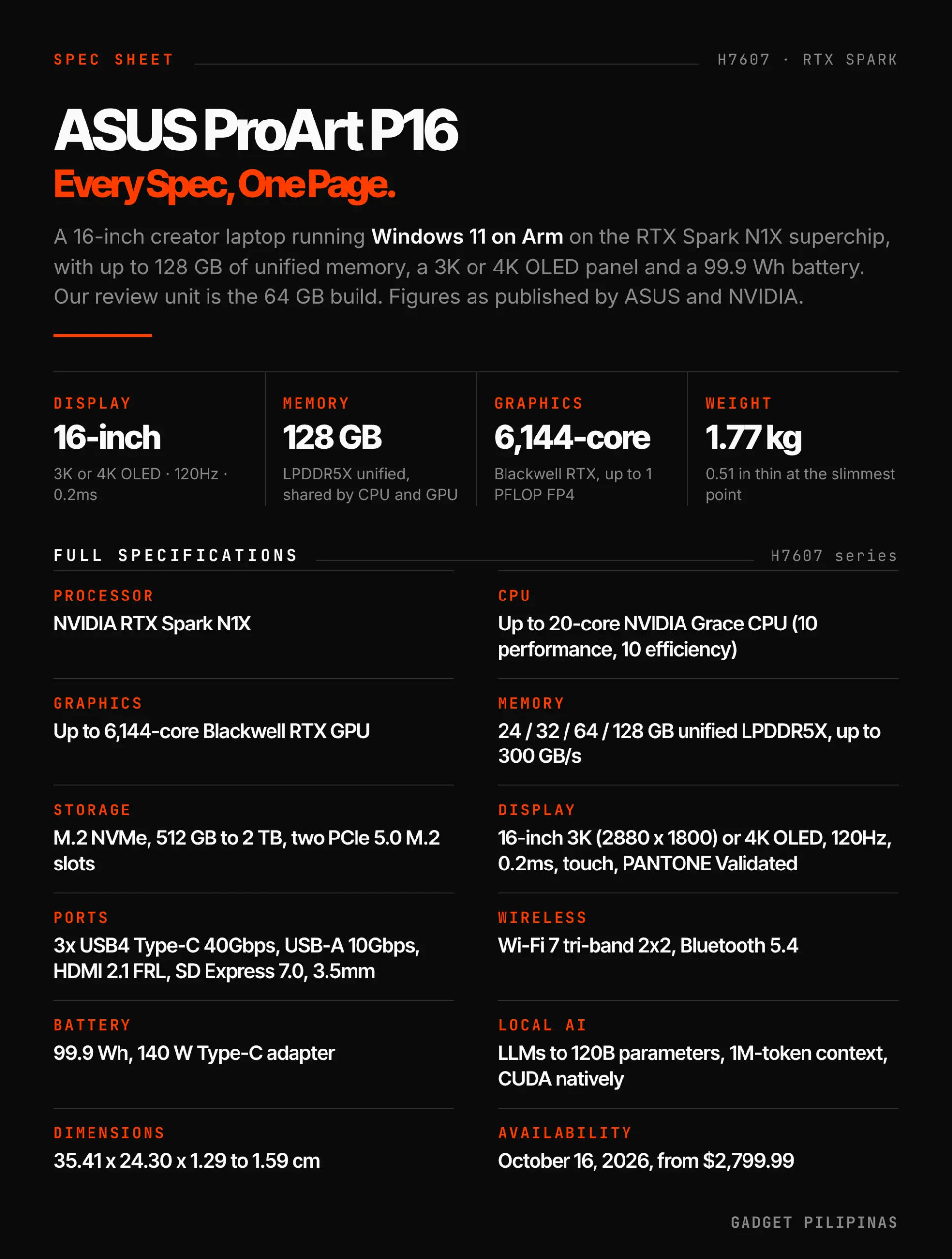
ASUS leads the launch with two ProArt machines, and the ProArt P16 (H7607) is the 16-inch creator flagship with up to 128 GB of unified memory.
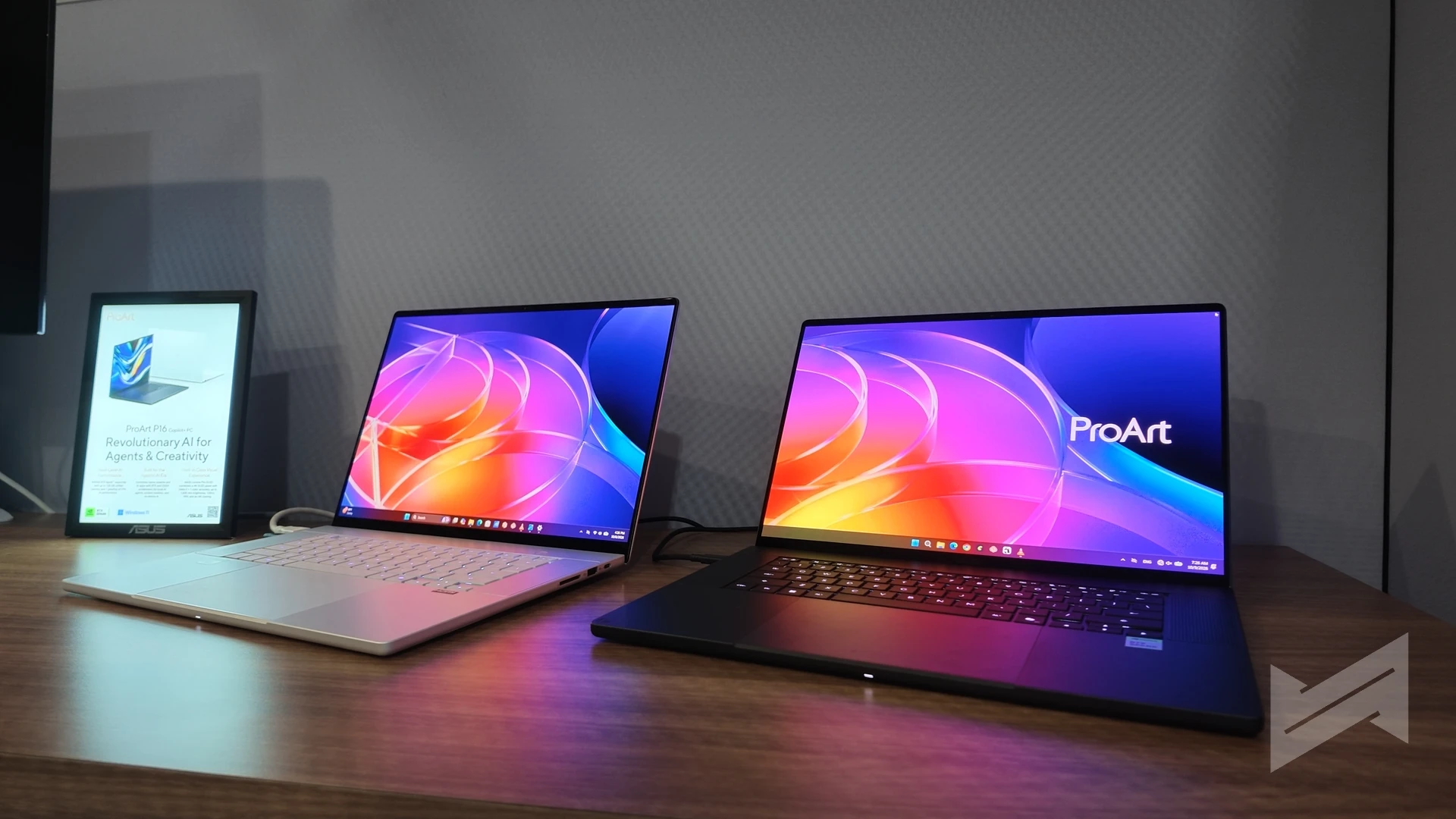
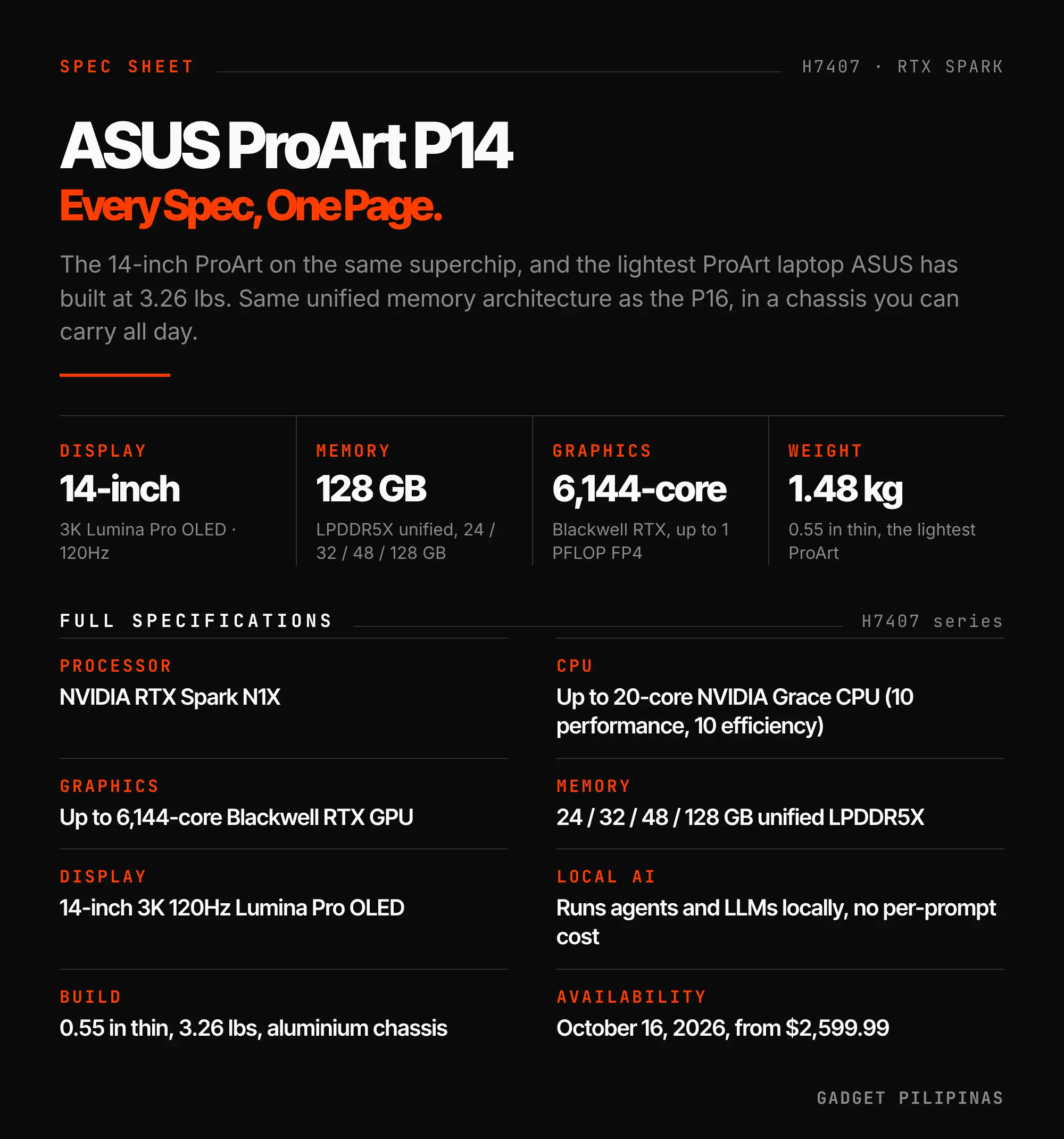
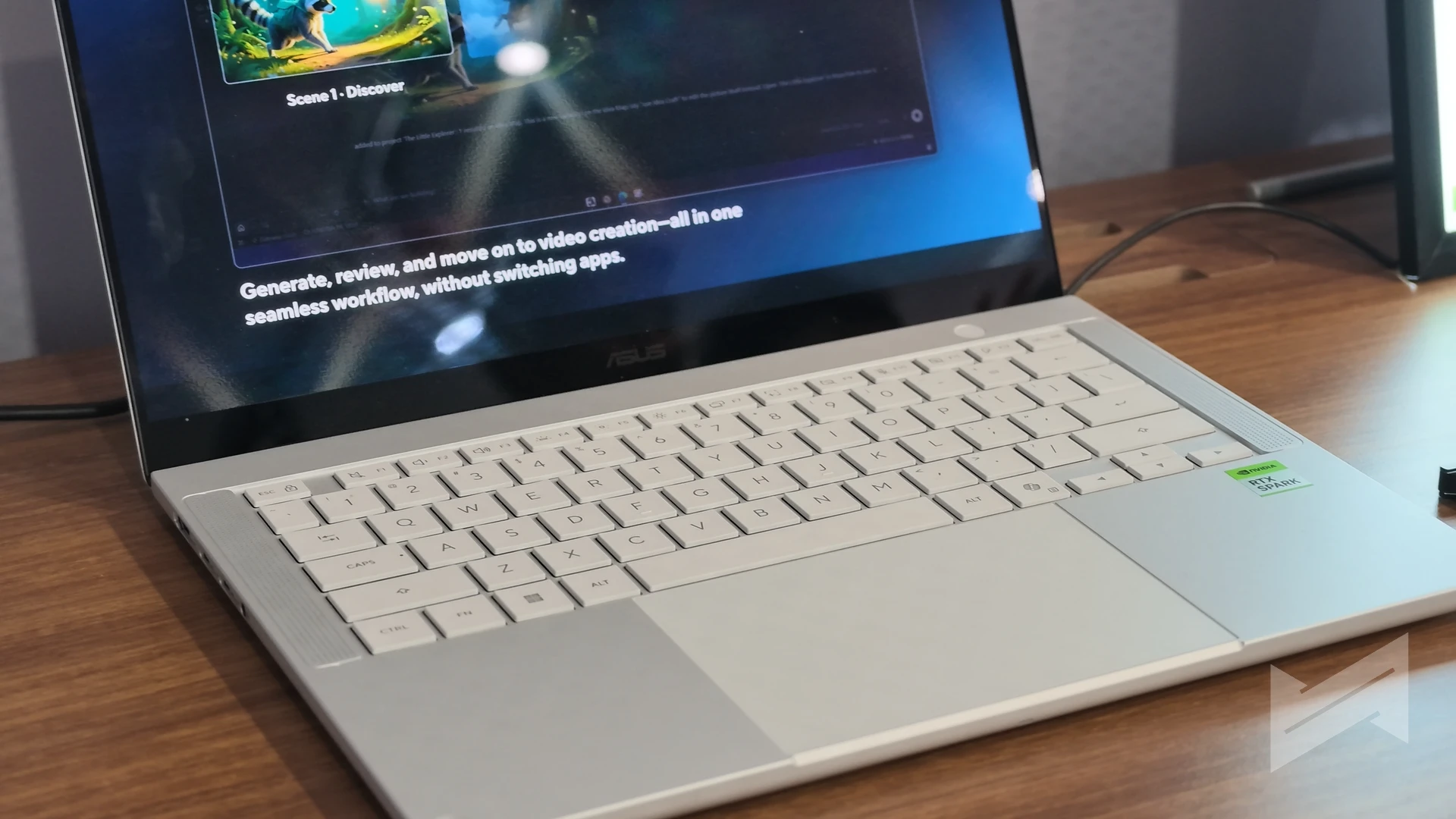
The ProArt P14 (H7407) is the 14-inch option, and ASUS calls it the lightest ProArt laptop it has built, at 3.26 pounds and 0.55 inches thick.
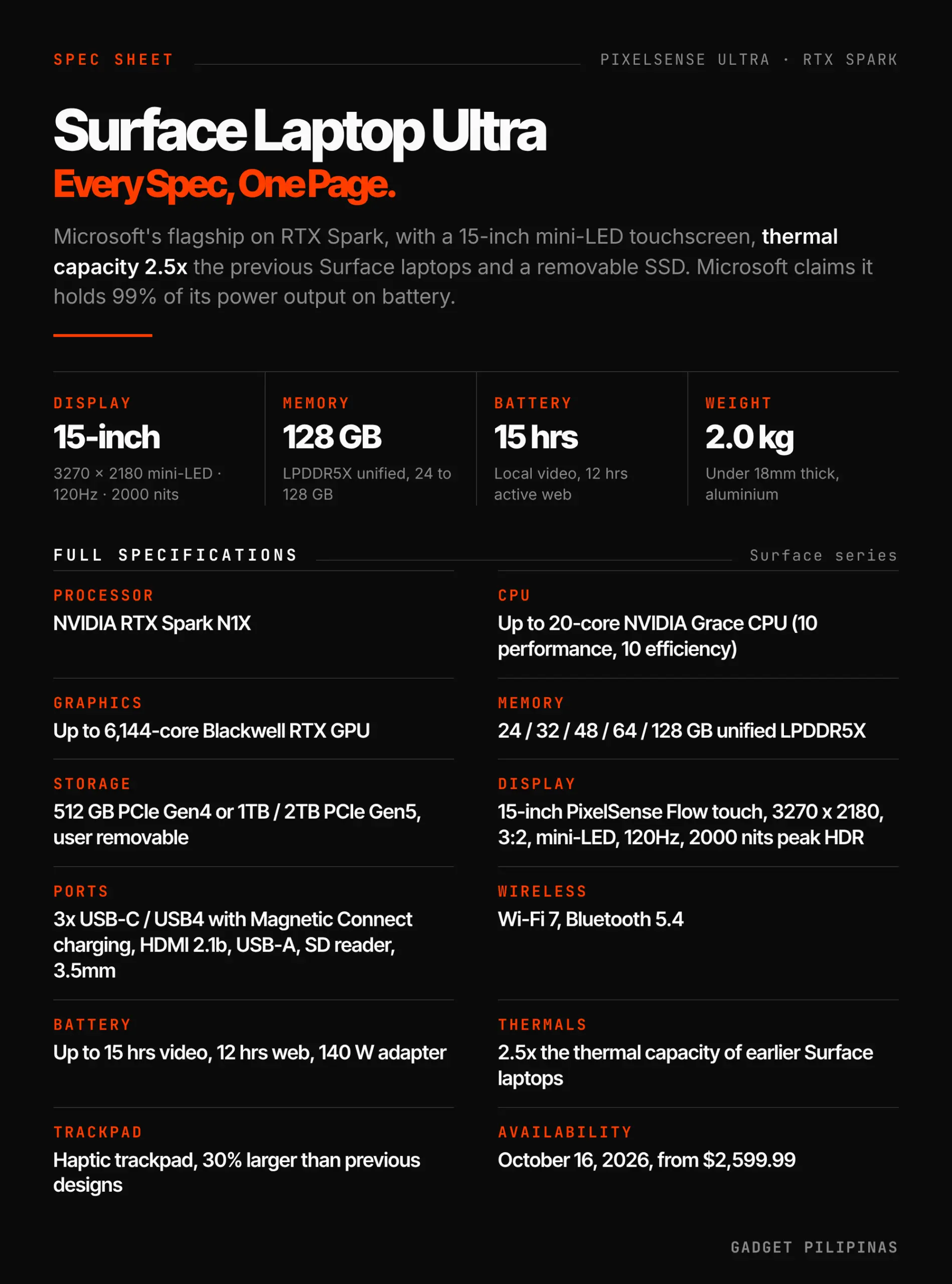
Microsoft Surface Laptop Ultra
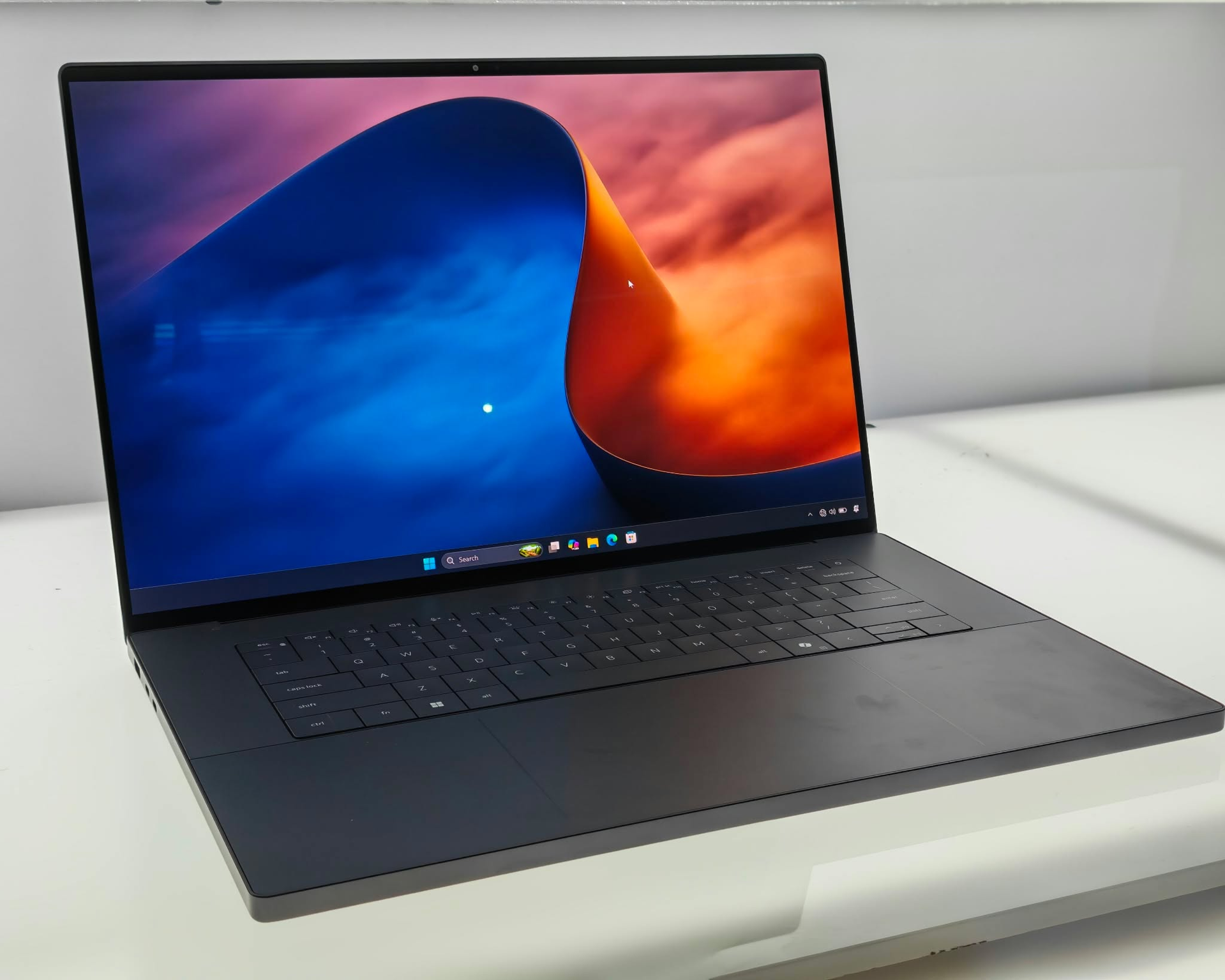
Microsoft’s Surface Laptop Ultra is the flagship consumer machine of the wave, a 15-inch touchscreen laptop with up to 128 GB of memory and a redesigned thermal system.
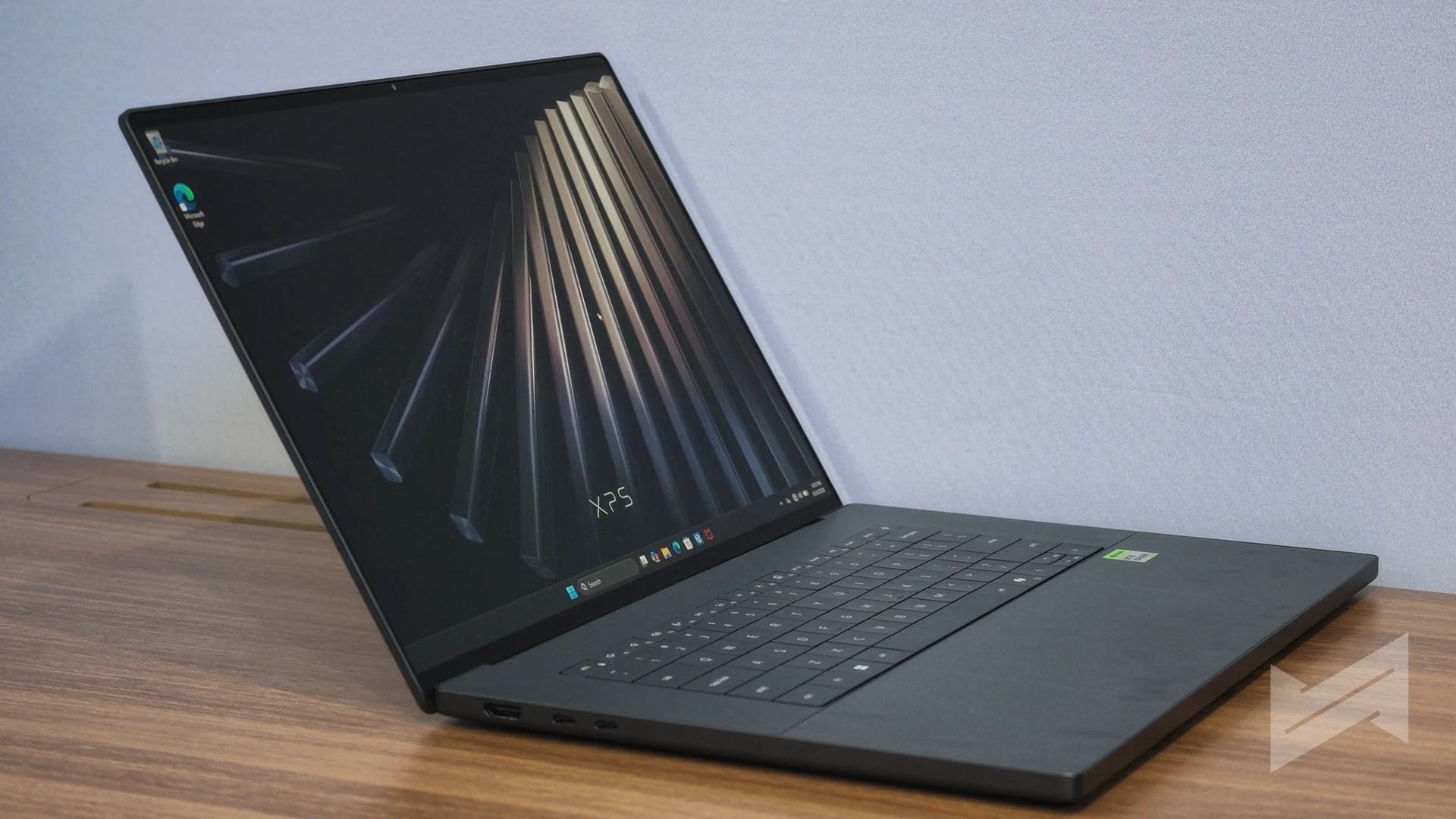
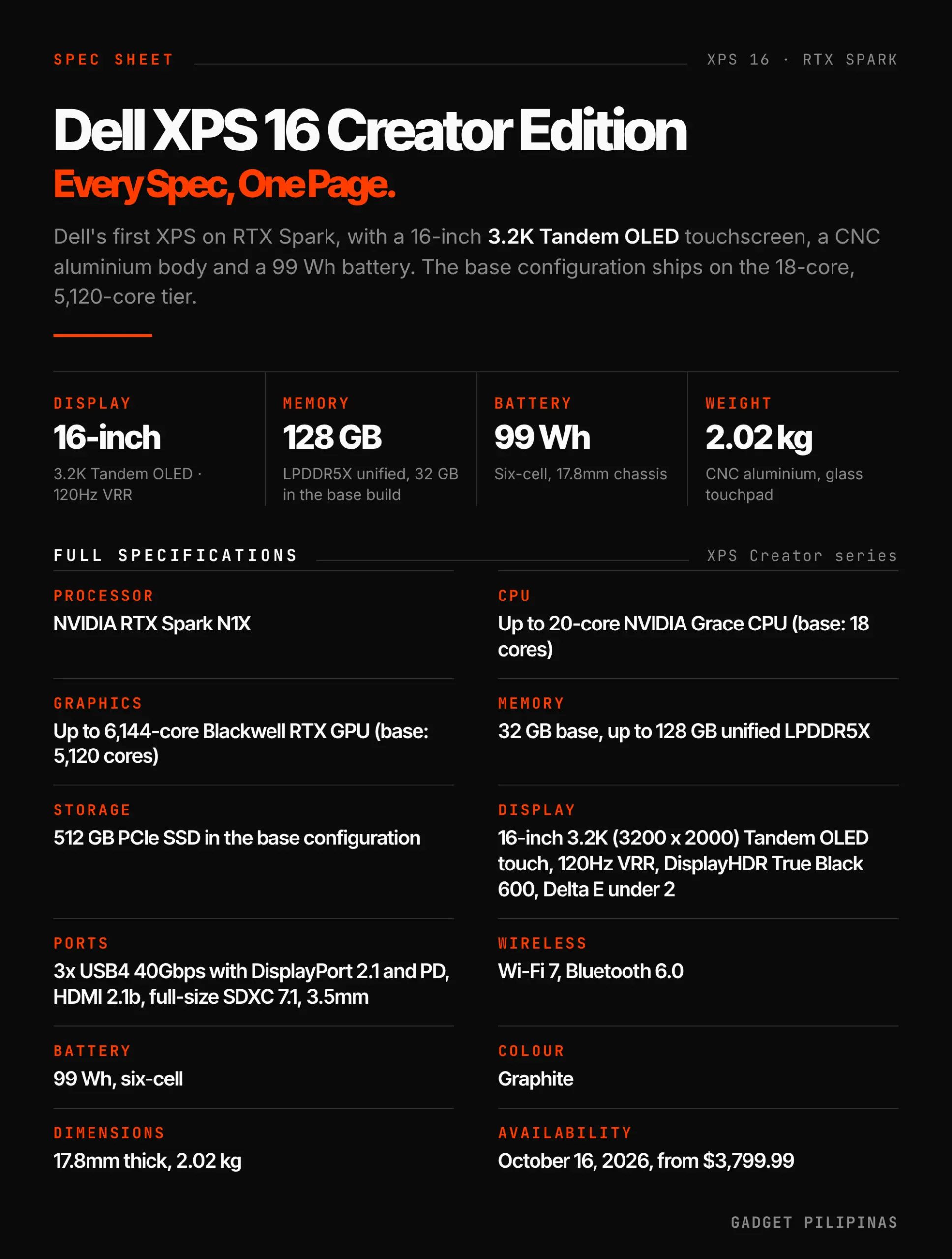
Dell XPS 16 Creator Edition
Dell answers with the XPS 16 Creator Edition, which puts the same superchip and memory ceiling into a chassis that measures about 0.7 inches thick.
HP Omnibook Ultra 16
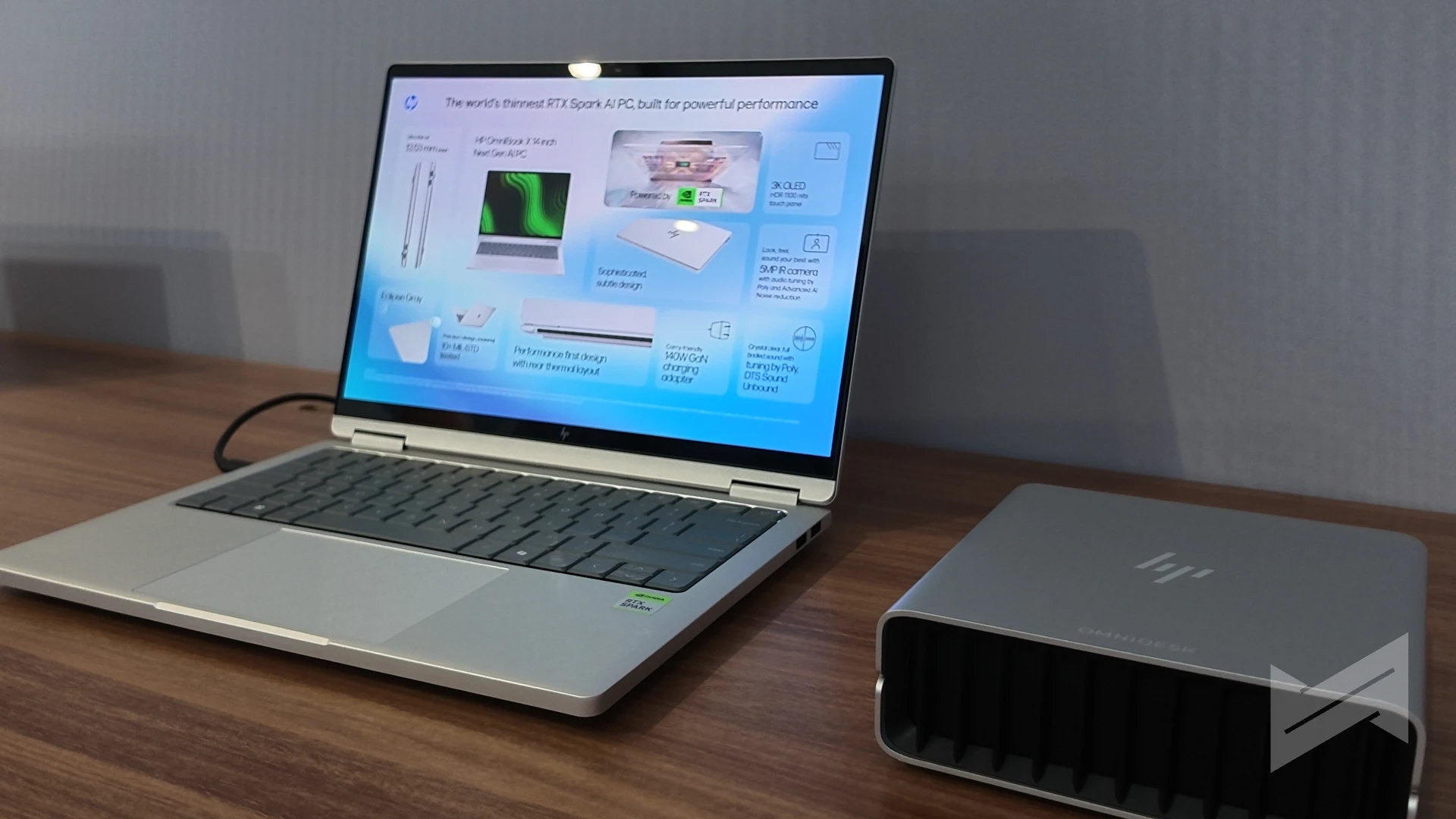
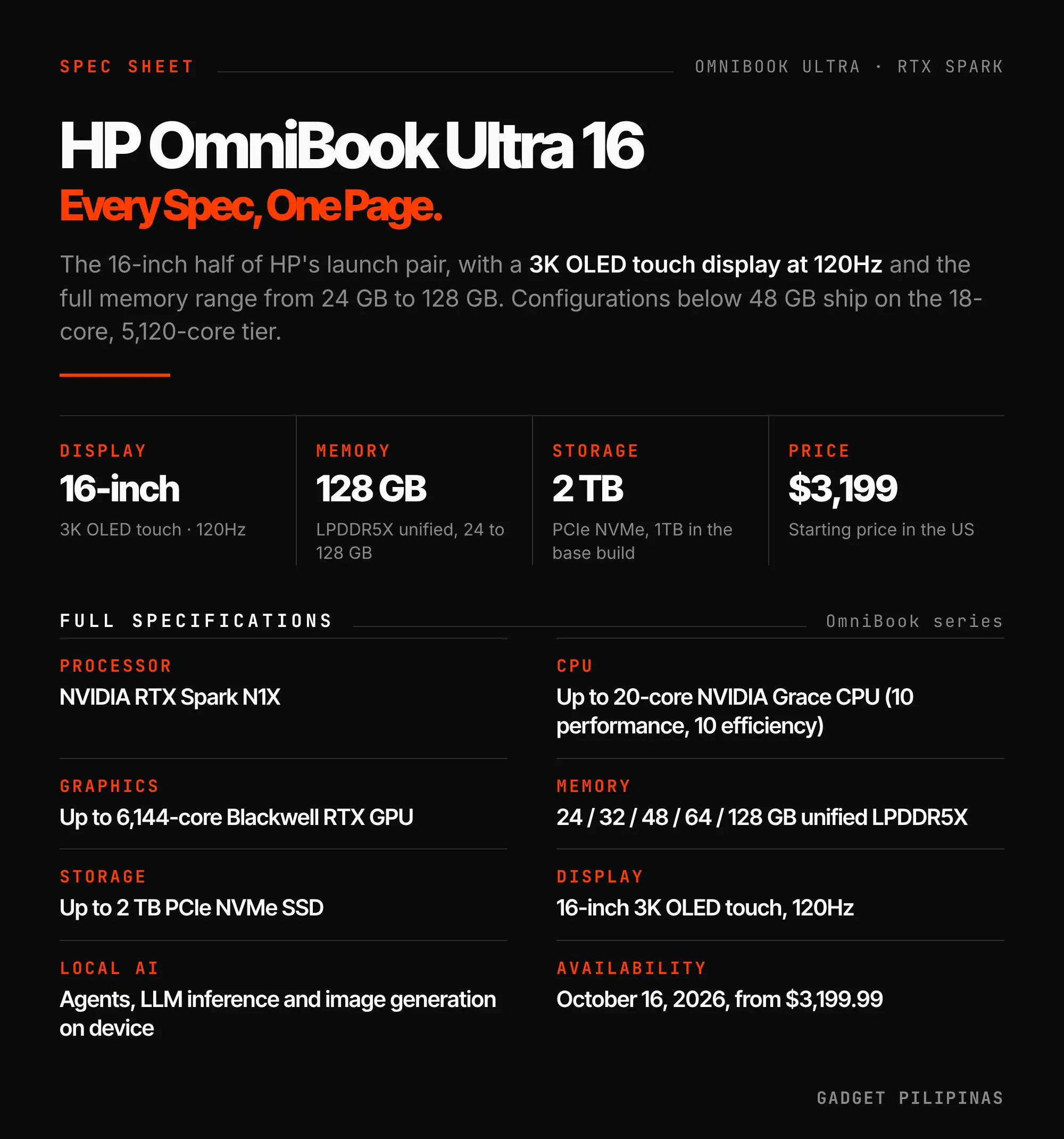
HP brings two machines to the launch, and the OmniBook Ultra 16 supports the full range of memory configurations from 24 GB to 128 GB.
HP OmniBook X 14
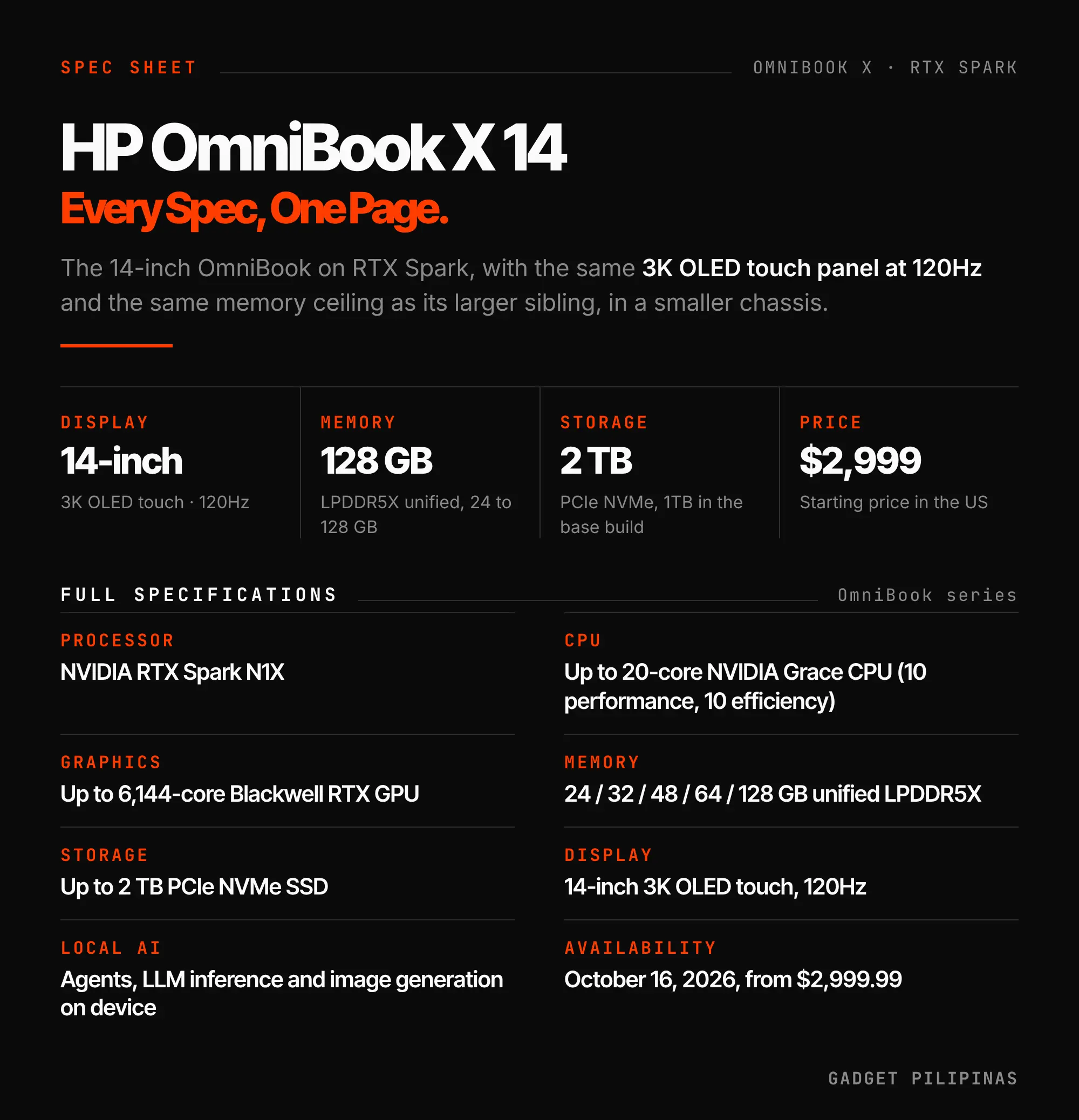
The OmniBook X 14 is the smaller of the pair, pairing a 3K OLED touch display at 120 Hz with the same memory options.
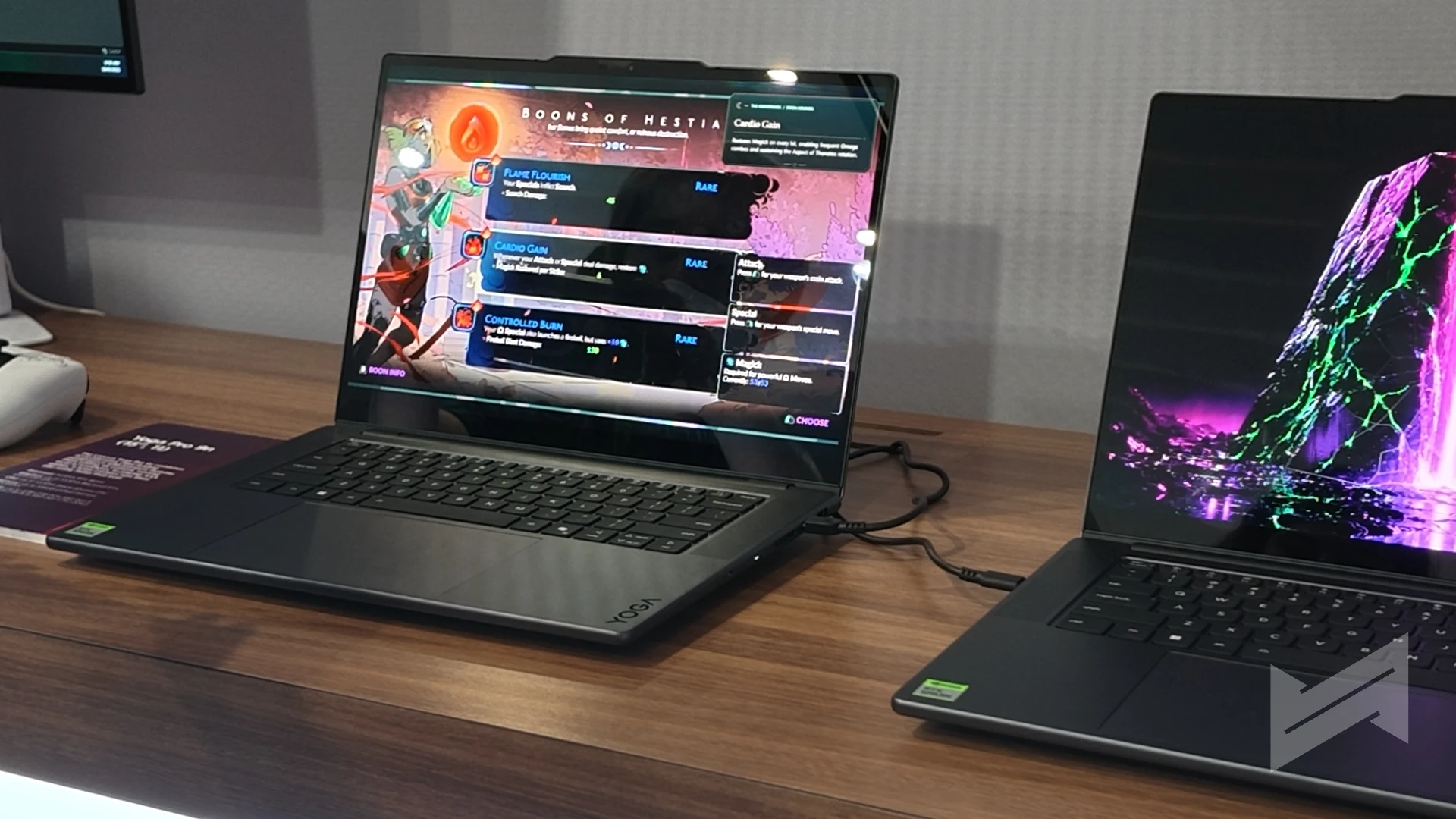
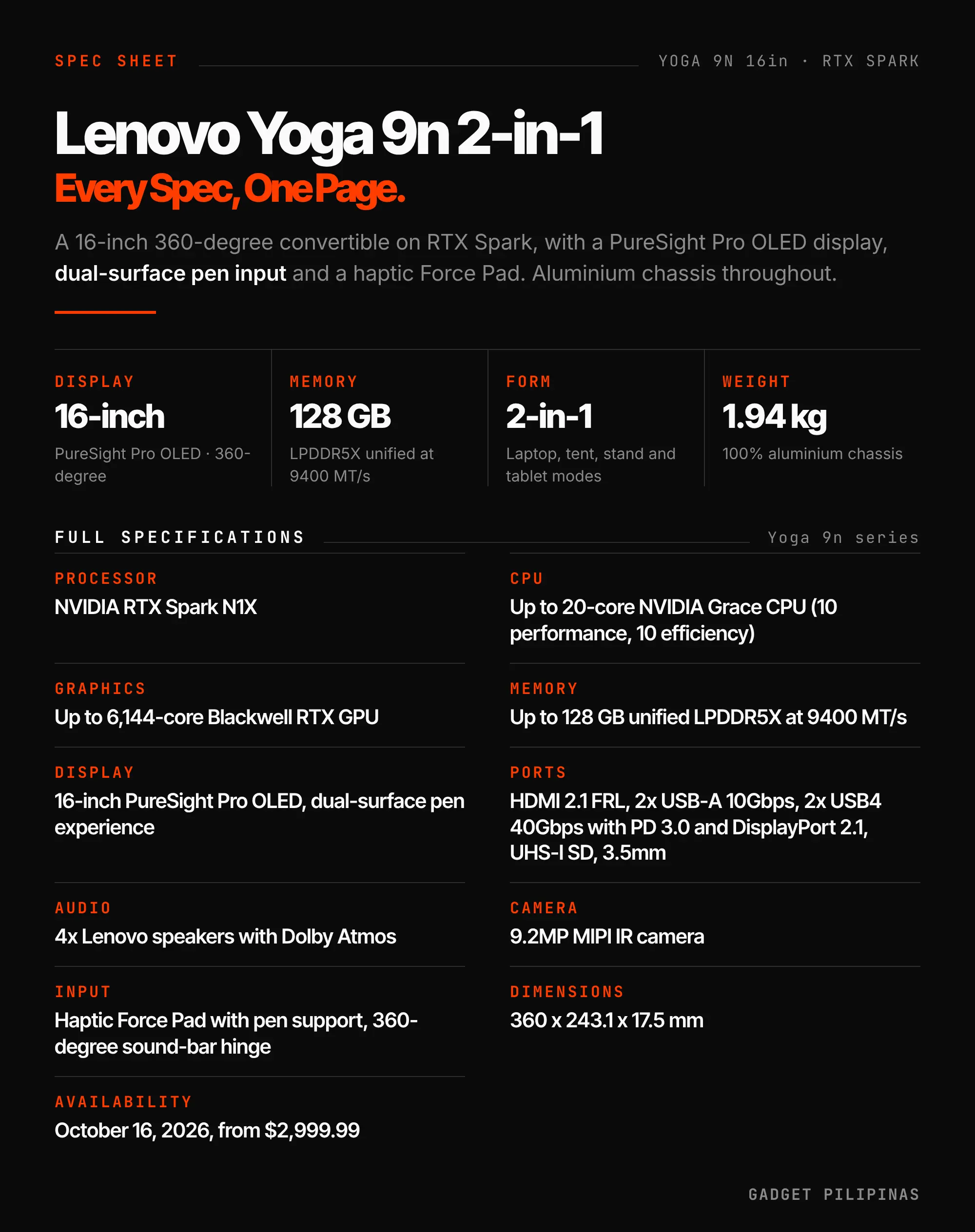
Lenovo Yoga 9n 2-in-1
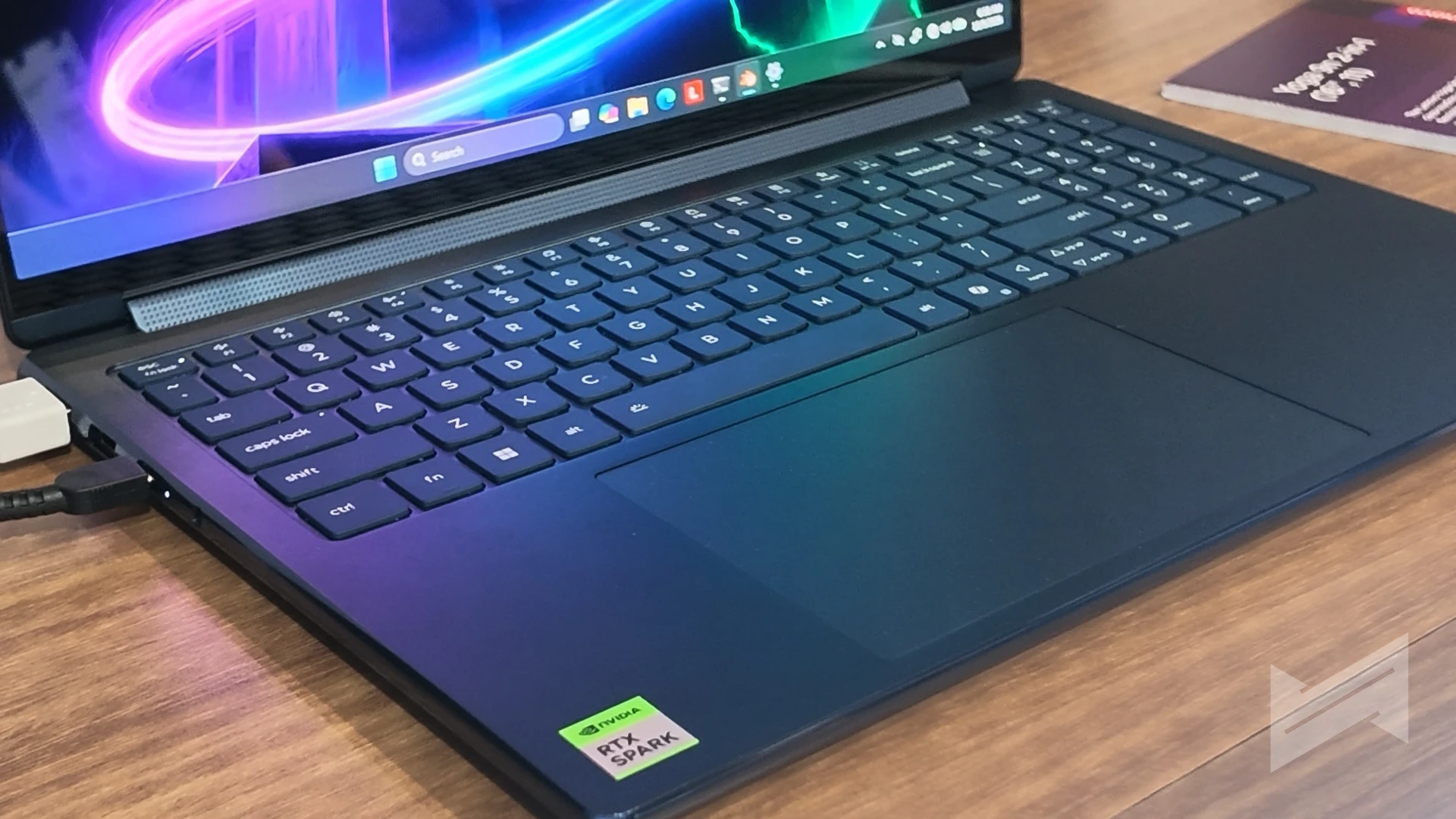
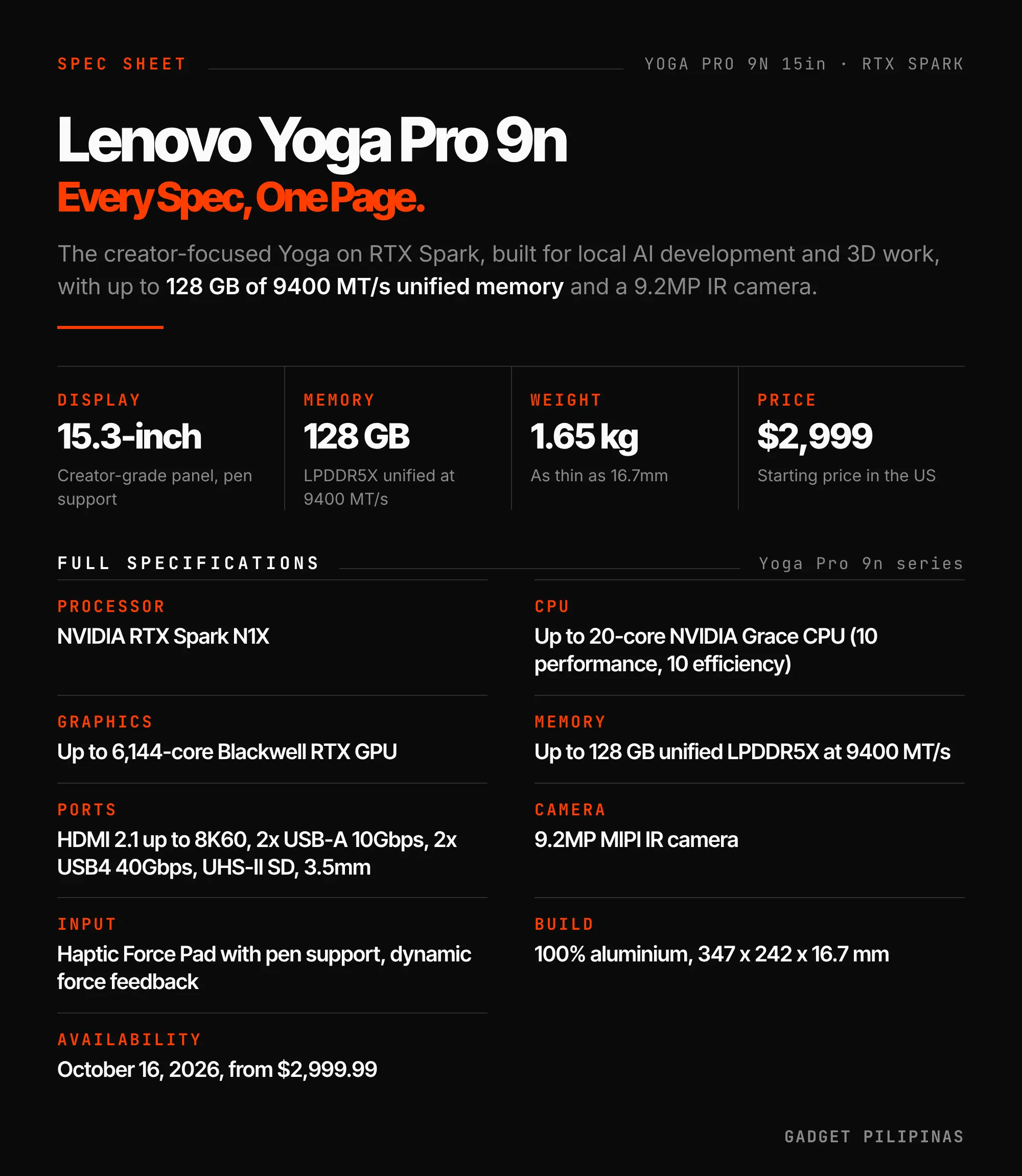
Lenovo joins with two convertibles, the Yoga 9n 2-in-1 at 16 inches and the Yoga Pro 9n at 15.3 inches.
Lenovo Yoga Pro 9n
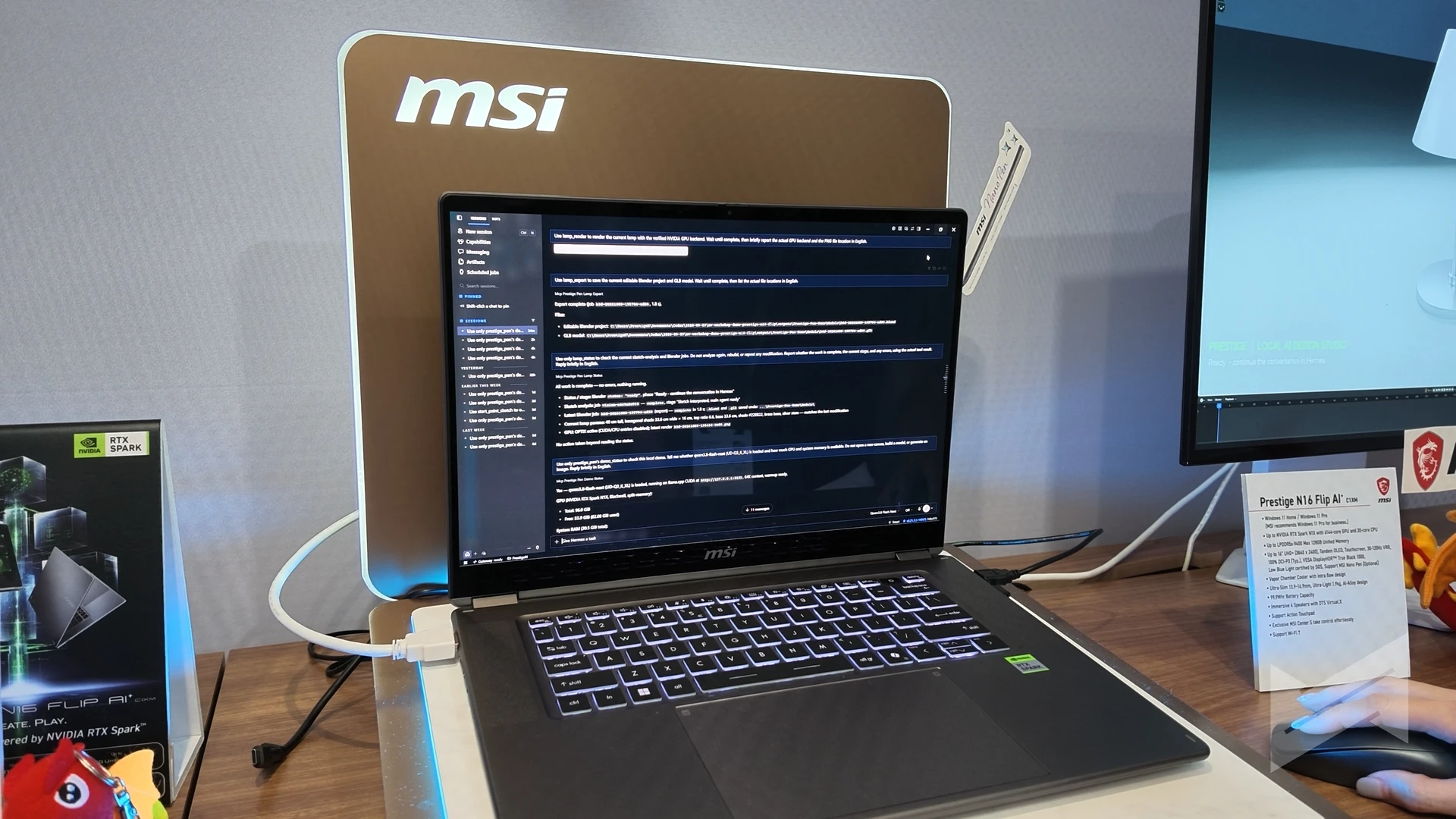
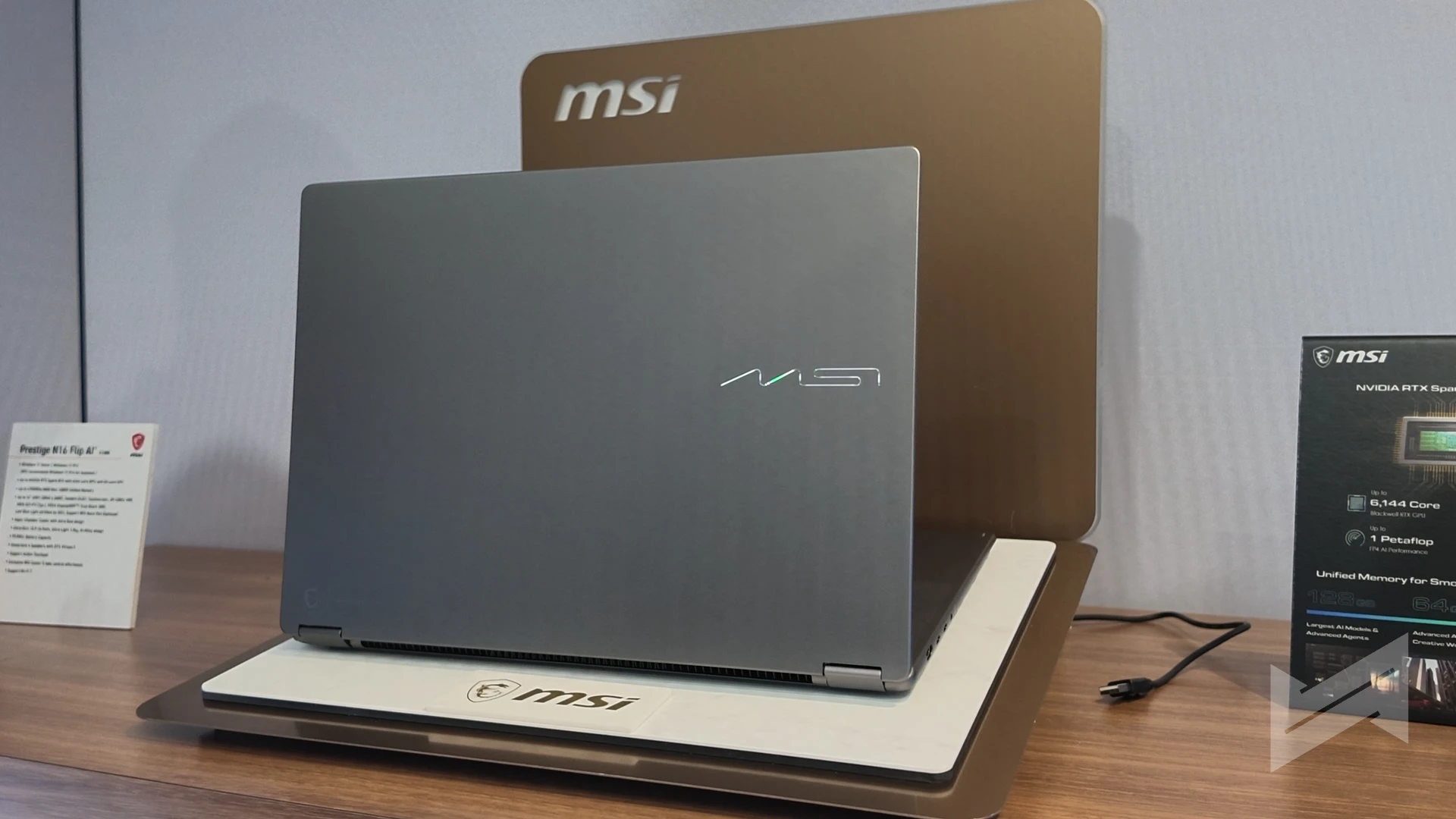
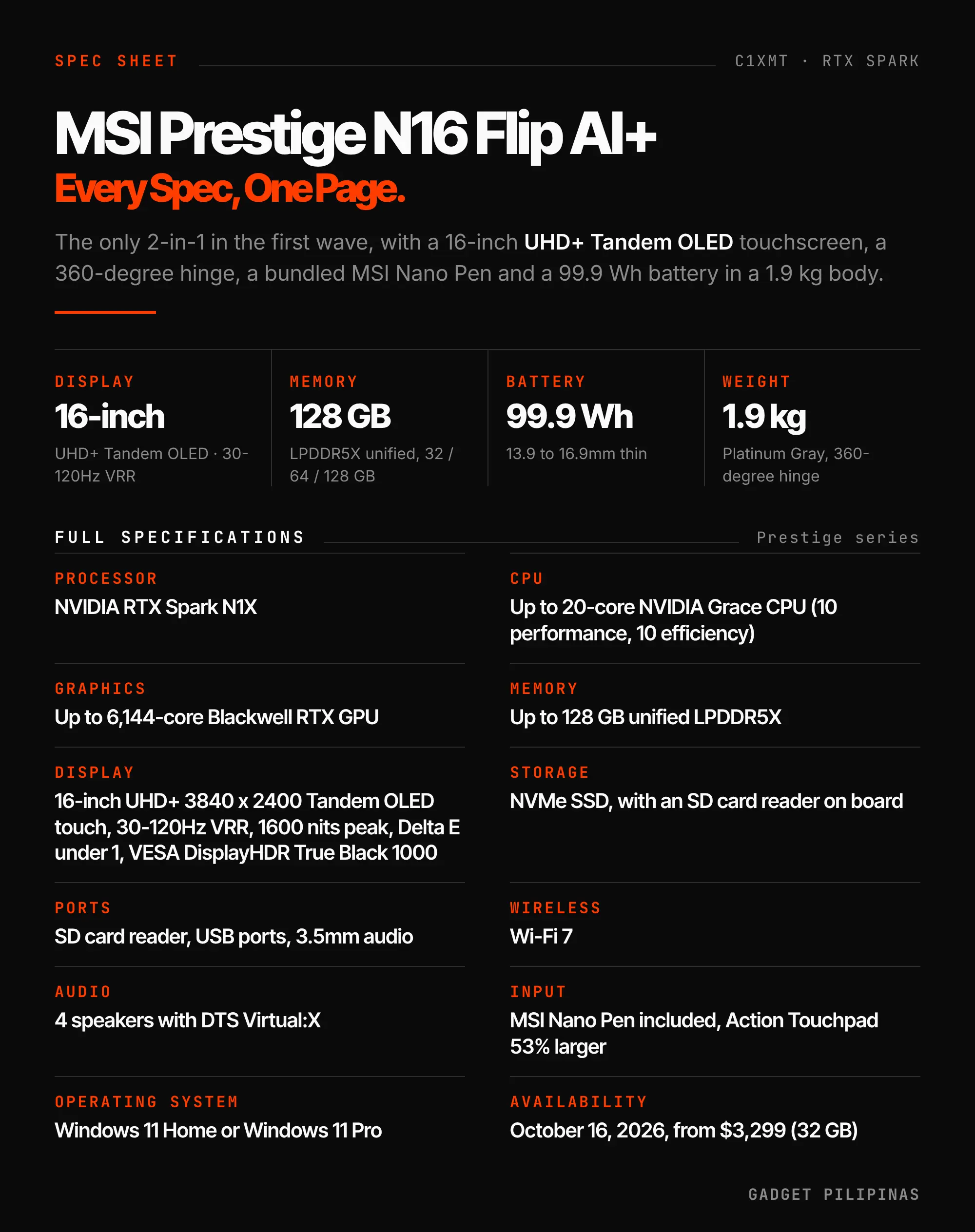
MSI Prestige N16 Flip AI+
MSI rounds out the first wave with the Prestige N16 Flip AI+, a 16-inch convertible aimed at creators and developers.
Acer and Gigabyte are named as partners as well, but neither has confirmed a model or a price for the platform yet.
Storage and displays vary by model, with OLED panels at 120 Hz across most of the lineup and M.2 NVMe drives that reach 4 TB on the ASUS machines.
RTX Spark Compact Desktops
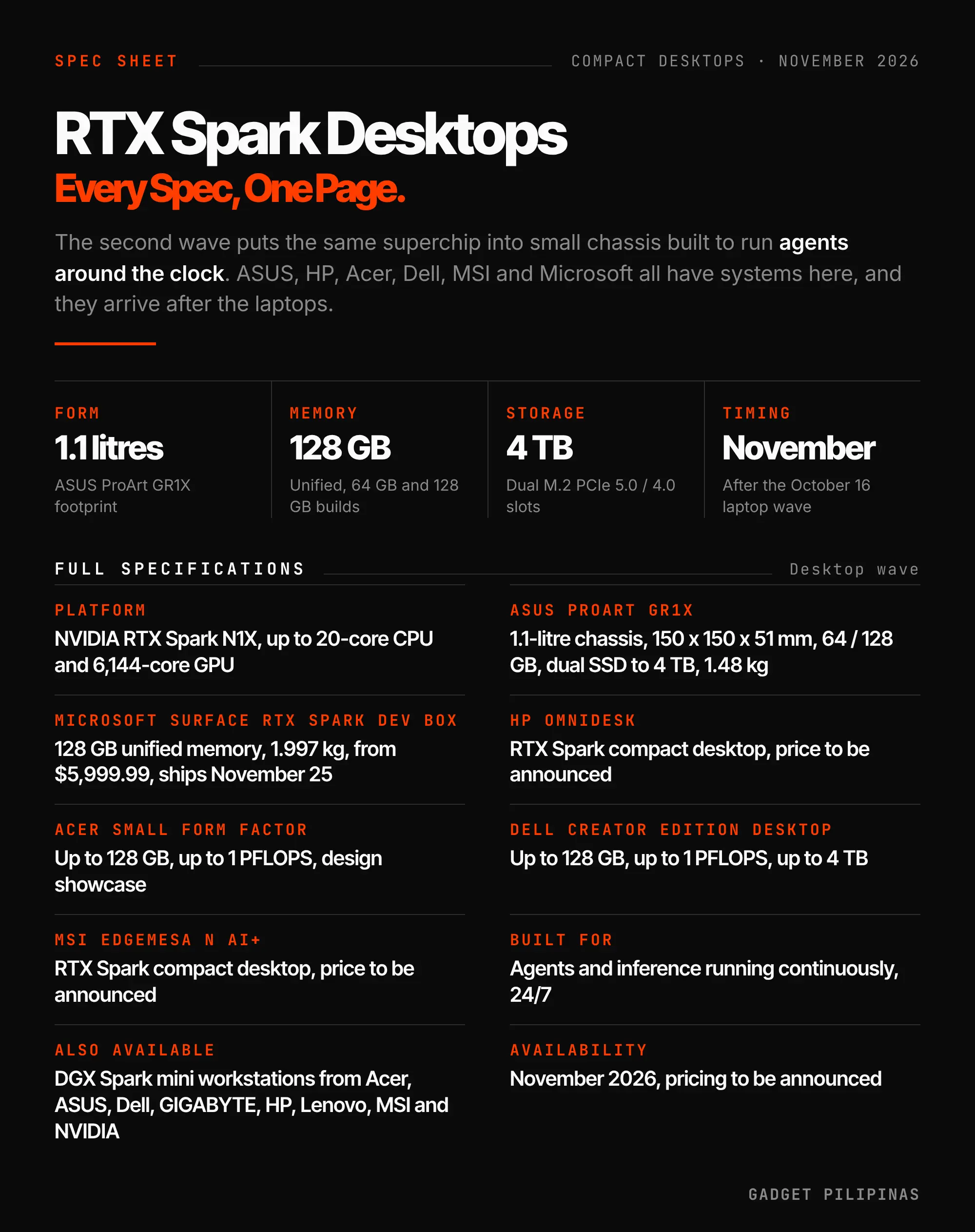
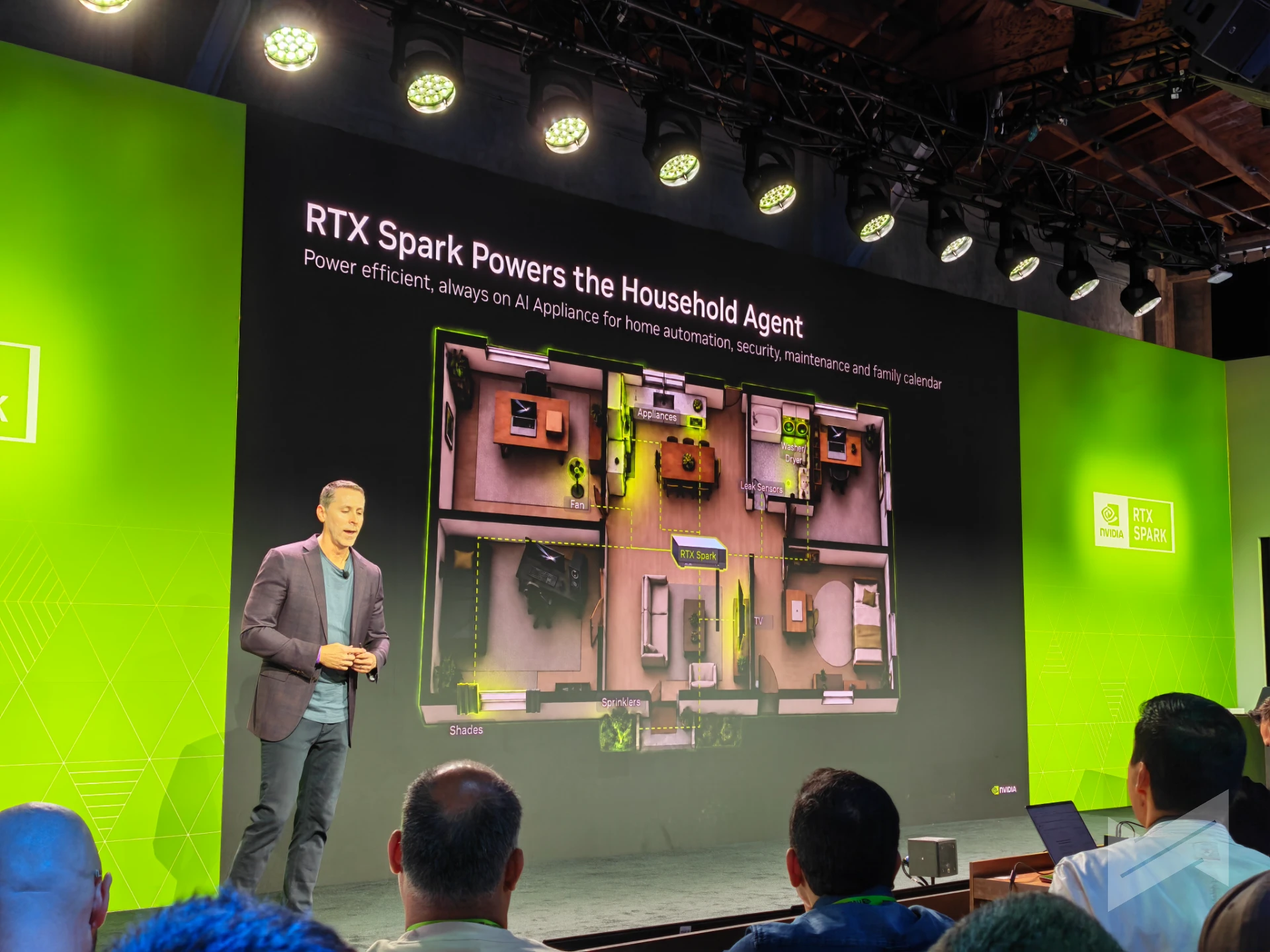
Compact desktops follow in November, and they are built for a different habit, since the same superchip goes into small chassis designed to run agents around the clock.
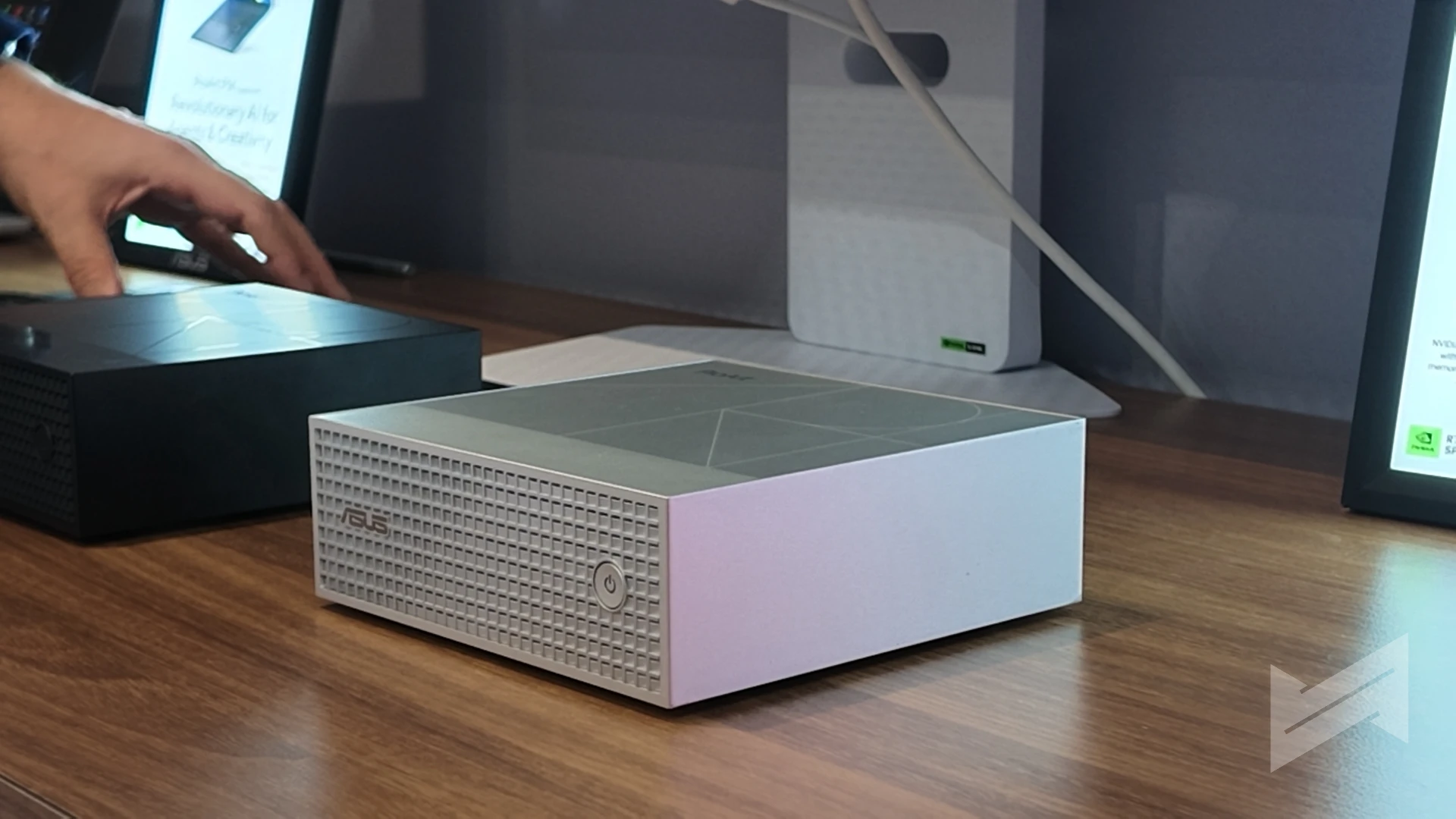
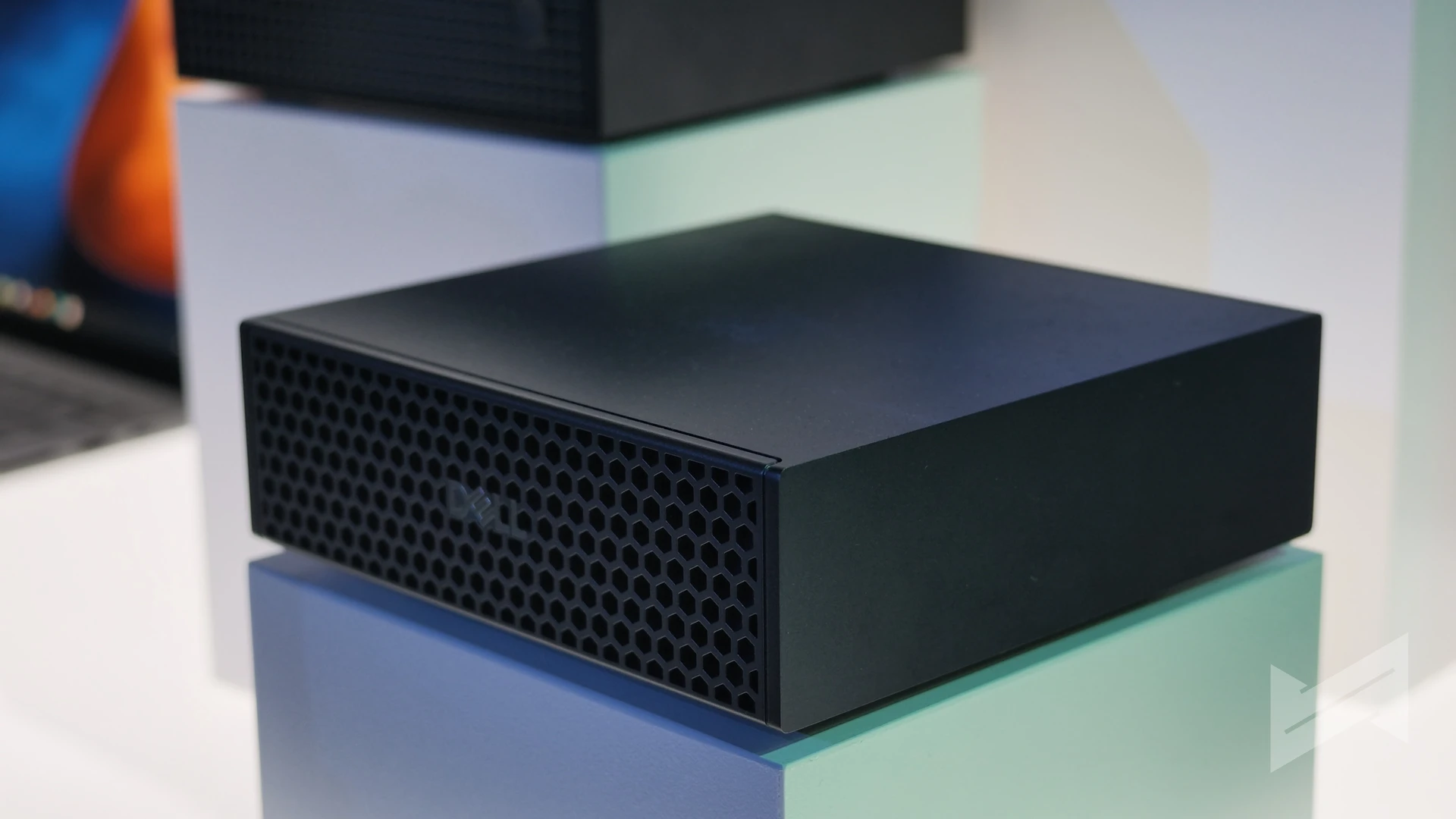
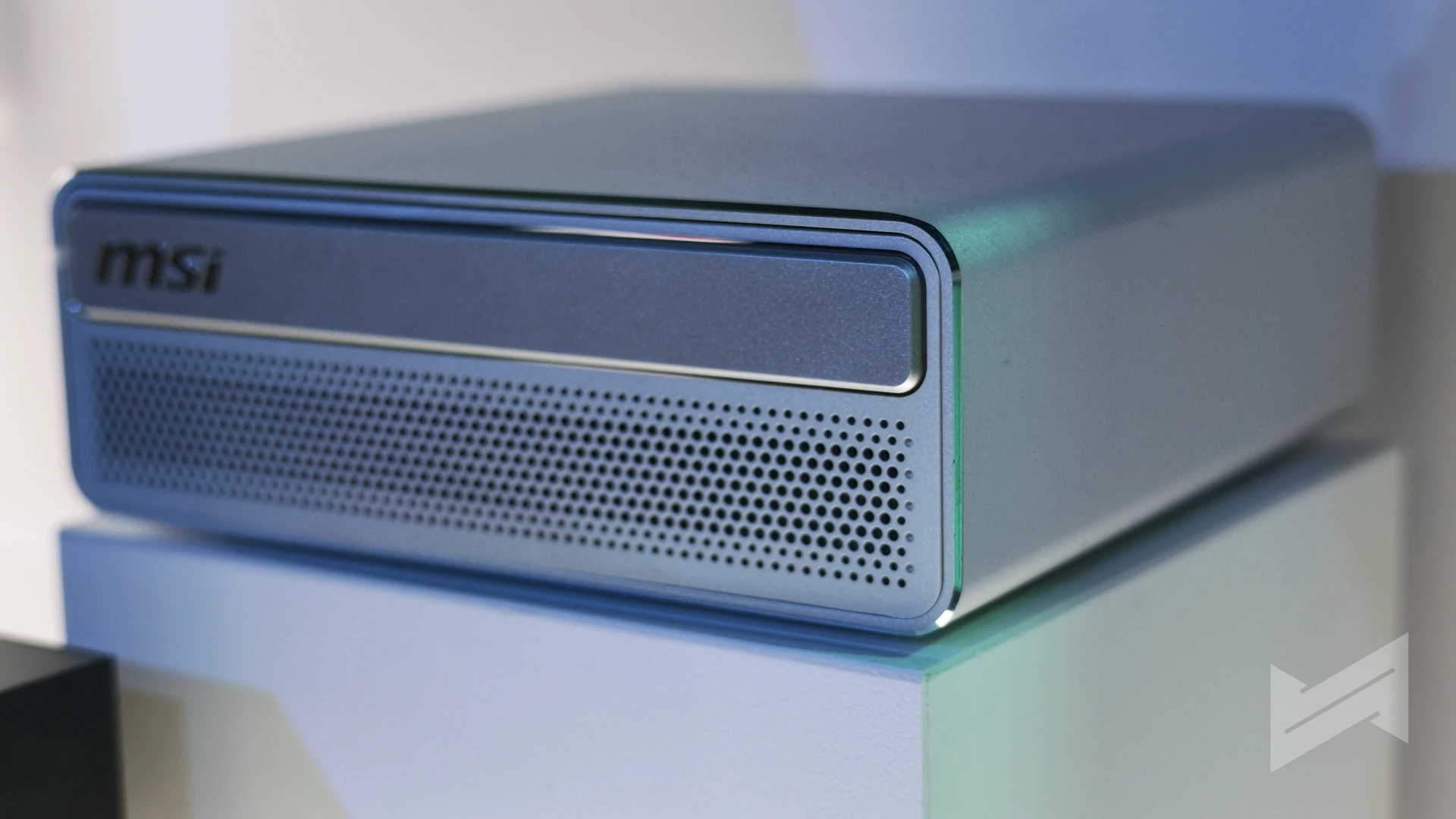
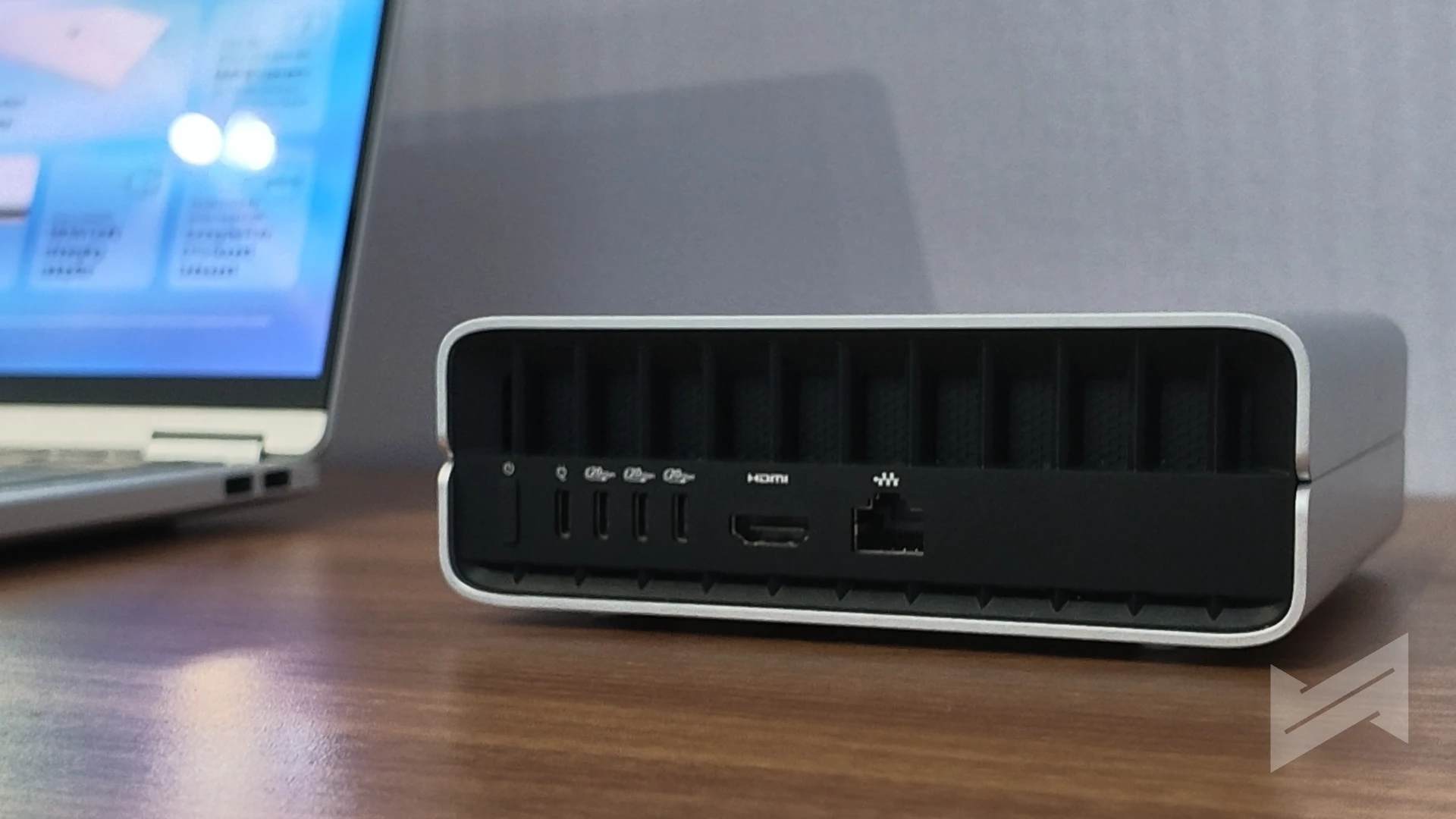
ASUS, HP, Acer, Microsoft and NVIDIA all have desktop systems in that second wave, including Microsoft’s developer-focused Surface RTX Spark Dev Box.
More RTX Spark News Roundup
The software story matters as much as the silicon, and DLSS 5 arrives on RTX Spark at launch with NBA 2K27 as the first title to use it.
NVIDIA is also releasing Nemotron 3.5 Bolt 74B on October 15, a 74-billion-parameter model that activates nine billion parameters per token and fits in 24 GB of memory.
Agent applications including Hermes, GitHub Copilot and Perplexity are being updated for local orchestration, and Microsoft is adding security containers so agents can act on a Windows machine without unrestricted access.

The honest caveats are worth stating before anyone pre-orders, because prices are high, memory is soldered and cannot be upgraded later, and per-model pricing conflicts between retailers. The platform also depends on software catching up, because applications need ARM64 builds to run at their best on this hardware.
None of that makes the direction less interesting, though it does make the first generation of any new platform worth watching closely rather than buying blind.
Gadget Pilipinas is testing the ASUS ProArt P16 with 64 GB of unified memory, and the full review publishes tomorrow.
It will cover performance, thermals, battery behavior, storage and the daily experience of working on the platform, including the local AI workloads that this hardware exists to serve.
The question for buyers is no longer whether AI can run on a laptop, but whether it runs well enough that you stop thinking about where it runs.

Giancarlo Viterbo
Giancarlo Viterbo is a Filipino Technology Journalist, blogger and Editor of gadgetpilipinas.net, He is also a Geek, Dad and a Husband. He knows a lot about washing the dishes, doing some errands and following instructions from his boss on his day job. Follow him on twitter: @gianviterbo and @gadgetpilipinas.
View all articles →Related News


 Apple Ramps Up Production for Base iPhone 18