



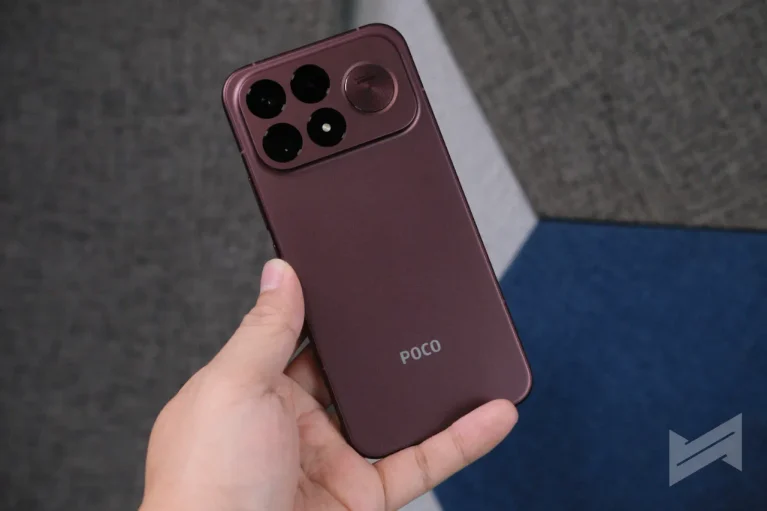
POCO F9 Ultra – The flagship killer, still alive
A 200MP main camera, an 8,050mAh battery, and Bose 2.1-channel audio keep the POCO F9 Ultra’s flagship-killer promise alive, and the early bird pricing makes it an even easier sell.
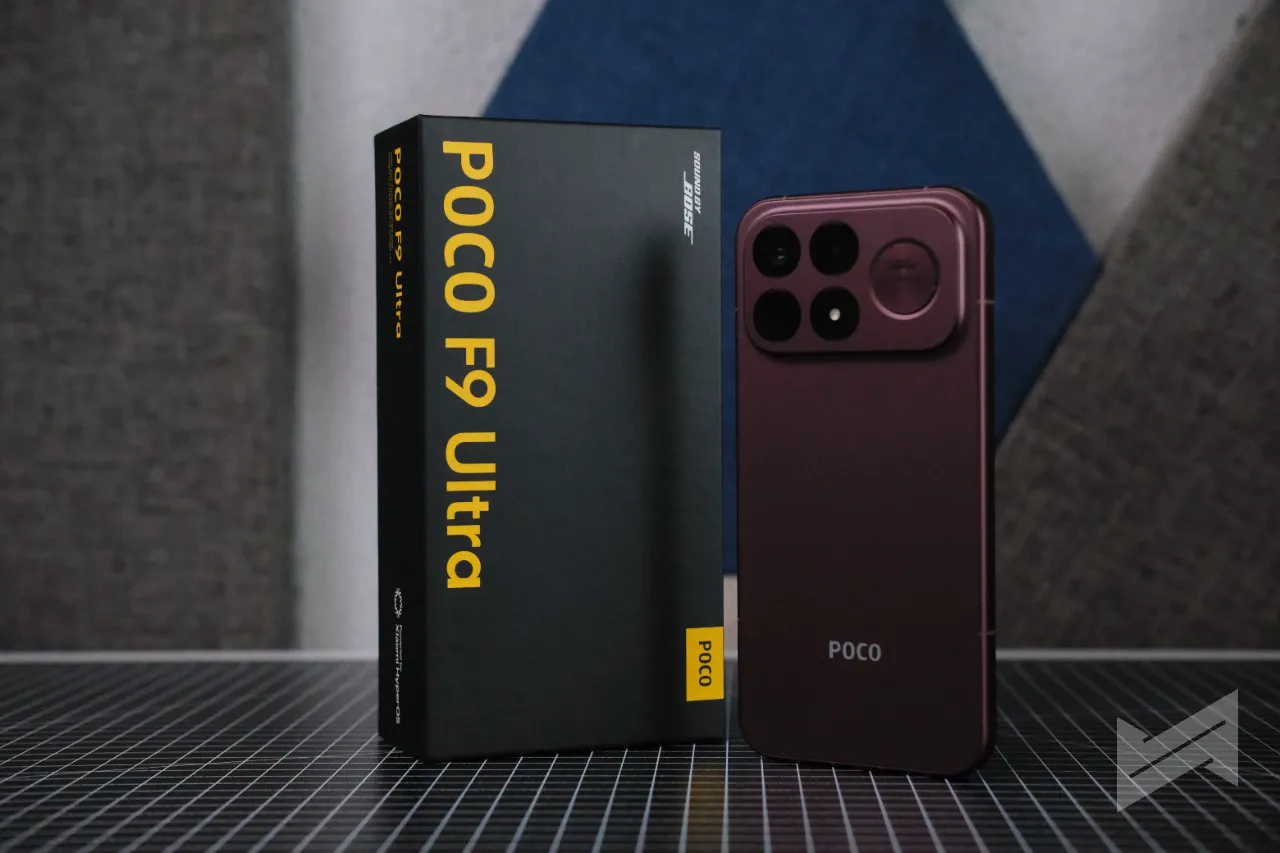
The POCO F series has always been synonymous with the flagship killer in the Philippine smartphone market, and this year keeping that promise got harder. RAM and storage prices have surged to all-time highs, which usually pushes flagship-adjacent hardware costs up. POCO still found a way to undercut the competition, especially with these early bird prices, and that alone makes the F9 Ultra interesting before you even look at the spec sheet.
Price and positioning
The POCO F9 Ultra comes in three configurations. The 12GB + 256GB model is PhP55,999 SRP, dropping to PhP45,999 at early bird and PhP41,920 with the Shopee rebate. The 16GB + 512GB unit we are reviewing sits at PhP59,999 SRP, PhP48,999 early bird, and PhP44,600 with rebate. The top 16GB + 1TB model goes for PhP89,999 SRP, PhP79,999 early bird, and PhP73,999 with rebate. At those early bird numbers, POCO is pricing the F9 Ultra fairly despite the industry-wide price surge.
Design and display
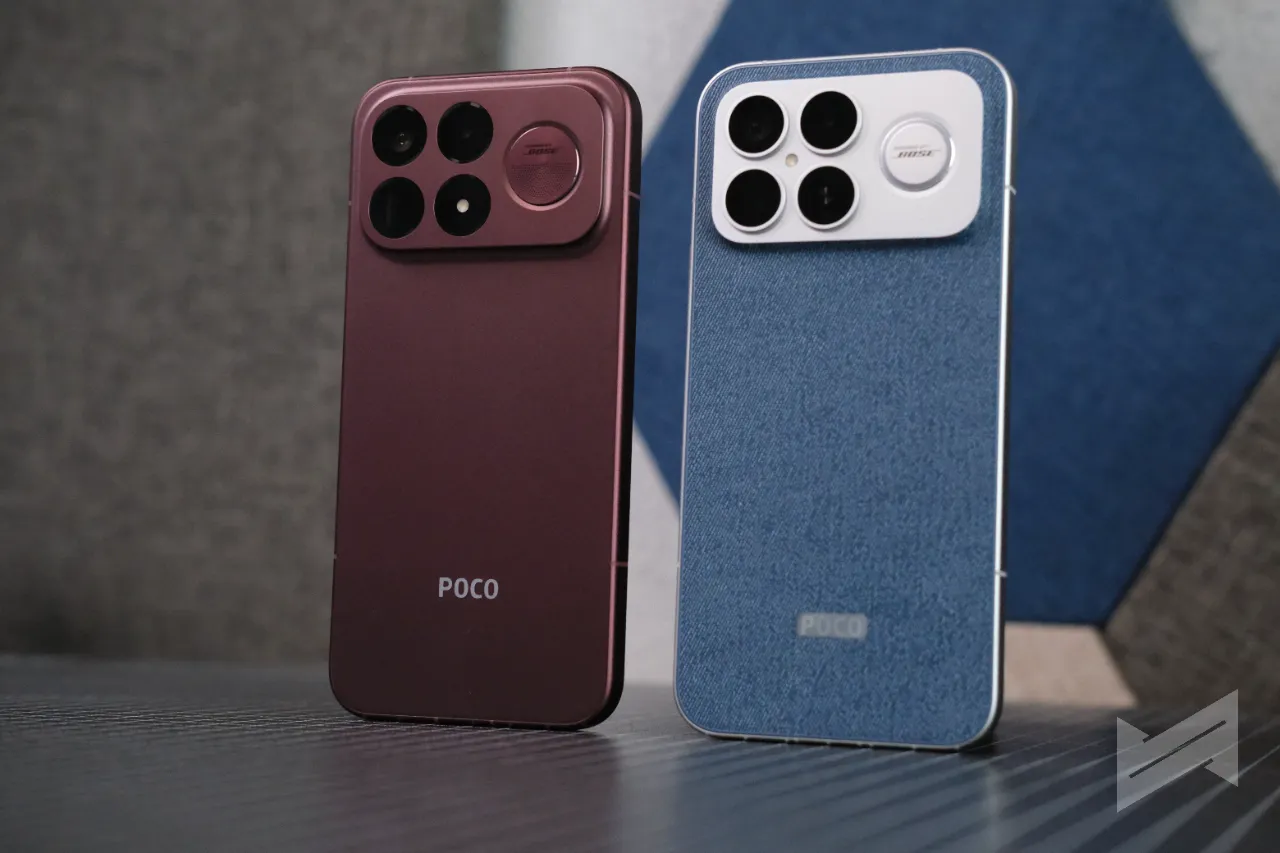
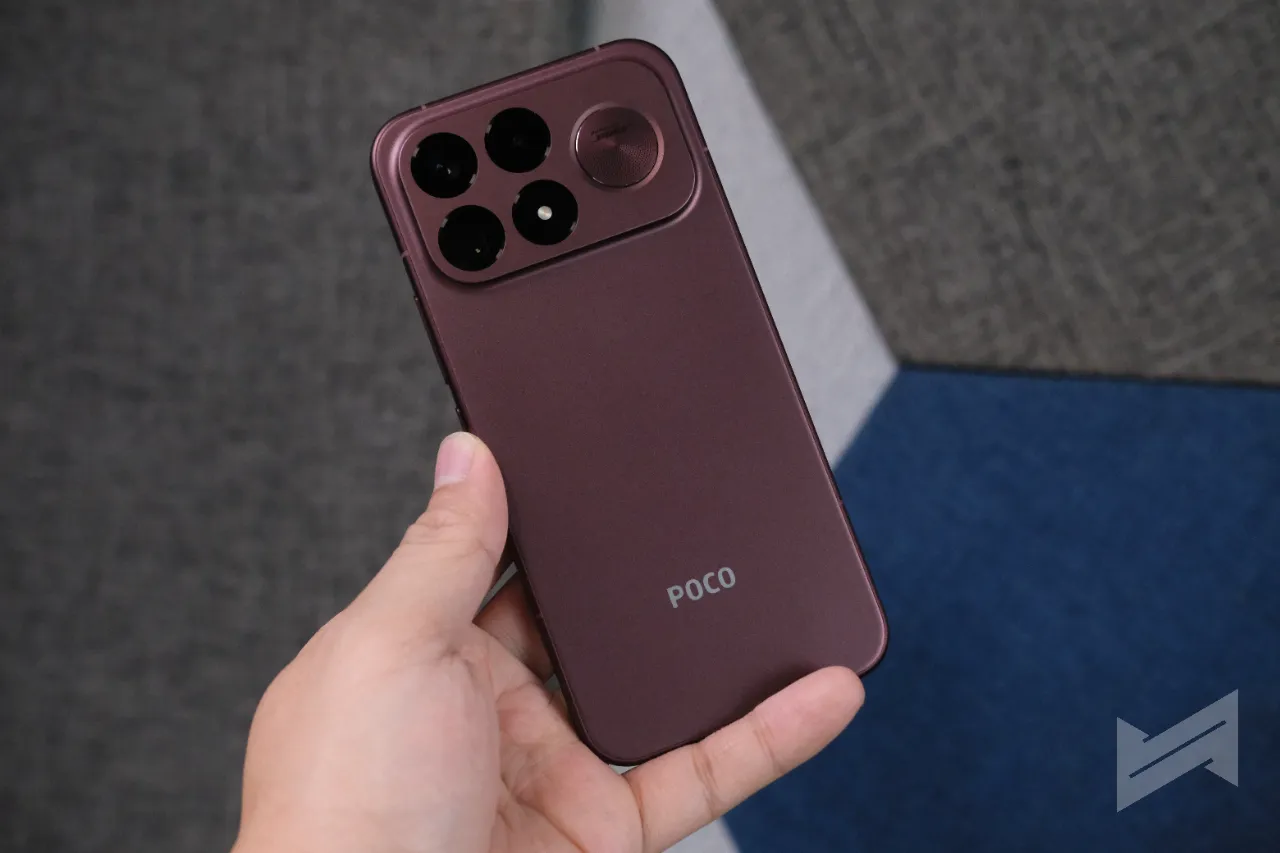
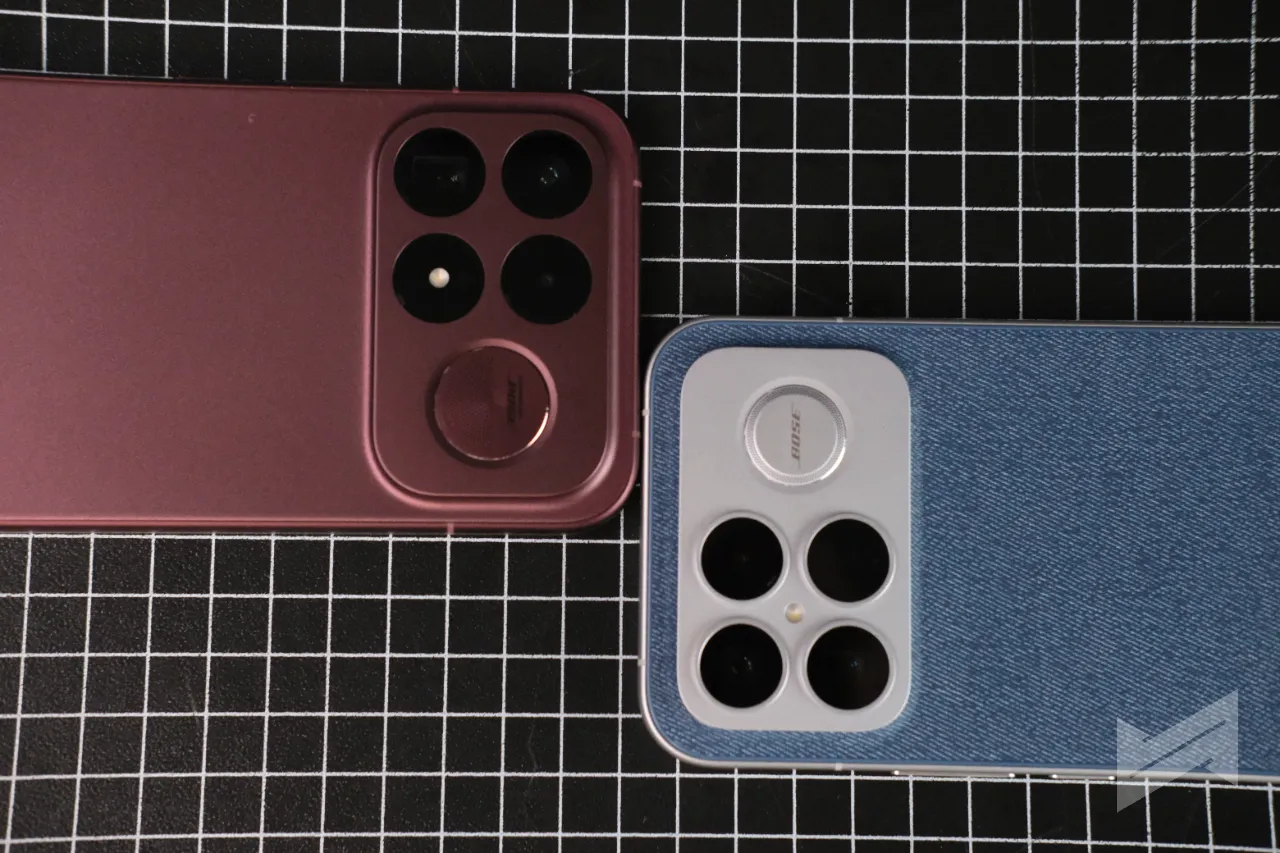
The F9 Ultra keeps the flat 6.9-inch AMOLED design language of the F series, with a metal frame, a lightweight fiberglass back, and a seamless metal camera deco. It is 8.74mm thick and 235g, heavy but reasonable given the 8,050mAh battery inside. It is IP68 rated with Gorilla Glass 7i, and the ultrasonic in-display fingerprint sensor is a genuine upgrade over the F8 Ultra’s optical reader.
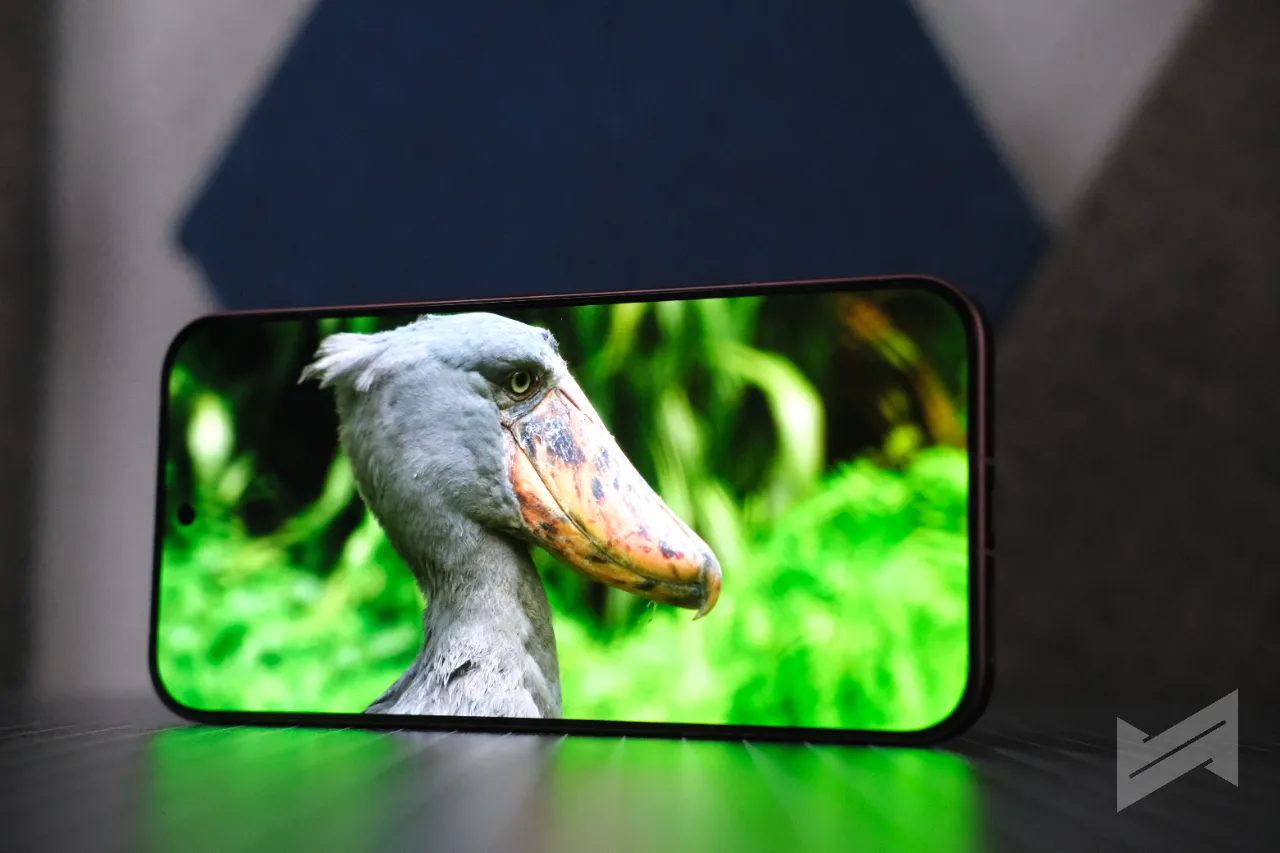
The 2608 x 1200 1.5K AMOLED runs up to 185Hz with Dolby Vision and HDR10+, and POCO HyperRGB’s full RGB subpixel layout makes it look sharper than a comparable Pentile panel. It hits 2200 nits in high-brightness mode, so outdoor use is a non-issue. Refresh options range from 60Hz to 185Hz, and the near-invisible 1.5mm bezels keep the front all screen.
Performance and gaming
Inside is the Snapdragon 8 Elite Gen 5 Mobile Platform, a third-generation 3nm chip with a 2+6 all-big-core CPU layout peaking at 4.6GHz, paired with the VisionBoost D8 graphics chipset and the WildBoost Engine. It pushes up to 185FPS in selected games and 165FPS in more, with 1.5K super resolution running simultaneously in supported titles. Touch sampling hits 480Hz, with instant sampling up to 4800Hz. Seven gaming antennas and dual T1+ tuner chips keep connectivity stable in landscape.
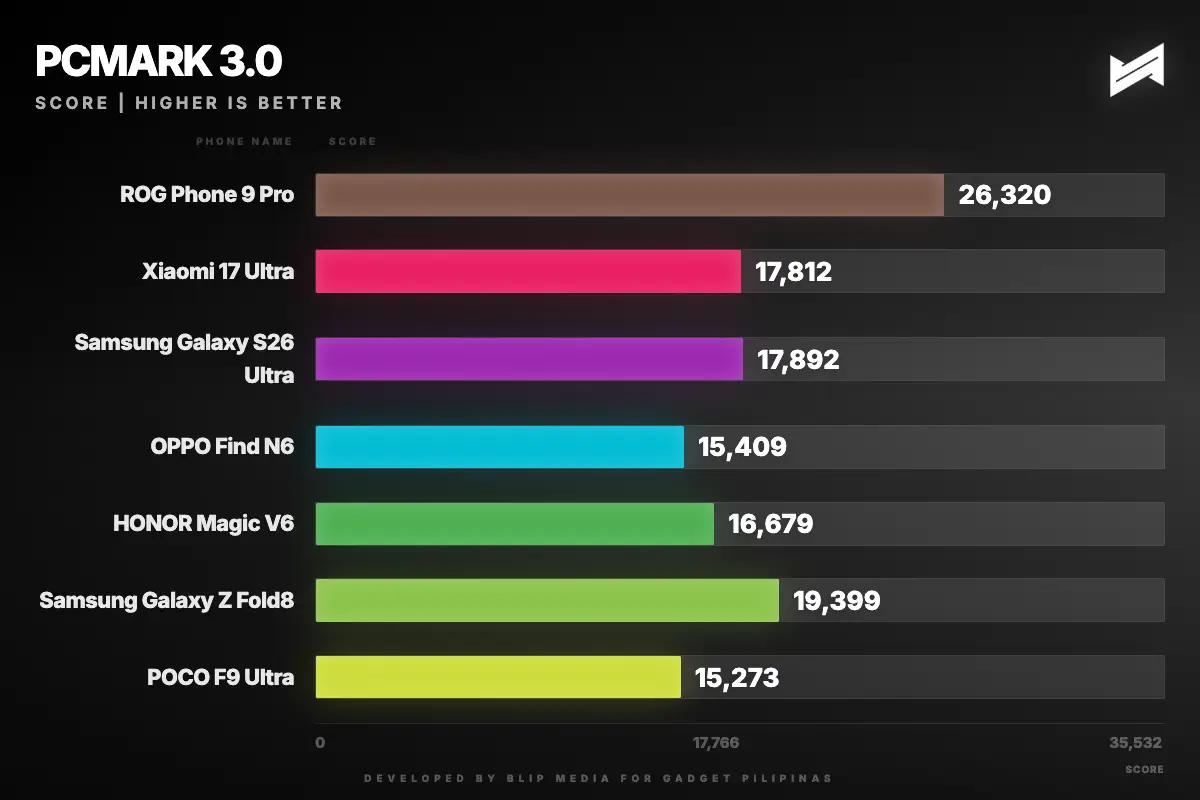
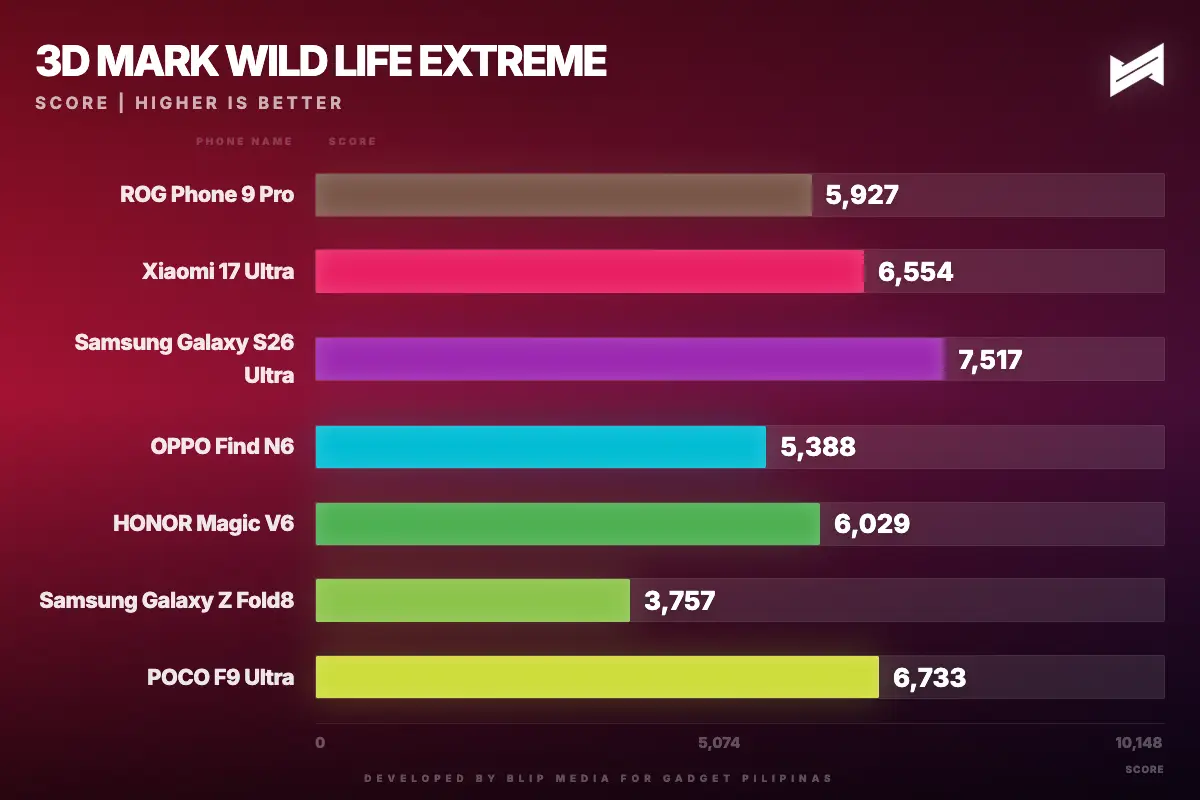
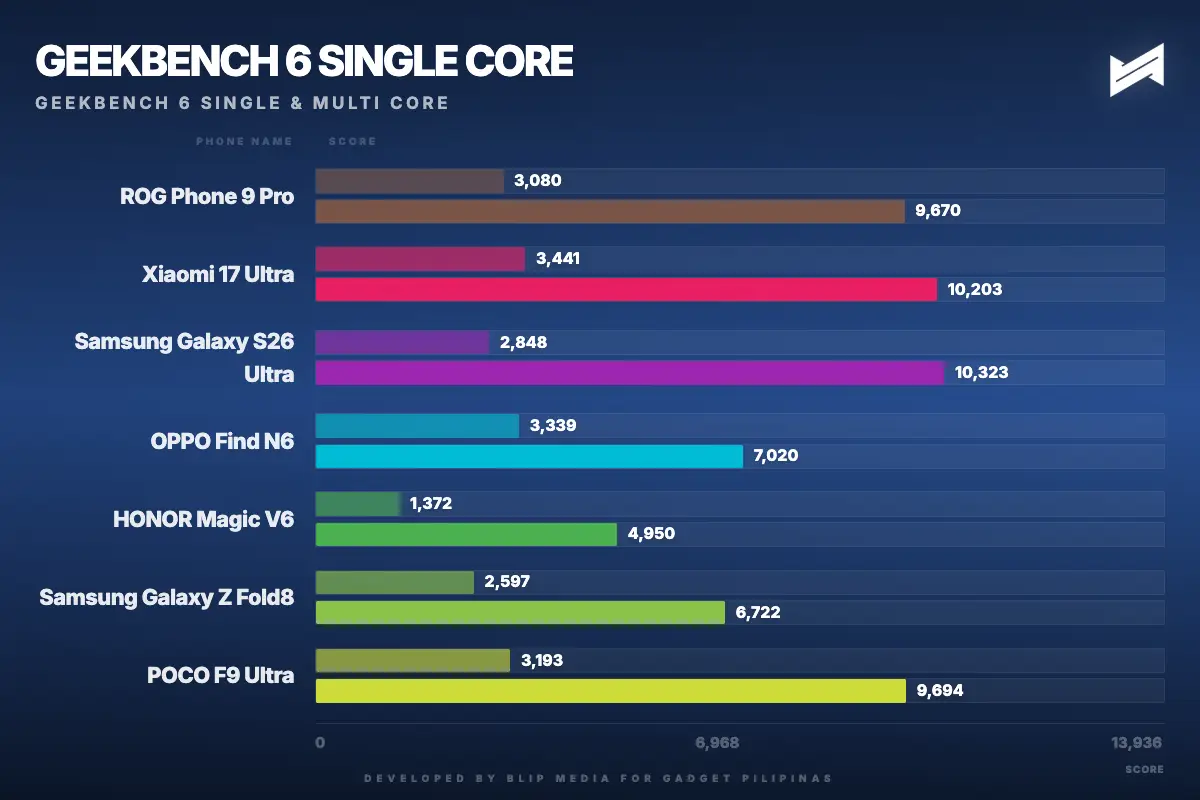
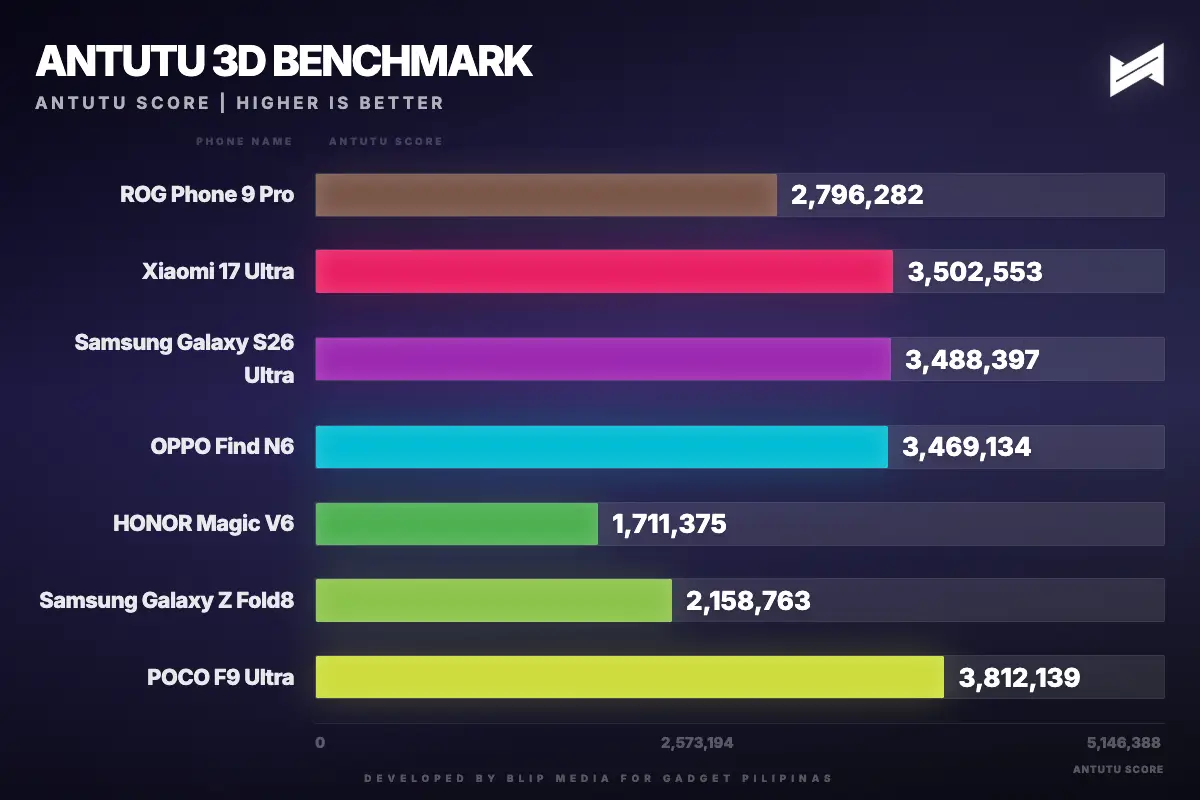
We are still on Geekbench 6 because our previous reviews were run on it, so the numbers stay comparable. The scores are comfortably flagship-tier, with no stutter in daily use and no issues in the heaviest Android games, which run flawlessly as expected at this level.
Thermals: it runs hot, and that is the catch
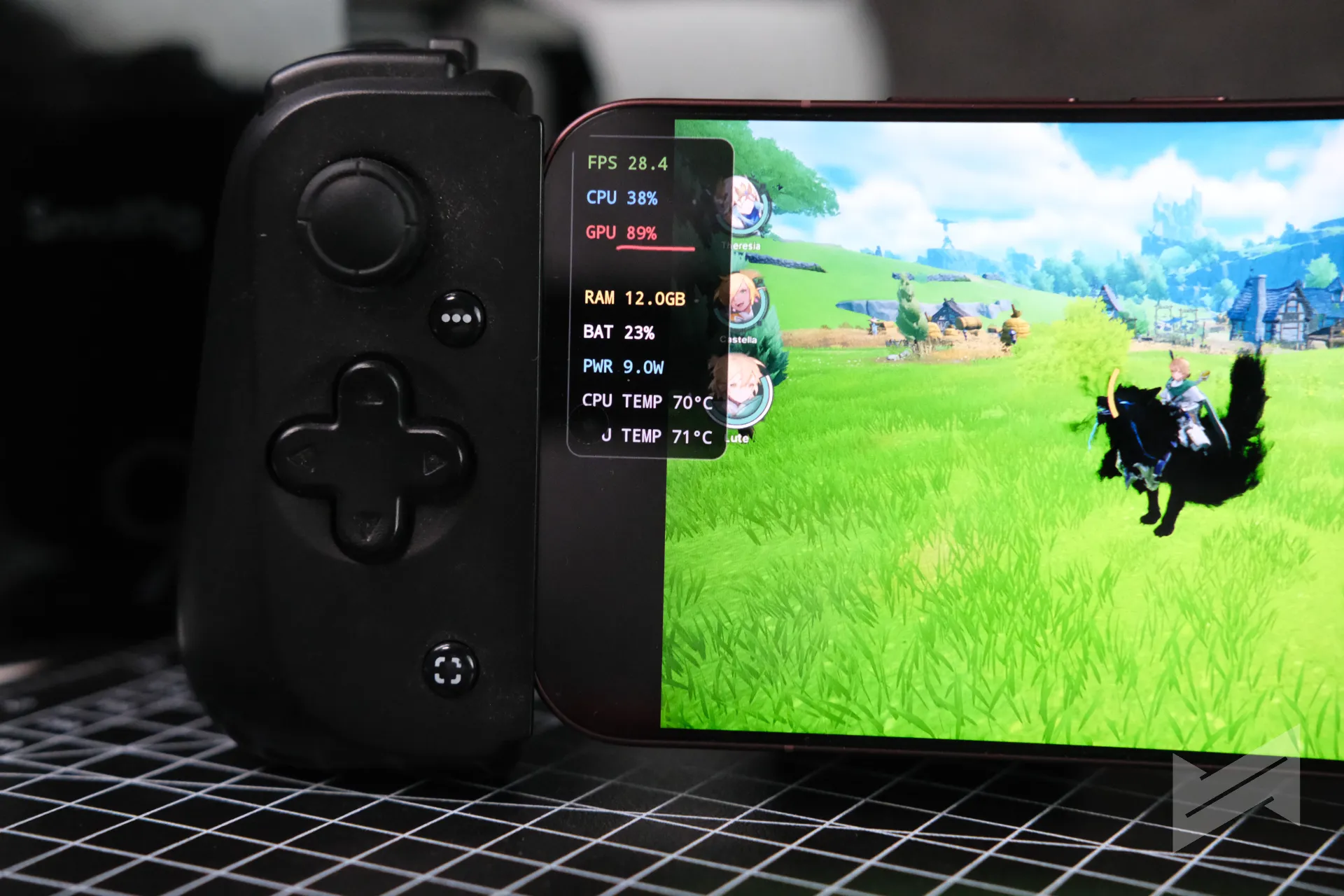
Crank the F9 Ultra to its full gaming potential and it gets hot (internally around 70C, based on internal monitoring). That is understandable: unlike dedicated gaming phones, it has no integrated cooler of its own, so sustained max-settings sessions push temperatures up. The workarounds are a third-party phone cooler if you want to avoid throttling in long competitive sessions, or managing performance through the available presets, which is the smarter approach for most people. It is the F9 Ultra’s clearest compromise, but a manageable one.
PC games on a phone
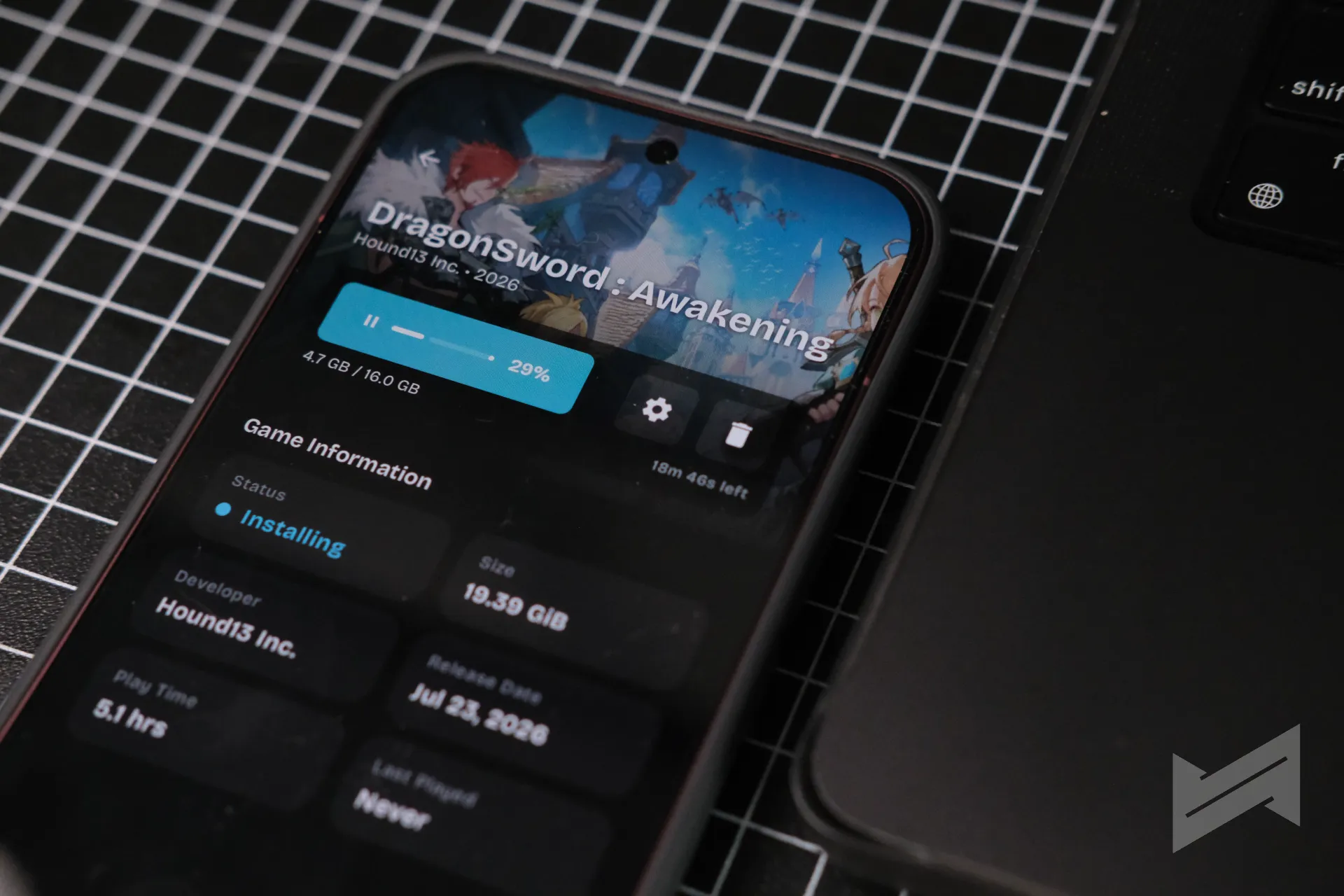
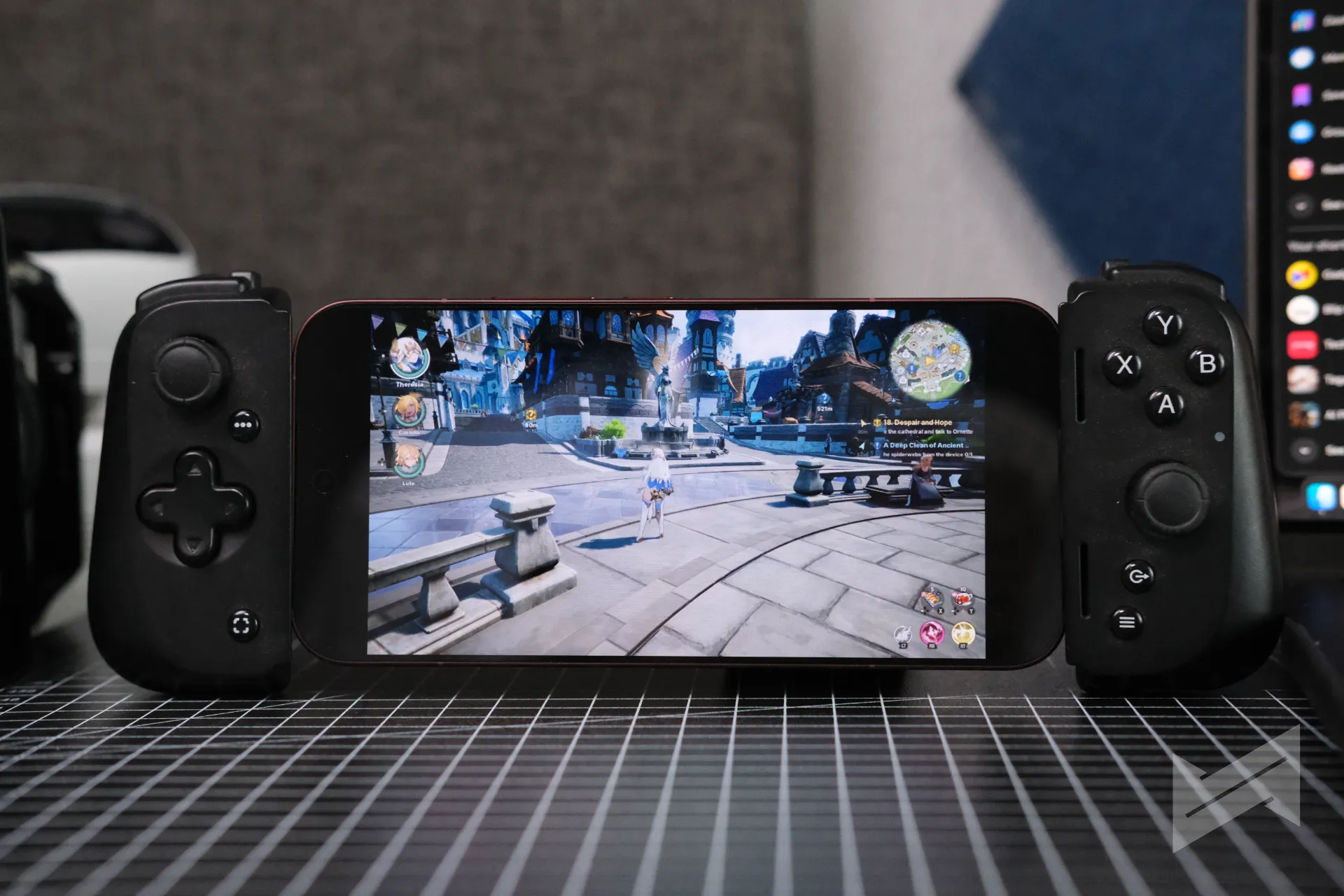
One surprising strength is PC gaming. Some PC games played through GameNative work very well on the F9 Ultra. Not every title runs, compatibility is still a work in progress, but playing actual PC games on a phone is impressive in itself. Pair it with a game controller like I did last year and you get something close to a console or handheld experience.
Cameras: the biggest upgrade
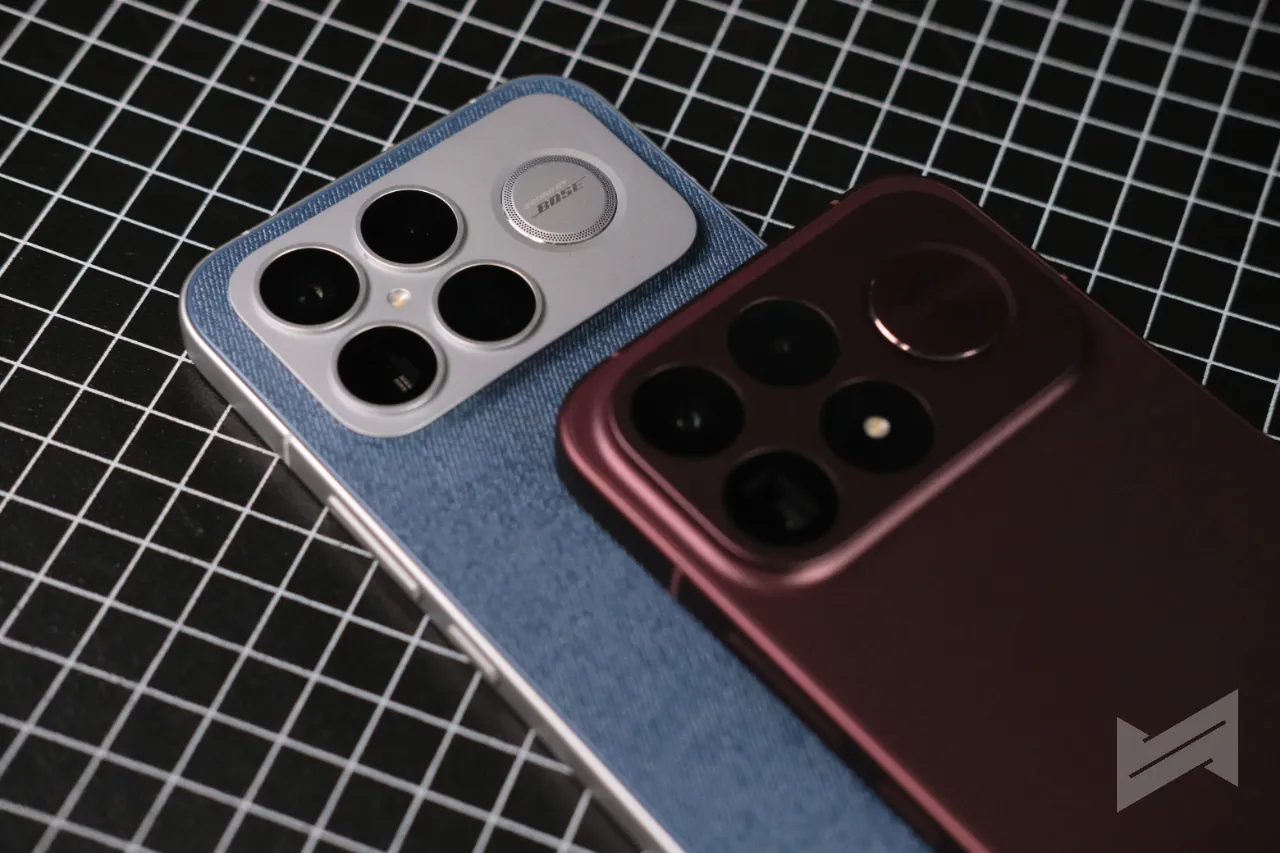
The camera is the F9 Ultra’s biggest upgrade, and it fixes the previous generation’s weakest area. The 200MP main camera uses an HP5 sensor with a 1/1.56-inch size, f/1.68 aperture, and OIS. It is excellent, especially in low light, where it captures more detail and cleaner shadows than the F8 Ultra’s 50MP shooter. The dedicated 200MP mode is the interesting part: it uses AI processing to produce a full 200MP output from a pixel-binned capture. It is not a native sensor readout, but it maximizes what the lens and camera chip can do and gives you enormous cropping flexibility.
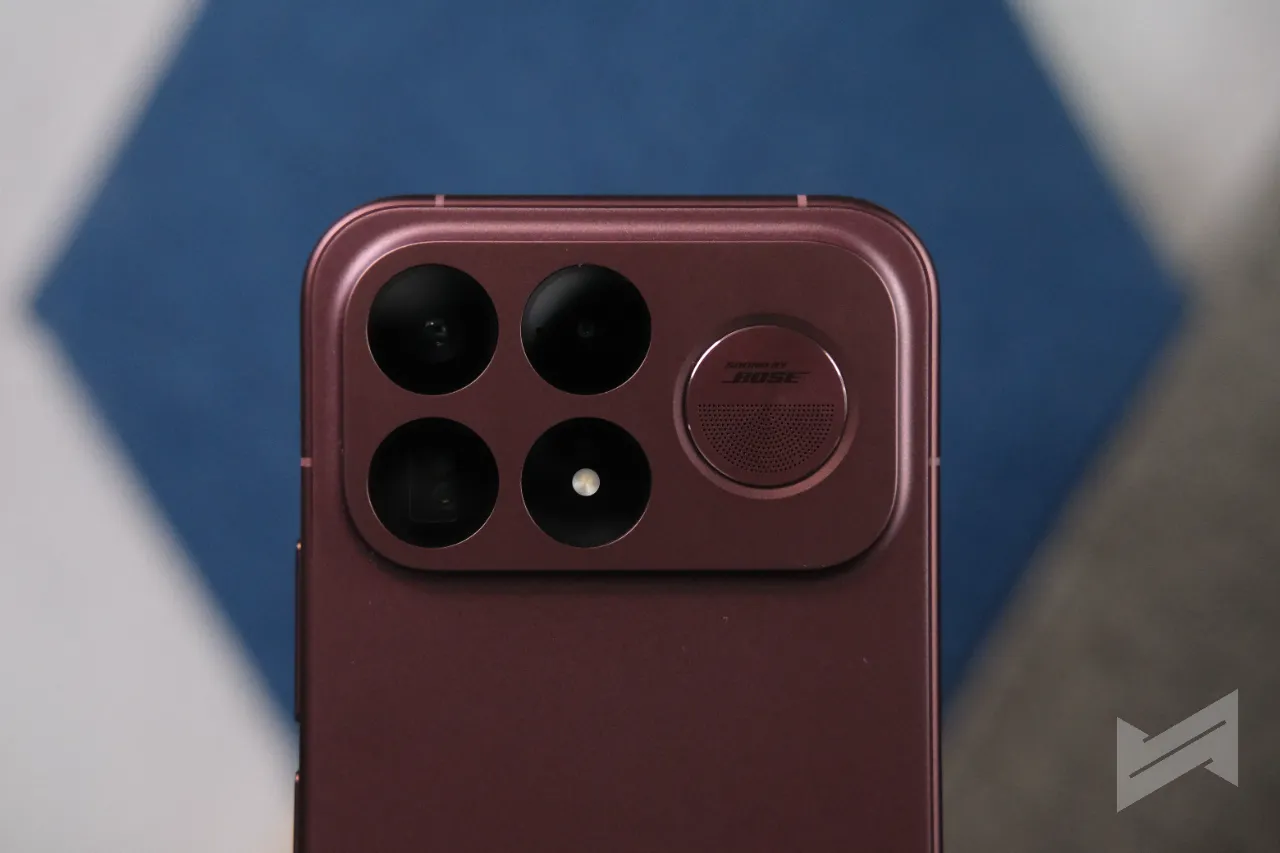
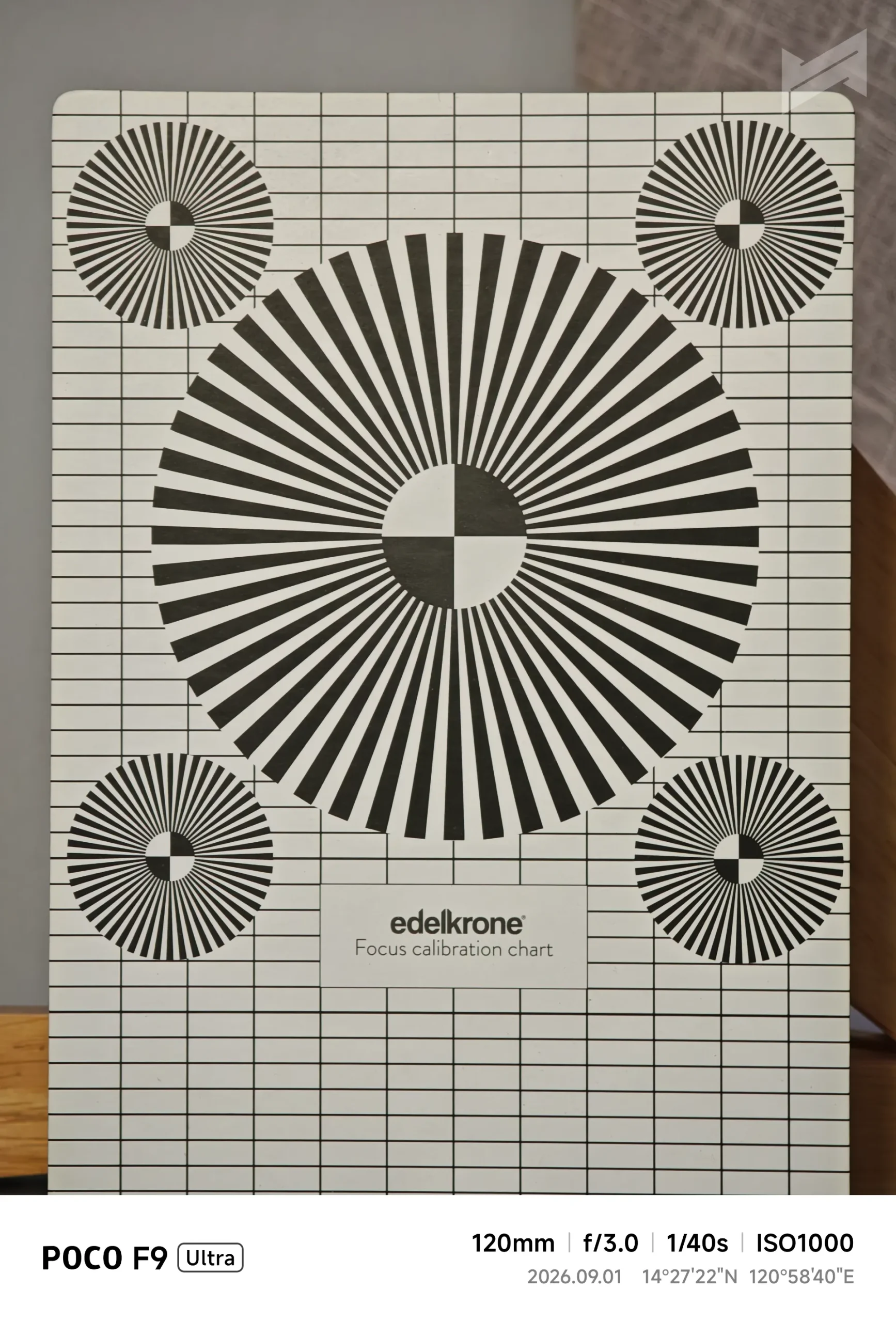
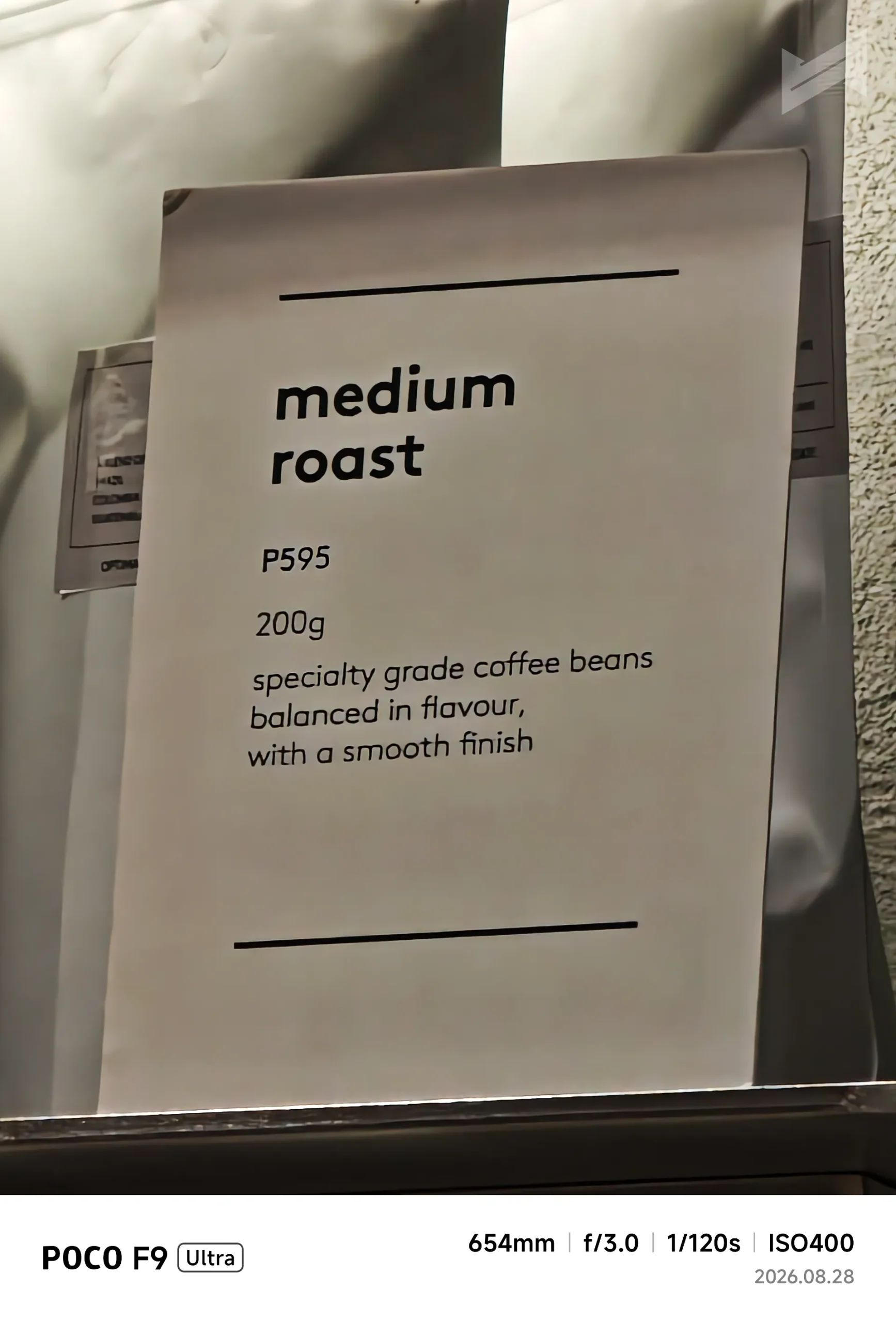
The 50MP 5x periscope telephoto with OIS covers a 120mm equivalent, with 10x lossless in-sensor zoom and up to 120x AI Ultra Zoom. A 50MP ultra-wide handles the wide end, and the 32MP front camera gains Smart Aperture for group photos. Video is much improved too: Live Cinematography captures 4K Ultra-HD Live Moments, with Portrait Live, Freestyle Live, and Video to Live Moment adding motion effects, plus an AI Creativity Assistant for enhancement and cutouts.














Audio: a portable speaker in your pocket
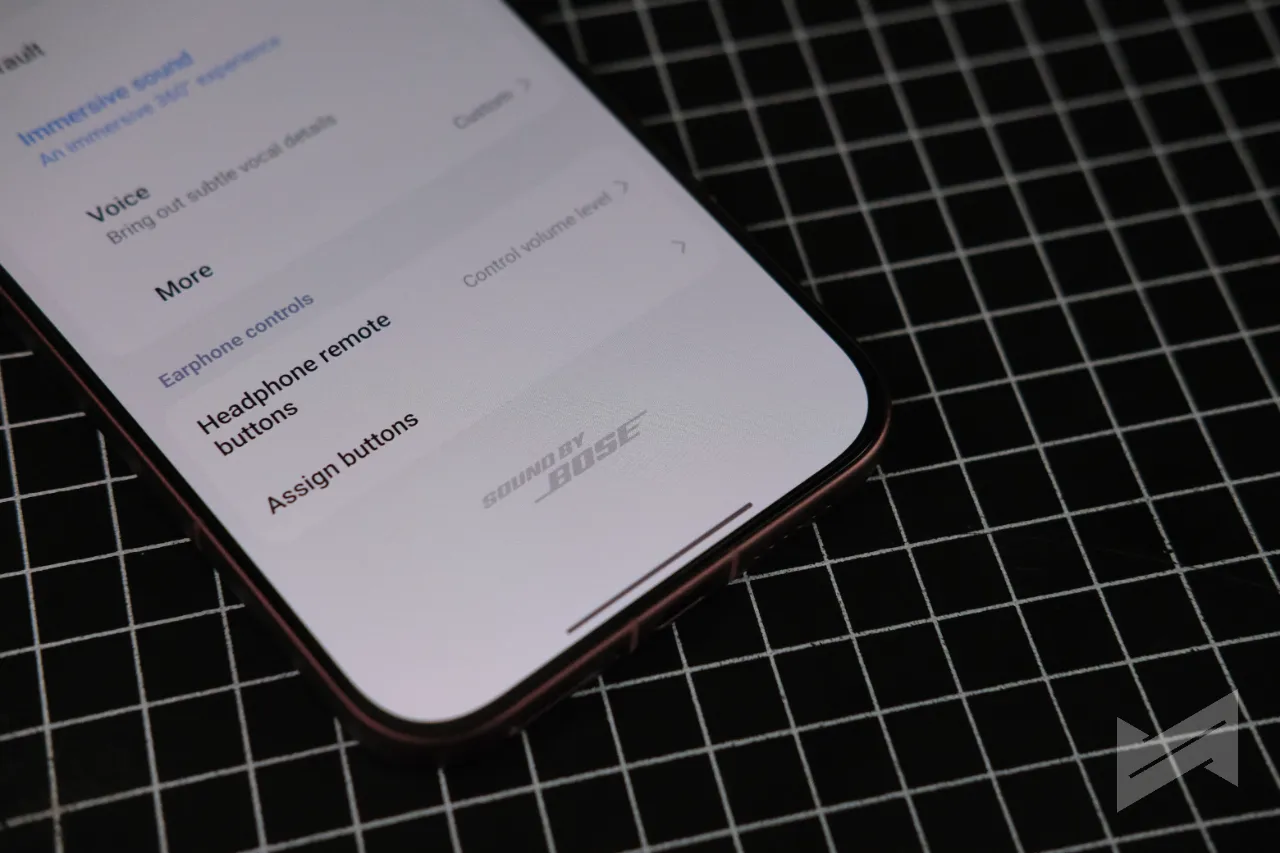
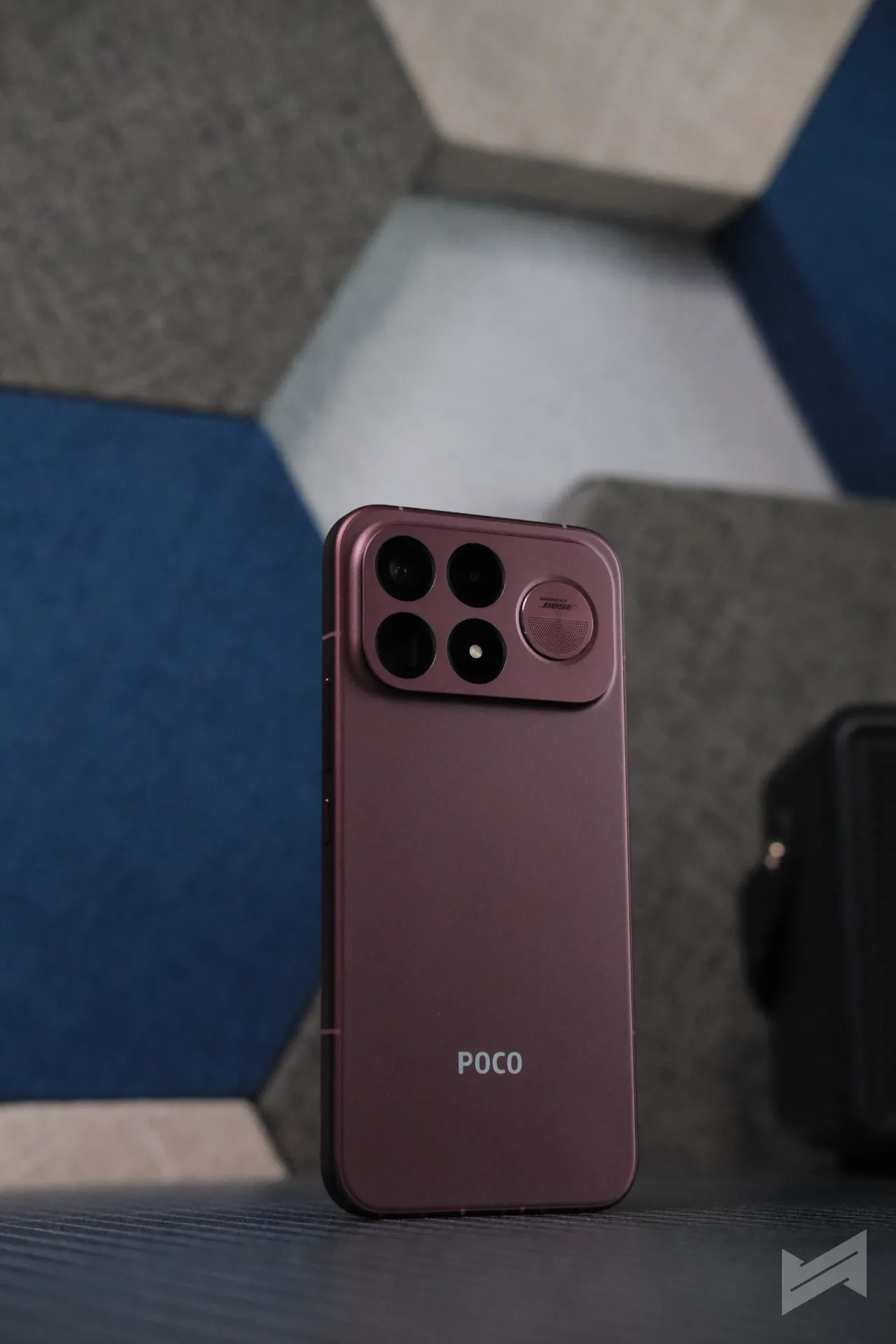
If the Bose speakers on the F8 Ultra were loud and good, the F9 Ultra’s still Bose-powered setup goes further. It is a triple-speaker system with 2.1-channel audio: dual symmetrical 1115D stereo speakers plus an independent 1620 subwoofer. Yes, a subwoofer on a smartphone. The result basically turns the F9 Ultra into a portable speaker, with real bass weight that no phone this size should produce. Bose’s 15-level graded tuning calibrates frequencies at different volumes, with Dynamic and Balanced profiles. The Dynamic Light around the camera even syncs with the audio during music and supported games.
Battery and charging
The 8,050mAh silicon-carbon battery is the biggest single upgrade on paper, and it delivers. Normal use sips power, and even heavy gaming days end with plenty left. Charging is 100W wired and 50W wireless HyperCharge, with up to 27W wired reverse and 22.5W wireless reverse charging for other devices, plus smart charging for long-term battery health. It is the best endurance POCO has put in an F-series phone.
Should F8 Ultra owners upgrade?
The honest answer: overall performance is not exactly better than last year’s POCO F8 Ultra. The chipset is the same generation, and you will not feel a dramatic difference in daily tasks. If you are still on an F8 Ultra, there is basically no need to upgrade unless you specifically want the better battery capacity, the significantly better cameras, and the slightly better speakers. Those three are real upgrades. Everything else is refinement.
Verdict
The POCO F9 Ultra still earns the flagship-killer name. It undercuts the competition at early bird pricing, fixes the camera gap with a genuinely excellent 200MP system, brings class-leading battery life, and somehow fits a subwoofer into a phone. Heat under sustained gaming is the trade-off, and buyers who want built-in cooling should look at dedicated gaming phones instead. For everyone else who wants flagship performance, a great camera, and all-day endurance without the flagship price, the F9 Ultra is an easy recommendation at PhP48,999 early bird.
POCO F9 Ultra
Gadget PilipinasWhat we like
- Excellent 200MP camera, especially in low light
- Class-leading 8,050mAh battery
- Bose 2.1-channel audio with a real subwoofer
- 185Hz display with strong brightness
- Aggressive early bird pricing
Could improve
- Runs very hot under sustained gaming
- No integrated cooling system
- Not a big performance jump over the F8 Ultra
- Software version: Xiaomi HyperOS 3.1
- Variant: 16GB + 512GB
- Battery test conditions: Mixed daily use plus extended gaming sessions, 100W wired HyperCharge
- Camera test conditions: Low light, dedicated 200MP mode, 5x telephoto
- Gaming/thermal test conditions: Sustained max-settings gaming; third-party cooler and performance presets tested as mitigations

Giancarlo Viterbo
Giancarlo Viterbo is a Filipino Technology Journalist, blogger and Editor of gadgetpilipinas.net, He is also a Geek, Dad and a Husband. He knows a lot about washing the dishes, doing some errands and following instructions from his boss on his day job. Follow him on twitter: @gianviterbo and @gadgetpilipinas.
View all articles →Related Reviews
 Sony 1000X The Collexion Review: Three Months Later
 ASUS ProArt P16 (H7607BA) Review: the RTX Spark platform, tested in the work creators actually do
 HONOR 600S Review: Bits of What’s Loved on the HONOR 600 Series in a More Accessible Package
 Keychron C75 HE 8K TMR Keyboard Review
 Samsung Galaxy S26 FE: Great Functional Elegance
 NBA 2K27 Review: A Better Game Than DLSS 5 Suggests