






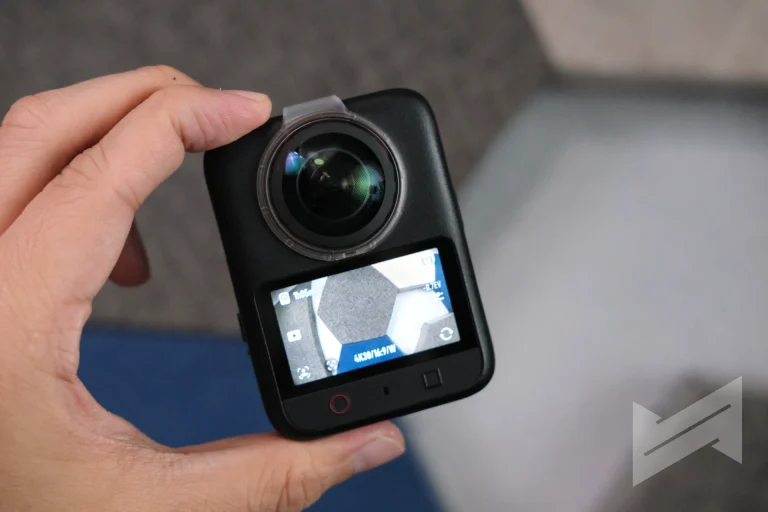
DJI Osmo 360 II is finally here!
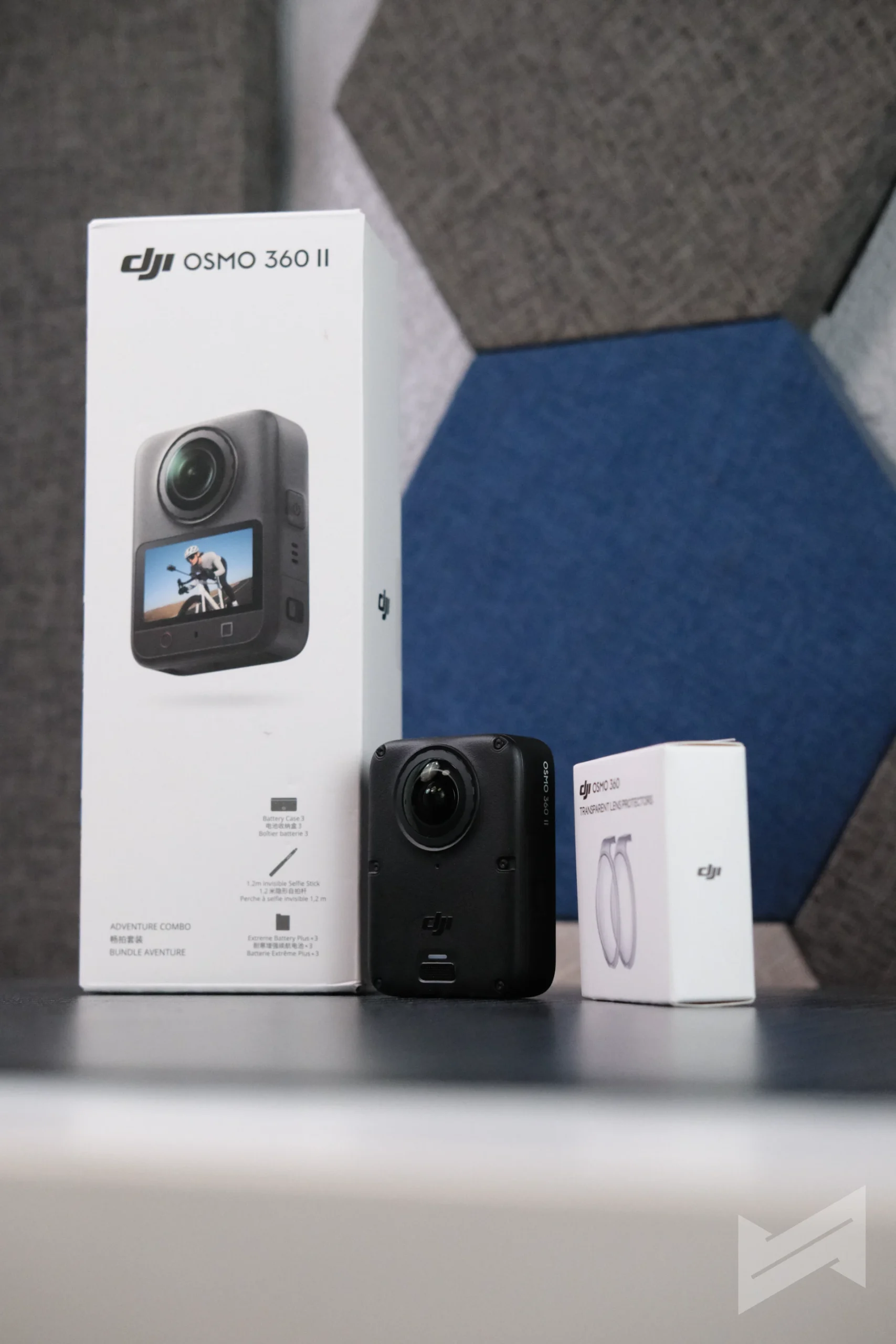
The 360 camera category has a clear pioneer, but DJI keeps making the argument that you do not need to pay pioneer prices. The Osmo 360 II, which officially arrives in the Philippines today, September 2, is the industry’s first 360 camera with native 8K/60fps recording, built around the same 1/1.1-inch square CMOS sensor as its predecessor but with the processing and features to finally make the first generation feel dated.
Build
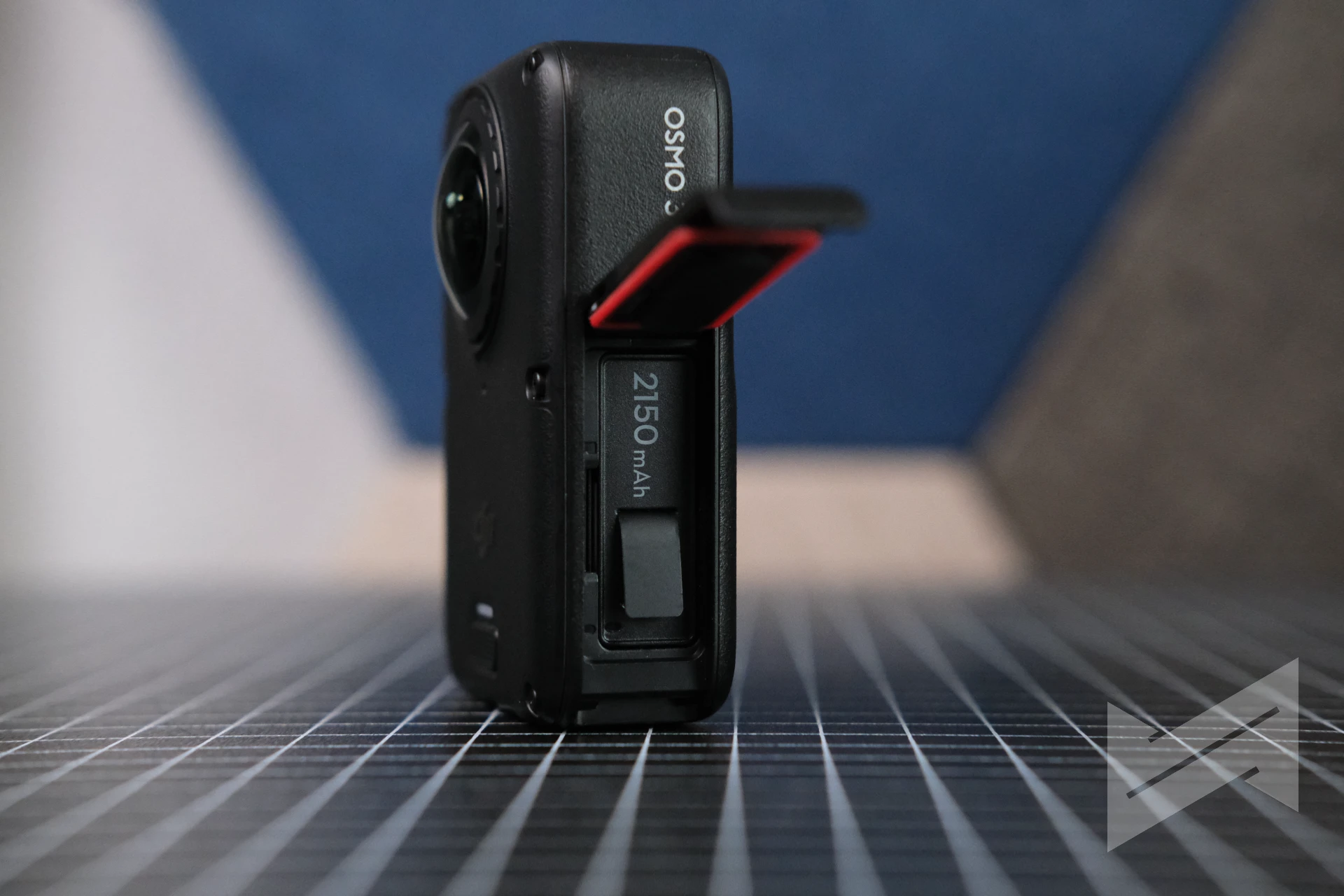
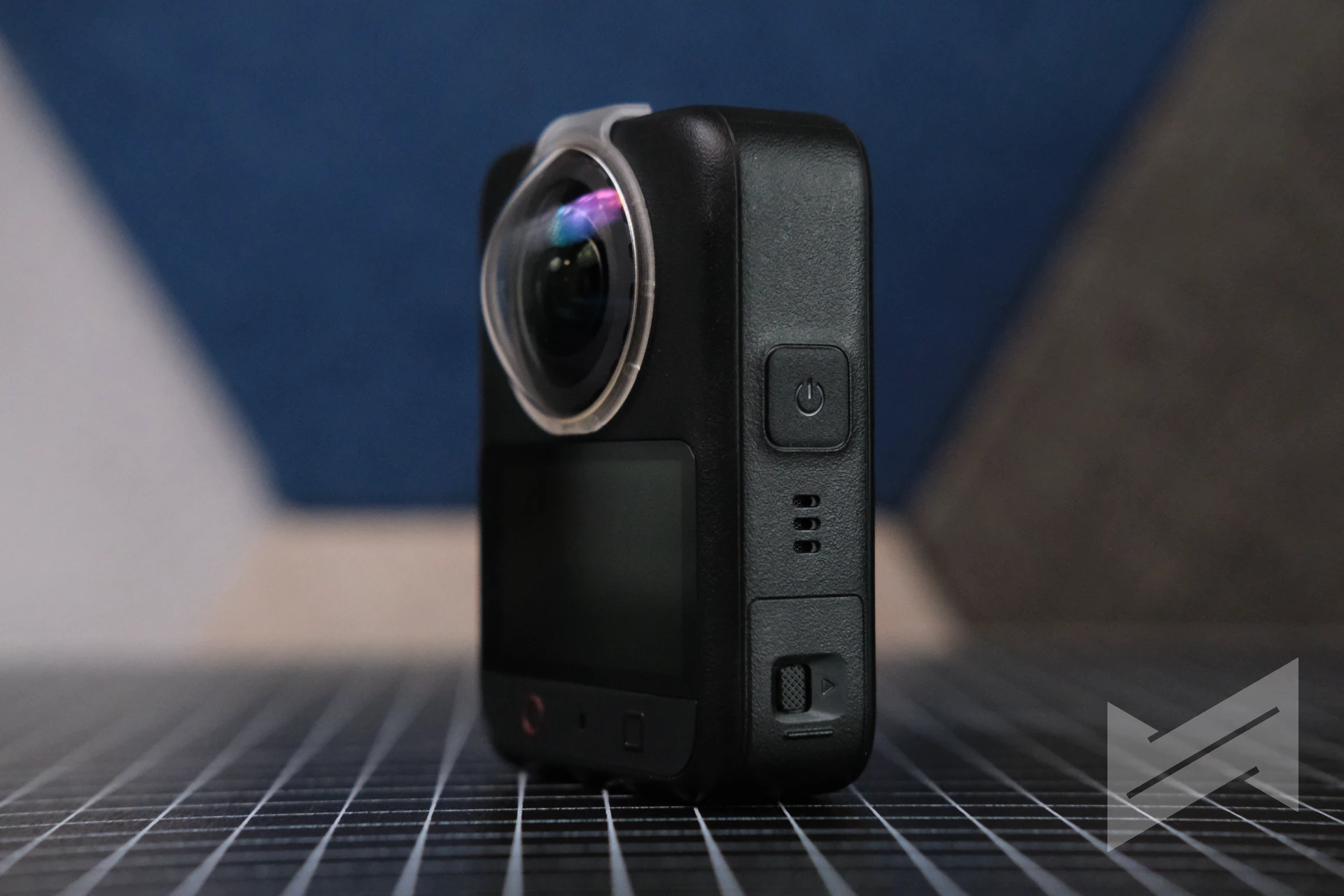
Physically, little has changed, and that is fine. The Osmo 360 II keeps the compact 61 x 81 x 36.3mm body at 183g, water resistance to 10 meters bare, a magnetic quick-release mount, and a 1/4-inch thread for standard tripods. It shares batteries with the Osmo Action series, which is convenient if you own both.
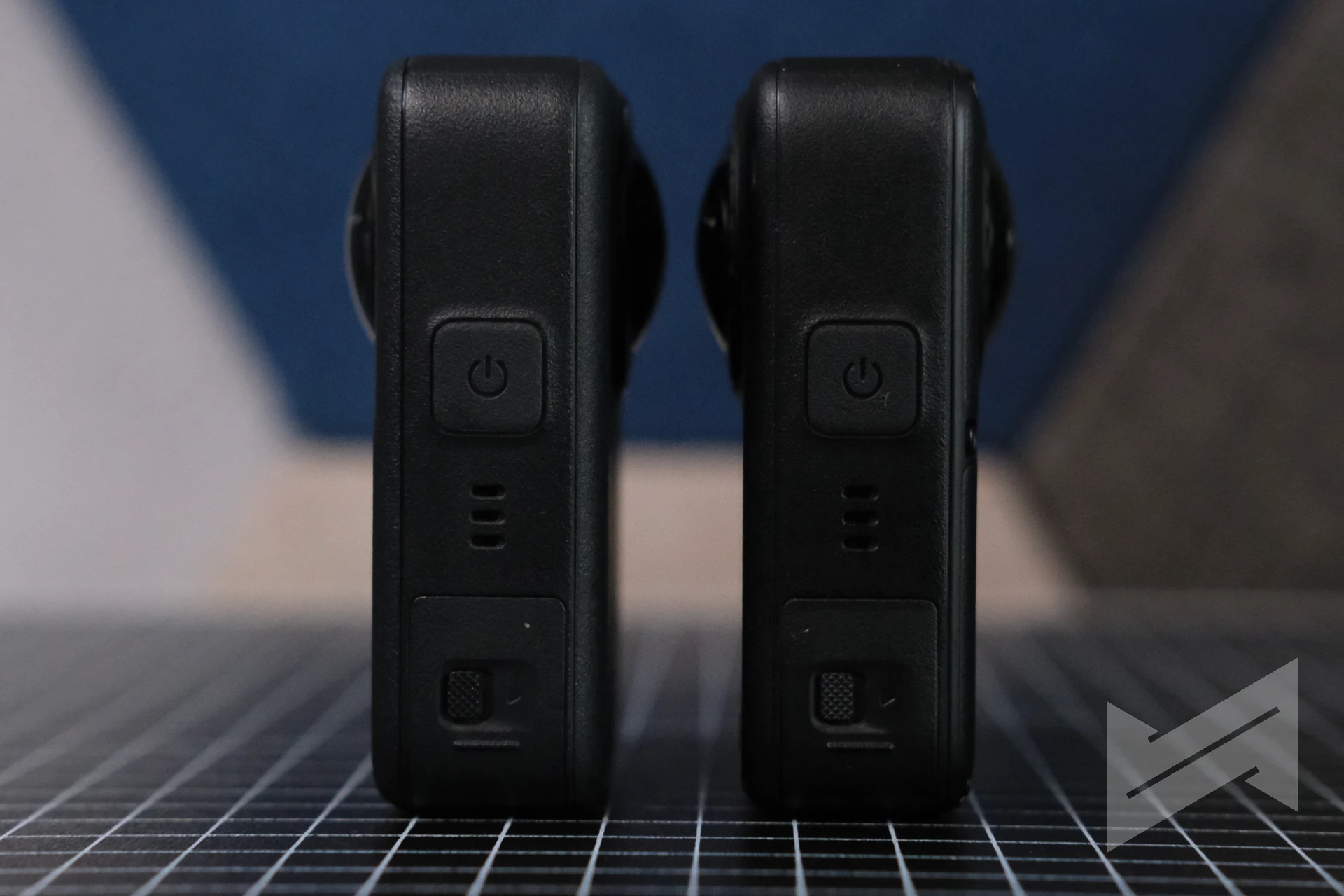
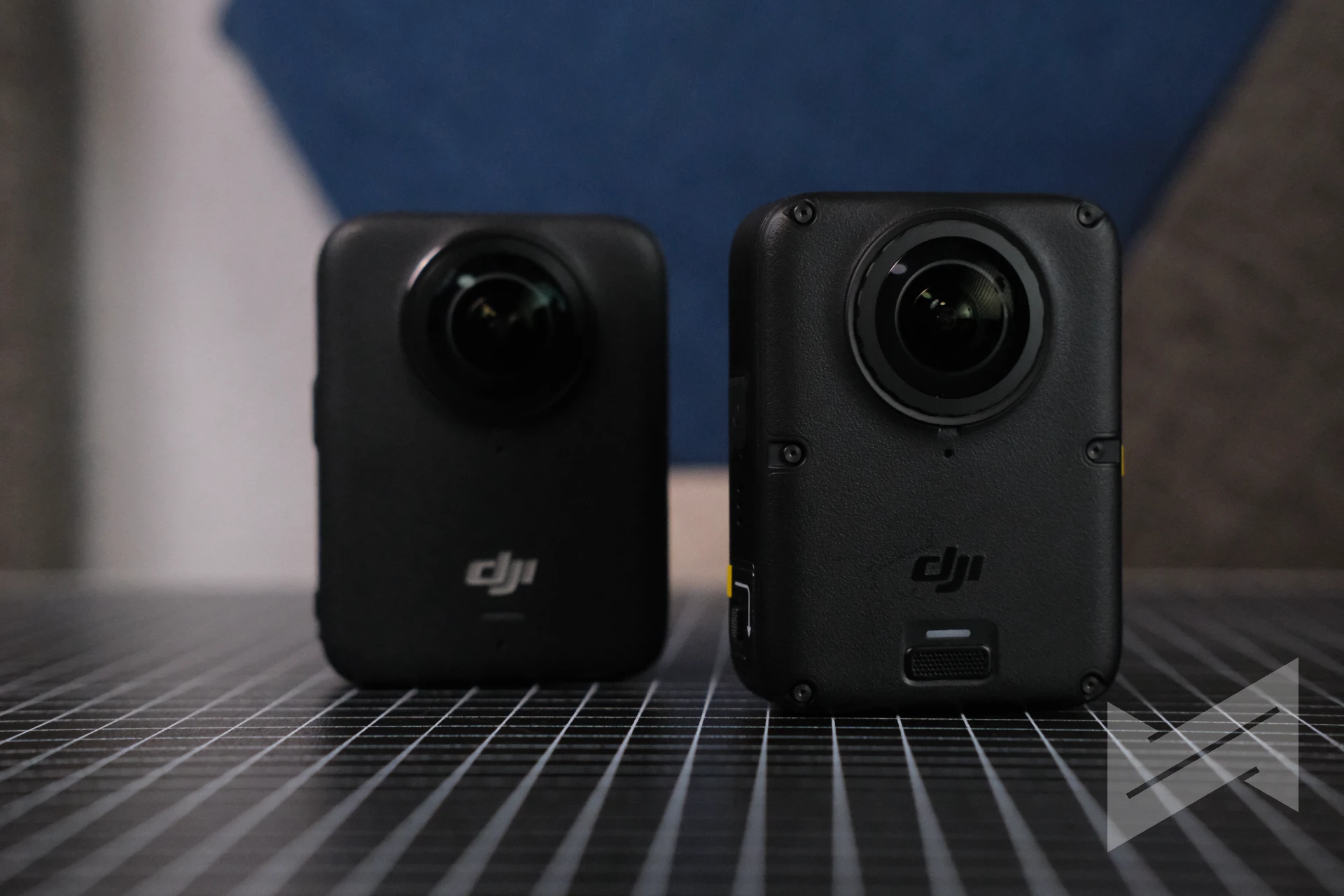
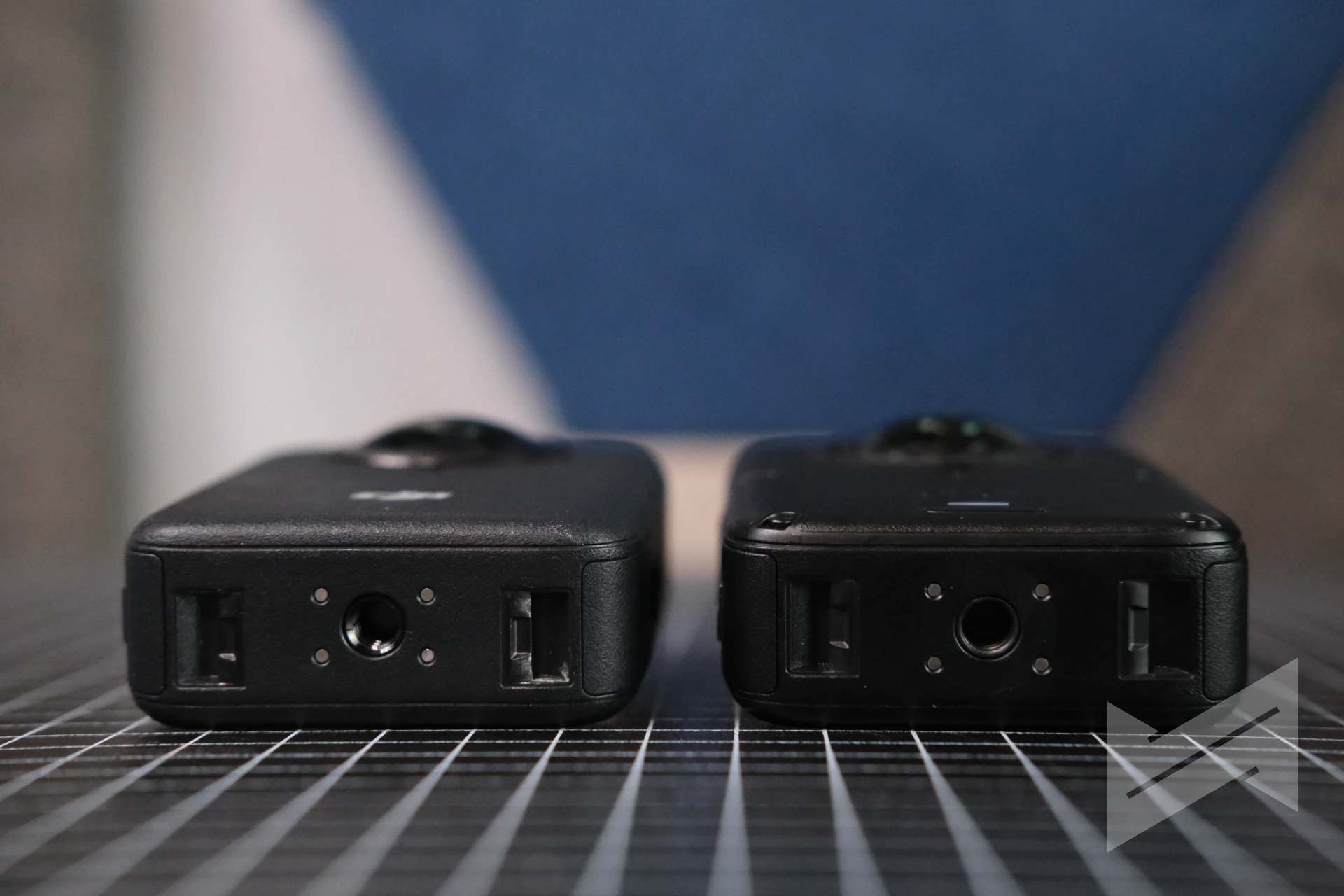
The headline build change is the lens: it is now user-replaceable with a second-generation ultra-hard optical coating, which directly answers the biggest fear of 360 camera owners, a scratched exposed lens. The 105GB of built-in storage means you can shoot without a memory card, and NFC quick connection plus Wi-Fi 6 make getting footage off the camera painless.
Camera Features
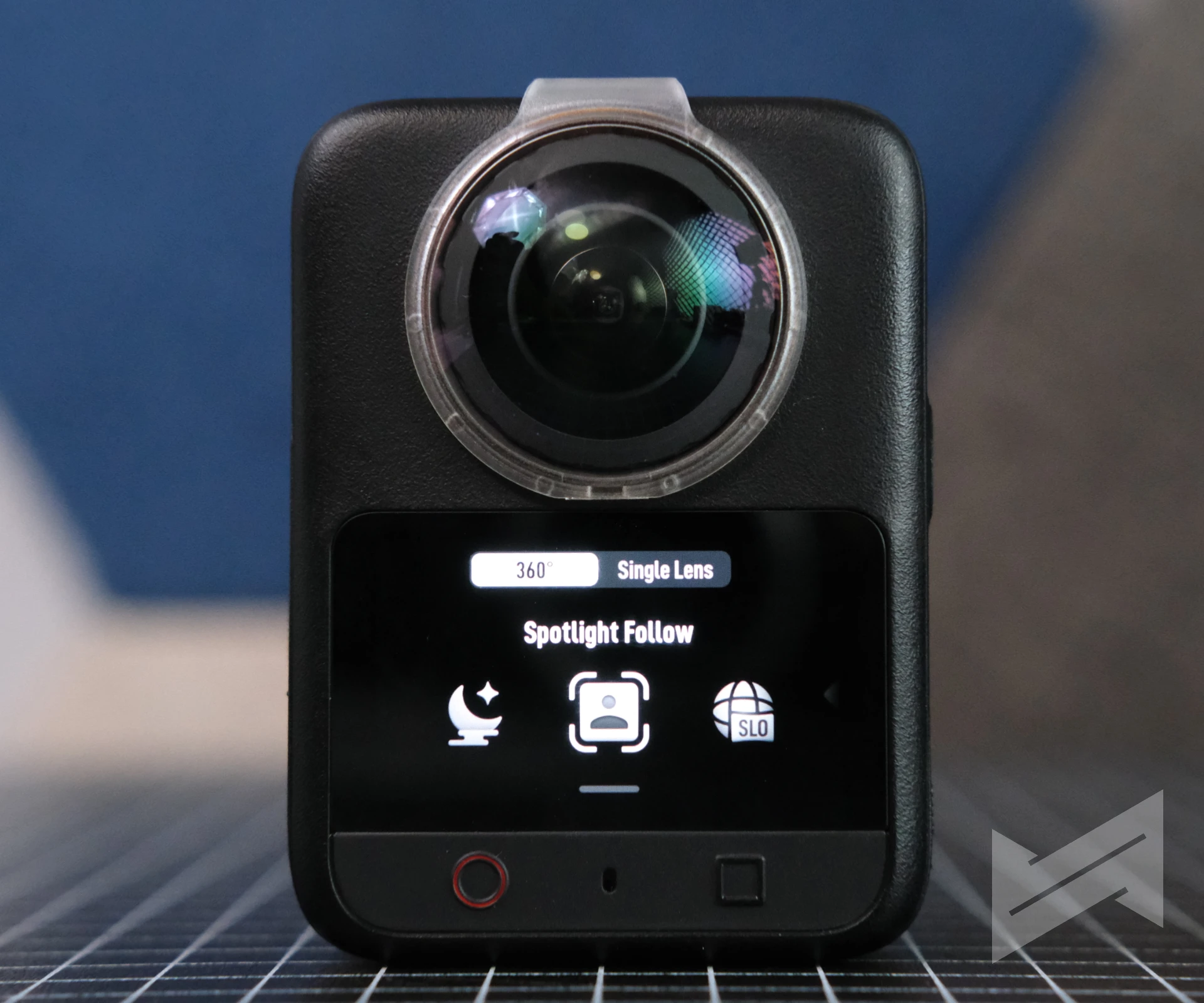
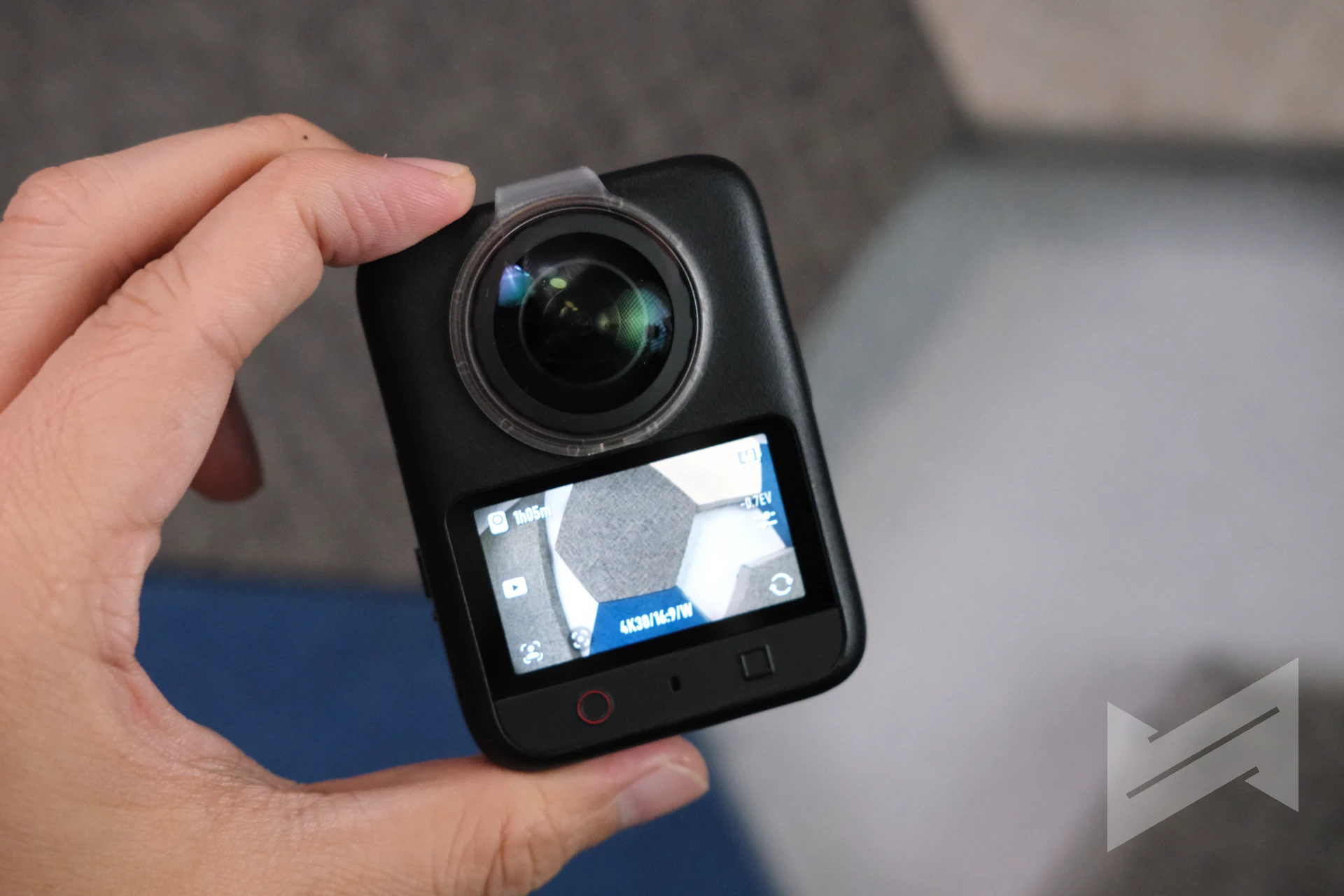
The 360 II’s core trick is native 8K/60fps video, a step up from the 8K/50 of the first generation and the single most requested upgrade from users. Dynamic range climbs from 13.5 to 14.5 stops, which shows up as cleaner skies and better shadow detail in backlit scenes.
Photos get an HDR boost to 120MP HDR 360, and AI SuperNight 2.0 cleans up low-light capture. The camera also adds AI high-precision smart stitching, 16K 360 timelapse (double the first gen’s 8K), 8K/120 vortex shots, and 10-bit D-Log M color for grading.
Difference from the first Osmo 360
- 8K/50 → 8K/60: smoother motion, and a highly requested bump
- Dynamic range 13.5 → 14.5 stops: better highlight and shadow retention
- Slow motion 4K/100 → 4K/120: up to 8K/480 when pushed through DJI Studio
- Timelapse 8K/30 → 16K/30: double the resolution for reframing
- Vortex 6K/120 → 8K/120
- 120MP → 120MP HDR photos
- Replaceable lens with a tougher second-gen coating (new)
- AI SuperNight 2.0, smart stitching, Spotlight Follow, Dual Recording (new)
Battery Life
Rated endurance stays at 100 minutes at 8K/30 on paper, but real-world battery life is a much bigger improvement this time. The Osmo 360 II ships with the larger 2,150mAh battery, up from 1,950mAh, and manages power more efficiently, so a full day of shooting on the road or on a bike is far more realistic than with the first generation. Magnetic charging and the shared Osmo Action battery ecosystem keep top-ups simple, and the extension rod doubles as extra battery for longer sessions.
Camera Software
The 360 II leans heavily on software to make 360 footage usable. Spotlight Follow locks onto a subject and keeps it centered in the reframed video. Dual Recording generates front-facing and scene views from the same capture.
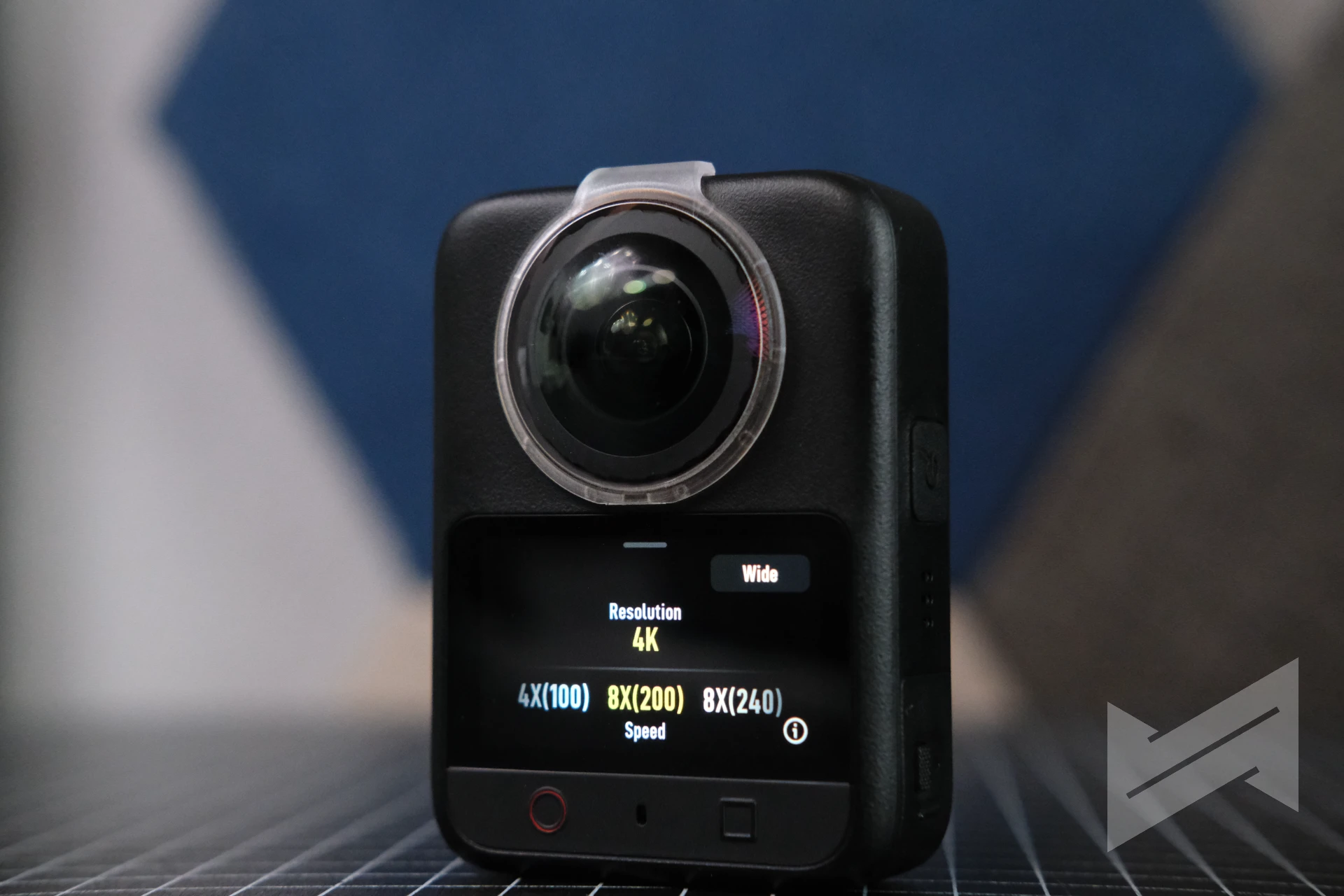
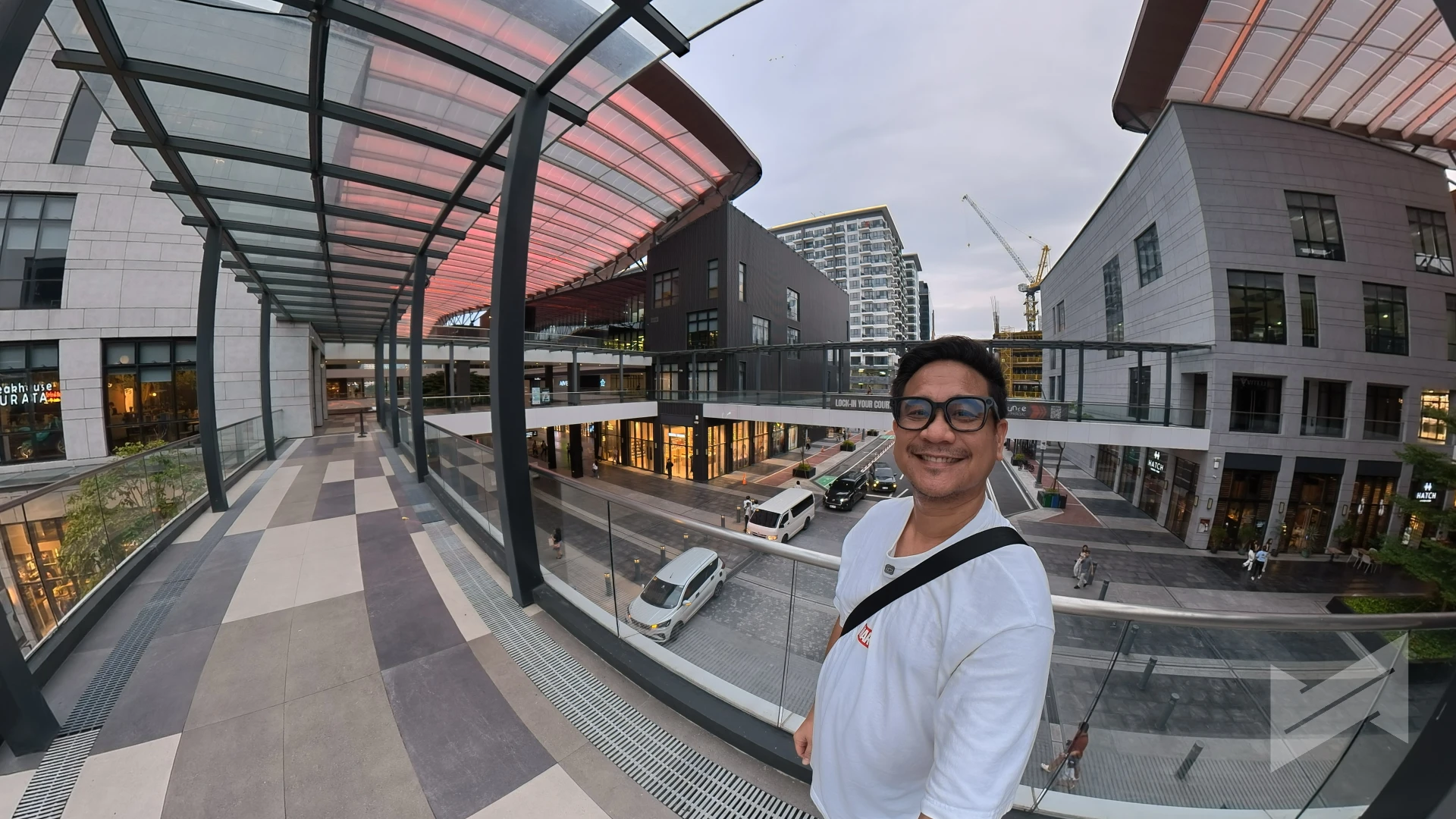
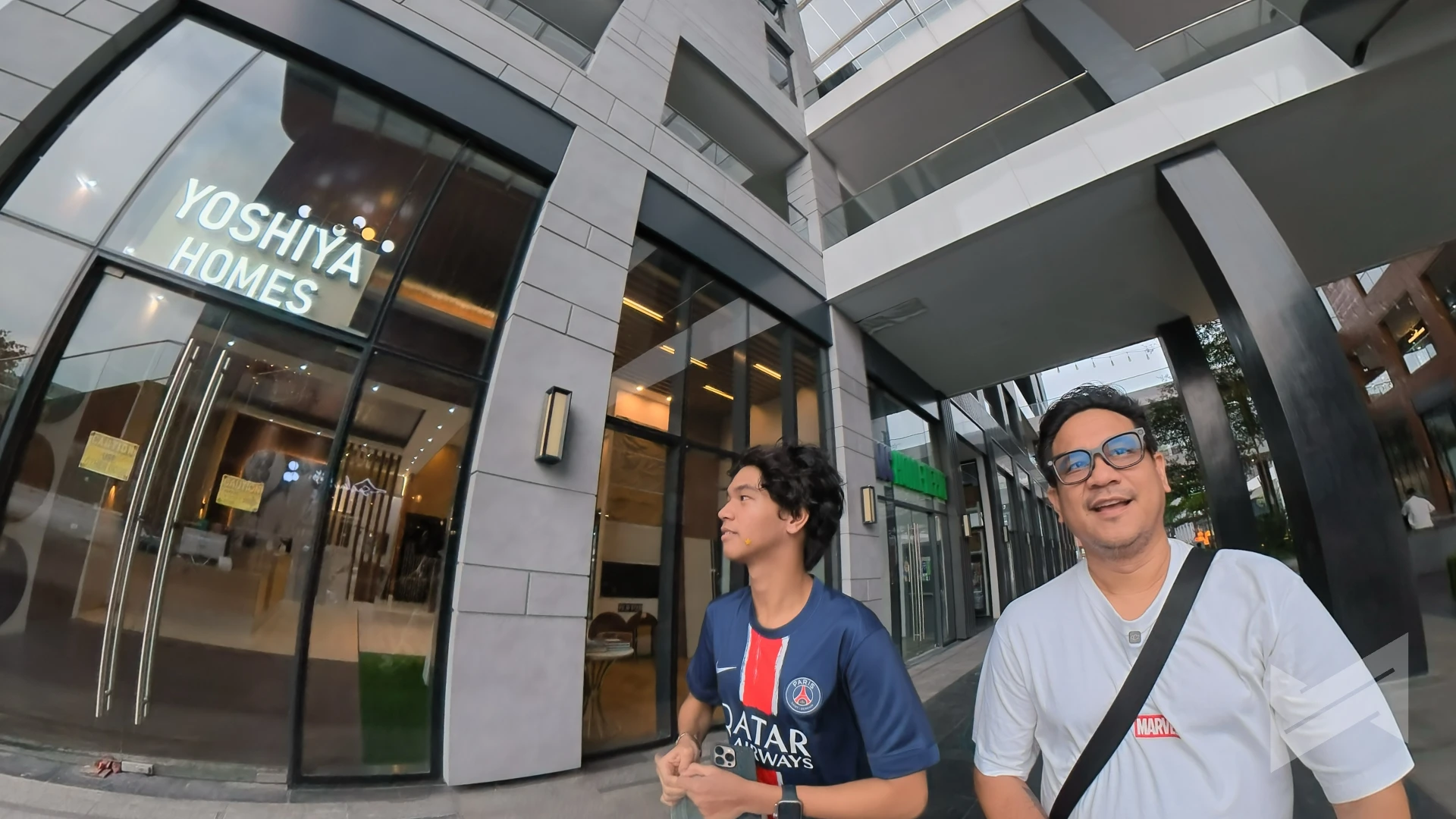
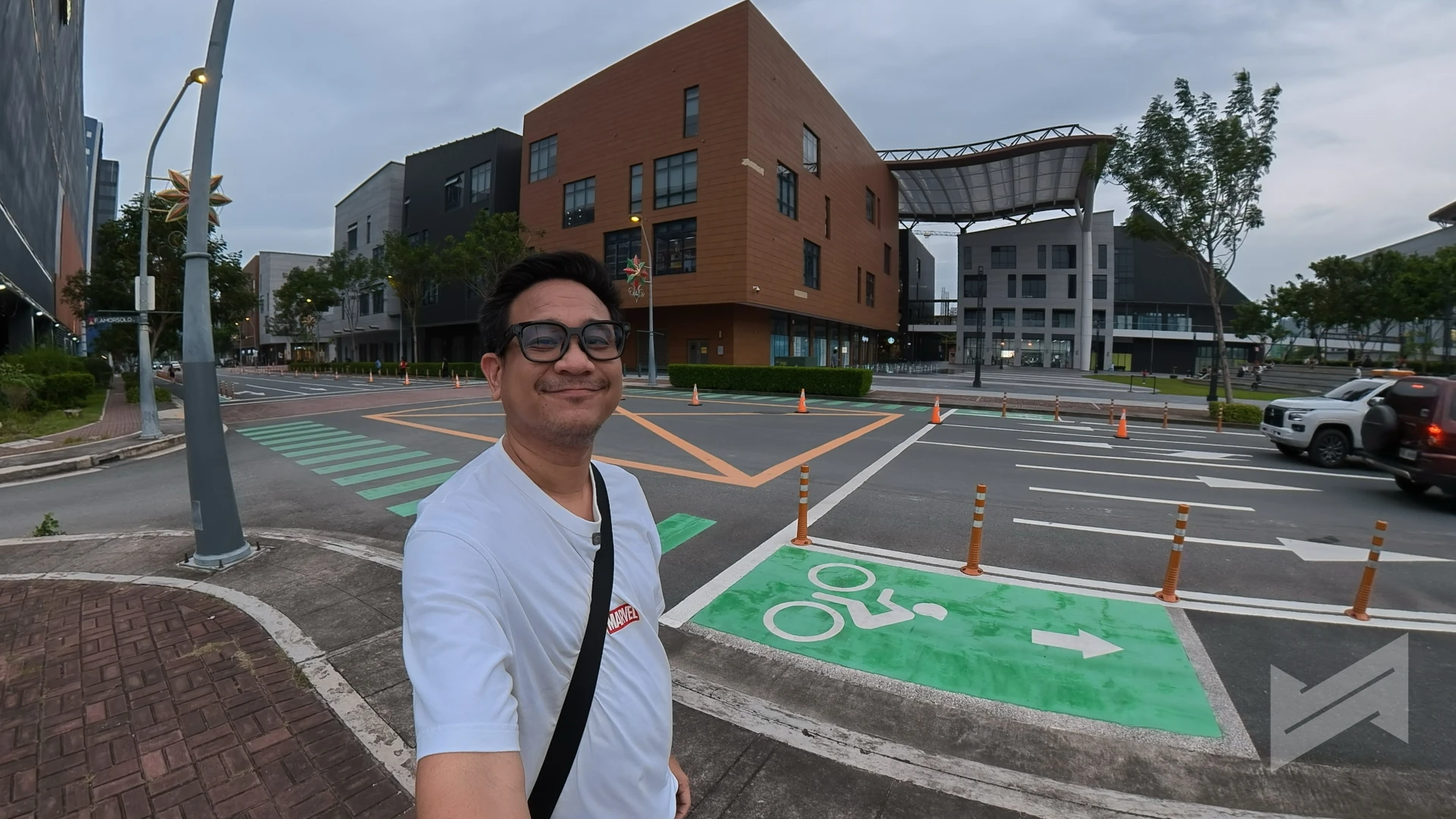
In the Mimo app, 360° Editing 2.0 and 4K reframed exports turn a single 360 clip into ready-to-share flat video quickly, and AI One-Tap Edit handles simple social clips. Riders get Garmin, Wahoo, and FIT telemetry overlays, and the camera connects to SENA and Cardo headsets for audio. DJI Mic 2, Mic 3, and Mic Mini connect directly for proper voice audio.
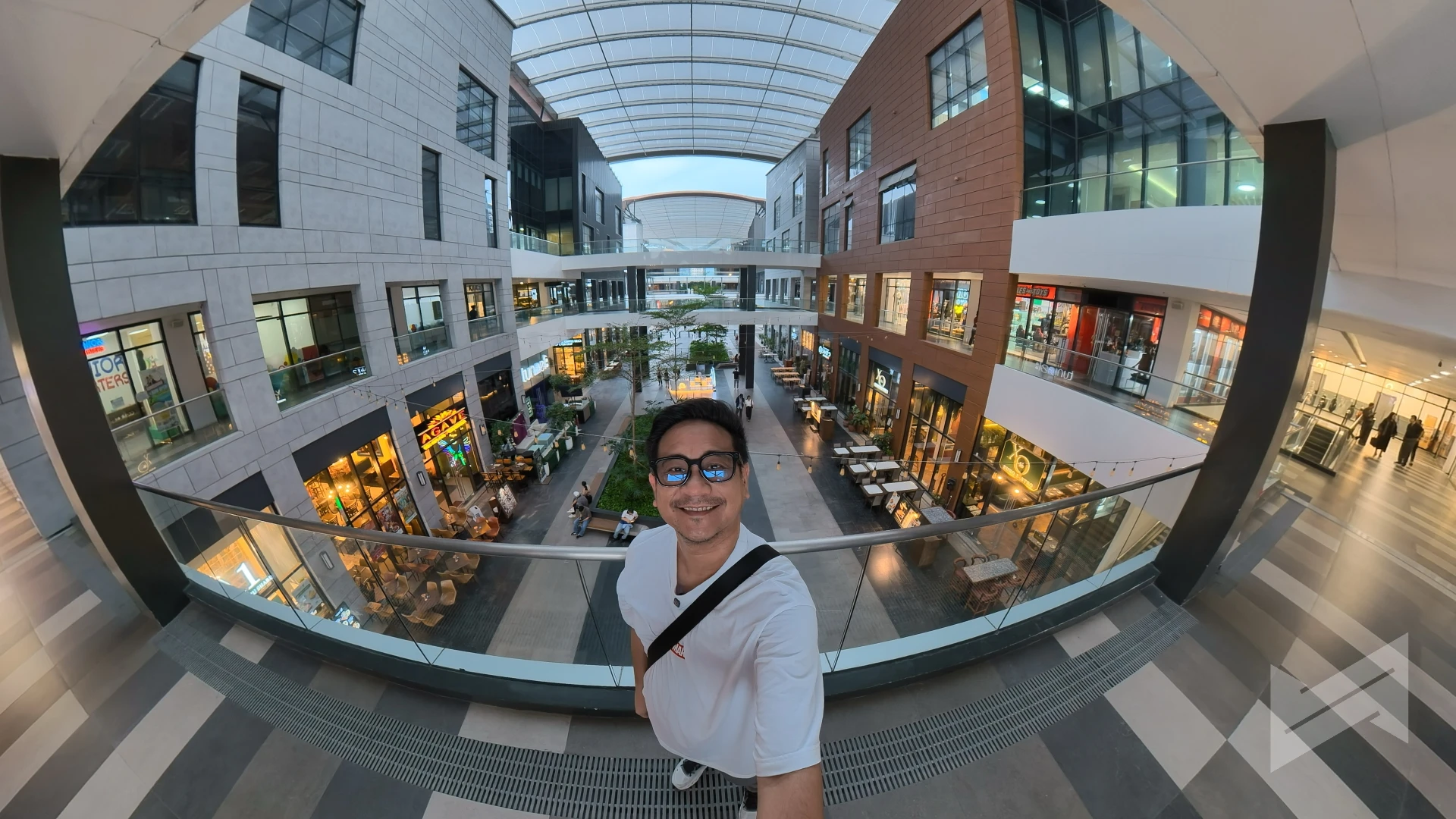
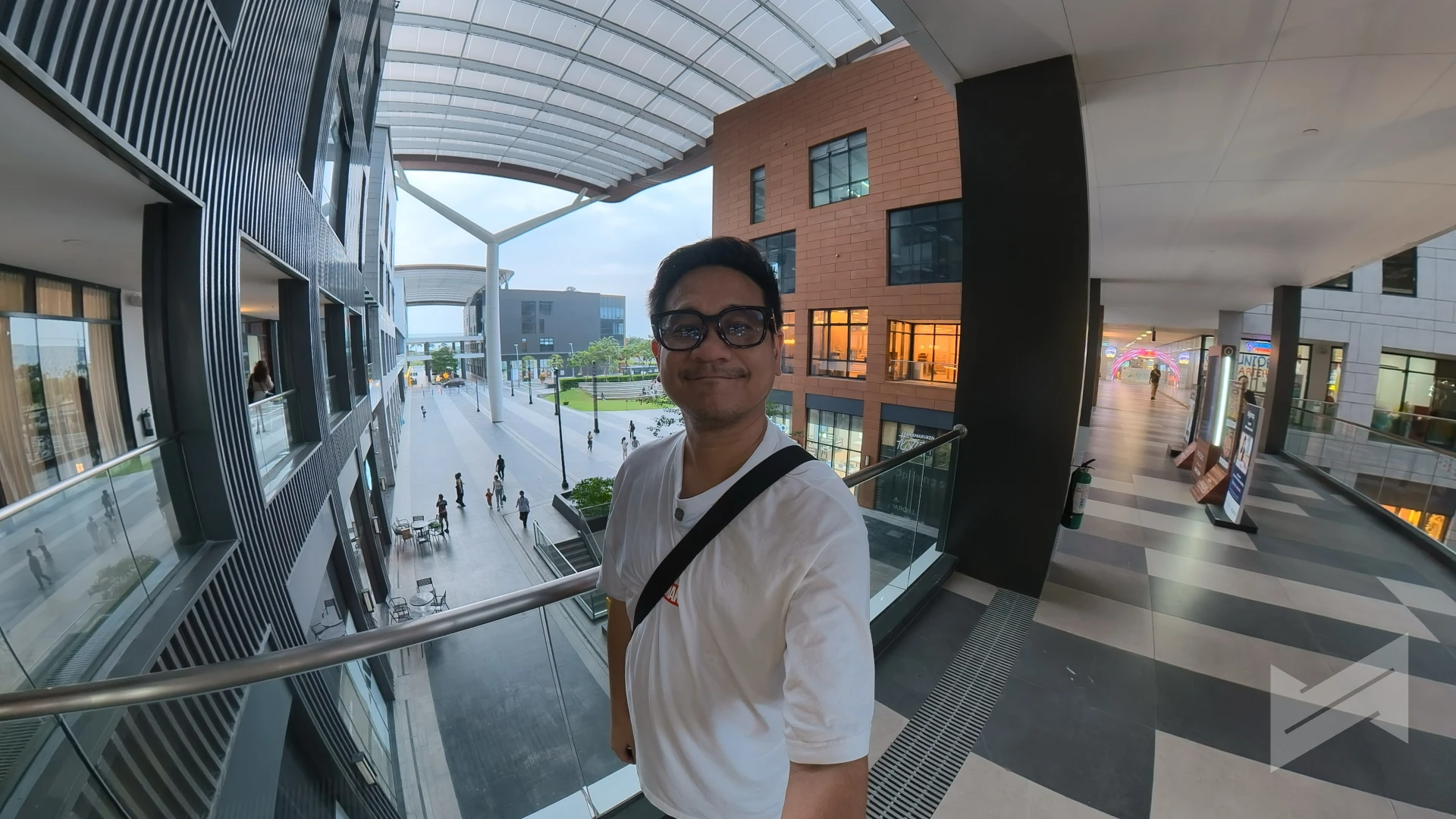
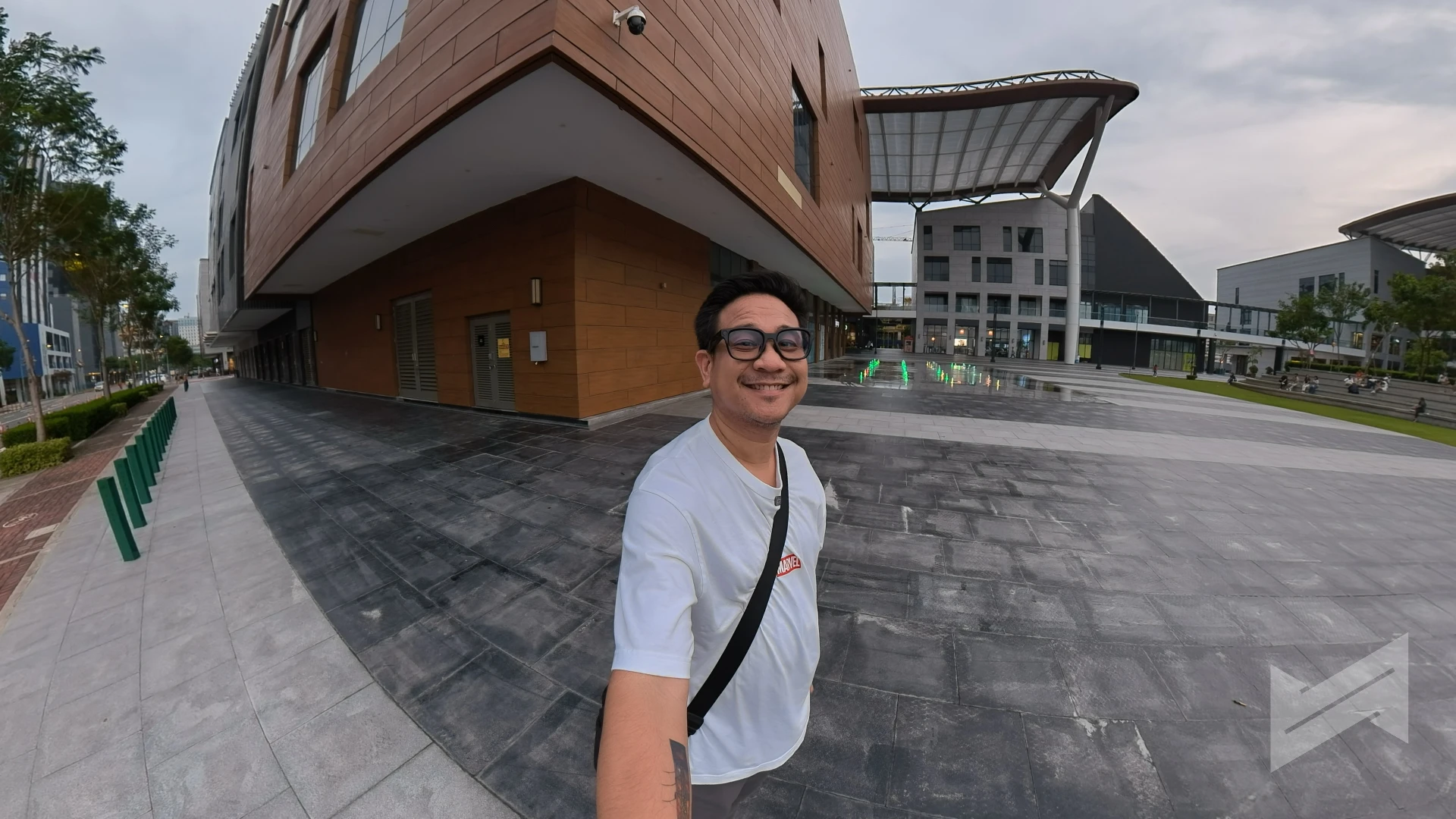
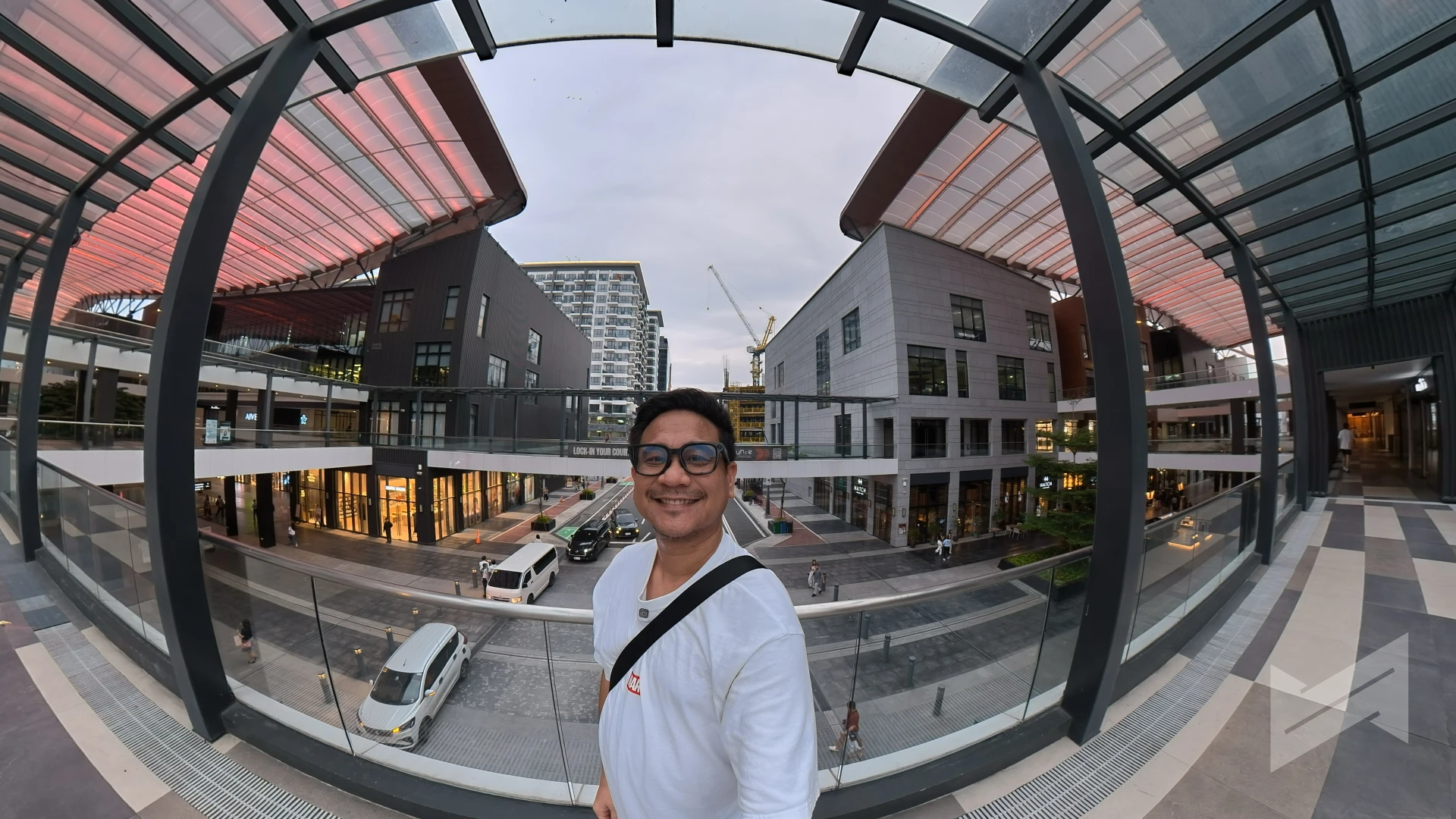
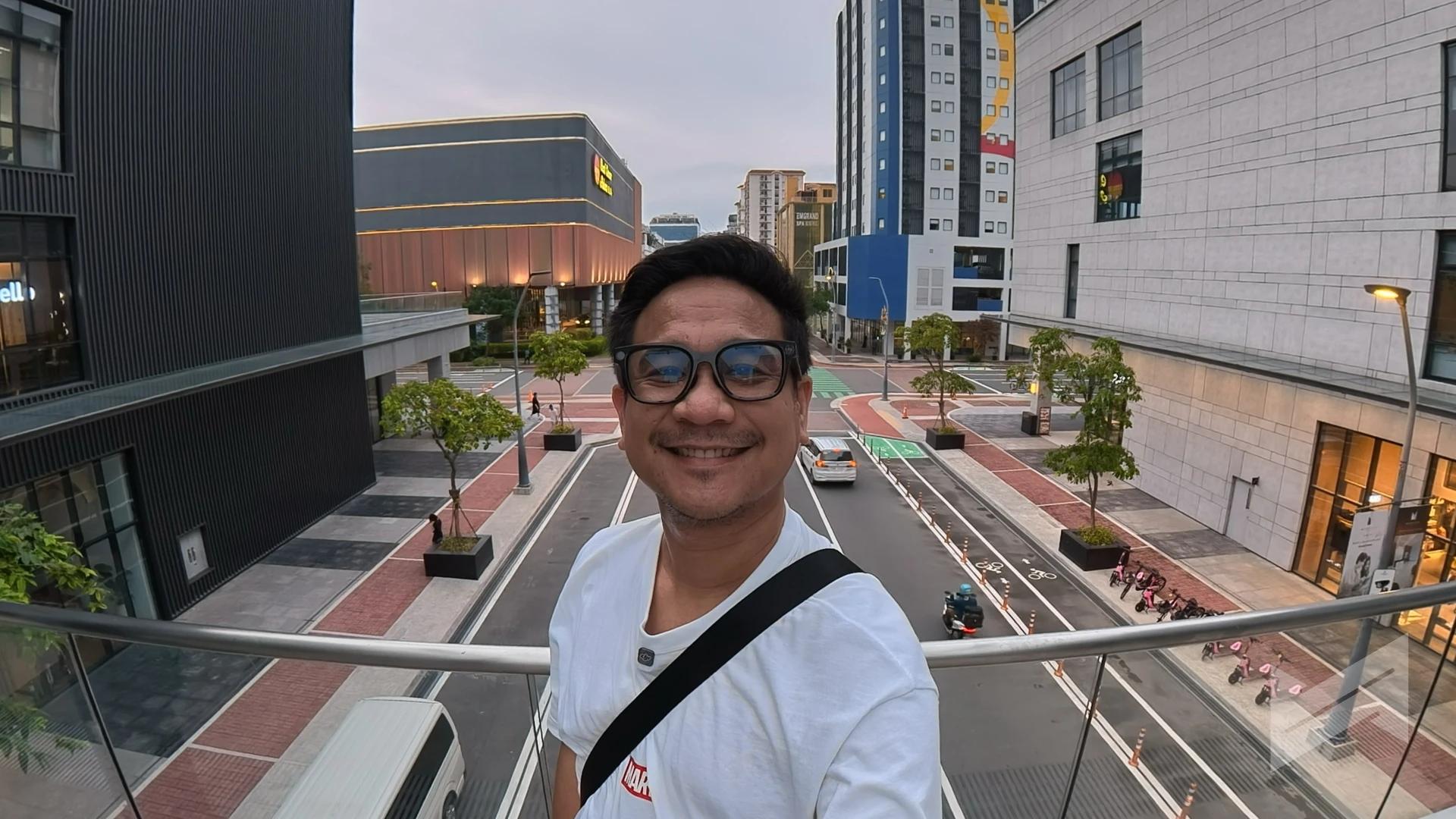
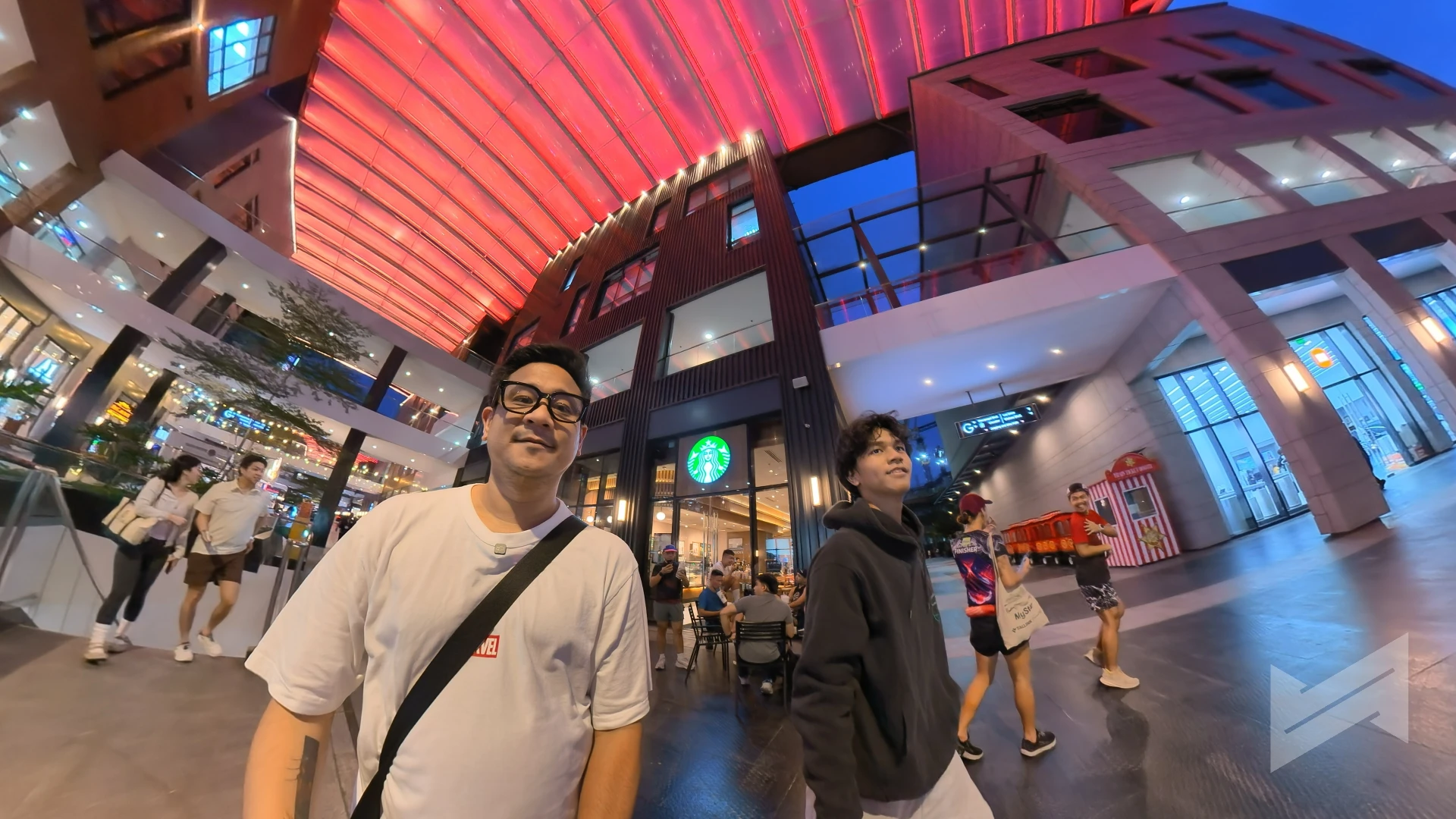
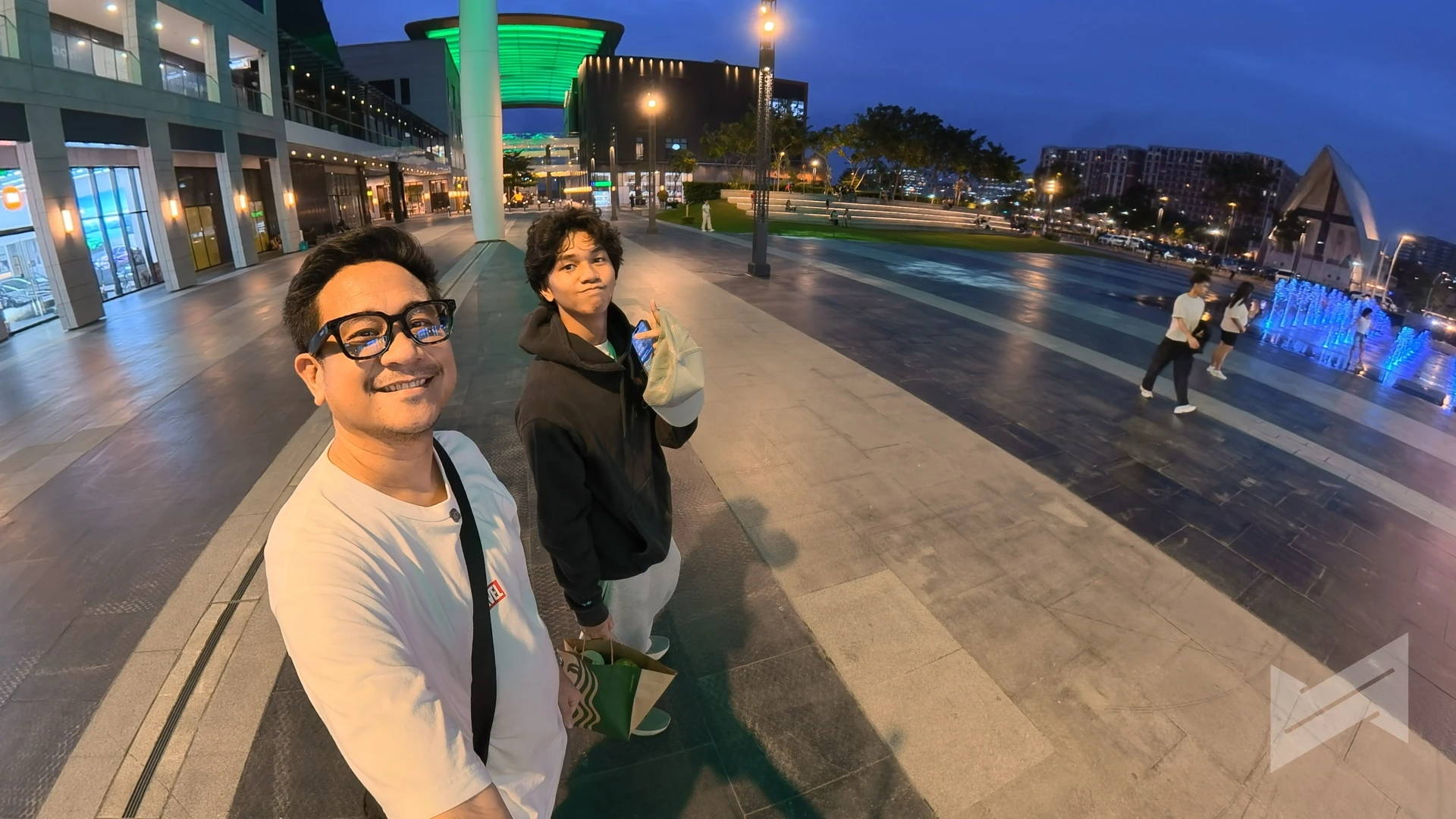
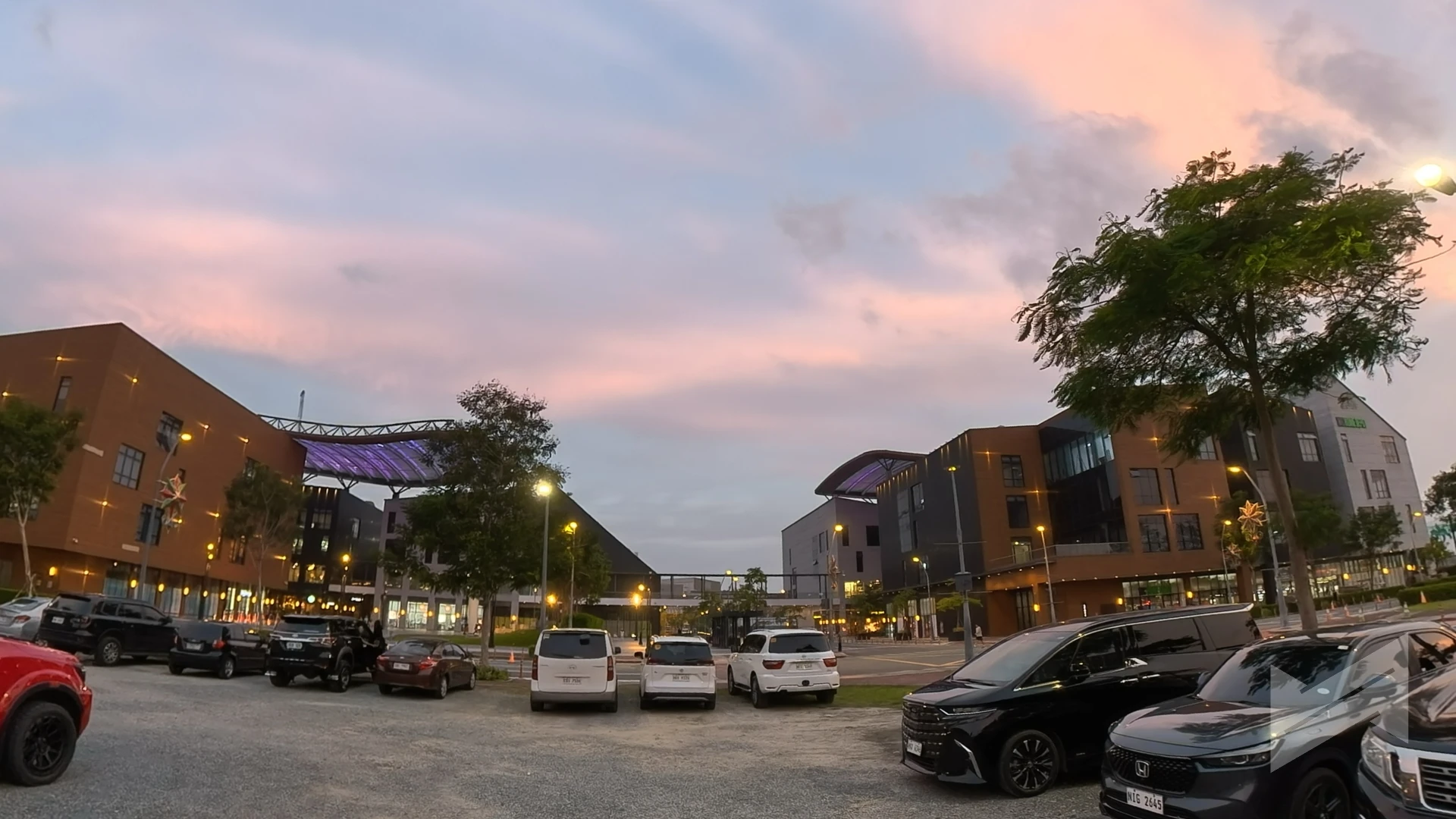
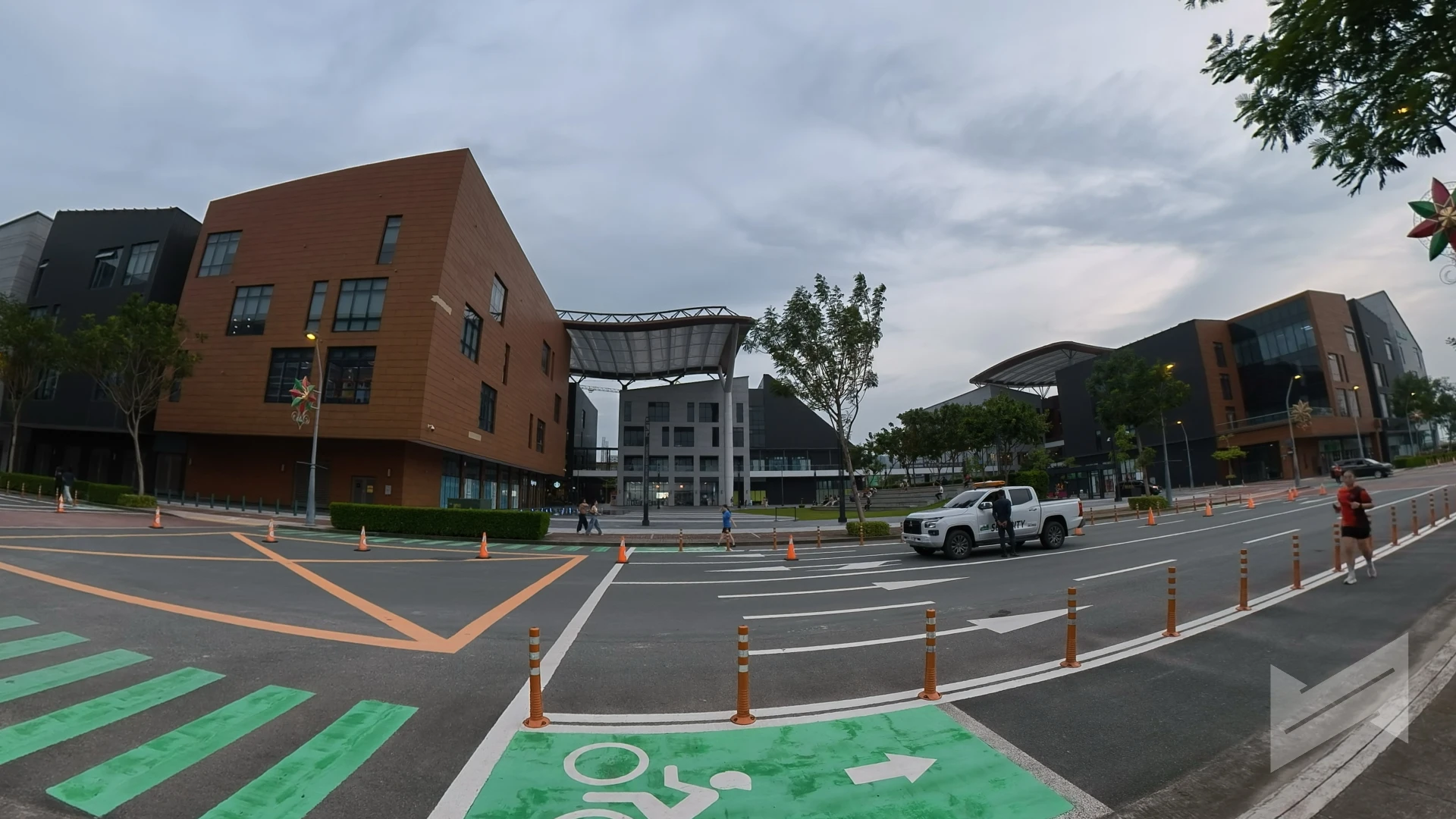
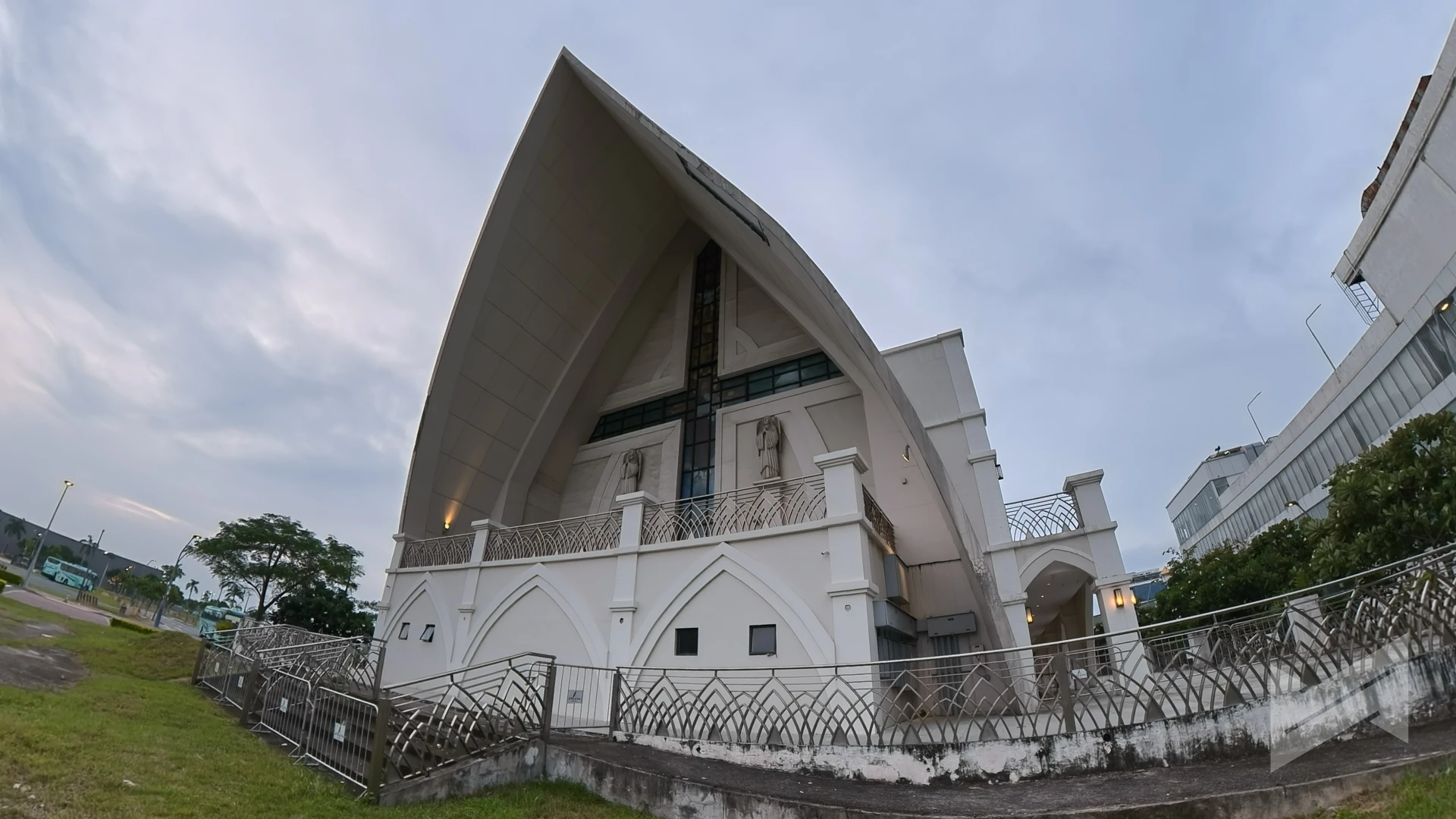
Editing Experience on Mimo
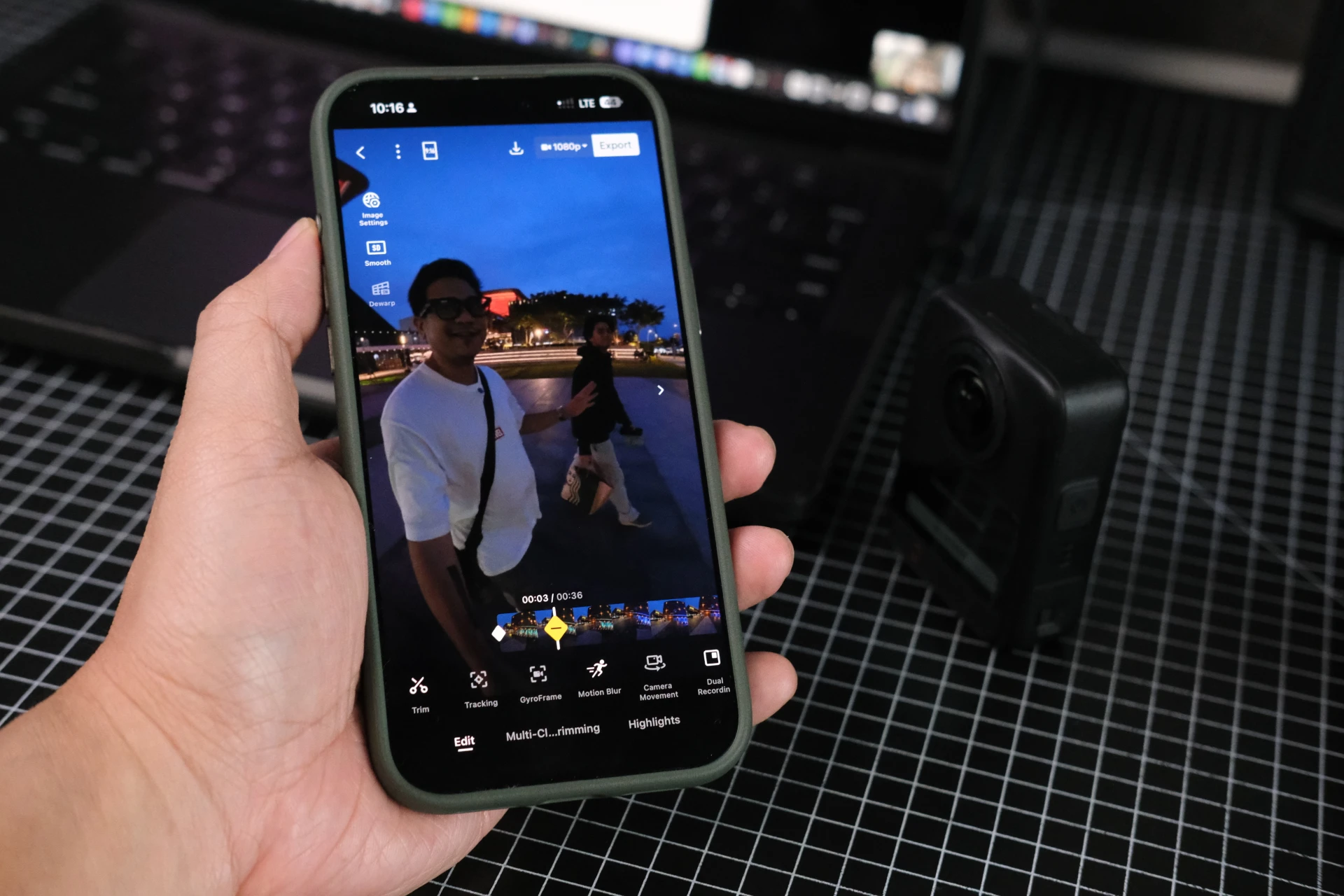
Mimo is where most people will live. Reframing is fast, subject tracking works reliably, and exporting 4K reframed video is a one-tap process. For social-first creators, the app does 90 percent of the work.
Editing Experience on DJI Studio
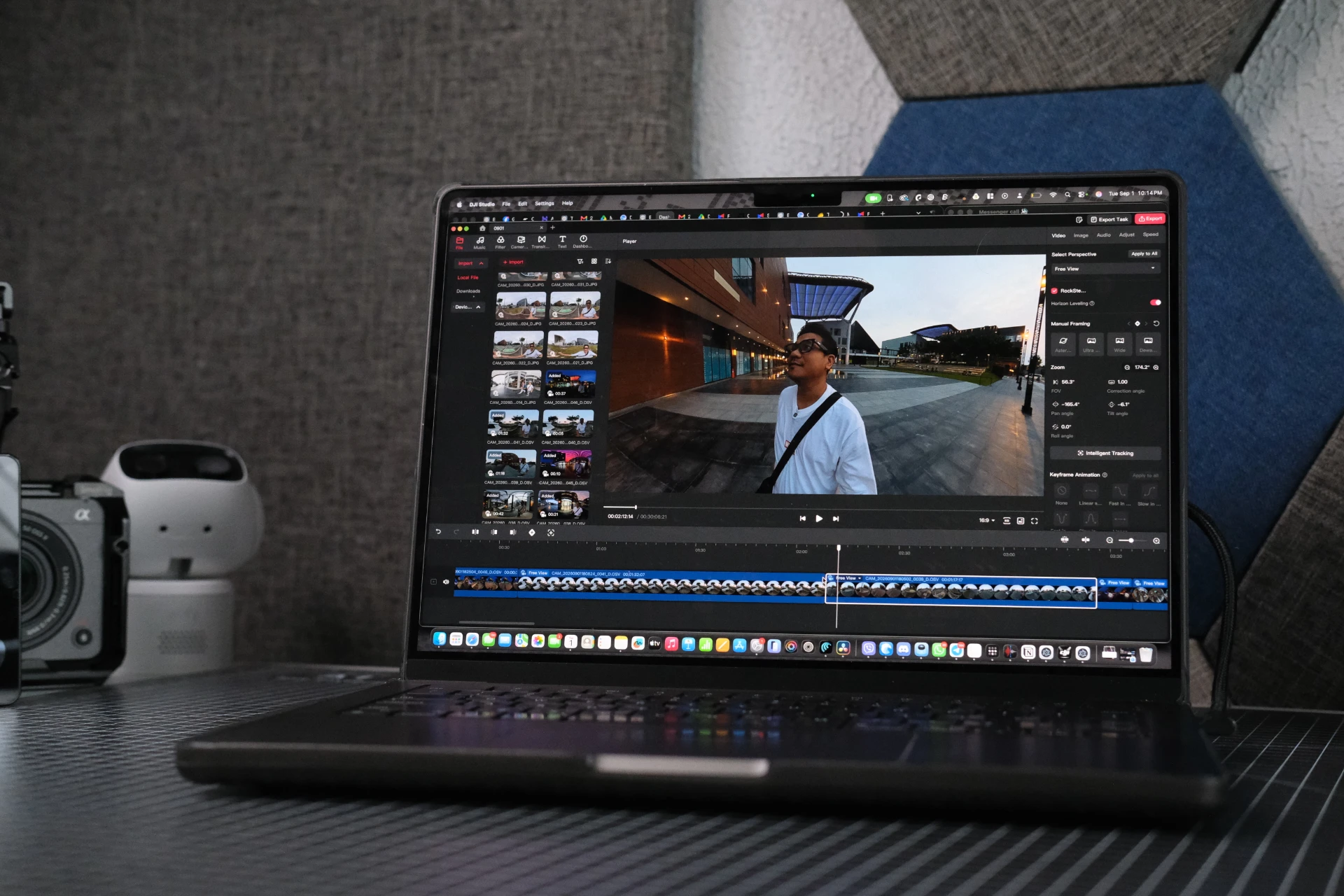
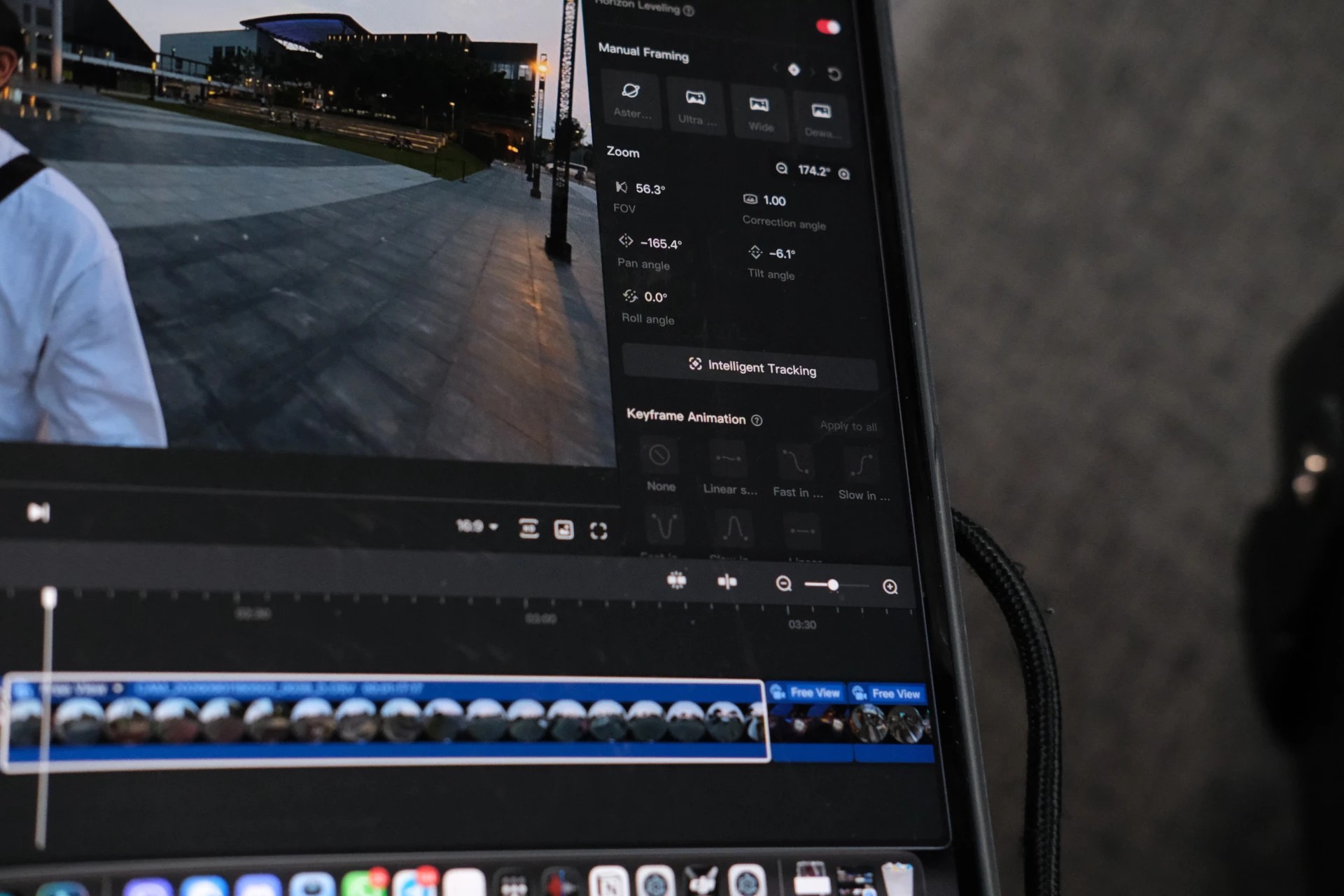
The desktop app is where the 360 II shows its ceiling. This is where you unlock the extreme slow-motion pipeline: the camera shoots 4K/120 slow motion, and DJI Studio can push clips up to 8K/480. Quality at those speeds is not the best, especially in low-light scenes, but having the option is better than not having it. Studio also handles 10-bit D-Log M grading properly, with plugin support for DaVinci Resolve for serious color work.
Price and availability
The Osmo 360 II arrives in the Philippines on September 2 in three combos. The Standard Combo is PhP32,490, the Limitless Riding Combo is PhP34,490, and the Adventure Combo is PhP39,490. The price increase over the first generation is minimal at around PhP2,000 for the Standard Combo, and for the jump in video quality, slow motion, and battery life, that is easy to justify.
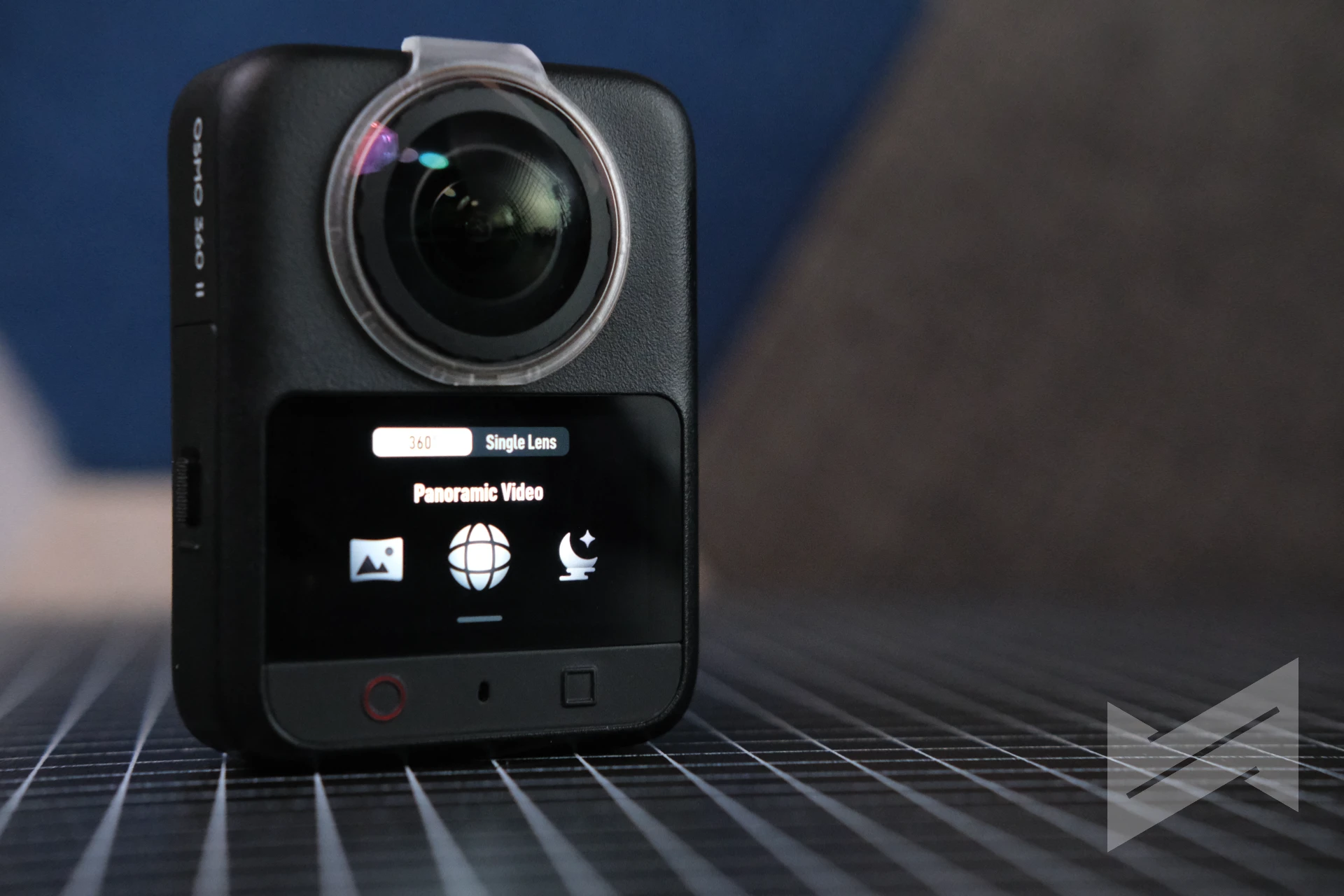
If you skipped last year’s Osmo 360, this is the one to buy. Against the Insta360 X6, which sells for more than PhP46,000, DJI undercuts the category’s pioneer while offering a higher native spec. Insta360 has perfected its software and video quality over years of leading the category, and DJI is still catching up there. But for new users who want to dip their toes into 360 content, the Osmo 360 II is impressive and more than good enough for the price.
Verdict
The DJI Osmo 360 II is the 360 camera to buy if you are new to the category. It packs the biggest upgrade list of the two generations into a body that costs only about ₱2,000 more, and it undercuts the competition while doing it. First-generation owners should weigh the slow-motion jump, the 8K/60 bump, and the battery gains before deciding. Everyone else should just buy it.
DJI Osmo 360 II
Gadget PilipinasWhat we like
- Native 8K/60fps recording
- Big slow-motion jump, up to 8K/480 via DJI Studio
- User-replaceable lens with tougher coating
- Better real-world battery life
- Undercuts the Insta360 X6 at ₱32,490
Could improve
- Software still catching up to Insta360
- Extreme slow-mo quality softens in low light
- Rated battery figure unchanged on paper
Testing notes
- Software: DJI Mimo app and DJI Studio desktop app
- Test conditions: Daylight and low-light capture, 4K/120 slow motion, 8K/480 slow motion via DJI Studio, Spotlight Follow reframing, 120MP HDR photos
The Osmo 360 II arrives in the Philippines on September 2 in three combos. The Standard Combo is PhP32,490, the Limitless Riding Combo is PhP34,490, and the Adventure Combo is PhP39,490.
- 8K/50 → 8K/60: smoother motion, and a highly requested bump
- Dynamic range 13.5 → 14.5 stops: better highlight and shadow retention
- Slow motion 4K/100 → 4K/120: up to 8K/480 when pushed through DJI Studio
- Timelapse 8K/30 → 16K/30: double the resolution for reframing
- Vortex 6K/120 → 8K/120
- 120MP → 120MP HDR photos
- Replaceable lens with a tougher second-gen coating (new)
- AI SuperNight 2.0, smart stitching, Spotlight Follow, Dual Recording (new)

Giancarlo Viterbo
Giancarlo Viterbo is a Filipino Technology Journalist, blogger and Editor of gadgetpilipinas.net, He is also a Geek, Dad and a Husband. He knows a lot about washing the dishes, doing some errands and following instructions from his boss on his day job. Follow him on twitter: @gianviterbo and @gadgetpilipinas.
View all articles →Related Reviews
 MacBook Neo Long-Term Review: My Bedside Mac
 Sony 1000X The Collexion Review: Three Months Later
 ASUS ProArt P16 (H7607BA) Review: the RTX Spark platform, tested in the work creators actually do
 HONOR 600S Review: Bits of What’s Loved on the HONOR 600 Series in a More Accessible Package
 Keychron C75 HE 8K TMR Keyboard Review
 Samsung Galaxy S26 FE: Great Functional Elegance