





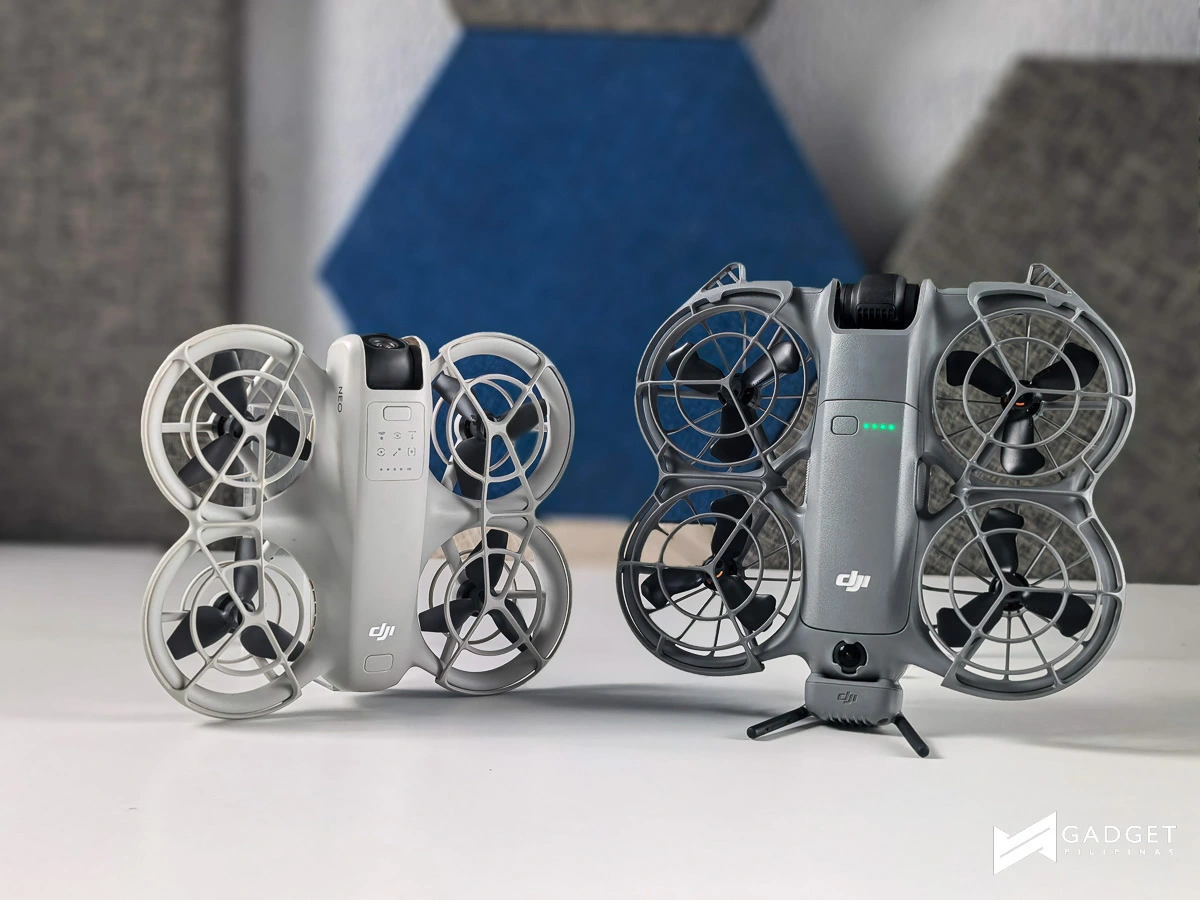
DJI Neo 2 is the best Follow-Me drone in the market right now
When DJI introduced the original Neo, it quickly found favor among first-time Filipino drone users and hobbyists afraid of traditional flight controls. The Neo’s palm-sized design made it easy to deploy, while its “follow-me” camera mode brought a taste of automated tracking that was previously reserved for premium models.
With the arrival of the Neo 2, DJI takes beginner accessibility a step further, simultaneously expanding its capabilities for more advanced content creation and outdoor documentation.
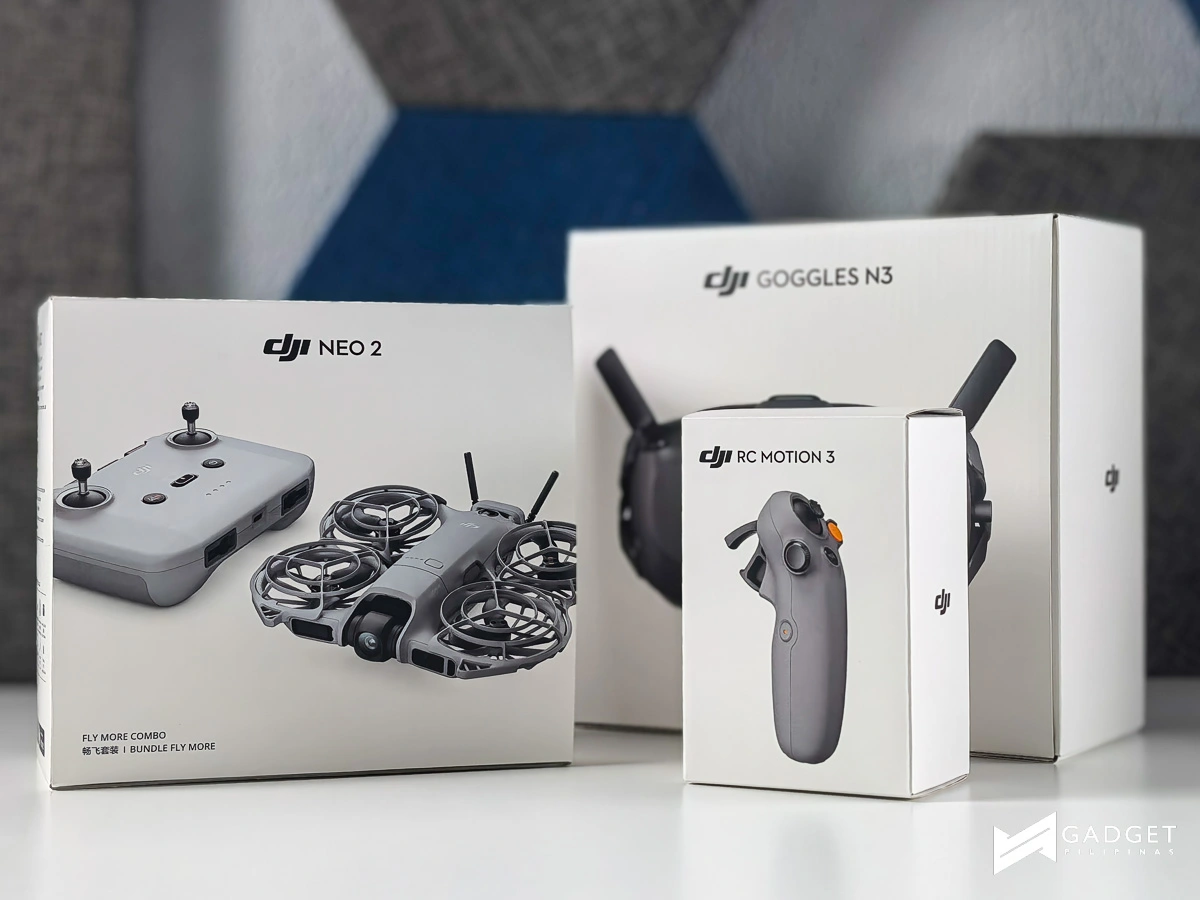
The Biggest Changes
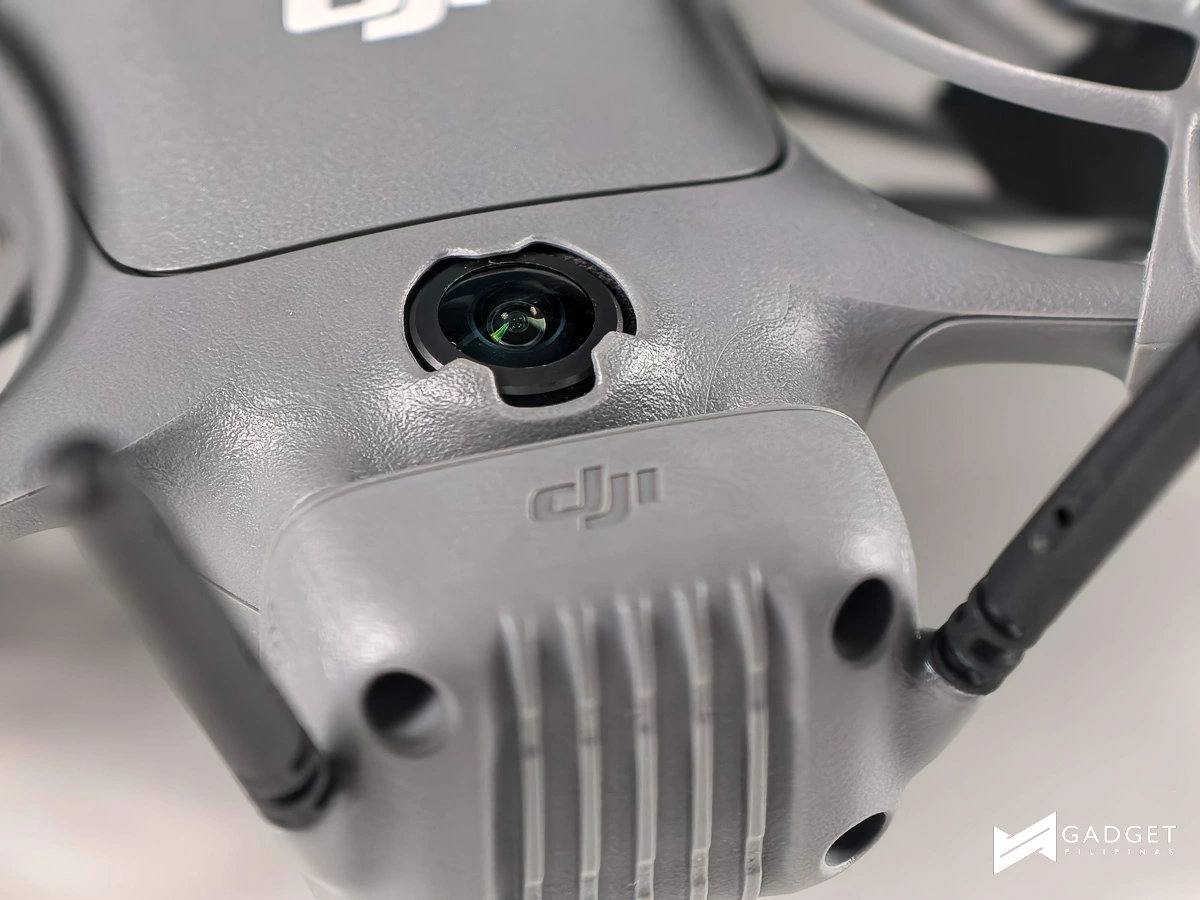
The biggest change in the Neo 2 is its full omnidirectional obstacle sensing. Unlike the first Neo, which offered little to no obstacle avoidance, the Neo 2’s monocular vision system (which works with downward infrared sensors and forward-facing LiDAR) constantly scans its environment. This all-directional safety net means new users can fly with added confidence, knowing the drone will detect approaching surfaces and react to changing terrain whether they’re in a city plaza, at the beach, or navigating through a crowd.
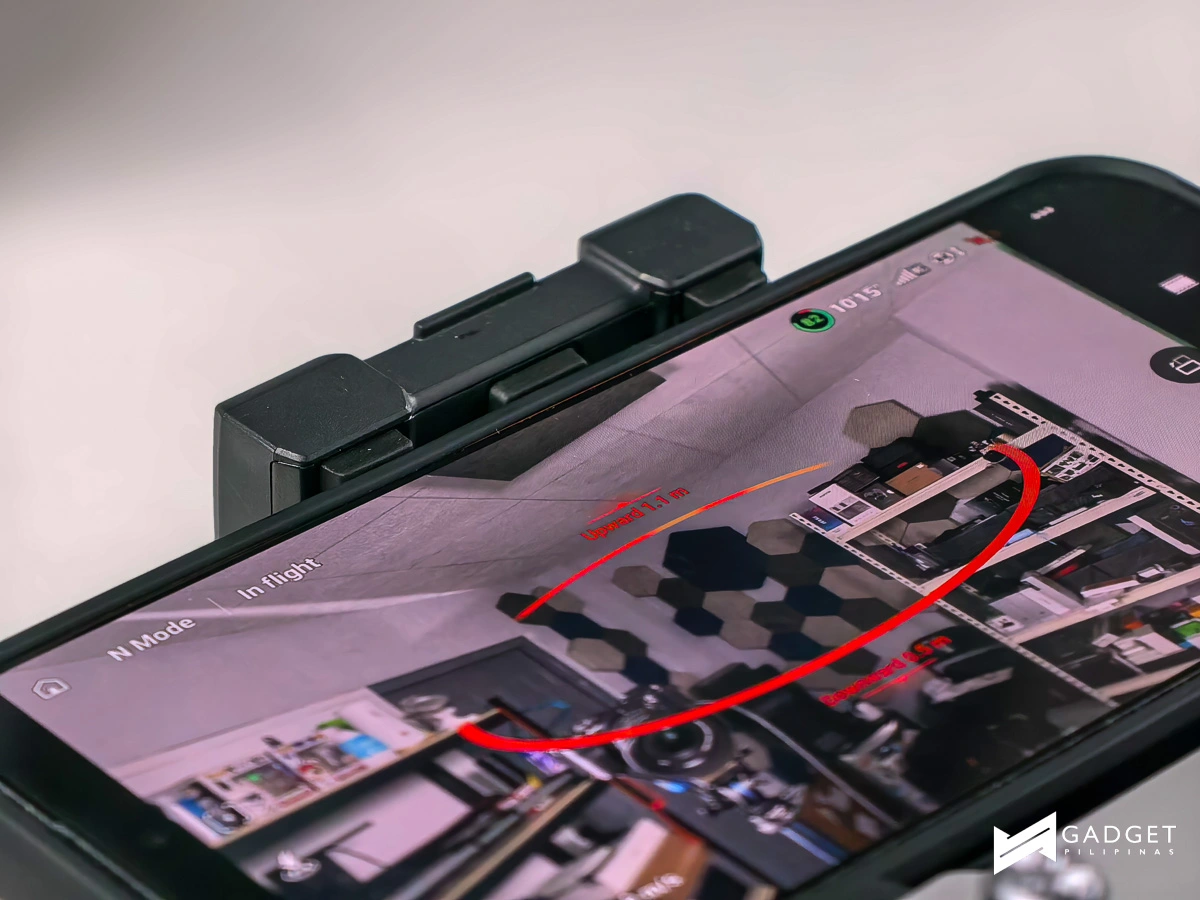
Gesture control is another notable shift. DJI has reimagined how users interact with the Neo 2, allowing operation using only hand movements. With a simple palm gesture, you can control left-right movements, altitude, or even make the drone fly closer or farther by using dual palm commands. There’s no need for a remote to frame or adjust camera angles, making it especially intuitive for kids, novice creators, or anyone wanting quick outdoor shots without complex preparation.
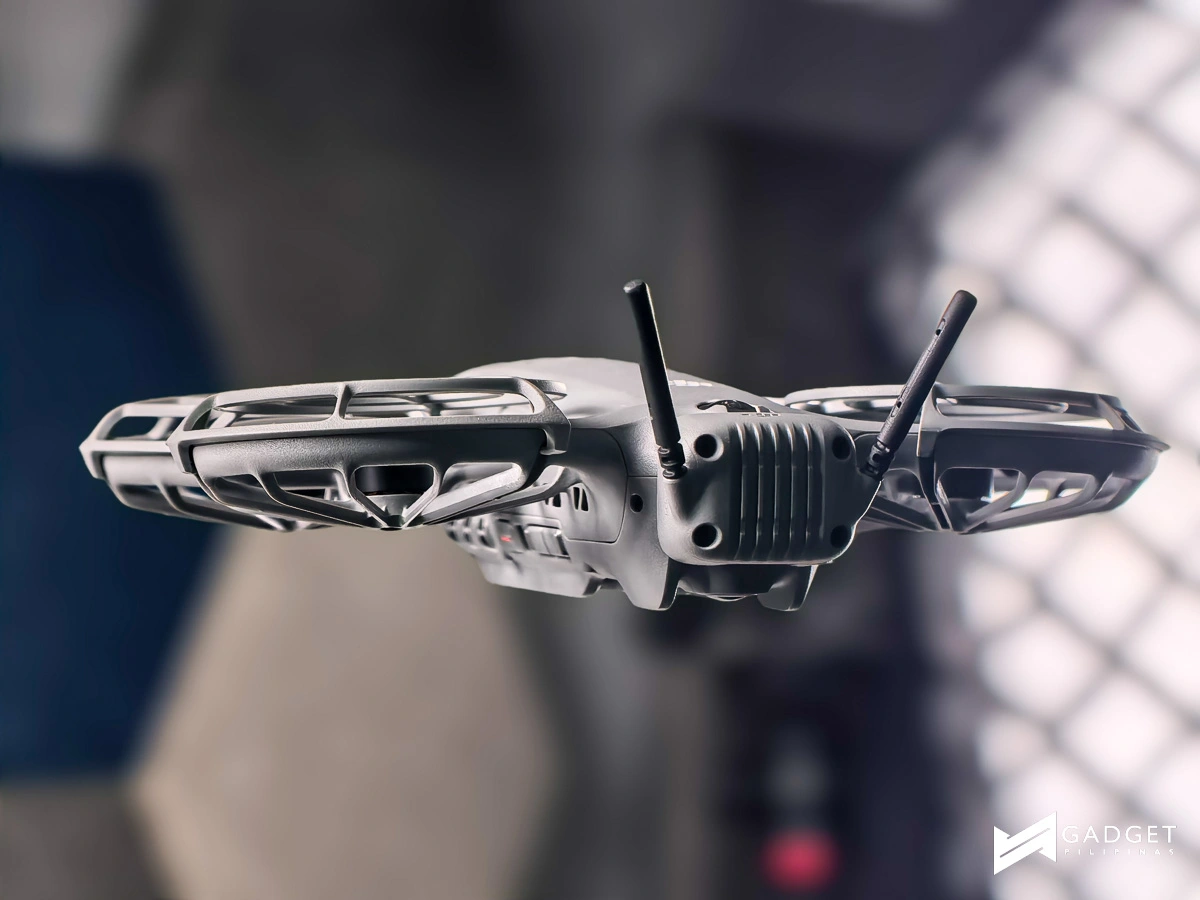
SelfieShot is a brand-new mode for solo travelers and parents alike. This built-in feature automatically frames waist-up, full-body, or wide group shots, removing the need for tripods or assistance from others. With one tap, Neo 2 handles camera composition and movement, ensuring flattering photos and effortless vlogs.
Specs you need to know
Video performance has been upgraded as well. The Neo 2 packs a 12MP, half-inch CMOS sensor with boosted image quality, and features 4K recording at up to 100fps for slow-motion creativity. Electronic Image Stabilization (EIS), a dual-axis gimbal, and a robust wind-resistance rating combine to deliver crisp, cinematic footage even on blustery days in Tagaytay or coastal resorts. New MasterShots and QuickShots, including the Hitchcock-inspired Dolly Zoom, offer pre-programmed flight paths and dynamic camera moves, ready for instant uploading to TikTok or Instagram.
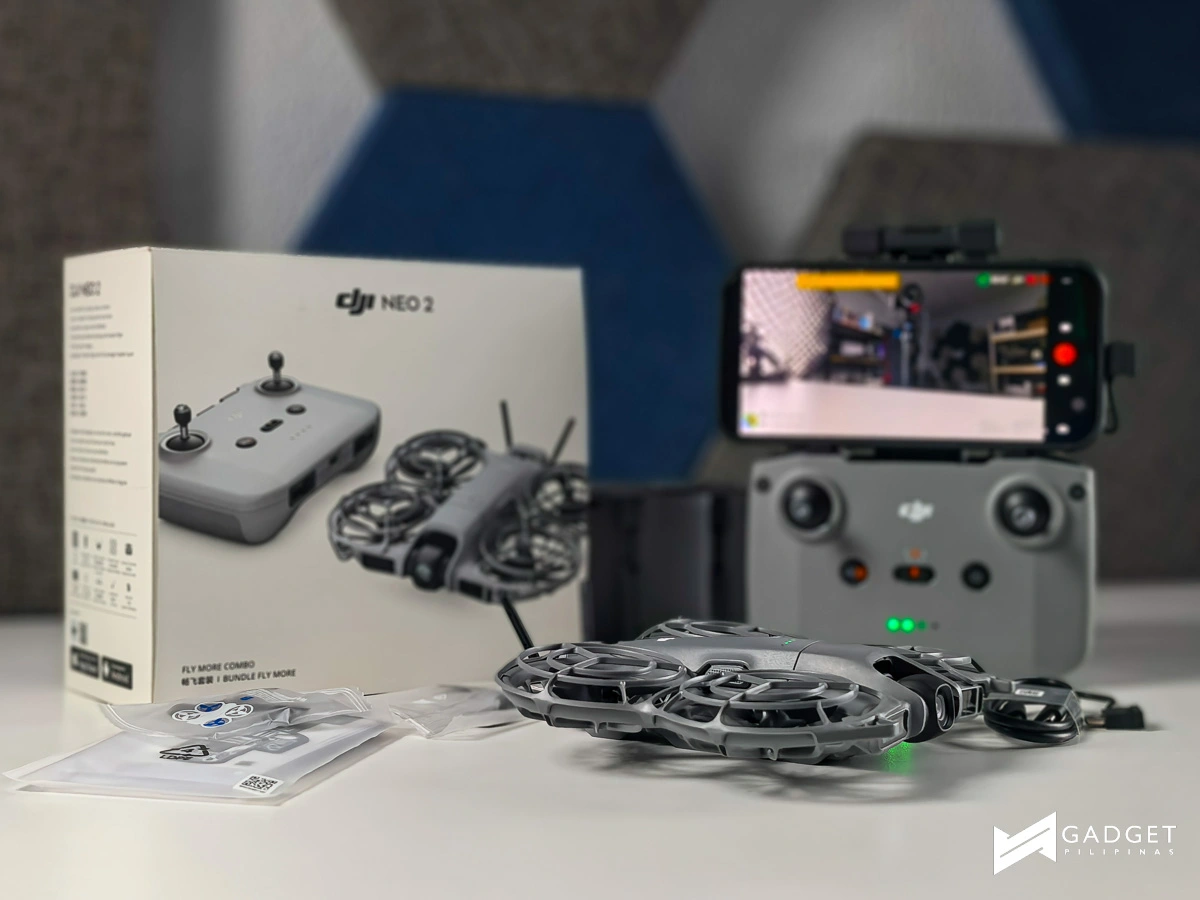
A major step up is onboard storage – 49GB, compared to the original Neo’s modest capacity. Wi-Fi transfer speeds reach up to 80MB/s, allowing fast sharing with the DJI Fly app for editing and distribution on social channels.
DJI Neo 2 vs DJI Neo vs DJI Flip
Comparing the Neo 2 to the original Neo and the similarly-priced DJI Flip reveals tangible advancements. The Neo 2’s maximum tracking speed has increased to 12m/s (up from 8m/s on the Neo), and it features omnidirectional tracking as opposed to directional-only. The Neo 2 is beginner-friendly, safer, and more capable in creative shooting scenarios—though it comes with a noticeably higher price tag, justified by the leap in features.
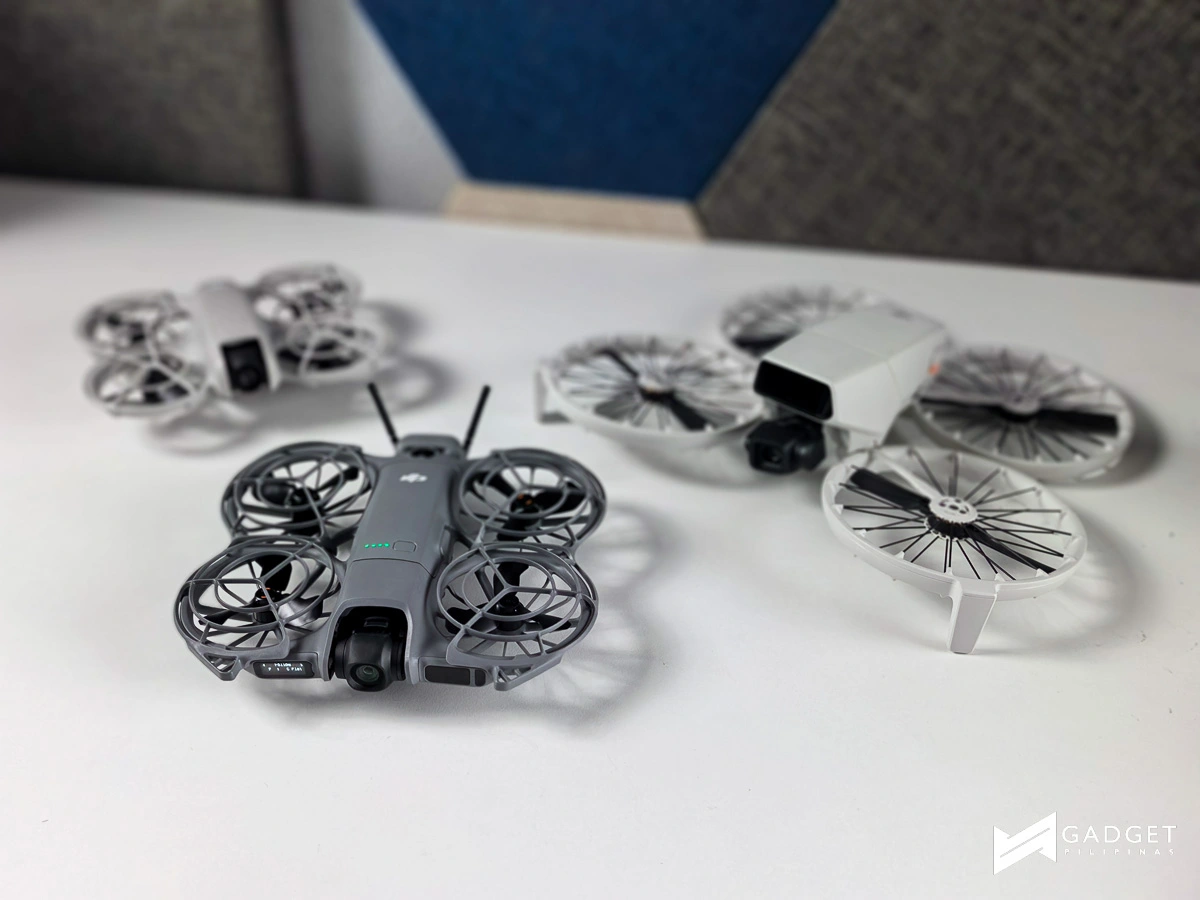
Neo 2 is the definitive “follow-me” camera drone for all types of Filipino users. From content creators, parents, and teenagers to sporty weekend warriors, its blend of enhanced safety, intuitive controls, and creative modes truly sets it apart.
Specs Comparision
| Feature | DJI Neo 2 | DJI Neo | DJI Flip |
|---|---|---|---|
| Weight | 151g (without module), 160g | ~151g | ~ 249g |
| Obstacle Sensing | Omnidirectional (Vision, LiDAR) | None or directional only | Basic/downward only |
| Camera Sensor | 1/2″ CMOS, 12MP | 1/2″ CMOS, 12MP | 1/2″ or smaller, 12MP |
| Lens + Aperture | f/2.2, 119.8° FOV | f/2.2, 119.8° FOV | f/1.7, 82.1° FOV |
| Gimbal | 2-axis mechanical + EIS | Single-axis mechanical gimbal | 3-axis mechanical gimbal |
| Max Video | 4K 100fps, 2.7K vertical | 4K 30fps | 4K 30fps (lower max fps) |
| Internal Storage | 49GB | 22GB | 2GB |
| Gesture Control | Advanced single/dual hand | Basic or absent | Limited or absent |
| Tracking Speed | 12 m/s omnidirectional | 8 m/s directional | ~8 m/s |
| Selfie Modes | SelfieShot, auto compositions | Basic timed shots | Basic selfies |
| Palm Takeoff/Landing | Yes, with auto-return | Yes | Yes |
| Wind Resistance | Level 5 (up to 10.7 m/s) | Leve 4 (up to 8 m/s) | Level 5 (up to 10.7 m/s) |
| Remote Control | RC-N3, Bluetooth, Motion, Voice | Basic RC, app | Basic RC, app |
| Battery Life | ~19 mins | ~19 mins | ~31 mins |
| Price | Starts at PhP12,390 | Starts at PhP10,799 | Starts at PhP22,890 |
The DJI Neo 2 represents a more intelligent, safer, and creator-oriented evolution of DJI’s entry-level drone line. Its higher price is matched by a jump in capability, making it the go-to choice for Filipino consumers who want to discover and document fresh perspectives.

Giancarlo Viterbo
Giancarlo Viterbo is a Filipino Technology Journalist, blogger and Editor of gadgetpilipinas.net, He is also a Geek, Dad and a Husband. He knows a lot about washing the dishes, doing some errands and following instructions from his boss on his day job. Follow him on twitter: @gianviterbo and @gadgetpilipinas.
View all articles →