


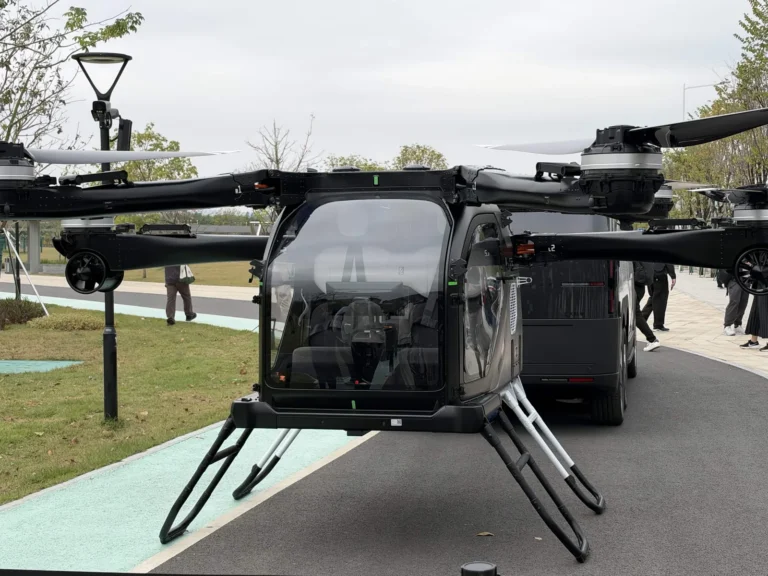
ARIDGE, the low-altitude mobility arm of XPENG, says its flying car is one step away from the world’s first type certificate for a piloted electric vertical takeoff and landing aircraft, after completing all compliance tests and certification flights.
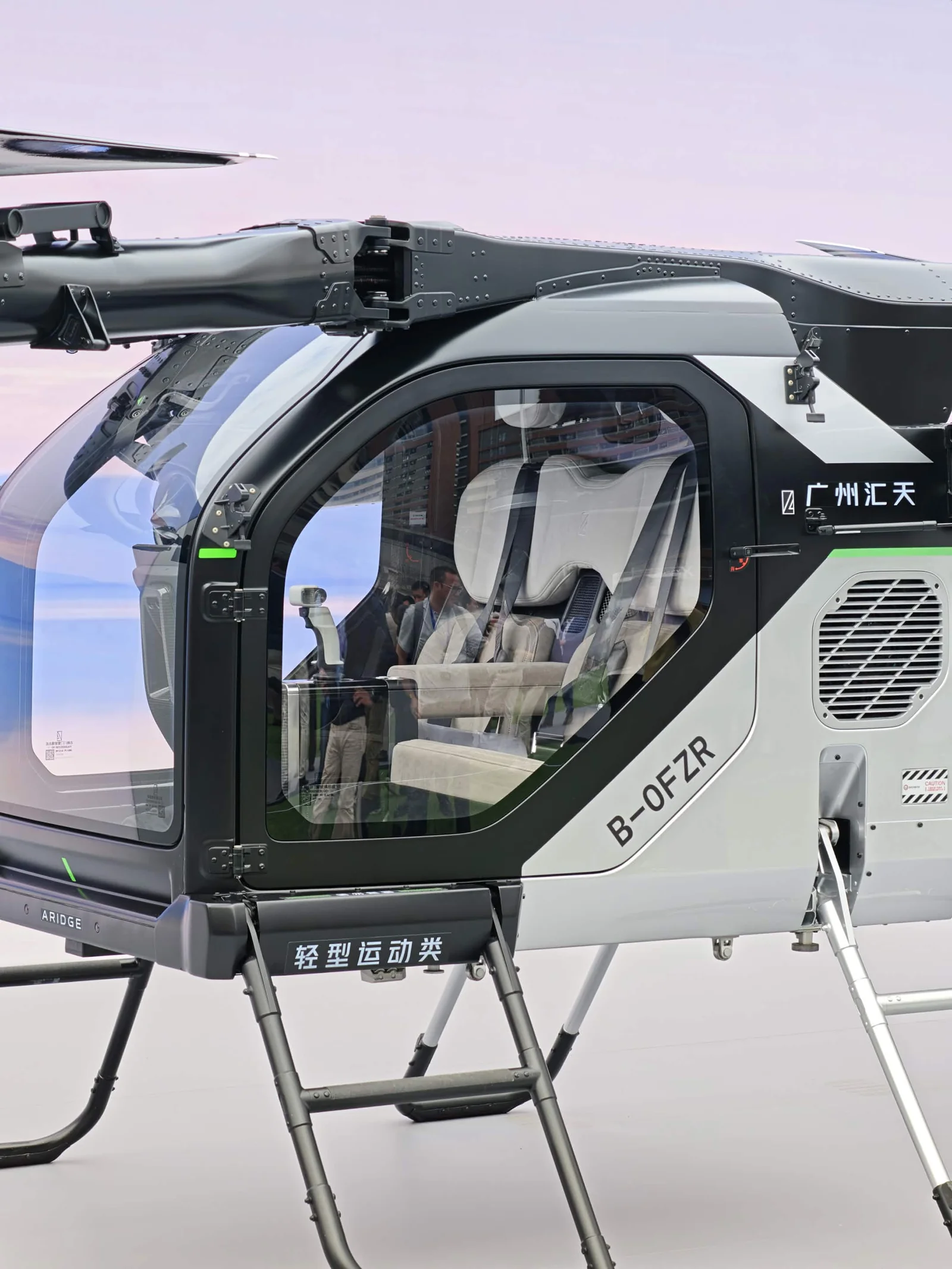
The claim rests on a validation program the company says now covers 200 test aircraft, more than 3,000 test items and more than 10,000 real-world test flights.
The tiltrotor milestone
ARIDGE also announced that its full-scale A868 aircraft completed a tiltrotor transition flight, the phase where rotors shift from vertical lift to forward flight. That transition is the part of the flight envelope that separates a working eVTOL from a demonstrator, and it is the milestone most programs struggle to reach.
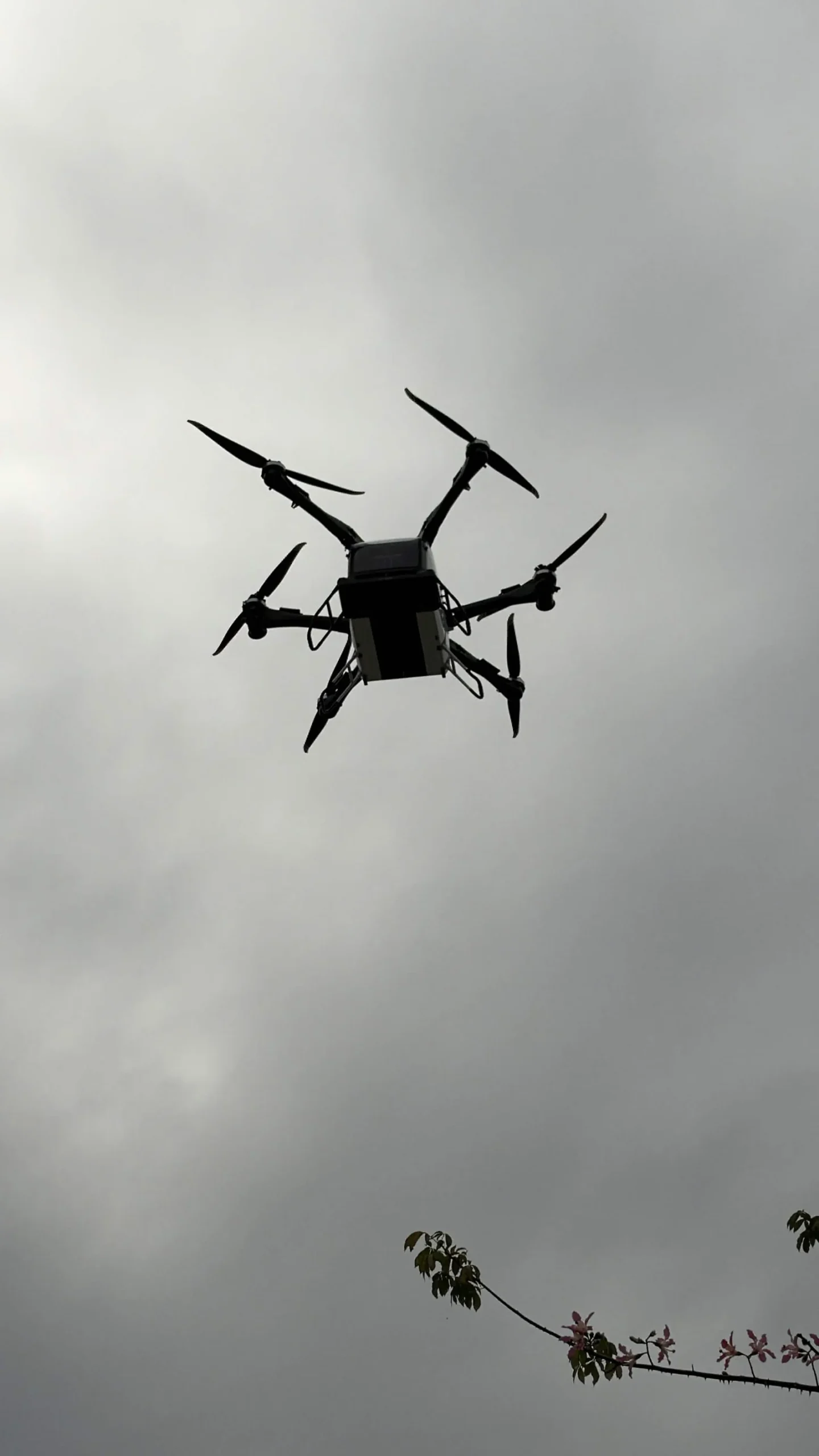
A type certificate is the document a civil aviation authority issues before an aircraft can carry passengers commercially, so the remaining step is regulatory rather than technical in the company’s framing.
What the aircraft is for
XPENG is exploring emergency rescue, high-rise firefighting and offshore operations as applications for the technology, which places the program closer to public service work than to private transport.
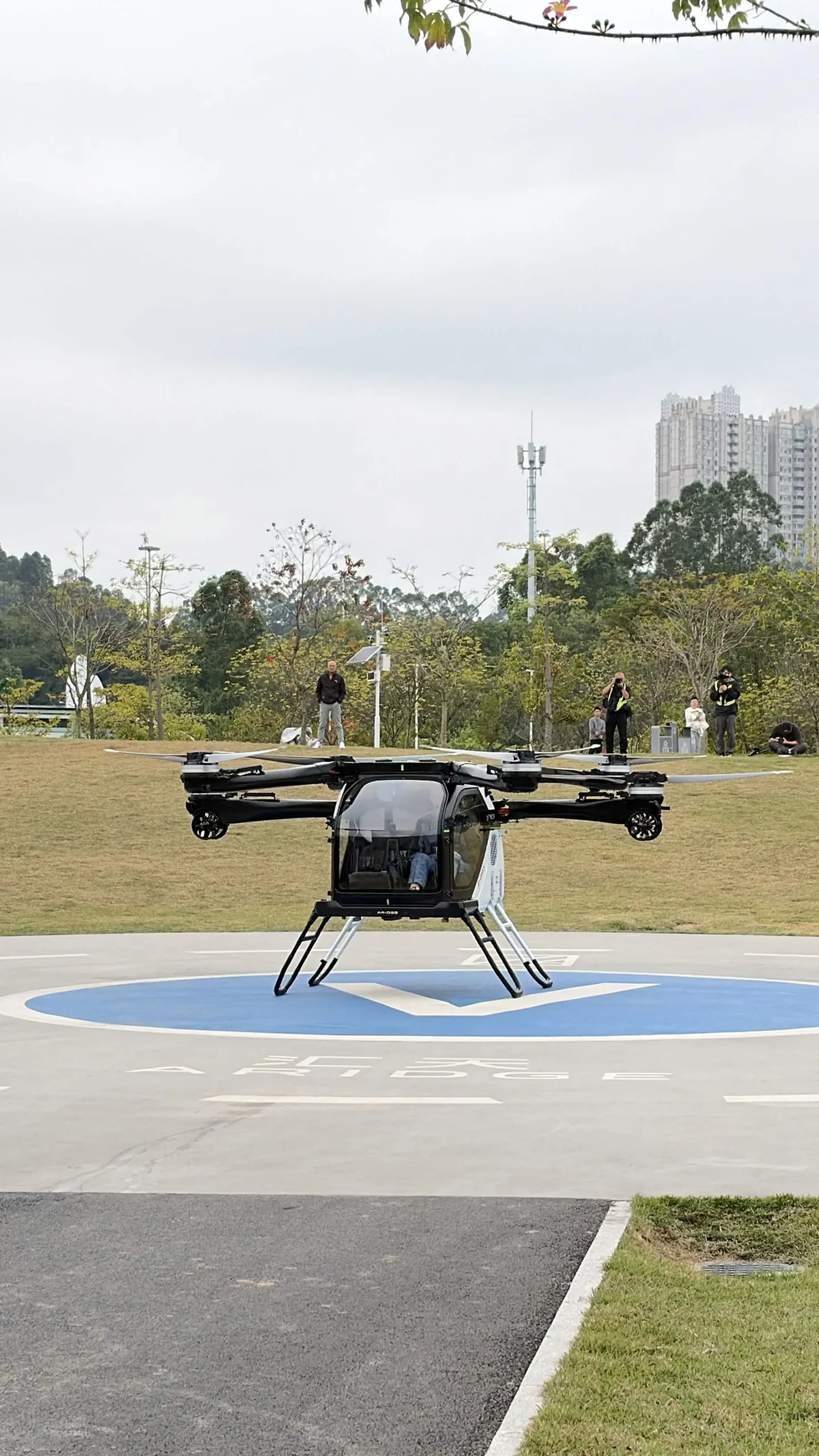
The company has also shown two different shapes for the idea. One is a long-range hybrid eVTOL with a claimed range beyond 500 kilometers and a top speed above 360 kilometers per hour. The other is the modular Land Aircraft Carrier, a road-legal ground vehicle with an 800V range-extender platform and a six-wheel drive chassis that carries a two-seat air module in its rear bay.
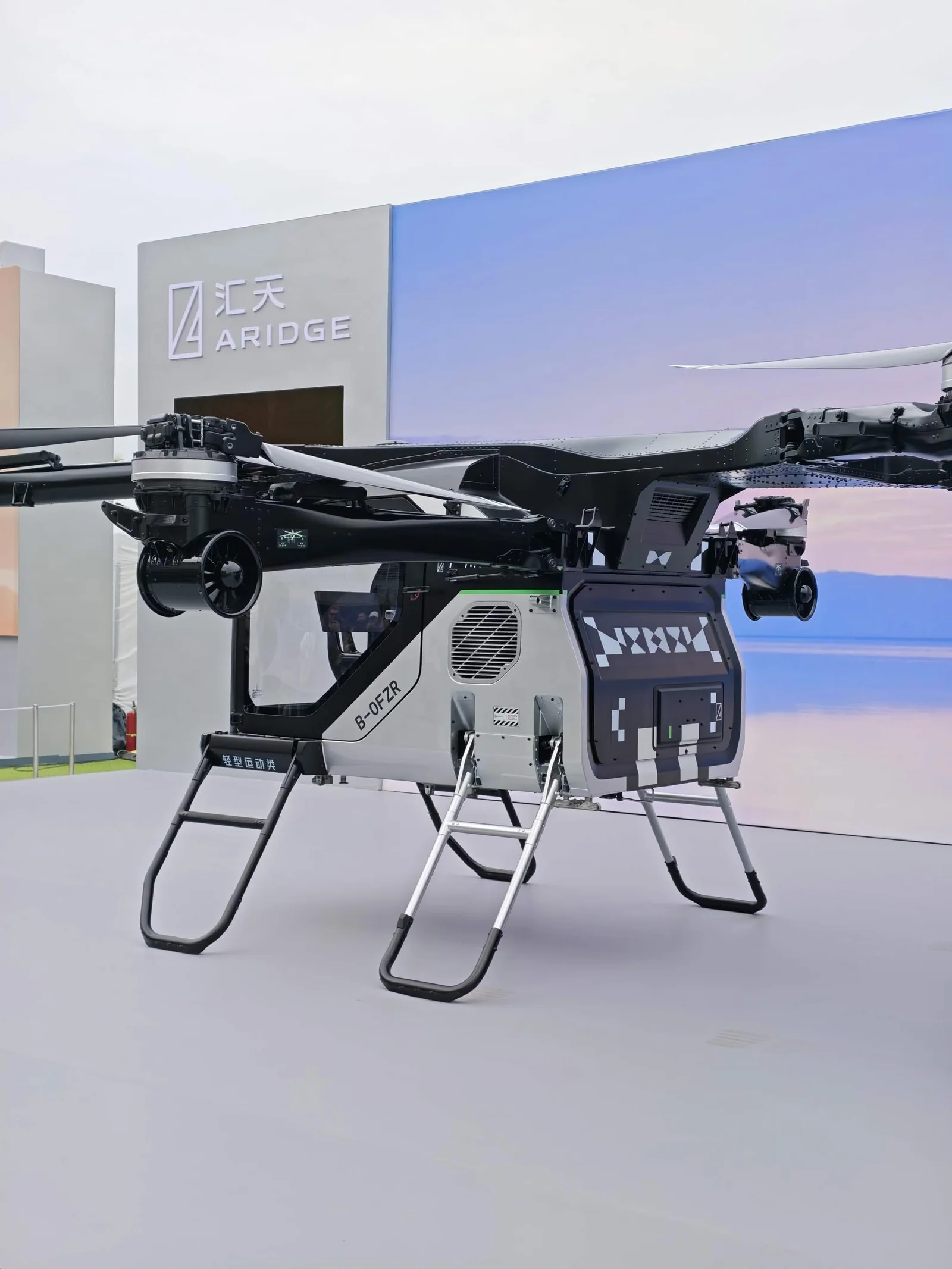
That ground module doubles as a mobile charging station and supports several flight cycles on a single tank and charge.
The air module is built from carbon fiber with six rotors, a 2-seat cabin and a single-lever control scheme the company says a beginner can learn in minutes rather than months.
ARIDGE says the aircraft can separate from the ground module and be recovered automatically in minutes, and that the air module keeps flying with two rotors failed. Those redundancy claims are part of the certification argument, because a piloted aircraft has to demonstrate failure tolerance before it can carry anyone commercially.
Why it matters for XPENG
ARIDGE is the third physical form in XPENG’s Physical AI strategy, alongside cars and humanoid robots. The company argues that compute, control and safety work done for vehicles transfers to aircraft and machines, which is the argument behind the shared architecture shown at its AI Day event in Guangzhou.
Media materials shared by XPENG put global preorders above 7,000 units, with a commercial rollout targeted for the summer of 2027 subject to certification. Those figures come from the company and have not been independently verified.

For the Philippines, the practical gate is regulatory. Any commercial passenger operation would need approval from the Civil Aviation Authority of the Philippines, and no such application or timeline has been announced.
The company has not said when a certificate will be granted, and every commercial timeline remains subject to civil aviation airworthiness approval. XPENG Philippines has not commented on any local plan for the aircraft, and the local range is still the X9 and L03 lineup announced in September. The company has not published pricing or a delivery schedule for the Philippine market.
Sources: XPENG, Gadget Pilipinas coverage of XPENG AI Day 2026

Gadget Pilipinas
Founded in 2009 by Gian Viterbo, Gadget Pilipinas is one of Philippines’ top sources for news, tutorials, reviews and tips about the latest trends in technology, gadgets, games, social and digital media and cyber culture.
View all articles →Related News

 XPENG IRON Humanoid Heads to Mass Production in January 2027
 XPENG Details VLA 2.0 and the Three-Layer Physical AI Stack

 Samsung Galaxy Z TriFold 2 Rumored for Mid – 2027 Launch