

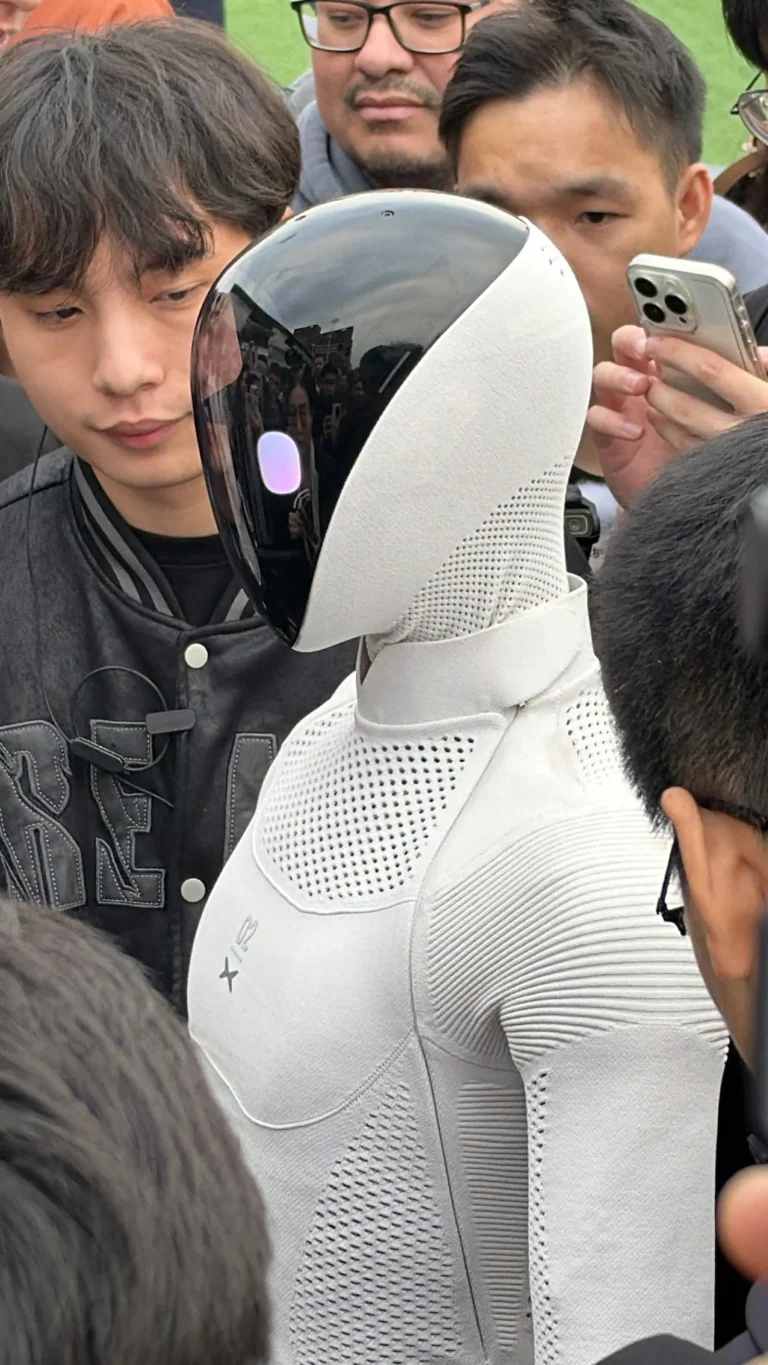
XPENG will begin hardware mass production of its next-generation IRON humanoid robot in January 2027, deploy the machine in its own stores in the first quarter, and target an official launch in the second quarter of the year, according to the company’s AI Day briefing.
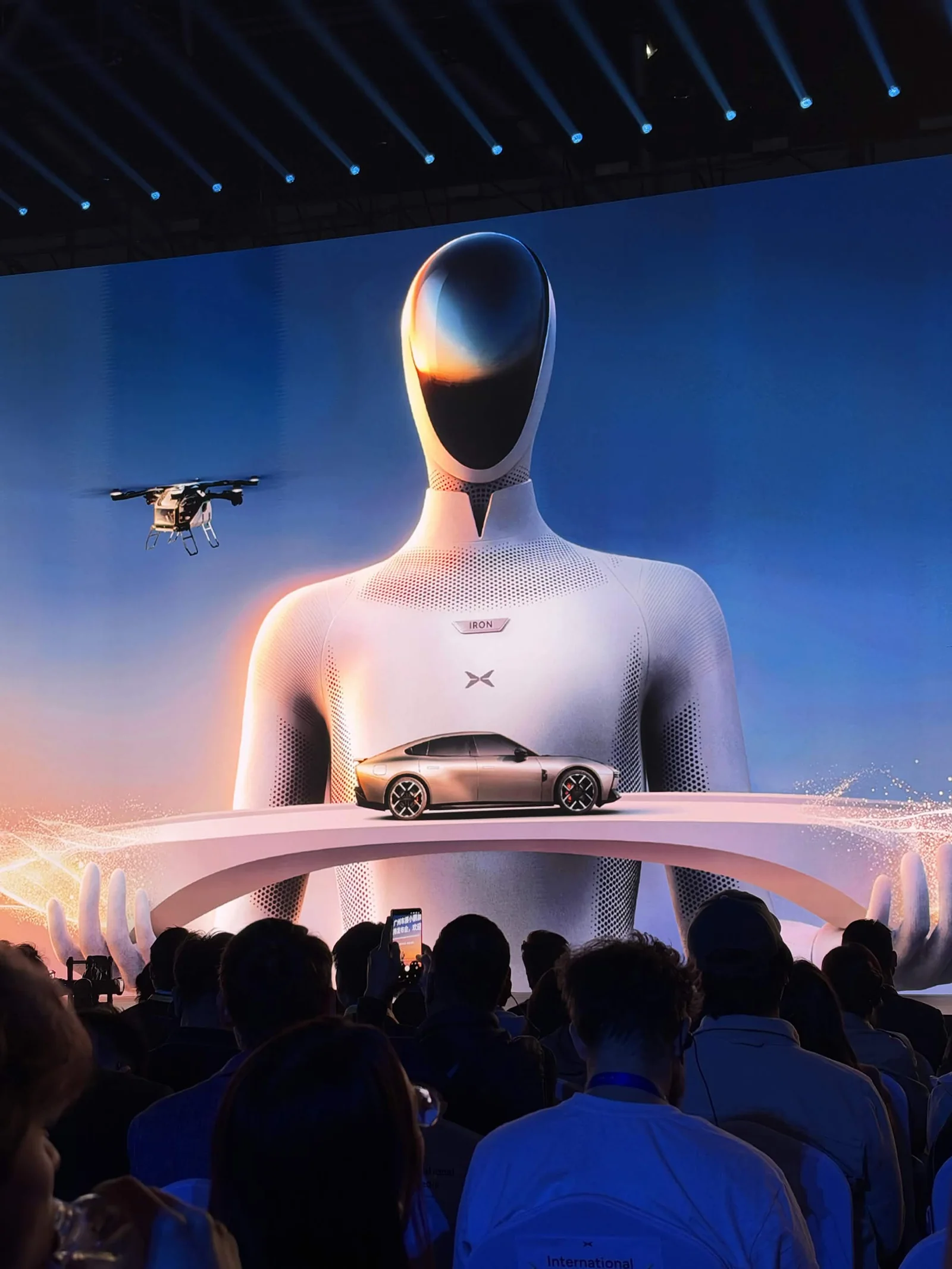
The company positions IRON as a general purpose work partner rather than a stage demonstration. It is built around a human-like form, with the ability to perceive, learn and make decisions through real-world interaction.
What is inside IRON
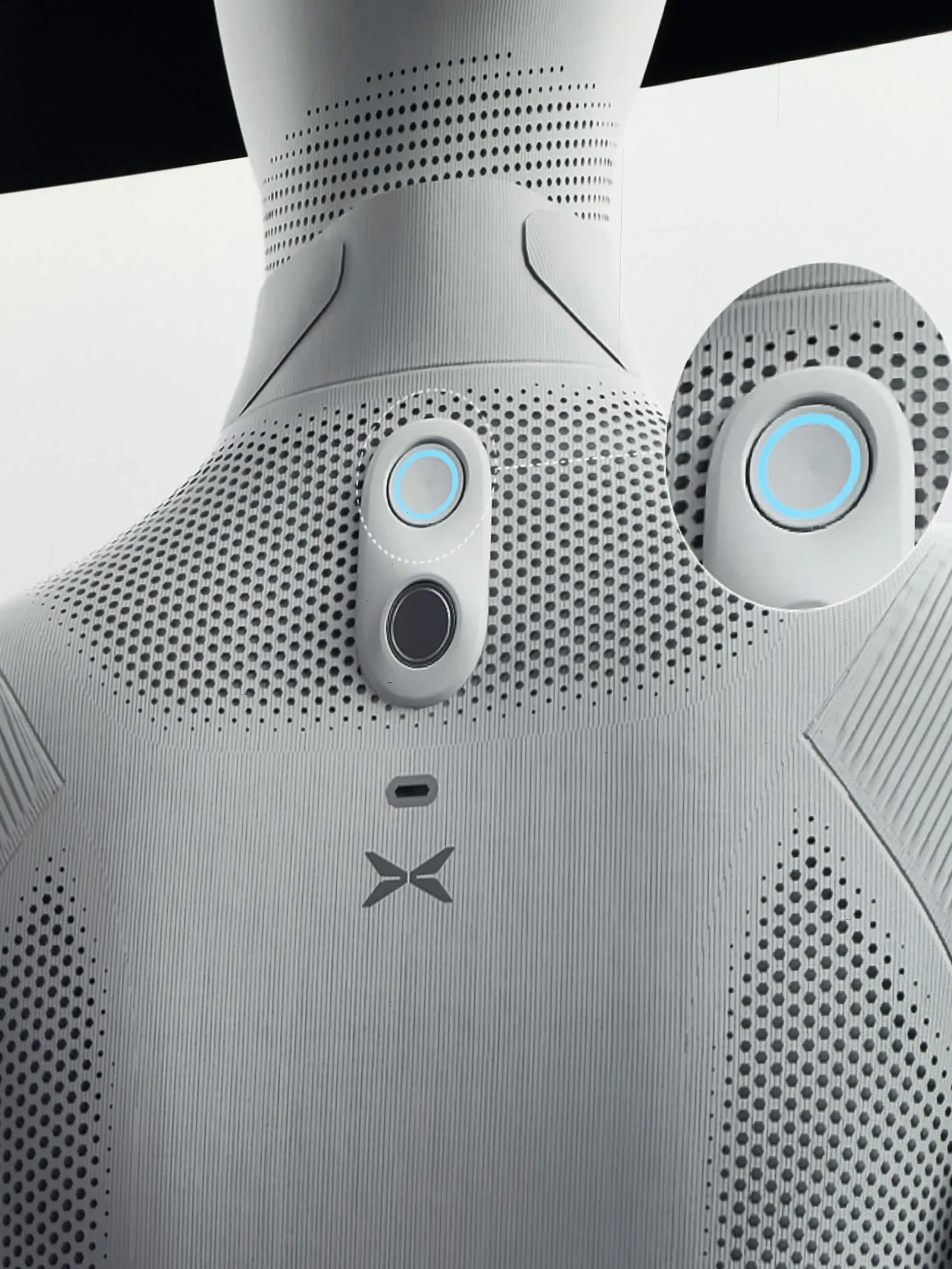
The robot carries 76 degrees of freedom, multimodal sensing and more than 1,500 tactile sensing points, while three Turing AI chips deliver 2,250 TOPS of on-device compute, enough to run whole-body motion control and multimodal models locally.
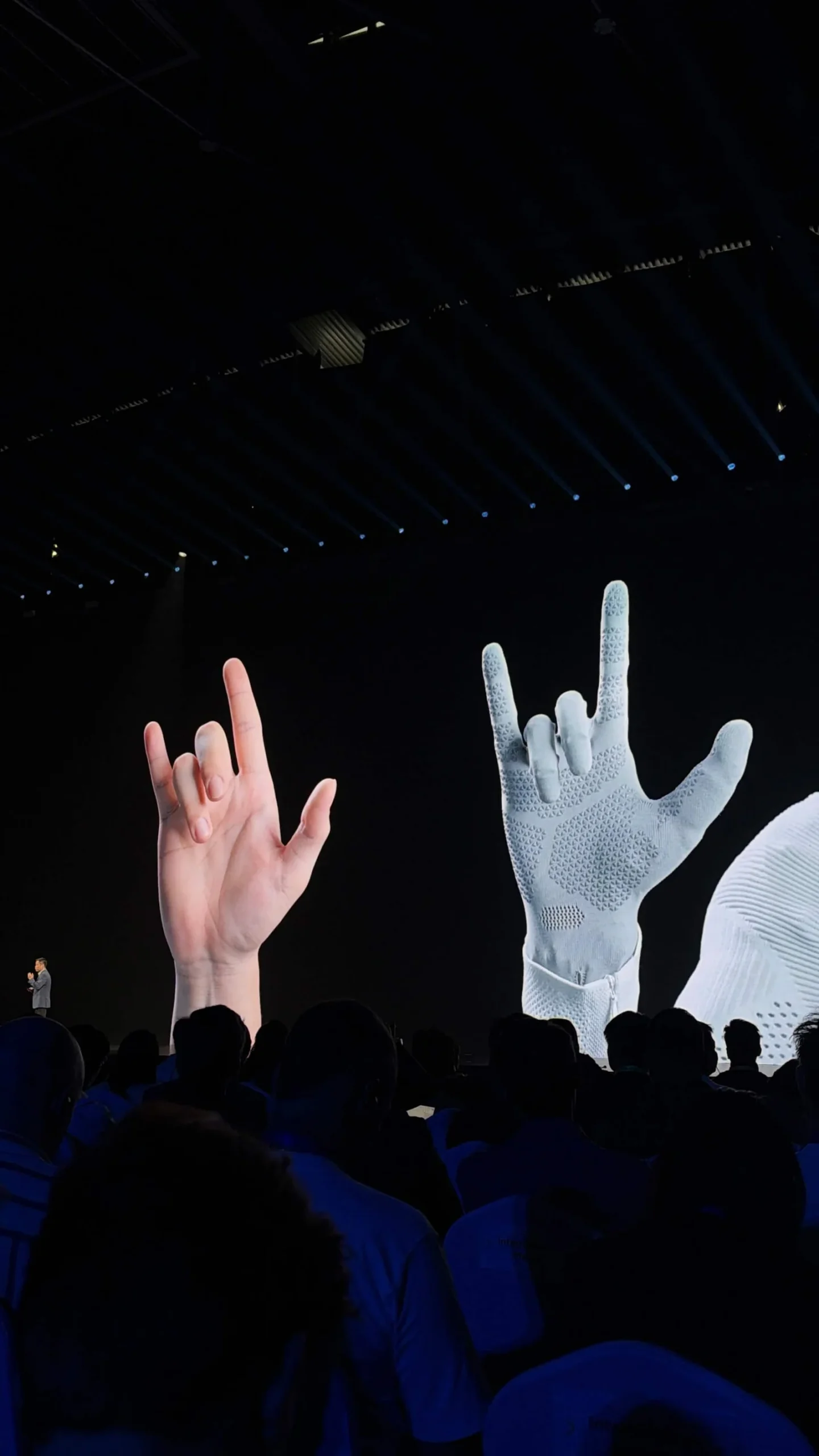
Its hands are built to human proportions for fine manipulation, and XPENG describes a five-pillar safety system that covers hardware, interaction, privacy and long-term quality.
XPENG frames the design around five priorities: human-like autonomous operation, safety and reliability, emotional engagement, 24/7 availability and real job skills. The stated goal is a machine people can warm to and trust, not a machine that performs tricks.
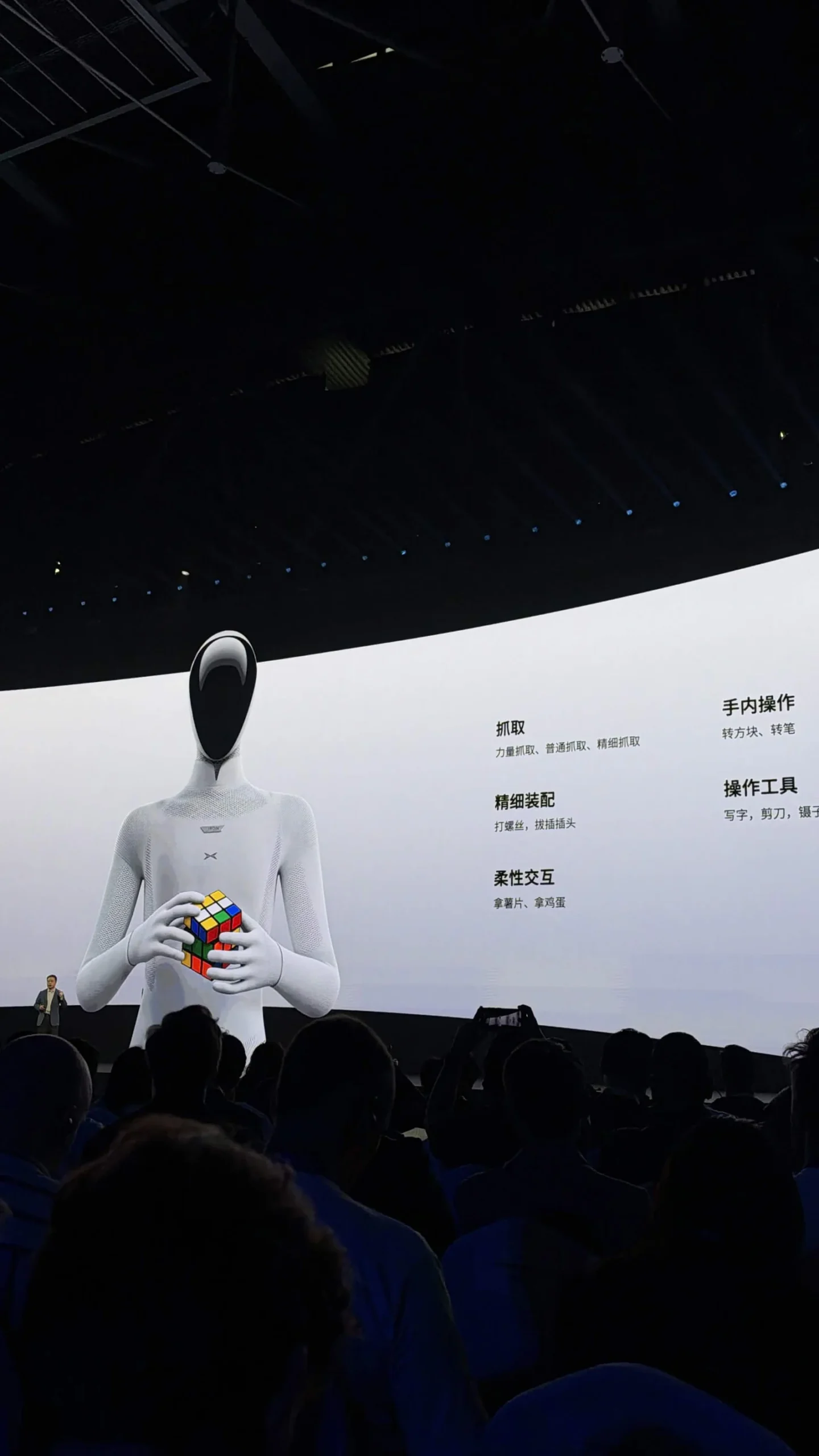
The same Turing Physical AI Architecture announced at the event will underpin both XPENG vehicles and IRON, sharing core compute, control, data and safety systems so progress on the car side can accelerate the robot, and the other way around.
Safety around people
Contact force above 50 newtons stops movement immediately, while sensors around soft-covered joints detect a potential pinch and stop motion within milliseconds, and the robot brakes within one second when it detects adults or children in its path.
Three independent emergency stop methods give people a manual override, and every unit will undergo more than 1,000 vehicle-grade whole-robot tests before delivery.
Working around the clock
The design target is 24/7 operation, with sales and customer service during the day and security and monitoring at night. The robot follows preset task schedules, recharges itself and returns to work, reports problems it cannot solve, and reviews its own performance.
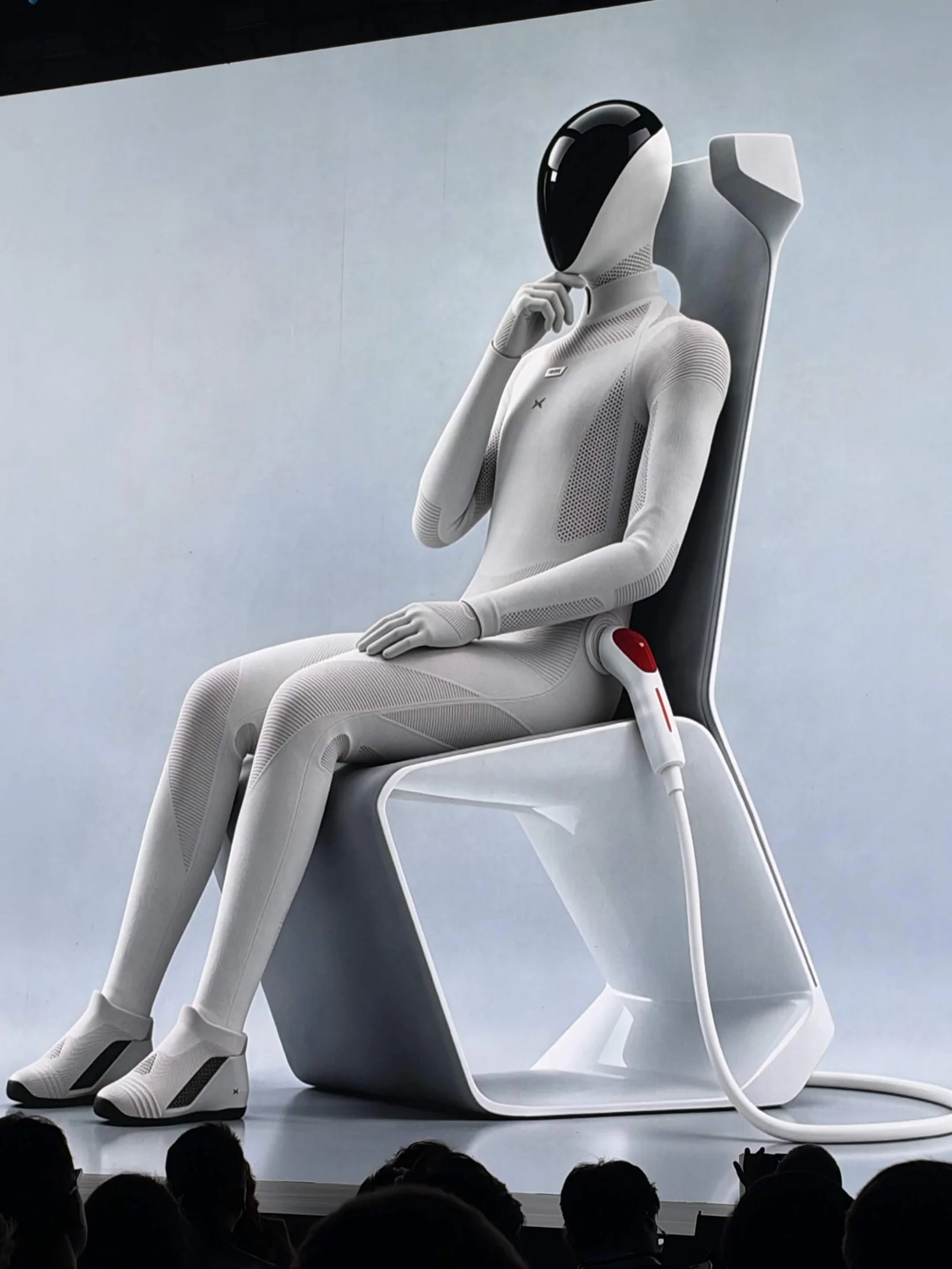
It can also learn a new environment after a single walkthrough, build and store the map locally, and share that map with other IRON units. Capabilities continue to arrive through over-the-air updates that cover both hardware and software skills.
That combination of local compute, local maps and remote updates is what separates a fleet of deployed robots from a set of one-off installations, because a skill learned in one store can be pushed to every other unit.
The commercial plan
XPENG is opening a robotics ecosystem platform where businesses can download ready-made skill packs, customize them for specific jobs and build new capabilities. The company says a two-person team could move a new use case from development to on-the-job deployment within 48 hours.
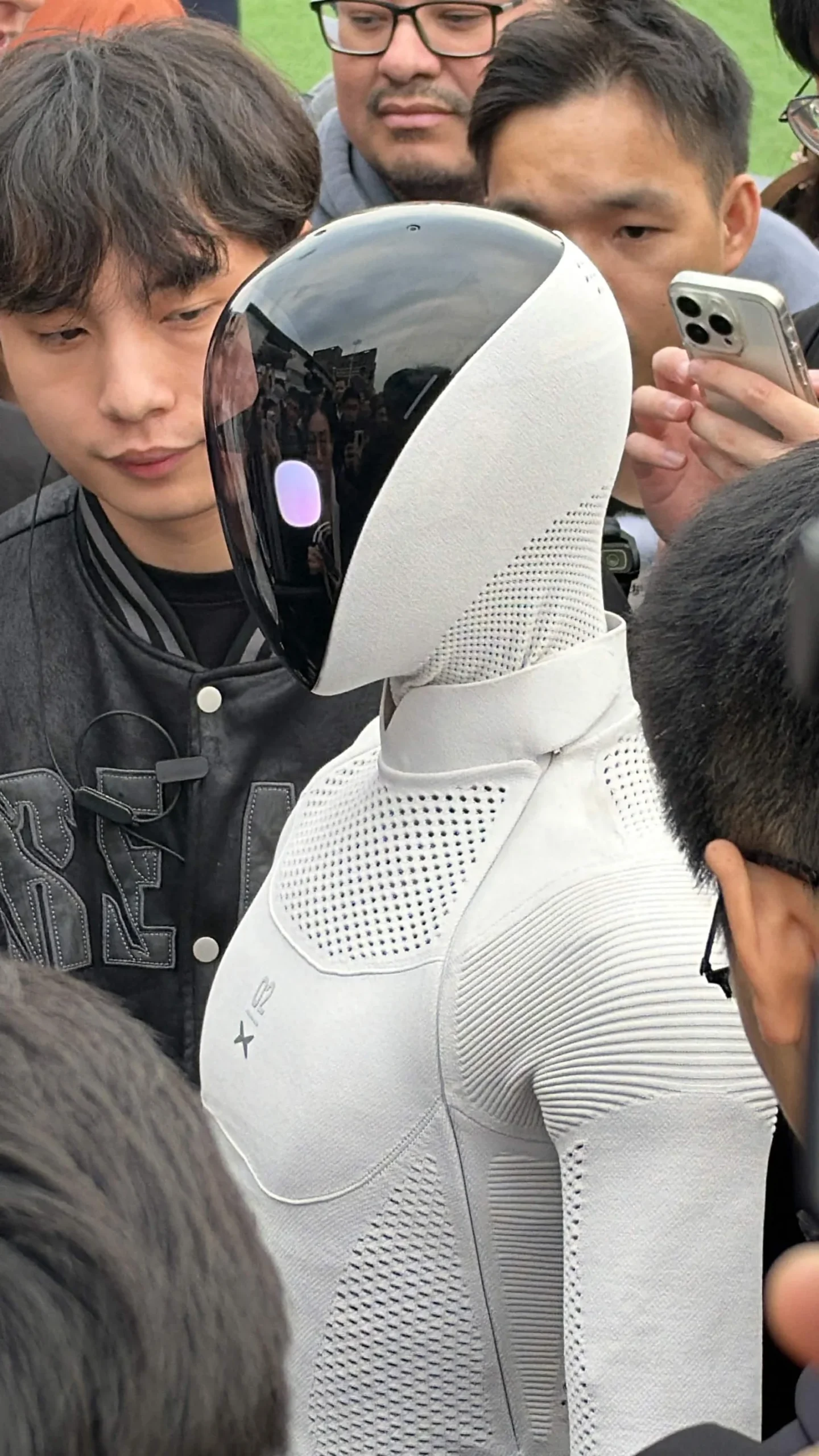
Deployment starts with sales assistance and guided tours before expanding into other roles. Mass production begins in January 2027, store deployment follows in the first quarter, and the official launch is targeted for the second quarter.
Longer term, XPENG plans to push IRON into higher-risk and repetitive work, with new skills delivered through software subscriptions and application-specific services. The robotics business behind IRON is backed by more than USD 900 million raised in August.
XPENG has made no announcement about IRON availability in the Philippines
Sources: XPENG, Gadget Pilipinas coverage of XPENG AI Day 2026

Gadget Pilipinas
Founded in 2009 by Gian Viterbo, Gadget Pilipinas is one of Philippines’ top sources for news, tutorials, reviews and tips about the latest trends in technology, gadgets, games, social and digital media and cyber culture.
View all articles →Related News
 XPENG Details VLA 2.0 and the Three-Layer Physical AI Stack

 Samsung Galaxy Z TriFold 2 Rumored for Mid – 2027 Launch