

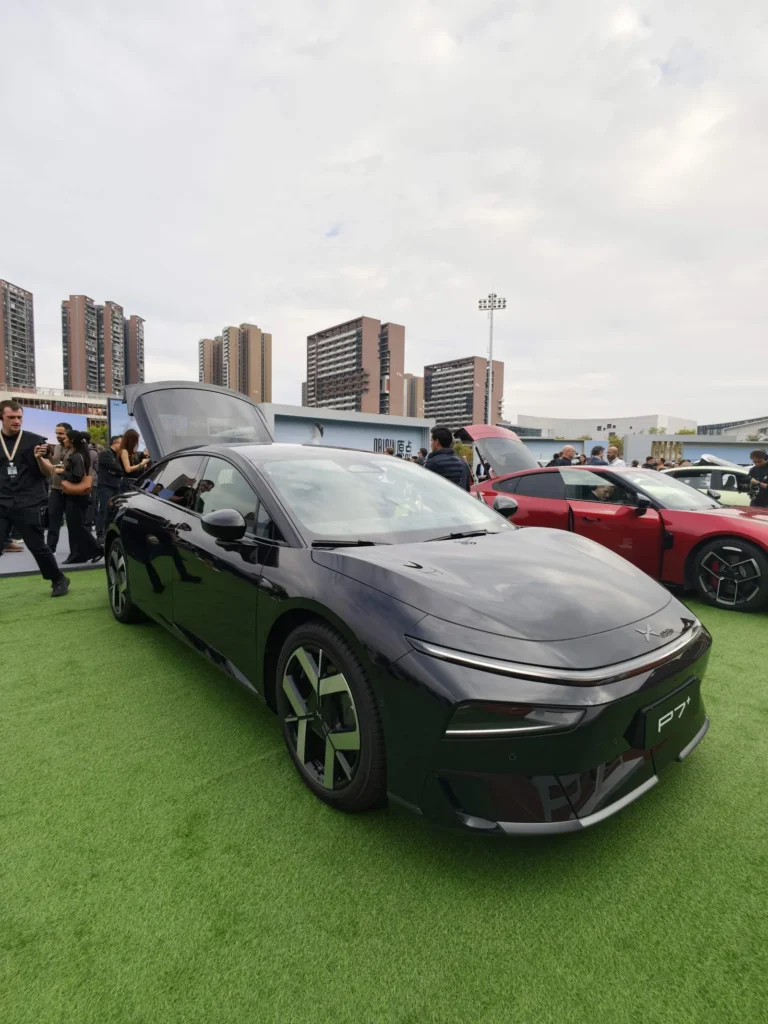
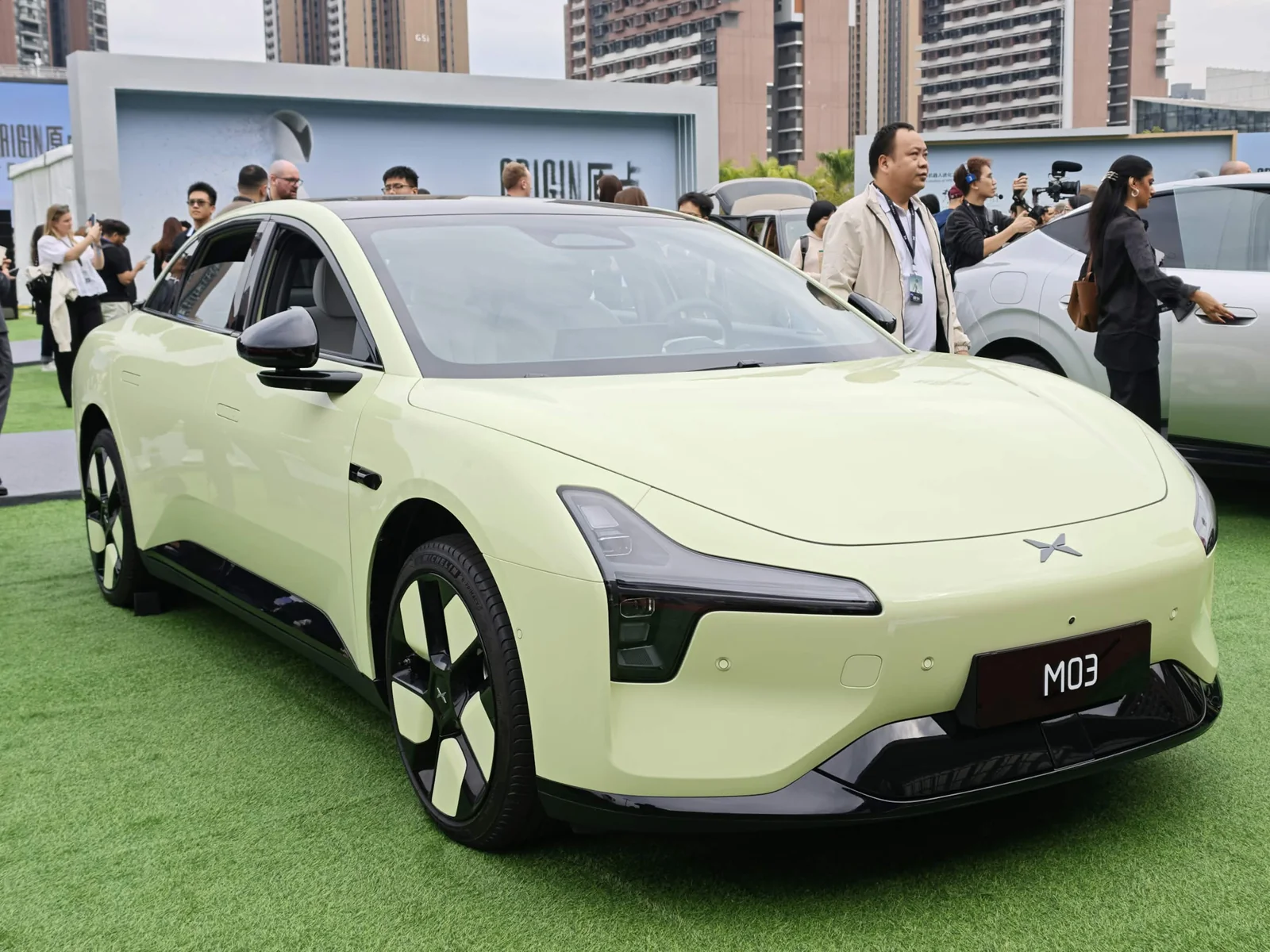
XPENG used AI Day 2026 in Guangzhou to detail VLA 2.0, the driver assistance model it now describes as the execution layer of a wider Physical AI stack, and to confirm that the software is moving into markets outside China.
The company says the model has moved from usable to widely adopted since its March rollout, with driver assistance accounting for more than 50 percent of total mileage within one month, while total mileage increased by more than 91 percent.
What VLA 2.0 is
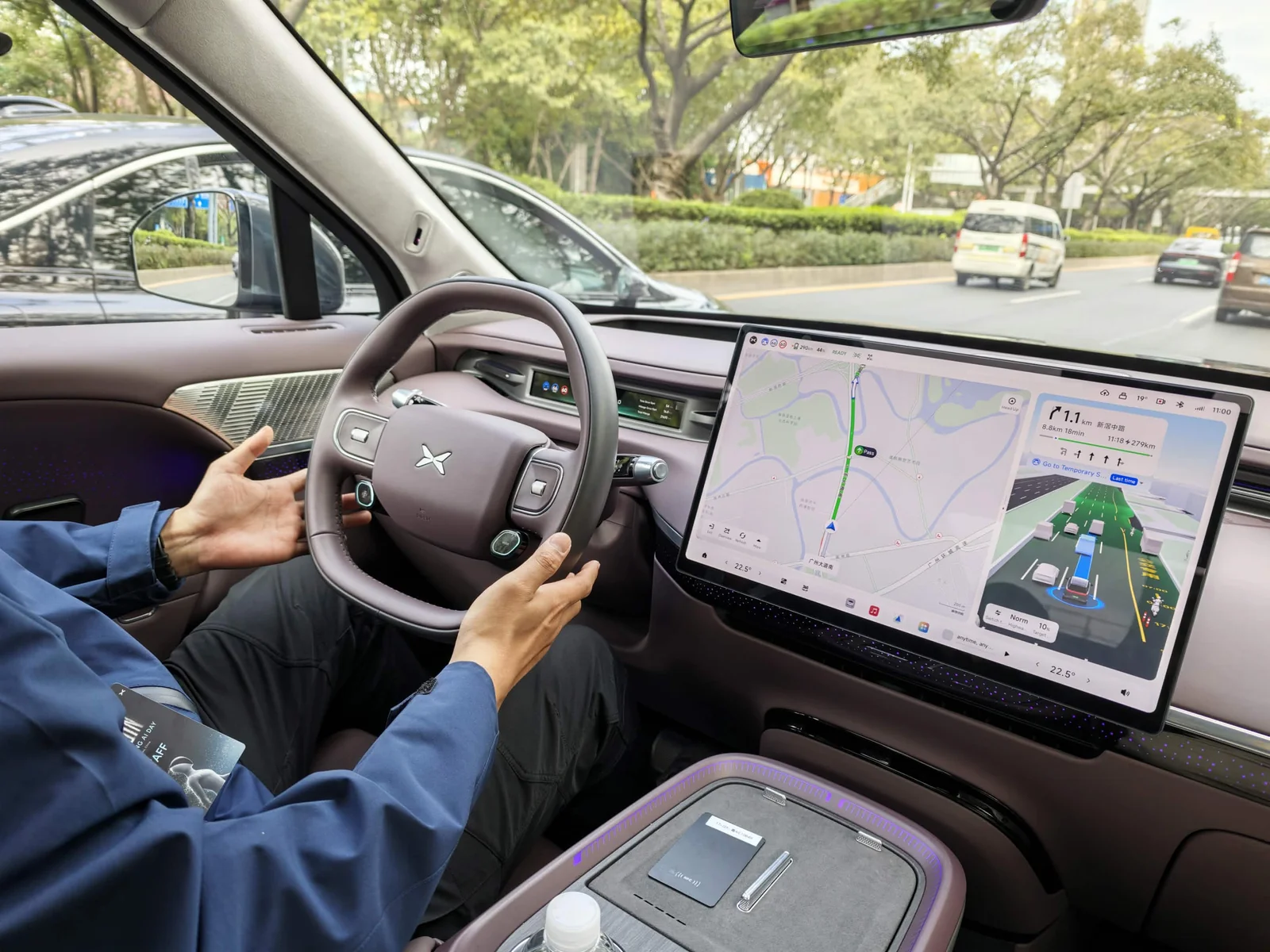
Vision, Language, Action is the short version, and XPENG splits Physical AI into three layers, with System 2 handling planning and reasoning, System 1 handling fast execution, and System 0 handling instinctive body control.
VLA 2.0 sits at System 1, which means it converts what the cameras see into movement rather than describing the scene in words before a planner acts on them, and the company frames the removal of that step as the reason the behavior reads as human.
Training and hardware claims
XPENG says the model now runs agent-driven closed-loop training, where models train models without human intervention. That work delivers 10 to 12 times faster overall training, alongside recursive self-improvement and model self-distillation.
The same effort extends the software to older hardware. By re-engineering the model for Orin-X, XPENG says inference performance improved 40 times, which allows VLA 2.0 Lite to run on the previous platform without losing its core capabilities.
Reversing out of tight spaces, left and right hand drive coverage and personalized driving styles are all on the roadmap for the same model.
Going global
Following generalization tests in Germany, the Netherlands and France, XPENG says the model understands different traffic rules and adapts to local environments without extensive retraining.
The company also opened public NGP test rides at its Paris showroom, which it describes as the first public city driver assistance test rides in Europe by a Chinese automaker. He Xiaopeng calls the moment a Paris Moment for Chinese driver assistance.
Safety, and the layer above
AEX is the safety counterpart, a 360 degree active hazard avoidance system that combines VLA with vehicle motion control, assessing risks in front, behind and to either side, then braking, steering, accelerating or changing lanes in response.
XPENG is also taking the model into passive safety, including pre-crash airbag deployment, a resettable active hood for pedestrian protection and active head restraints.
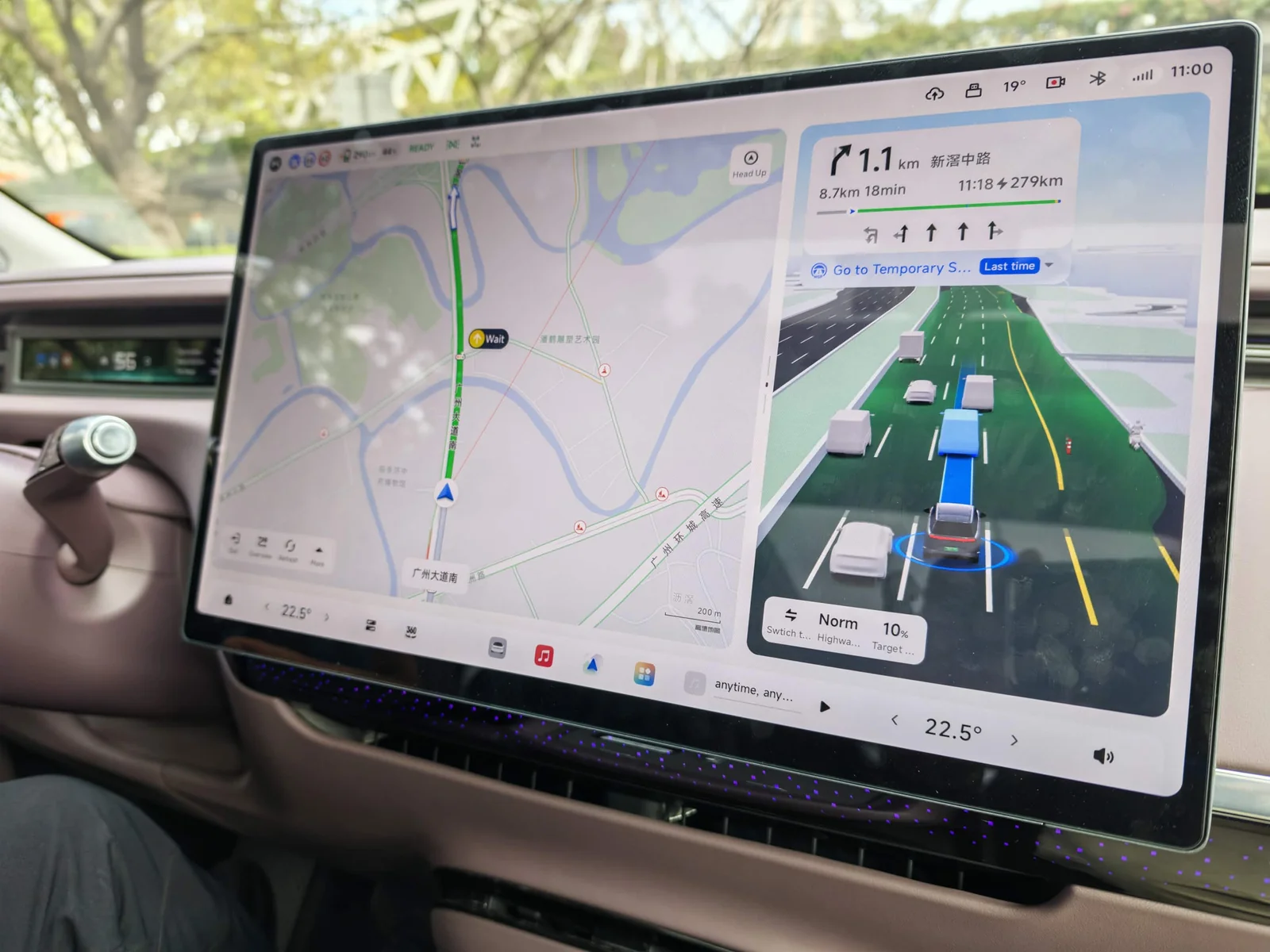
Above it sits the Turing Physical AI Architecture, or VLA 3.0, which brings planning, execution, body control, compute and hardware into one stack shared by vehicles and humanoid robots. Turing AI Co-Driving keeps assistance active while the driver drives manually.
What it means for the Philippines
XPENG Philippines has not confirmed which local models will receive VLA 2.0. The brand entered the market in September with the X9 and L03 lineup, and the local portfolio is still limited to that launch.
XPENG says Turing AI driver assistance subscriptions are planned for new vehicle buyers worldwide from the second quarter of 2027, and that customers ordering before launch keep their existing driver assistance benefits for life. Research and development spending reached RMB 8.67 billion in the first nine months of 2026.
Sources: XPENG, Gadget Pilipinas coverage of XPENG AI Day 2026

Gadget Pilipinas
Founded in 2009 by Gian Viterbo, Gadget Pilipinas is one of Philippines’ top sources for news, tutorials, reviews and tips about the latest trends in technology, gadgets, games, social and digital media and cyber culture.
View all articles →Related News
 XPENG IRON Humanoid Heads to Mass Production in January 2027

 Samsung Galaxy Z TriFold 2 Rumored for Mid – 2027 Launch