





TCL C7L SQD-Mini LED TV sets a whole new standard
Part of that is on purpose. Display marketing has stacked acronym on acronym for a decade, and the real differences between technologies get buried under the terminology. But there is a sharper question hiding underneath all the jargon, the one enthusiasts should actually be asking: when two TVs are built on the same display technology, what separates the one that looks great from the one that just reads well on a spec sheet?
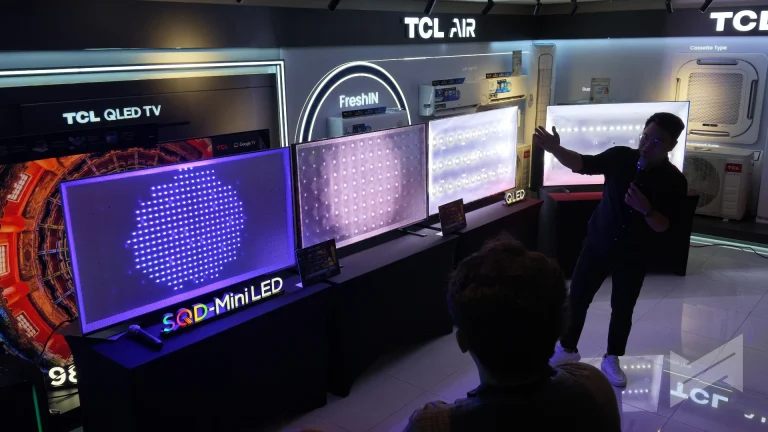
TCL has spent the past year trying to answer that question in public. Its new display platform, SQD-Mini LED (Super-QD Mini LED), is the company’s argument that implementation matters more than the label on the box. The current proof point is the C7L, TCL’s latest SQD-Mini LED TV, which the company demonstrates side by side with competing displays at its Manila media roundtable rather than on a spec sheet.

The platform’s pedigree is already on record. The X11L, the world’s first SQD-Mini LED flagship, won the Innovative Display Technology Gold Award at the Global Top Brands ceremony during CES 2026 in Las Vegas, organized by IDG with IDC’s support. TRS Research’s 2025 annual cumulative report named TCL the Philippines’ No. 1 panel TV brand for the third straight year, based on nationwide brick-and-mortar retail performance. And Omdia’s shipment data, cited in TCL’s release, puts the company first worldwide in 75-inch-and-above TVs and Mini LED TVs for 2025.
So how does the technology actually work, and what is TCL doing differently?
From Mini LED to SQD-Mini LED
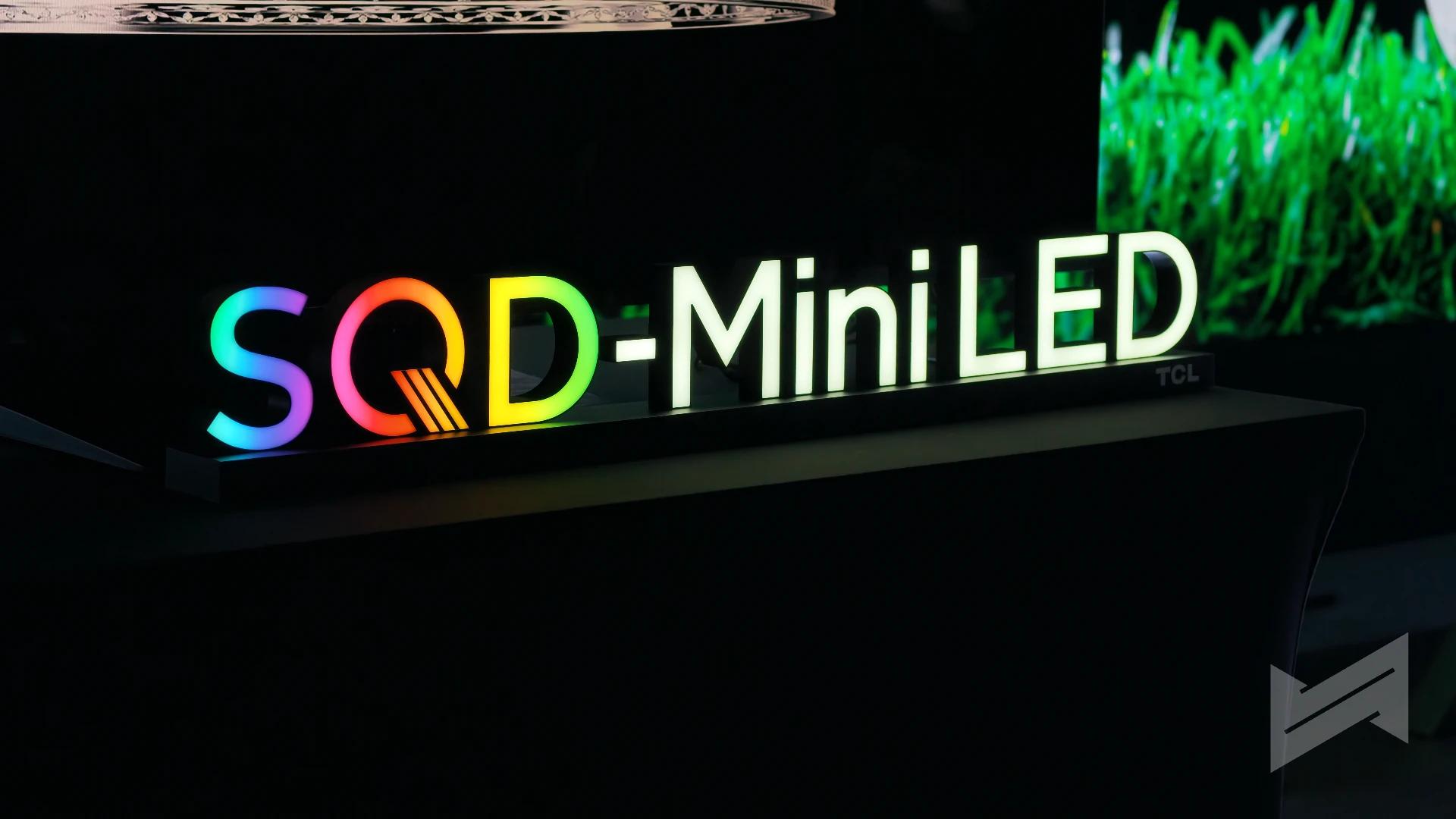
Start with what Mini LED is, because the name does most of the explaining. A Mini LED TV is an LCD TV whose backlight uses many small LED chips instead of a few large ones. Smaller chips mean the backlight can be split into far more independently controlled zones, and that unlocks local dimming: the TV turns zones down or off behind dark parts of the image while keeping bright zones fully lit.
Done well, local dimming delivers the deep blacks and punchy highlights that used to require OLED. Done cheaply, it delivers halos: gray blooms of light bleeding out around bright objects on dark backgrounds.
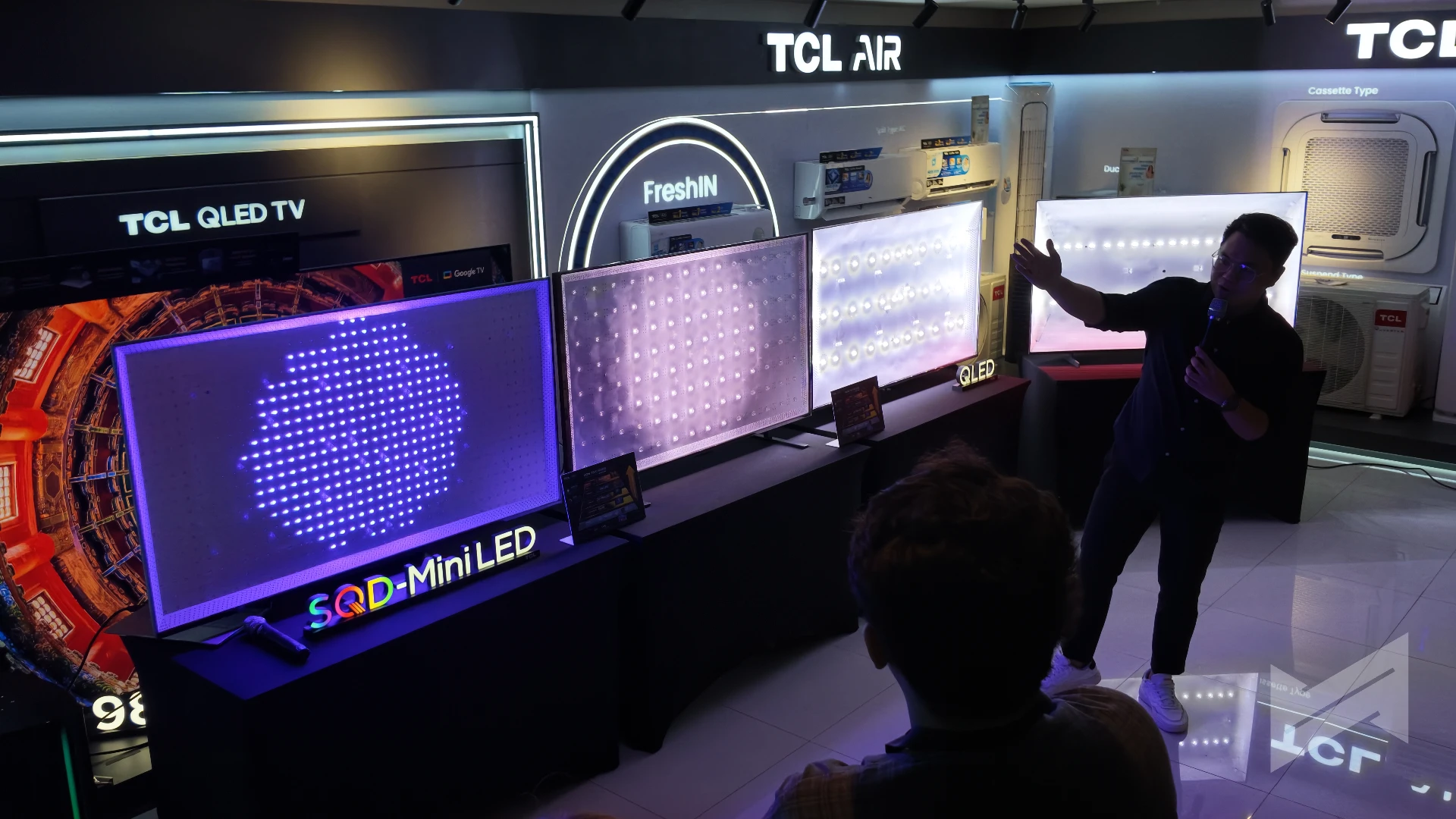
SQD-Mini LED is TCL’s attempt to fix the second half of that sentence. Instead of just packing in more zones, TCL re-engineered how the light behaves once it leaves the chips. The C7L’s Precise Dimming Series pairs high-efficiency light-emitting chips with condensed micro-lenses designed to focus each zone’s light so it lands where it should instead of scattering. An all-domain halo control system, working with a high-contrast CSOT HVA 2.0 panel, keeps light in its lane. The result, as TCL describes it: conventional local dimming transformed into ultra-precise dimming zones, without the distracting light bleed.
Brightness is only half the HDR story
The other half of picture quality is brightness, and this is where TCL’s new light chip matters. The C7L uses a high-efficiency chip that the company says is a clear step up from previous-generation emitters, improving peak brightness and energy efficiency at the same time.
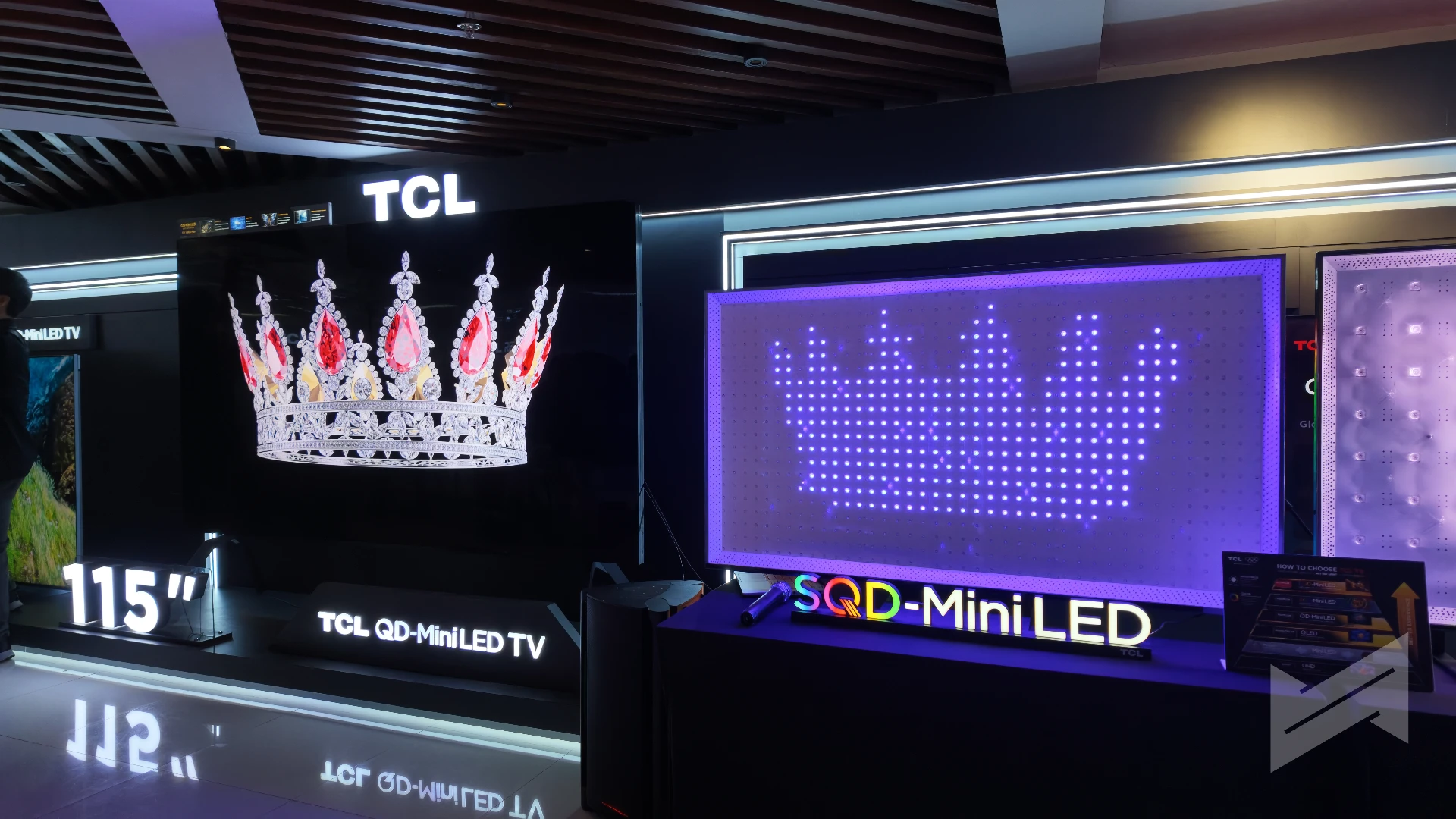
That combination matters more than the raw number suggests. HDR content is built around highlights: sunlight glinting off metal, headlights cutting through darkness, the glow of a fire. A panel needs real peak brightness to render those moments convincingly. But brightness without precise dimming control just washes out dark scenes. The two improvements only work together, which is why TCL pairs its brighter chips with finer zone control: brighter where the image should be bright, darker where it should be dark, with an algorithm drawing the line between them.
Color: quantum dots and a filter panel
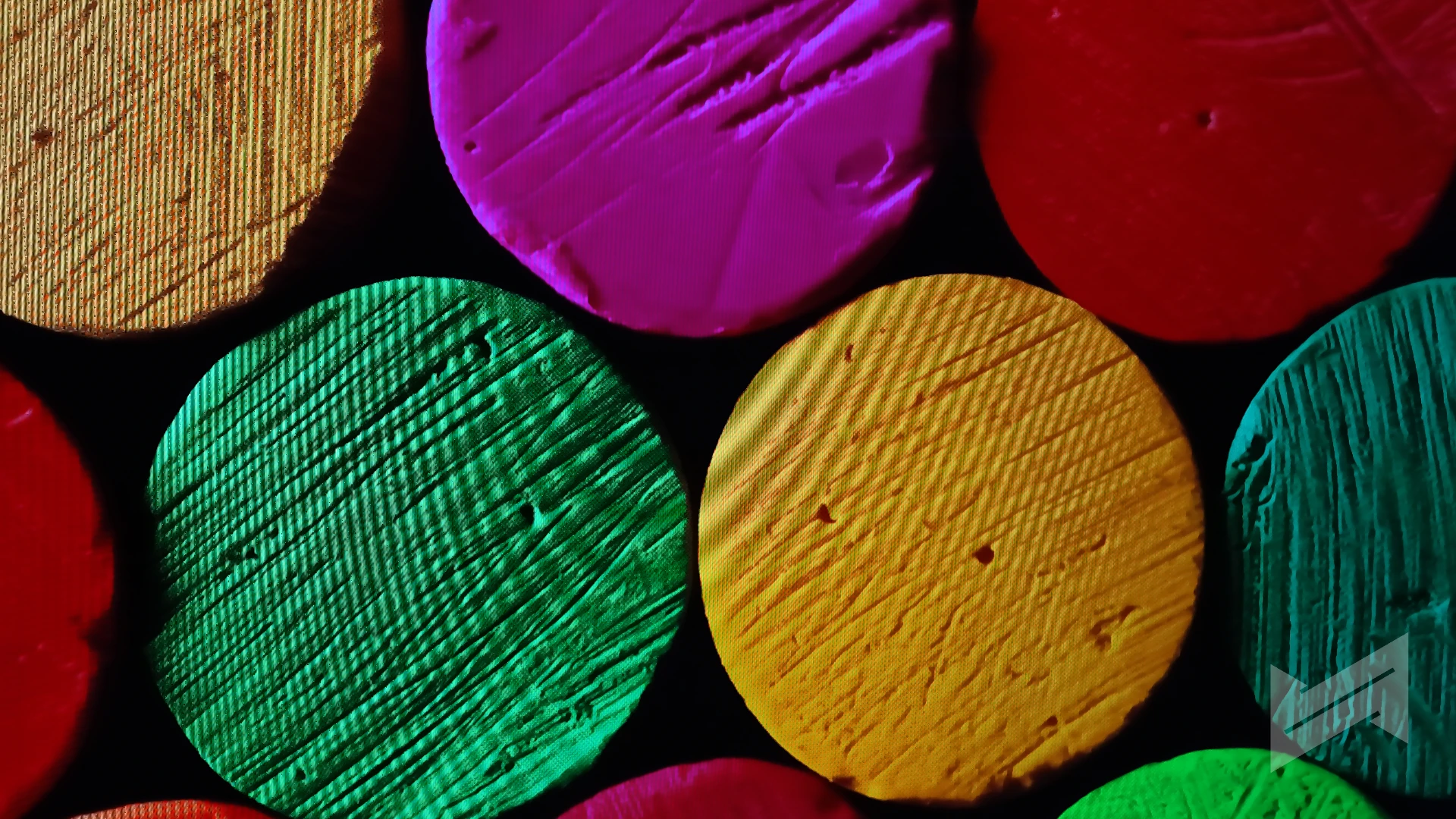
Brightness and contrast get the marketing attention, but color accuracy is where premium TVs quietly earn their price. TCL’s SQD-Mini LED stack layers Super QLED technology, a quantum-dot approach that produces a wider, more saturated color gamut, on top of an Ultra Color Filter Panel that governs how accurately those colors are reproduced. Quantum dots handle the volume of color; the filter panel handles the precision. Together they target lifelike, natural color, the kind a “vivid” demo preset cannot replicate by simply cranking saturation.
The processing that ties it together
A backlight split into many zones is only as good as the software deciding what each zone does, frame by frame. TCL calls its version the Light and Shadow Control Algorithm, an intelligent processing system that shapes how light and shadow are rendered in real time. This is the layer that separates a well-implemented Mini LED TV from a mediocre one: identical panel technology can look dramatically different depending on how accurately the algorithm drives the zones.
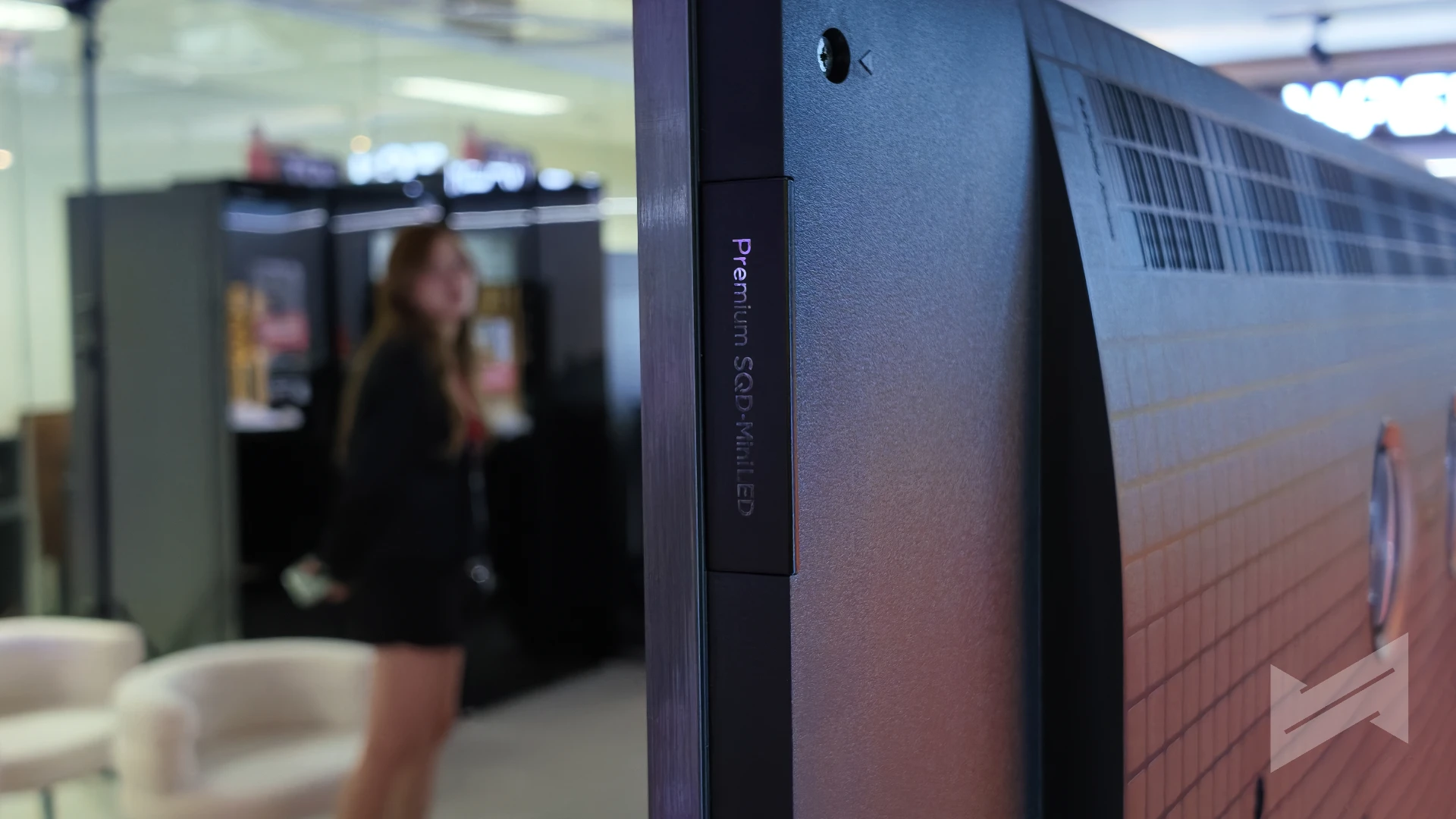
It also matters for gaming, where the C7L’s dark-scene handling is meant to give players an edge. Shadowy corners of a game world stay deep and black, but details hidden in those shadows remain visible, and bright areas keep their color instead of blowing out. Deep shadows with retained detail is precisely what competitive players look for in a display.
Sound gets a seat at the table
TCL also brought in help for the part of the experience that picture purists tend to ignore: audio. The C7L’s sound system was co-engineered with Bang & Olufsen, which brought roughly a century of acoustic tuning expertise to the speakers. Thin sound undercuts a great picture, and co-developing the audio is part of the same argument: details separate premium from merely adequate.
Why the recognition matters
None of this engineering would matter much if it only impressed TCL’s own marketing department. The X11L’s Gold Award is third-party recognition for the SQD-Mini LED platform itself, not just for one TV model. And the awards trail mirrors what the sales data shows. Awards can be gamed and numbers can be spun, but the platform has now earned both.
“Innovation has always been at the heart of everything we do,” said Peter Chen, CEO of TCL Philippines. “With Super-QD Mini LED, we’re introducing a new generation of display technology that delivers extraordinary picture quality and a truly immersive viewing experience. As we continue to inspire greatness through innovation, we remain focused on bringing world-class technologies closer to more Filipino families.”
One thing the side-by-side comparison made obvious: Mini LED is showing up on more boxes every year, and the label alone does not guarantee much. Two TVs can both say Mini LED on the box and still handle a dark scene in completely different ways.
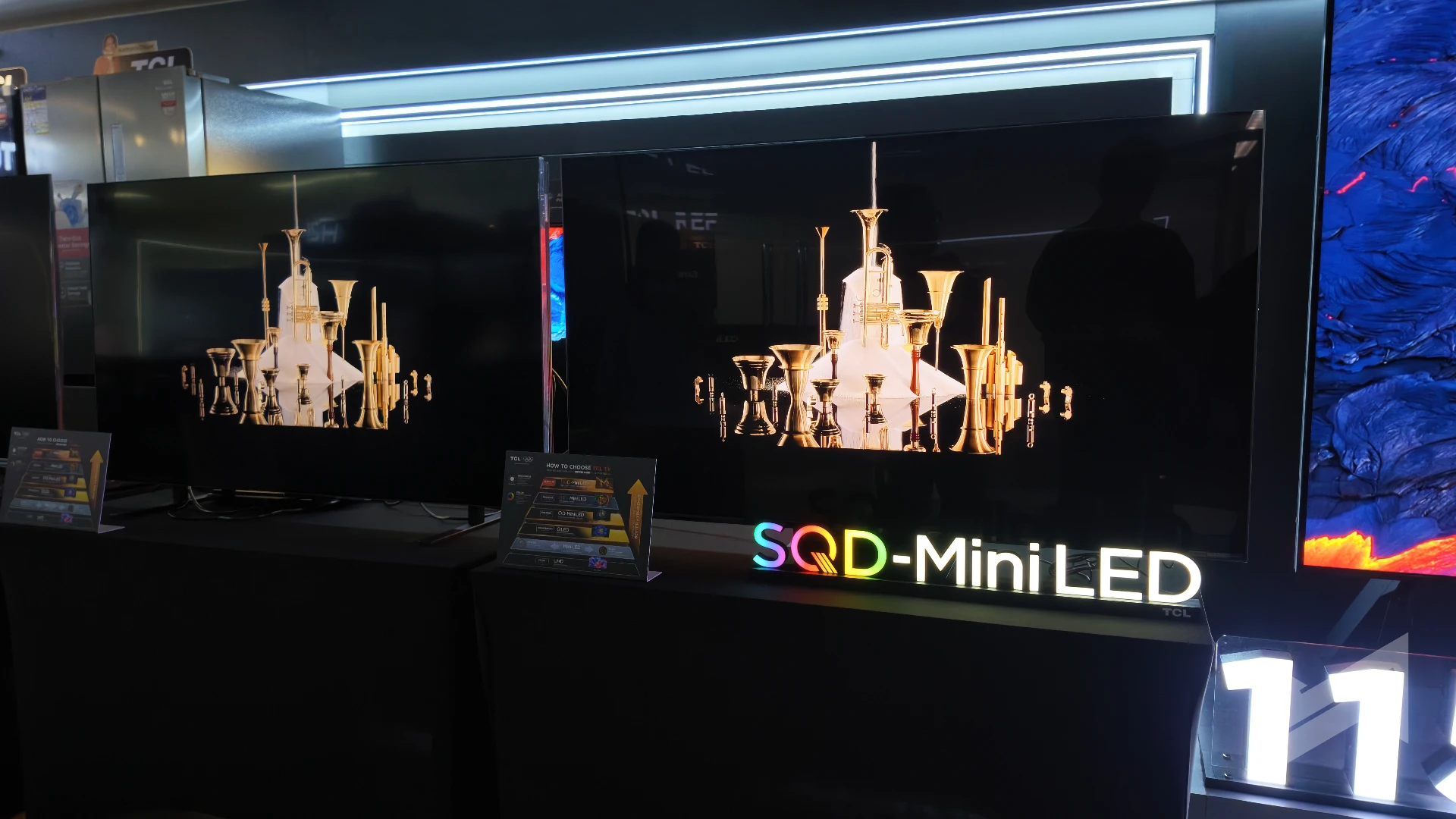
As you can see in the image above, even on such angle, SQD-Mini LED brings a higher level of quality when compared to the Mini LED TV from a competitor. It’s worth nothing that he comparison shown includes TVs from other brands, not just TCL models. The point of the exercise was to see how different Mini LED implementations handle the same content side by side, not to stack one brand’s portfolio against another. That context matters, because it shifts the question from “which TCL TV is better” to “how does one Mini LED implementation compare to another,” which is exactly what the roundtable was built to explore, to begin with.
But, it’s worth noting that what separated the displays had nothing to do with the technology name and everything to do with the work behind it: how many dimming zones the backlight is split into and how precisely each one is driven, how well the panel keeps light where it belongs, how the processing handles each frame, and how carefully the whole picture is tuned. That is the gap TCL’s SQD Mini LED is built to close. Its implementation pushes each of those pieces further, from the high-efficiency light chip and condensed micro-lenses to the all-domain halo control and the Light and Shadow Control Algorithm, which is what makes it read as a more complete take on Mini LED rather than a badge on a spec sheet.
So what actually makes the picture better?
Strip the marketing away, and the answer is anticlimactic in the best way: it is the engineering. Two Mini LED TVs can share the same technology and still look completely different, because everything downstream of the label matters. How the backlight is built. How precisely the zones are controlled. How good the panel is. How the algorithm drives it all. How much care went into the tuning. A spec sheet tells you almost nothing about any of that.

Giancarlo Viterbo
Giancarlo Viterbo is a Filipino Technology Journalist, blogger and Editor of gadgetpilipinas.net, He is also a Geek, Dad and a Husband. He knows a lot about washing the dishes, doing some errands and following instructions from his boss on his day job. Follow him on twitter: @gianviterbo and @gadgetpilipinas.
View all articles →