



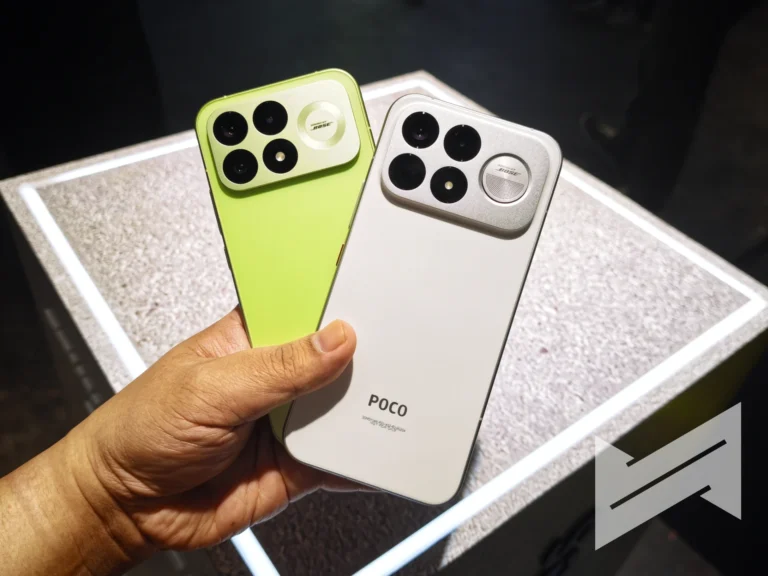
POCO has launched the POCO F9 Pro and POCO F9 Ultra in the Philippines, expanding its smartphone lineup with devices designed for gaming, entertainment, photography, and demanding everyday use. Both models feature Snapdragon 8 Elite Gen 5-powered performance, VisionBoost D8 graphics processing, high-refresh-rate AMOLED displays, and fast charging.
The POCO F9 Ultra is positioned as the series’ flagship-performance model for tech enthusiasts, mobile gamers, content creators, and heavy smartphone users. The POCO F9 Pro complements it with a slightly smaller design while retaining key performance, camera, and charging capabilities.
Performance and gaming
The POCO F9 Pro and Ultra both use the Snapdragon 8 Elite Gen 5, though the Pro uses a V series version, which uses a toned down GPU. It can reach speeds of up to 4.6GHz and works with the dedicated VisionBoost D8 graphics chipset.
The VisionBoost D8 supports smart frame rates of up to 185FPS in selected games and up to 165FPS in other supported titles. It can also provide 1.5K super resolution, Game HDR, dual-core visual enhancement, and simultaneous super resolution with high frame rates in compatible games.
POCO’s WildBoost Engine manages speed, controls, visuals, and audio during gameplay. The F9 Ultra supports up to 480Hz touch sampling and up to 4800Hz instant touch sampling. Seven dedicated gaming antennas are distributed across the device to help reduce signal blockage when the phone is held horizontally.
Display and Camera
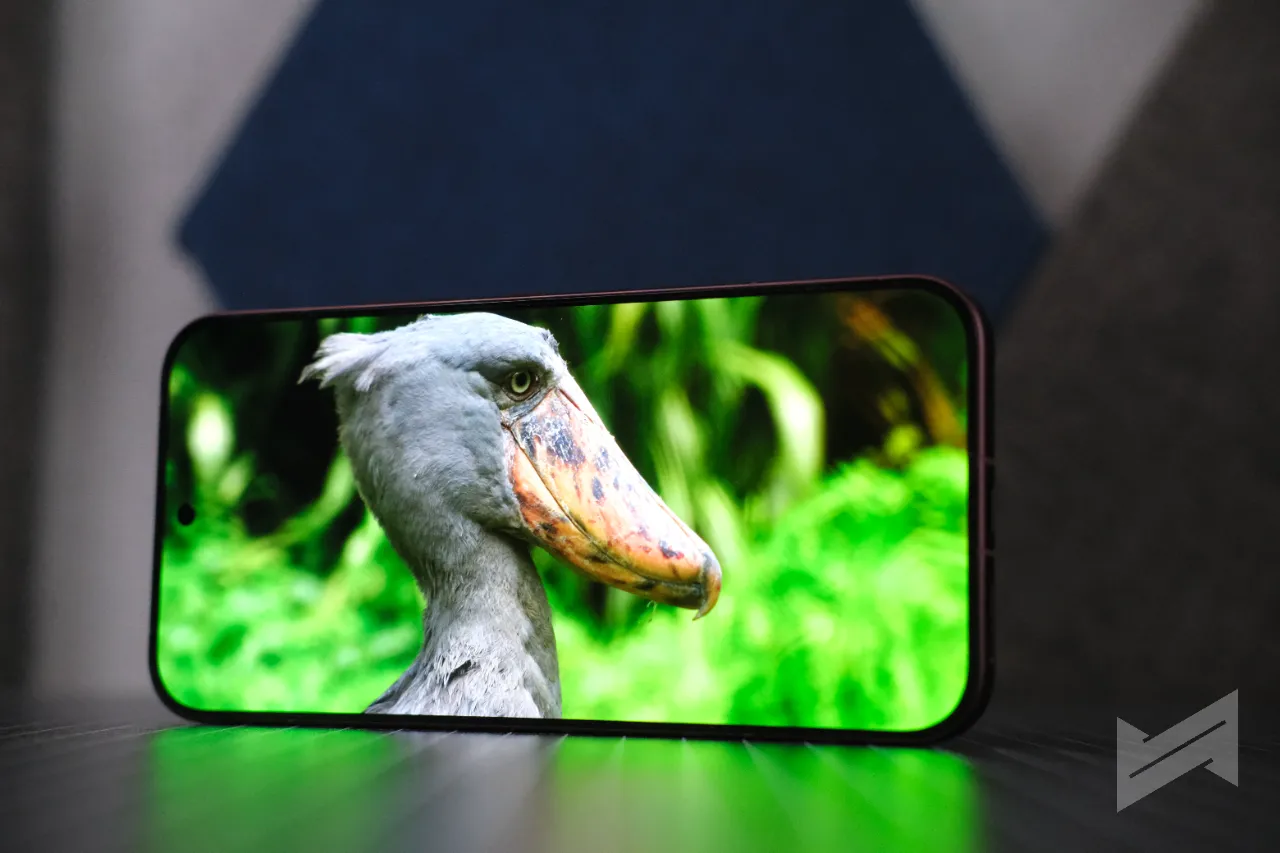
The POCO F9 Ultra features a 6.9-inch AMOLED display with 2608 x 1200 resolution, 1.5K clarity, and refresh rates of up to 185Hz. The panel supports Dolby Vision, HDR10+, DC dimming, and up to 68 billion colors through 10-bit plus 2-bit color depth. Its high-brightness modes reach up to 2,200 nits, with specified peak levels of up to 4,500 nits at 25% APL and 10,000 nits at 1% APL.
For photography, the Ultra has a 200MP main camera with an HP5 sensor, optical image stabilization, and a dedicated 200MP mode, which uses AI processing to create a 200MP output from a 50MP pixel-binned capture rather than a direct native 200MP sensor readout.
You also get a 50MP 5x periscope telephoto camera with optical stabilization, 10x lossless in-sensor zoom, and up to 120x AI Ultra Zoom, and a 50MP ultrawide camera.
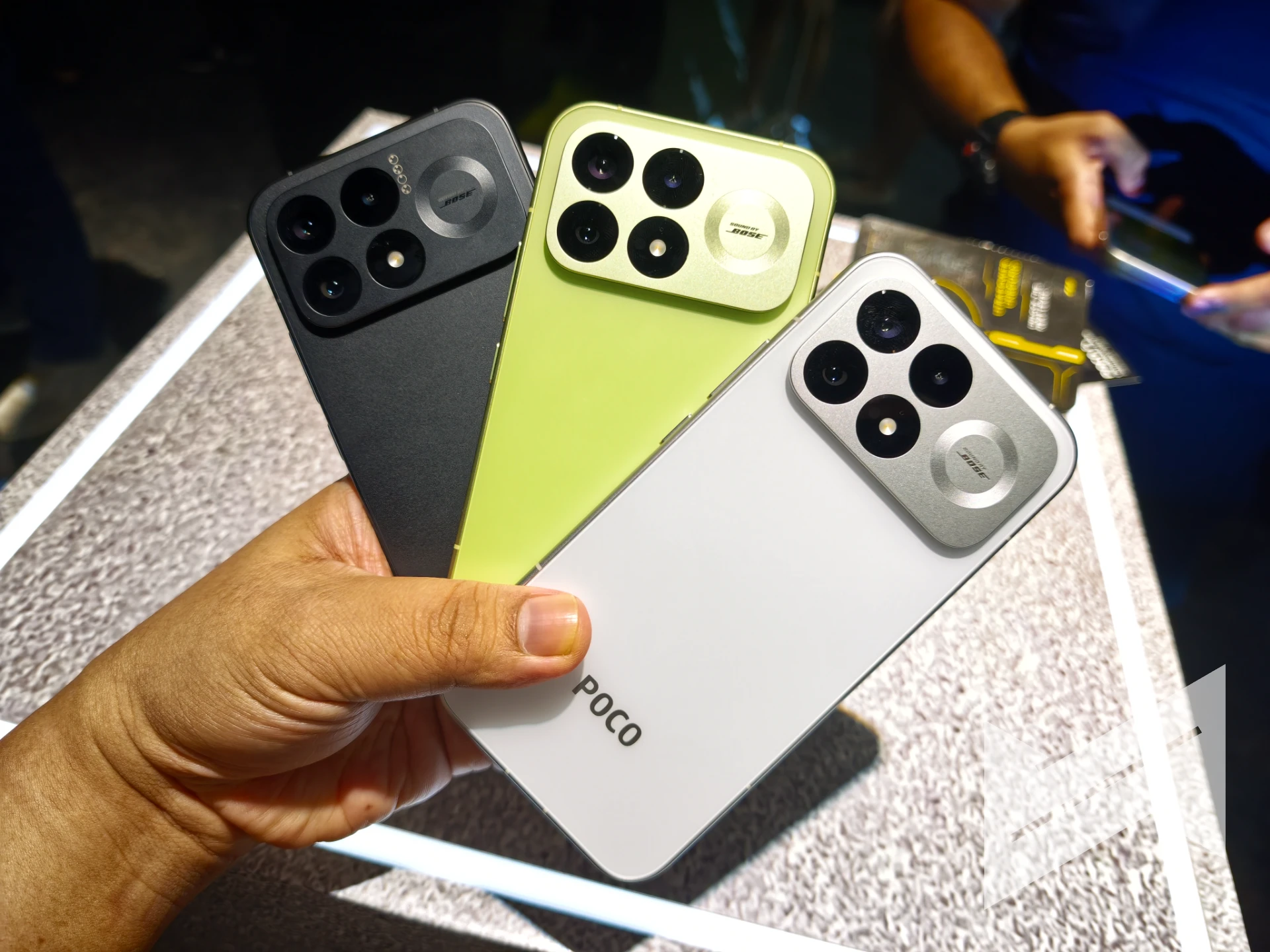
The POCO F9 Pro has a 6.59-inch 1.5K AMOLED display with a 185Hz refresh rate, 480Hz touch sampling, and Gorilla Glass 7i protection. It also has a 200MP main camera, but uses an 8MP ultrawide camera, along with a 50MP 2.5x telephoto unit. Both have a 32MP selfie camera.
Battery, audio, and design
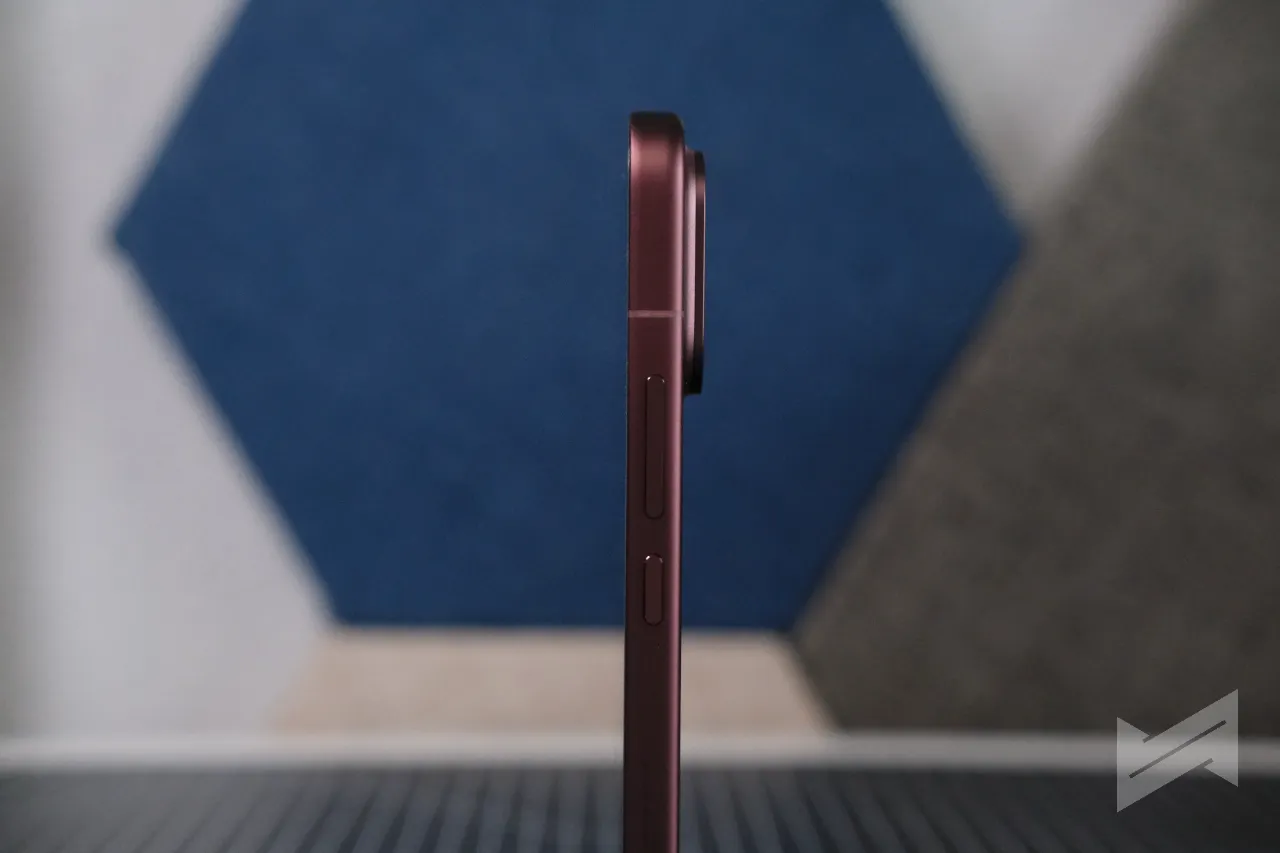
The POCO F9 Ultra houses an 8,050mAh typical silicon-carbon battery. It supports 100W wired HyperCharge, 50W wireless HyperCharge, up to 27W wired reverse charging, and up to 22.5W wireless reverse charging.
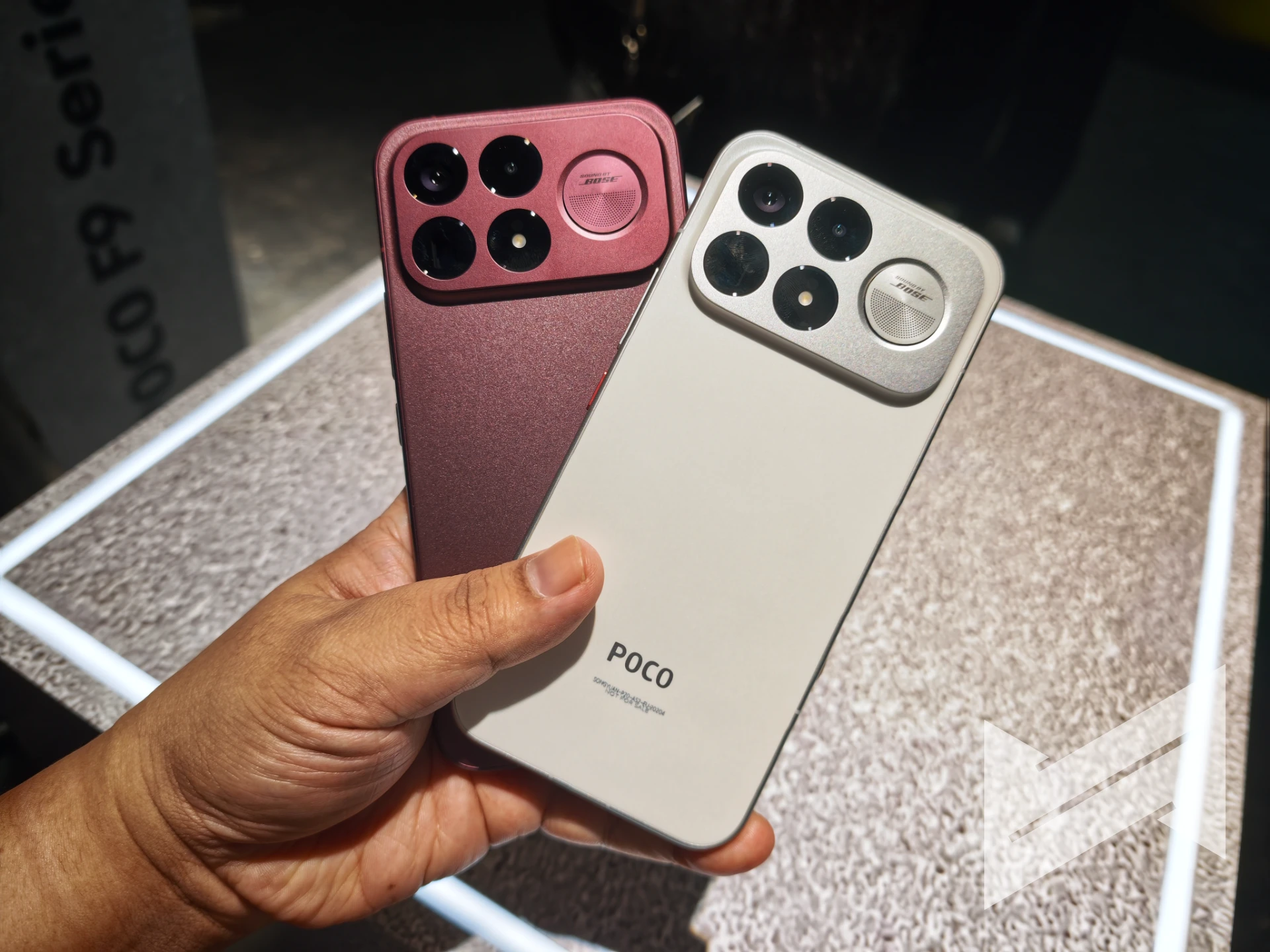
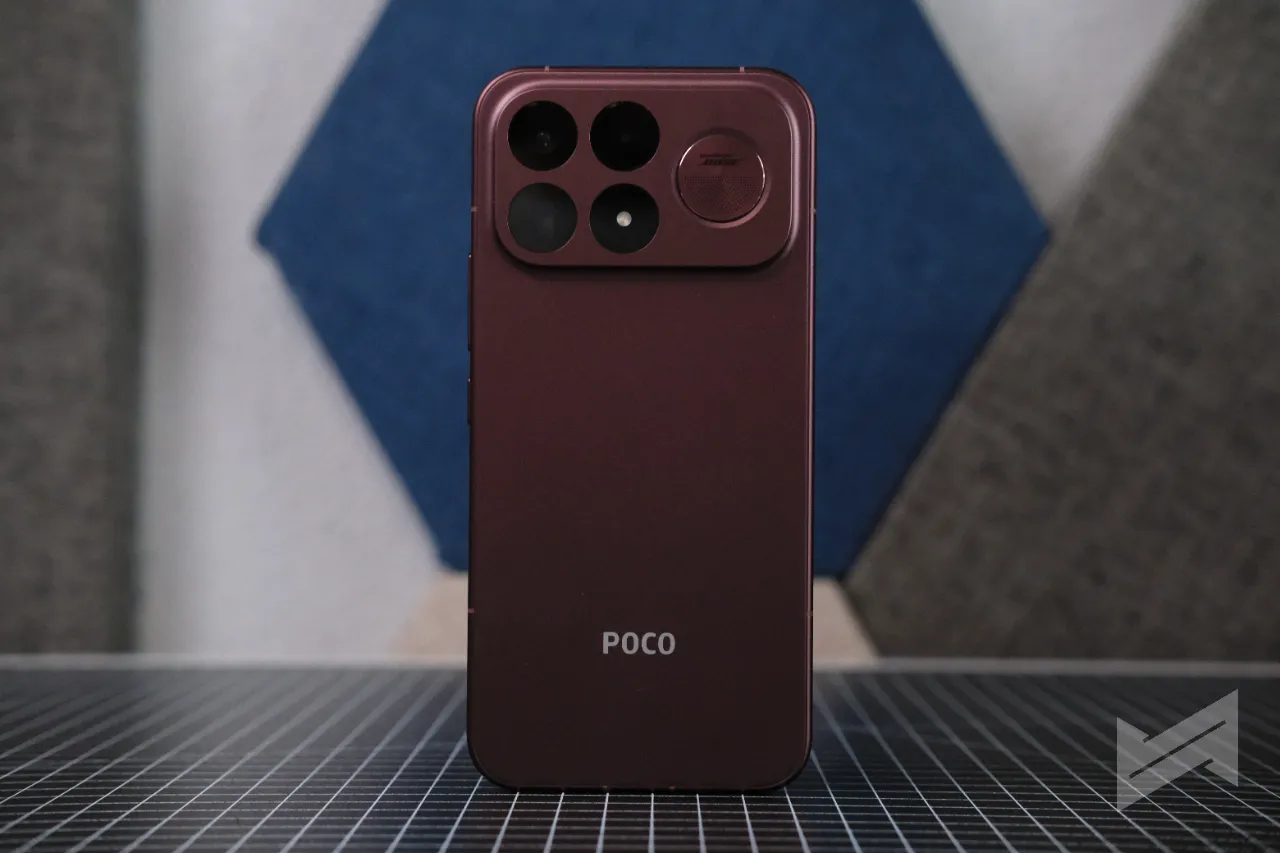
The phone also features Sound by Bose tuning, a 2.1-channel audio system, dual symmetrical stereo speakers, and an independent subwoofer. Dynamic Light around the rear camera area provides game effects, audio-synchronized lighting, and notifications when the phone is placed face down.
The Pro has 6,330mAh silicon-carbon battery, and also supports 100W wired HyperCharge and 50W wireless HyperCharge. It It weighs 206 grams and is available in Black, White, and Aurora Green. The POCO F9 Ultra comes in two colors – Dark Cherry and Black. Both devices run Android 16 with HyperOS 3.1 and boast IP68 protection.
Specifications
| Specification | POCO F9 Pro | POCO F9 Ultra |
|---|---|---|
| Display | 6.59-inch AMOLED; 2510 x 1156 1.5K; 185Hz refresh rate; 480Hz touch sampling; Gorilla Glass 7i | 6.9-inch AMOLED; 2608 x 1200 1.5K; 185Hz refresh rate; 480Hz touch sampling; Gorilla Glass 7i |
| Processor | Qualcomm Snapdragon 8 Elite Gen 5 (V Series) VisionBoost D8 chipset | Qualcomm Snapdragon 8 Elite Gen 5 VisionBoost D8 chipset |
| RAM | 12GB | 12GB/16GB |
| Storage | 256GB, 512GB | 256GB/512GB/1TB |
| Rear Camera | 200MP main (OIS) 50MP floating telephoto (OIS) 8MP ultrawide | 200MP main (OIS) 50MP Periscope Telephoto (5x Optical Zoom, OIS) 50MP ultrawide |
| Front Camera | 32MP | 32MP |
| Battery | 6,330mAh silicon-carbon battery 100W wired HyperCharge 50W wireless HyperCharge | 8,050mAh typical silicon-carbon battery 100W wired HyperCharge 50W wireless HyperCharge |
| OS | HyperOS 3.1 (Android 16) | HyperOS 3.1 (Android 16) |
Pricing and Availability
The POCO F9 Series is available in the Philippines via Shopee, with an Early Bird promo running from September 1-16, 2026. Each purchase comes with a FREE REDMI Buds 8 Active, 1+1 Years Warranty and up to 6 months screen replacement when you go to any Xiaomi Service Center. Buyers may also avail of the Shopee Rebate for even more savings.
| Configuration | SRP | Early Bird Price | with Rebate | |
| POCO F9 Pro | 12GB + 256GB | PHP 49,999 | PHP 33,999 | PHP 30,600 (Shopee) PHP 29,300 (Lazada) |
| 12GB + 512GB | PHP 54,999 | PHP 35,999 | PHP 32,400 (Shopee) PHP 31,500 (Lazada) | |
| POCO F9 Ultra | 12GB + 256GB | PHP 55,999 | PHP 45,999 | PHP 41,920 (Shopee) |
| 16GB + 512GB | PHP 59,999 | PHP 48,999 | PHP 44,600 (Shopee) | |
| 16GB + 1TB | PHP 89,999 | PHP 79,999 | PHP73,999 (Shopee) |
For more information, visit Xiaomi’s official website.
Frequently Asked Questions (FAQ)
Its key features include Snapdragon 8 Elite Gen 5 performance, VisionBoost D8, an 185Hz AMOLED display, an 8,050mAh battery, 100W wired charging, 50W wireless charging, and advanced cameras.
It supports smart frame rates of up to 185FPS in selected games and up to 165FPS in additional supported titles.
It has a 200MP main camera, 50MP 5x periscope telephoto camera, 50MP ultra-wide camera, and 32MP front camera.
The POCO F9 Pro is offered with 256GB or 512GB of storage and 12GB of RAM.
No. Pricing, availability, and promotional details were not specified in the provided materials.

Emman Tortoza
Emman has been writing technical and feature articles since 2010. Prior to this, he became one of the instructors at Asia Pacific College in 2008, and eventually landed a job as Business Analyst and Technical Writer at Integrated Open Source Solutions for almost 3 years.
View all articles →