


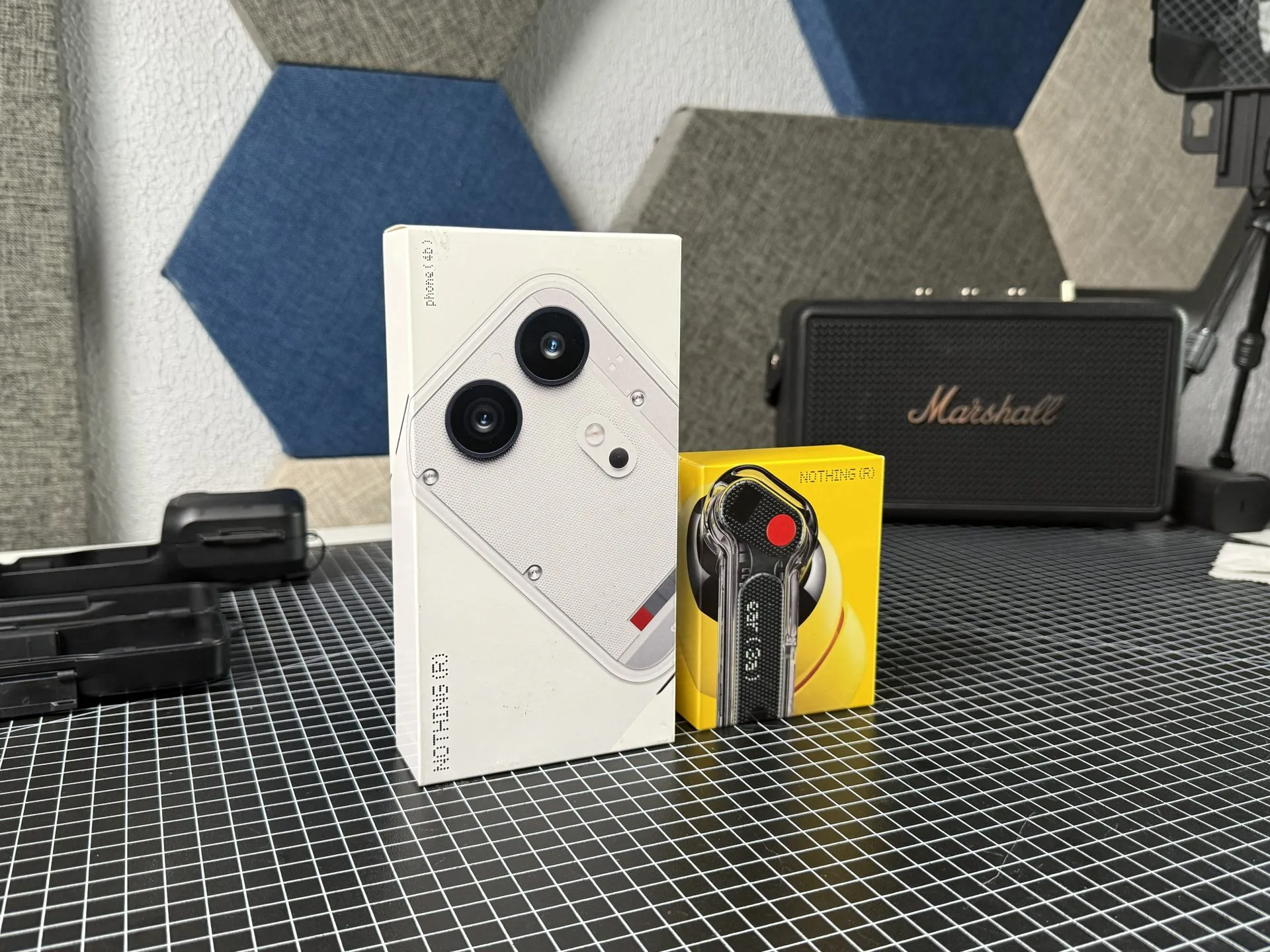
Nothing had just introduced two of their latest devices to the Philippine market: The Nothing Phone (4b) and the Nothing Ear (3a).
Prior to this, I’ve never been able to own or daily drive a Nothing device, so I was lucky enough to be given the Nothing Phone (4b) in White to tryout for myself, and here we are with my full review.
At first glance, the Nothing Phone (4b)’s spec sheet looks pretty average at its price point. However, despite that – the phone is able to deliver very well in a wide variety of aspects given how each of its individual components work with each other. Keep reading to find out why.
Unboxing Experience
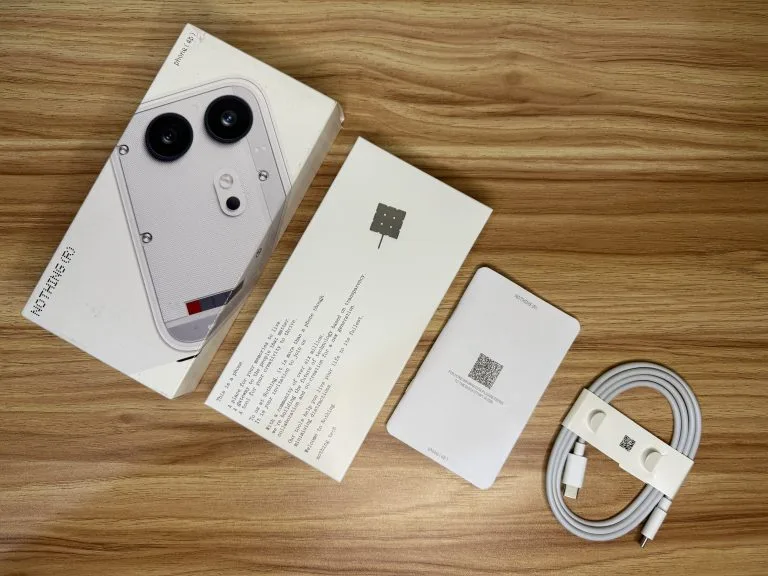
Upon getting the Nothing Phone (4b), you’ll be greeted by a lean, clean-looking box with not a lot going on apart from an image of the phone’s back and its name on the front. A fun little detail I found out is that the brand was nice enough to match the color of the packaging with the color of the phone you get.
The unboxing begins by pulling a tear strip on the back, then opening the top flap to take out all the contents inside in one go.
One other nice fact about this packaging is that 99% of it is plastic-free, excluding its PET-paper composite label.
As you go through the items it’ll be immediately noticeable that there’s no charger in the box, but you should be able to find the following:
- Nothing Phone (4b) with a pre-installed screen protector
- Type C to Type C Cable
- Phone Case
- SIM Tray Ejector Tool
- Paperwork (Safety Informaton & Warranty Card)
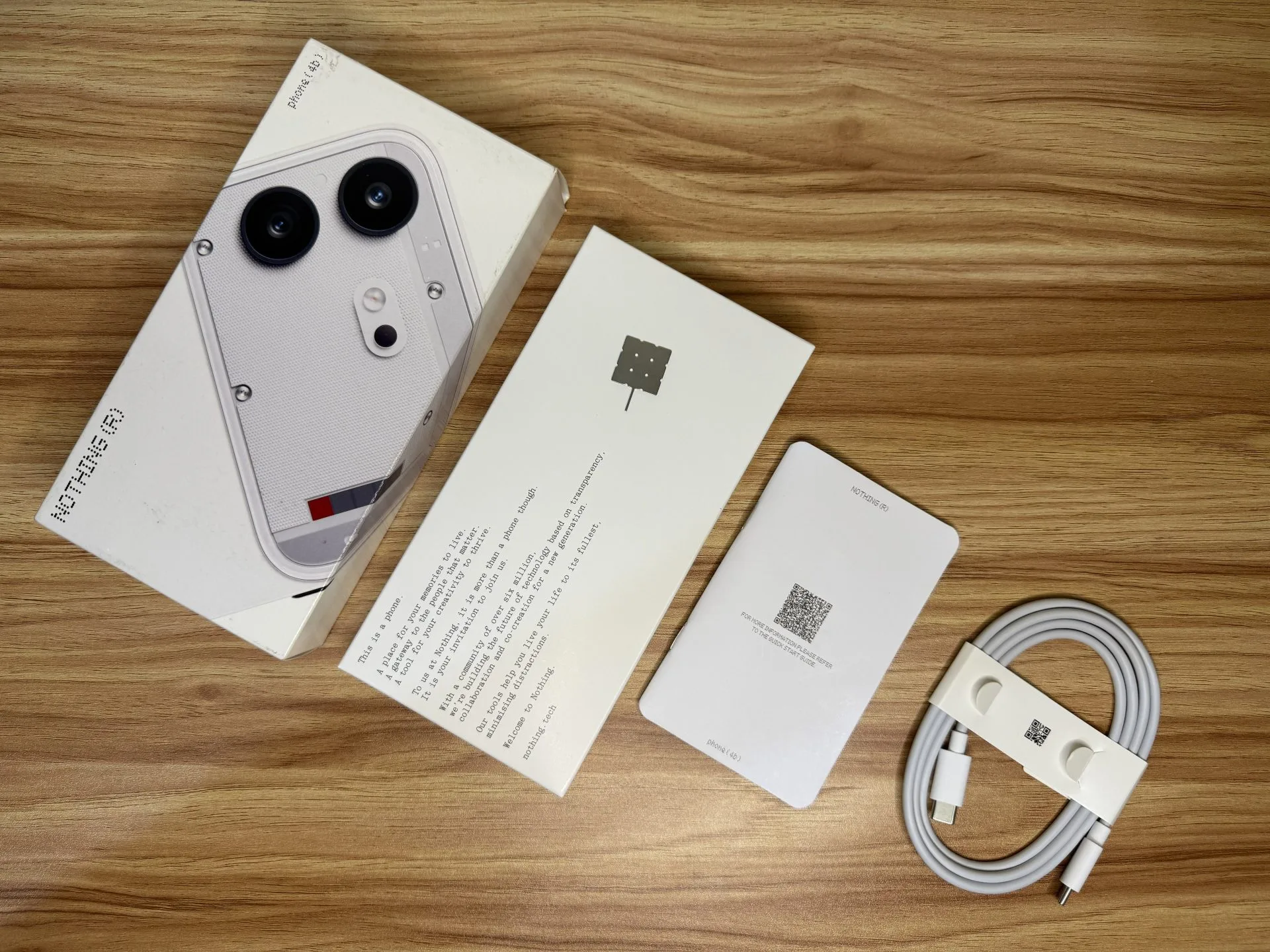
To see our unboxing of the Nothing Phone (4b) in action, please watch the video below:
Design & Build
I’ve always known the Nothing brand for things like transparent backs and their Glyph Interface, and the Nothing Phone (4b)’s design stays true to its roots while taking a simpler, more minimal approach.
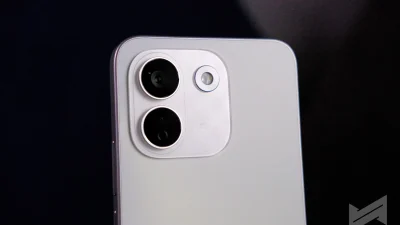
The back of the phone takes the brand’s signature elements and has them all positioned toward the top, placing the cameras, flash LED, and Glyph Bar all in a rectangular camera island separated from the rest of the matte-finished plastic panel.
Its sides are decorated with black-colored tacticle buttons, having the power and volume rockers on the right side, and then the Essential Key that functions to help users take screenshots and add notes for them to get back to later on the left.
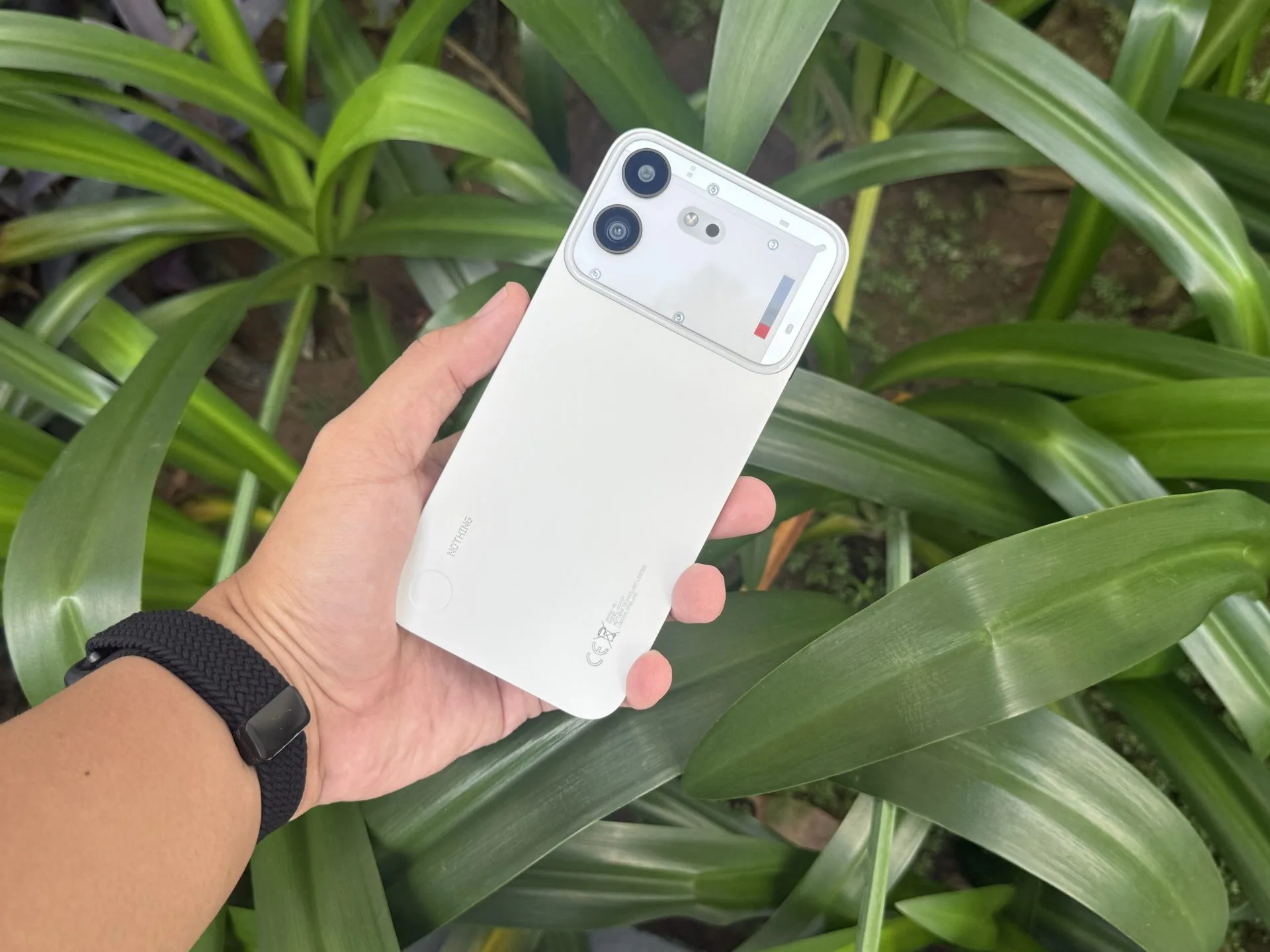
The bottom of the phone houses one of two speakers, a dual-nano SIM tray, and a microphone, while the top accommodates the second speaker and another microphone.
With its size, the phone fits into what’s become the average size of a smartphone these days, so it wasn’t really hard to adjust the way I held it compared to other phones I’ve handled.
And even with it weighing 210 grams, the phone feels light but with a good amount of heft making it solid to hold, so since the first time I’ve used, not once did it feel cheap despite its plastic frame.
This phone has also been given an IP64 dust & water resistance rating so not only is it dust-proof, but also resistant to splashes of liquid like sweat, rain, and water.
Display
One of the things I appreciate most about the Nothing Phone (4b) is its screen. It feels as if the brand took their time selecting the right set of features and best parameters to go with for this phone, and it shows.

The display is one of if not the most power-hungry part of a smartphone, and AMOLED displays generally use less power versus LCD panels, so this helps the phone conserve more power to last longer throughout the day. An added benefit from using an AMOLED panel also means crisp-looking images and videos, as well as great viewing angles.
Its 120Hz adaptive refresh rate it has gives users a sense of speed when scrolling through their phone, and then it slows down for activities like reading to conserve battery. Having this high a refresh rate also means it’s able to support high frame rate gaming along with the processor if able.
As an added bonus for gamers, touch response is quick and smooth enough for my liking – although other more competitive players may want something faster.
Brighter displays also consumer more power, but Nothing has considered to not tag along with other models that boast crazy high numbers, and stick with something more reasonable for better energy efficiency, and less eye strain. 1,000 Nits is already still readable even at noon under direct sunlight, and this phone’s peak of 2,000 would be more than enough for everyday use. This is not to say anything higher is a waste, but those brightness levels are most useful in more specific situations.
Performance & Benchmarks
At the heart of the Nothing Phone (4b) is a Snapdragon 6 Gen 4 that clocks at up to 2.3GHz and supports Wi-Fi 6, and this translates to quite a good combination of high performance and high speed downloads at its price.
As I ran benchmarks left & right, it became obvious that the brand has done well in optimizing the synchronisity of Nothing Phone (4b)’s hardware to its software with how well the scores turned out when compared to other models with similar pricing that the team has tried:
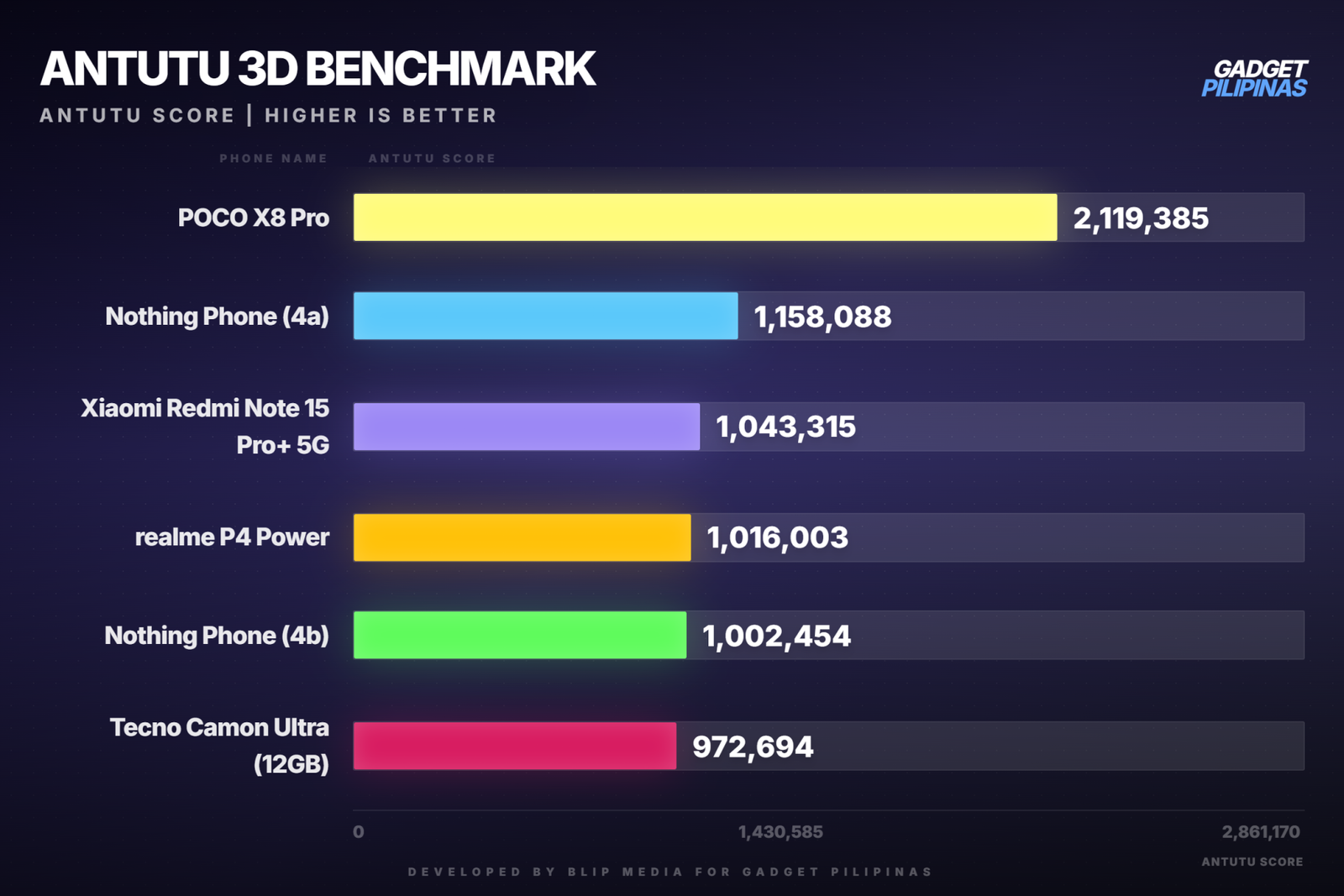
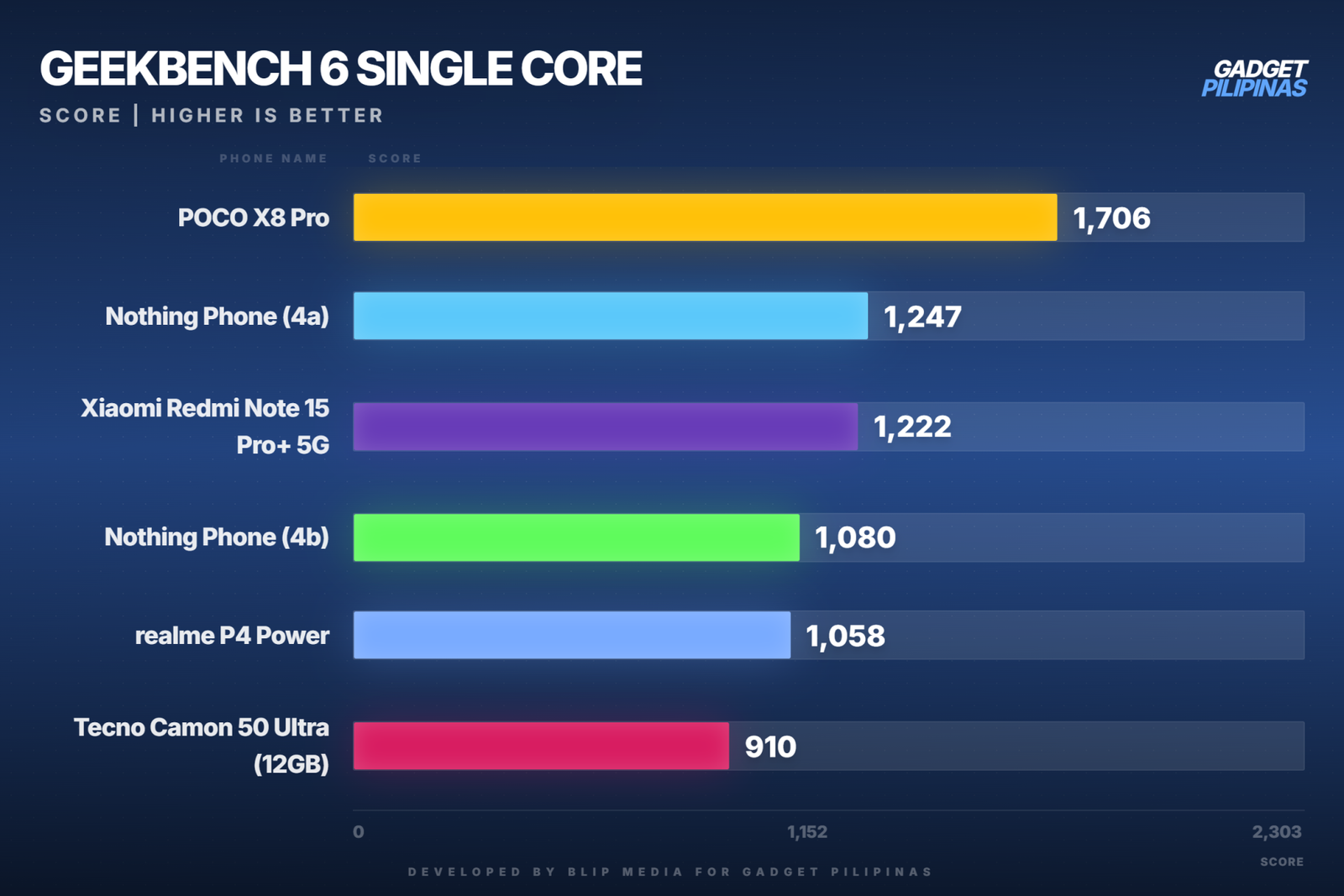
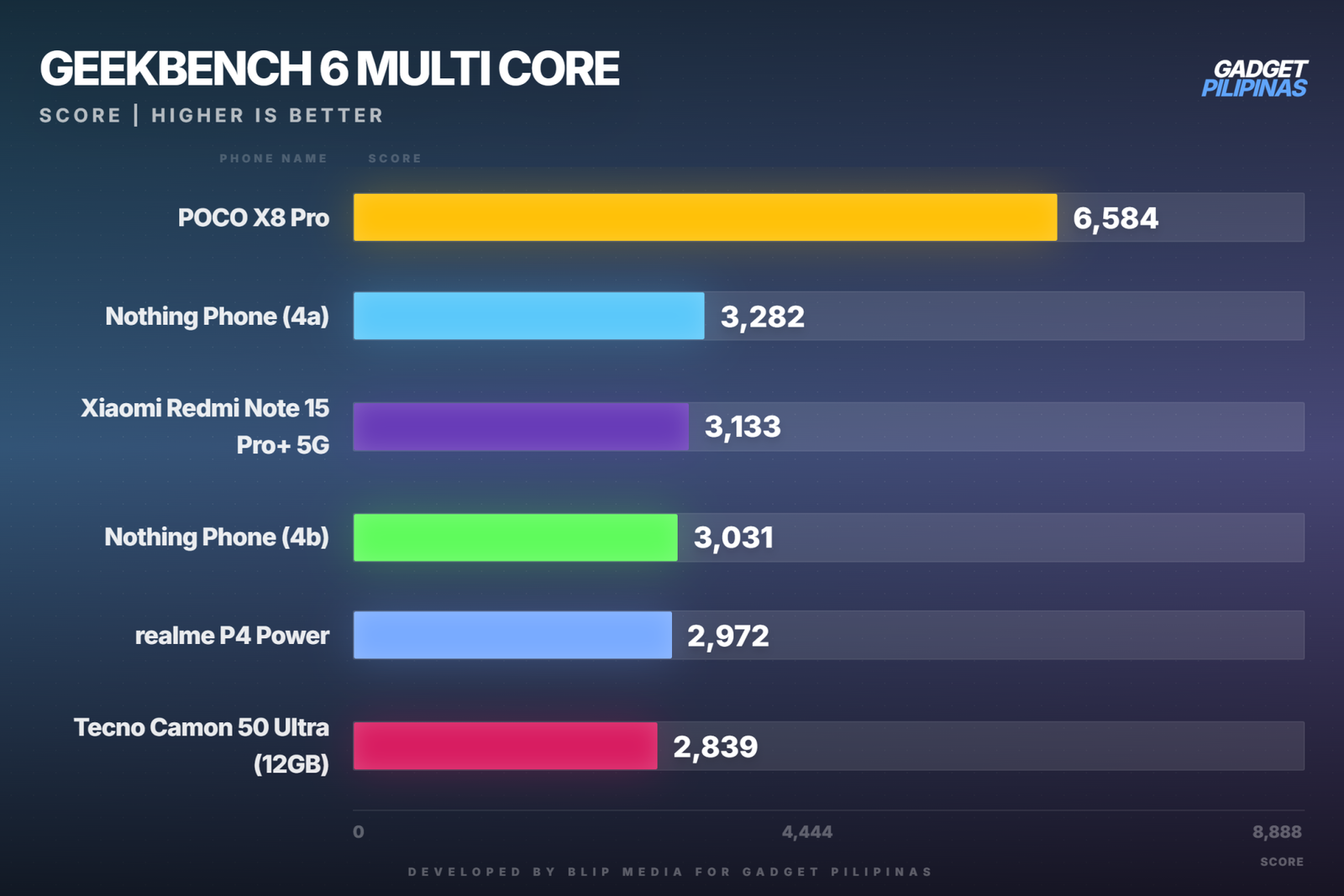
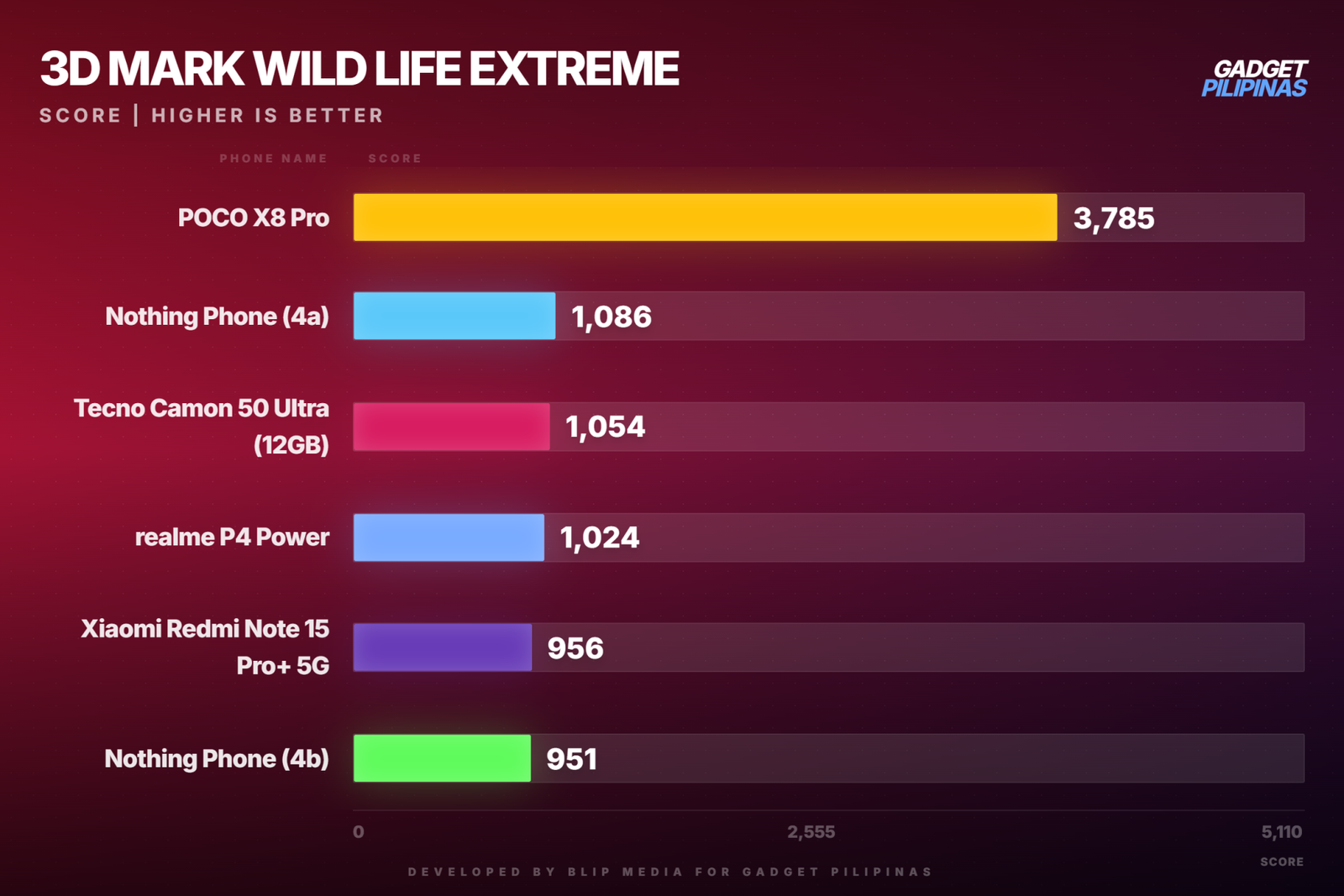
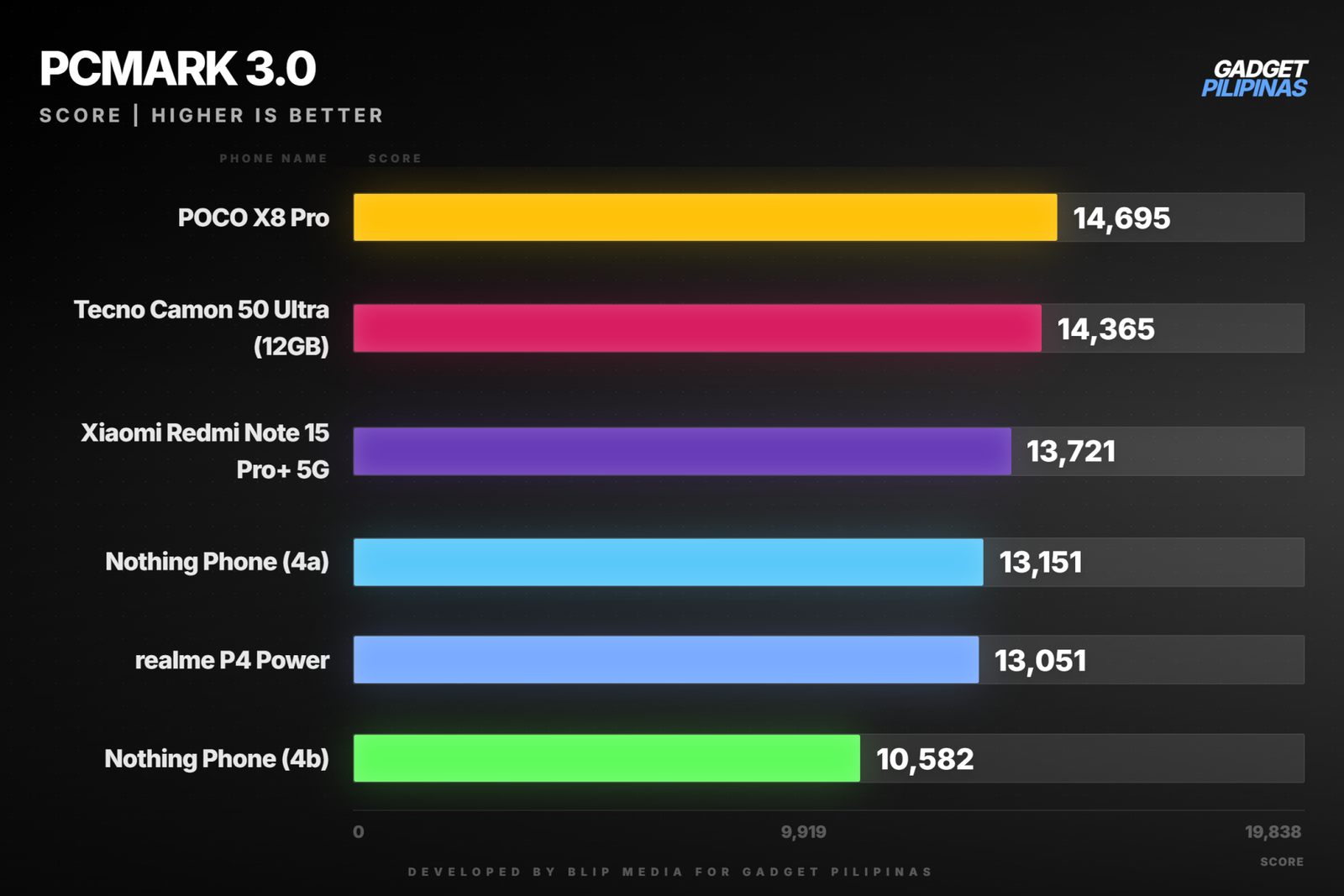
As seen in these scores, it’s clear that the Nothing Phone (4b) is able to keep up with a lot of its peers with about the same level of machinery, as well as its more expensive cousin the Nothing Phone (4a), being able to push the processor to a score of over 1 million even with just an 8GB+128GB storage capacity.
These scores also translate well into its day-to-day use, as I personally didn’t notice any hiccups, lag, or connection issues while switching back & forth through messaging apps, social media, video streaming, and gaming.
And speaking of gaming, the Nothing Phone (4b) is also well-equipped for that as it ran each of my usual games without any fuss.
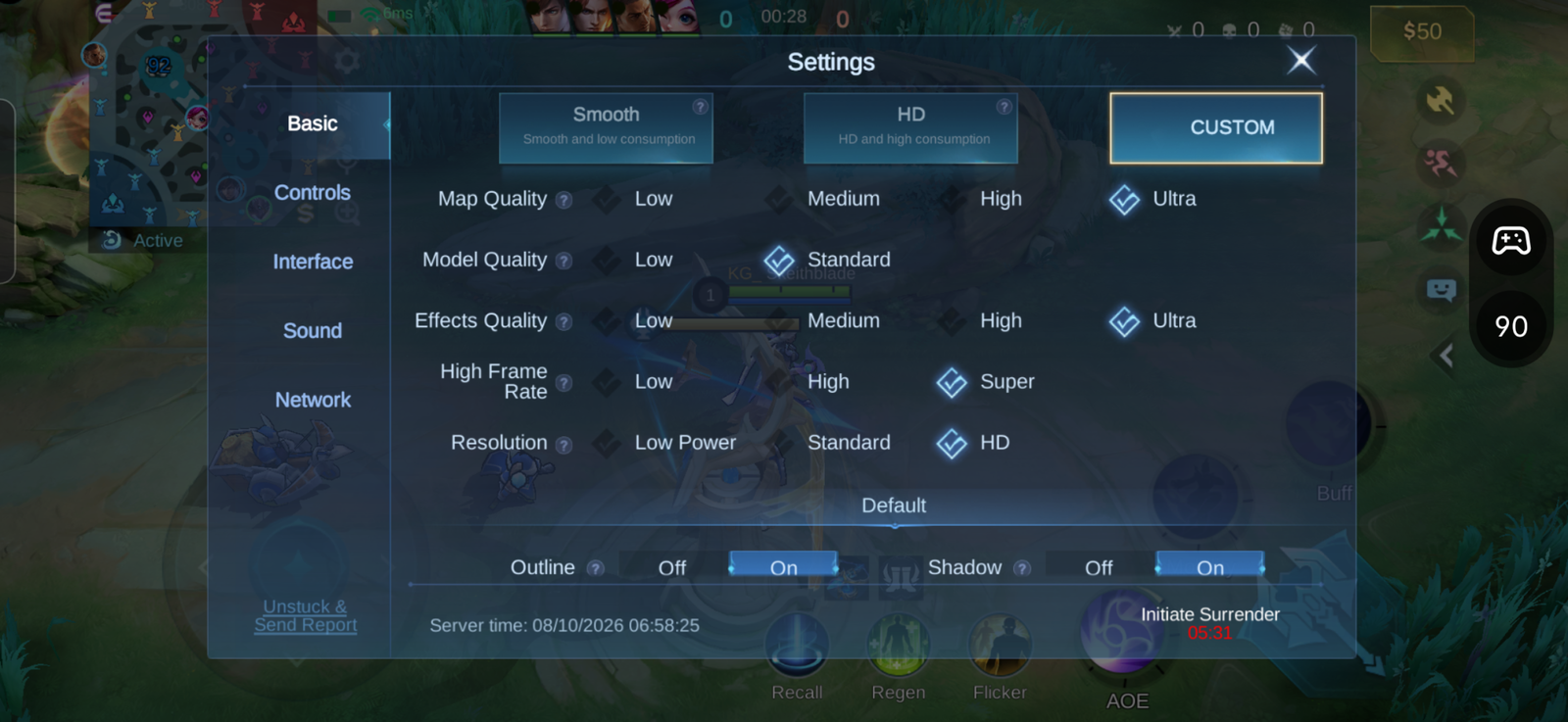
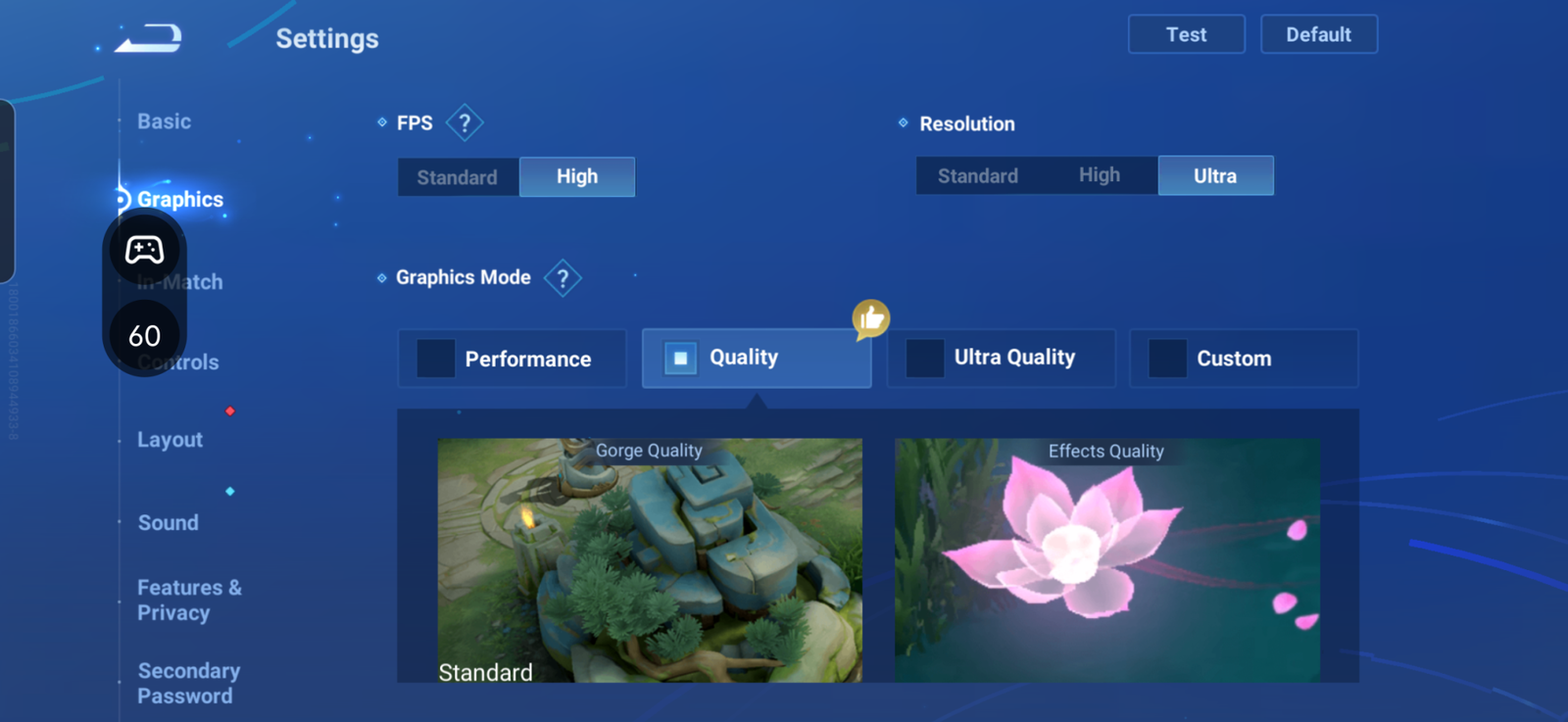
MOBA games like Mobile Legends, Honor of Kings ran smoothly at 90fps and 60fps respectively on high graphics settings.
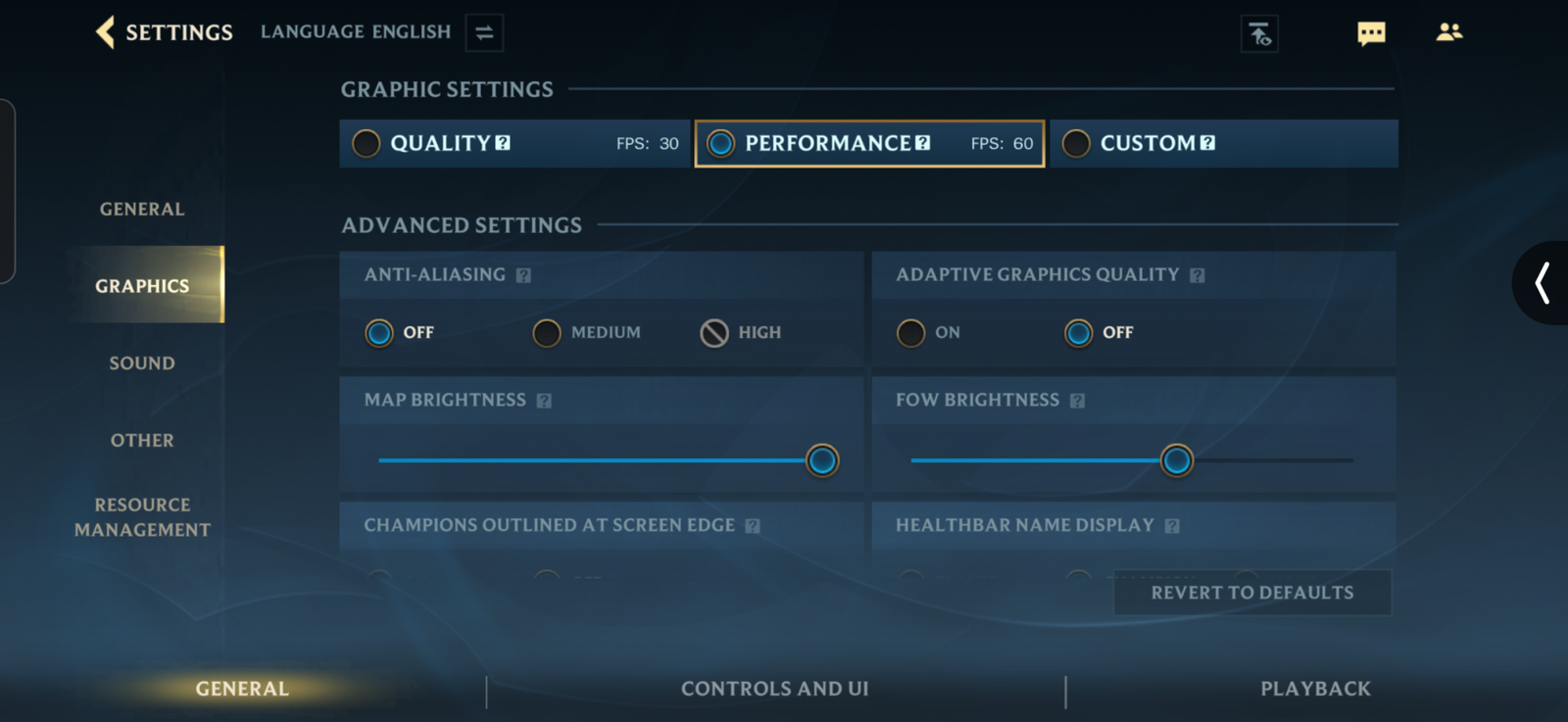
League of Legends: Wild Rift on the other hand defaults to its “Quality” setting, but its most optimal is “Performance” for a higher 60fps gaming without having to deal with high performance loss.
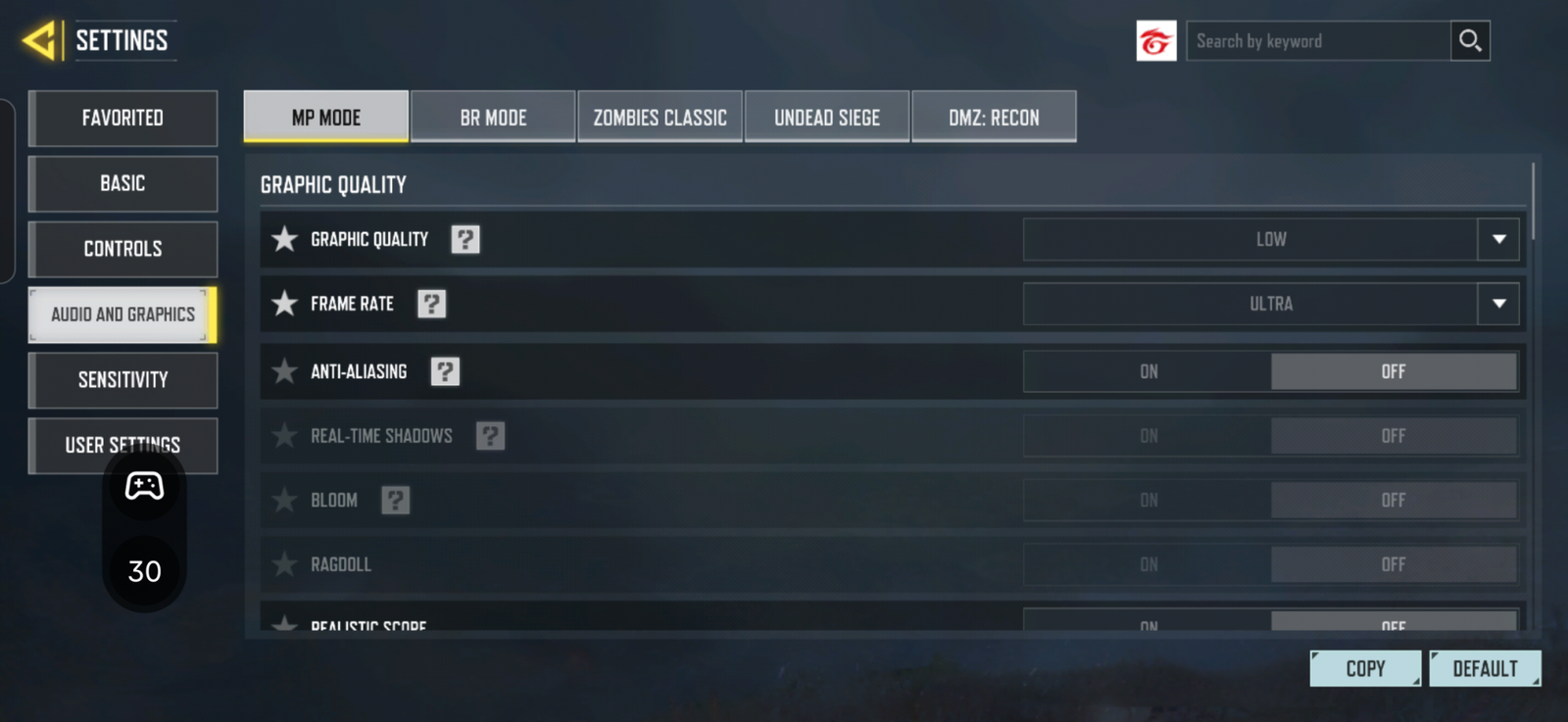
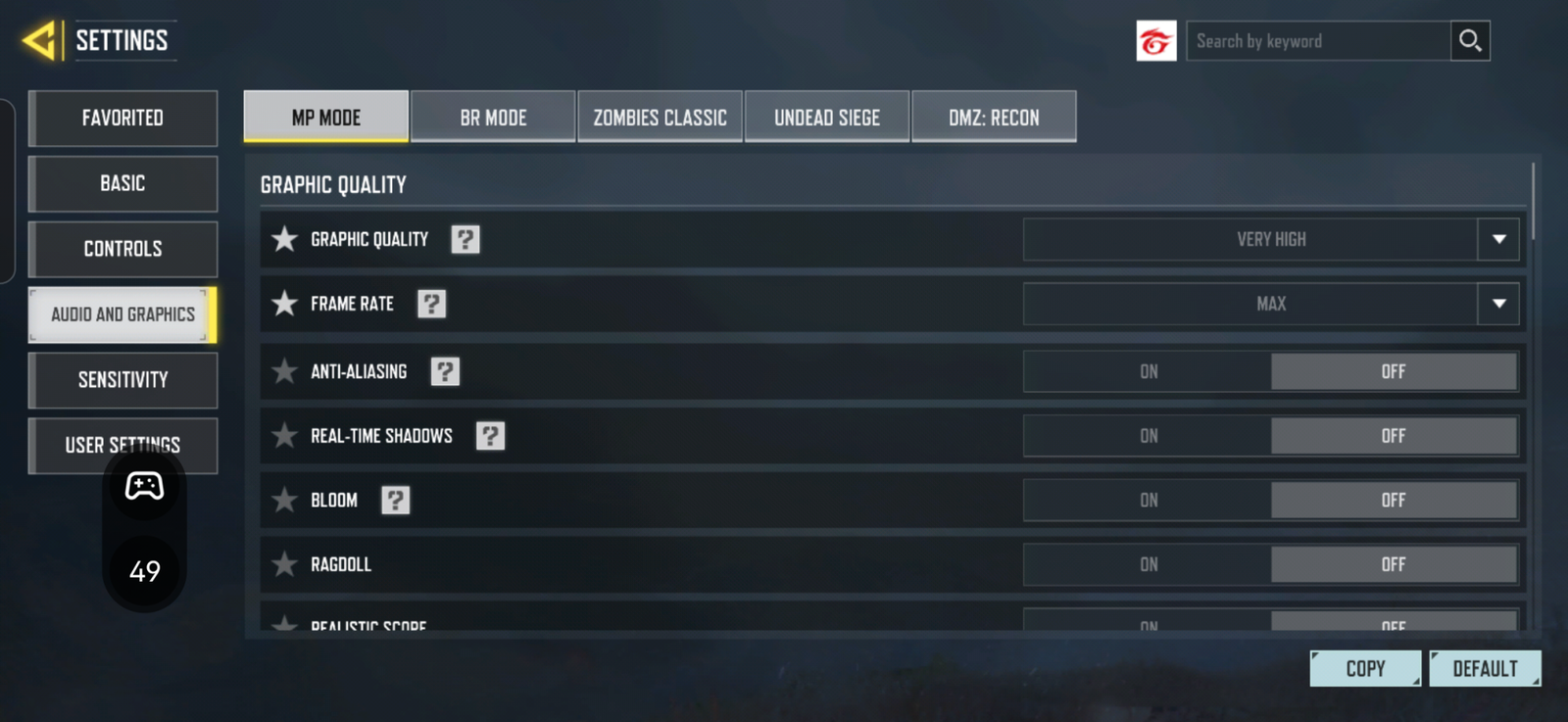
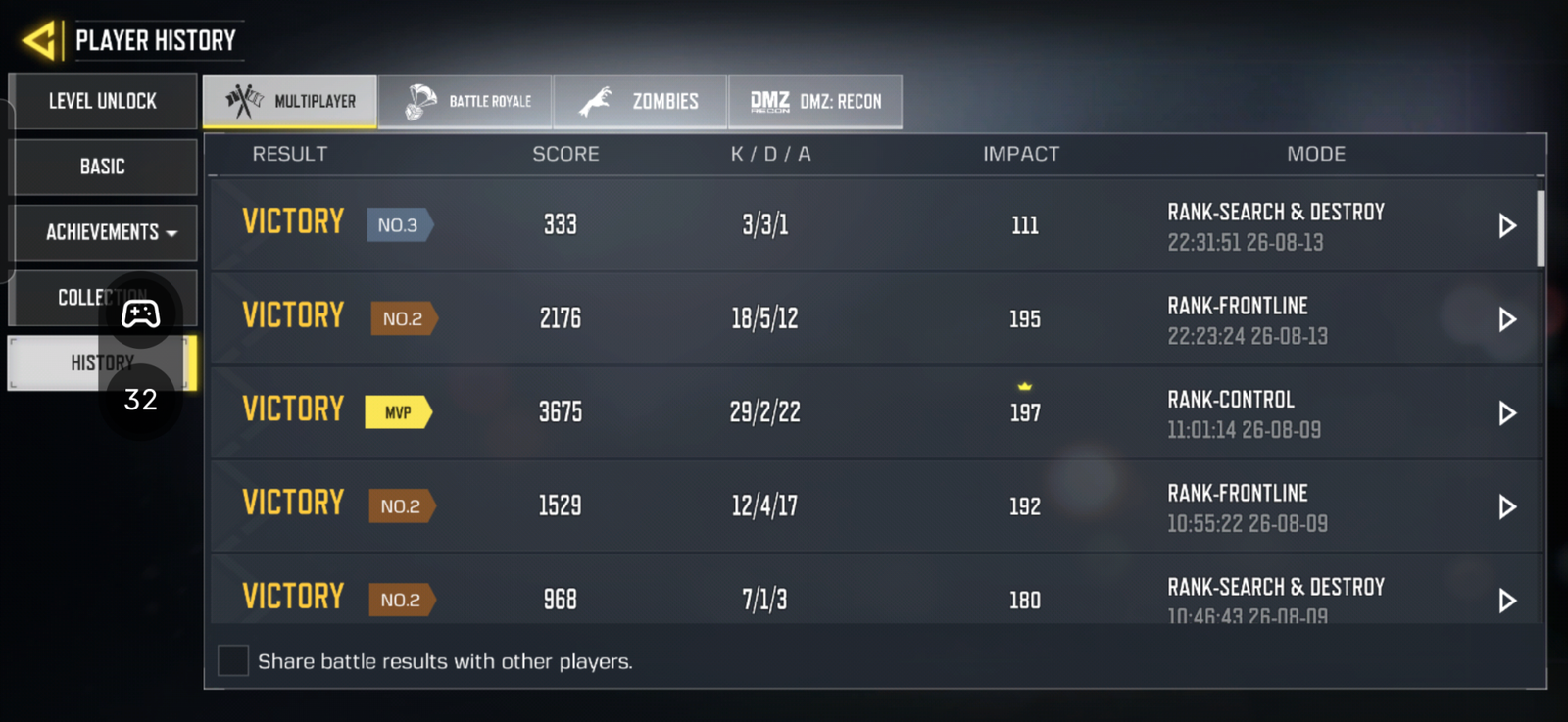
I was also happily able to run Call of Duty Mobile two different ways depending on my mood. The phone can pair Low Graphics with Ultra Frame Rate to cap at a stable 90fps, or combine Very High Graphics with Max Frame Rate for a stable 60fps. I was even able to get a pretty long ranked game win-streak with either one.
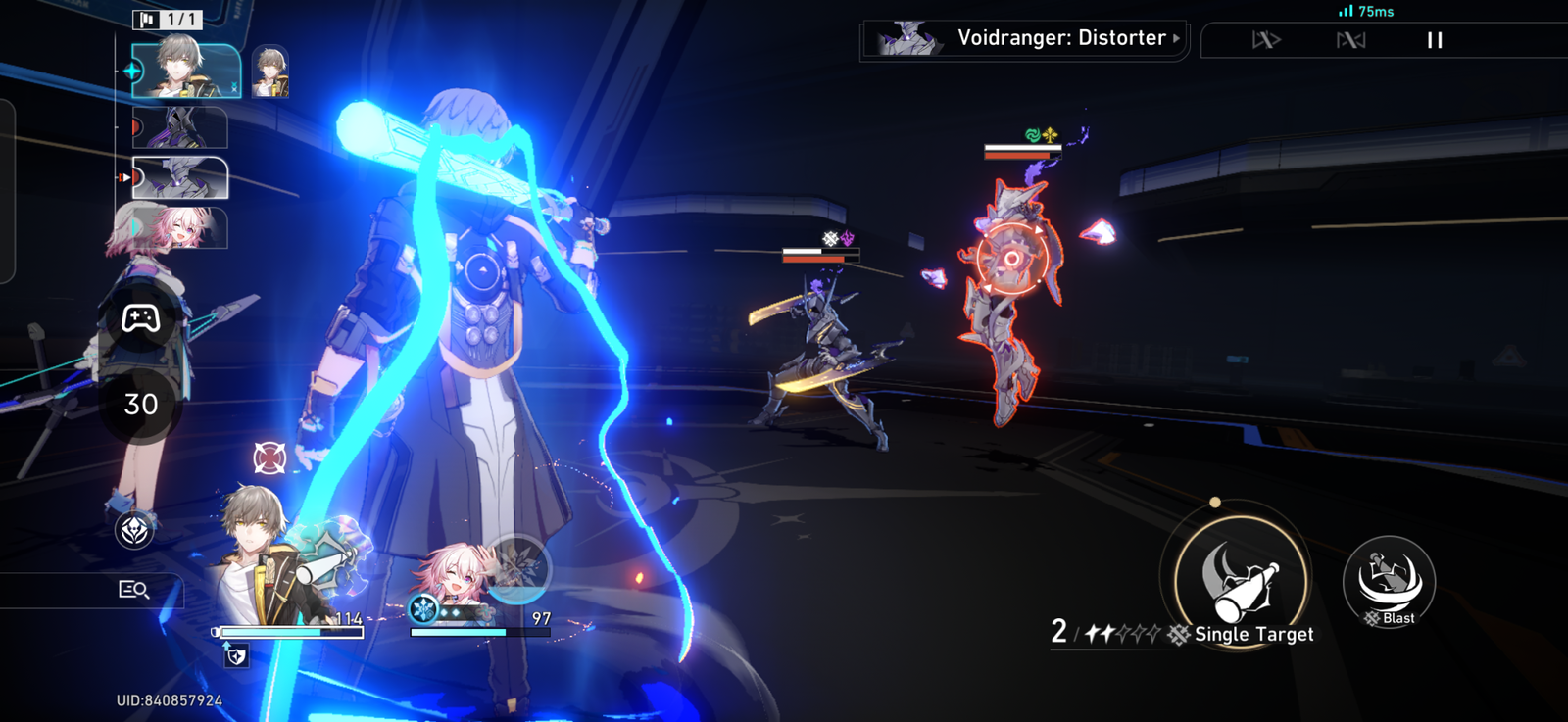
I even tried playing HoYoverse games like Genshin Impact, Honkai: Star Rail, Zenless Zone Zero, and Wuthering Waves and each of them were playable at their default low to medium settings at 30fps.
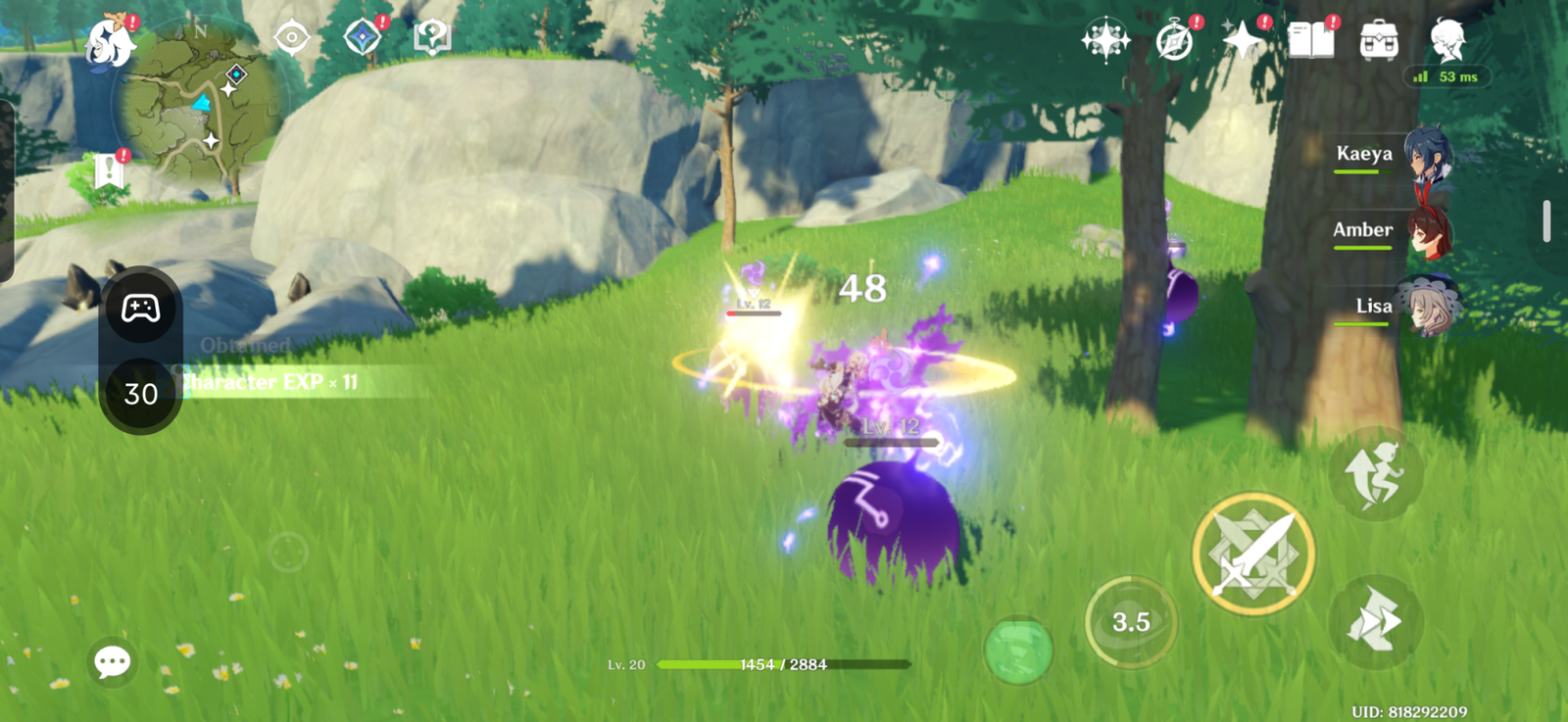
Temperatures across each game were comfortable for long sessions, thanks to its large 4,400mm² cooling system.
Battery & Charging
The Nothing Phone (4b) packs in a 5200mAh cell in its slim 8.6mm frame, and although that’s small in comparison to other models at its price point, the combination of its power efficient display, processing, and software optimizations more than makes up for it.
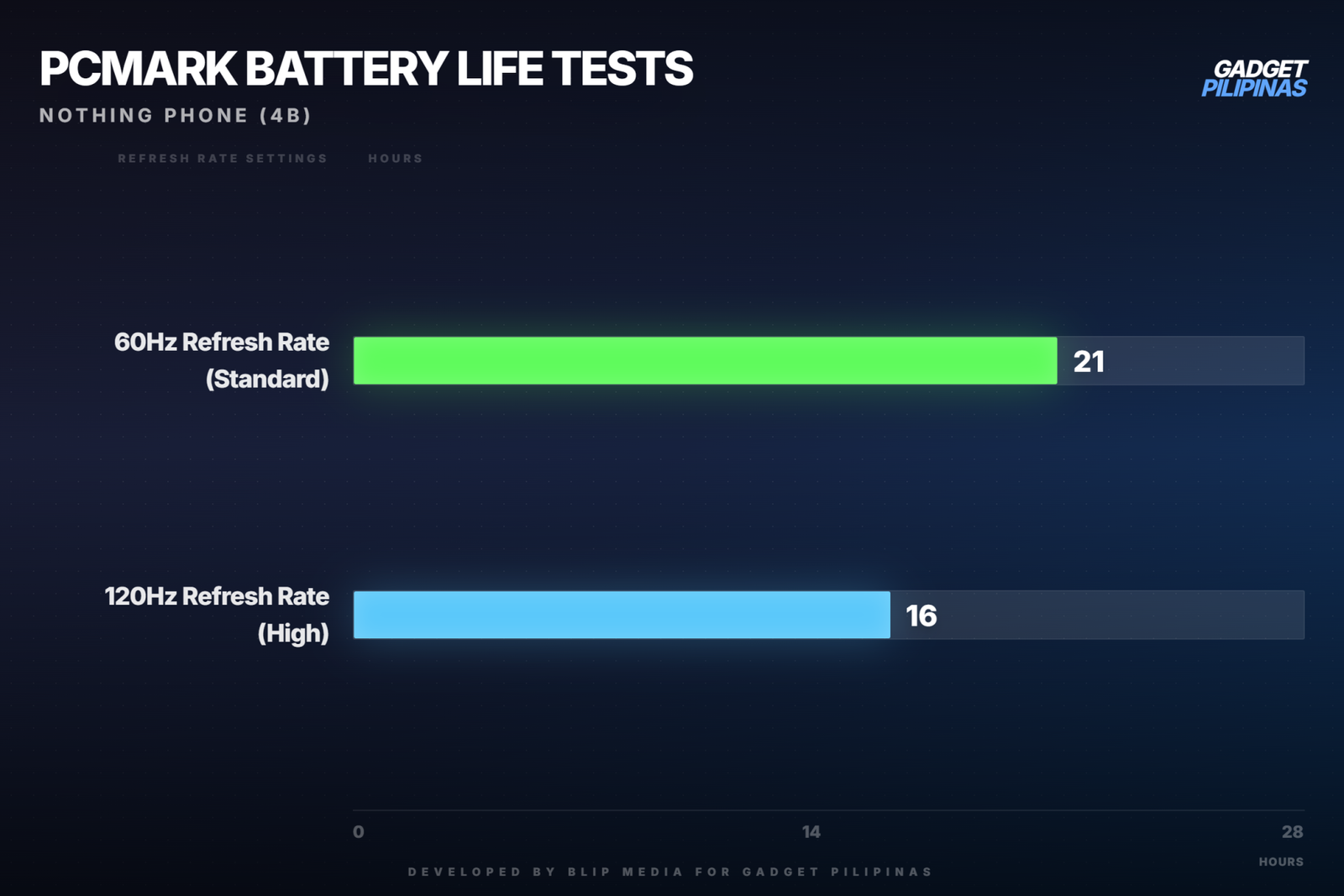
It’s PCMARK battery test scores with 50% brightness and 100% volume were 20 hours & 54 minutes with the refresh rate set to 60Hz, then 15 hours & 56 minutes when set to 120Hz.
Both results are pretty good for a 5200mAh battery, and this endurance was felt each day I used the phone.
It’s lasted me full days of use both while ‘stranded’ at home during the recent bad weather, as well as outdoors while commuting around Metro Manila, having at least 22 to 25% left before I went to bed at around 11:00 in the evening, which essentially means I can go through my day worry-free with just this phone in my pocket.
Topping up with 33W fast charging isn’t something to write home about, but it isn’t as bad as it seems. I got it from 1% to 50% in 39 minutes, 74% in an hour, 98% in 86 minutes, then 100% fully charged in 1 hour and 35 minutes. There’s also 7.5W wired reverse charging that it can do for charging other devices in dire situations.
Cameras
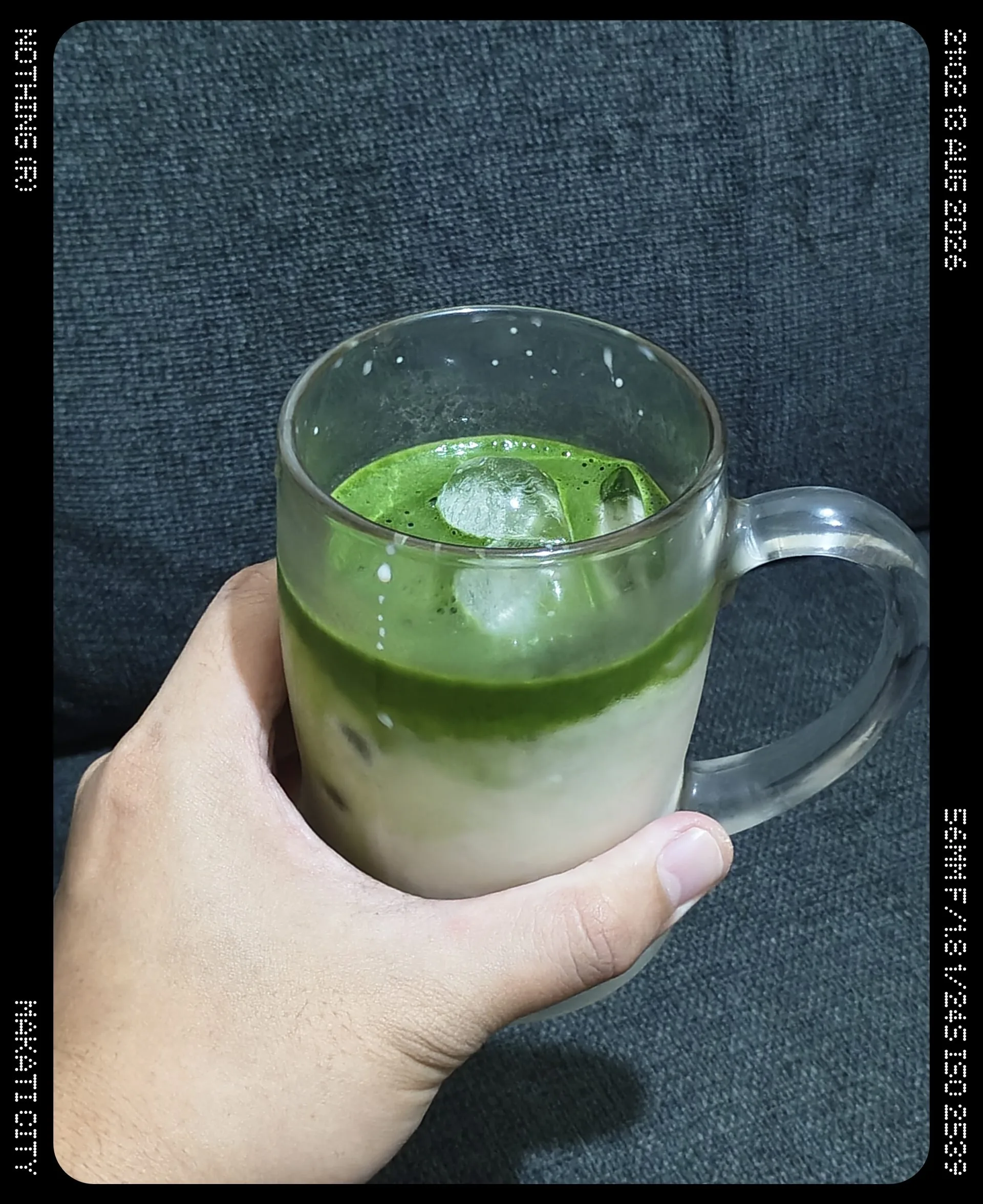
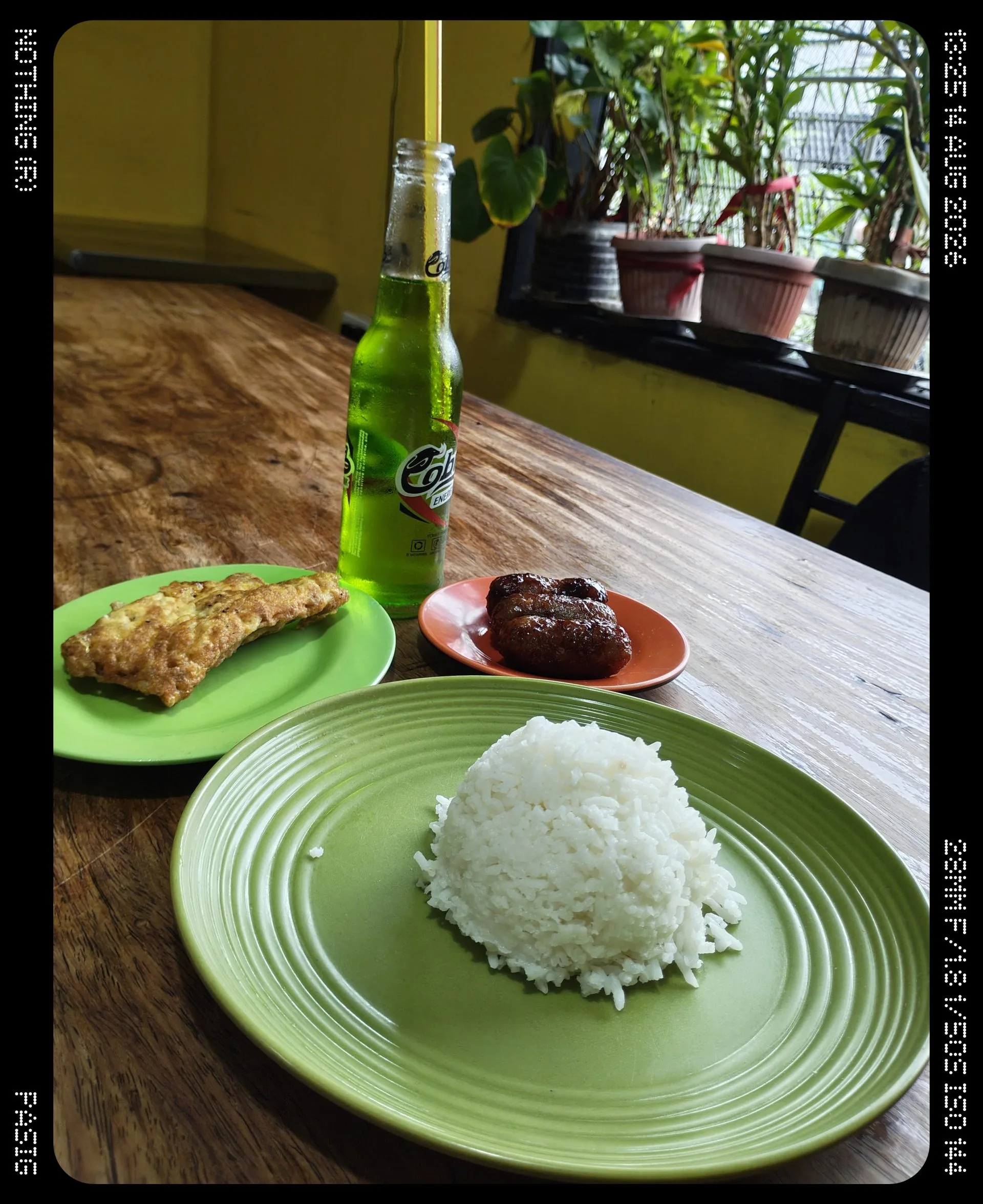
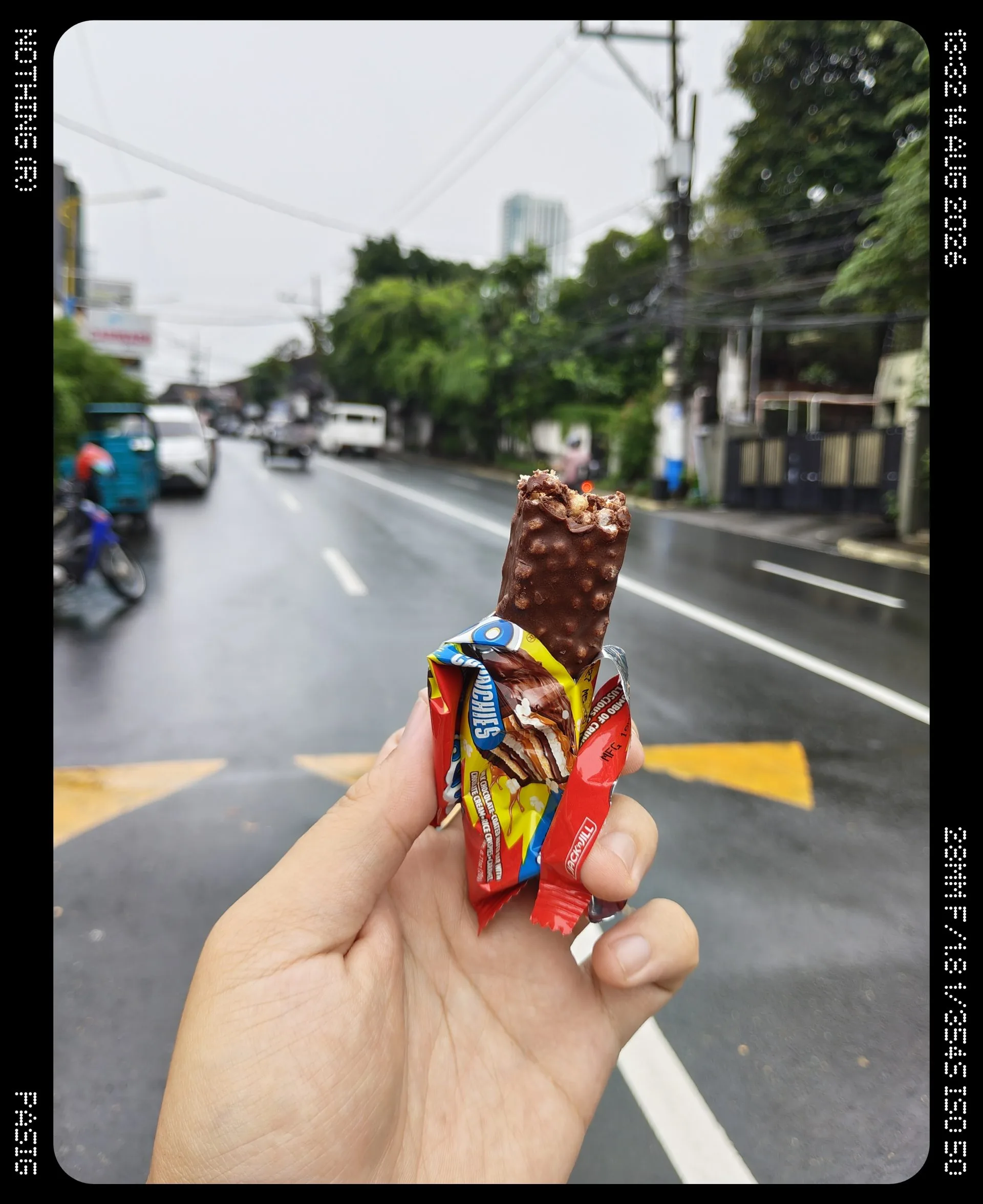
Something nice that Nothing did with the Phone (4b) is that they yet again gave only the essentials in the camera department. At the rear is a 50MP main shooter with OIS and EIS for stable shots, and a wide angle lens to use for a larger FoV. In terms of video, the main lens can also shoot 4K video when needed.
The front shooter at 16MP does its job well, and software tuning for all cameras are pretty fair at this price considering the rest of the hardware.









Nothing OS 4.1 and Other Features
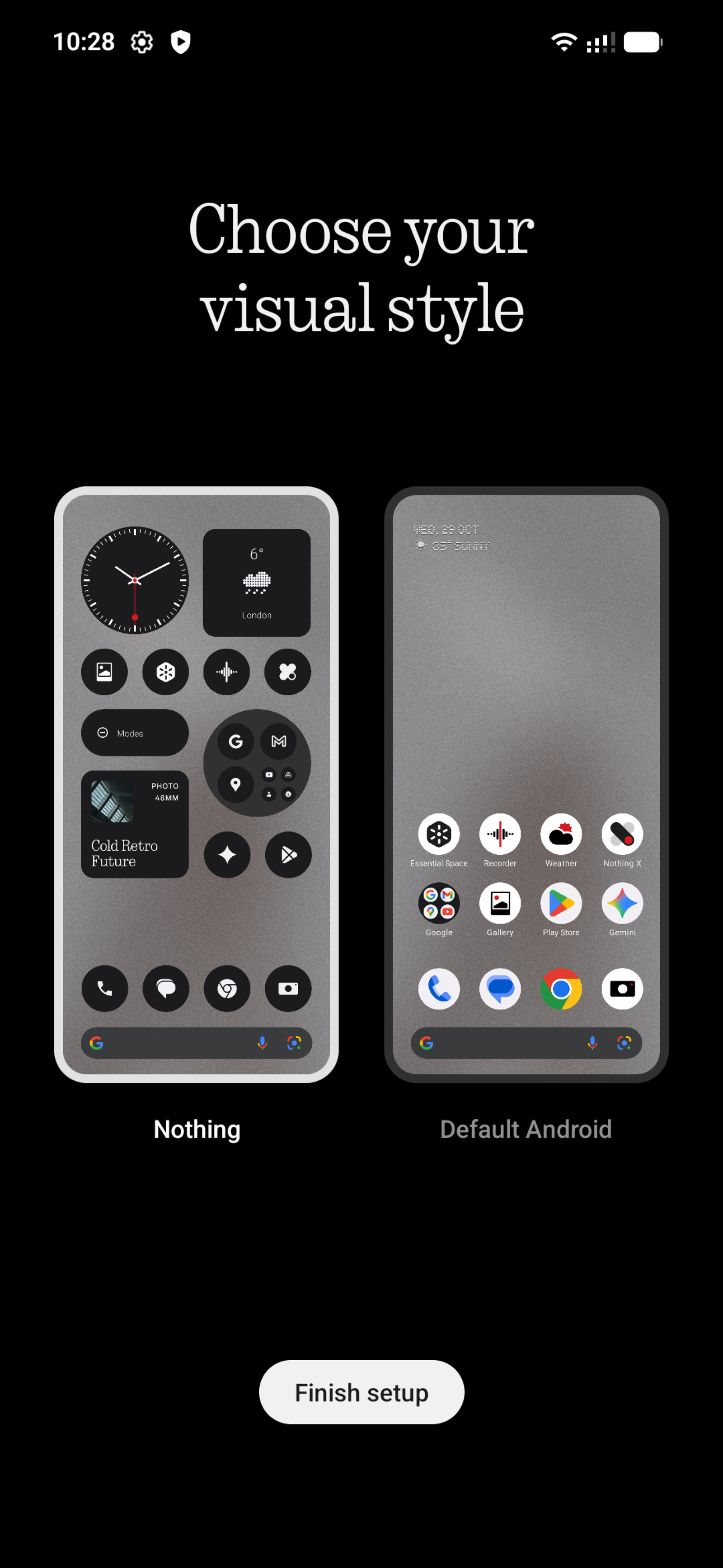
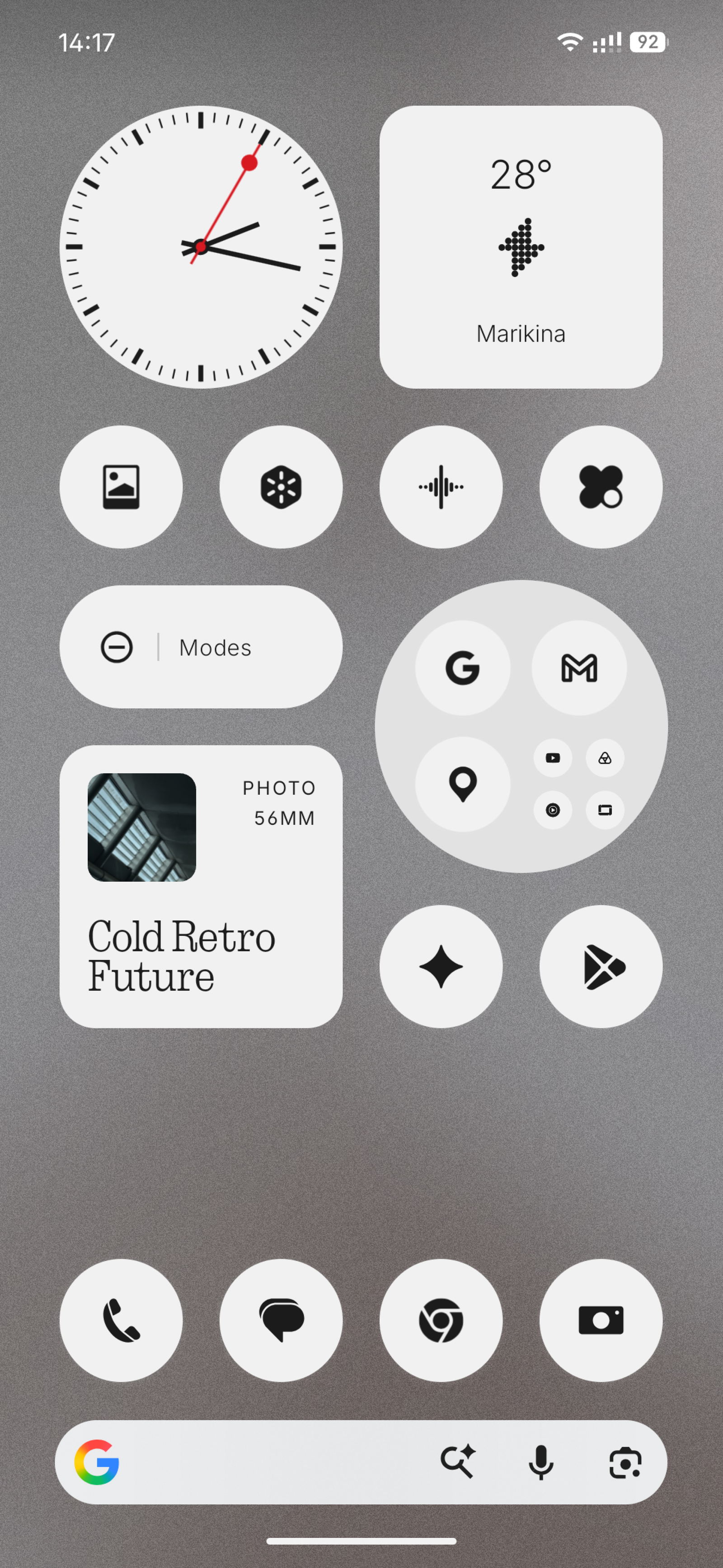
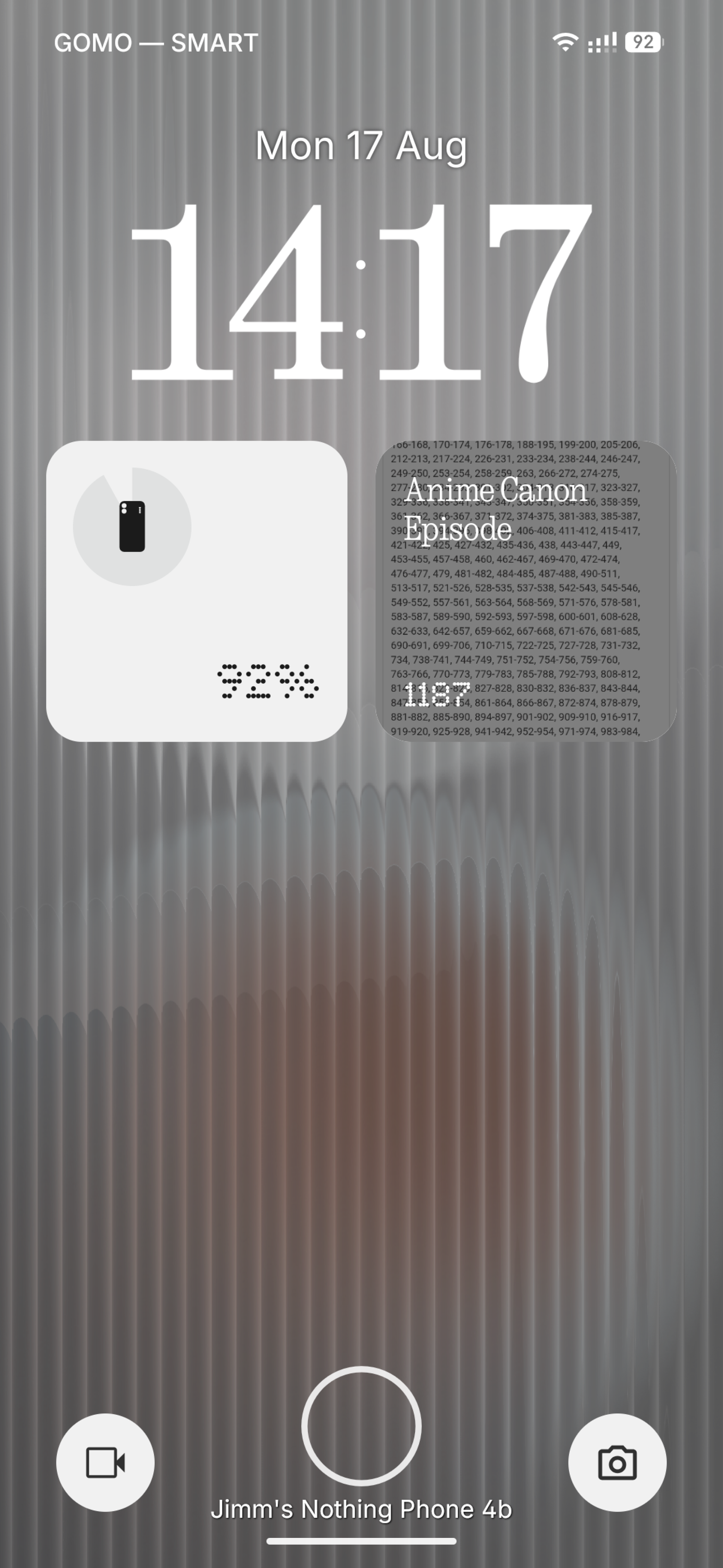
Nothing’s OS 4.1 did a good job in introducing me to the brand given its simple, well-thought approach to things. Icon packs turn monotone and stay white or black depending on if I have dark mode turned on or off. Bloatware is absent, and each feature from the Essential Space, to the AoD widgets, and the game manager were all straightforward and easy to understand.
The speakers are balanced, clear and crisp, so watching videos on YouTube and other apps are pleasant to do for hours, and the microphones work okay.
Storage I believe is the one thing that I can’t get behind on when it comes to this phone. 8GB RAM is sufficient enough for my heavy use cases, but the non-expandable 128GB internal storage makes it difficult to keep large-sized game apps installed when the photos, videos, and other files start to pile up.
Verdict
The Nothing Phone (4b) proves that a good product can be made when the essentials are done right. Each component looks to me like they were carefully selected in order to deliver the best possible experience to people with a specific budget in mind. They took a tested and proven processor, a properly calibrated display, paired with a large enough battery, fast enough charging, decent cameras for the price, and made them all tailor-fit each other with software. One thing I would look for in the next iteration is a microSD card slot to increase its usability.
Priced at Php 21,990 for an 8GB+128GB configuration, its only actual limitation falls back to its non-expandable internal storage, which is understandable considering the recent increase in costs for more of it. But for those people unlike me who only play 1 or 2 games, and only really mostly use the usual apps like Facebook, TikTok, YouTube, Canva, and the like, then that 128GB should be enough.
Nothing Phone (4b) Review: The right way to strip down to the essentials
Gadget PilipinasWhat we like
- Display is energy efficient, color accurate, has good viewing angles u0026amp; touch response, high refresh rate, and proper peak brightness.
- Clean user interface.
- No bloatware.
- Has a good number of years for software support.
- Processor has both power and energy efficiency. It also takes advantage of Wi-Fi 6 when available for much faster downloads.
- Intelligence toolkit and Essential Space are easy to understand and pretty useful.
- Speakers are loud and clear even if you cover any one of the sides.
- Temperatures when gaming stay low for added comfort.
- Build quality is solid u0026amp; design has character but isn't too loud.
Could improve
- Has only one 128GB storage option.
- Cameras are usable but can struggle especially in low light.
- Uses a 5200mAh battery in an age where others now have 6000mAh to 8000mAh.
- Its 33W charging is decent for the battery size, but slightly faster speed would better compensate for the 5200mAh cell.
Nothing Phone (4b) Spec Rundown
| Display | 6.77″ Super AMOLED Dragontail Pro Glass protection 1080 x 2344 resolution (381 PPI) Peak brightness at 2,000 Nits (600 typ., 1,200 outdoors) 120Hz adaptive refresh rate Up to 1,000Hz touch sampling rate 480Hz PWM frequency |
| Processor | Qualcomm Snapdragon 6 Gen 4 (4nm TSMC Process, up to 2.3GHz) Paired with a 4,400mm² cooling system |
| GPU | Adreno 810 |
| RAM | 8GB (LPDDR4X); with RAM Booster (2GB, 4GB, 8GB options that use storage to act as RAM) |
| ROM/Internal Storage | 128GB (UFS 2.2) |
| Rear Cameras | 50MP Main – f/1.8 aperture – 1/2.76″ sensor size – Records 1080p video at 30fps/60fps & 4K at 30fps – OIS & EIS 8MP Ultra-wide – f/2.2 aperture – 1/4″ sensor size – 119.5° field of view |
| Front Camera | 16MP – f/2.4 aperture – 1/3″ sensor size – 81.8° field of view |
| Battery & Charging | 5200mAh 33W charging 7.5W wired reverse charging Supports PPS / UFCS / PD / DCP / SDP / CDP |
| OS & Software Support | Nothing OS 4.1 based on Android 16 3 years of Android updates 6 years of Security patches |
| Colors | Black, White, Blue |
| Dimensions | Height: 164.4mm Width: 78.2mm Depth: 8.6mm Weight: 210 grams |
| Others | Dual Speakers 2 Microphones IP64 Dust & Water Resistance Optical fingerprint sensor Wi-Fi 6 support Bluetooth 6.0 |

Jimm Gayo
An avid fan of all things tech who started his journey in the smartphone industry. He is now taking on a new path to pursue his passion for tech in the form of writing, content creation, and expanding his knowledge while doing so.
View all articles →Related Reviews
 TECNO Camon Slim 5G Review: The Best-Looking CAMON Yet
 ROG Gjallar Review: ROG’s First Soundbar Gets the Priorities Right
 PLDT StreamTV+ Review: Cinema in a Box, at a Price
 LG PuriCare AeroMini Review: Small Purifier, Big Relief for Home Offices
 ANKER soundcore Liberty 5 Pro: Great ANC for calls and music
 REDMI Note 17 Pro Max Review: Titan Power That Goes the Distance