



DJI Mic Mini 2S – A more affordable Mic 3
The DJI Mic Mini 2S is not just a minor refresh of DJI’s compact wireless microphone line. It takes the lightweight, creator-friendly form factor of the Mic Mini 2 and adds features that matter in real production: onboard recording, 24-bit and 32-bit float capture, support for up to four transmitters, and a more flexible set of bundle options.
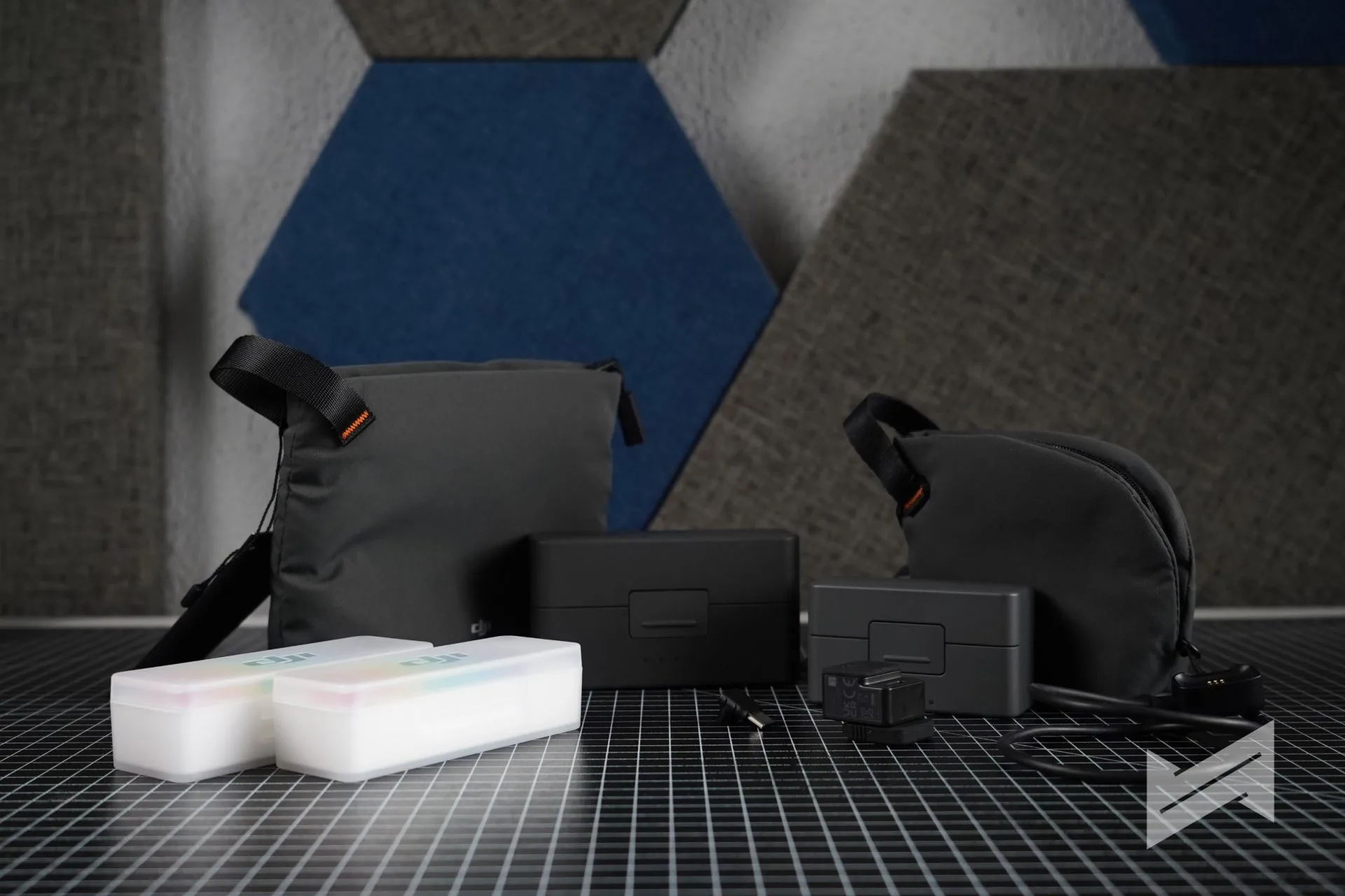
I tested both the DJI Mic Mini 2S 2TX combo and the 1TX mobile combo. That matters because these are not simply different box contents. They are aimed at different kinds of creators. One is a full production kit for cameras, interviews, and multi-person shoots. The other is a leaner solution for creators who mostly shoot on a smartphone and need a microphone they can bring anywhere.
At PHP9,990 for the 2TX + 1RX + Charging Case kit, the Mic Mini 2S lands in a particularly competitive spot. It brings 32-bit float onboard recording to a compact two-transmitter system without pushing into the price territory of DJI’s flagship Mic 3.

Specs to remember
The DJI Mic Mini 2S is designed around small, lightweight transmitters that can be worn with a clip or attached magnetically. Each transmitter includes about 14.5 GB of internal storage and supports both 24-bit recording and 32-bit float recording. DJI rates the storage at roughly 28 hours of recording in 24-bit mode or about 22 hours in 32-bit float mode.
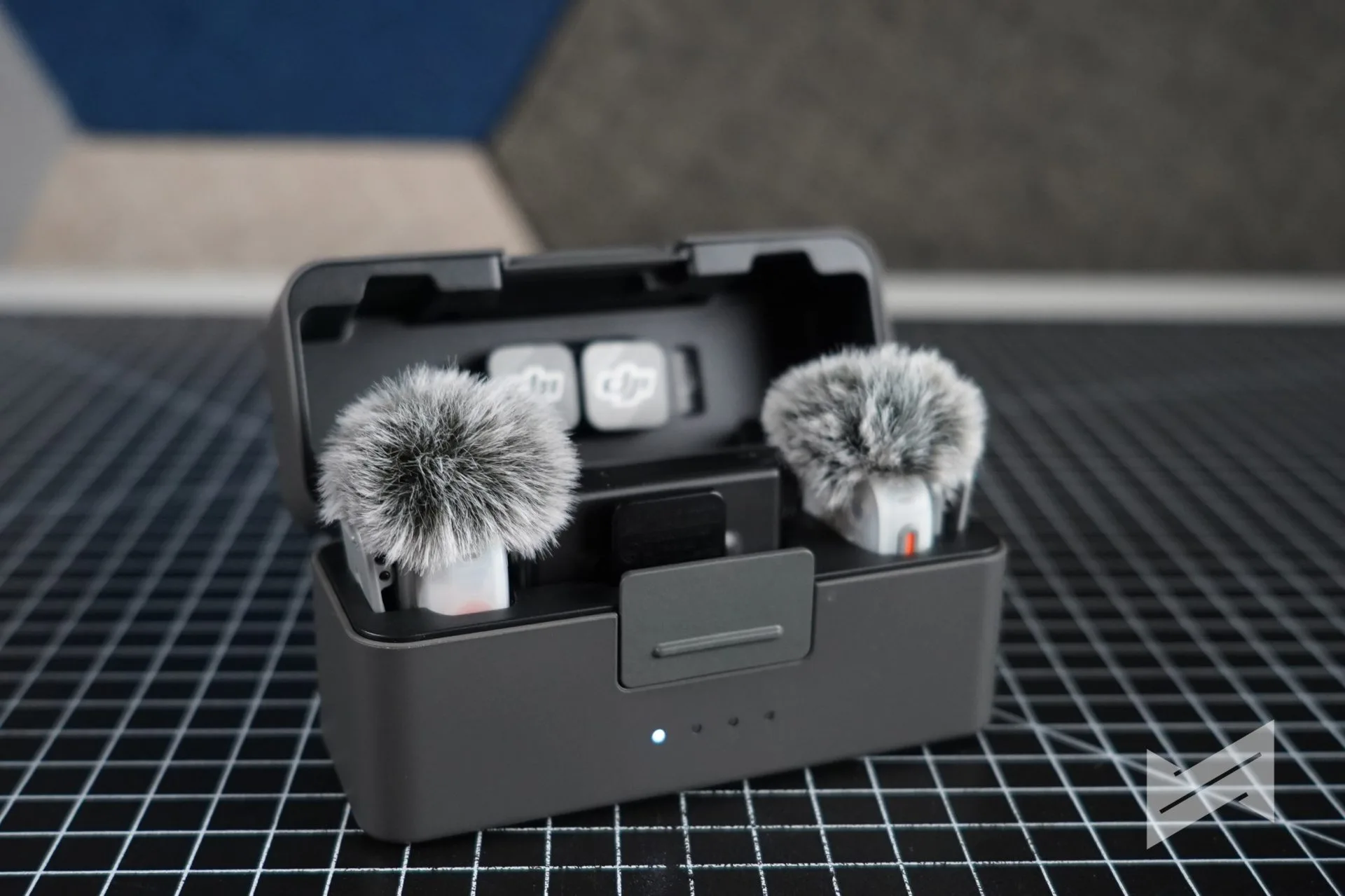
The 2TX combo includes two transmitters, one camera receiver, and a charging case. The system can support up to four transmitters connected to one receiver, including compatible DJI Mic Mini 2 and original Mic Mini transmitters. That makes the Mini 2S more useful for podcasts, roundtables, interviews, and small productions where two microphones are not enough.
The Mini 2S also offers Basic and Strong noise-reduction modes, while the transmitters provide haptic confirmation when recording starts or stops. DJI lists up to around 11 hours of use for each transmitter and about 10 hours for the receiver; the charging case brings the total system endurance to up to 40 hours under DJI’s stated test conditions.
2TX and 1TX variants
The DJI Mic Mini 2S 2TX combo is the version to get if your work includes mirrorless cameras, professional video shoots, interviews, coverage work, podcast recording, or any production where you regularly mic more than one person. It includes the standard receiver for cameras and other devices, two transmitters, and a charging case.
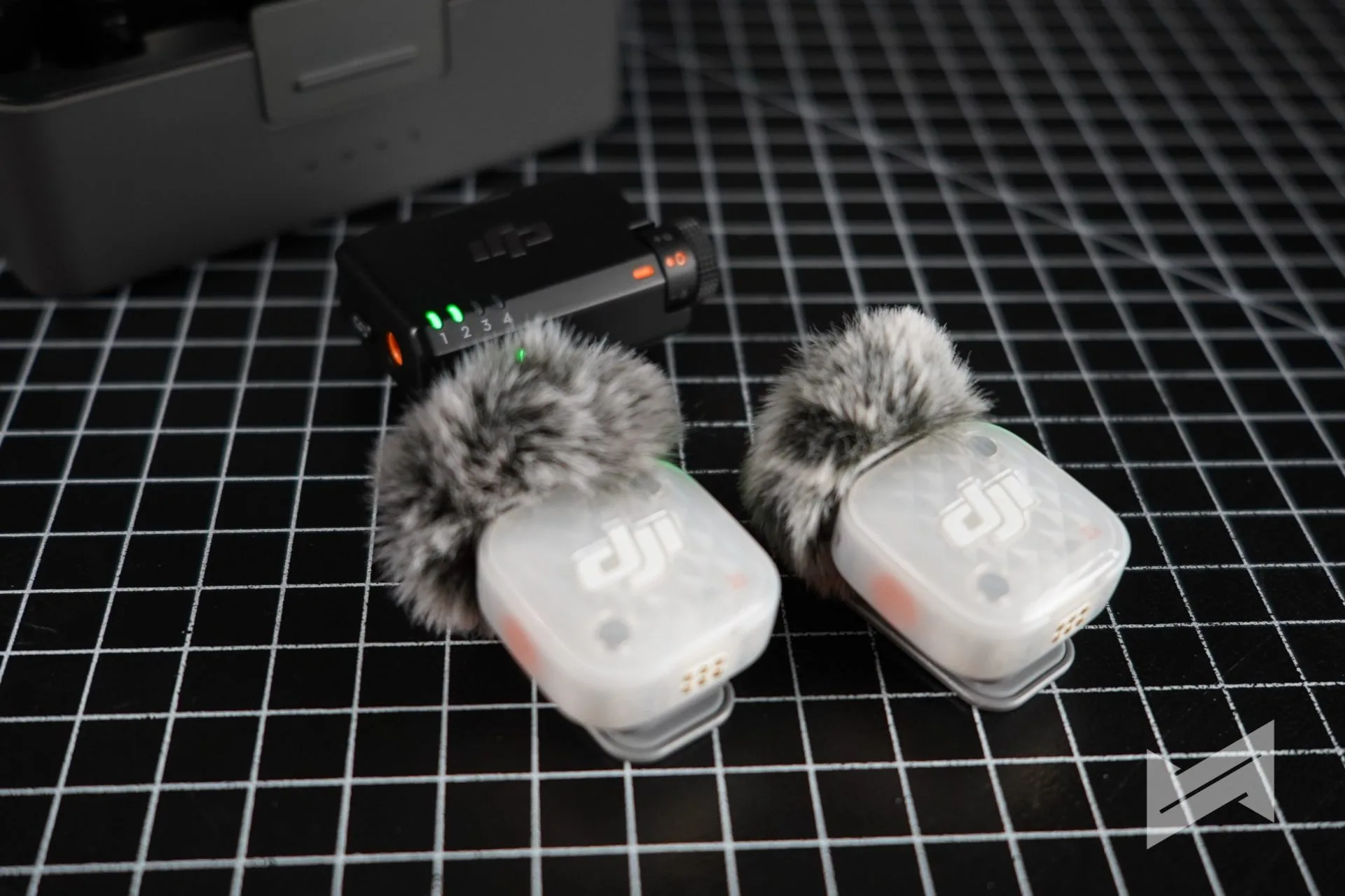
The practical advantage is simple: you can capture two speakers from the start, then expand later if you need more coverage. Since the Mini 2S receiver supports up to four transmitters, a two-person interview kit can grow into a four-host podcast or a small panel-discussion setup without changing to an entirely different wireless ecosystem.
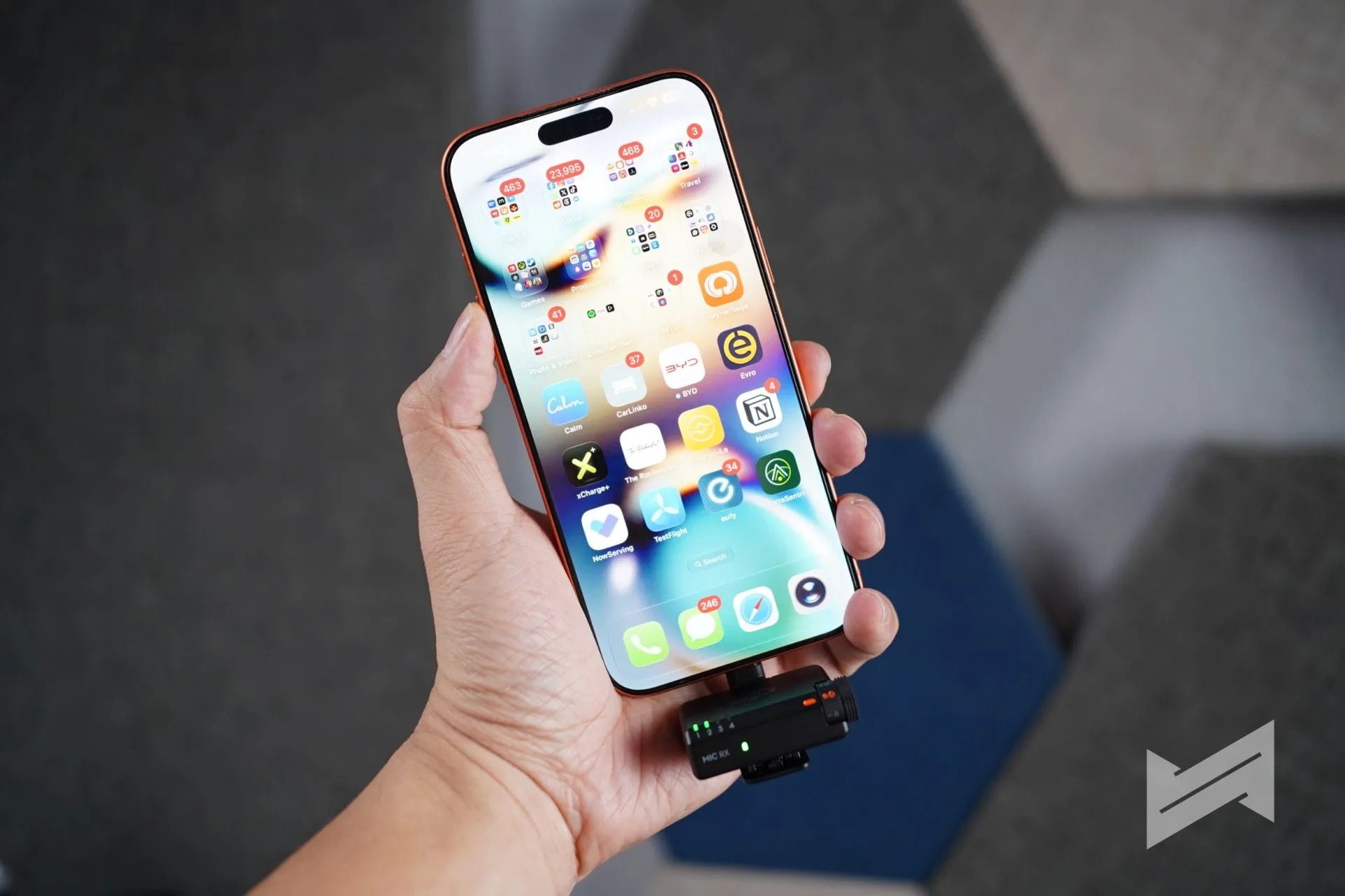
The DJI Mic Mini 2S 1TX + Mobile RX combo is much more focused. It includes one transmitter, one USB-C mobile receiver, and a charging case. It does not include the standard camera receiver, so it is not the ideal starting point for creators who expect to connect directly to a camera. But for smartphone-first production, that limitation is part of its appeal.

For someone shooting TikToks, Reels, YouTube Shorts, quick product impressions, event updates, or walking-and-talking content using a USB-C smartphone, the mobile kit is a clean and practical setup. Plug in the compact mobile receiver, clip or magnetically mount the transmitter, and start recording. There is no need to carry a full camera receiver when your phone is your main production device.
This creates a more sensible buying decision than a one-size-fits-all bundle. A solo creator can spend less and get the tool they actually need. A reviewer, videographer, production crew, or podcast host can start with the full kit and add transmitters later when the work demands it.
Other available variants
DJI also lists a 1TX + 1RX package, priced similarly to the mobile kit at PHP5,700. This makes more sense for a solo creator who shoots with a camera, computer, or mixed-device setup but does not yet need a second transmitter.
There is also a standalone DJI Mic Mini 2S transmitter at PHP3,790. This is the important expansion option for creators who begin with the 2TX kit but later need three or four microphones for a podcast, live interview, discussion show, or event coverage setup.
| Variant | Included hardware | Best for | SRP |
|---|---|---|---|
| 2TX + 1RX + Charging Case | Two transmitters, standard receiver, charging case | Cameras, interviews, two-person productions, expandable multi-person work | PHP9,990 |
| 1TX + 1RX | One transmitter and standard receiver | Solo creators using cameras or computers | PHP5,700 |
| 1TX + Mobile RX + Charging Case | One transmitter, USB-C mobile receiver, charging case | Smartphone-first creators and on-the-go production | PHP5,700 |
| Standalone transmitter | One transmitter | Expanding an existing Mini 2S system to three or four speakers | PHP3,790 |
The bundle structure is one of the Mic Mini 2S’s strongest points. It gives buyers a path that matches their actual shooting style instead of forcing mobile creators to pay for camera hardware they may rarely use.
Recording features
The headline feature is onboard recording. The original Mini line was built around wireless transmission, but the Mini 2S records directly inside each transmitter. This is valuable for any shoot where wireless interference, accidental disconnection, or an incorrect receiver setting could compromise the main recording.
The transmitter supports both 24-bit and 32-bit float files. For controlled shoots, 24-bit is still a practical format with strong quality and longer storage time. But 32-bit float is the safety net. It gives editors much more flexibility when someone suddenly speaks too loudly, when a product presenter raises their voice during a demo, or when a subject begins quietly and then becomes more animated.
The receiver can also work in mono, stereo, four-channel, and safety-track output modes. Mono is useful for direct-to-camera workflows, while stereo keeps two speakers separated for editing. Four-channel output becomes relevant once you add more transmitters. Safety Track is a sensible option when you want a lower-level backup alongside the main audio track.
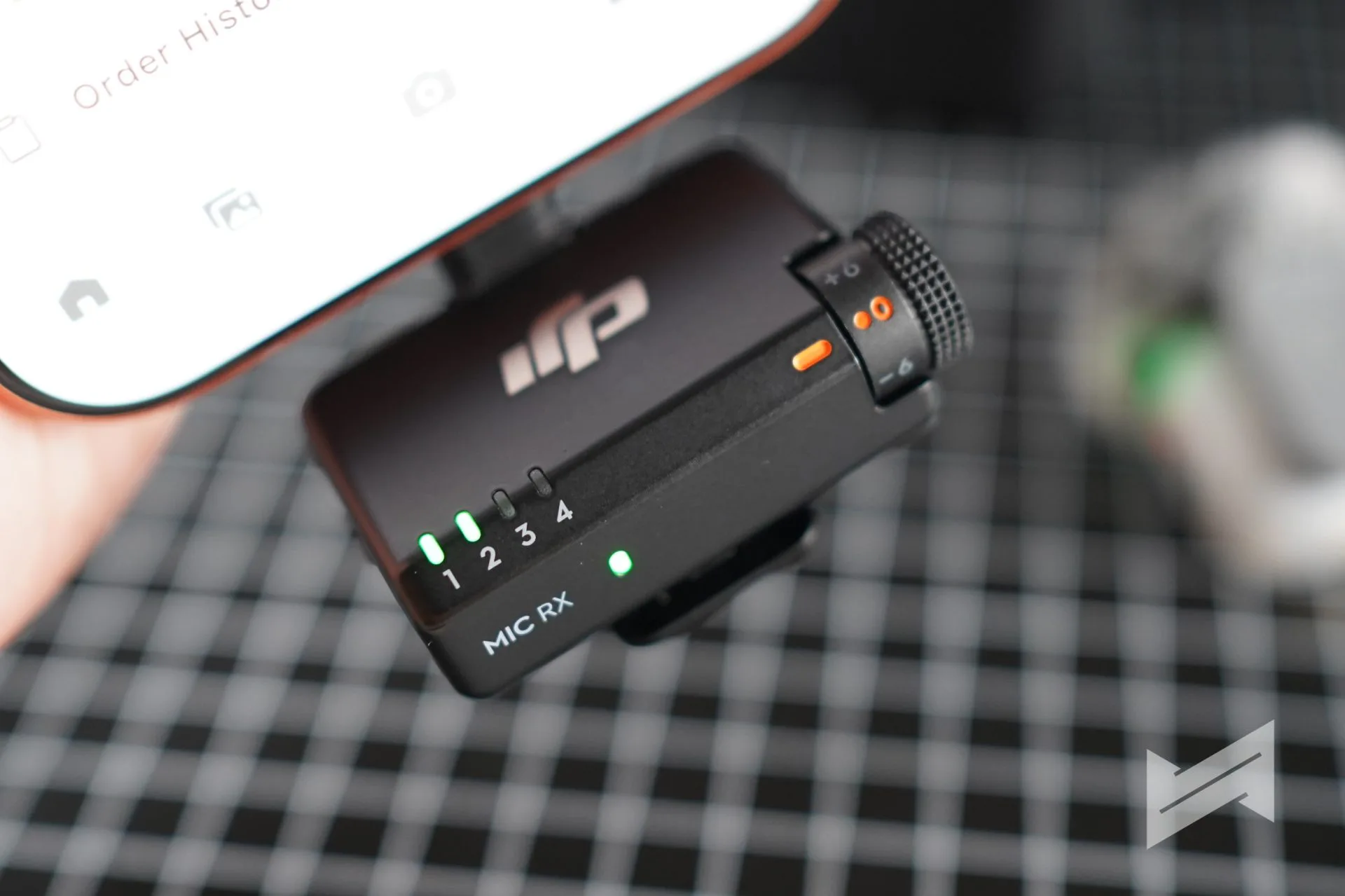
The Mini 2S includes Basic and Strong noise reduction. Basic is the setting I would use in most normal creator situations, such as a home studio, an office, a convention floor with manageable background sound, or a quiet café. Strong is more aggressive and can be useful outdoors or in louder environments, though it is worth listening for processing artifacts before relying on it for a critical recording.
Recording quality
The sample clips cover the settings most creators will realistically want to test before committing to a microphone. They include voice-tone presets, zero-gain recording, Basic and Strong noise reduction, noise reduction disabled, safety-track recording, clipping control, low-cut filtering, and 32-bit float capture.
The three voice-tone options are Regular, Bright, and Rich. Regular is the neutral baseline and should be the best starting point for most review videos, interviews, and spoken segments where you want the least processed sound. Bright can help bring more presence to a voice, particularly if the speaker sounds slightly soft or lacks upper-frequency detail. Rich adds more body and can make some voices sound fuller, though it may not be the right fit for every speaker or every mix.
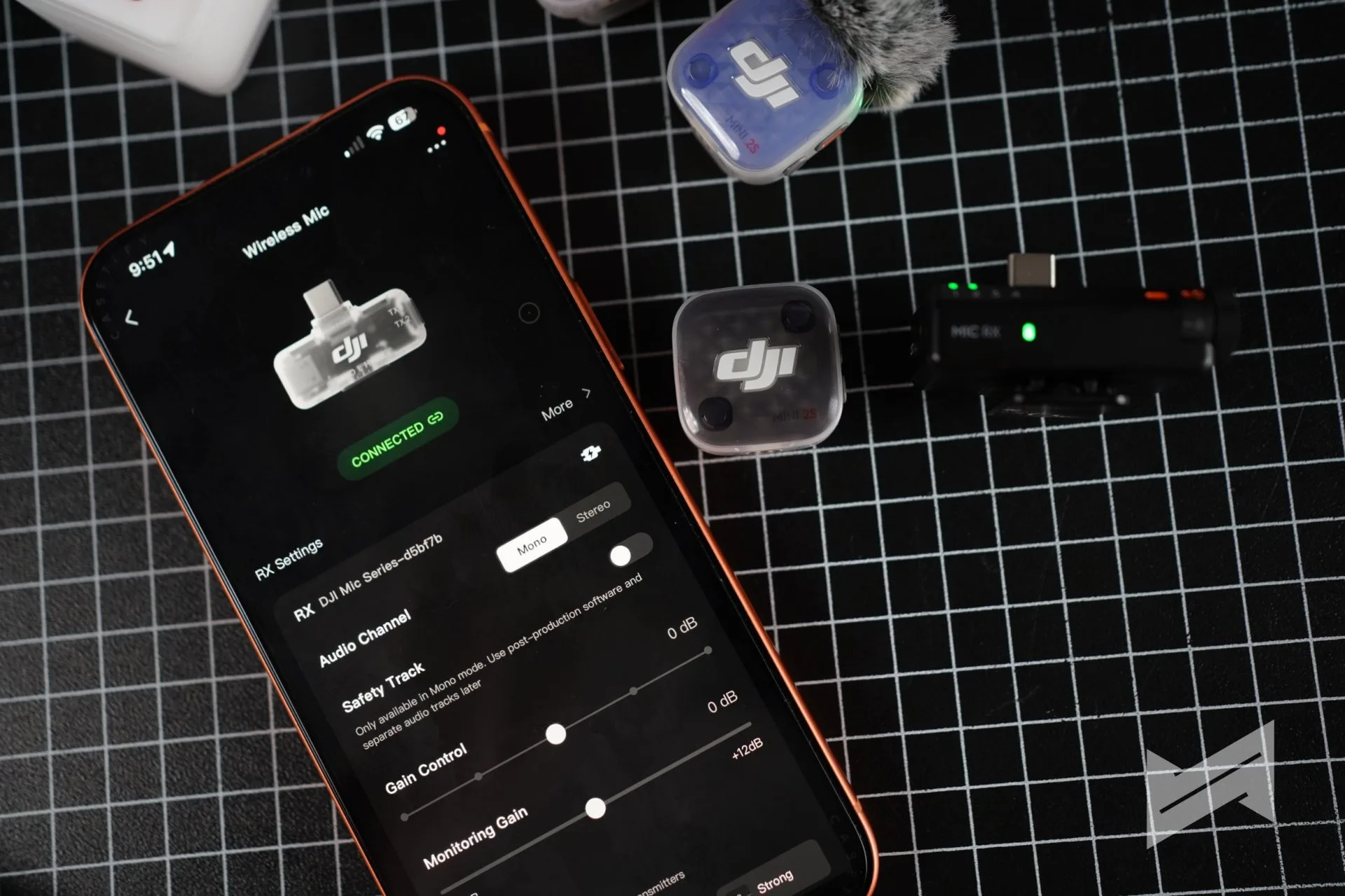
The included clips also make it easier to hear the trade-offs of noise reduction. With noise reduction disabled, you get more of the room, ambience, and natural background detail. Basic noise reduction is likely to be the practical default for most production work because it reduces distraction without being overly aggressive. Strong noise reduction is best treated as a problem-solving option for loud spaces rather than a setting to leave on at all times.
The Low Cut and Clipping Control test is also useful. Low cut can reduce low-frequency rumble from air-conditioning, traffic, handling, wind, or vibration. Clipping Control is particularly relevant when recording unpredictable speech or demonstrations, where a sudden increase in volume can overload a conventional recording path.
For the best results, I would treat 32-bit float as insurance rather than an excuse to ignore gain staging. Set a sensible level, monitor when possible, and use the onboard recording feature for important takes. That gives you clean wireless audio for fast editing and a more forgiving local file if the shot becomes difficult to manage.
Magnetic faceplates
The interchangeable magnetic faceplates are a practical touch. In a multi-transmitter setup, colour coding can make it easier to identify which microphone belongs to which host, guest, or camera operator. This becomes increasingly useful once you go beyond two transmitters.
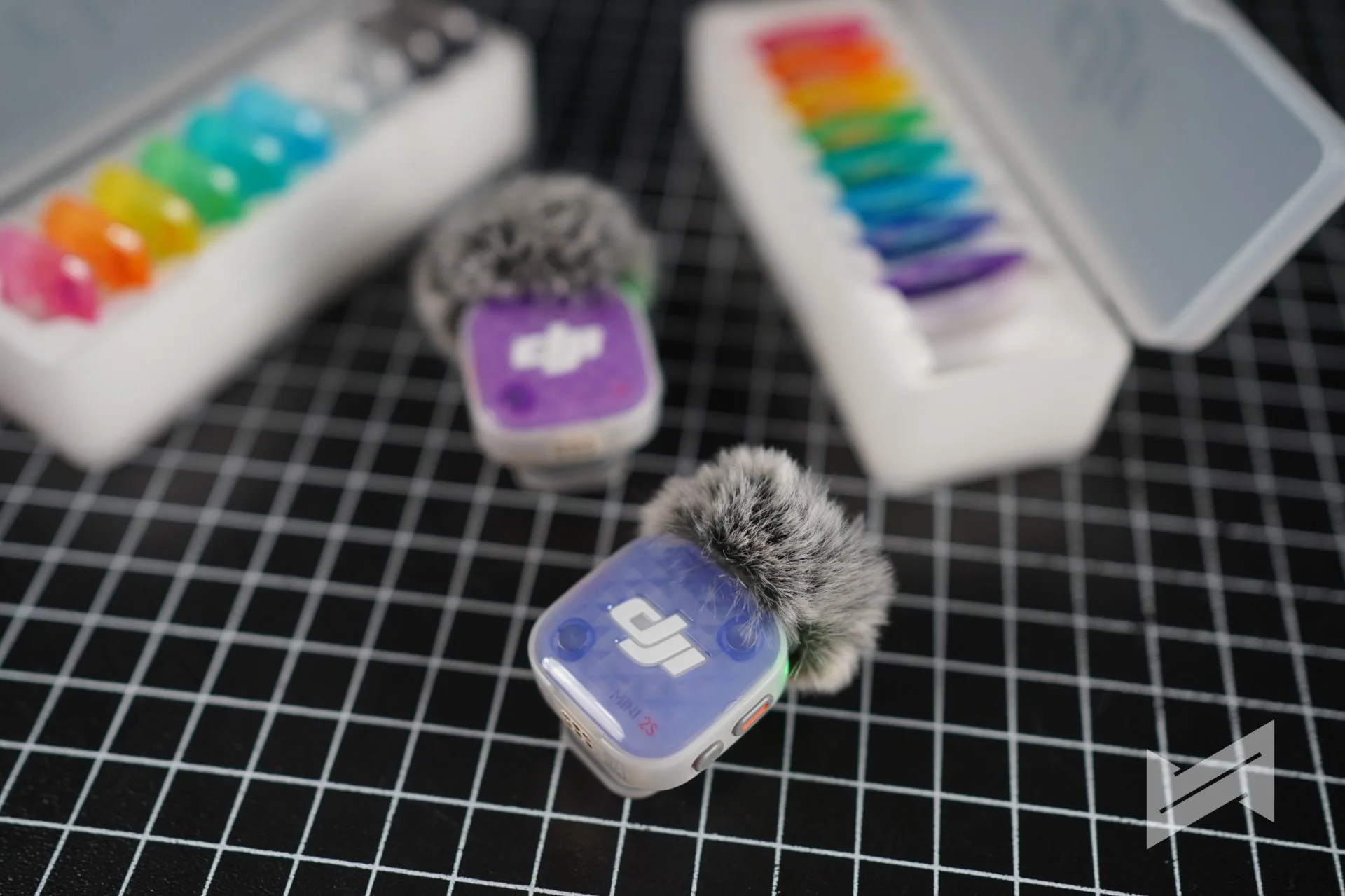
I am less convinced by the raised DJI logo on the faceplate. It gives the official plates a more finished look, but it makes custom 3D-printed replacements less straightforward. If you want to print your own colours, labels, or branded faceplates, you would need to account for that raised logo detail to achieve a similar fit and finish.
It is not a deal-breaker, but it is the sort of small design decision that matters to creators who like personalising their gear or using colour-coded accessories for production organisation.
Prices
The DJI Mic Mini 2S 2TX + 1RX + Charging Case package carries an SRP of PHP9,990. At that price, it includes the components needed for two-person camera production while giving you a path toward four-transmitter recording.
The 1TX + 1RX package and the 1TX + Mobile RX + Charging Case package are both priced at PHP5,700. The standalone transmitter costs PHP3,790.
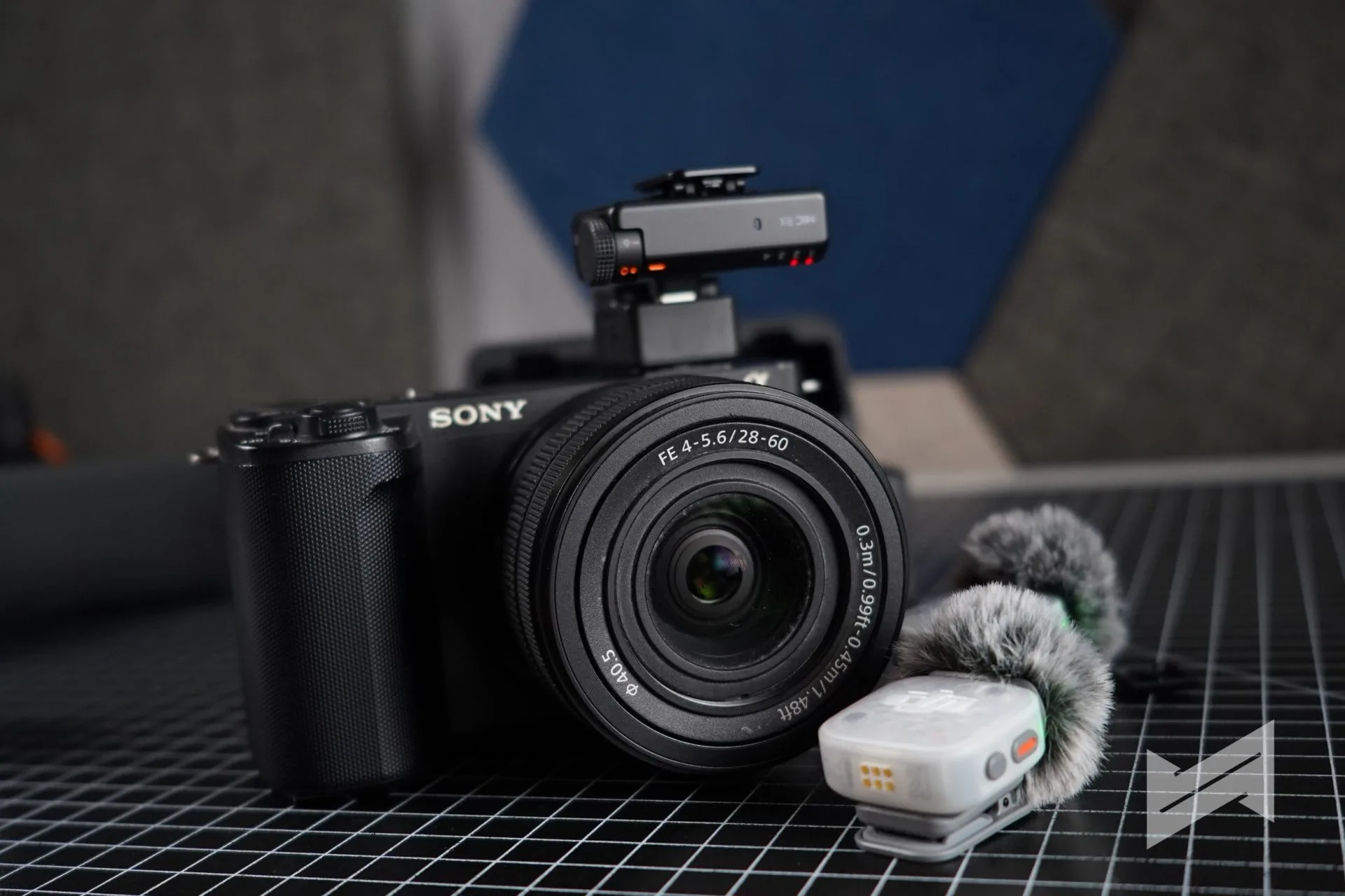
The 2TX package is the better value if you already know you will record interviews, host a podcast, work with a co-host, or shoot content with another presenter. The mobile bundle is the more efficient purchase for solo creators who shoot primarily on USB-C smartphones and do not need a camera receiver.
Verdict
The DJI Mic Mini 2S is easy to recommend because it avoids treating every creator as if they have the same workflow. The 1TX mobile package is a sensible, affordable entry point for phone-first production. The 2TX package is a more complete camera-ready system that works for interviews, reviews, event coverage, and two-person content from day one.
Its biggest strength is the combination of value and headroom. At PHP9,990, the 2TX kit delivers two transmitters, a camera receiver, a charging case, 24-bit and 32-bit float onboard recording, and expansion to four transmitters. That is a lot of practical production capability for creators who need more than a basic wireless mic but do not necessarily need the higher-end workflow tools of the DJI Mic 3.
The Mini 2S is especially compelling for creators who want one compact wireless system that can handle a quick smartphone shoot today, a two-person product review tomorrow, and a four-person podcast or interview setup later.

Giancarlo Viterbo
Giancarlo Viterbo is a Filipino Technology Journalist, blogger and Editor of gadgetpilipinas.net, He is also a Geek, Dad and a Husband. He knows a lot about washing the dishes, doing some errands and following instructions from his boss on his day job. Follow him on twitter: @gianviterbo and @gadgetpilipinas.
View all articles →Related Reviews
 ANKER soundcore Liberty 5 Pro: Great ANC for calls and music
 REDMI Note 17 Pro Max Review: Titan Power That Goes the Distance
 realme 16T 5G Review: An 8000mAh Battery With a Price
 OPPO Find X9 Ultra Review: The Camera Phone to Beat in the Philippines
 HP Smart Tank 580 Review: Affordable Everyday Printing Without the Cartridge Cycle
 DJI Osmo 360 II Review: A Small Price Bump for a Big Step Forward