



Variant tested: Xiaomi 18 Pro Max, global unit, 12GB RAM, 256GB Storage, Black
Philippine price: PhP109,999
Best for: photographers, travelers, and heavy media users who want flagship cameras and a second screen that earns its keep
Skip if: you are upgrading from the Xiaomi 17 Pro Max, or you cannot live without a charger in the box
The Xiaomi 18 Pro Max is the first phone in a long time where the second screen stopped being a novelty by day two. It is also the first Xiaomi I would hand to an iPhone owner without a list of warnings.
I carried it through an international coverage trip, which turned out to be the fairest test I could have given it: long days, mixed light, and more photos than I take in a month.
Xiaomi 18 Pro Max Build
Build that does not feel like 229 grams
At 229 grams for the Black, White, and Velvet Red finishes, and 234 grams for Cosmic Blue, this is not a light phone on paper. The weight sits low in an 8.4mm body though, so it never felt like a brick in my pocket.
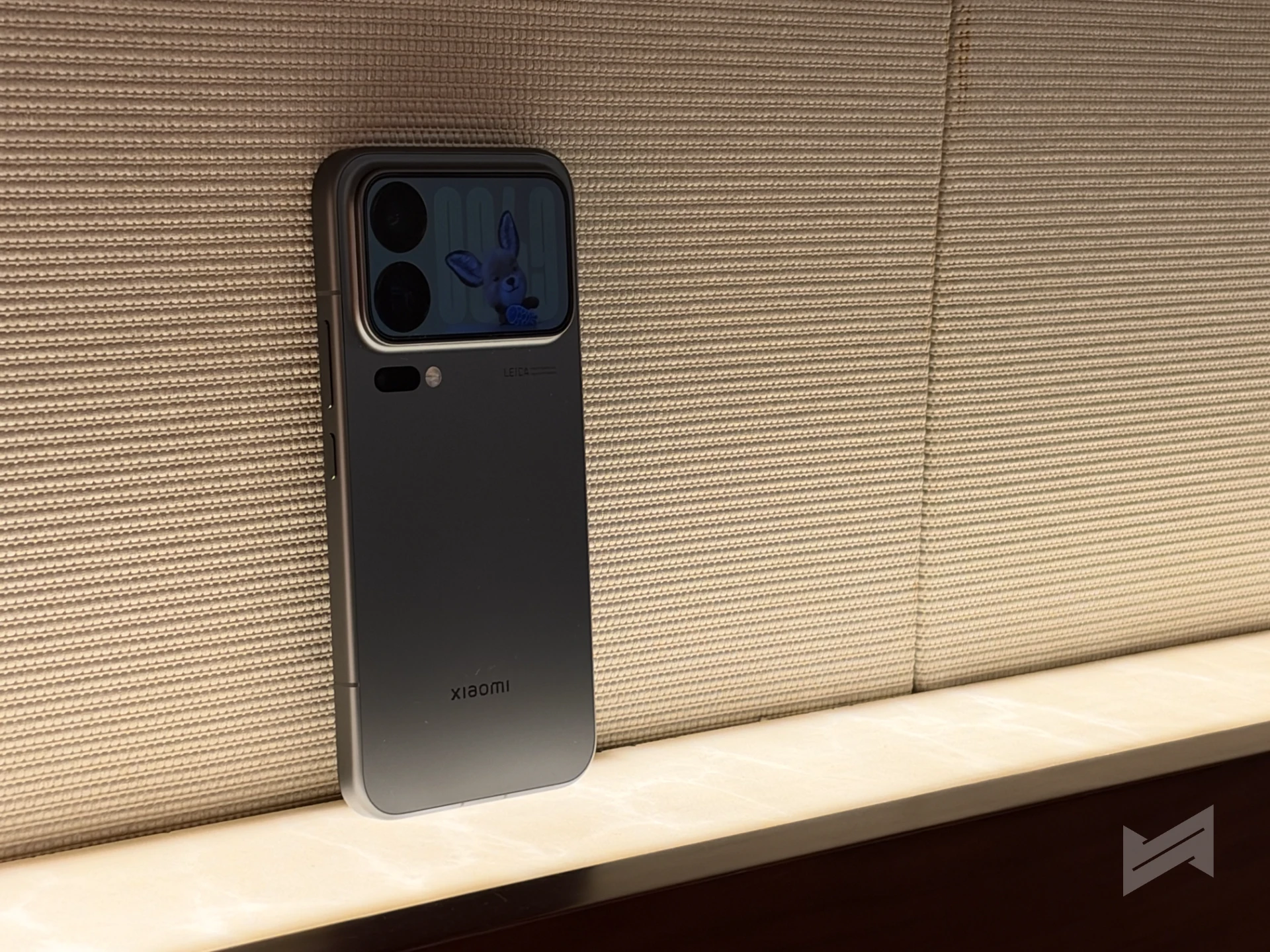
A screen on the back sounds like a phone that will crack if you look at it wrong. Xiaomi answered with IP68 protection, Shield Glass 3.0 up front, and Gorilla Glass Victus 2 over the 2.9-inch back display. I did not baby this unit, and it came home without a mark.
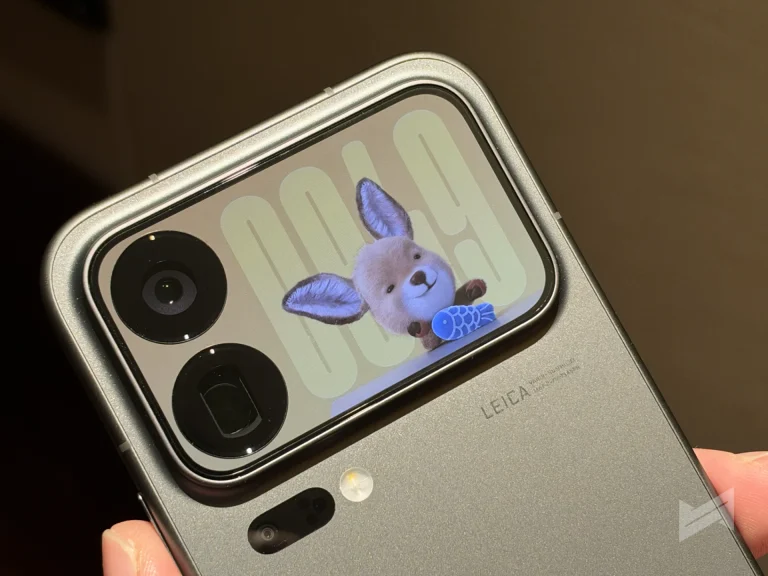
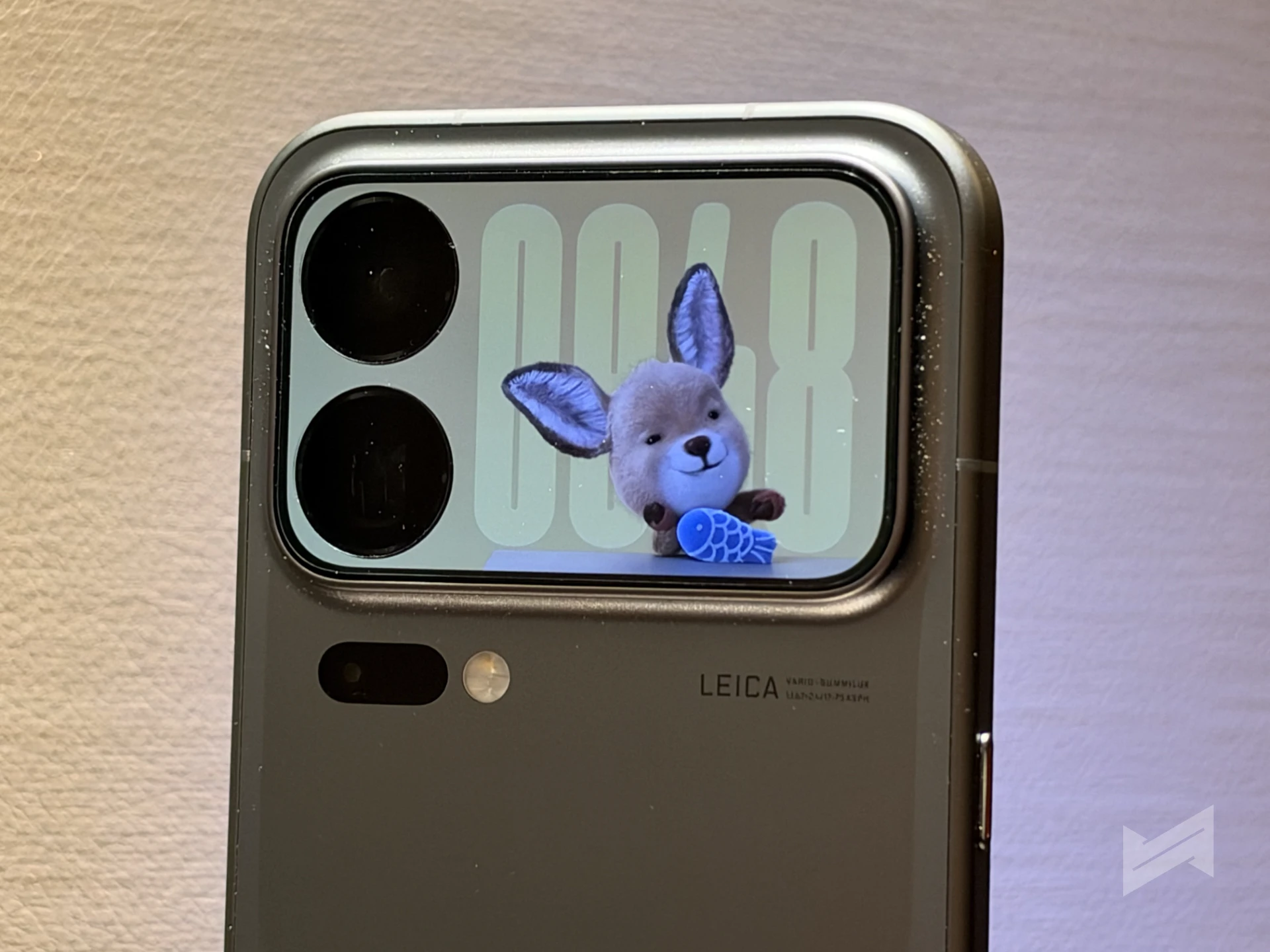
The camera island is the largest Xiaomi has shipped, and the one part of the design I still find odd.
Xiaomi 18 Pro Max Display
A display built for video
The 6.9-inch LTPO AMOLED runs 2,624 x 1,208 at 1 to 120Hz, covers the BT.2020 color gamut, and carries a 4,000-nit peak rating that Xiaomi says applies across a large part of the panel, not a tiny highlight.
HDR video is where it earns the money: highlights stay controlled instead of blooming, shadow detail survives a bright room, and it is the phone I would pick for a long flight.
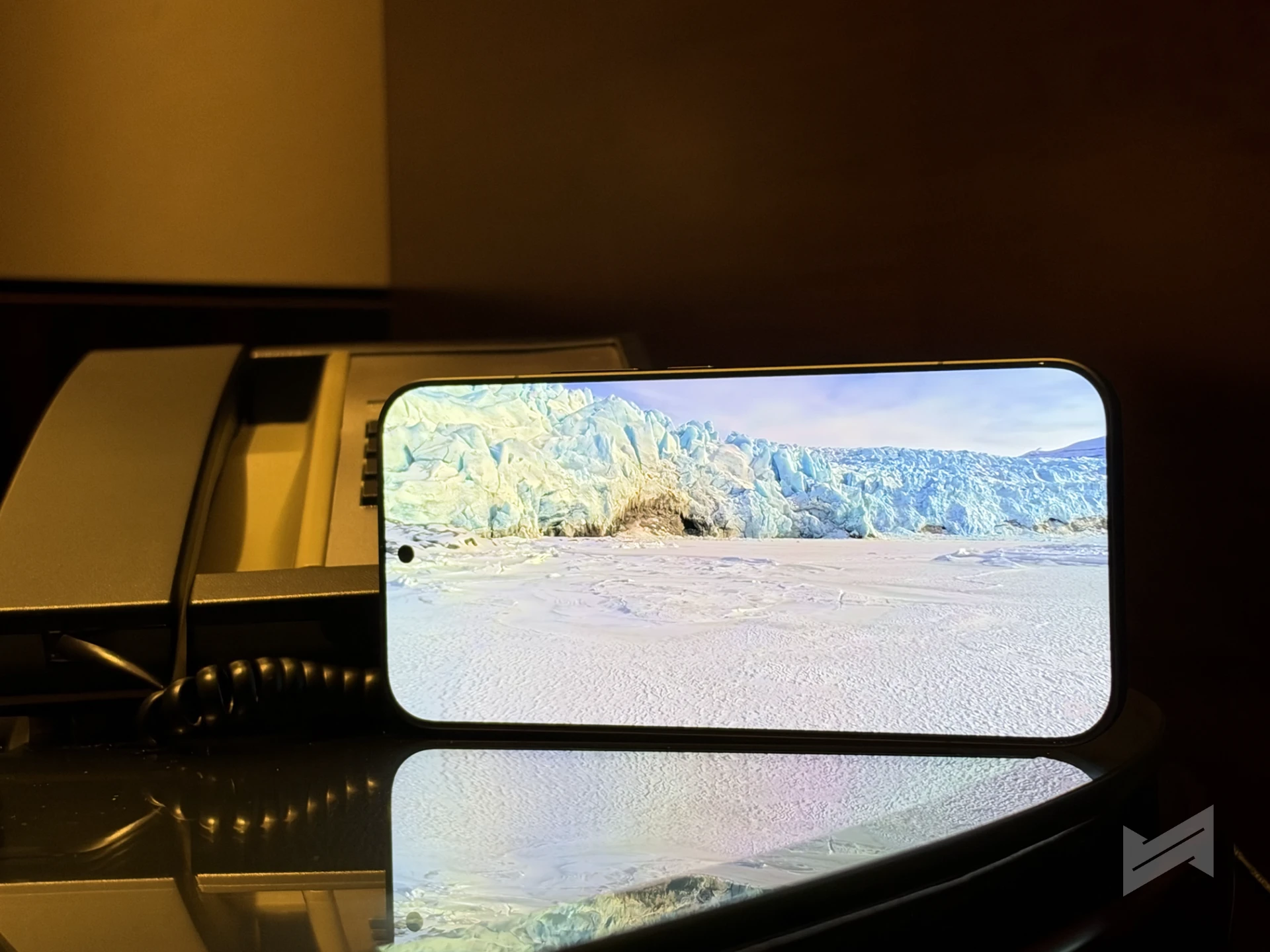
The privacy display is built into the panel, so marking an app as sensitive narrows the viewing angle in that app while the rest of the screen stays clear, which is smarter than most implementations. It is also not as tight as the panel on the Galaxy S26 Ultra, which still takes the crown.
Gaming is fine, benchmarks are not done yet
The Snapdragon 8 Elite Extreme Gen 6 on a 2nm process, paired with Xiaomi’s 3D Ice Loop cooling rated at 50 percent more efficient than the previous generation, is more chip than any Android game needs.
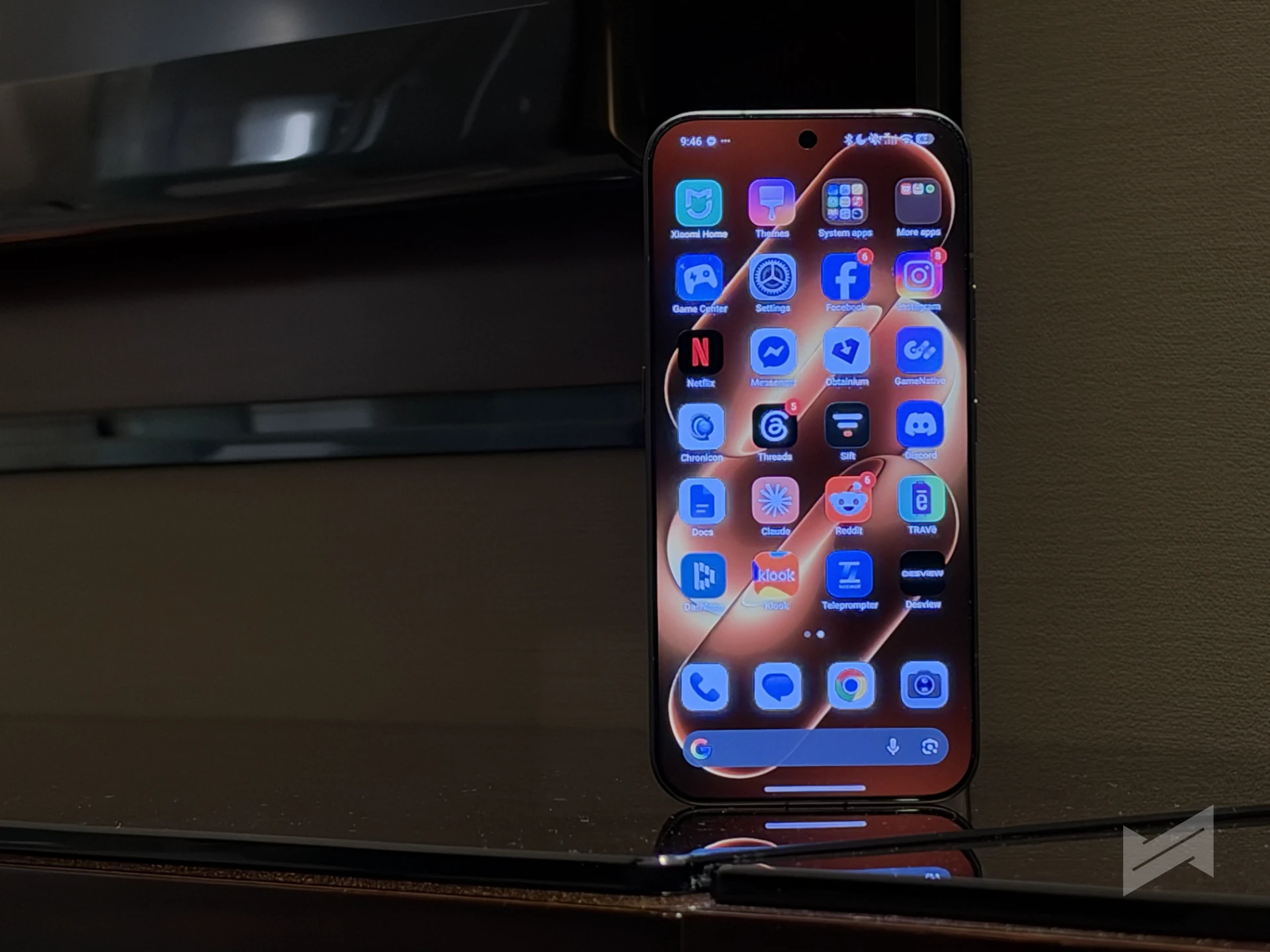
Racing Master and Diablo Immortal both ran flawlessly, with stable frame rates and no throttling I could feel through the frame.
My DroidDeck Steam setup is a different story. Games through that layer are still hit and miss, a software maturity problem rather than a hardware one. Android titles are fine today. The Windows-on-phone story is not.
Benchmarks are pending for now. Most of the performance benchmark applications I use were not working on this unit at the time of writing, so I would rather leave the section open than publish a number I do not trust. So nerdheads, watch out for that soon.
Xiaomi 18 Pro Max Camera
Cameras that punch at the top of the range
Xiaomi put two 200 megapixel sensors in this phone: a main on the 1/1.28-inch Light Fusion 960L with 16.2EV of dynamic range, a 200 megapixel periscope telephoto, and a 50 megapixel ultra-wide, all co-engineered with Leica.
The telephoto is the one I keep reaching for. It covers 75mm to 150mm and focuses down to 12 centimeters, so telemacro shots still hold up when you look closely.
Camera performance here rivals the Xiaomi 17 Ultra, which is a strange sentence for a phone that is not Xiaomi’s camera flagship. The gap has closed to where I would not buy the Ultra for the camera alone.
Leica’s tuning is what makes this a camera phone for travel and coverage. Colors are confident without being loud, skin tones stay believable indoors, and the default profile needs almost no editing.









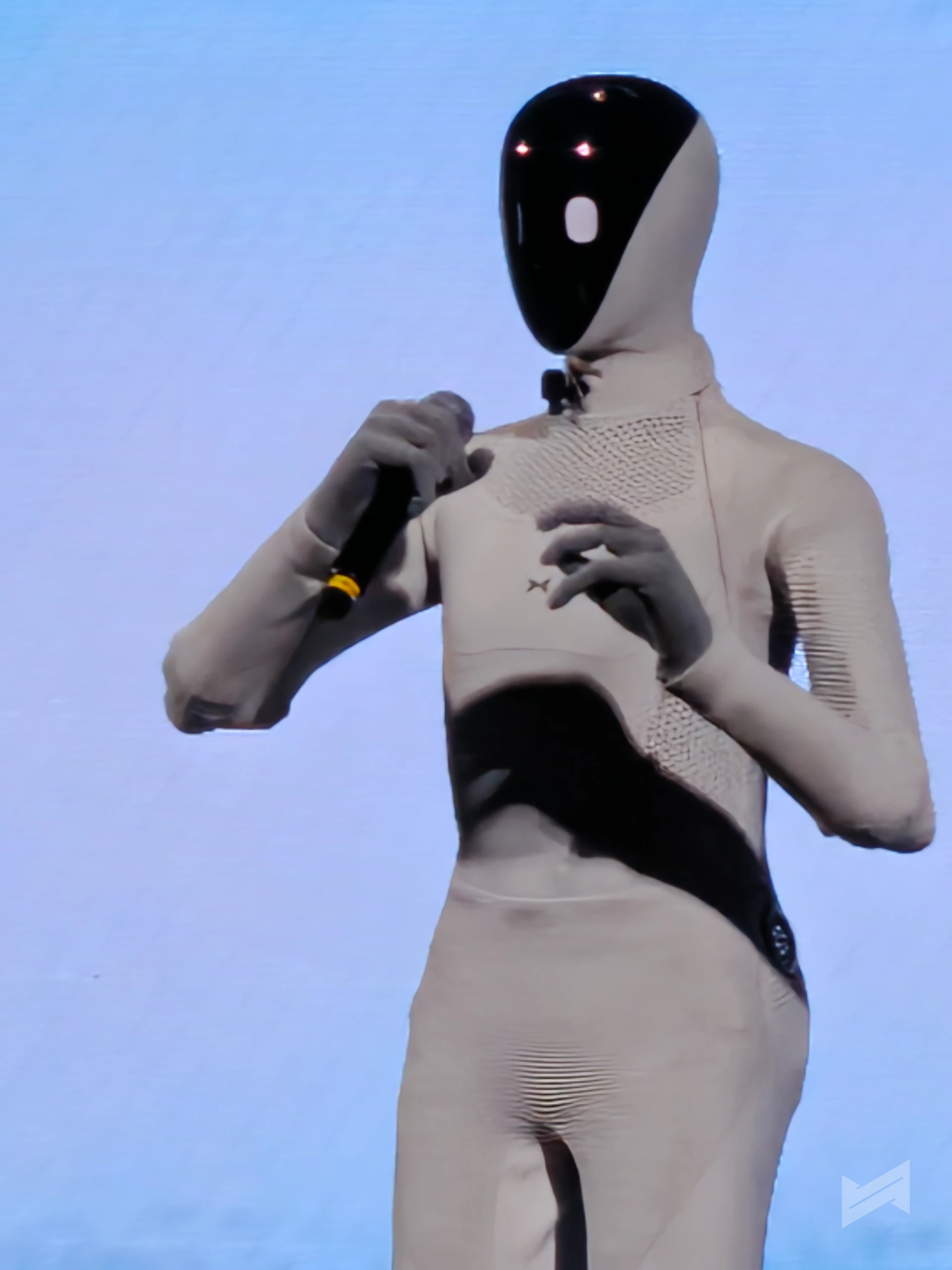
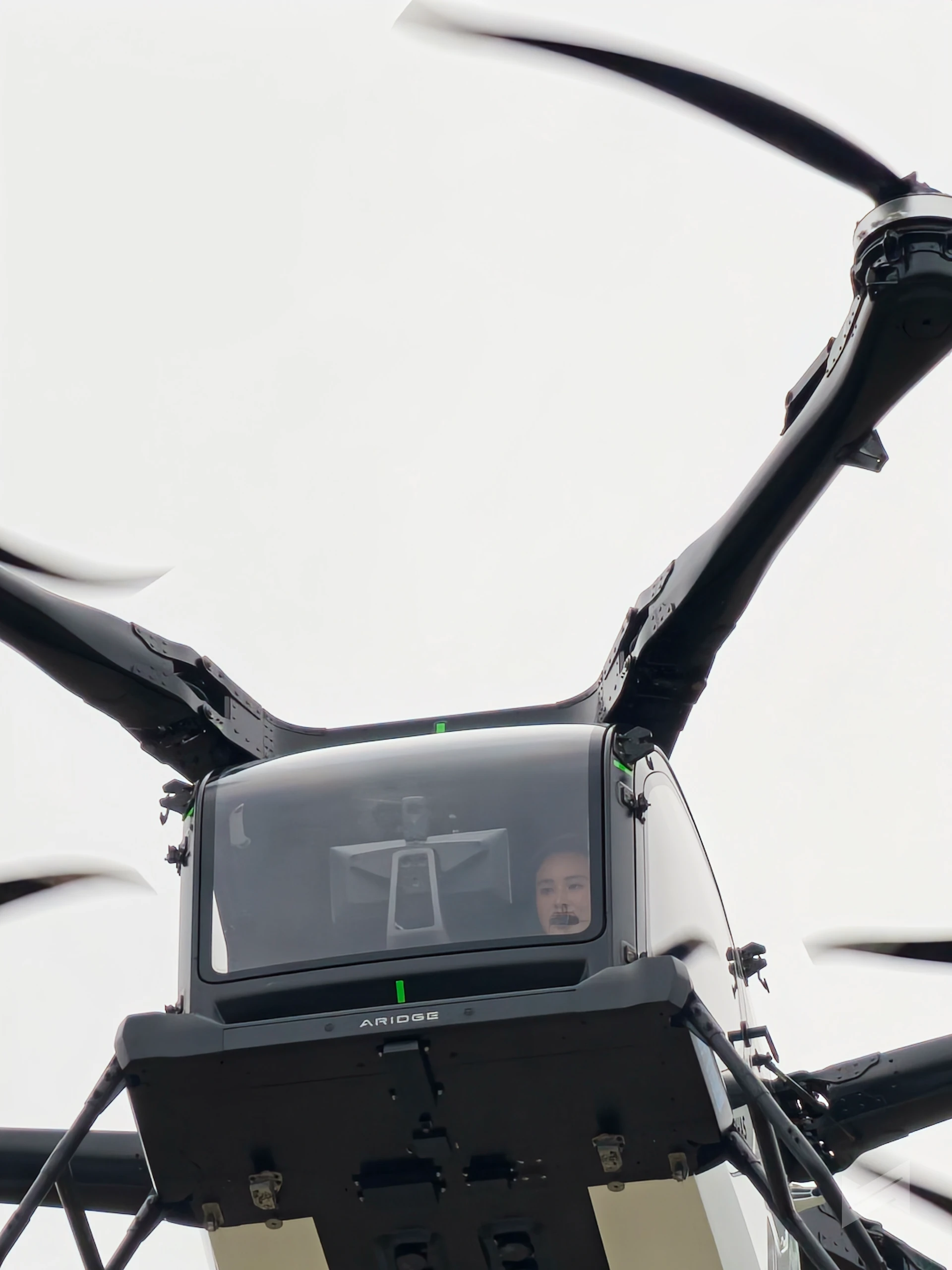

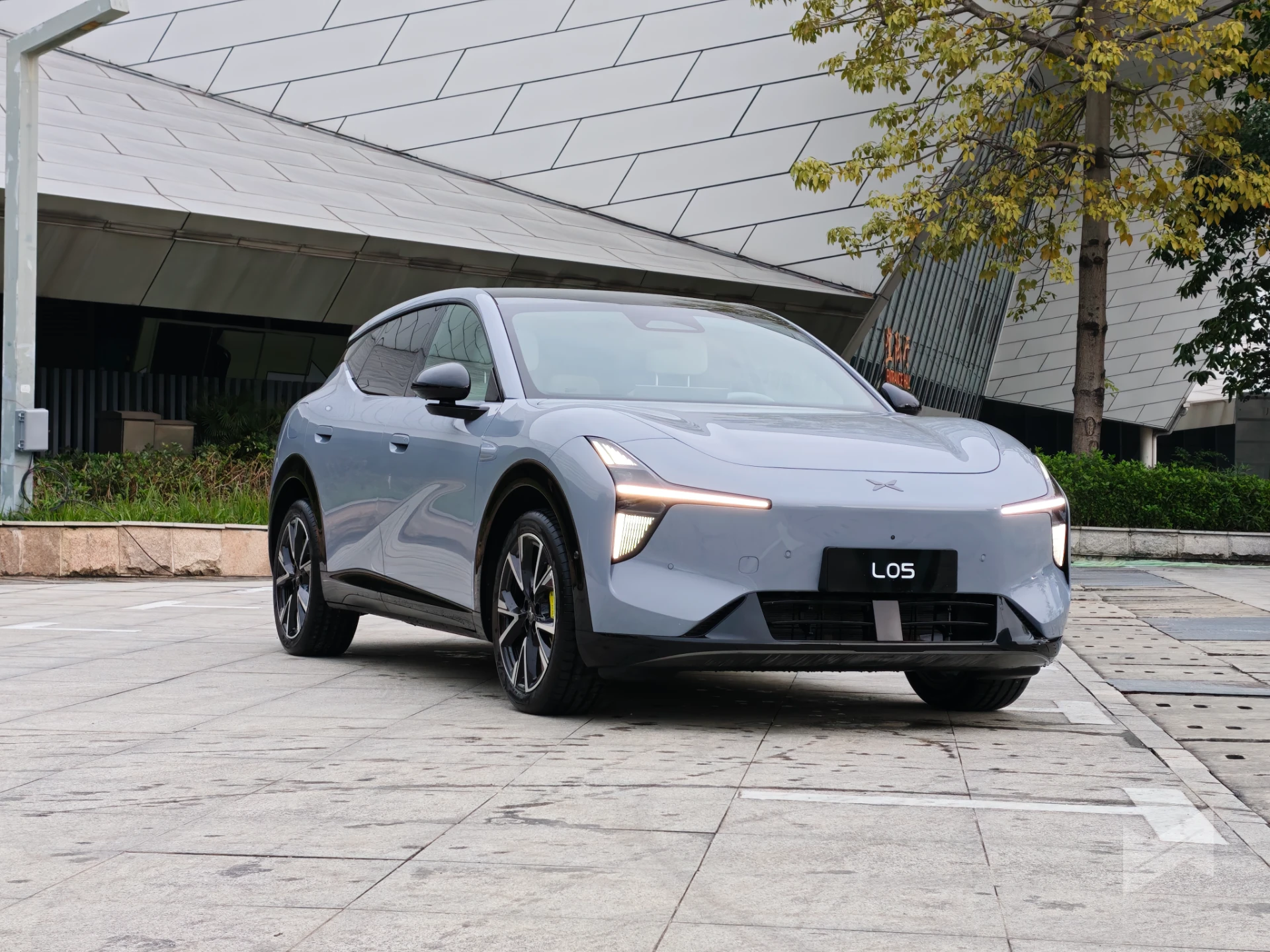
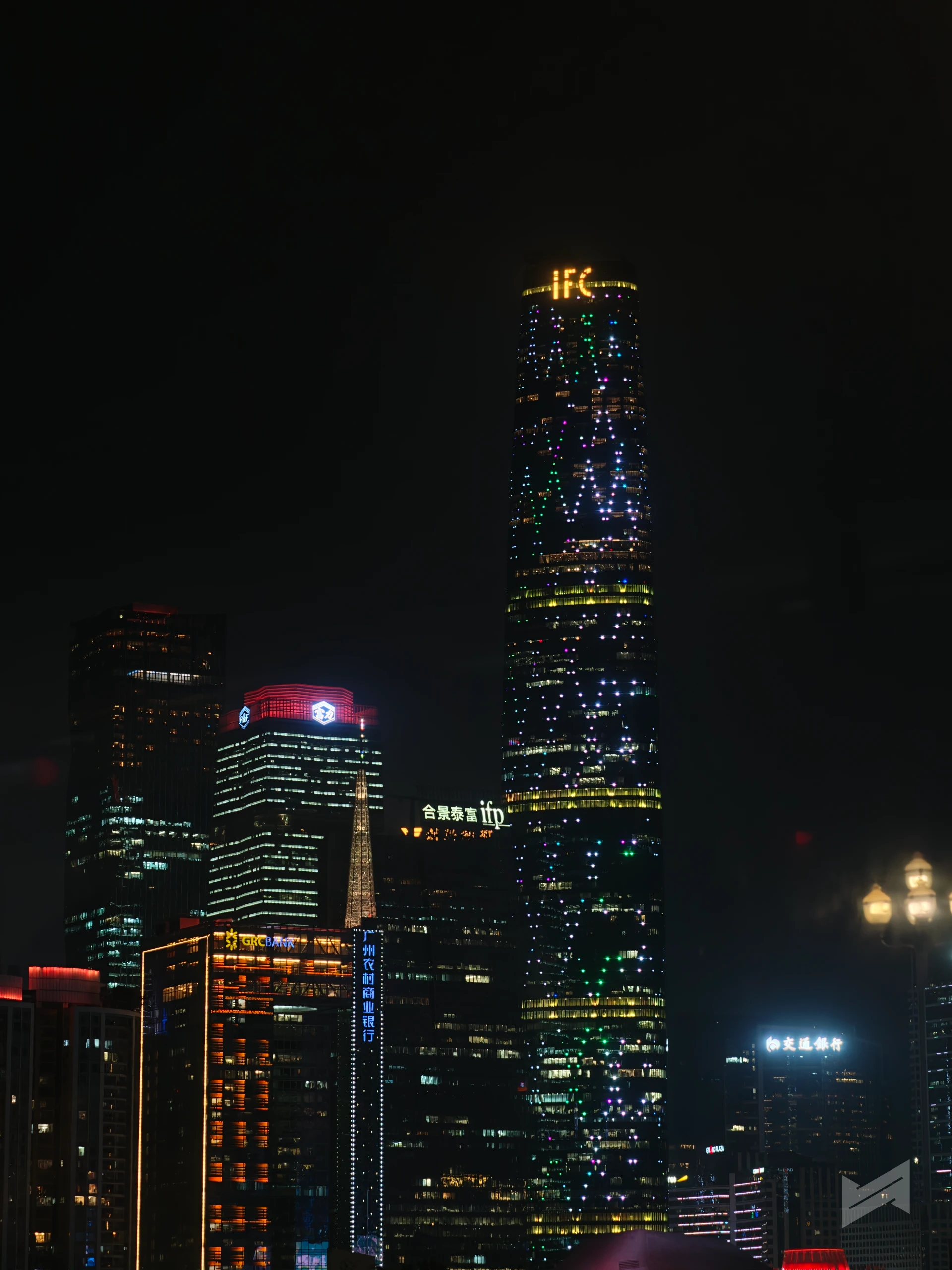
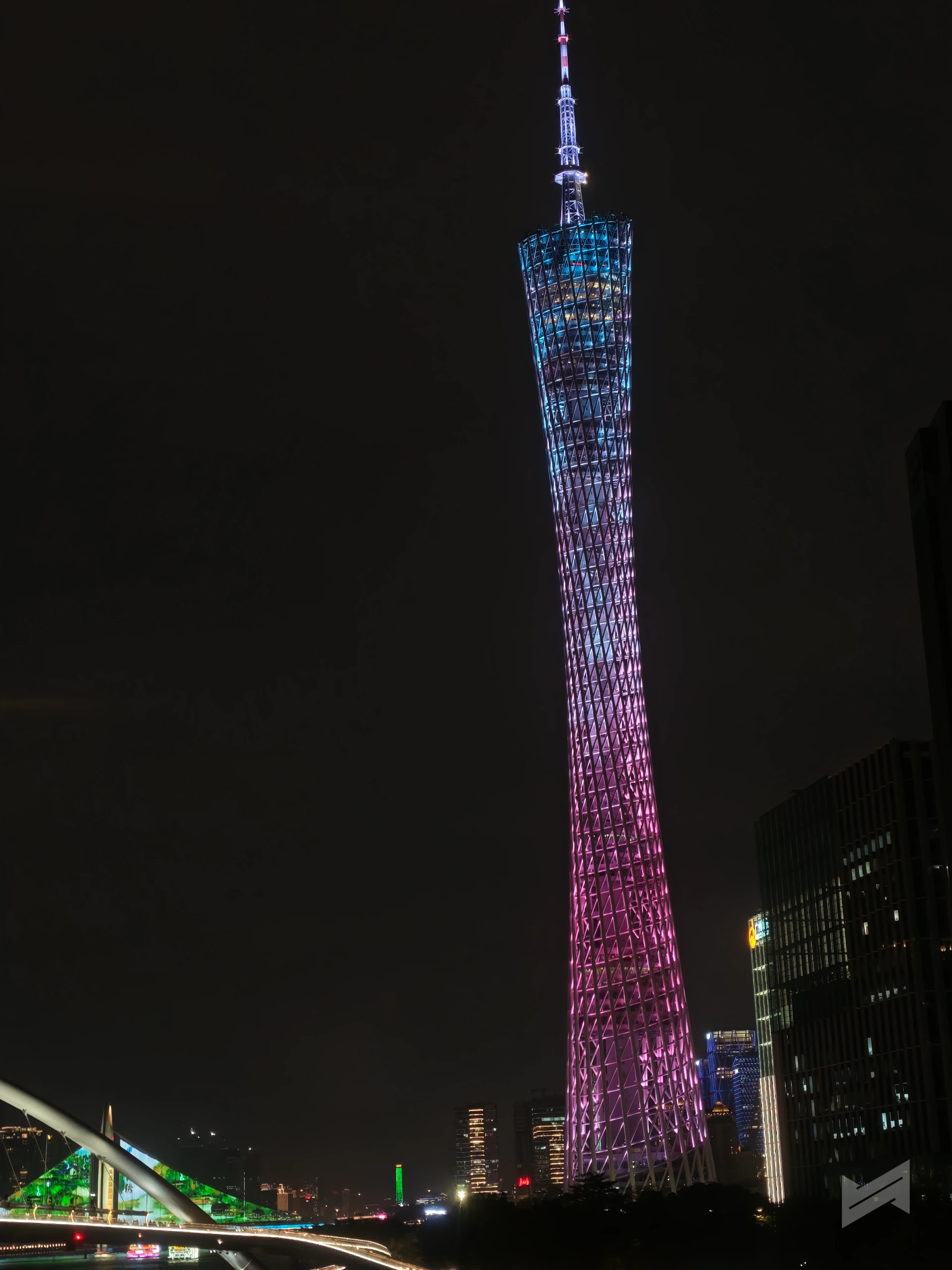


Essential Moment adds three simulated looks, the M9 color, the M10R, and the M3 black and white. The black and white mode is the one I used most.
The weak spot is slow motion. Frame skips show up in the preview and carry through to the output, which makes the mode feel unfinished.
The back display earns its place
The 2.9-inch back panel is the feature I expected to ignore. Instead it became part of how I shoot.
Flipping the preview to the back display when using the rear cameras is a single switch, and it is the most useful rear screen I have used. Group shots widen automatically past three people, which quietly fixes the problem every group selfie has.
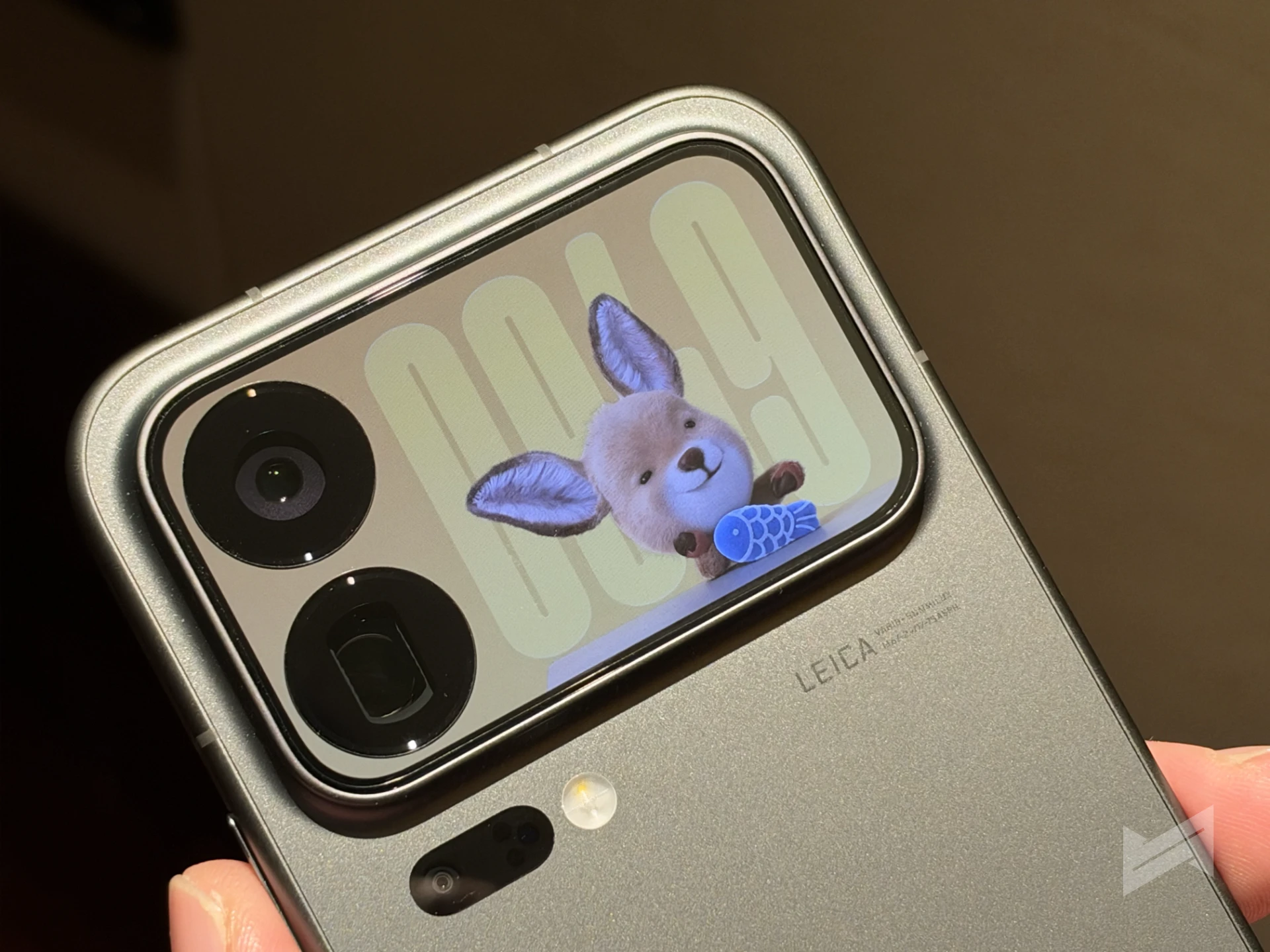
Away from the camera it does the glanceable jobs. Notifications, music controls, pinned items, Maps directions, and Gemini Live all render there, so the phone can stay face down and still be useful.
It also runs apps you generate yourself. Type what you want, let Gemini refine the prompt, and a working mini app for the back screen arrives in a minute or five. It is a developer tool disguised as a toy. I just hope that it allowed me to connect my own agent to it via MCP or API so I can create more “unconventional” apps for it.
Battery and charging
The global model carries a 7,050mAh silicon-carbon battery in two cells, smaller than the 8,500mAh single cell in the Chinese version. Charging is 100W wired and 50W wireless, and there is no adapter in the box.
Endurance numbers are impressive. It lasts 19 hours at moderate to heavy usage. On the longest days in my previous trip in Thailand, with heavy camera use, Maps, and a hot spot, I only needed a top up after dinner. Really good.
Software and ecosystem
HyperOS 4 runs on top of Android 17, and the part that matters here is the ecosystem.
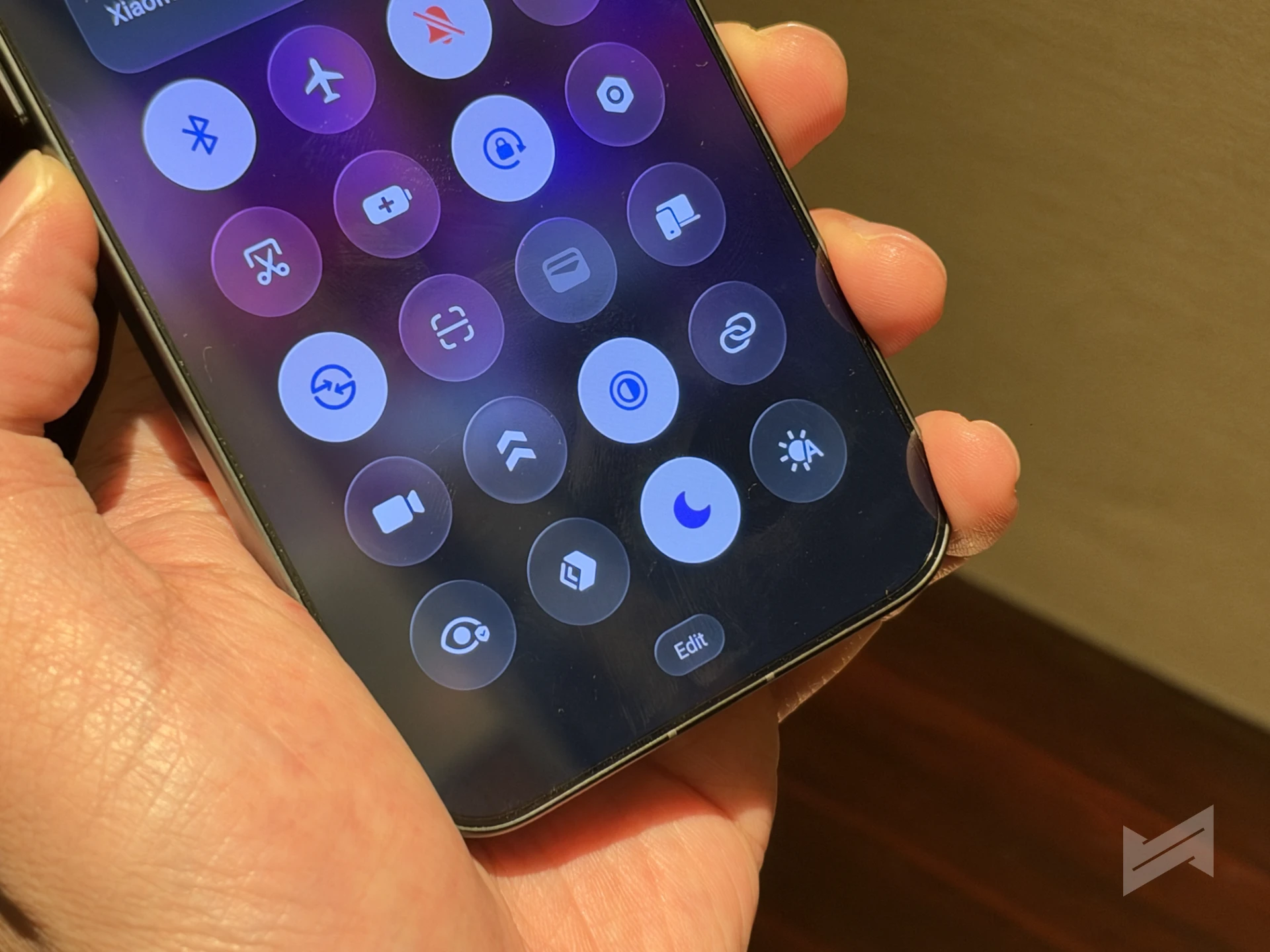
File transfer to an iPhone or a Mac is native now, with no interconnectivity app required, and it worked every time I tried it. That single feature removes the biggest objection an iPhone user has about switching.
Verdict
At PhP109,999, the Xiaomi 18 Pro Max is a true flagship with the features to justify the price. The camera is the best Xiaomi has shipped outside the Ultra, the display is built for HDR video, and the back display turned out to be useful rather than decorative.
It is not perfect. Slow motion needs work, the privacy display trails the Galaxy S26 Ultra, and the charger is missing (different case if you buy in the Philippines though). I also cannot yet confirm if they will start introducing (unwanted) ads in future software builds. So far, I have not seen any ads in the unit they provided so far.
If you are on the Xiaomi 17 Pro Max, there is no immediate need to switch. If you are on an iPhone and thinking about Android, this is the phone to look at, because the transfer story finally works.
Xiaomi 18 Pro Max
Gadget PilipinasWhat we like
- Dual 200 megapixel Leica cameras that rival the Xiaomi 17 Ultra
- 19 hours of endurance at moderate to heavy use
- Back display with one-switch selfie preview and generated mini apps
- IP68 with Shield Glass 3.0 and Victus 2 over the rear panel
- Native file transfer to iPhone and Mac
Could improve
- Slow motion frame skips in preview and output
- Privacy display is not as tight as the Galaxy S26 Ultra
- No charger in the box, though the Philippine bundle may differ

Giancarlo Viterbo
Giancarlo Viterbo is a Filipino Technology Journalist, blogger and Editor of gadgetpilipinas.net, He is also a Geek, Dad and a Husband. He knows a lot about washing the dishes, doing some errands and following instructions from his boss on his day job. Follow him on twitter: @gianviterbo and @gadgetpilipinas.
View all articles →Related Reviews
 Samsung P7 1TB Portable SSD Review: USB4 Speed That Changes What an External Drive Is For
 UGREEN MagFlow 2-in-1 Foldable Magnetic Wireless Charger Review
 Anker soundcore AeroClip 2 Review: Clear Calls, Clean Sound
 GIGABYTE AI TOP ATOM DGX Spark Review
 MacBook Neo Long-Term Review: My Bedside Mac
 Sony 1000X The Collexion Review: Three Months Later