











Visa and GCash are set to roll out a new payment option that allows eligible Visa cards to be the source of funds for QR transactions inside the GCash app. The feature is designed to make everyday payments faster, more secure, and more convenient for users across the Philippines.
New Payment Feature
The upcoming feature will let GCash users to link eligible Visa cards and use them when paying through QR codes at merchants where GCash is accepted. This will allow for more flexibility in choosing how they fund purchases without needing to rely only on wallet balance or repeated cash-ins.
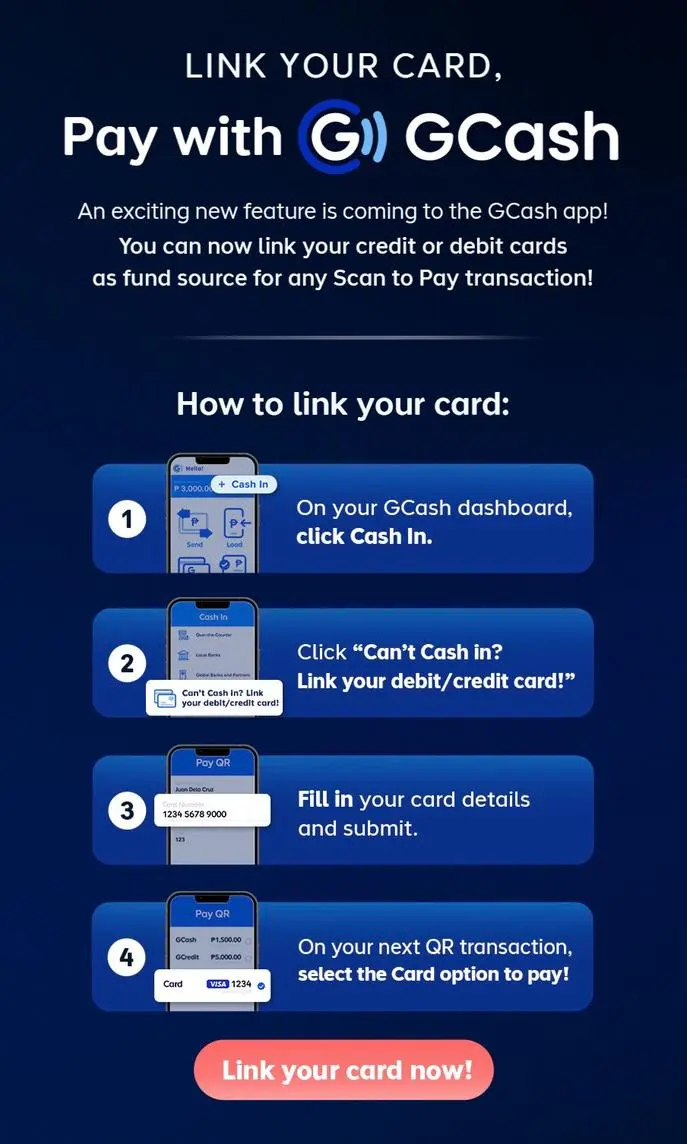
Previously, users who did not have enough wallet balance had to top up from linked bank accounts in the GCash app or transfer funds from other banks. The new link-and-pay feature is set to simplify the process by allowing QR payments to be completed directly through a linked Visa card. The change is intended to make wallet funding smoother while preserving the familiar digital wallet experience users already know.
Everyday Use Cases
The feature should be useful for common day-to-day spending, including meals at restaurants, purchases from weekend markets, and souvenir shopping across the country’s tourist destinations.
This added flexibility is also meant to support broader use of digital payments in the Philippines. Giving users another way to pay through QR codes mean that companies are aiming to make digital commerce more accessible while reducing friction in routine transactions.
Security Through Passkeys
Each transaction using a Visa card will be protected by Visa Payment Passkey, a biometric authentication solution that allows users to verify online purchases with a fingerprint, face recognition, or PIN instead of passwords or SMS one-time passcodes.
The system is built on Fast Identity Online standards and is meant to make checkout faster while improving protection against phishing and other online fraud risks. Biometric authentication can reduce fraud rates compared with SMS-based OTPs, reinforcing the promise of smoother payment experiences without sacrificing safety.
Executive Remarks
“Consumers increasingly expect flexibility in how they pay, and are looking for payment experiences that are simple, secure, and seamless. This exciting collaboration expands that flexibility for consumers, allowing consumers to use their Visa credentials across everyday digital payment journeys including QR payments. This takes us forward in making digital payments more accessible and convenient for everyone.”
– Jeffrey Navarro, Country Manager for Visa Philippines
“This new feature further enhances the GCash experience for millions of Filipinos, giving them greater freedom in how they pay and manage their funds while maintaining the experience they’ve come to expect from GCash. This partnership also reinforces our shared trust with Visa to expand financial inclusion and bring more Filipinos into the digital economy.”
– Ren-Ren Reyes, President & CEO of G-Xchange, Inc. (the mobile wallet operator of GCash)
Market Context
Digital payments continue to grow in the country. The Bangko Sentral ng Pilipinas said digital transactions now account for 57.4% of total monthly retail volume in the Philippines.
For more information, click here.
Frequently Asked Questions (FAQ)
Q: What is the new Visa and GCash feature?
A: It is a link-and-pay option that lets eligible Visa cards fund QR payments inside the GCash app.
Q: Why is the feature useful for users?
A: It gives users more flexibility and reduces the need to cash in or transfer funds before paying.
Q: Where can the QR payments be used?
A: The feature is intended for everyday purchases anywhere GCash is accepted.
Q: How will transactions be protected?
A: Transactions will use Visa Payment Passkey, which supports biometric verification such as fingerprint, face recognition, or PIN.
Q: What broader goal does the partnership support?
A: It supports the growth of digital payments, digital commerce, and financial inclusion in the Philippines.

Emman Tortoza
Emman has been writing technical and feature articles since 2010. Prior to this, he became one of the instructors at Asia Pacific College in 2008, and eventually landed a job as Business Analyst and Technical Writer at Integrated Open Source Solutions for almost 3 years.
View all articles →