
Foldables and Era of Intelligence
Foldable smartphones are entering a new phase: one where the hardware is no longer the headline on its own. The real story is how a larger, more flexible display can give artificial intelligence more room to be genuinely useful, whether that means creating content, managing work, researching a topic or simply getting through a busy day with fewer taps.
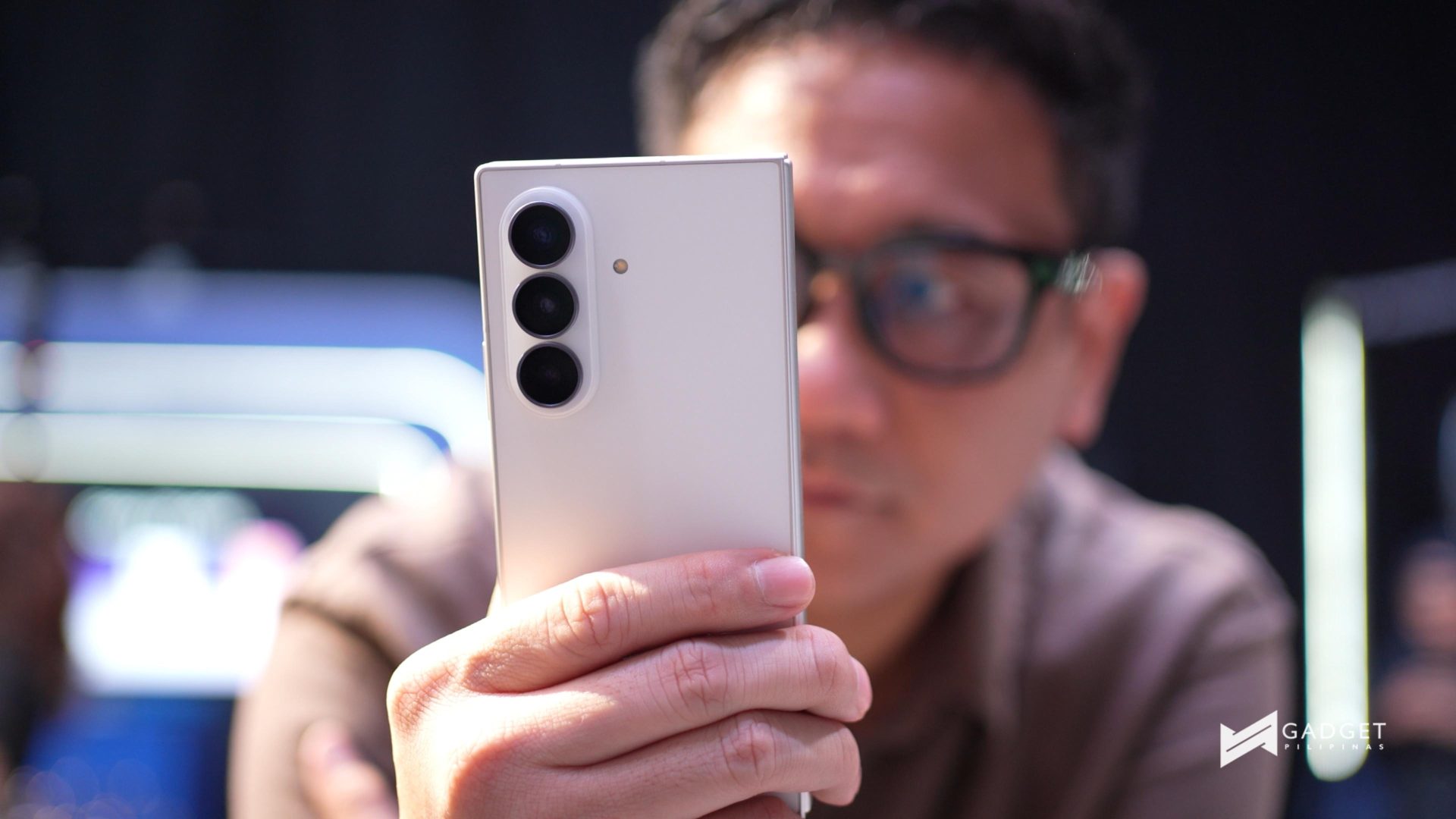
During my previous trip to London for Galaxy Unpacked, I discovered that Samsung’s latest direction suggests that foldables are evolving beyond the early “look what this can do” stage. The objective is to pair distinct form factors with Galaxy AI experiences that better fit the way people actually consume media, create, communicate and work.
Foldables are becoming more purposeful
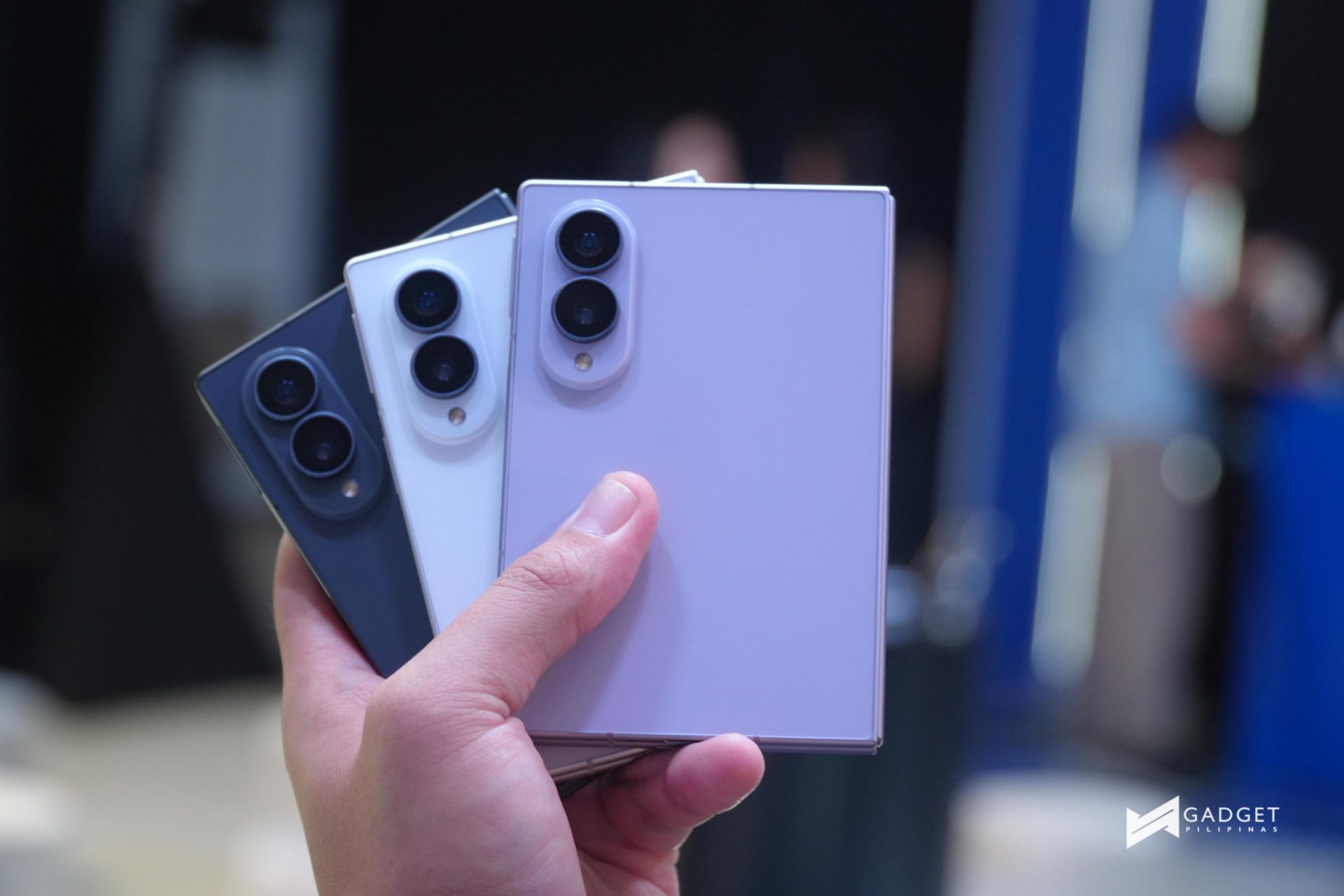
The original appeal of a foldable was easy to understand: carry a smartphone-sized device that can open into a larger screen. That proposition remains compelling, but user behaviour has broadened it. A book-style foldable can support productivity and multitasking, while a wider foldable format can be better suited for video, games and content consumption. Meanwhile, flip-style devices continue to lean into portability, design and self-expression.
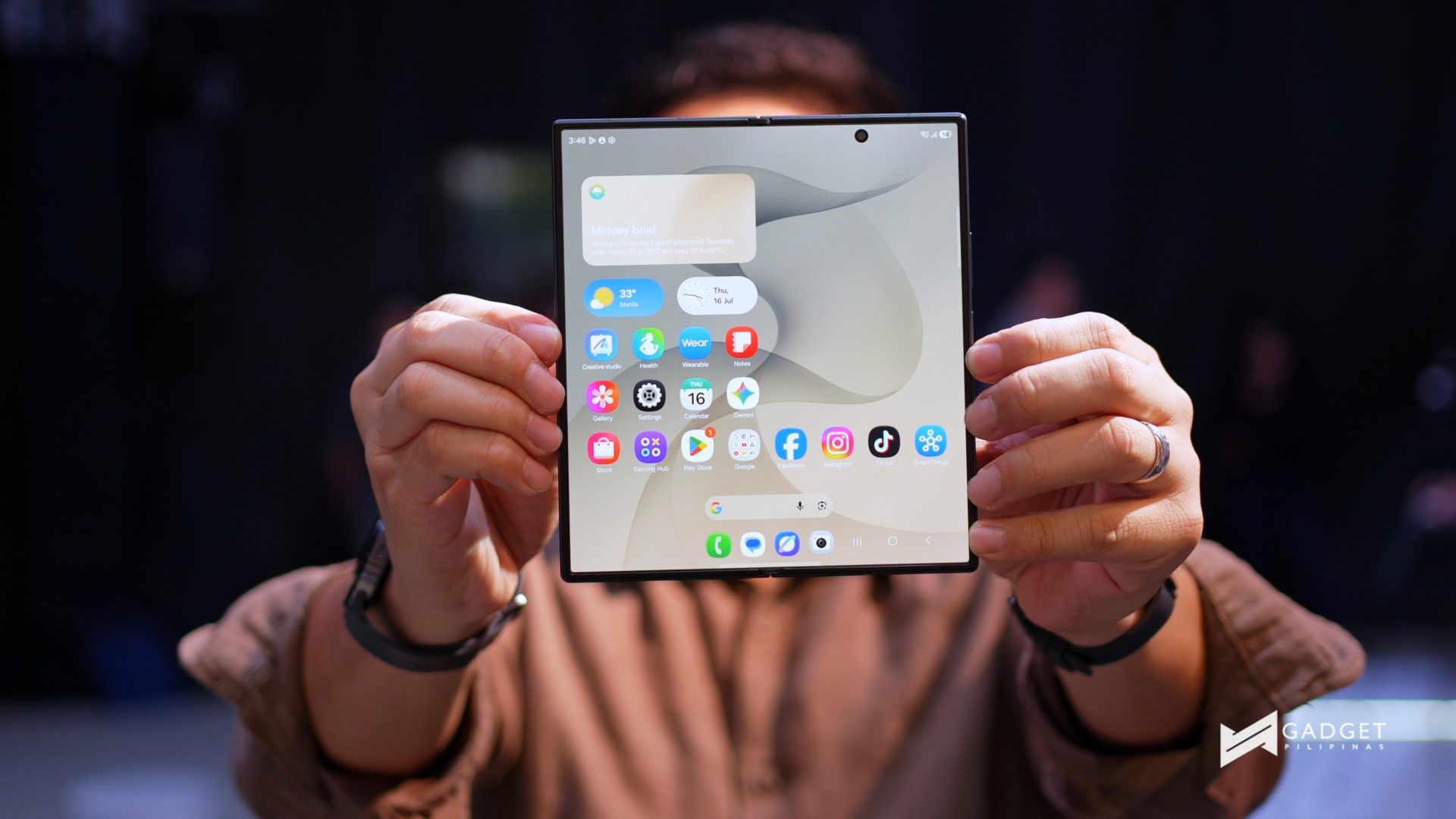
Samsung’s view is that there will not be one dominant foldable form factor. Rather, the category will diversify around different needs: productivity-focused premium devices, larger-screen devices for entertainment and creation, and compact models for users who value pocketability and personal style.
That makes sense in a mobile-first region such as Southeast Asia. Phones are already the primary screens for streaming, social platforms, gaming and quick creative work. A foldable does not replace the smartphone experience; it expands it when the task calls for more space.
Galaxy AI shifts from features to context
The more significant change is happening in software. Samsung is positioning Galaxy AI not merely as a collection of isolated tools, but as an intelligent layer that can work across the device, apps, services and eventually the broader connected ecosystem.
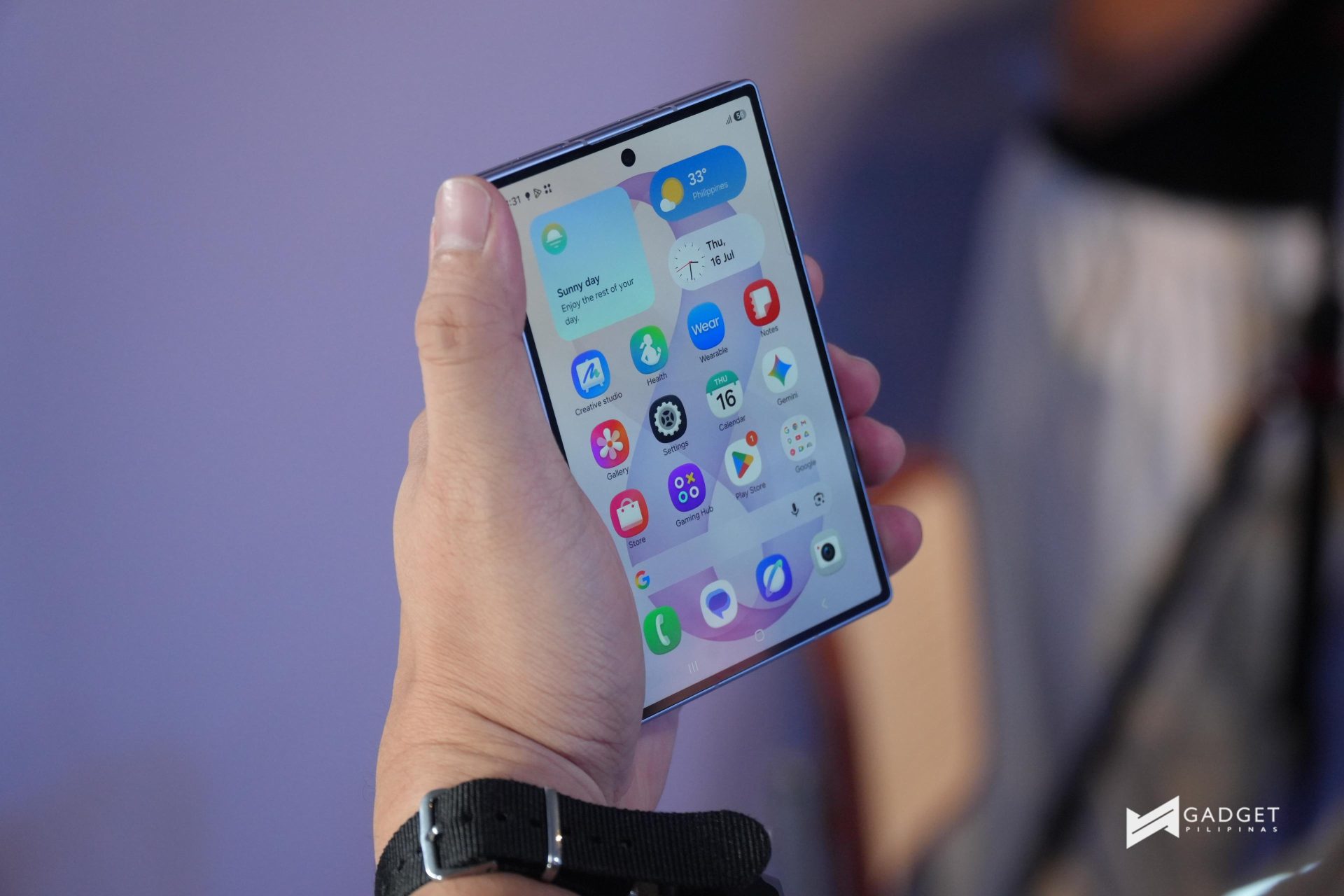
That matters because the best AI experience should not force users to decide which app to open first. Instead, it should help them move naturally from intent to result through text, voice and visual input. Rather than switching between a browser, notes app, gallery, calendar and messaging app, users could increasingly ask for help in plain language and review or refine the result along the way.
Samsung described this future as moving from feature-based AI to more context-aware assistance. In practical terms, AI could recognise that a user is preparing for a meeting, editing an image, researching a purchase or planning a trip, and offer relevant help without taking control away from the user.
Why the foldable screen matters
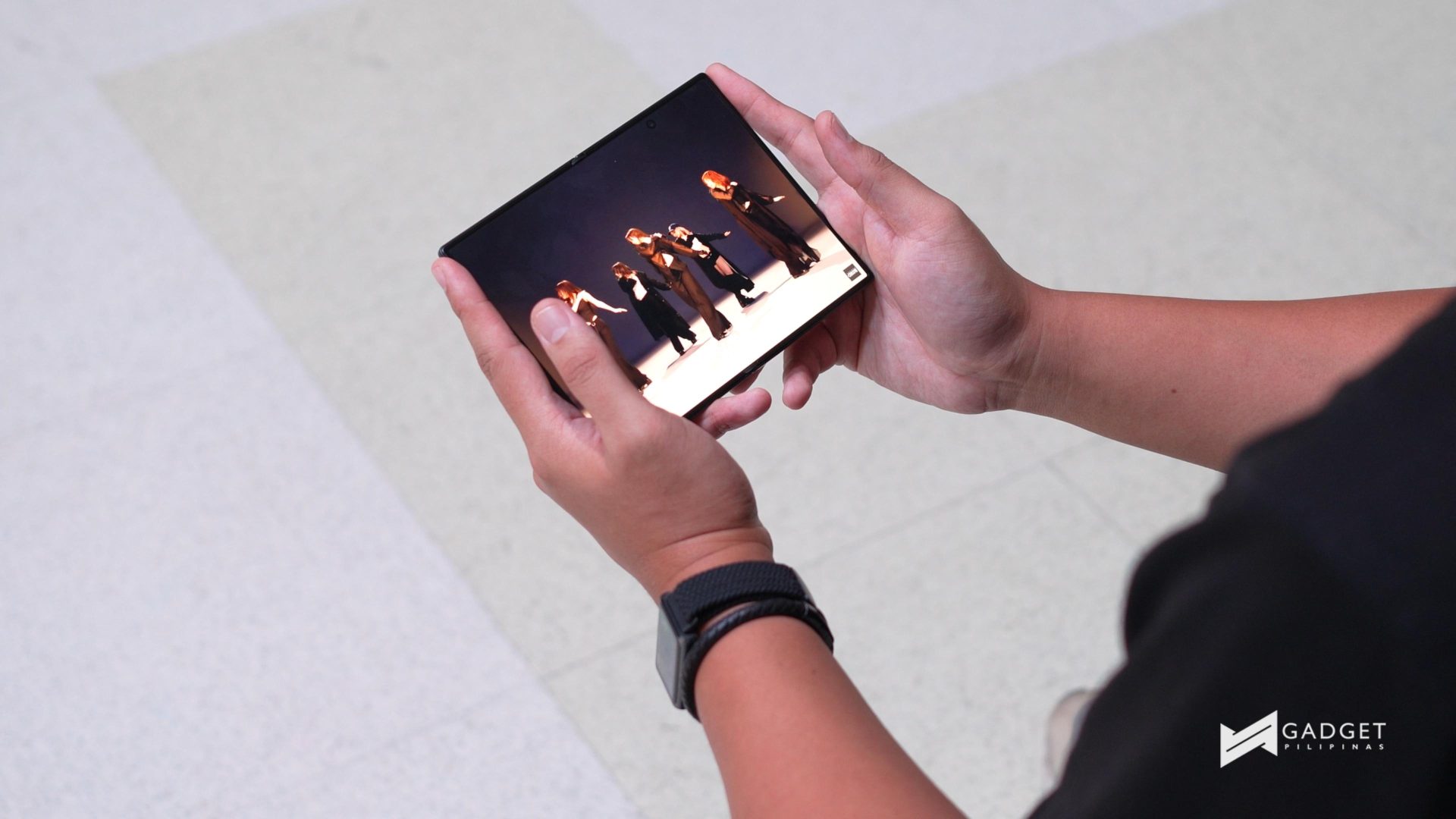
A foldable display can make AI interactions more visible, more flexible and less disruptive. On a larger screen, a user can keep source material open while generating notes, compare options while researching, edit images with a clearer view of changes, or multitask without constantly jumping between apps.
For creators, this could mean reviewing footage, captions and reference material in parallel. For professionals and entrepreneurs, it could mean drafting a proposal while checking messages and documents at the same time. For everyday users, it may be as simple as using AI to organise an itinerary, improve a photo or find information while retaining more context on screen.
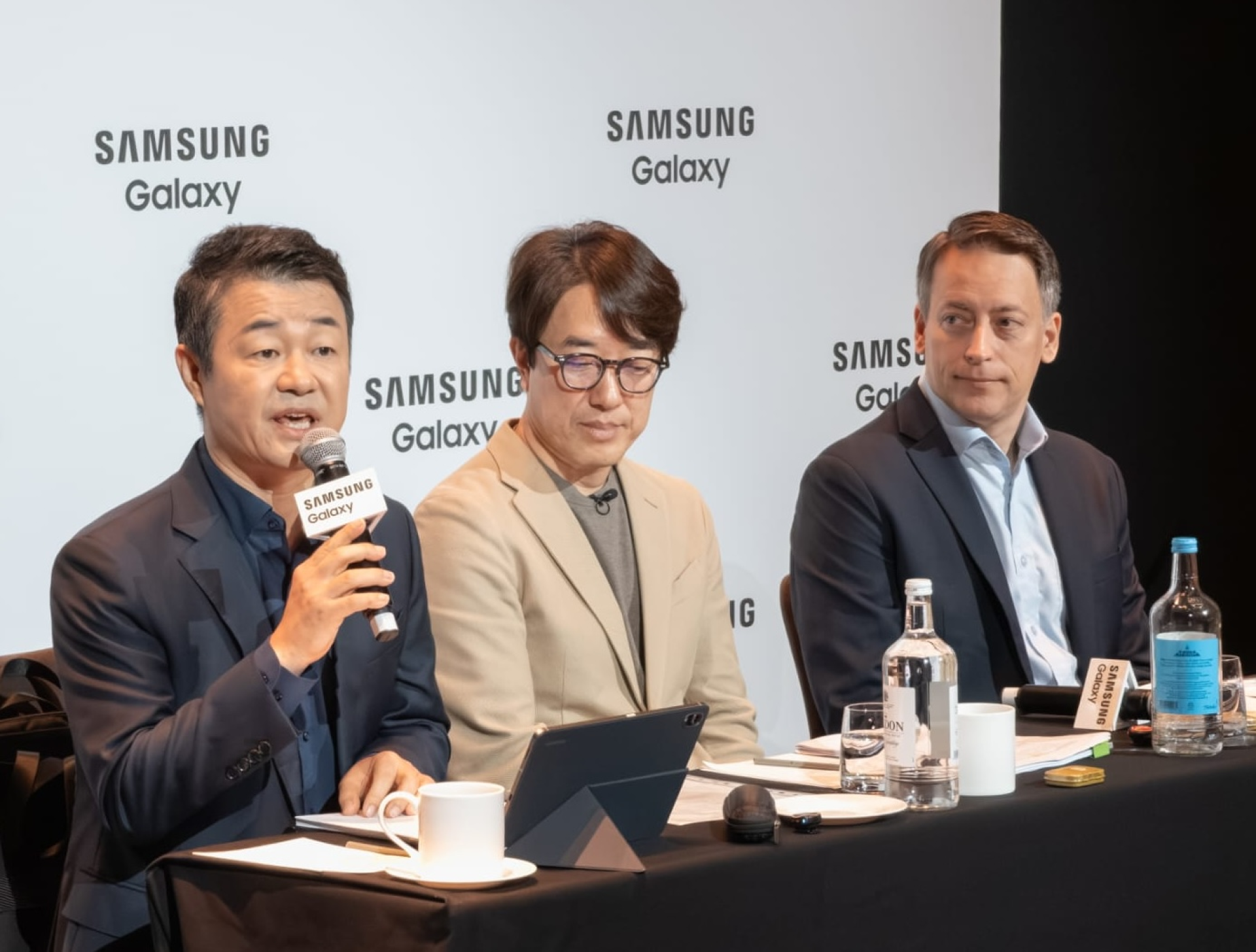
In a press release, Samsung says Galaxy AI adoption among Galaxy Z Fold7 and Galaxy Z Flip7 users in Southeast Asia and Oceania rose from 84% in August 2025 to 96% in June 2026. Circle to Search, Now Brief and Photo Assist were identified among the most-used tools, pointing to a preference for AI that solves routine tasks rather than simply demonstrating technical novelty.
Local relevance will decide adoption
For AI to become part of everyday mobile use, it needs to understand more than commands. It needs to fit local languages, cultures and habits. Samsung currently supports 22 languages for Galaxy AI, including Filipino, Indonesian, Thai and Vietnamese.
That is especially important across Southeast Asia, where mobile users have varied language preferences and often rely on their phones as their first (and sometimes primary) gateway to digital services. A feature that is powerful but difficult to use in one’s preferred language will always feel less personal and less practical.
Samsung has also emphasised that future AI experiences should be relevant rather than excessive. More features alone will not make people trust or regularly use AI. The winning experiences will be those that reduce friction, understand context and save time without demanding that users learn a new workflow.
Foldables and Galaxy AI in B2B
When I asked this question to Samsung — whether its premium Fold devices could become more accessible to MSMEs and corporate teams — the response highlighted productivity and security as the two main reasons foldables could make a stronger case in B2B.
Samsung did not announce a specific program for making premium foldables more accessible to businesses. Instead, it stressed that enterprise buyers look beyond upfront cost. For these organizations, the bigger consideration is a device that meets their security requirements while delivering meaningful productivity gains.
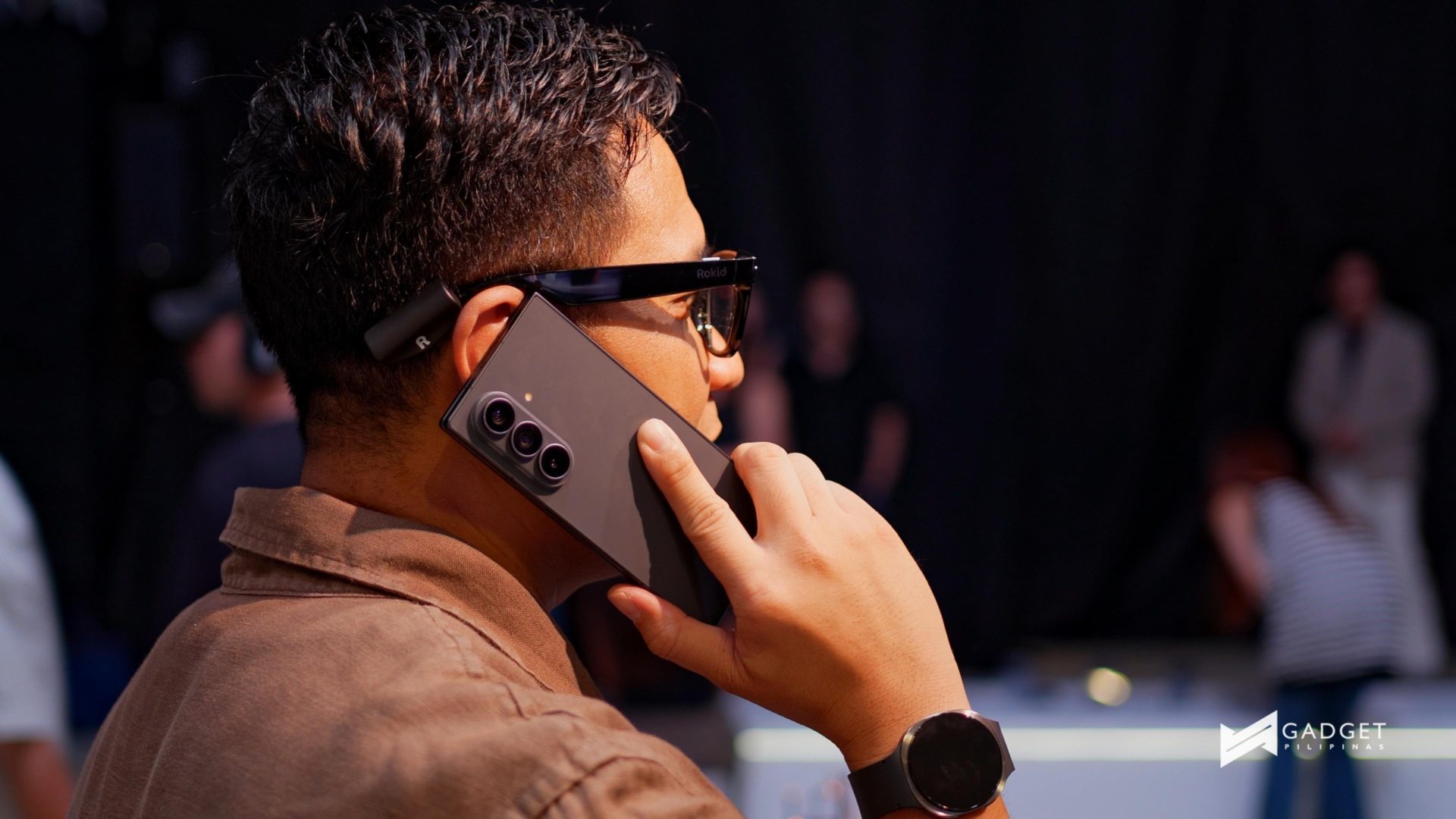
Galaxy AI adds to that business proposition by helping users move from intent to outcome with less manual effort. Samsung described its direction as an AI experience that understands context and supports task completion with minimal input, allowing employees to focus more on their work instead of managing apps and devices. It also emphasized that security must remain foundational for enterprise and government users handling critical business information.
Salespersons and field agents are a clear example. A foldable can let them pull up a presentation, revise a proposal, edit materials, review product information and show updated content to a client—all from one device while on the move. Samsung identified sales teams as a potential growth area, particularly for workers who may not require a high-powered productivity setup all the time but would benefit from the ability to update and present customer-facing materials in real time.
This positions foldables not simply as premium devices for executives, but as versatile business tools for organisations looking to equip mobile teams with a secure, capable device without requiring them to carry both a phone and a tablet.
The future must remain user-led
The promise of agentic AI is appealing: assistants that can understand intent, recommend the next step and handle parts of a task. But this also raises the stakes for privacy, security and transparency.
Samsung’s stated approach centres on user acceptance and suggestions. AI may recommend actions based on context, but users should remain aware of what is happening, able to intervene and in control of whether an action proceeds. The company also says AI-generated content should be clearly identified, with safeguards operating at both the hardware and software levels.
This is the line foldable AI needs to walk. The future should not be a phone that acts independently in ways users cannot understand. It should be a more capable companion: one that makes the larger, more versatile hardware feel easier and more natural to use.
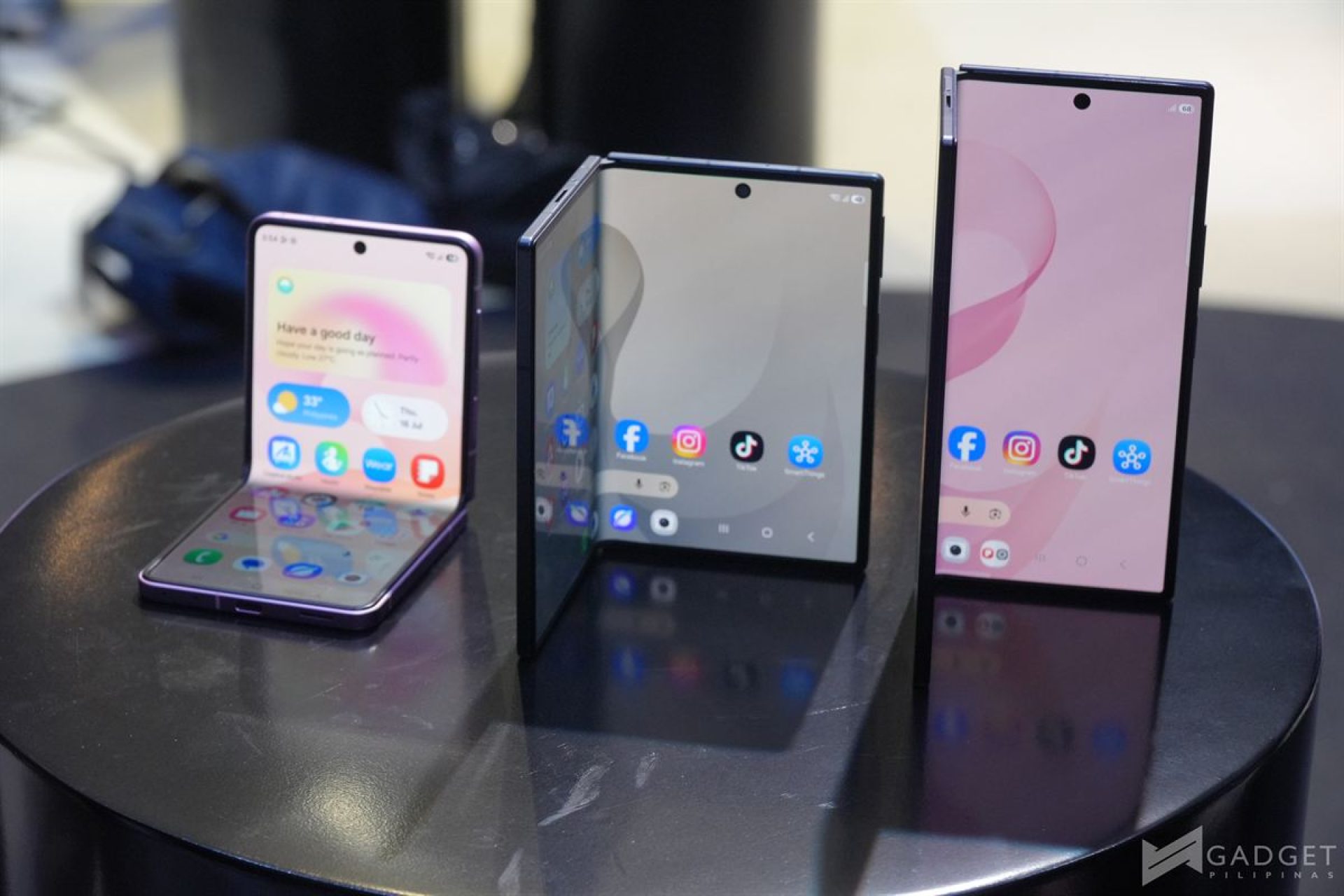
Foldables, like the Galaxy Z Fold8 Ultra and Galaxy Z Fold8, may have started as a new way to reshape a display. With Galaxy AI, their next opportunity is to reshape the mobile experience itself, and that is turning flexible hardware into a more contextual, personal and productive computing platform.

Giancarlo Viterbo is a Filipino Technology Journalist, blogger and Editor of gadgetpilipinas.net, He is also a Geek, Dad and a Husband. He knows a lot about washing the dishes, doing some errands and following instructions from his boss on his day job. Follow him on twitter: @gianviterbo and @gadgetpilipinas.