
Intelligent Eyewear – Less Screen but more ecosystem inoperability
Samsung’s newly announced Intelligent Eyewear is not being positioned as a phone replacement. It is a companion device meant to make Galaxy services, Gemini assistance and hands-free controls available in the moments when reaching for a handset is inconvenient or disruptive.
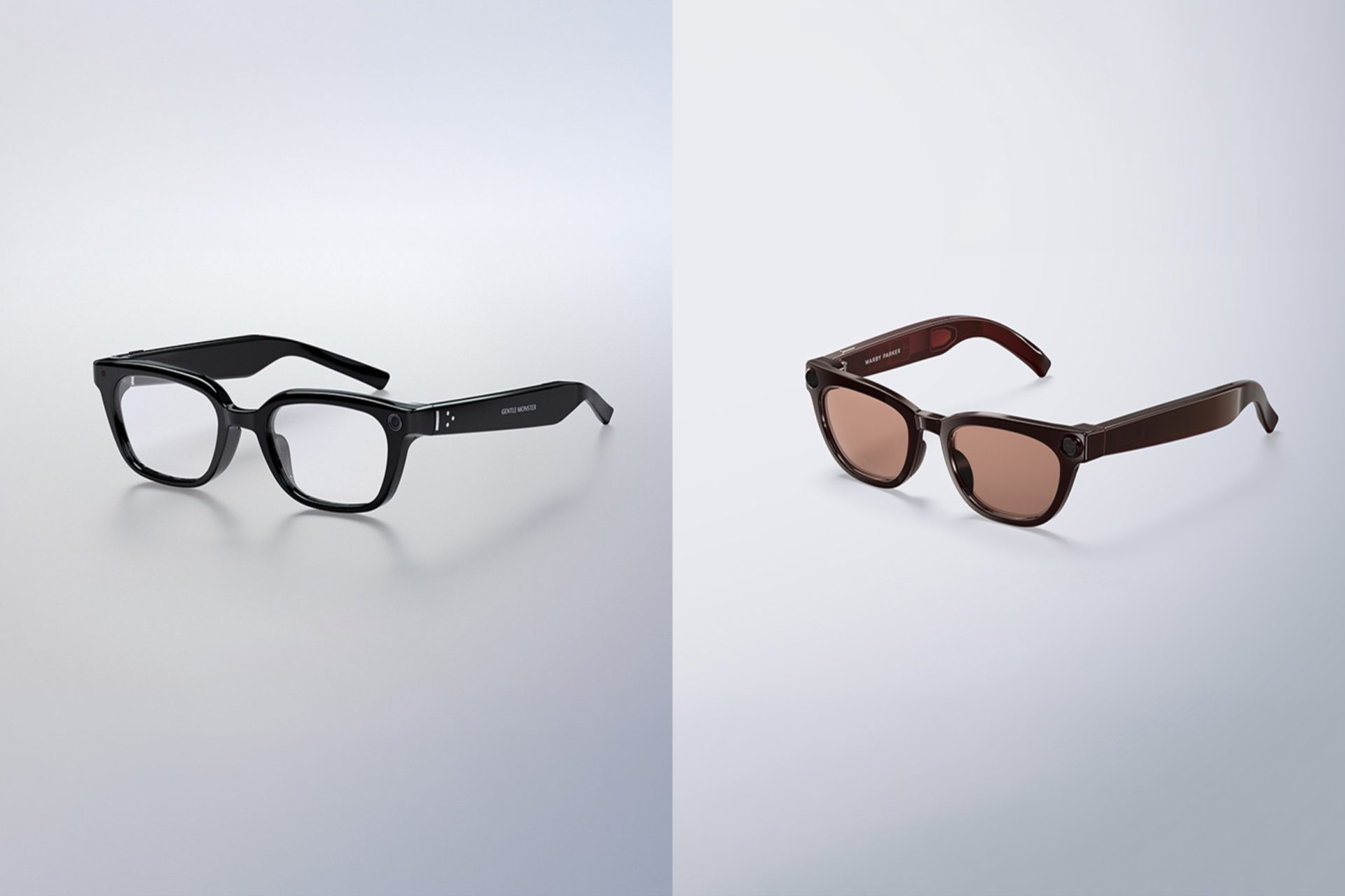
Samsung’s more important claim, however, is about wearability. By working with Gentle Monster and Warby Parker, the company is treating smart glasses first as eyewear people should genuinely want to wear, then as a platform for cameras, AI and connected services.
An interface for the Galaxy ecosystem
Samsung’s Intelligent Eyewear extends the Galaxy ecosystem from the pocket to the user’s field of view. A Galaxy phone remains the computing anchor, supplying processing power, memory, connectivity and the security framework behind the experience, while the glasses provide cameras, microphones, open-ear audio and a hands-free point of interaction.

That division of labor matters. Rather than attempting to put every component of a smartphone into a frame, Samsung is pursuing split computing: the glasses capture context and surface assistance, while the phone handles much of the heavier work. The result is meant to reduce the need to look down at a screen without asking users to abandon the phone that already holds their apps, accounts and personal data.
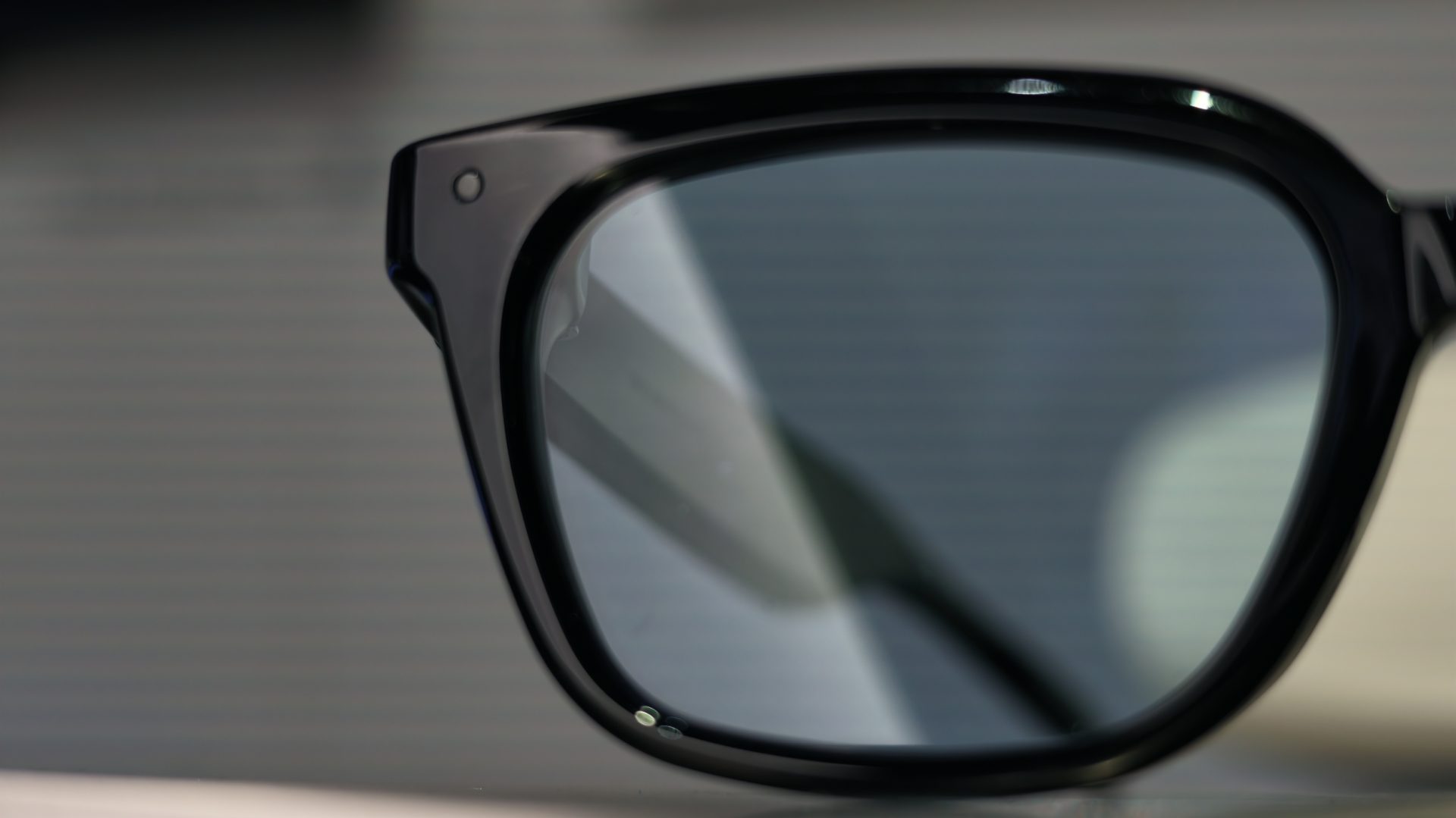
Samsung described several examples of that continuity at Unpacked 2026 in London, which I attended last week. Accordingly to Samsung, the glasses can summarize messages, read information aloud, support live translation, capture a whiteboard or meeting discussion for Samsung Notes, provide location-aware guidance, and share the wearer’s point of view during a call. These are not merely isolated “smart-glasses tricks”; they are extensions of familiar Galaxy and Google services, delivered through voice, visual context and audio.
The wider Galaxy lineup also has a role. Samsung says users will be able to use a connected Watch9 for gesture-based controls, while captured content can move into the Galaxy phone and Gallery workflow. In practical terms, that could let a creator record a quick first-person clip hands-free, review it on a phone, then move it into an existing editing and sharing process.
Comfort before computing
The strongest message from Samsung’s roundtable was that intelligence is useless if the product does not earn a place on someone’s face. Executives repeatedly framed the first requirement as simple: people must want to wear the glasses, and they must remain comfortable enough to wear for long periods.
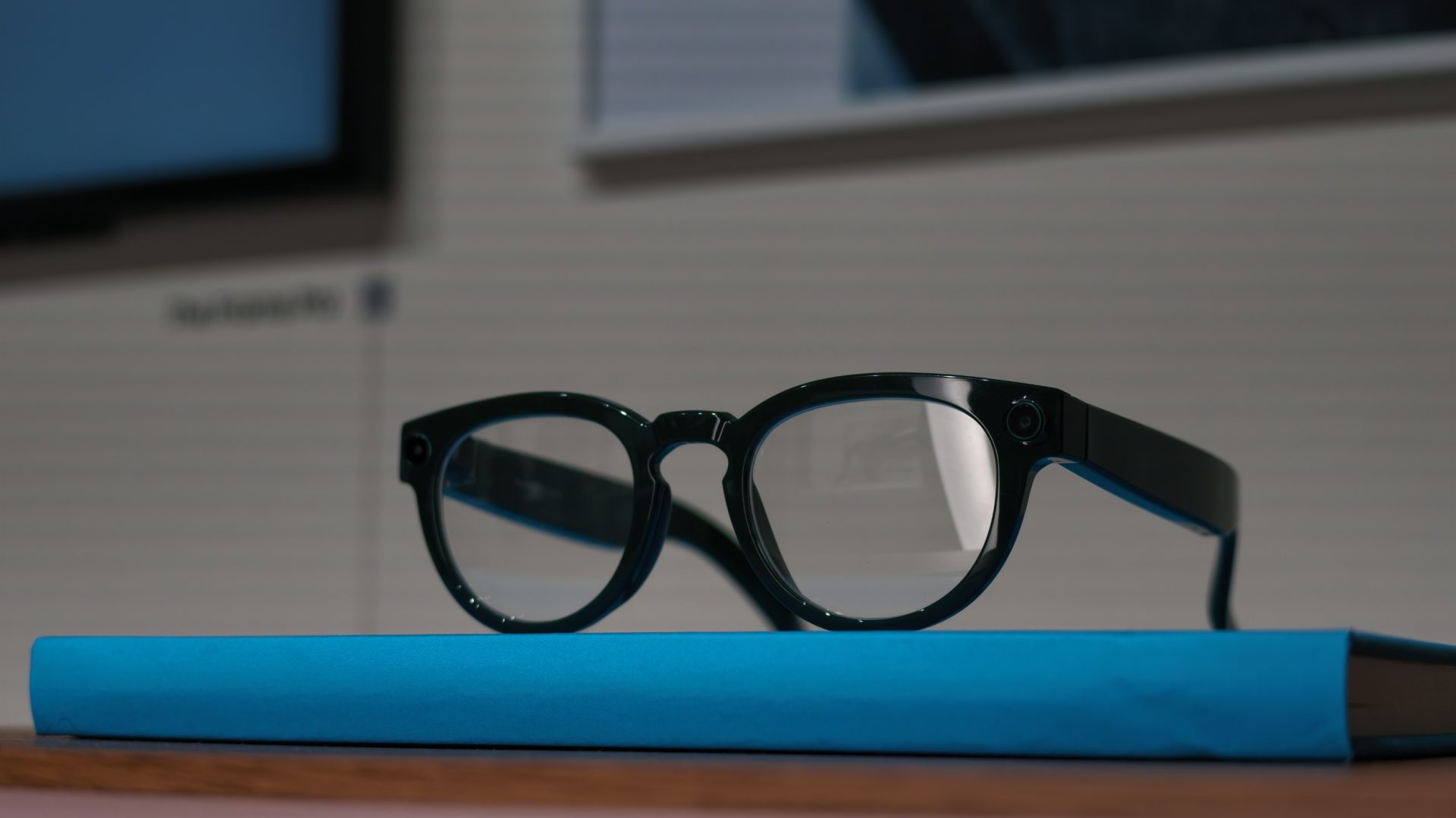
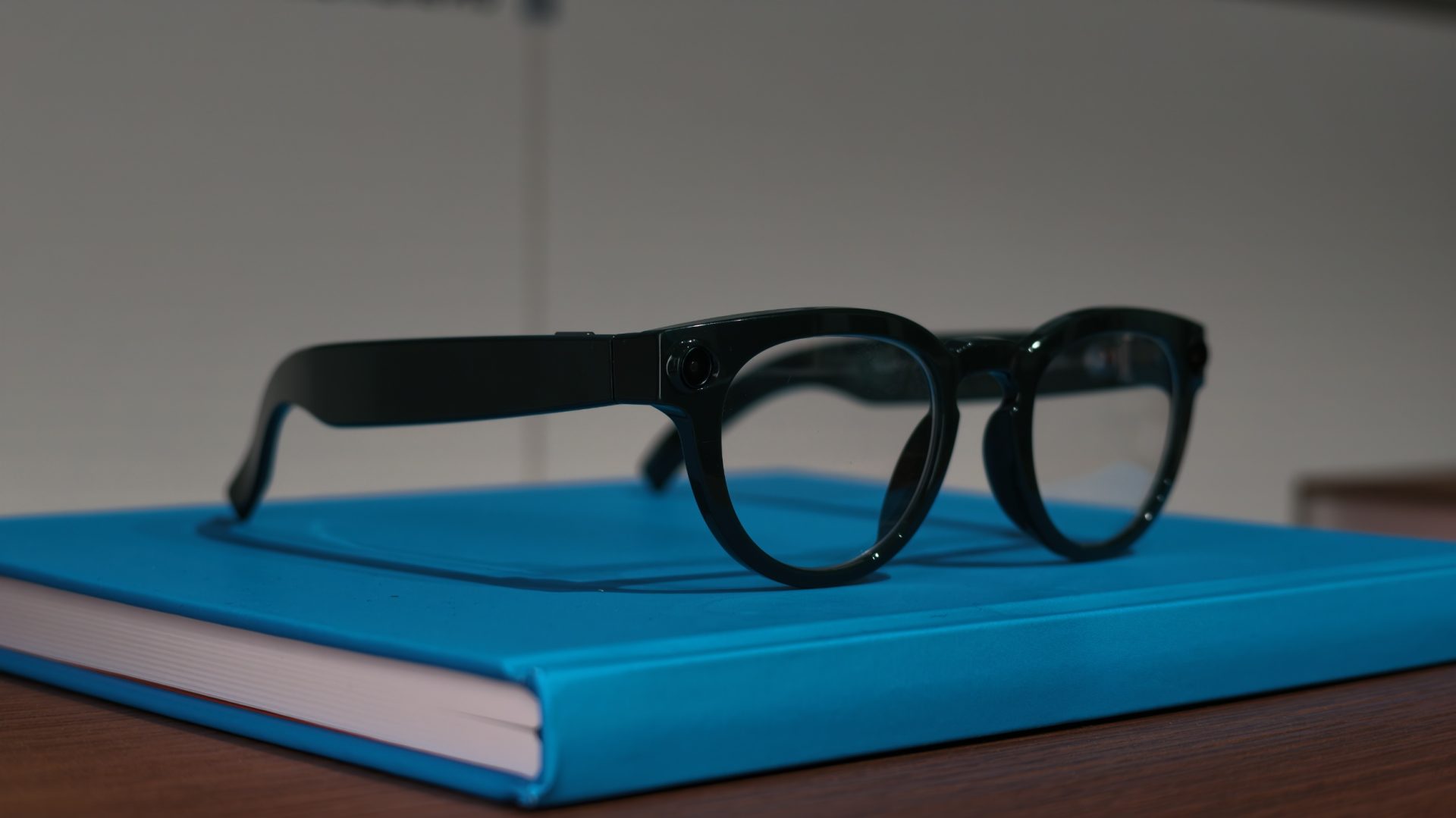
That explains the focus on a lightweight, slim frame, balanced weight distribution, fit around the forehead, nose, ears and cheekbones, plus thermal management and durability against conditions such as humidity, sweat, sunscreen and daily handling. Too bad, I wasn’t allowed to wear during our content capture. However, given that these glasses are still “working prototypes”, it is more than enough to prove that they are really committed to release it sometime in Fall 2026.
Moreso, Samsung said it uses a data-driven, human-centred design process because facial geometry is far more varied and sensitive than the fit considerations of a watch or phone.
The company also argues that the best technology should “disappear” into the product. That is a useful framing for eyewear: users should experience the frame as a normal personal accessory, not a conspicuous computer that happens to sit on their face. Samsung’s claimed battery target (up to nine hours per charge, plus up to seven additional charges from the case) is part of that effort to keep the device practical throughout a day.
Why Gentle Monster and Warby Parker matter
Gentle Monster and Warby Parker bring more than recognizable names to the project. Their involvement signals that Samsung understands eyewear as a product category shaped by fit, personal taste, prescription needs, frame identity and the confidence to wear a design in public—not just a miniature hardware enclosure.
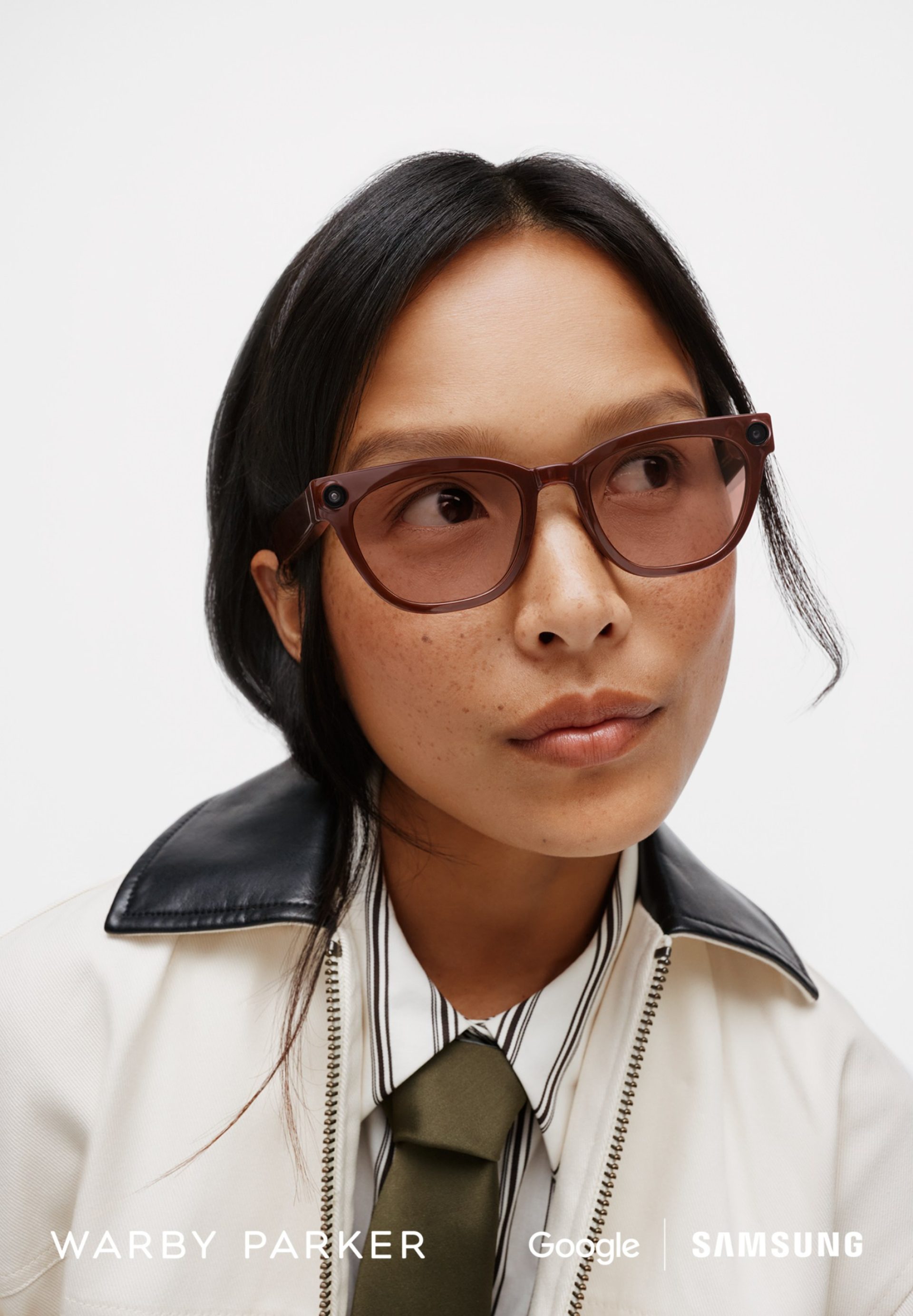
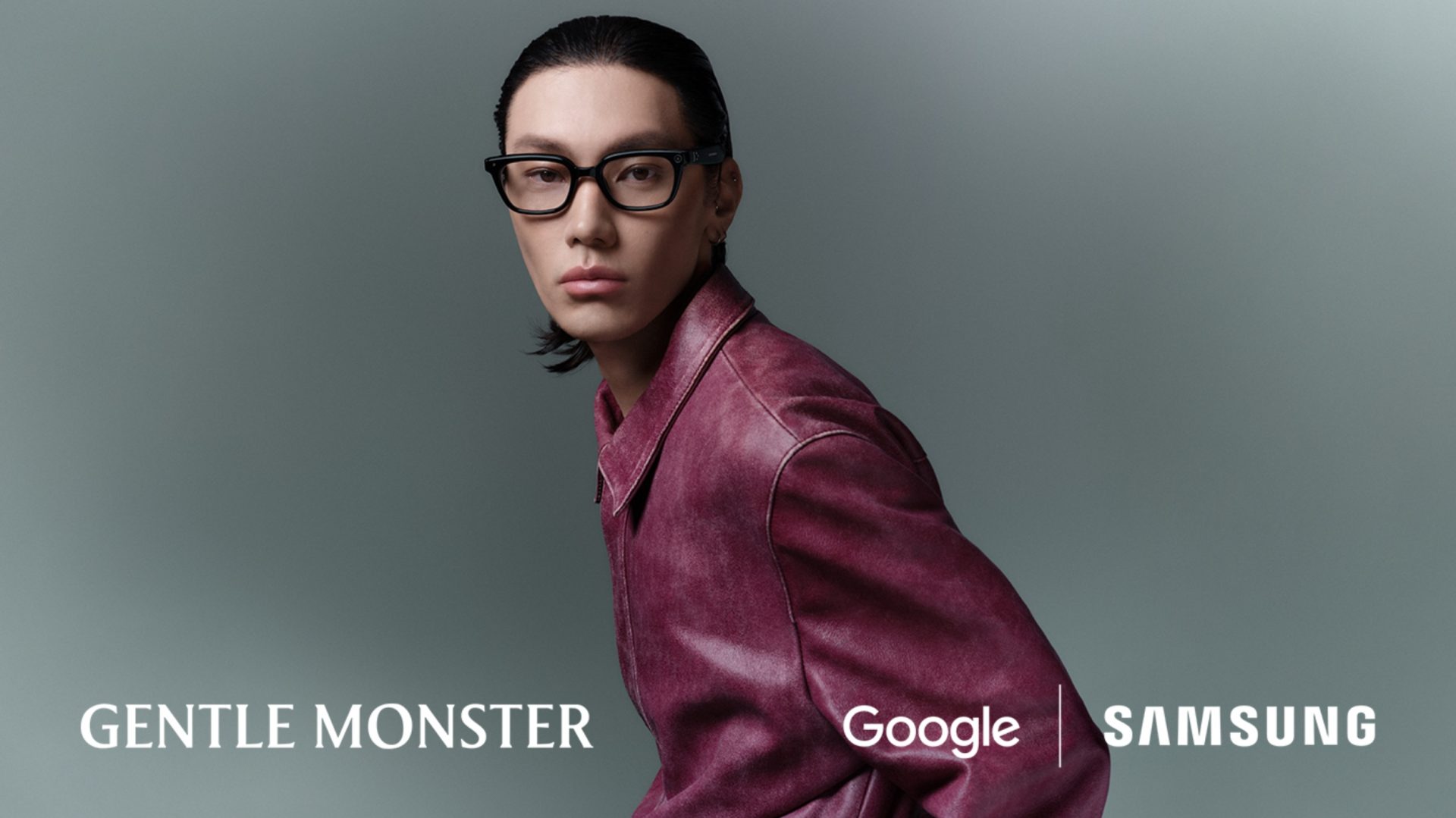
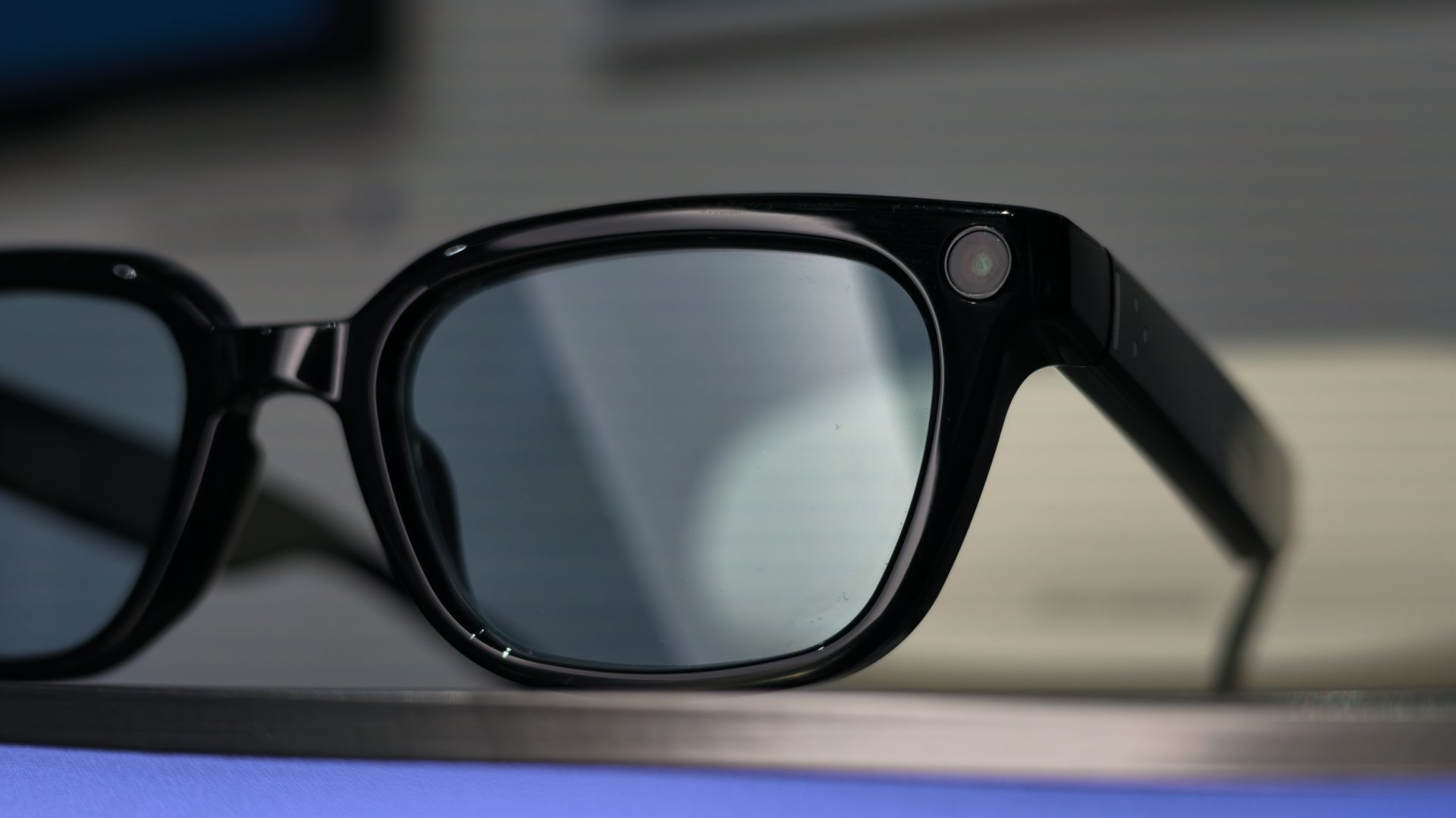
The partnership also gives Samsung two different design languages from the outset. The Gentle Monster edition uses a slim black frame with a straighter upper rim and rounded lower edges, while the Warby Parker design uses a brown frame with a subtly upswept brow line intended for everyday settings. Offering distinct styles is a small but meaningful departure from the usual one-frame-fits-all approach of first-generation smart glasses.
This is where Samsung’s emphasis on “wearability” becomes more credible than a specification-sheet claim. The company is pairing its hardware engineering and Galaxy software with brands that already build products people select for style and comfort. Samsung is effectively acknowledging that fashion and fit are not finishing touches; they are prerequisites for mainstream adoption.
A different competitive angle
Samsung enters a market where the basic proposition (camera, audio, voice assistant and discreet hands-free access) is already familiar. Its differentiation is less about claiming that smart glasses are new and more about making them feel like a natural part of an existing Galaxy setup.
| Area | Samsung’s approach |
|---|---|
| Product role | A Galaxy companion rather than a replacement for the smartphone, with processing and personal data anchored in the phone. |
| Ecosystem | Built around Galaxy devices and services, while using Google’s Gemini and Android XR platform for AI experiences. |
| Input | Voice and touch on the glasses, with gesture controls through a compatible Galaxy Watch9. |
| Design strategy | Separate Gentle Monster and Warby Parker designs, with frame comfort and personal style treated as central requirements. |
| AI value | Contextual assistance based on what the wearer sees, hears and is doing, including Notes capture, translation, guidance and visual sharing. |
| Privacy stance | Samsung emphasizes clear controls, transparent status indicators and the ability to manage or block camera use, while acknowledging that social acceptance and regulation will evolve. |
The practical competitive advantage is therefore ecosystem depth. Samsung already has phones, watches, earbuds, tablets, displays, SmartThings devices, Samsung Notes and a large installed base of Galaxy users. If its eyewear can move smoothly among those products (rather than requiring a separate app universe) it can become a more useful accessory from day one.
There is also a more restrained product philosophy here. Samsung is not presenting the glasses as a display-heavy replacement for a phone, nor as a device that should monopolize attention. The stated aim is to let users remain present: ask for help, capture context or hear information without breaking the flow of a conversation, commute, workout or task.
The real test
The announcement sets an appealing direction, but the product will be judged on execution. Context-aware AI needs to be genuinely useful, voice interactions need to work reliably in noisy real-world settings, battery claims need to hold up, and the visual design must pass the most basic test: whether people are comfortable wearing it beyond a product demo.
Samsung has identified that challenge clearly. Its Intelligent Eyewear will succeed not because it can put AI on a face, but because it can make access to Galaxy AI feel less like another device to manage and more like a natural extension of the products users already carry and wear.

Giancarlo Viterbo is a Filipino Technology Journalist, blogger and Editor of gadgetpilipinas.net, He is also a Geek, Dad and a Husband. He knows a lot about washing the dishes, doing some errands and following instructions from his boss on his day job. Follow him on twitter: @gianviterbo and @gadgetpilipinas.