


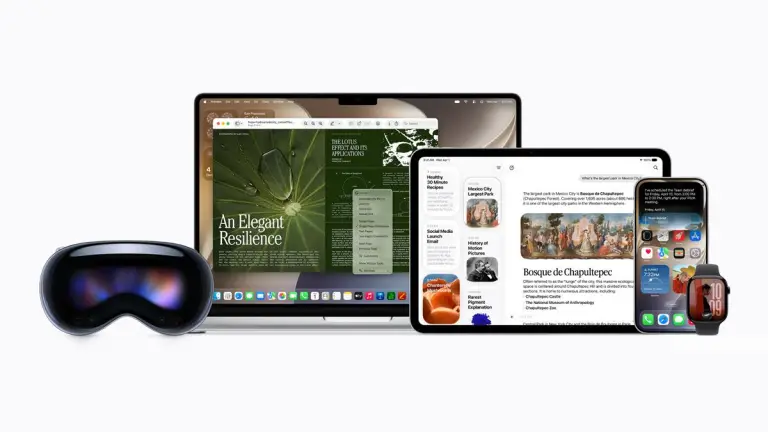
At this year’s WWDC, Apple has introduced Siri AI, a rebuilt version of Siri powered by Apple Intelligence that aims to be more conversational, more personal, and more capable across Apple’s devices. It can pull from personal context, understand what is on a user’s screen, and answer broad questions using world knowledge, while still relying on an architecture designed to protect privacy.
A More Personal Assistant
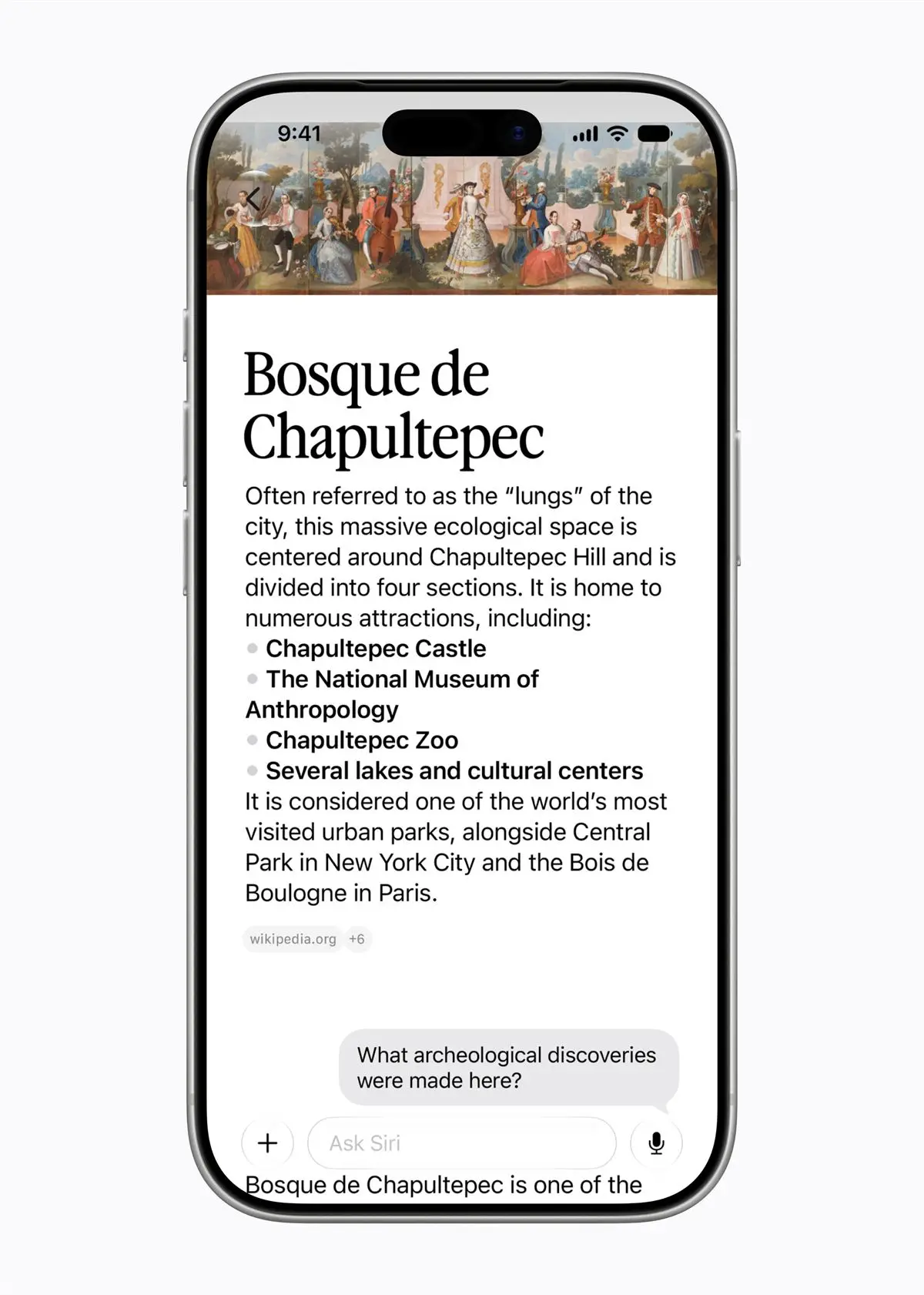
Siri AI is designed to help people find information and complete tasks more naturally throughout the day. It can surface details from messages, emails, photos, and other content to answer practical requests, such as finding a restaurant recommendation, retrieving a hotel confirmation number, or pulling up photos from a recent trip. This personal context capability can extend to third-party apps when developers integrate with Spotlight.
The assistant is also meant to work across apps more smoothly. Users can ask Siri AI to draft an email, edit and share photos, or respond to questions about what appears on their screen. They can also use it to help brainstorm what to bring to a potluck and then turning that into a Notes entry.
Users can keep the conversation going with follow-up questions, making the experience feel more like a live dialogue than a simple command tool.
Visual Intelligence Expands
Apple is also widening Siri’s visual capabilities. On iPhone, Siri AI is built into the Camera app with a new Siri mode that lets users point the camera at what is in front of them and then ask for information or actions. This mode can even provide nutritional insights about food.

Visual Intelligence is also expanding beyond iPhone. For the first time, it will be available on iPad and Mac, where users can search visually, ask questions about what is on their screen, and even take action more seamlessly.
On iPad, the feature is integrated into screenshots, while on Mac it can be accessed through a dedicated keyboard shortcut. Apple Vision Pro users will also be able to ask Siri about items they are looking at, including app windows and physical objects in their space.
Built on New Privacy Architecture
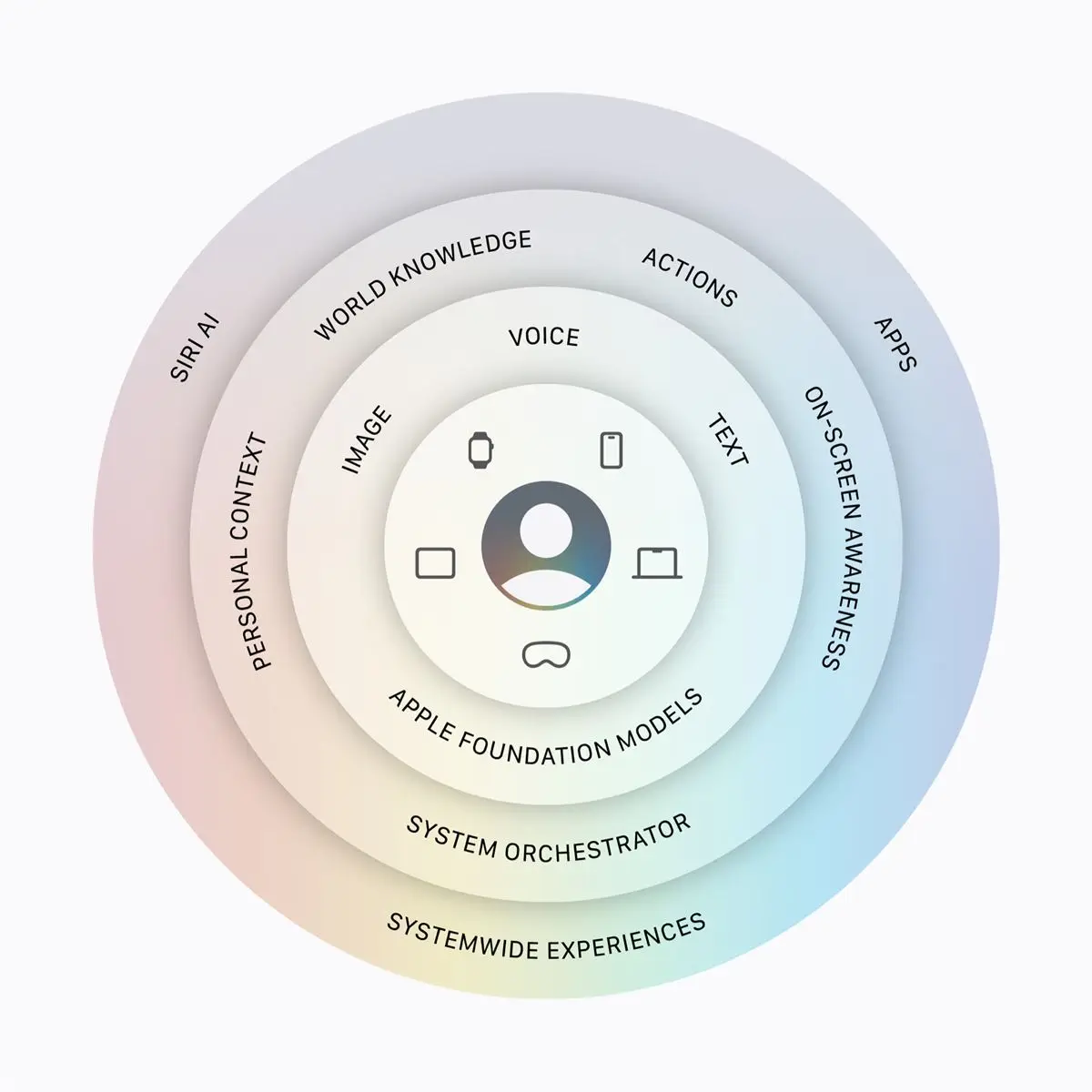
Siri AI has been rebuilt from the ground up with a new architecture that uses Apple Intelligence and the latest Apple Foundation Models. Some tasks run on device, while others are handled through Private Cloud Compute. Personal data is not stored or made accessible to Apple or anyone else when Private Cloud Compute handles a request, and outside experts can continue to verify that privacy promise.
Siri AI uses a system orchestrator that connects to on-device capabilities such as the Spotlight index and App Toolbox. This approach keeps users in control of their data while giving Siri more powerful systemwide capabilities. These protections help support its claim that Siri remains the world’s most private digital assistant.
Writing, Dictation, and Availability
Siri AI also brings stronger writing tools. Users will be able to write with Siri almost anywhere they type, generate drafts from scratch, and revise existing text by describing the changes they want. In Mail and Messages, Siri can adapt to the way users usually communicate with each recipient, including tone and punctuation. It can also proofread text across the system, including in many third-party apps.
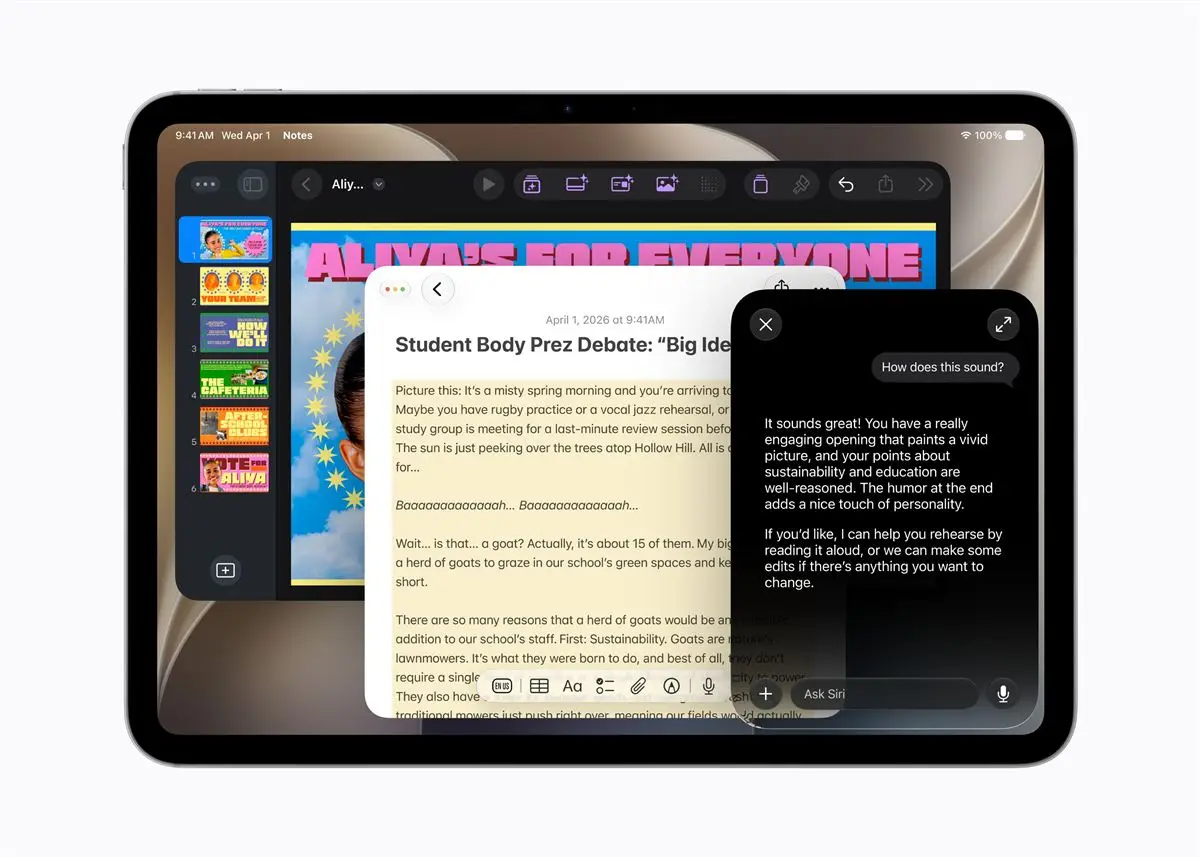
For supported devices, Siri AI will offer more expressive voices and improved dictation accuracy. Dictation is designed to capture speech as polished text, automatically handling capitalization, punctuation, and formatting. Users can also adjust the expressiveness and pace of Siri’s voice.
The new Siri AI features are available for developer testing now through the Apple Developer Program on iOS 27, iPadOS 27, macOS 27, and visionOS 27, with a future watchOS 27 beta planned.
The new features are already available for developer testing and will arrive later this year as a beta for users with supported devices.
Frequently Asked Questions (FAQ)
Q: What is Siri AI?
A: Siri AI is Apple’s newly introduced version of Siri, rebuilt with Apple Intelligence to be more personal, conversational, and capable.
Q: What can Siri AI do with personal context?
A: It can surface useful information from messages, emails, photos, and more, such as recommendations, confirmation numbers, and trip photos.
Q: Where is Visual Intelligence available?
A: Visual Intelligence with Siri is coming to iPhone, iPad, Mac, and Apple Vision Pro, with different integration methods on each device.
Q: How does Apple describe Siri AI’s privacy approach?
A: Siri AI uses on-device processing and Private Cloud Compute, with personal data not stored or made accessible to Apple when requests are handled in the cloud.
Q: When will users get access?
A: Developer testing is available now, and a user beta is planned for later this year on supported devices.

Emman Tortoza
Emman has been writing technical and feature articles since 2010. Prior to this, he became one of the instructors at Asia Pacific College in 2008, and eventually landed a job as Business Analyst and Technical Writer at Integrated Open Source Solutions for almost 3 years.
View all articles →Related News
 The OPPO 10.10 Sale Starts October 3