



The Galaxy Z Fold8 cameras don’t need to win on paper
Samsung’s spec sheet makes the pecking order in the Galaxy Z Fold8 lineup obvious. The Z Fold8 Ultra carries a 200MP main sensor at f/1.7, a 50MP ultra-wide at f/1.9, and a 10MP telephoto with 3x optical zoom, while the standard Z Fold8 settles for a dual 50MP setup — a 50MP main at f/1.8 and a 50MP ultra-wide at f/1.9, with no telephoto at all.

On resolution alone, that’s a fourfold gap on the primary sensor and a missing zoom lens. But after shooting with the Fold8 for actual content work, the megapixel deficit turns out to matter far less than it looks like it should.

Why the smaller sensor still holds up
The Fold8’s 50MP wide and 50MP ultra-wide pairing is tuned by Samsung’s ProVisual Engine, the same AI-driven imaging pipeline that anchors the Ultra’s camera experience, and it’s built around more than 160 AI-assisted imaging processes rather than raw pixel count.
In daylight and typical indoor light, files out of the Fold8 look clean, well-exposed, and color-accurate — the kind of result that doesn’t call attention to the sensor being “only” 50MP. Where the gap becomes visible is in extreme dynamic range scenes: the Ultra’s 200MP mode now supports HDR capture for more true-to-life detail retention in high-contrast shots, an advantage the Fold8’s sensor size simply can’t fully replicate.


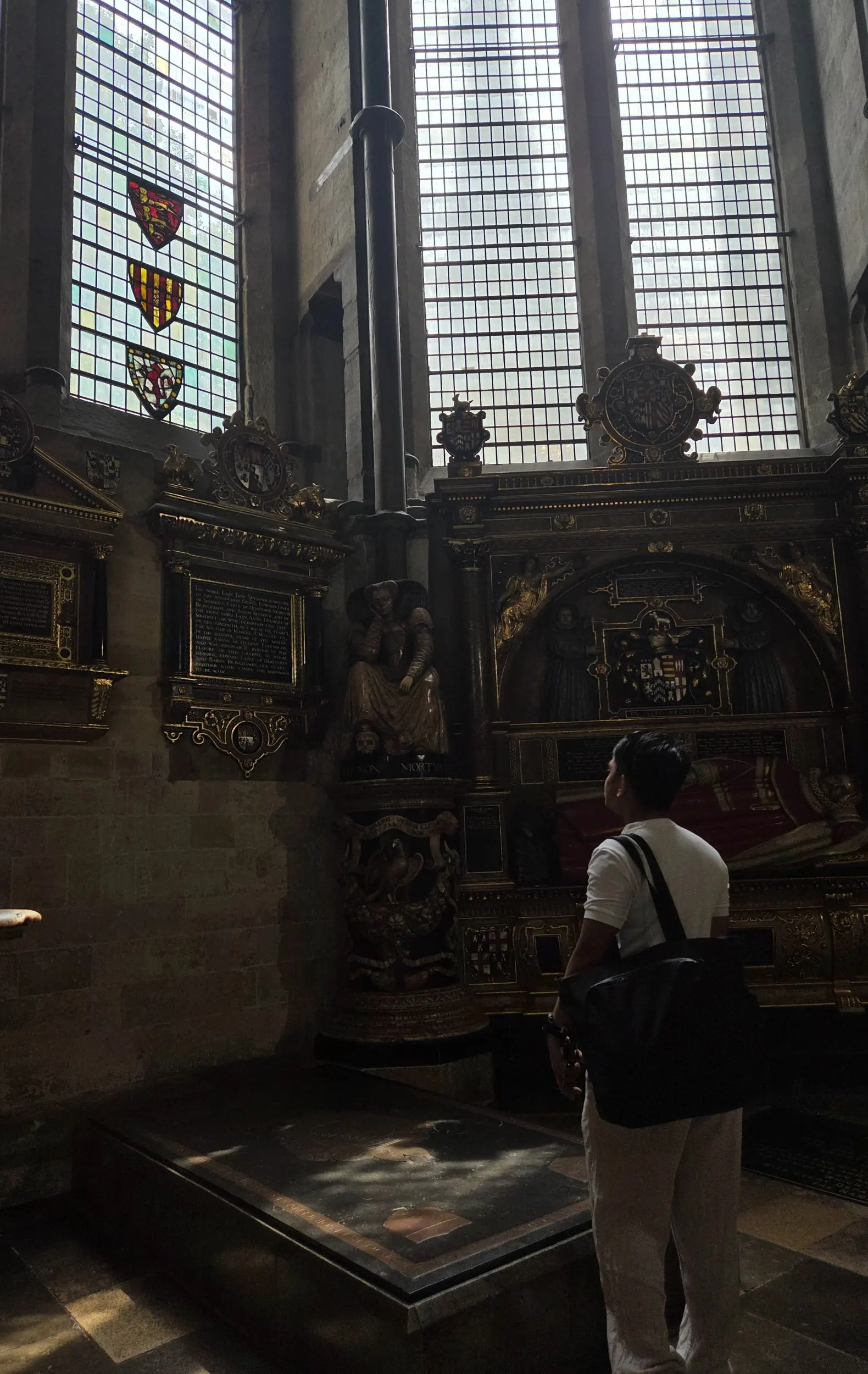


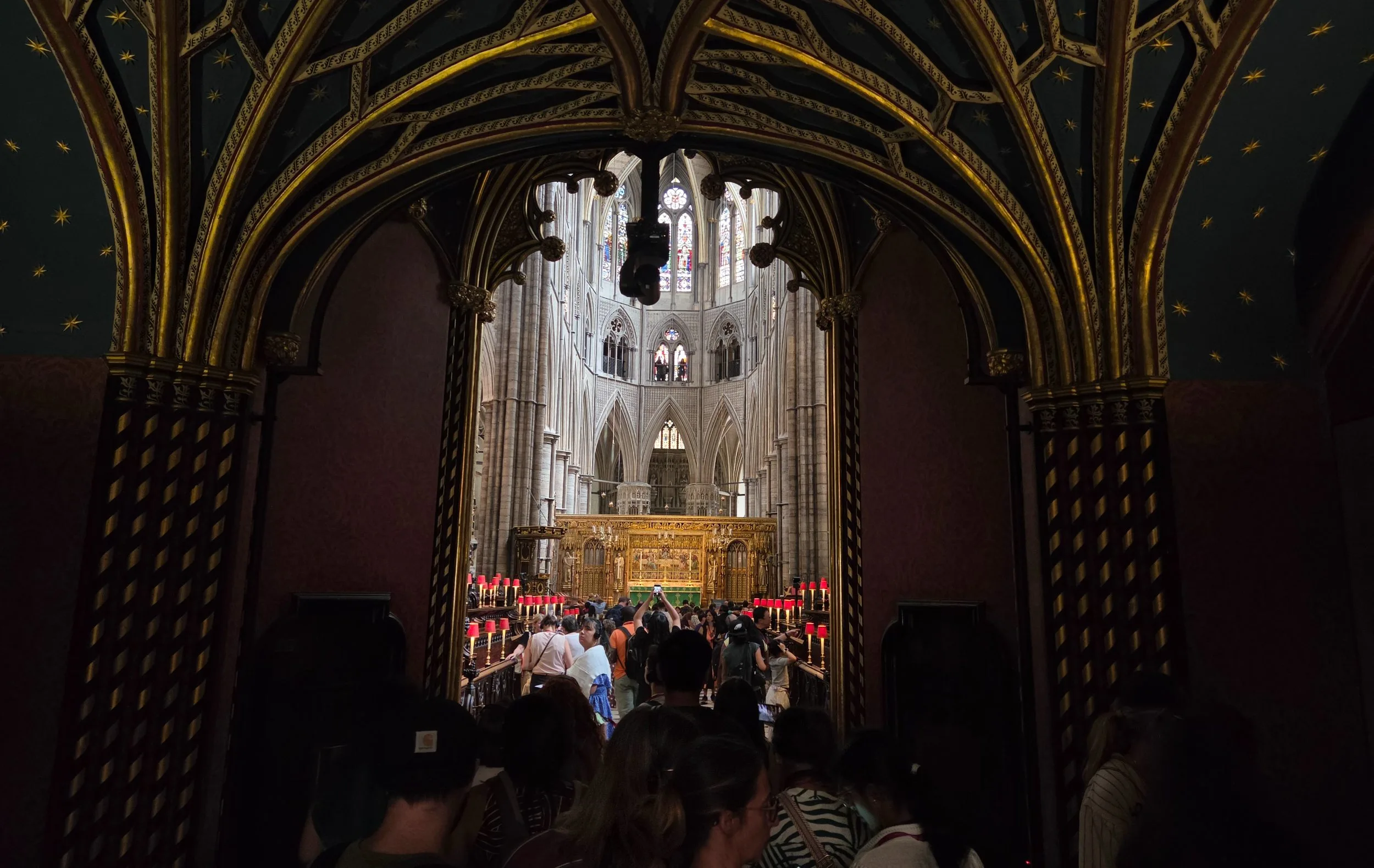
In low light, hands-on testers running both phones side by side found roughly 95 percent of shots looked nearly identical, with the Ultra pulling ahead only slightly in noise control and color saturation, not sharpness or detail.




AI features carry more of the workload than the sensor does
What actually closes the gap between the two phones is software, not hardware. Both models get an AI image signal processor for the front cameras, which produces more natural skin tones and hair texture in selfies regardless of which device you’re holding.


Nightography on the Fold8 uses a Spatio-Temporal Filter that separates subject from background across multiple frames while also cleaning up noise within each individual frame, so low-light footage stays sharp without the smeared, grainy look older foldables produced.
My FanCam, a Galaxy AI feature shared across the Fold8 line, automatically tracks a subject and reframes video into whatever aspect ratio you need for social platforms, which is a genuinely useful shortcut when you’re cutting clips for vertical feeds straight off the phone.
Where the Fold8 borrows flagship-grade video tools
Video is where the standard Fold8 feels most like it’s punching above its spec sheet. It supports 10-bit HDR recording with meaningfully richer contrast and wider dynamic range than standard 8-bit footage, along with Hybrid Log Gamma and LOG recording for creators who want flexibility in the grade rather than a baked-in look.
Samsung’s own LUT (or Look-Up Table, for the uninitiated) tool lets you apply color grading directly on-device, the same LUT-based grading language the Ultra markets under its Cine LUT branding, so the creative control doesn’t disappear just because the sensor is smaller.
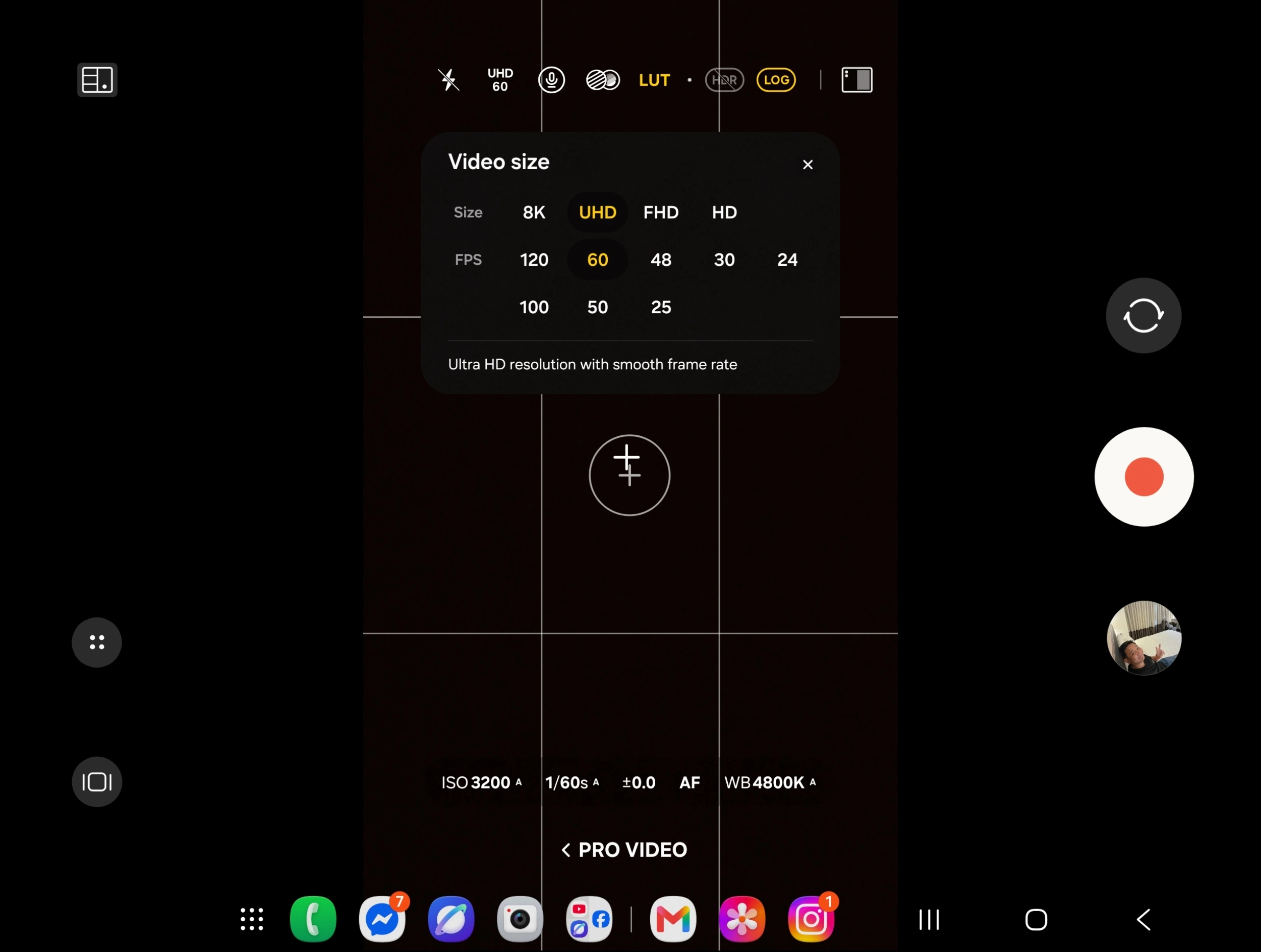
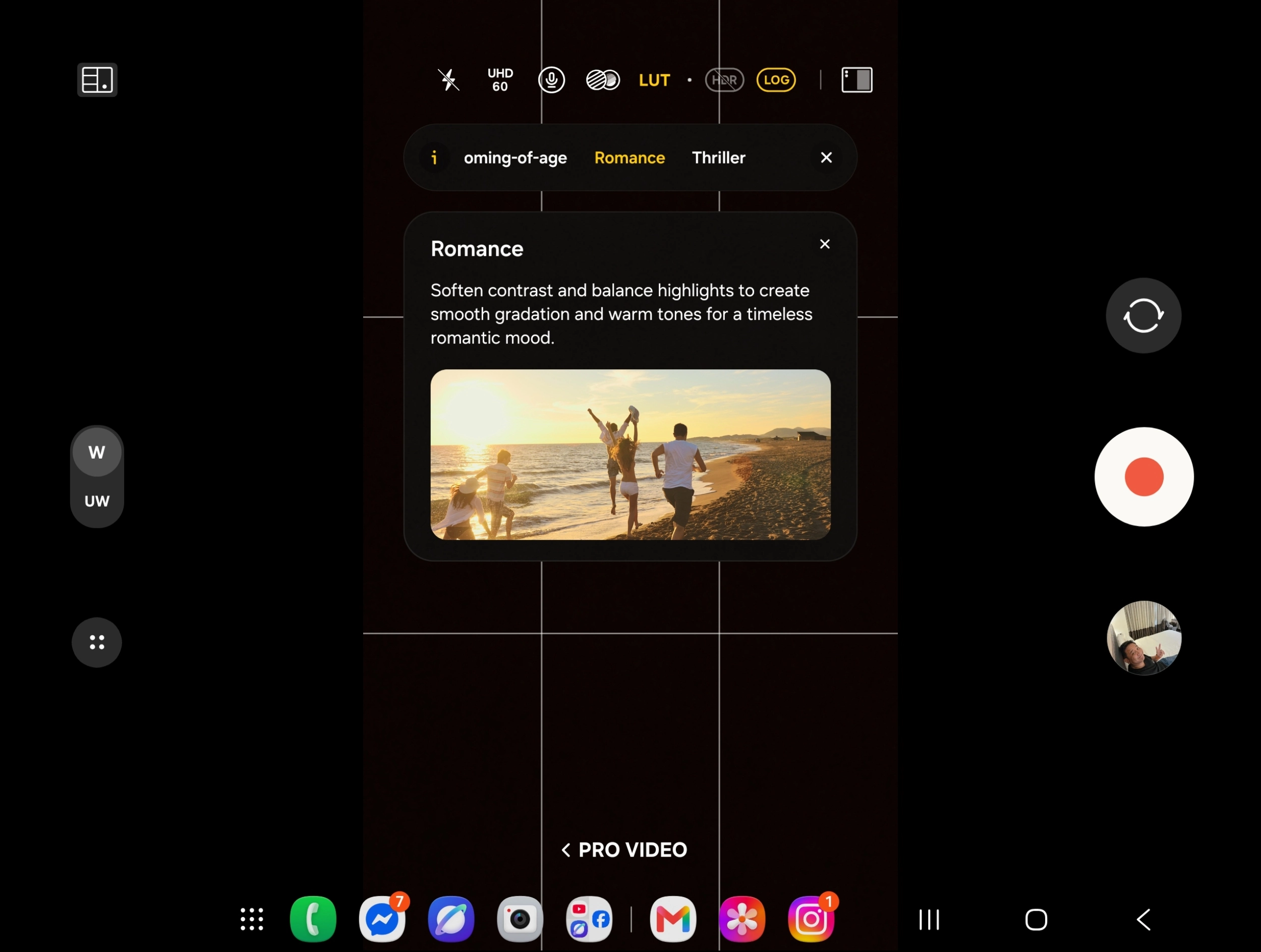
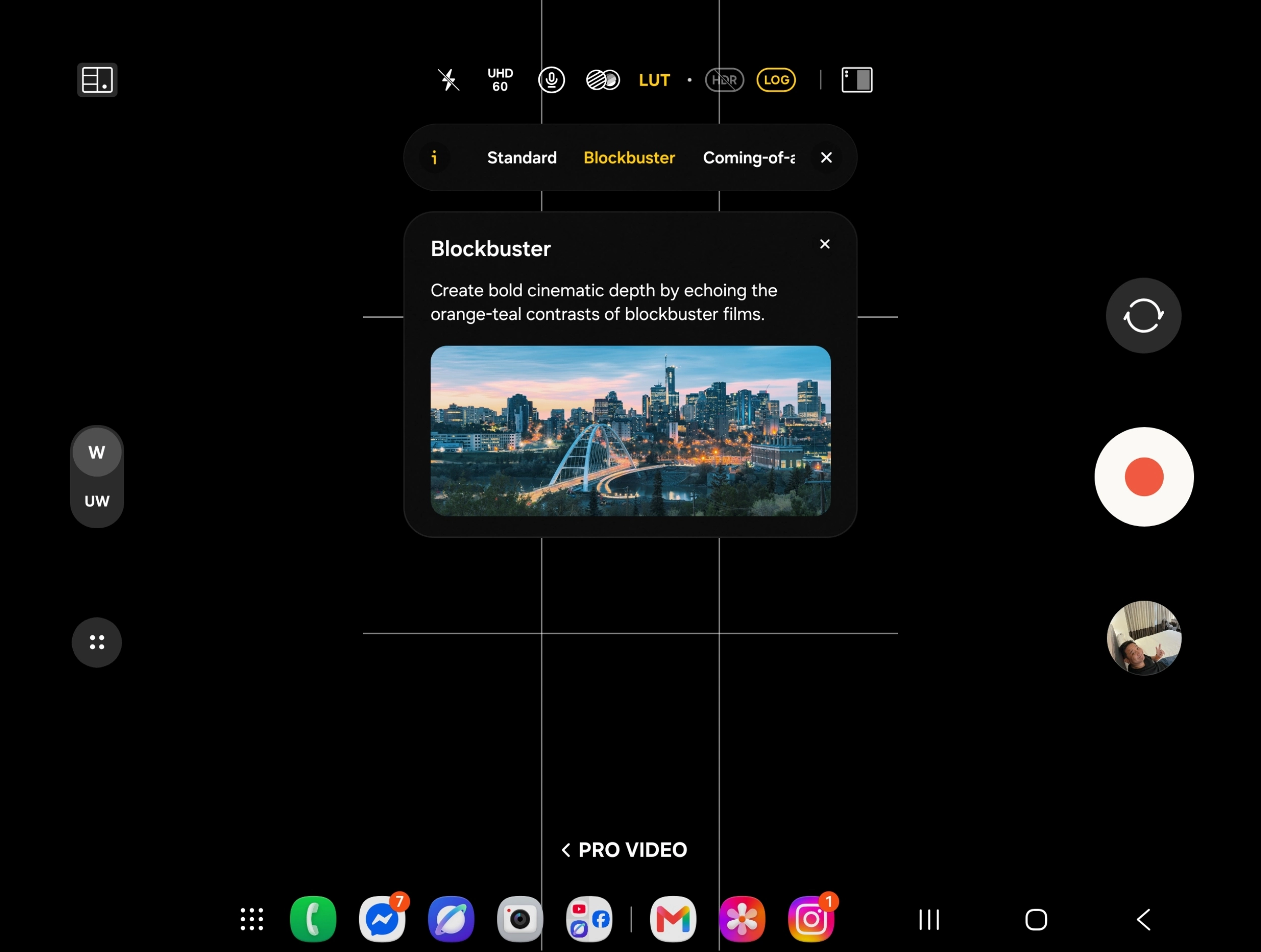
Dual Recording, which shows a live preview from both the front and rear camera simultaneously, is available on the Fold8 as well, making it straightforward to record a talking-head reaction layered over whatever the rear camera is capturing.news.
Fold8 Ultra Cameras are for the Pro, Fold8’s are for the Prosumers
| Feature | Galaxy Z Fold8 | Galaxy Z Fold8 Ultra |
|---|---|---|
| Main sensor | 50MP, f/1.8 | 200MP, f/1.7, HDR mode news. |
| Ultra-wide | 50MP, f/1.9 | 50MP, f/2.2 |
| Telephoto | None | 10MP, 3x optical |
| Selfie cameras | 10MP cover + 10MP inner | 10MP cover + 10MP inner |
| Video codec/LUT | 10-bit HDR, LOG, on-device LUT | 8K APV codec, Cine LUT |
| AI tools | ProVisual Engine, Nightography, My FanCam | Same suite, plus enhanced Nightography for low light |
Let me be straight here: the Fold8’s cameras were never going to out-resolve the Ultra, and Samsung isn’t pretending otherwise.
What’s surprising is how little that gap shows up in everyday shooting, because the ProVisual Engine, Nightography, LUT grading, and AI reframing tools that define the “flagship” camera experience are present on both phones, not gated behind the higher price tier. For a device built primarily as a content-creation tool rather than a camera-first flagship, that’s the right trade to make.
The new Galaxy Z Fold8 is now available for pre-order until August 13, 2026.
Buy here:

Giancarlo Viterbo
Giancarlo Viterbo is a Filipino Technology Journalist, blogger and Editor of gadgetpilipinas.net, He is also a Geek, Dad and a Husband. He knows a lot about washing the dishes, doing some errands and following instructions from his boss on his day job. Follow him on twitter: @gianviterbo and @gadgetpilipinas.
View all articles →Related Articles
 NBA 2K27 Review: A Better Game Than DLSS 5 Suggests

 iPhone Duo: What We Know So Far
 Why I’m excited for the MSI Claw EX AI+