





DJI Lito 1 and Lito X1 – The Choice is Yours
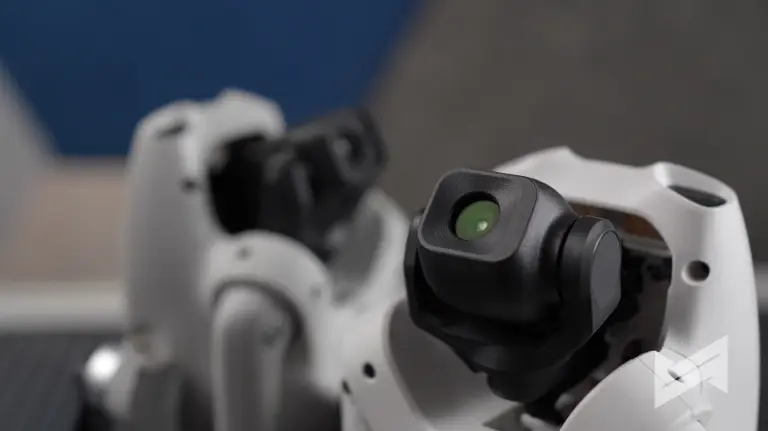
DJI’s Lito 1 and Lito X1 feel like DJI’s answer to beginners and casual creators who still want serious aerial footage without jumping straight into the higher Mini or Air series. Both drones stay under 249g, keep the folding Mini-style look, and focus on ease of use, but they target slightly different users. The Lito 1 sits firmly in the entry-level space, while the Lito X1 gives you a more “pro-ish” camera and better safety features in the same compact footprint.
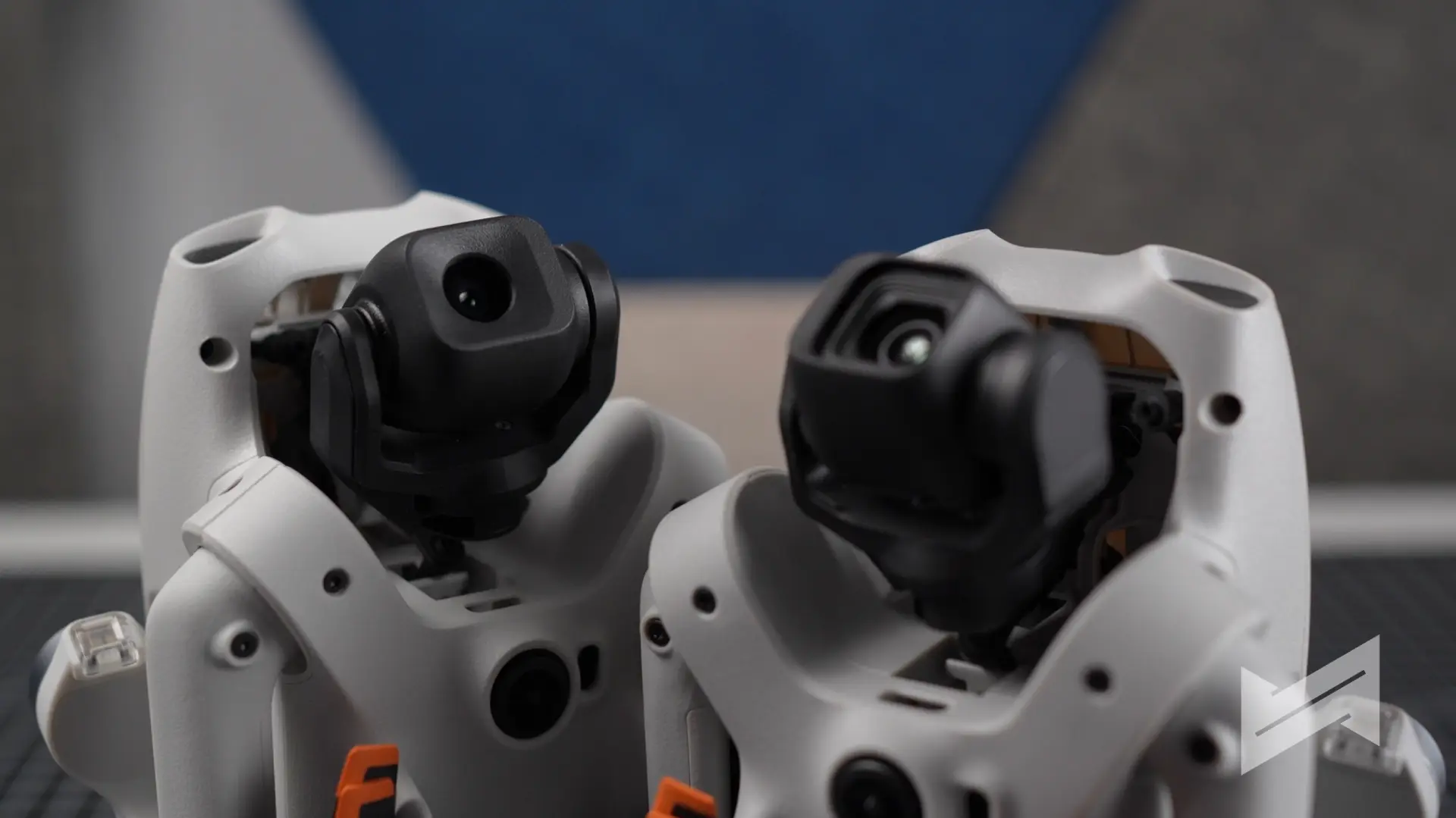
This split is a smart move from DJI. It lets someone on a tighter budget start with the Lito 1, while the X1 is there for users who care more about image quality and obstacle sensing than shaving off a few thousand pesos.

DJI Lito 1 Specs
The DJI Lito 1 is clearly positioned as a beginner-friendly drone. It weighs just 249g, which keeps it light and easy to pack for trips, and also helps with friendlier regulations in many countries. Under the hood, it uses a 1/2-inch CMOS sensor with 48MP effective pixels, capable of recording 4K video at up to 60fps. That combo is more than enough for social media, basic client work, and personal travel videos, especially in good light.
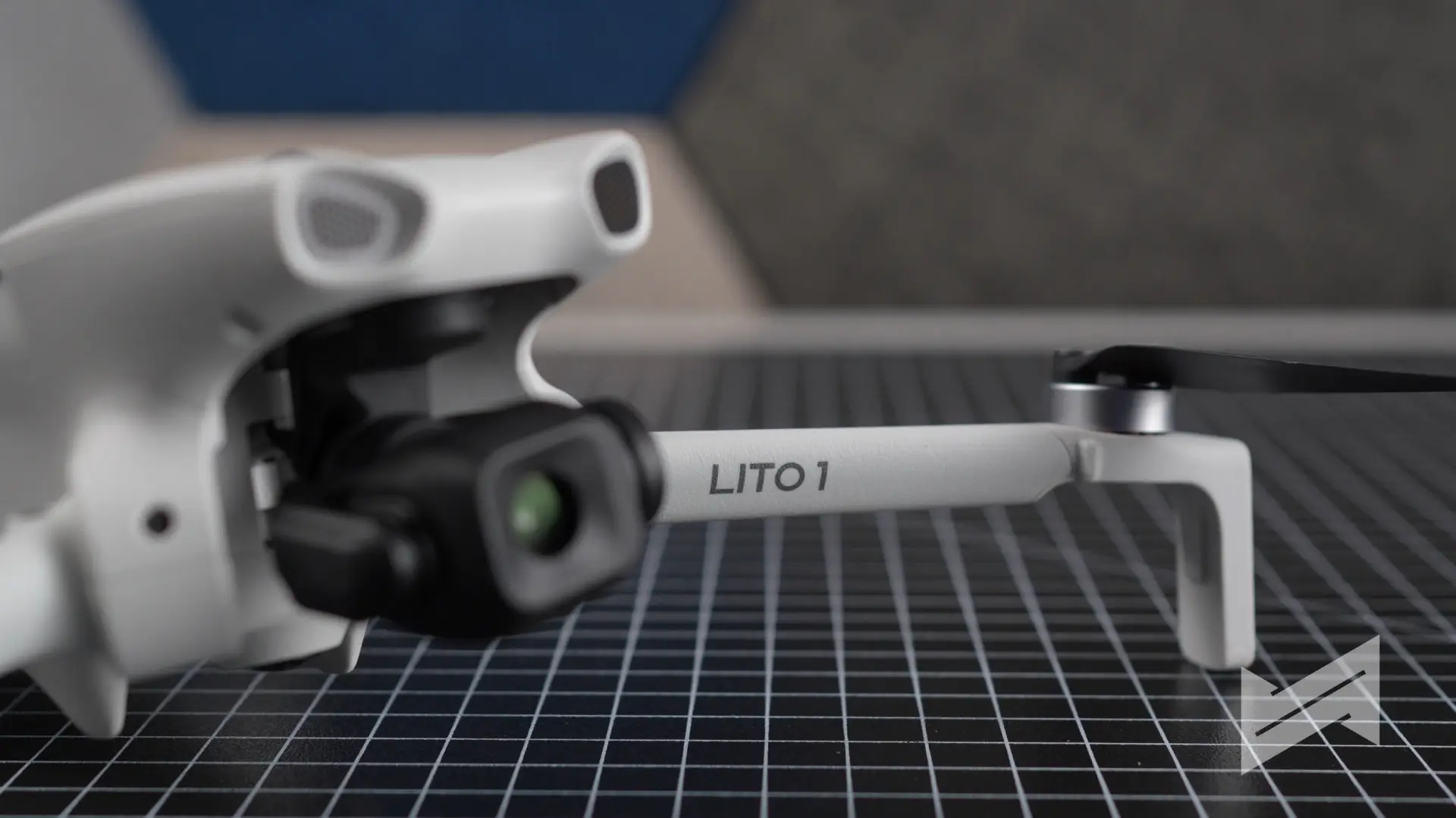
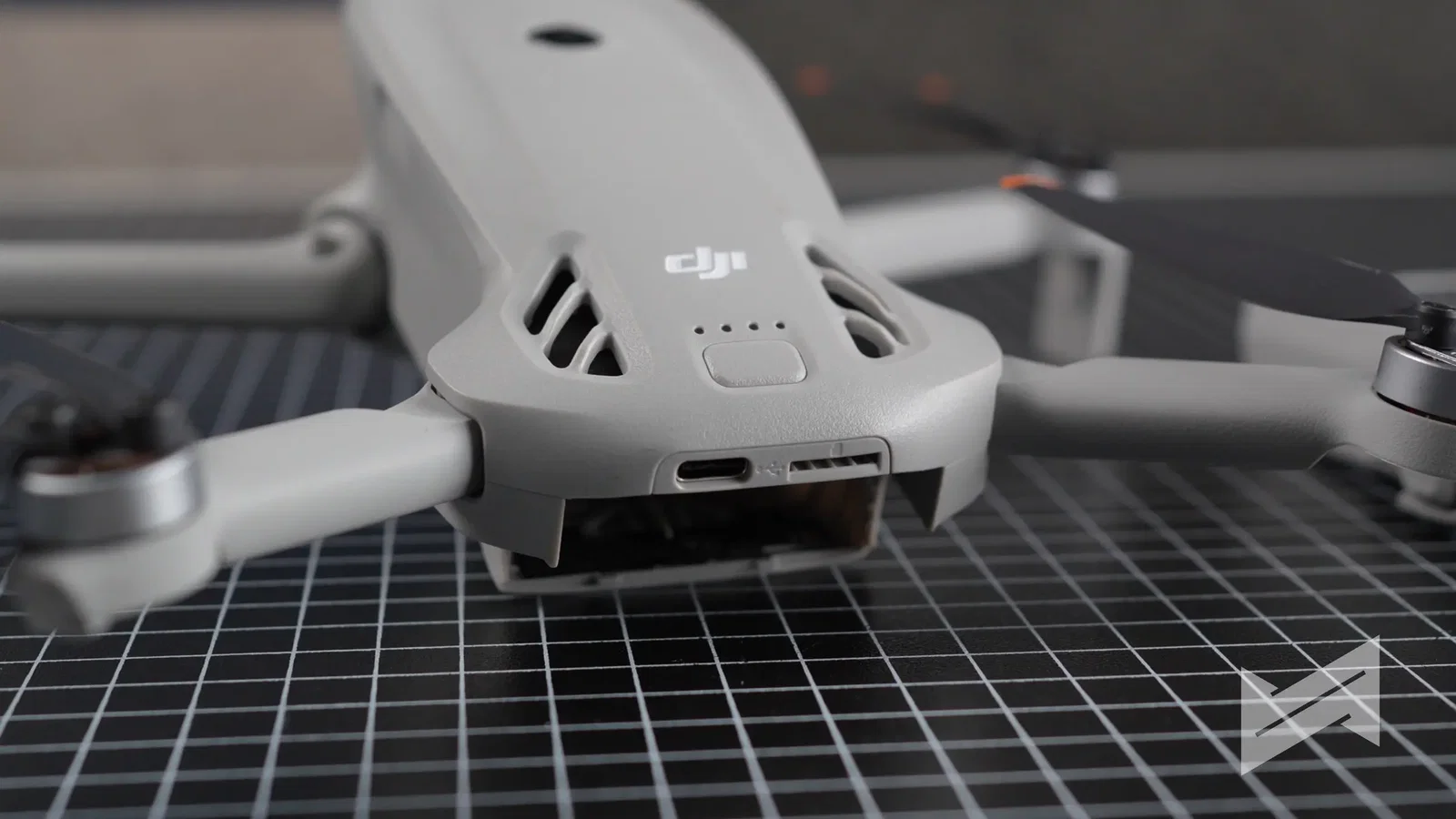
On the transmission side, the Lito 1 uses DJI O4, which is a big deal for a “starter” drone. O4 gives you a more stable image feed, longer range, and generally more reliable control compared to older transmission systems. The drone keeps the control scheme simple, with the usual DJI flight modes, return-to-home, and intelligent features that help beginners avoid mistakes. Pair all of that with its light weight and foldable design, and you get a drone that is very easy to carry and fly, even if it is your first time.
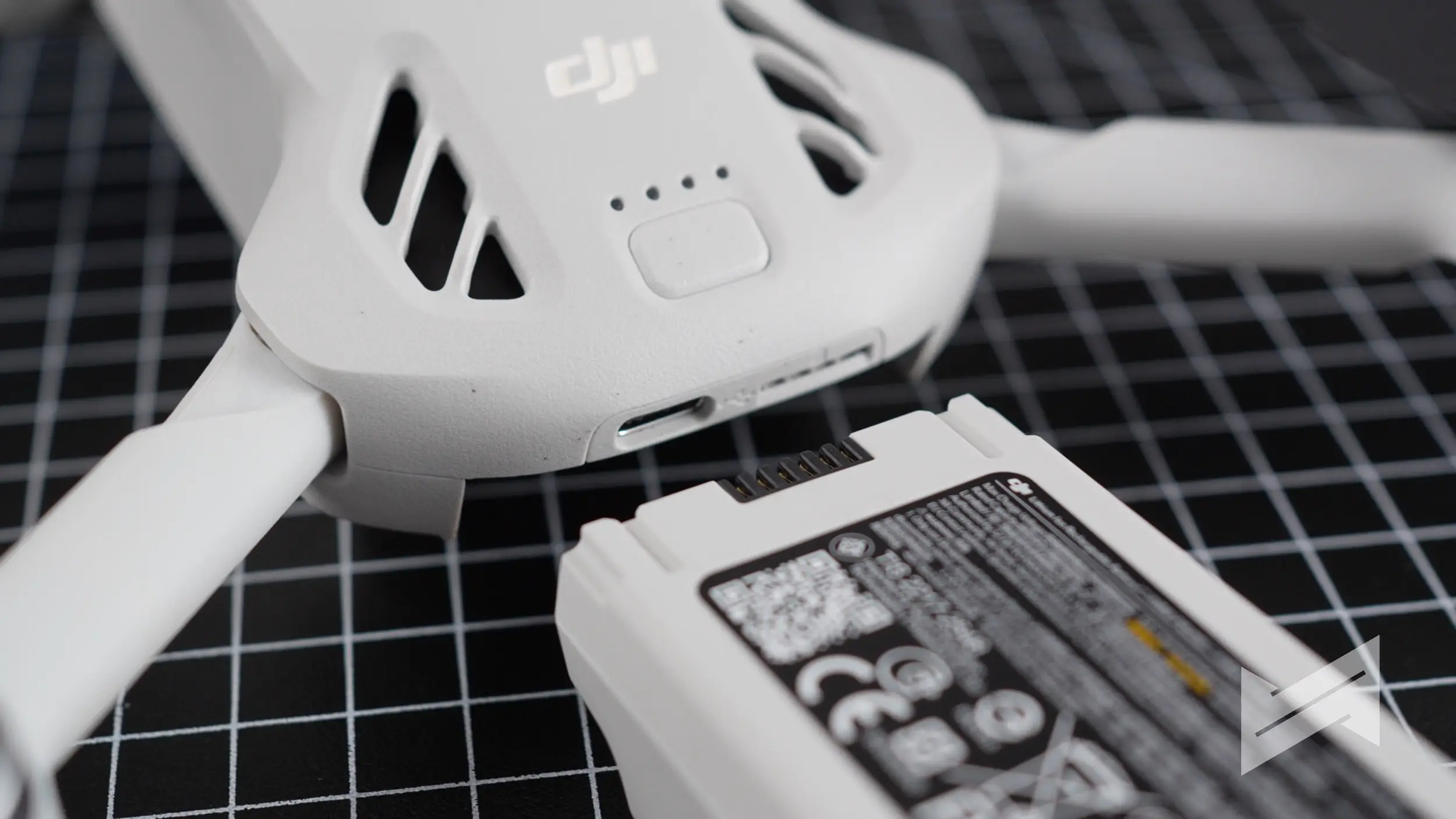
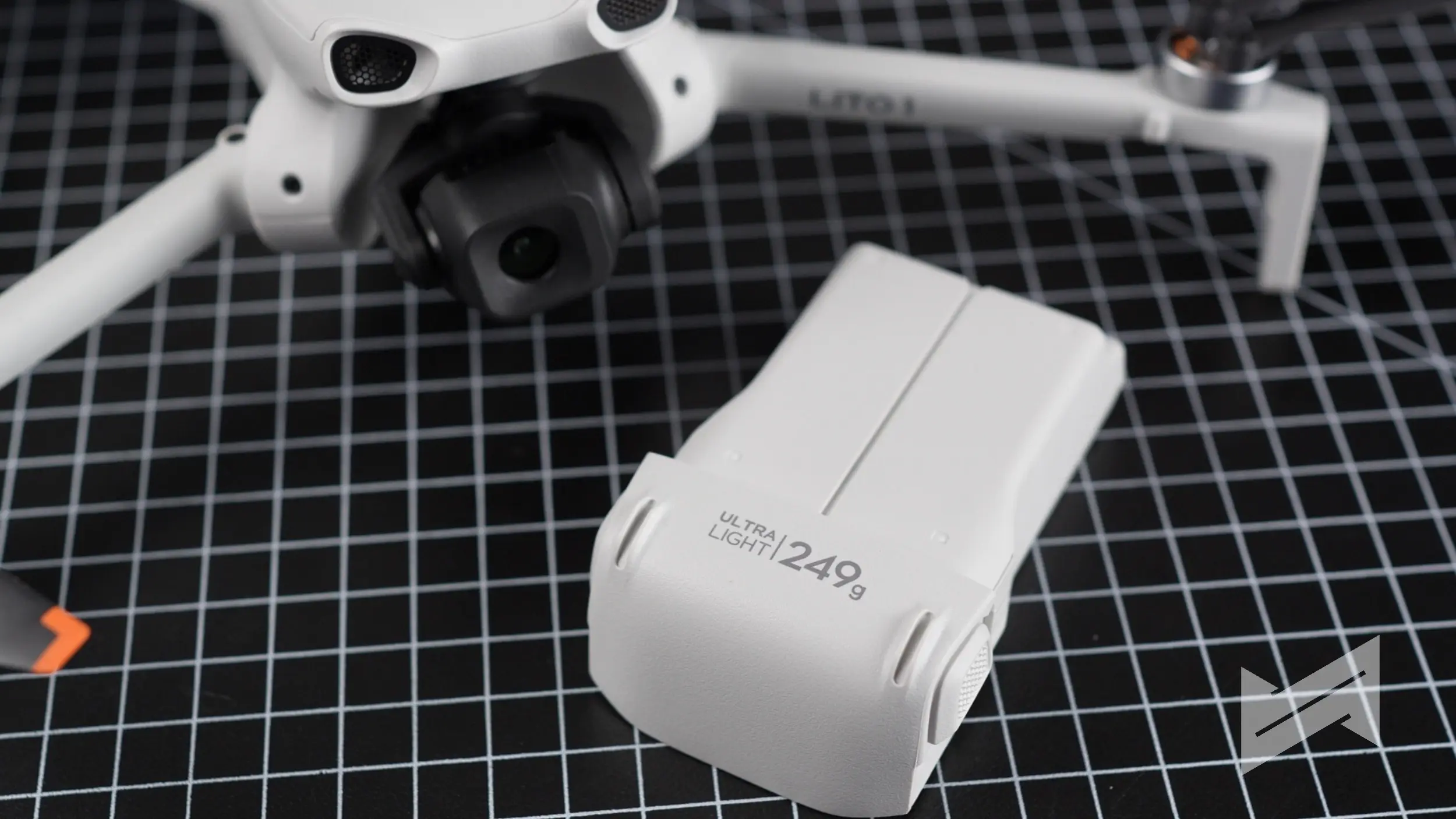
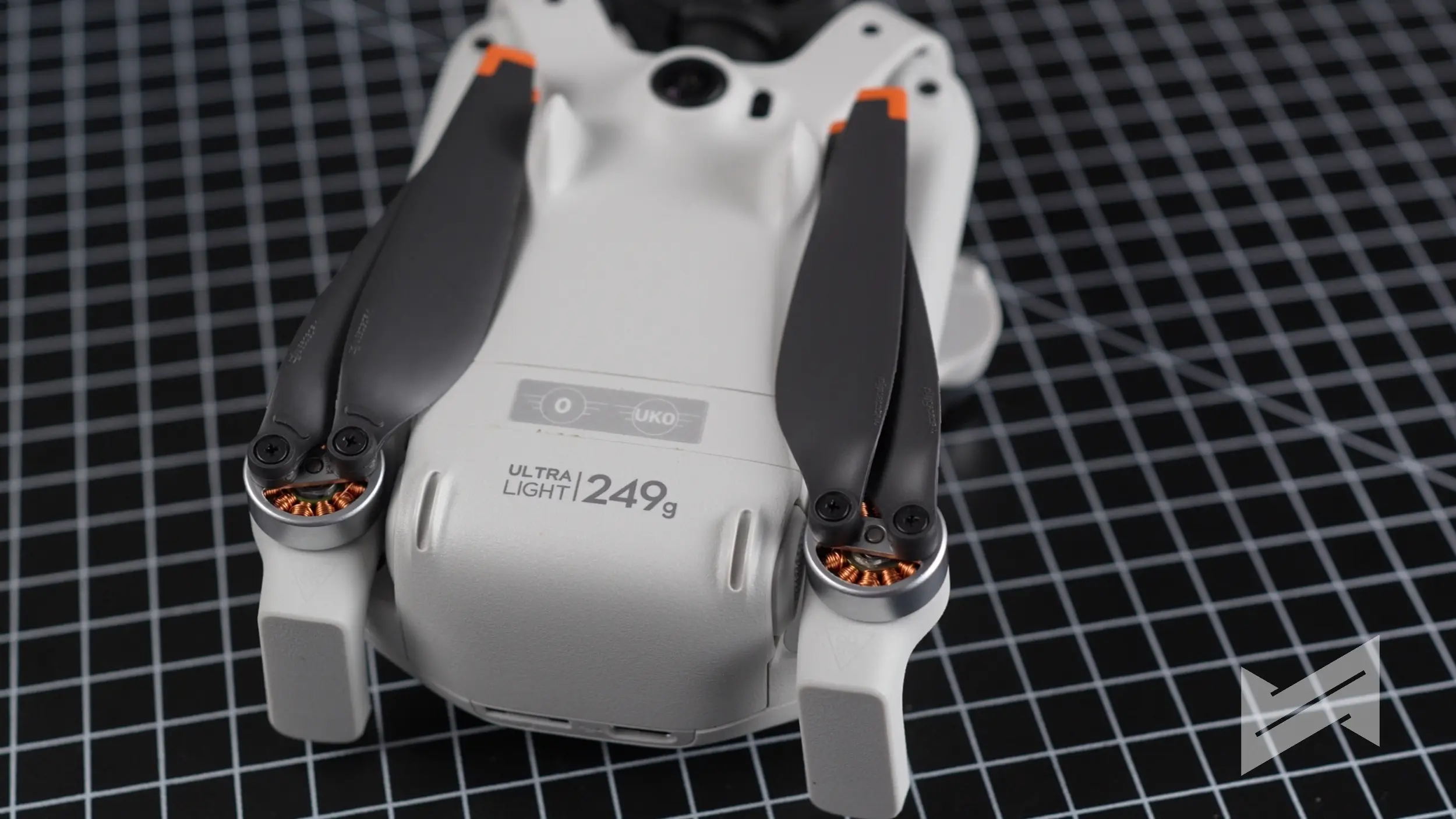
DJI Lito X1 Specs
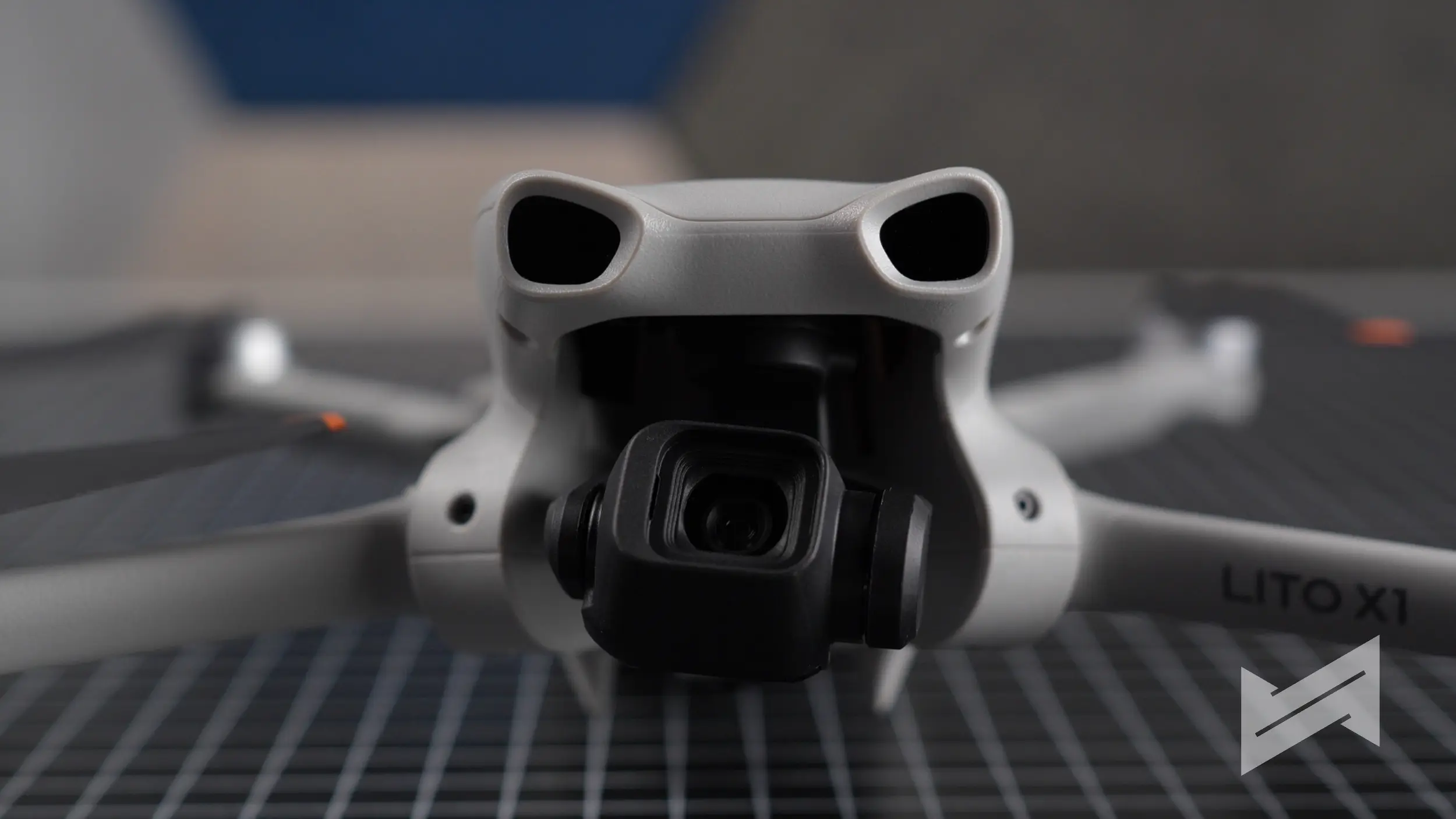
The DJI Lito X1 steps things up, starting with the camera. It uses a 1/1.3-inch sensor, also 48MP, which is significantly larger than the sensor on the Lito 1. In real-world use, that translates to better dynamic range, more detail, and cleaner images and video in low light or high-contrast scenes. The X1 also supports high-quality 4K recording, along with advanced photo modes and RAW capture, which gives you more room to edit.
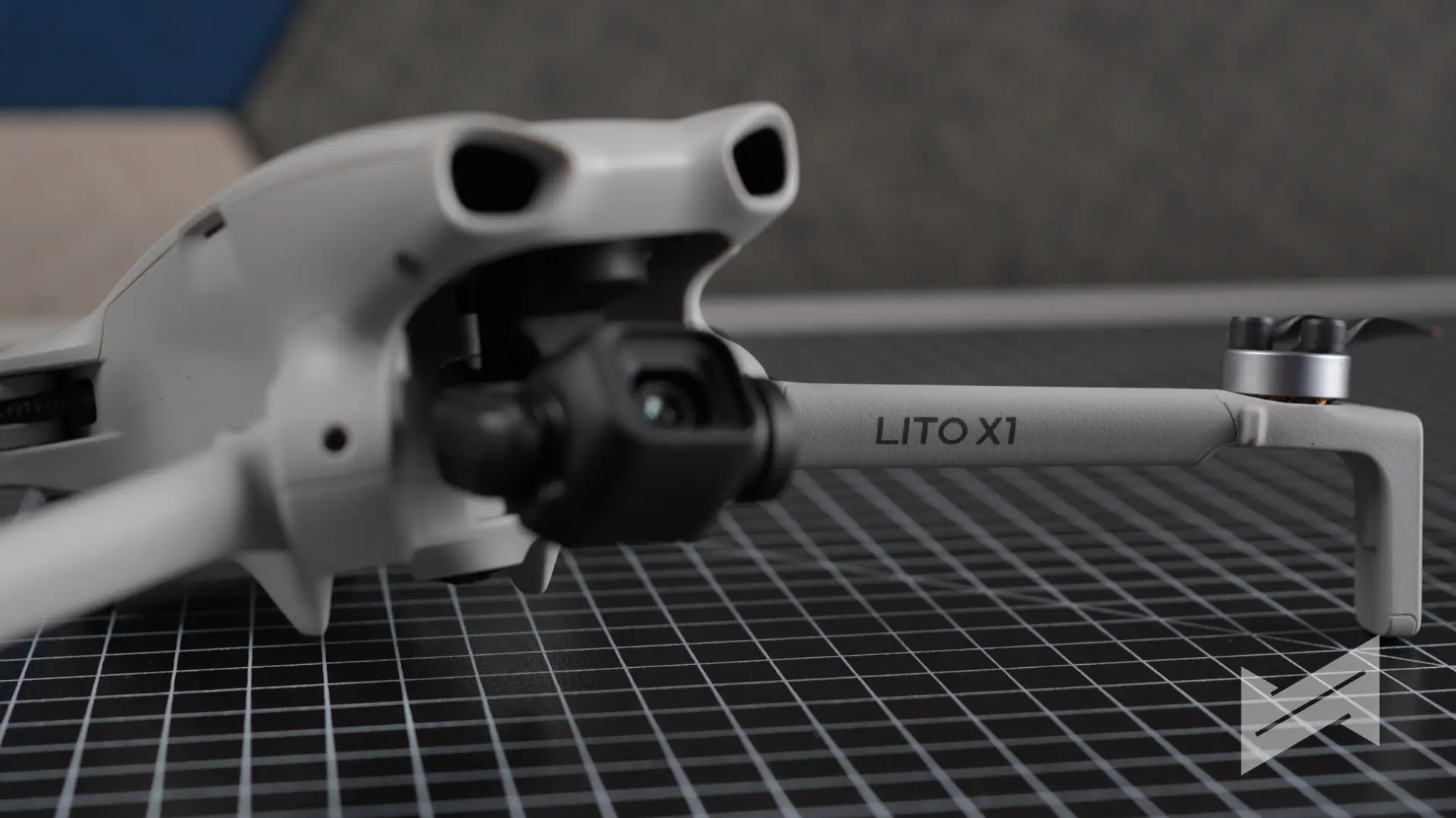
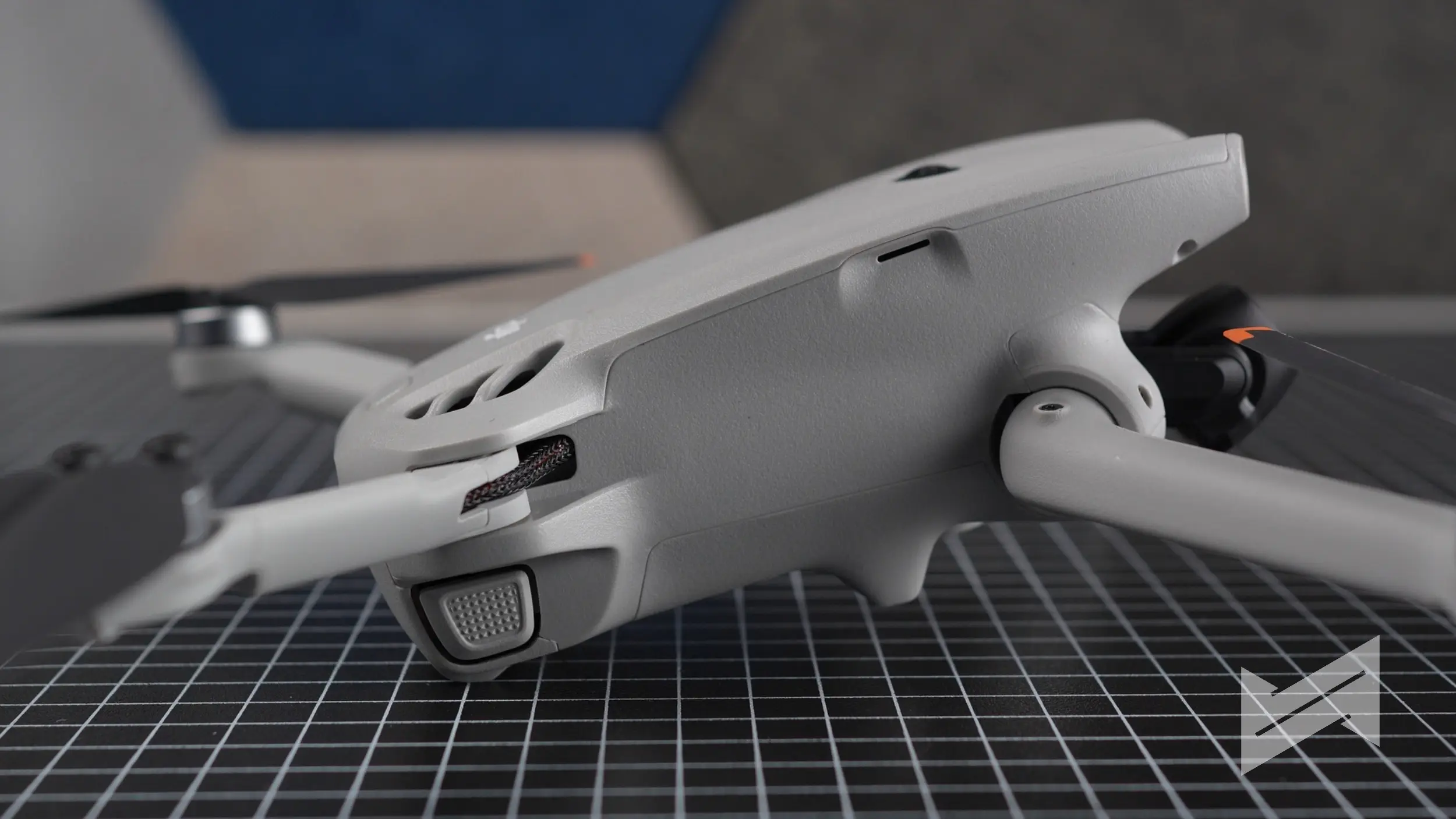
Aside from the camera, the standout spec is omnidirectional obstacle sensing. Instead of basic or limited sensors, the X1 is designed to see obstacles in multiple directions, which adds a strong safety layer for new pilots and lets more experienced users fly with confidence in tighter spaces. The 15km transmission range gives you a stable feed and control link that feels very premium for this size class. And just like the Lito 1, it stays under 249g and remains very packable, so it is still a travel-friendly drone despite its higher-end feature set.
The Major Differences
The core difference between the two is the camera system. The Lito 1’s 1/2-inch sensor is good, especially for its price, but the Lito X1’s 1/1.3-inch sensor is simply on another level when it comes to image quality. You get better low-light performance, more usable detail, and more flexibility when you start grading footage or editing photos. If image quality is your top priority, this alone makes a strong case for the X1.
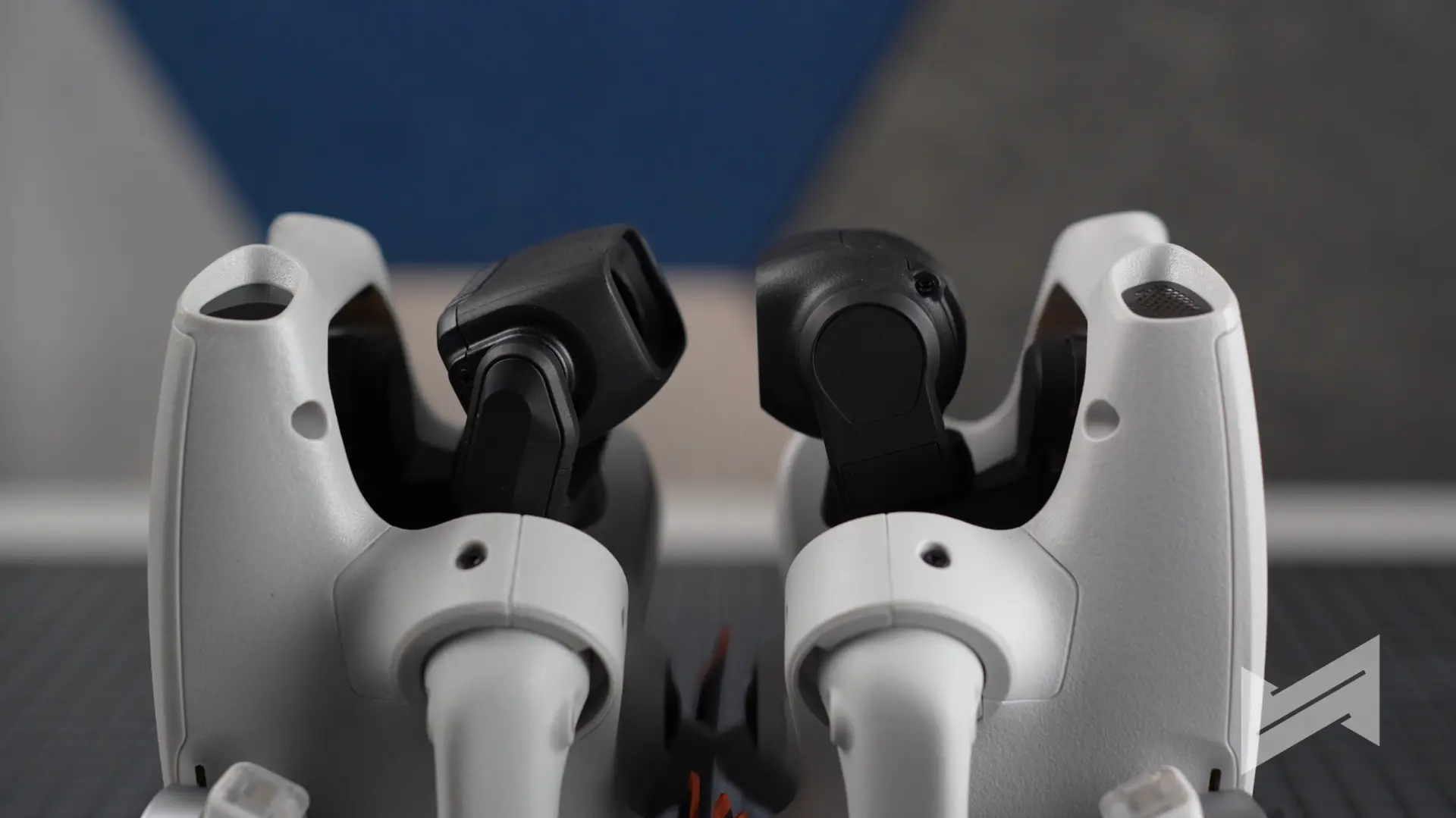
The second big difference is safety and flight intelligence. The Lito 1 gives you the basics needed for a safe beginner experience, while the Lito X1 goes much further with omnidirectional obstacle sensing. For someone new to drones, that kind of protection can prevent a lot of expensive mistakes. The X1 also benefits from the longer 15km transmission range, which, even if you never fly that far, translates into a stronger, cleaner connection in more typical real-world distances. Combined, these differences make the X1 feel like a serious camera drone that just happens to be beginner-friendly, while the Lito 1 feels like a beginner drone that happens to have a nice camera.
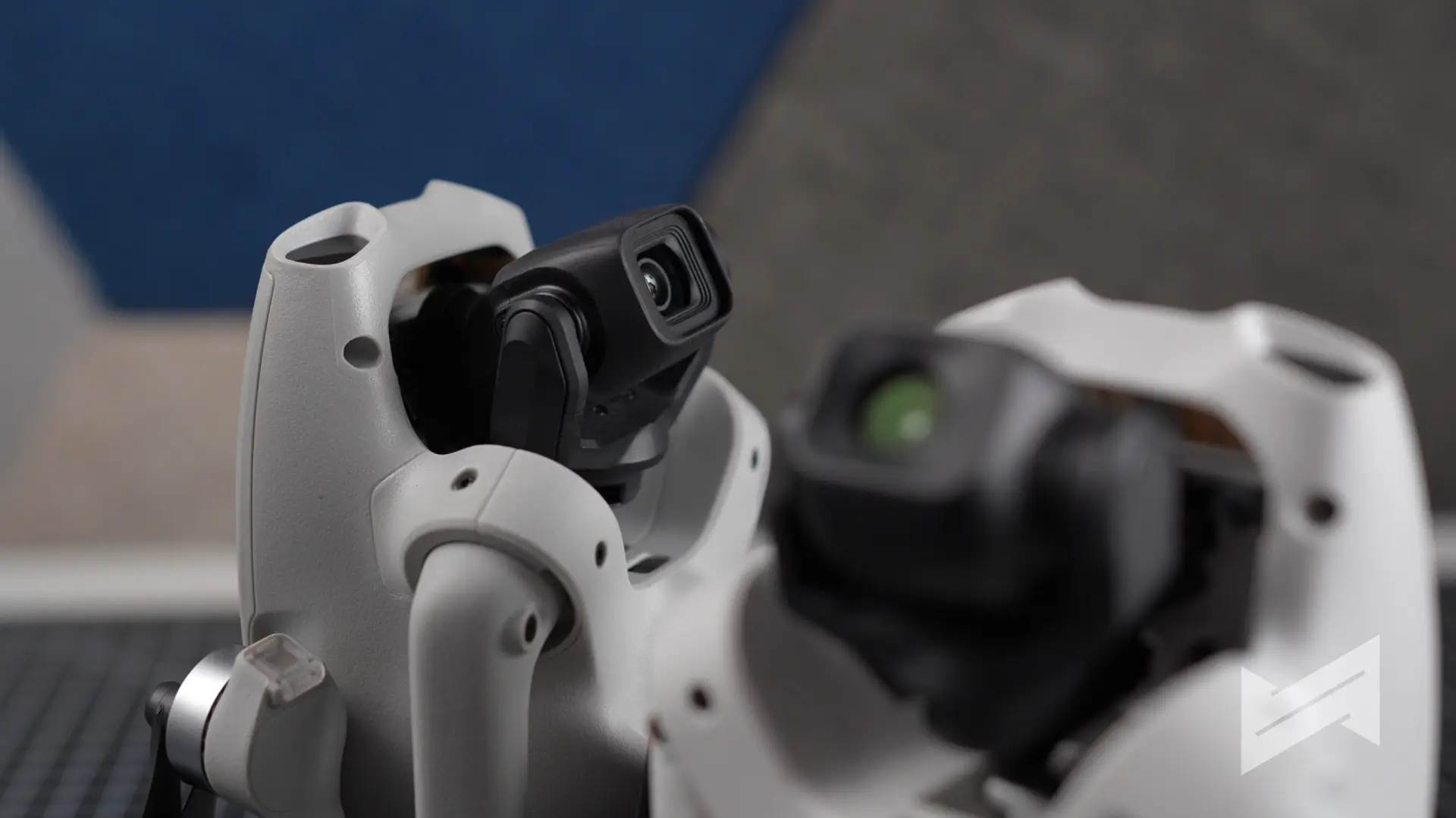
Our thoughts on the DJI Lito 1
The Lito 1 hits a very appealing sweet spot for new pilots. At PHP 17,390 for the standard bundle and PHP 24,390 for the Fly More Combo, it gives you a real DJI flying and imaging experience without the sticker shock that often comes with the brand. The 249g weight, O4 transmission, and 4K video make it very easy to recommend to someone who just wants good, stable footage of trips, family events, and casual shoots.
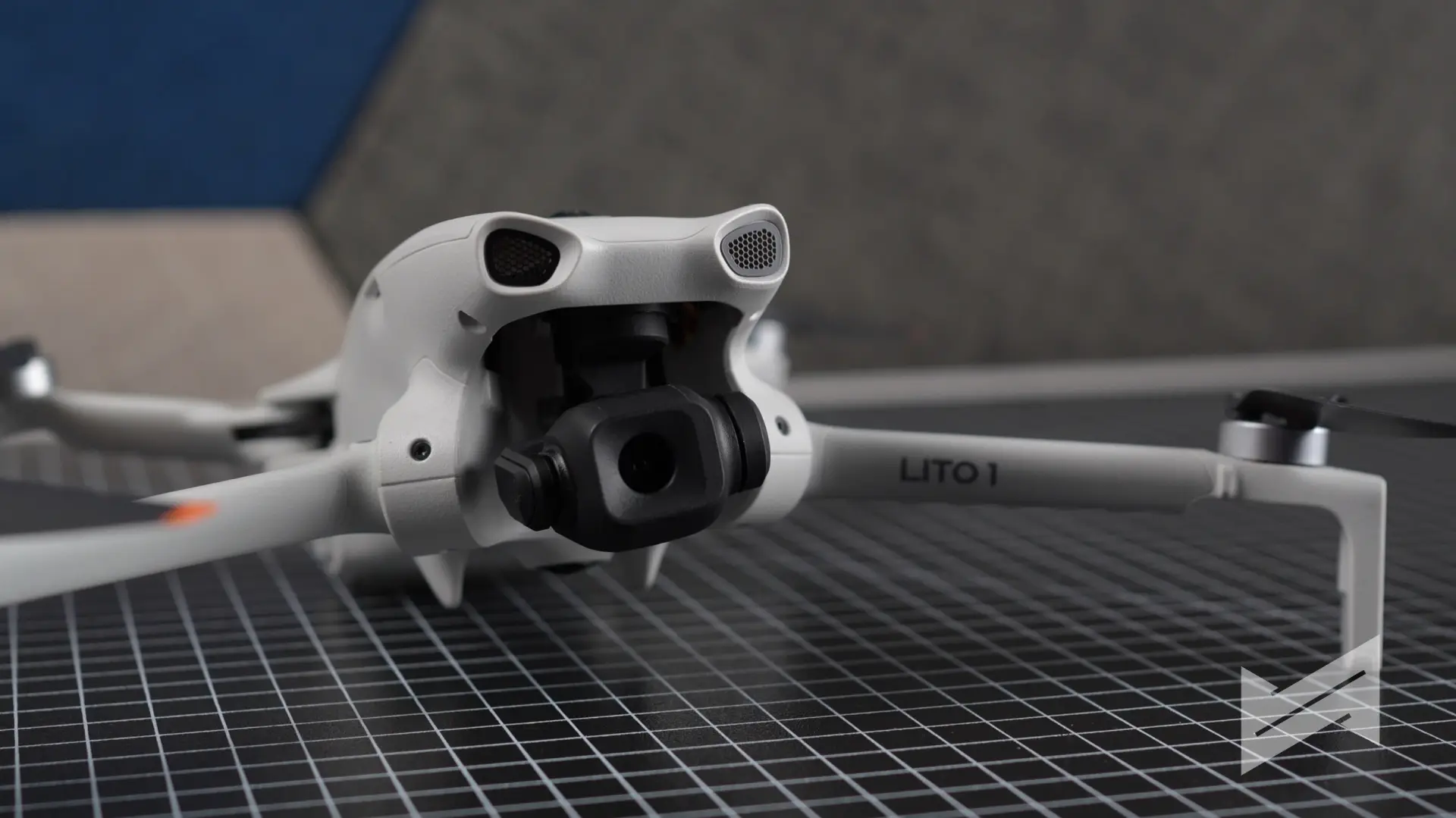
That said, the Lito 1 clearly wears its “entry-level” label in a few areas. The smaller sensor means you will see noise and limited dynamic range sooner than on the X1, especially in low light or when shooting at sunrise and sunset. For pure beginners who mostly fly in daytime and share straight to social media, this may not be a big issue. But if you are the type who quickly notices blown highlights or muddy shadows, you will outgrow the Lito 1 faster. Still, as a first drone, it is easy to fly, easy to carry, and priced in a way that makes sense for someone testing the waters.
Our thoughts on the DJI Lito X1
The Lito X1 is where DJI’s “good move” really shows. The step up to PHP 21,690 for the standard bundle, and up to PHP 39,090 for the Fly More Combo Plus, brings real, visible gains. The larger 1/1.3-inch sensor is not just a spec-sheet flex. It delivers cleaner footage, better low-light performance, and an overall more confident look that holds up even when you start pushing your edits. For content creators, vloggers, or anyone who cares how their aerial footage looks on a big screen, this matters a lot.
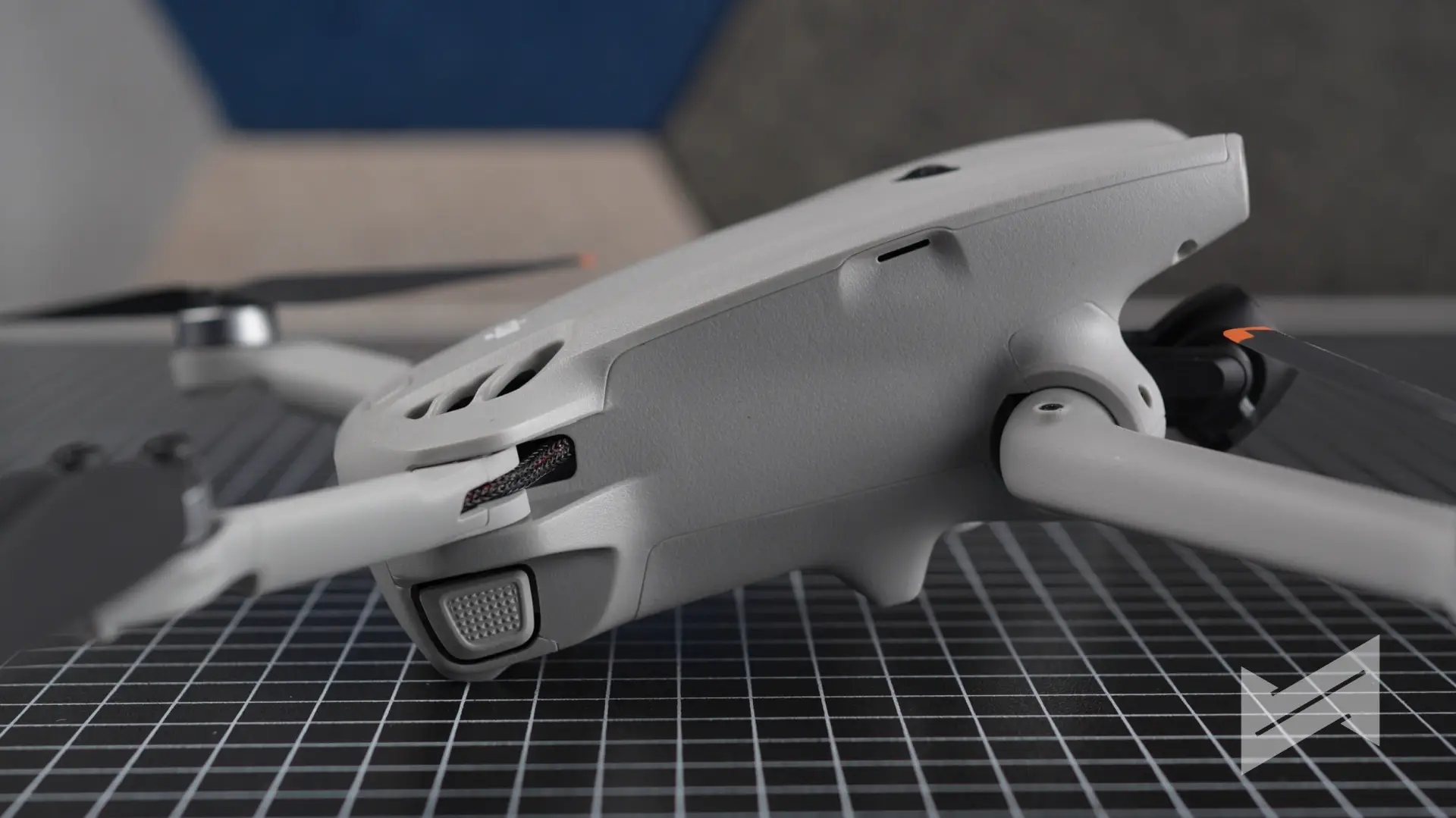
On top of that, omnidirectional obstacle sensing and the 15km transmission range make the X1 feel safer and more “professional” in daily use. You can focus more on composition and less on worrying about what is just outside your frame. The drone still weighs under 249g and stays compact, so you do not pay a portability penalty for those upgrades. Picture quality on both Lito models is good, but the X1 is the one that feels top-notch for its class, and that is what makes it exciting: it looks like a beginner drone, but the output and safety features pull it closer to DJI’s higher-end line.
Pricing in the Philippines
In the Philippine market, the pricing gap between the two models is clear, but not huge at the entry point. The DJI Lito 1 starts at PHP 17,390 for the standard bundle and PHP 24,390 for the Fly More Combo, which is quite aggressive for a branded 4K drone with O4 transmission. The DJI Lito X1 starts at ₱21,690 for the standard bundle, with the pricing going up to ₱39,090 for the Fly More Combo Plus, which packs in more batteries and accessories for extended flying.
This spread sets up a natural upgrade ladder. The Lito 1 covers buyers who want to keep the budget under 20k for a starter kit, while the X1 catches those who can stretch a bit more for better camera hardware and safety features. Given what you gain on the X1, especially in picture quality and obstacle sensing, the higher price feels justified rather than arbitrary. It is not a “cheap” drone, but the value looks strong when you compare what you get per peso.
Our Verdict
Overall, launching the Lito 1 and Lito X1 in this segment is a smart move by DJI. The designs clearly borrow from the Mini 4K and the rest of the Mini series, but that is not a bad thing. People already trust that look and form factor, and DJI has refined it rather than starting over. The Lito 1 gives beginners a sensible, no-nonsense entry point into drone flying, while the Lito X1 gives more demanding users a serious camera and better safety tools in the same ultra-light body.
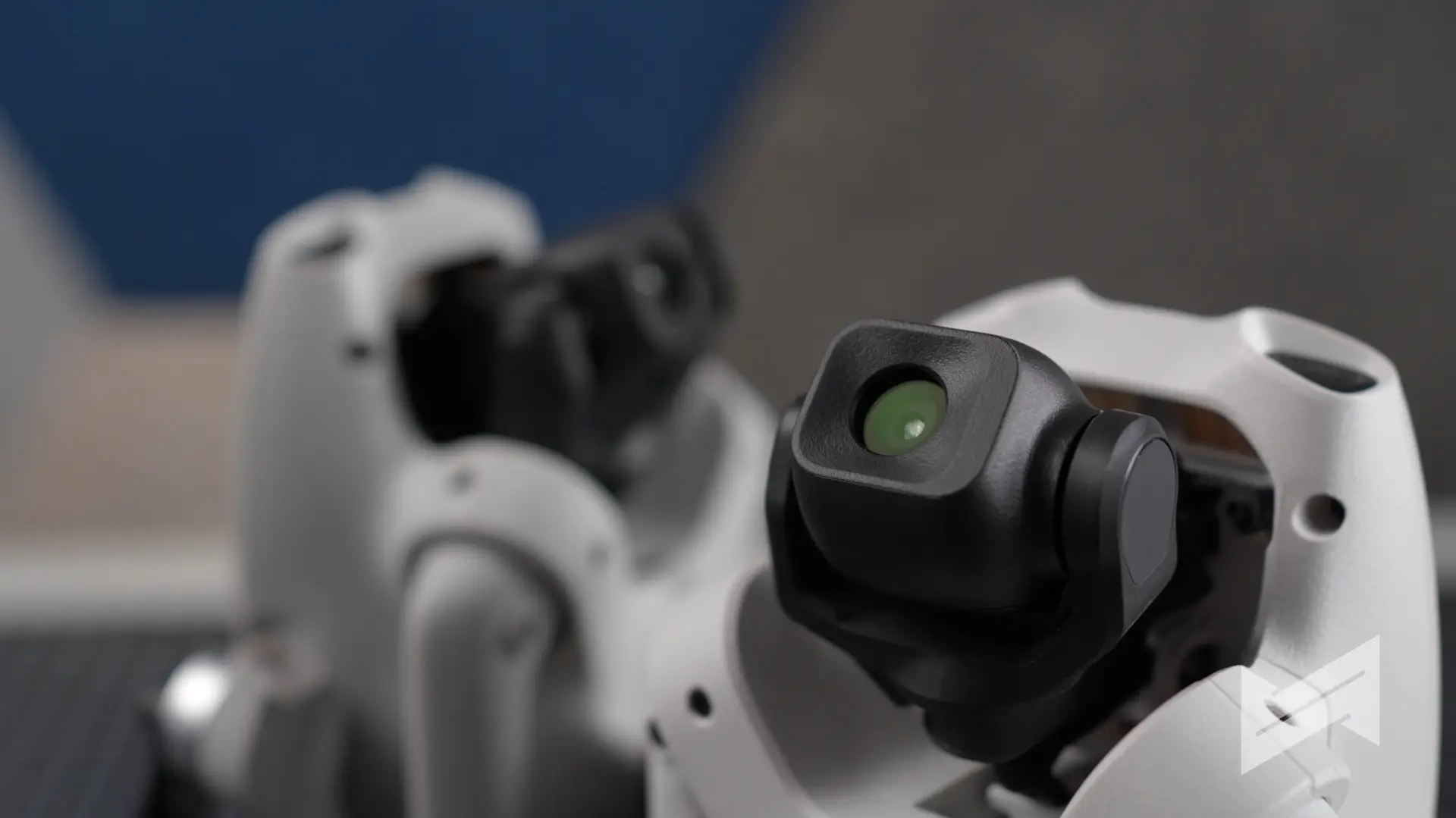
Picture quality on both is solid, but the Lito X1 is the real star. The 1/1.3-inch sensor, omnidirectional obstacle sensing, and long-range transmission come together to create a drone that feels premium without being intimidating. For most buyers who care about what their footage looks like, the X1 is worth the extra money and will age better over time. The Lito 1 is still a good choice if budget is tight or you want a simpler first step, but if you can stretch to the Lito X1, that is the one we would recommend for the best balance of price, performance, and long-term satisfaction.

Giancarlo Viterbo
Giancarlo Viterbo is a Filipino Technology Journalist, blogger and Editor of gadgetpilipinas.net, He is also a Geek, Dad and a Husband. He knows a lot about washing the dishes, doing some errands and following instructions from his boss on his day job. Follow him on twitter: @gianviterbo and @gadgetpilipinas.
View all articles →Related Reviews
 MacBook Neo Long-Term Review: My Bedside Mac
 Sony 1000X The Collexion Review: Three Months Later
 ASUS ProArt P16 (H7607BA) Review: the RTX Spark platform, tested in the work creators actually do
 HONOR 600S Review: Bits of What’s Loved on the HONOR 600 Series in a More Accessible Package
 Keychron C75 HE 8K TMR Keyboard Review
 Samsung Galaxy S26 FE: Great Functional Elegance