
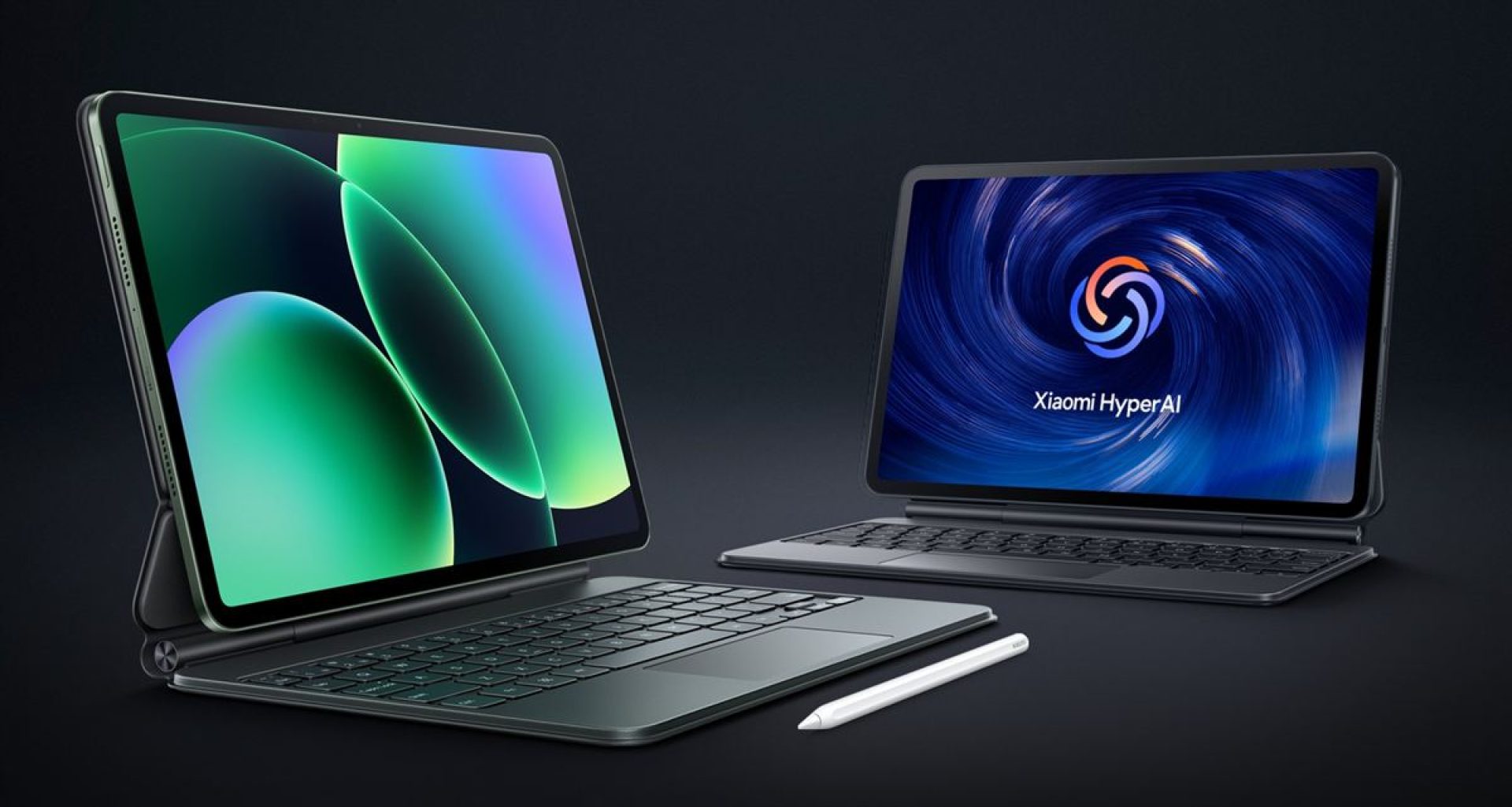
Apart from the Xiaomi 17 and 17 Ultra, the brand also brought a duo of tablets, the Xiaomi Pad 8 and Pad 8 Pro to the global stage, ushering a new era of AI-driven productivity devices designed to bring performance that’s seamless across work, creativity, and entertainment for students, professionals, and digital nomads.
Flagship Performance Powerhouses
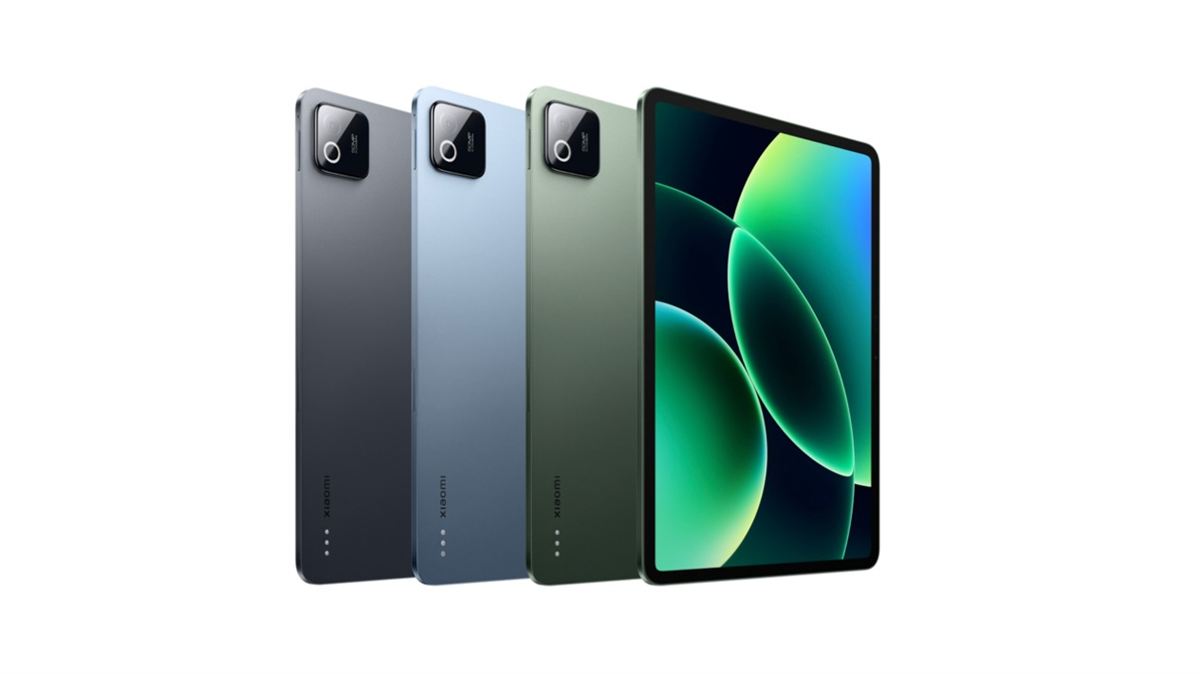
The Xiaomi Pad 8 packs a 4nm Snapdragon 8s Gen 4 while the Pad 8 Pro elevates performance further with the 3nm Snapdragon 8 Elite. Both pack up to 12GB of RAM and up to 512GB of storage.
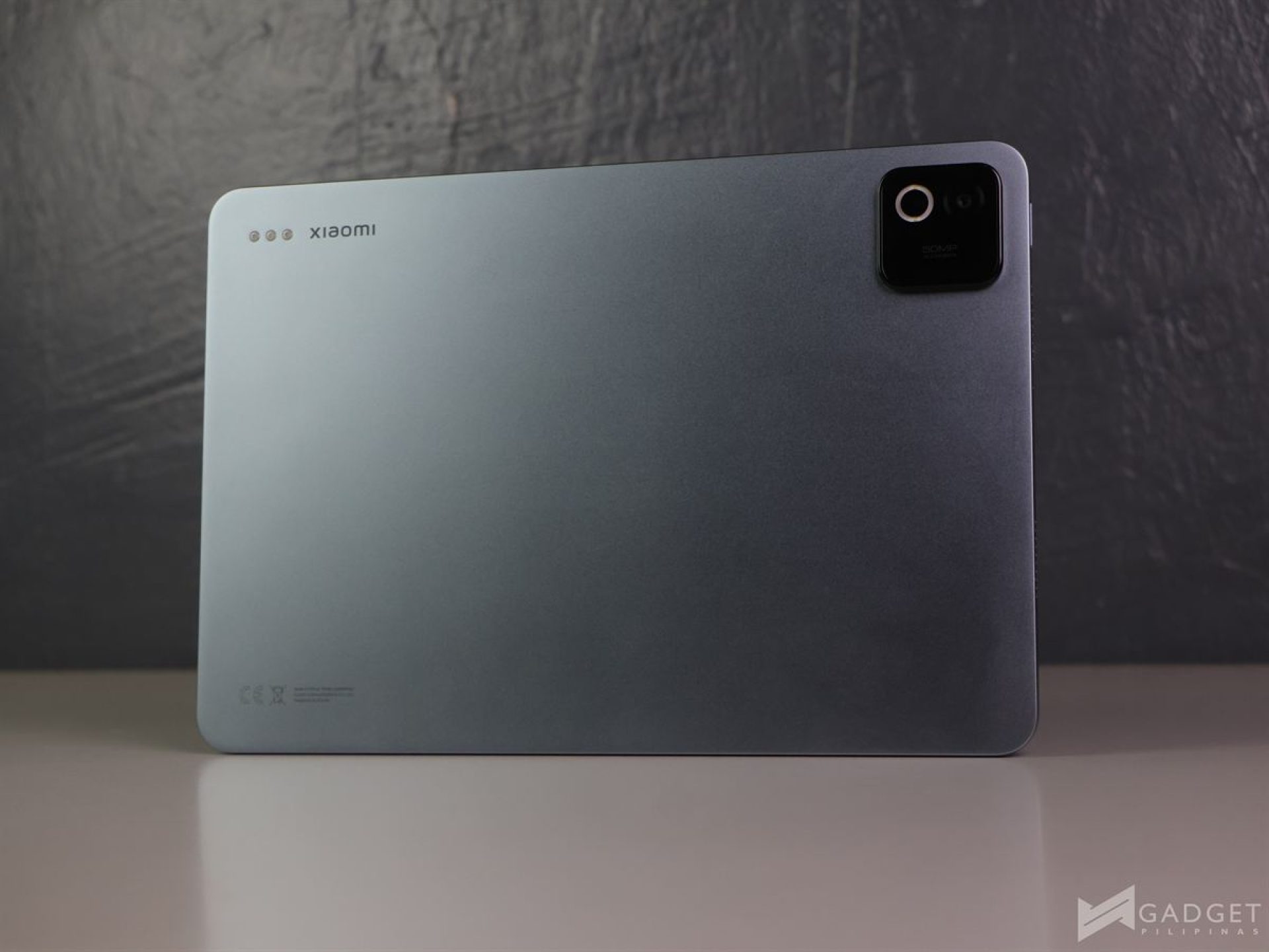
Both models also feature Wi-Fi 7 connectivity for fast, low-latency performance across streaming, real-time collaboration, and large file transfers. The Xiaomi Pad 8 has a 13MP rear camera and an 8MP front camera, while the Pro version gets an upgrade to a 50MP rear unit and a 32MP front unit. Both have quad speakers with Hi-Res Audio, Hi-Res Wireless Audio, Dolby Atmos support, and 200% volume boost capability.
Ultra-Slim Design Meets Massive Endurance
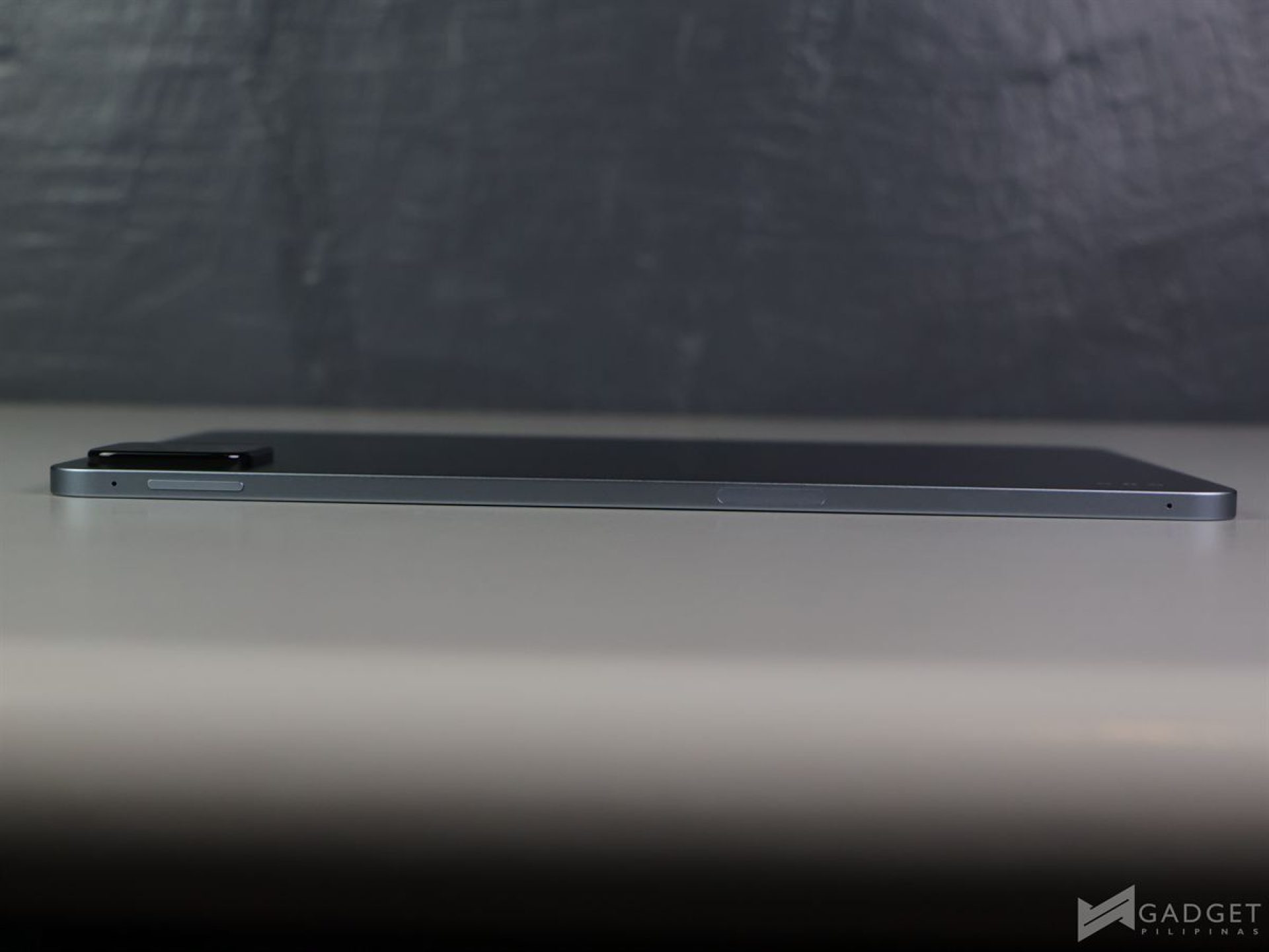
Both tablets boast all-metal unibody construction measuring 251.22 x 173.42 x 5.75mm and weighing just 485g, positioning them among Xiaomi’s slimmest LCD designs available globally. Despite having an ultra-thin profile, Xiaomi managed to fit these tablets with a 9,200mAh battery with 45W turbo charging support on the Xiaomi Pad 8, and 67W HyperCharge on the Pro version.
Display and Software
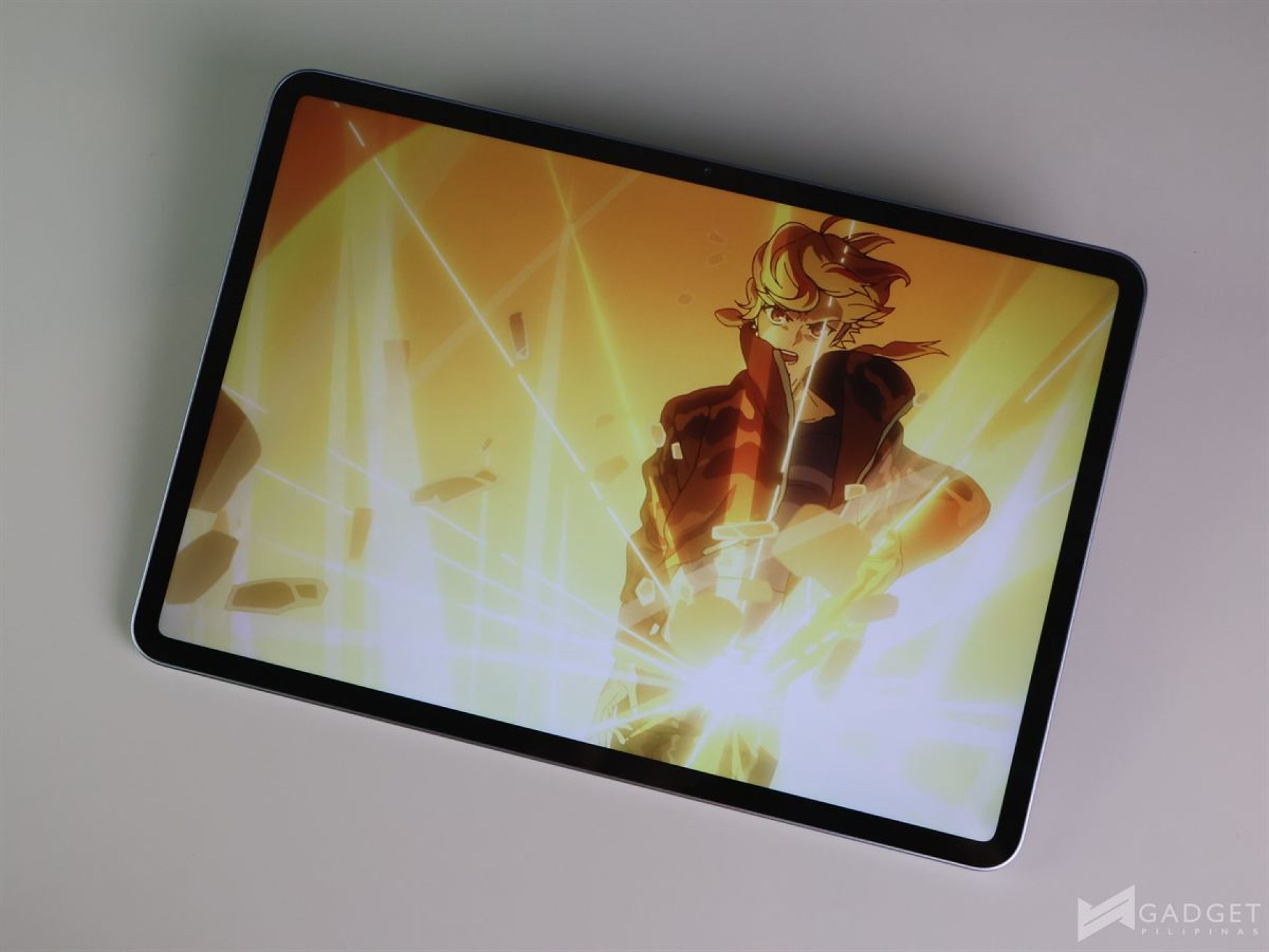
The 11.2-inch 3.2K crystal-clear display on both tablets deliver up to a 144Hz refresh rate, 800 nits of peak brightness, and Dolby Vision certification. With an 85.4% screen-to-body ratio, there are also multiple TÜV Rheinland certifications including Low Blue Light Hardware Solution, Flicker Free, and Circadian Friendly for comfortable extended viewing. Both run on Xiaomi HyperOS 3.
Precision Accessories for Pros
The new Xiaomi Focus Pen Pro introduces a buttonless unibody design weighing 17.5g for perfect balance, pressure-sensitive pinch/double-tap gestures, hover previews, and side-rotating brushes enabling realistic line work, textures, and shading, making it ideal for notes, sketching, or professional creation.
Specifications
| Feature | Xiaomi Pad 8 | Xiaomi Pad 8 Pro | Xiaomi Pad 8 Pro Matte Glass Version |
|---|---|---|---|
| Display | 11.2-inch 3.2K (3200×2136), 345ppi, 144Hz, 800-nit HDR | 11.2-inch 3.2K (3200×2136), 345ppi, 144Hz, 800-nit HDR | 11.2-inch 3.2K (3200×2136), 345ppi, 144Hz, 800-nit HDR Next-Gen Nano Texture Display |
| Processor | Snapdragon 8s Gen 4 | Snapdragon 8 Elite | Snapdragon 8 Elite |
| RAM | 8GB LPDDR5X 12GB LPDDR5T | 8GB LPDDR5X 12GB LPDDR5T | 12GB LPDDR5T |
| Storage | 128GB UFS 3.1 256GB UFS 4.1 512GB | 128GB UFS 3.1 256GB/512GB: UFS 4.1 | 512GB UFS 4.1 |
| Rear Camera | 13MP | 50MP | 50MP |
| Front Camera | 8MP | 32MP | 32MP |
| Battery | 9,200mAh 45W turbo charging | 9,200mAh 67W HyperCharge | 9,200mAh 67W HyperCharge |
| OS | Xiaomi HyperOS 3 | Xiaomi HyperOS 3 | Xiaomi HyperOS 3 |
| Colors | Pine Green, Gray, Blue | Pine Green, Gray, Blue | Gray |
Xiaomi Pad 8 and Pad 8 Pro Global Pricing
The Xiaomi Pad 8 starts at EUR 449, while the Xiaomi Pad 8 Pro starts at EUR 549. The Matte Glass version of the latter starts at EUR 769.
Frequently Asked Questions (FAQ)
Q: What processor differences define the Pad 8 series?
A: Pad 8 features Snapdragon 8s Gen 4 (4nm) for strong balanced performance; Pad 8 Pro uses Snapdragon 8 Elite (3nm).
Q: What battery endurance do both models provide?
A: 9,200mAh typical capacity, with Pad 8 at 45W turbo charging and Pad 8 Pro at 67W HyperCharge for all-day reliability.
Q: What key display technologies are shared?
A: 11.2-inch 3.2K 144Hz panel with Dolby Vision, 800-nit HDR, 85.4% screen-to-body ratio, and full Rheinland eye-care certifications.
Q: Which AI tools enhance productivity?
A: Xiaomi HyperAI delivers writing aids, speech/translation features, calculator, creativity assistant, AI Art, Circle to Search, and Google Gemini.
Q: What sets the Focus Pen Pro apart?
A: Buttonless 17.5g unibody with smart gestures, hover previews, and rotating brushes for precise, comfortable professional input.

Emman has been writing technical and feature articles since 2010. Prior to this, he became one of the instructors at Asia Pacific College in 2008, and eventually landed a job as Business Analyst and Technical Writer at Integrated Open Source Solutions for almost 3 years.