

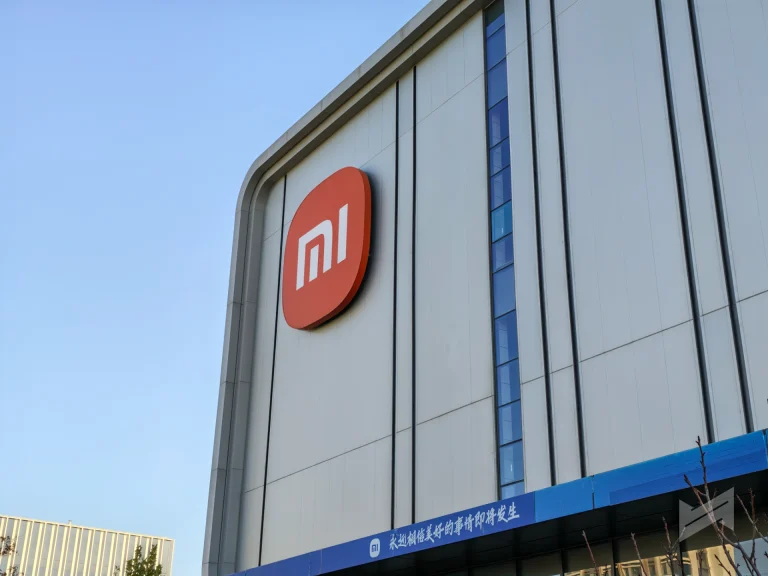
Standing on a walkway above the Changping line on the third day of the Xiaomi Beijing HQ tour, I watched a machine pick up a phone shell and hand it on with the screen already attached. The station takes about six seconds.
I was in Beijing from November 4 to 7 on a trip hosted by Xiaomi with a small group of Philippine media, and the schedule covered the campus, the AIoT showroom, the smart factory, and the EV plant in Yizhuang.
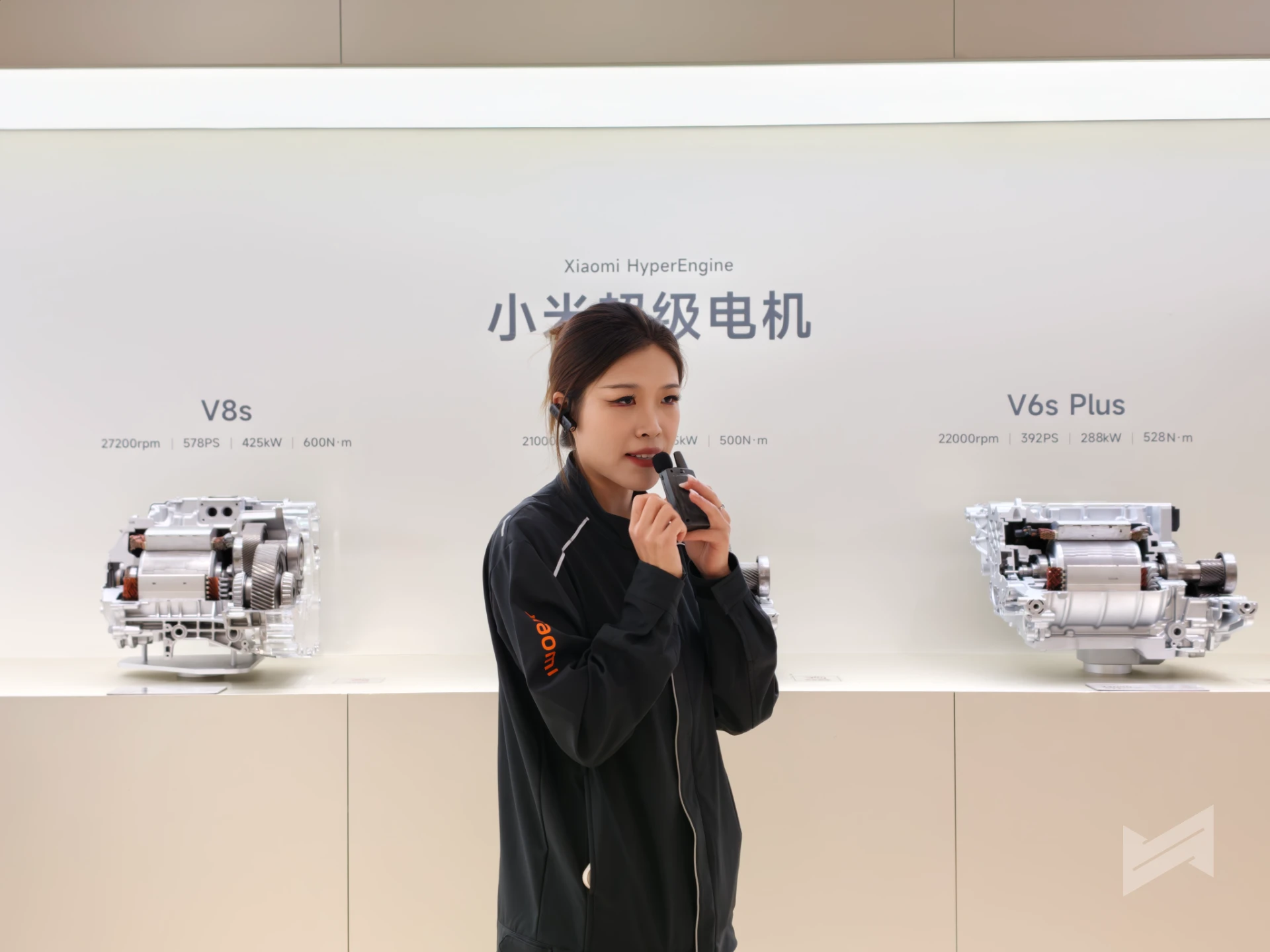
I expected a phone company showing off a phone. What I found was a company that writes its own factory software, designs its own chips, and builds cars that answer to the phone in your pocket.
Sixteen years after it started, Xiaomi is not really a phone maker anymore. It is an ecosystem company that happens to sell phones extremely well.
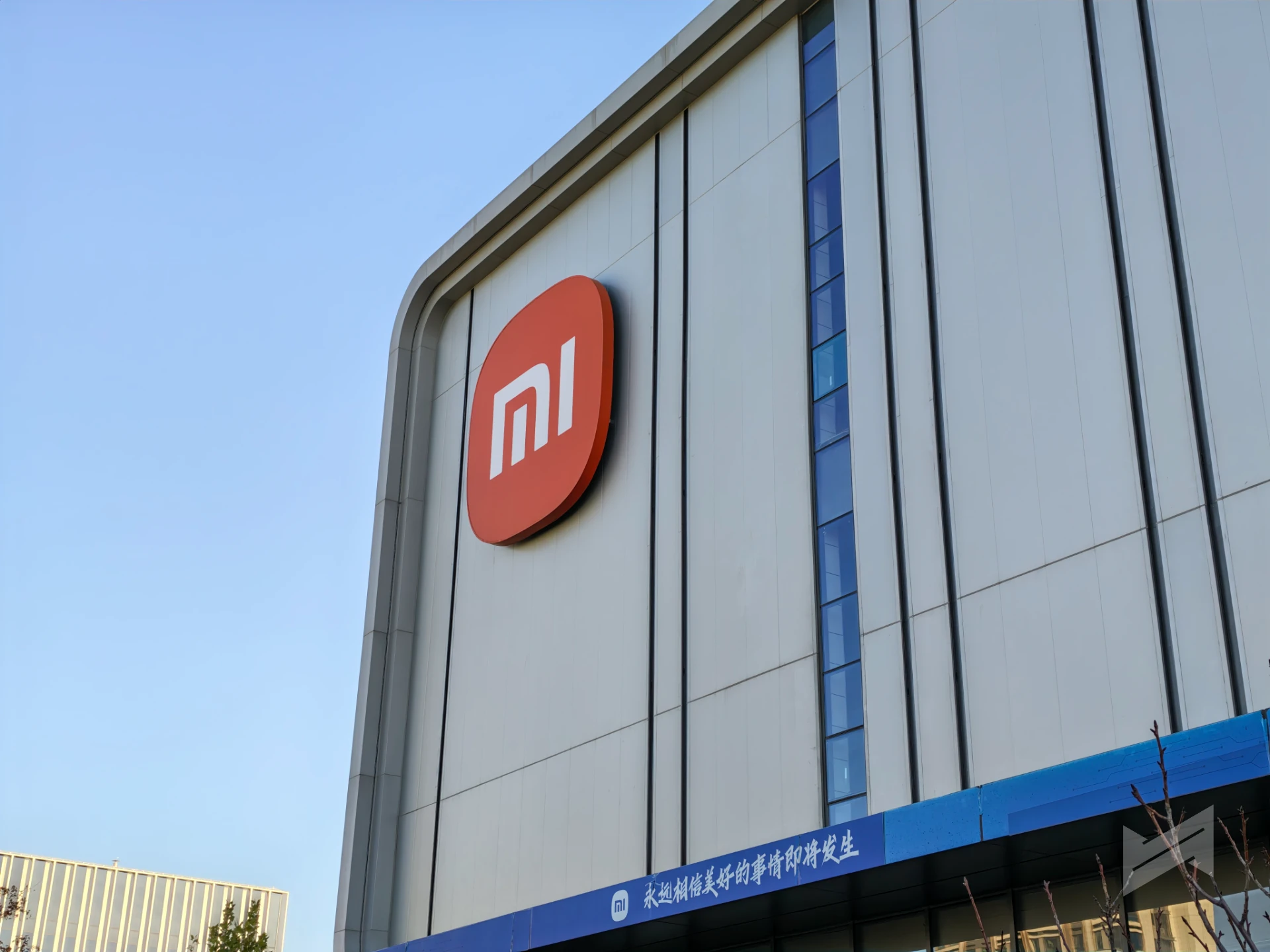
The Xiaomi Beijing HQ tour starts with one idea
Everything on the schedule traced back to one strategy the company calls Human × Car × Home, which puts a single person at the center and builds the phone, the home appliances, and the car as one system.
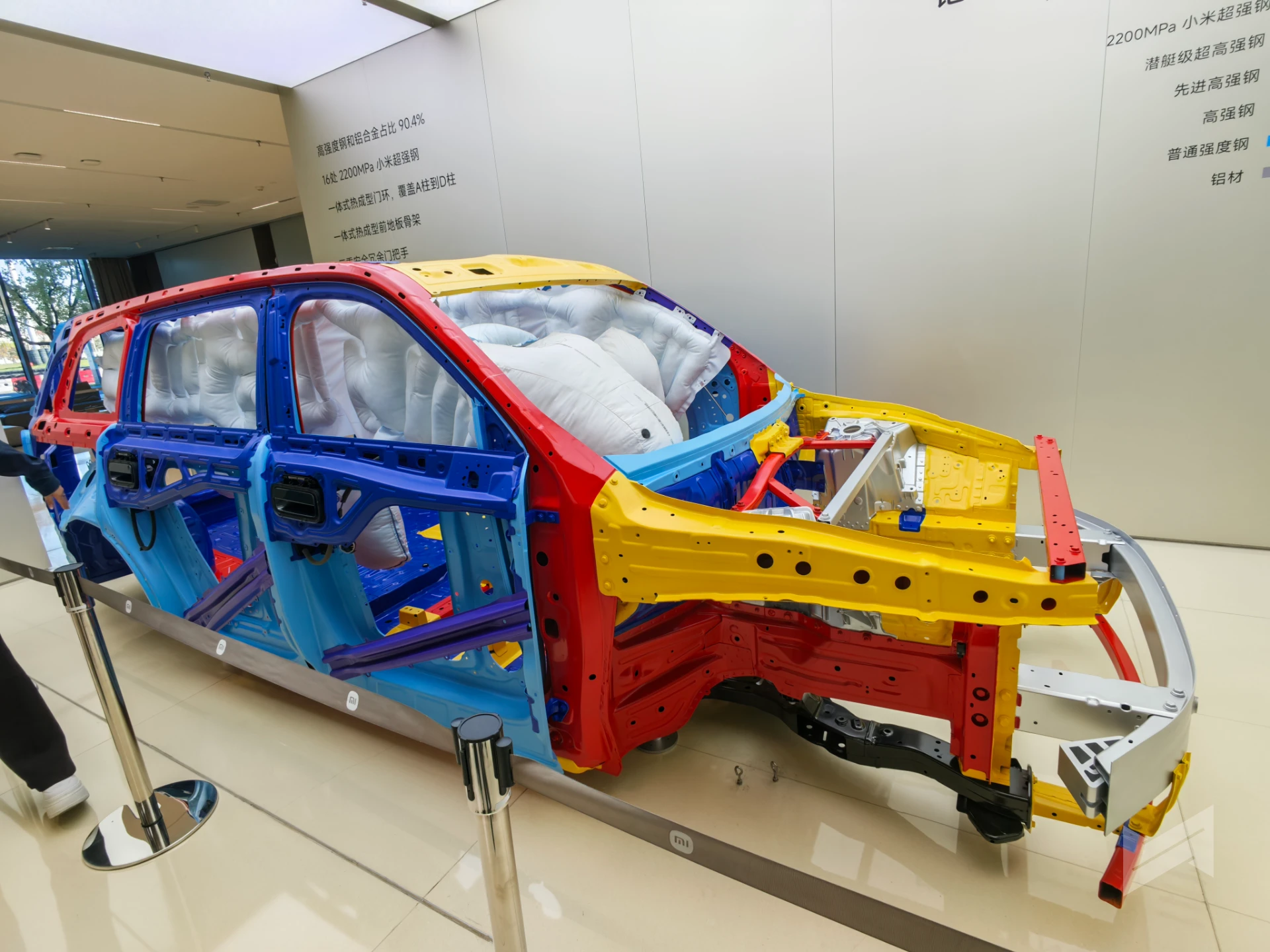
Xiaomi says its AIoT platform carries more than 1.1 billion connected devices beyond phones, tablets, and laptops, across more than 175 million users and households.
Six seconds a phone
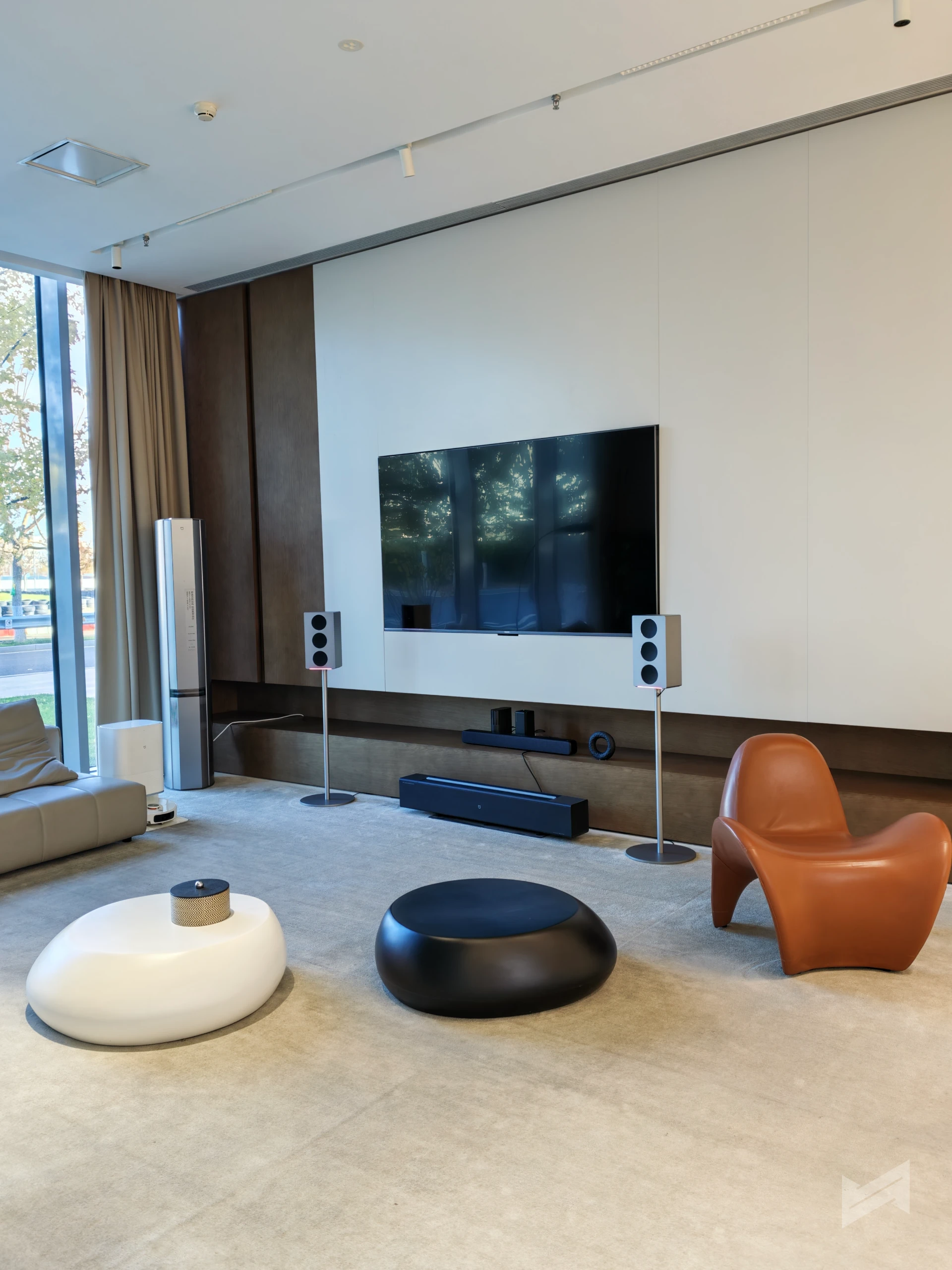
The Changping smart factory is where that ecosystem gets built, with eleven production lines turning out more than 10 million smartphones a year at an overall automation rate of 81 percent.

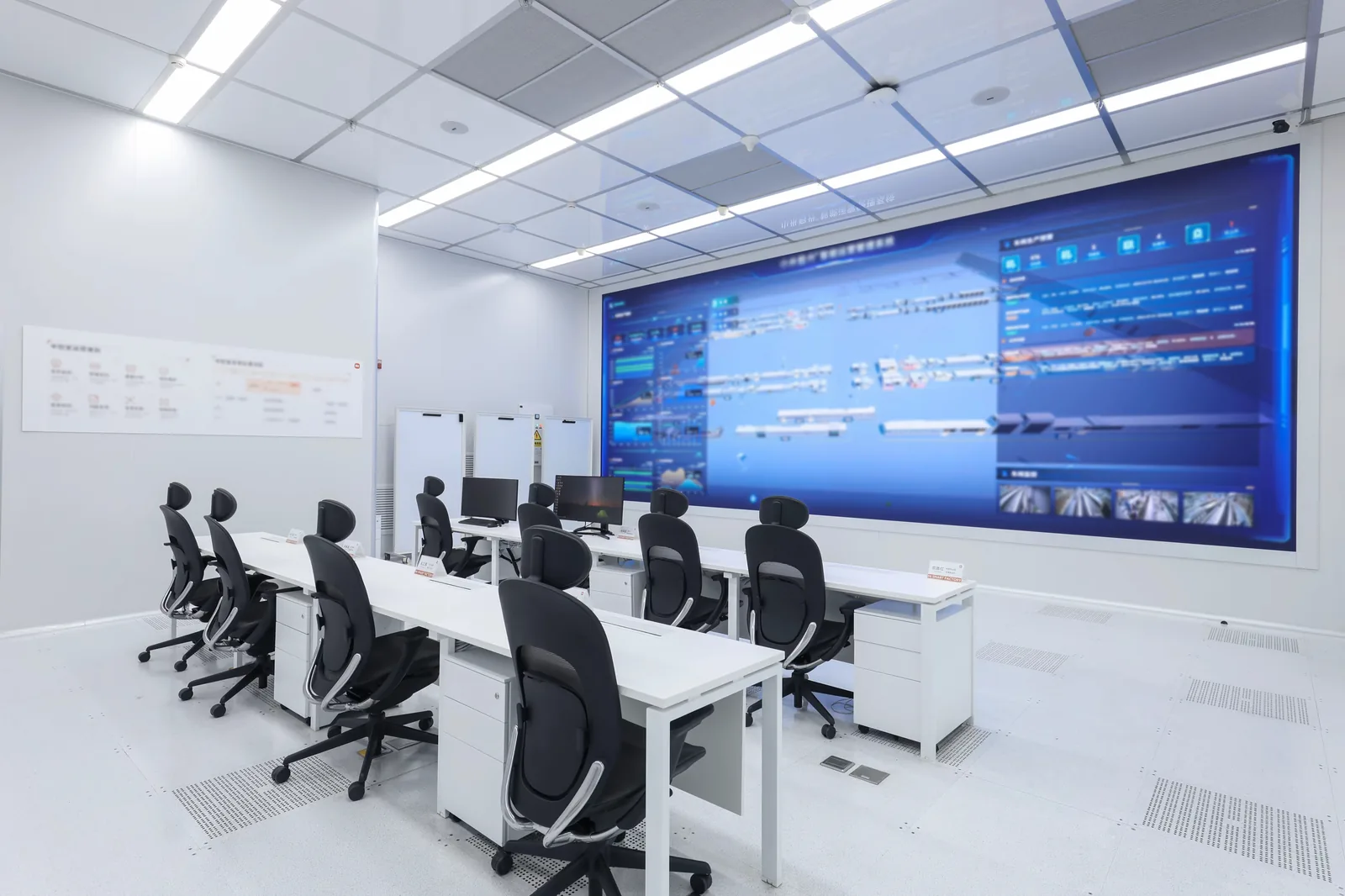
What surprised me was not the robots but the software driving them. Xiaomi wrote its own manufacturing platform, Hyper IMP, and both the factory’s software and 96.8 percent of its hardware are self-developed.
Hyper IMP watches output, quality, and anything that looks out of place, and it can reorder materials on its own when stock runs low.
The 19 percent of the work that is not automated is deliberate, because machines hold the tolerances while people decide what good enough looks like.
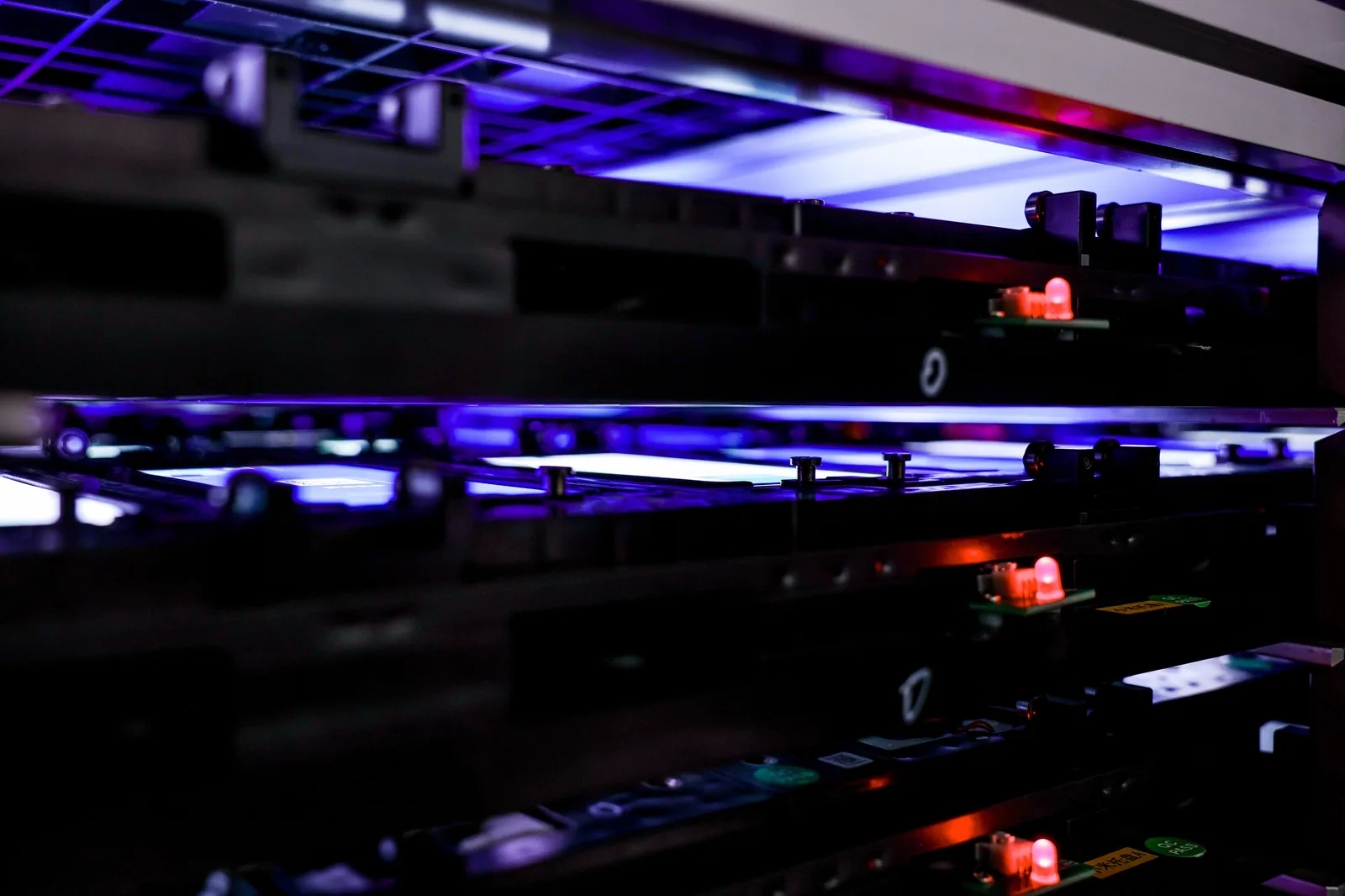
The aging chamber made the point better than any slide, running more than 2,400 phones at once to simulate long-term use and catch failures a short test never sees.
The same instincts, applied to cars
Yizhuang is a different scale entirely, with an EV plant on more than 700,000 square meters, over 700 robots, and 91 percent overall automation. That is impressive, and it was point of the trip when I jokingly realized – “These robots can literally take over the world somebody.”
Xiaomi’s own die-casting cluster turns 72 parts into a single rear floor in about 120 seconds, cutting 840 welding points and 17 percent of the weight, and automated assembly holds body gaps to within half a millimeter.
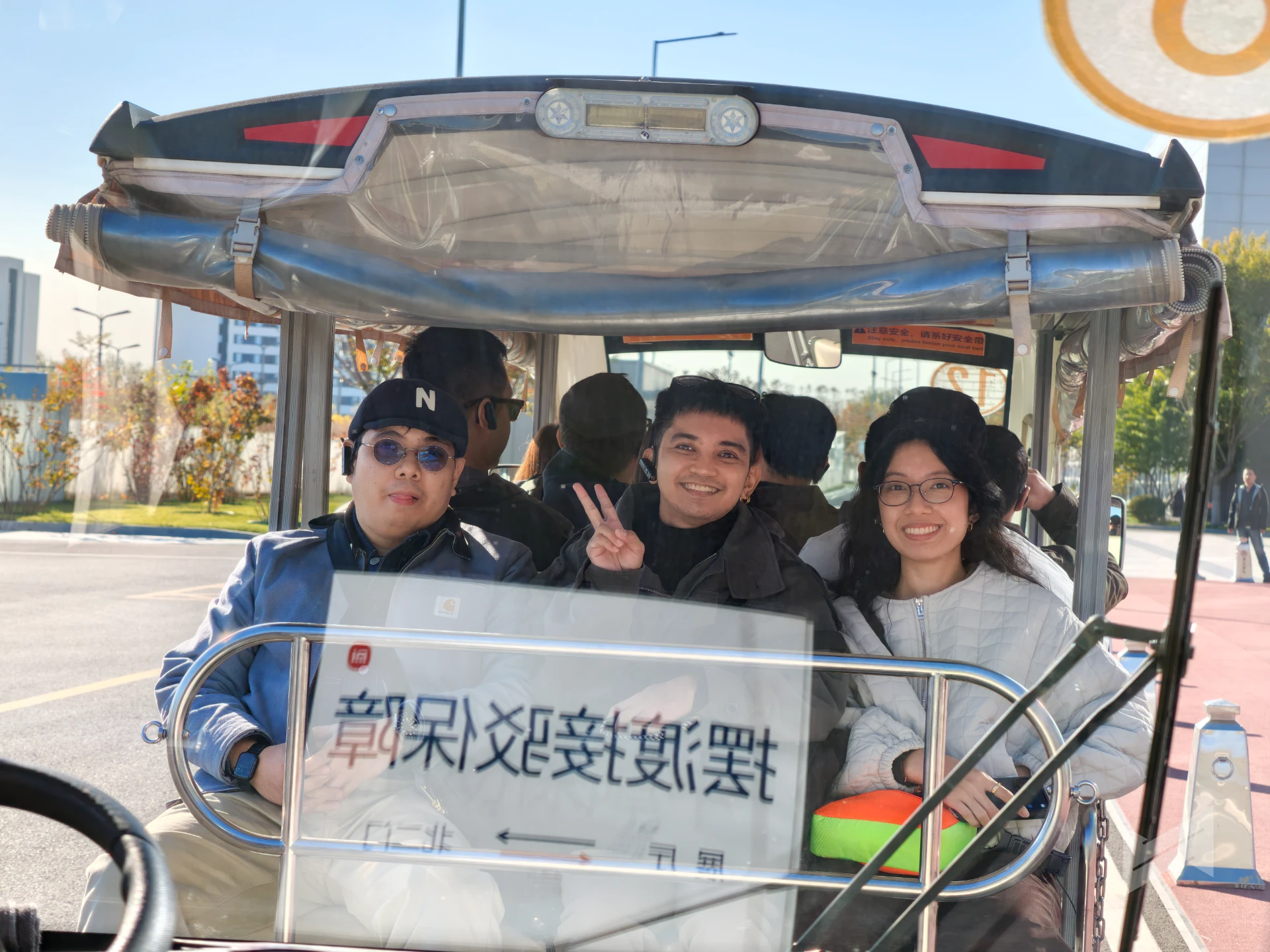
Every car runs a 2.5-kilometer test track with 18 road conditions before it leaves, and the inspection side is where the AI becomes measurable. We actually got the chance to ride a Xiaomi YU7 during out trip, and it was an absolutely treat for someone who drives a PHEV car.
The X-Eye system checks parts with better than 99.9 percent accuracy, and each die-cast floor goes through 28 X-ray images, which is a vision model doing a job that still needs trained eyes.
Xiaomi delivered more than 800,000 vehicles in 29 months from its first SU7 delivery, and that is the clearest evidence of what the phone business taught the company.
Where the AI actually lives
The word AI is mentioned every time we talk to someone from Xiaomi, and the interesting part is where Xiaomi puts it, which is inside the stack rather than on top.

The company builds the whole thing itself: HyperOS as the operating system, MiMo as its own AI model, and XRING as its chip line, which began with the XRING O1 3nm chip in 2025. Surprisingly, I am very much familiar with MiMo because it is the vision AI model that we use in our Hermes setup, which is in charge of our AI image processes.
For Xiaomi, AI should move from understanding what you say to understanding what you want to do, then coordinate the right devices to help, with user authorization and control built in.
That only works if the devices share context, which is exactly what Human × Car × Home is for, because a phone alone cannot know that you are driving home to a living room that is still warm.
The heart part
The part I did not expect to write about is the people, since nearly half of Xiaomi’s staff, 47.2 percent as of June 2026, work in research and development and more than 47,000 inventions are protected worldwide. The mission line has not changed either: build amazing products at honest prices so that more people can enjoy technology. That is a strange sentence to say with a car factory attached.
Xiaomi entered the Fortune Global 500 in 2019 at 468th as the youngest company on the list, and this year it sits at 232nd, a pace of growth that usually comes with a colder personality.
What this means for the Philippines
The Xiaomi 18 Pro Series is the near-term answer, since Xiaomi has confirmed the line for the Philippines this month and it carries the back display idea from the Xiaomi 17 Series into a more complete form.
Further out, Mijia is expanding across Europe and Xiaomi Auto is preparing a European entry in 2027, with no word yet on Philippine cars.
Benchmarks do not measure this
A benchmark tells you how fast a phone is, but it does not tell you whether the company behind it can build a die-casting cluster, write its own factory software, and roll a car off a line every 76 seconds. Those are different muscles, and Xiaomi has spent sixteen years training all of them at once, which is why the tour felt like a factory visit with a phone attached.



I went to Beijing expecting to write about a phone and came home convinced that the phone is the least interesting thing the company builds, and the one piece that makes everything else work.
That is what a megacompany with heart looks like up close: the numbers are impressive, and the people holding the tolerances on the floor are the reason the numbers hold.

Giancarlo Viterbo
Giancarlo Viterbo is a Filipino Technology Journalist, blogger and Editor of gadgetpilipinas.net, He is also a Geek, Dad and a Husband. He knows a lot about washing the dishes, doing some errands and following instructions from his boss on his day job. Follow him on twitter: @gianviterbo and @gadgetpilipinas.
View all articles →