


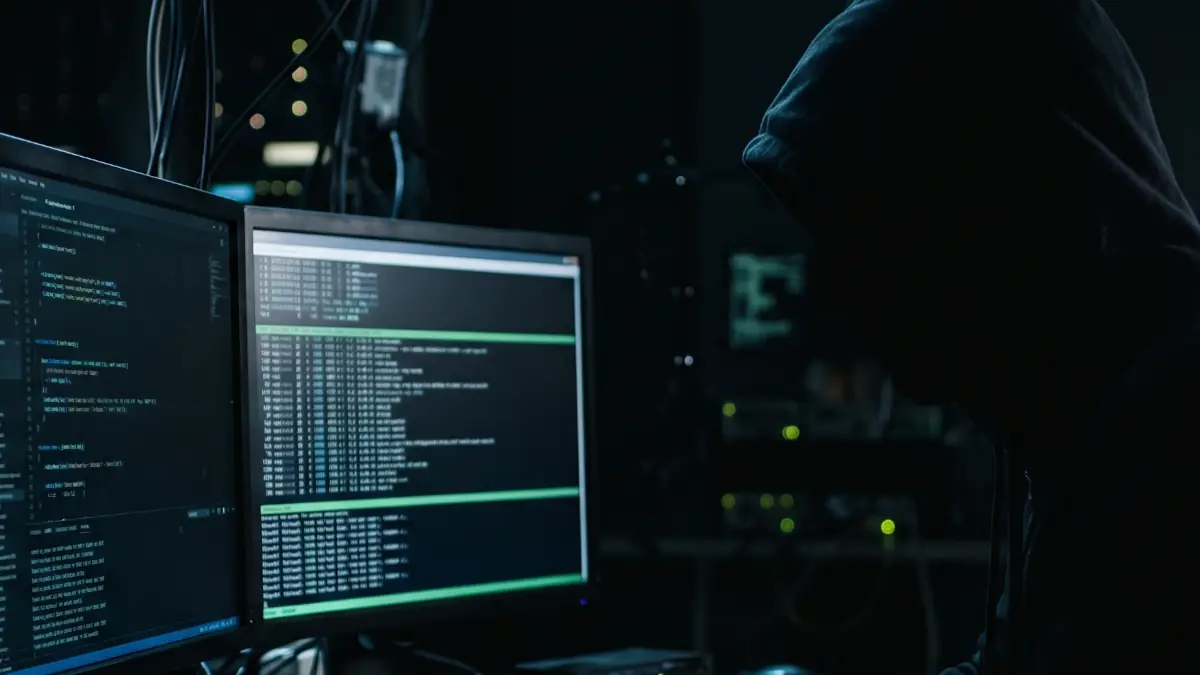
A highly coordinated wave of cyberattacks has compromised the data of 23 government agencies, private companies, and educational institutions, exposing millions of sensitive records in one of the country’s most severe data breaches.
Data Breaches Across 23 Local Institutions
According to the cybersecurity monitoring group Deep Web Konek, the massive data leaks occurred between November 5 and 7. The stolen information encompasses personally identifiable information, government IDs, corporate registrations, and payroll files.
Several major government offices suffered extensive breaches. The threat group “DeathNote Hackers” got 10 GB of files from the Office of the Vice President and breached 19.2 million records from the Department of Labor and Employment. Meanwhile, the group “Happy Go Lucky PH” targeted the Department of the Interior and Local Government, having acquired nearly 500 GB of data containing 19 million resident profiles.
Other affected state agencies include the Land Transportation Office, Philippine Coast Guard, and the Presidential Commission on Good Government. The intrusions also extended to military branches like the Philippine Air Force, as well as several educational institutions, including the University of Camarines Norte and Cavite State University.
Private sector entities were similarly hit. LBC Express reportedly suffered a massive compromise, with hackers accessing 20.9 million customer shipment logs. Utility companies like the National Power Corporation and Mactan Electric Company were also listed in the breach disclosures.
Other entities involved in the breaches include “sinigangmixwithgabi,” “core849,” and “CrimsonSec Philippines.”
Deep Web Konek warns the public that this scale of the exposed data significantly raises the risk of identity theft, text scams, and unauthorized financial access. The targeted institutions are currently verifying the full extent of the cyberattacks as authorities scramble to mitigate the fallout.
What the Public Should Do
With a high chance that home addresses, contact numbers, and ID records are circulating, cybersecurity experts advise the public to stay alert against increased phishing and parcel-delivery scams. Citizens should avoid clicking links in unsolicited text messages, transition financial accounts away from SMS-based OTPs to authenticator apps, and make use of card-locking features in mobile banking applications. Any suspicious digital activity should be reported immediately to the National Privacy Commission or the CICC hotline at 1326.

Miguel Palispis
Started his freelancing adventure in 2018 and began doing freelance Audio Engineering work and then started freelance writing a few years later. Currently he writes for Gadget Pilipinas and Grit.PH. He is also a musician, foody, gamer, and PC enthusiast.
View all articles →Related News


 Apple’s First OLED iPad Air May Arrive in H1 2027
 UGREEN Unveils HACIPUPU Collaboration with POP MART