
For years, the search for Adobe alternatives started with the same question: which of these is free? That question produced GIMP, Krita, Inkscape and DaVinci Resolve, and it sent most people back to Creative Cloud within a week, because free software that works differently still costs you the time to learn it.
The question being asked now is different. It is whether the alternative opens the files you already have and keeps the shortcuts your hands already know. A project called ArtCraft has spent this month testing that second question with seven open-source apps written from scratch in Rust, each aimed at a specific piece of Adobe’s suite that anyone shopping for Adobe alternatives would recognize.
What ArtCraft shipped
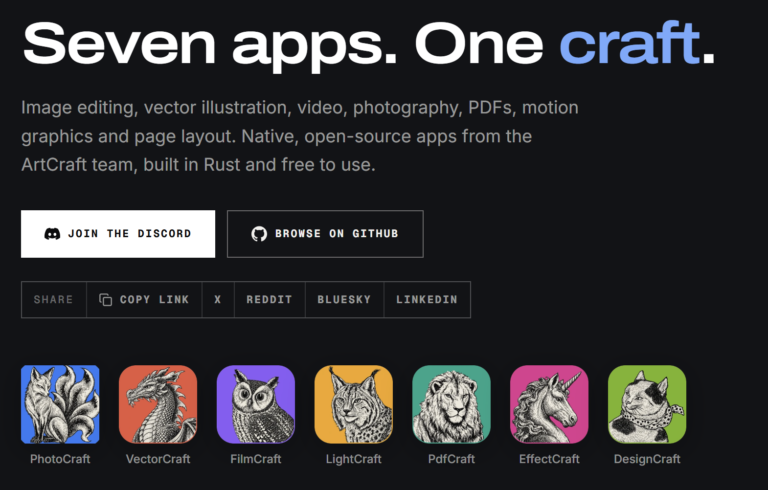
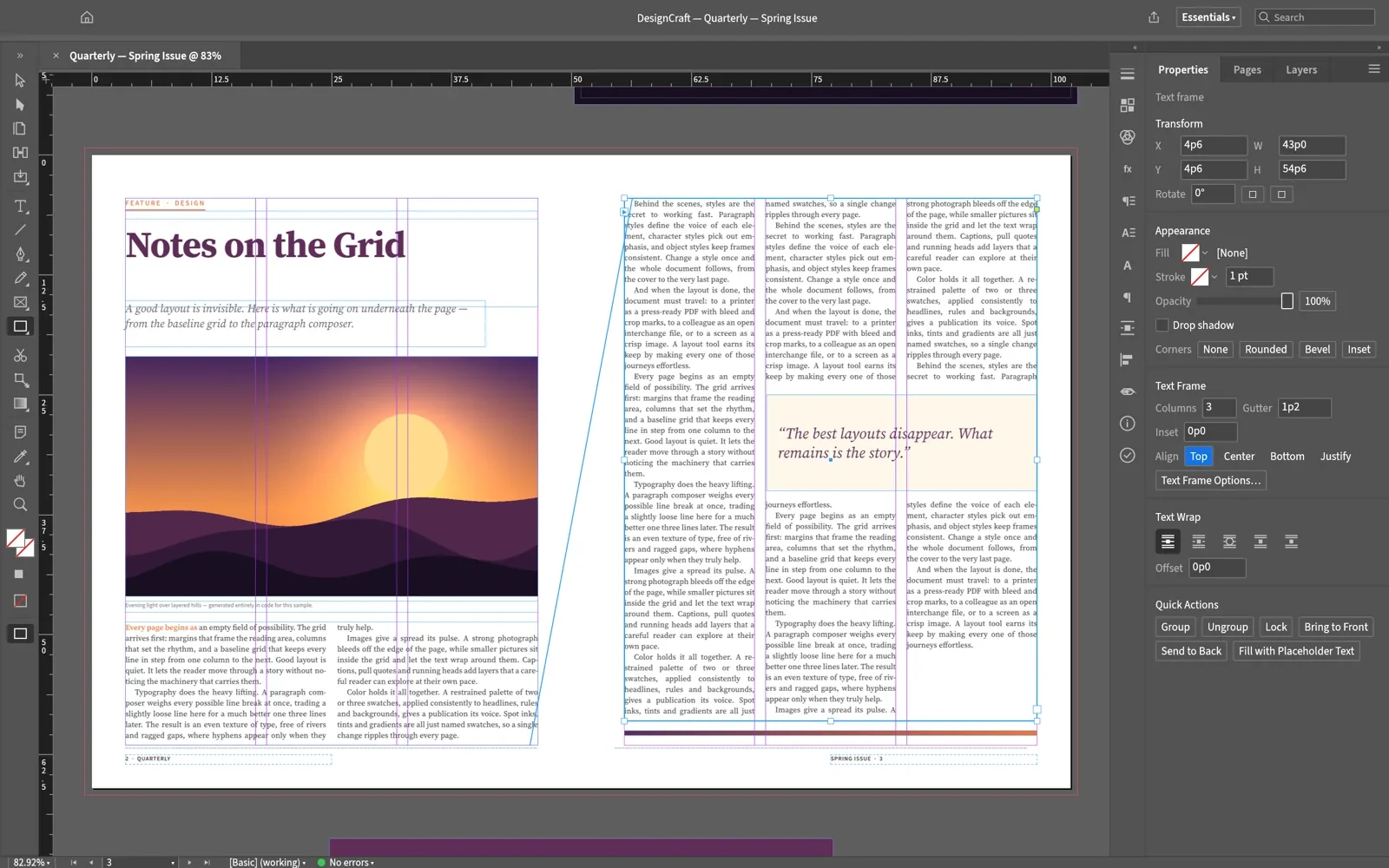
The seven apps map onto Adobe’s line almost one for one. PhotoCraft covers Photoshop, VectorCraft covers Illustrator, FilmCraft covers Premiere Pro, LightCraft covers Lightroom, EffectCraft covers After Effects, DesignCraft covers InDesign, and PdfCraft covers Acrobat.
They are not mockups. Each repository published thirteen installers on 8 October, covering macOS, Windows and Linux, with WebAssembly builds that run in a browser tab. The license is Apache 2.0 across the board, so anyone can read, fork or ship a modified version.
The reception has been unusually large for a first release. PhotoCraft carries more than 23,900 stars on GitHub, with FilmCraft and LightCraft above 4,600 each. The repositories were all updated on the same day, and the organization behind them holds public repositories for further apps that have not been announced on the site yet, including tools for CAD, audio, decks, grids and word processing.
Why the previous generation of Adobe alternatives stalled
The obstacle was never that open-source tools were incapable. It was that they were arranged differently, and professional muscle memory is expensive to rebuild. That complaint is old and well documented, and it is the reason a designer who tries GIMP often returns to Photoshop even while objecting to the subscription.
ArtCraft has built its entire pitch around that gap. Its stated principle is that layouts, tools and shortcuts should match what working professionals already know, so that there is nothing to relearn. PhotoCraft is described on its own page as the image editor you already know how to use.
What changed in 2026 to make this viable
Price stopped being the deciding factor. After Canva acquired Serif in 2024, the Affinity suite covering Photo, Designer and Publisher became free for everyone, removing the main financial argument for staying with Adobe. The same company has been expanding its own visual suite at the same time.
Adobe also pushed its own subscribers. The Photography plan covering Photoshop and Lightroom rose from $9.99 to $14.99 a month, a 50 percent increase, while Lightroom’s 1TB tier went from $9.99 to $11.99. Photoshop on its own runs $22.99 a month, or roughly $275 a year, and cancellation fees on annual plans billed monthly run between $30 and $330. Adobe’s pricing has drawn scrutiny here as well, including a government contract we examined over its per-seat cost.
With cost no longer the differentiator, buyers started comparing on compatibility instead. That is the axis ArtCraft competes on, and it is why this launch reads differently from the Adobe alternatives that came before it rather than as just another free app.
How close is it actually
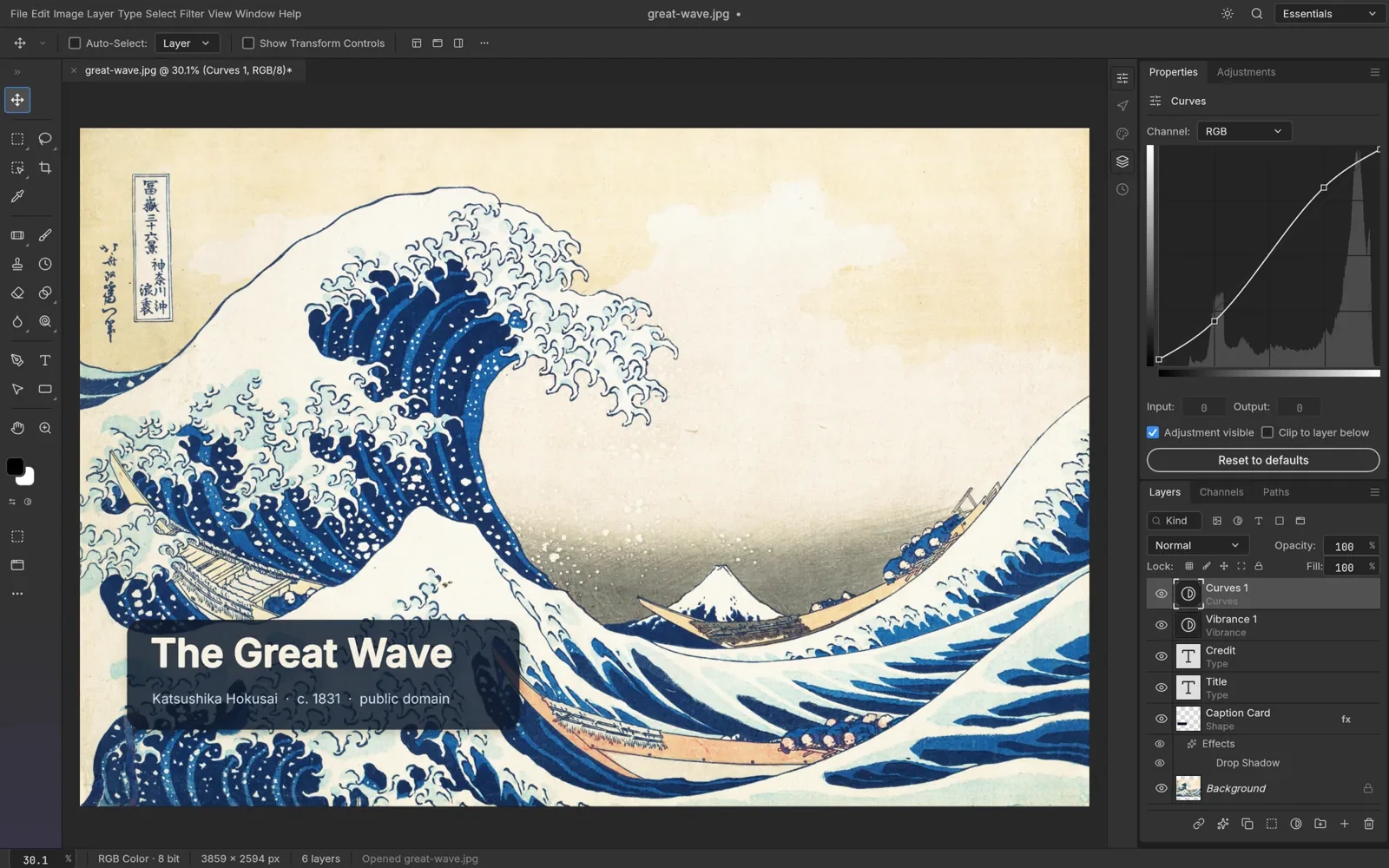
The compatibility claim is specific. PhotoCraft opens and saves layered PSD and PSB documents, and the project states that 134 of 135 real-world test files round-trip byte for byte. It supports 16 adjustment layers, more than 70 live-preview filters, smart objects, 32-bit documents and CMYK with ICC color management.
The apps are native rather than wrapped in a browser engine, rendering through Metal, Vulkan, DirectX 12 and WebGPU. Everything runs on local files with no cloud round-trip, and each app can be driven from a command line, a JSON control channel or an MCP server, which makes them usable by automated tools and AI agents.
The part that has not been proven
The apps are alpha software and should be treated as such. Ars Technica, which covered the launch, described the suite as ambitious, free and nowhere near finished, and commenters across Hacker News and Bluesky have documented the gaps in detail.
The parity timeline has also moved. The developer originally said full feature parity would arrive within a month, then revised that to 99 percent parity in months rather than years. Those are different promises, and the second one is the realistic one.
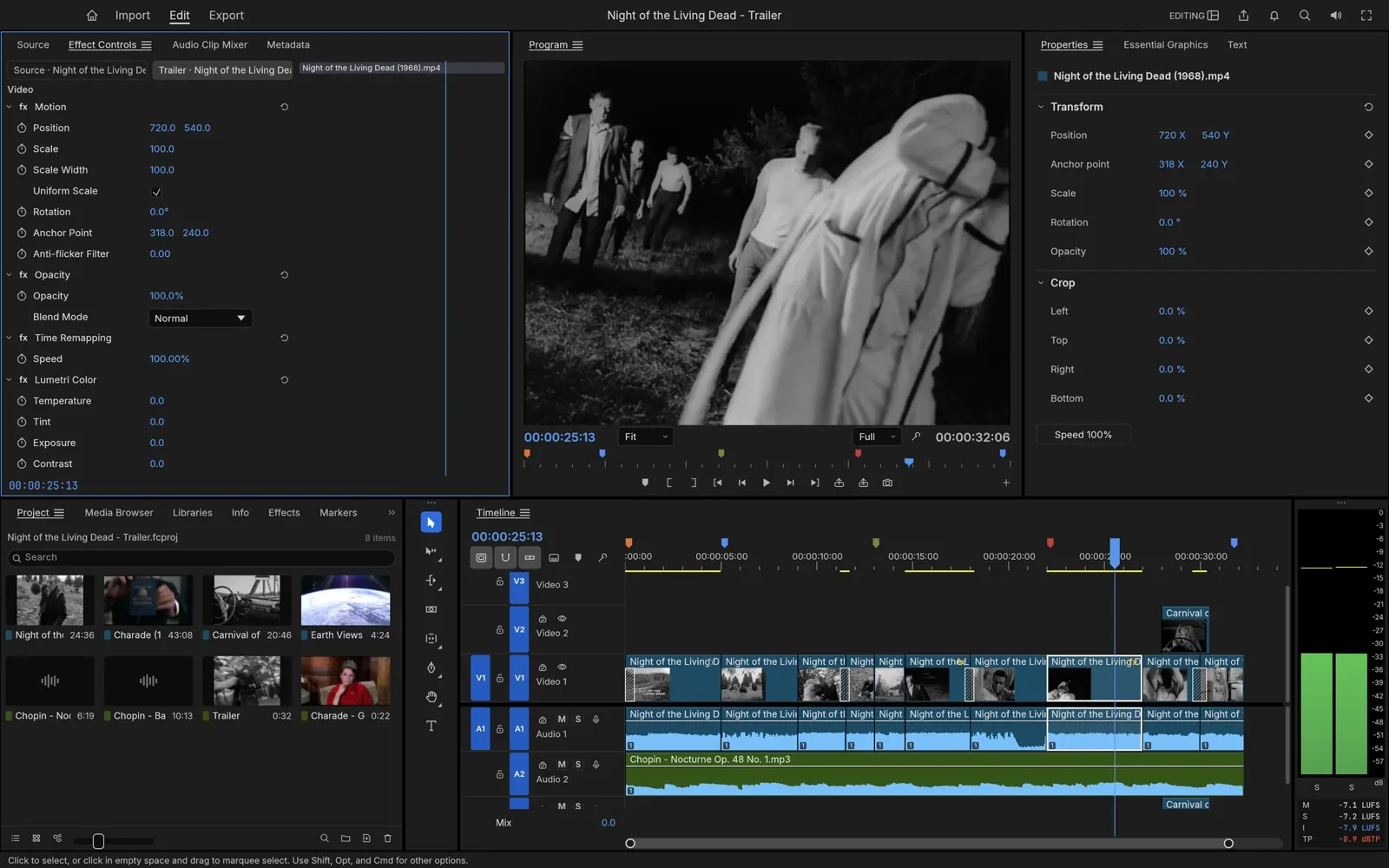
There is a legal question underneath the technical one. Clean-room reimplementation is generally considered acceptable, but reproducing an interface this closely raises trade dress concerns. FilmCraft, for example, keeps Adobe’s Lumetri Color naming for its color panel, which is a brand name rather than a generic description.
How it was built, and who pays for it
The developer behind the suite is Brandon Thomas, who says he has spent about a decade on large-scale Rust projects. He has written that he was prompted to build the tools after being charged a cancellation fee one too many times, and he built them using AI coding tools, describing the result as clean-room replacements.
The apps themselves are free, so the money comes from elsewhere. Thomas has said the work is funded by selling token-based access to the pre-existing ArtCraft visual AI model, which appears inside the apps as one image-generation option among third-party models. His stated goal is that the apps not become an abandoned side project.
What to watch
The next few months will settle whether this is a genuine turning point in how people replace Adobe or an ambitious demonstration that stalls. Two signals matter. The first is whether the file-format claims hold up under wider testing, since byte-for-byte PSD fidelity is the single feature that makes switching realistic for working designers. The second is whether the trade dress question attracts a legal challenge, because that would set the limit on how closely any future Adobe alternatives can imitate the original.

Gadget Pilipinas
Founded in 2009 by Gian Viterbo, Gadget Pilipinas is one of Philippines’ top sources for news, tutorials, reviews and tips about the latest trends in technology, gadgets, games, social and digital media and cyber culture.
View all articles →Related News
 Coalition Forms to Analyze House Insertions in 2027