


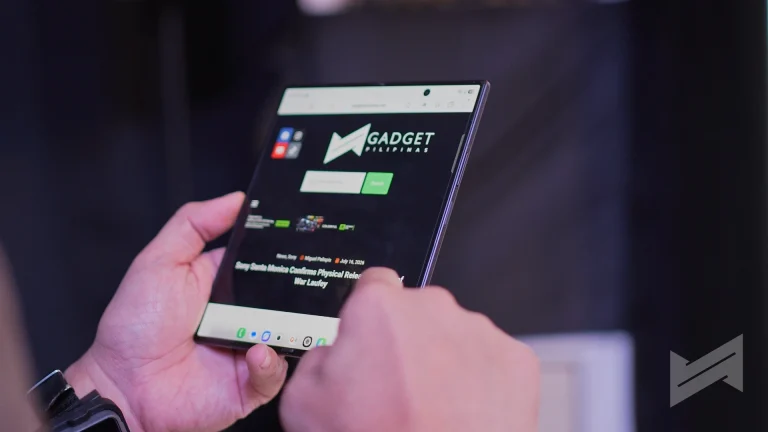
Samsung’s Galaxy Z Fold8 has been in my hands for a few days now, and it is already reshaping how I think about what a book-style foldable should be. It feels more flexible in how I can use it: from getting work done to watching content to switching between tasks throughout the day. And if you’re looking for a phone this flexible, you might want a flexible way to pay for it, too, with Maya Mini Payments.
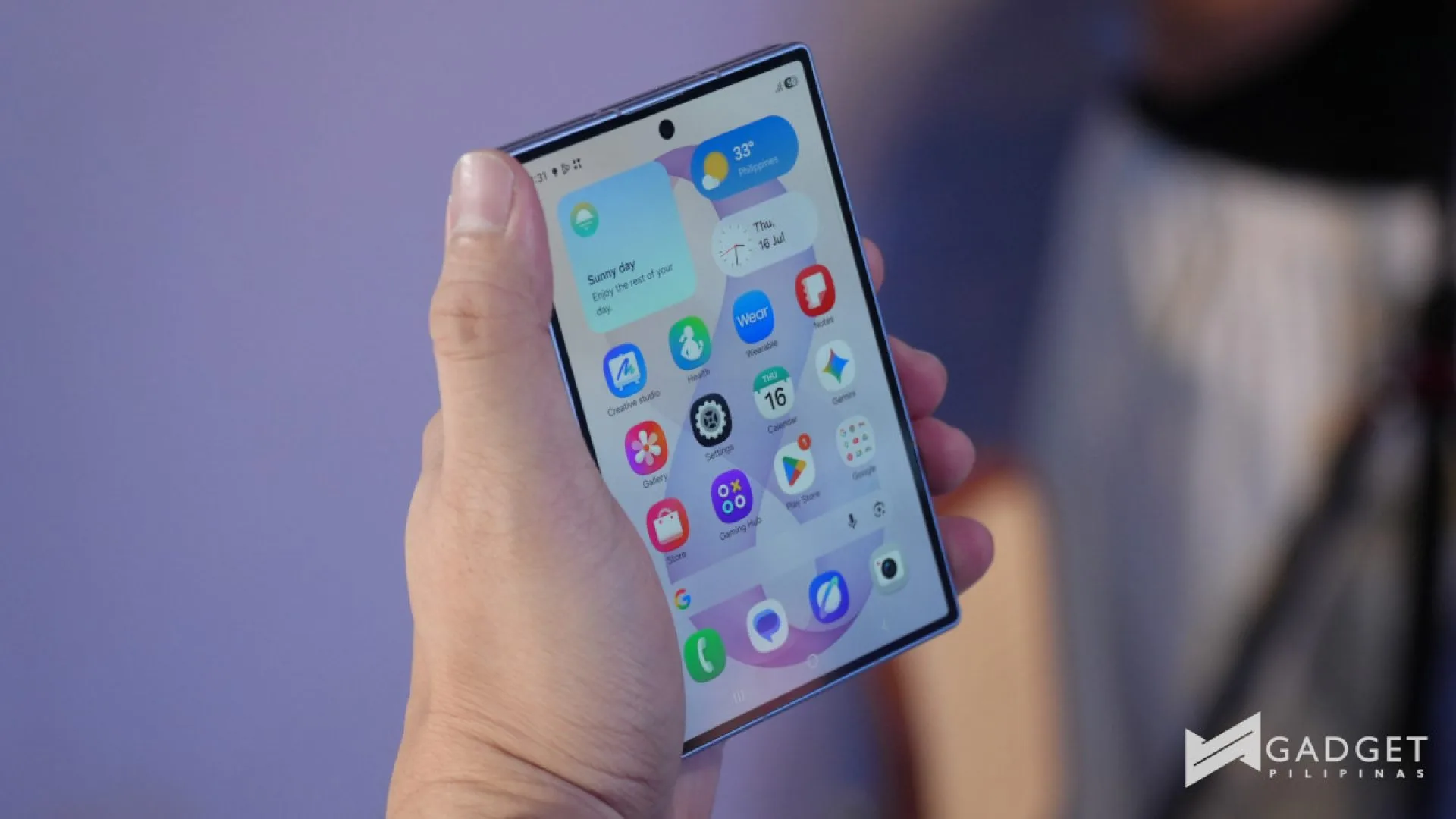
This is not my full review yet, but my early impressions are impressive enough that I wanted to get them down while the excitement is fresh, especially with the pre-order window closing on August 13, 2026.
A Form Factor That Rewrites the Rules
The biggest shift with the Z Fold8 is its new 4:3 aspect ratio on the 8-inch inner display, paired with a 5.5-inch, 16:10 cover screen. This is a genuinely different shape from previous Folds, and it is the kind of change that feels less like an iteration and more like Samsung rethinking what a foldable is supposed to be. At just 201 grams and 4.5mm unfolded, it is also the lightest Fold Samsung has made, which matters more than spec sheets usually suggest once you are carrying the phone all day.

I genuinely believe this is the form factor that will revolutionize how foldables get built and used going forward. The proportions on both screens finally feel intentional rather than like a smartphone screen stretched to fit a bigger chassis.
Typing Without Unfolding, and a Cover Screen Worth Using
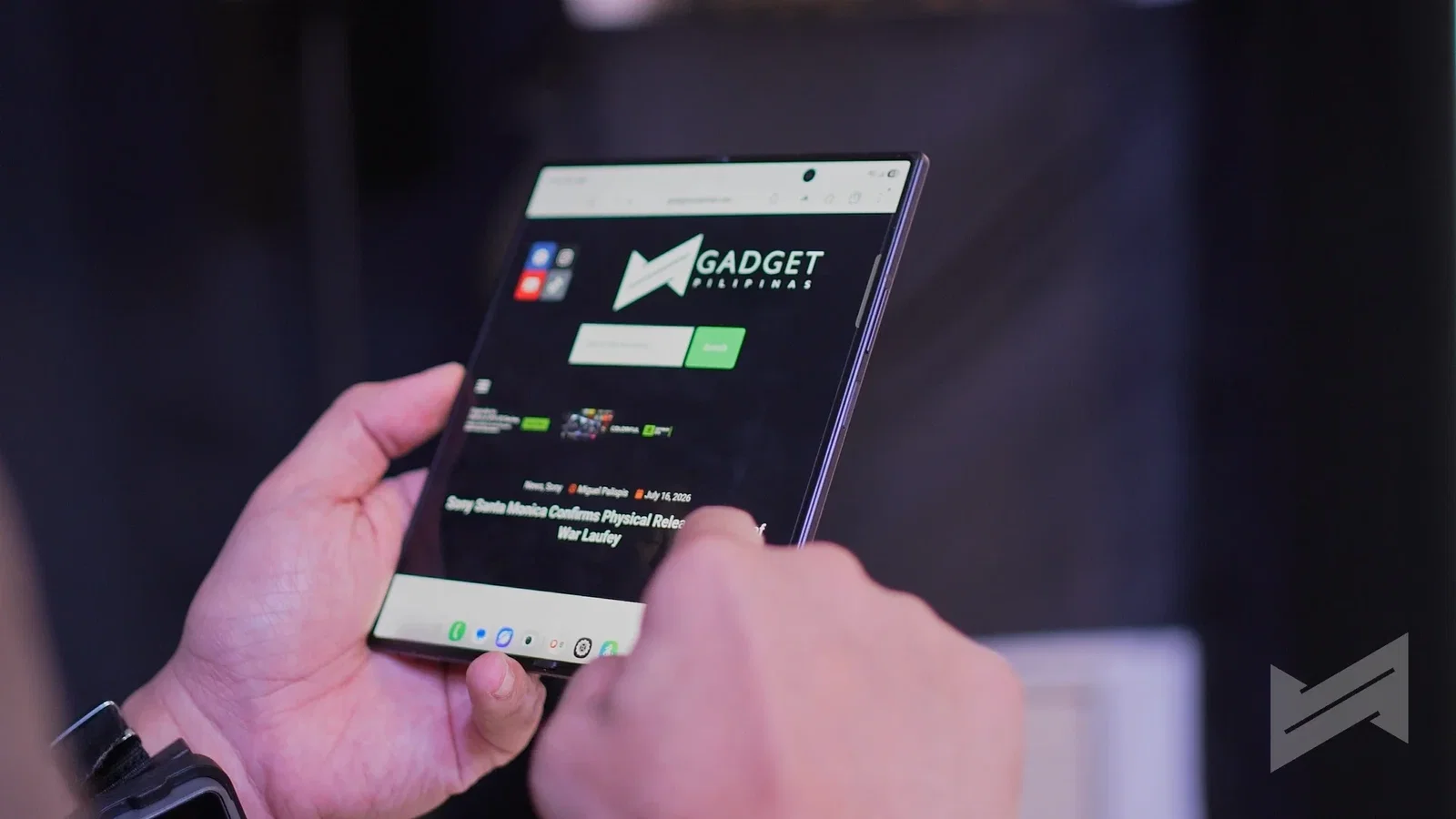
For me personally, the standout benefit is practical rather than flashy. The taller cover screen makes it genuinely comfortable to type without ever unfolding the device. I found myself replying to emails, drafting captions, and clearing messages entirely on the outer display, something that always felt cramped on older Fold cover screens. That alone changes my daily workflow, since unfolding a device every time you need to type has always been the biggest friction point of this category.
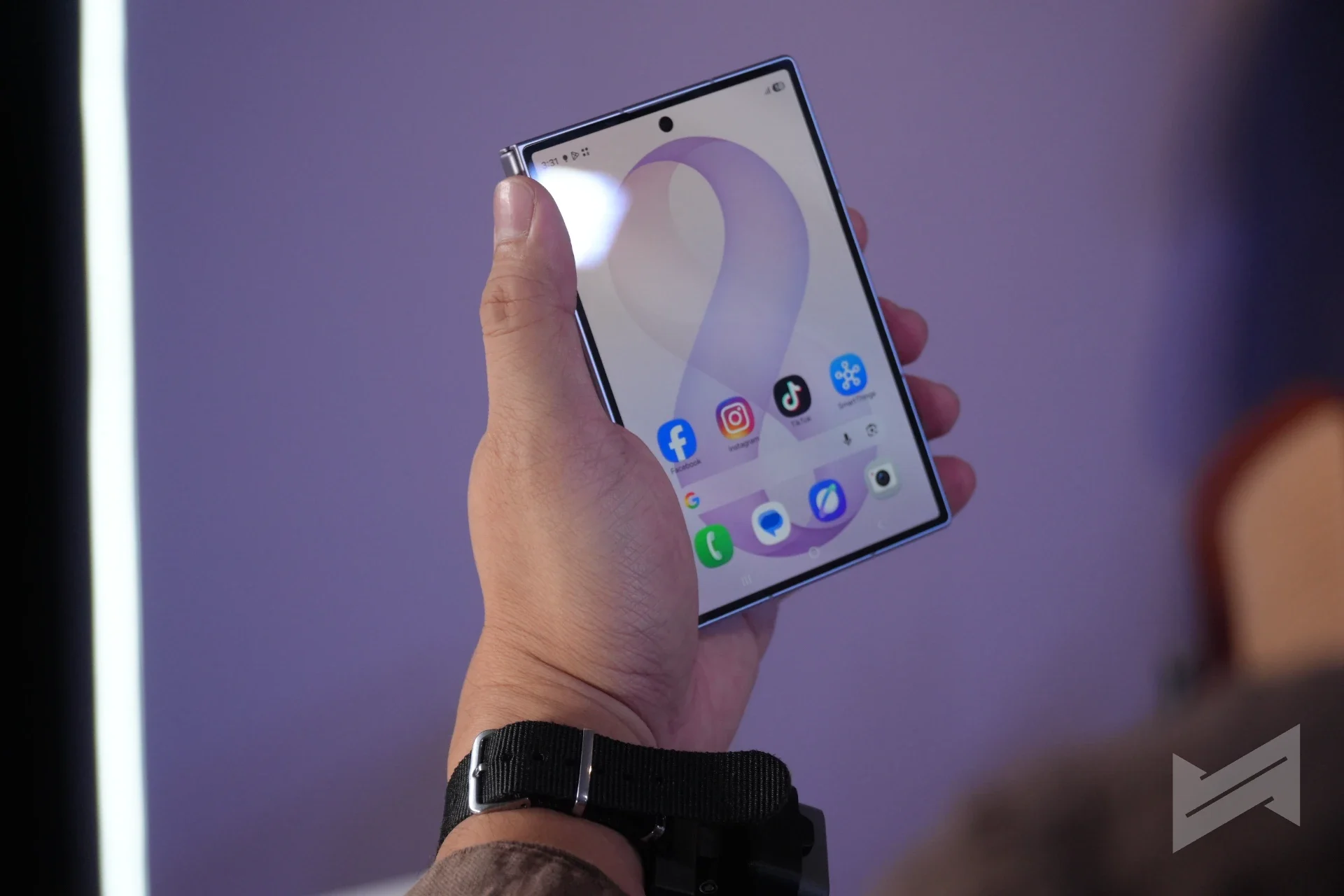
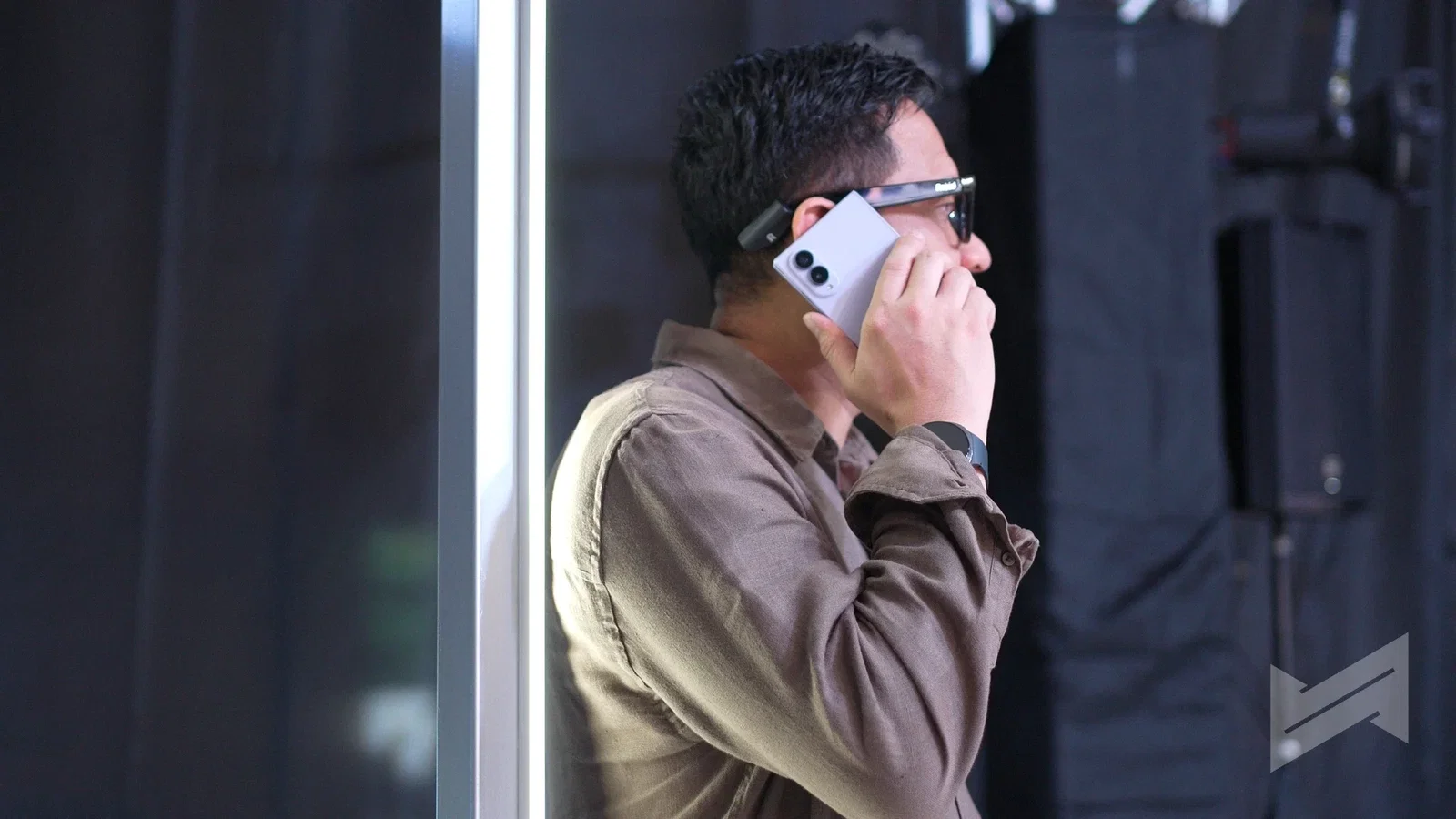
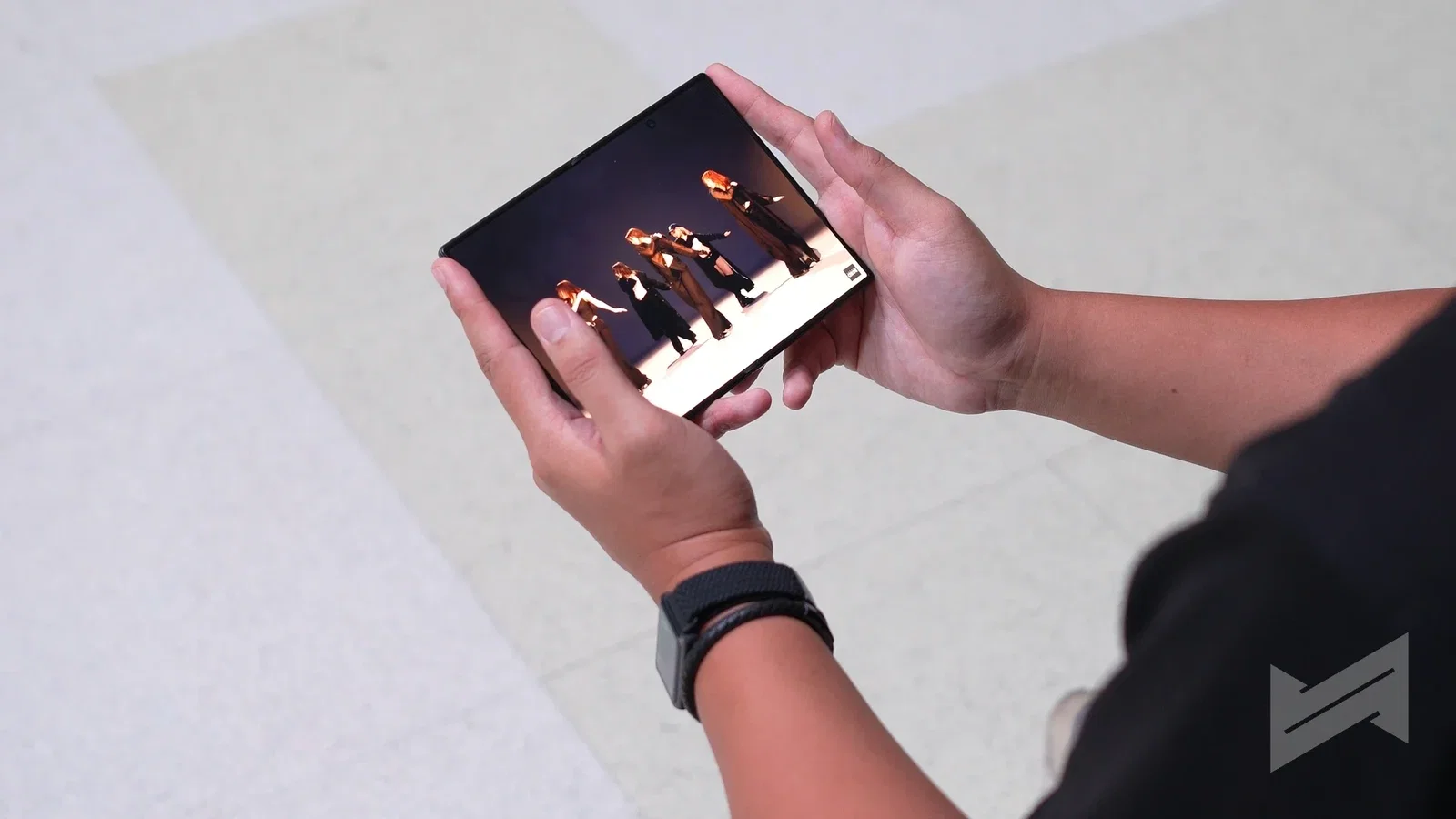
At the same time, the option to unfold for a better viewing experience is still there when I want it. What surprised me is that watching movies directly on the cover display is now actually workable, not just a fallback. The 16:10 ratio gives enough vertical room that streaming a show while commuting no longer feels like a compromise.
Cameras That Punch Above Their Spec Sheet
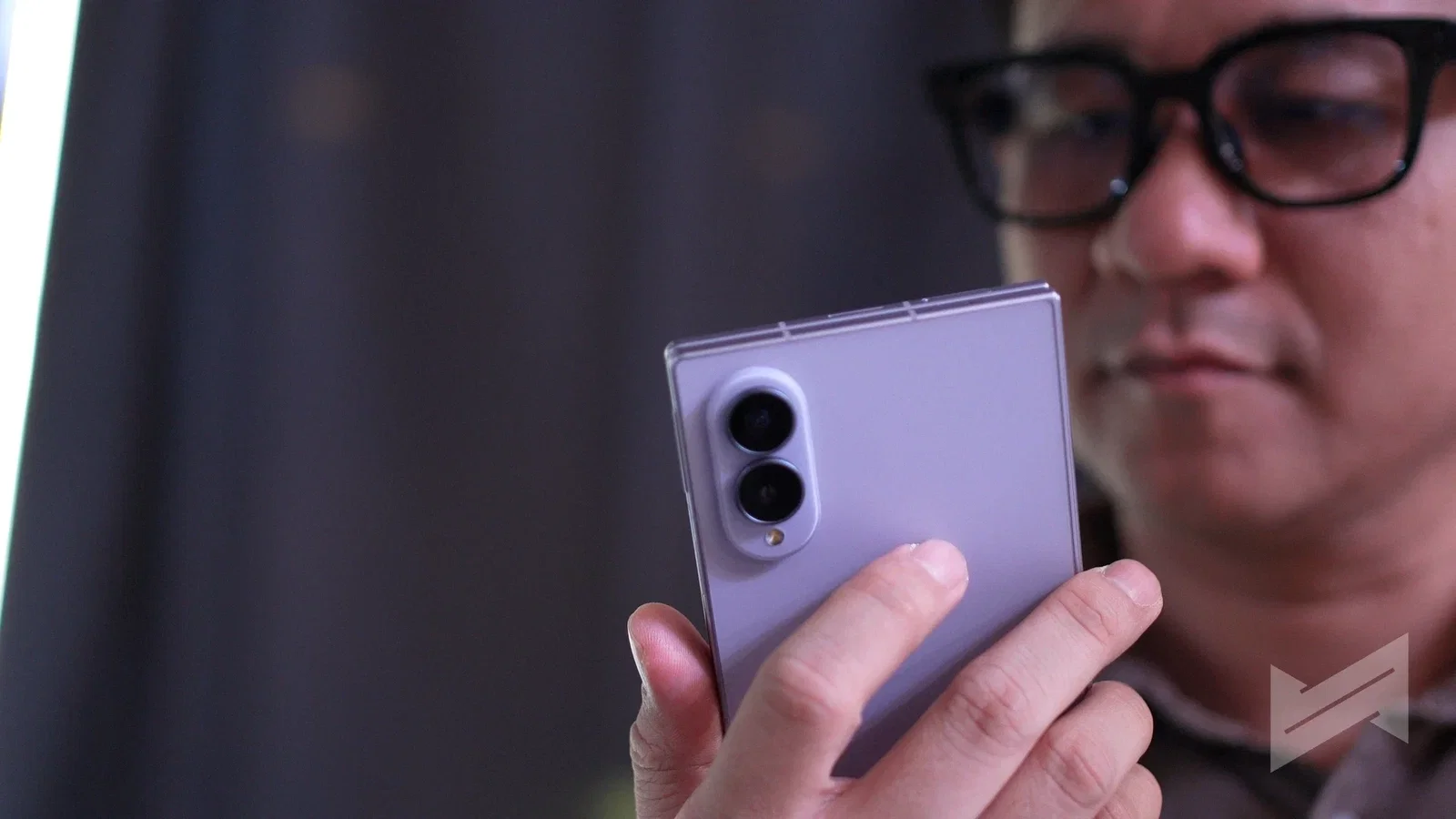
I already published a deep dive into the Fold8’s camera performance, so I will keep this brief. The short version is that the dual 50MP wide and ultra-wide setup is not the best camera system Samsung sells, the Fold8 Ultra’s 200MP sensor and telephoto lens beat it on paper, but it is absolutely more than serviceable.


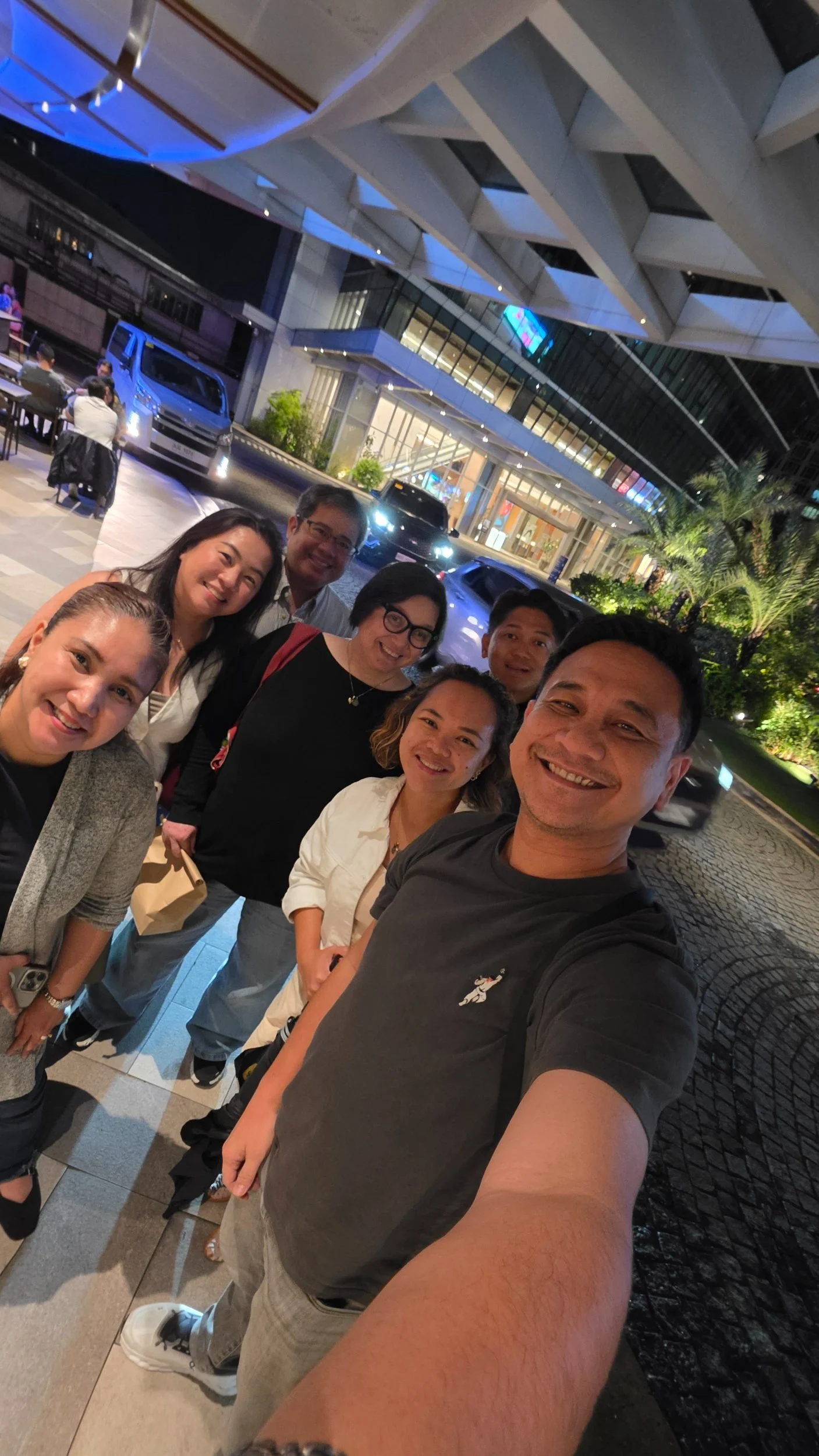
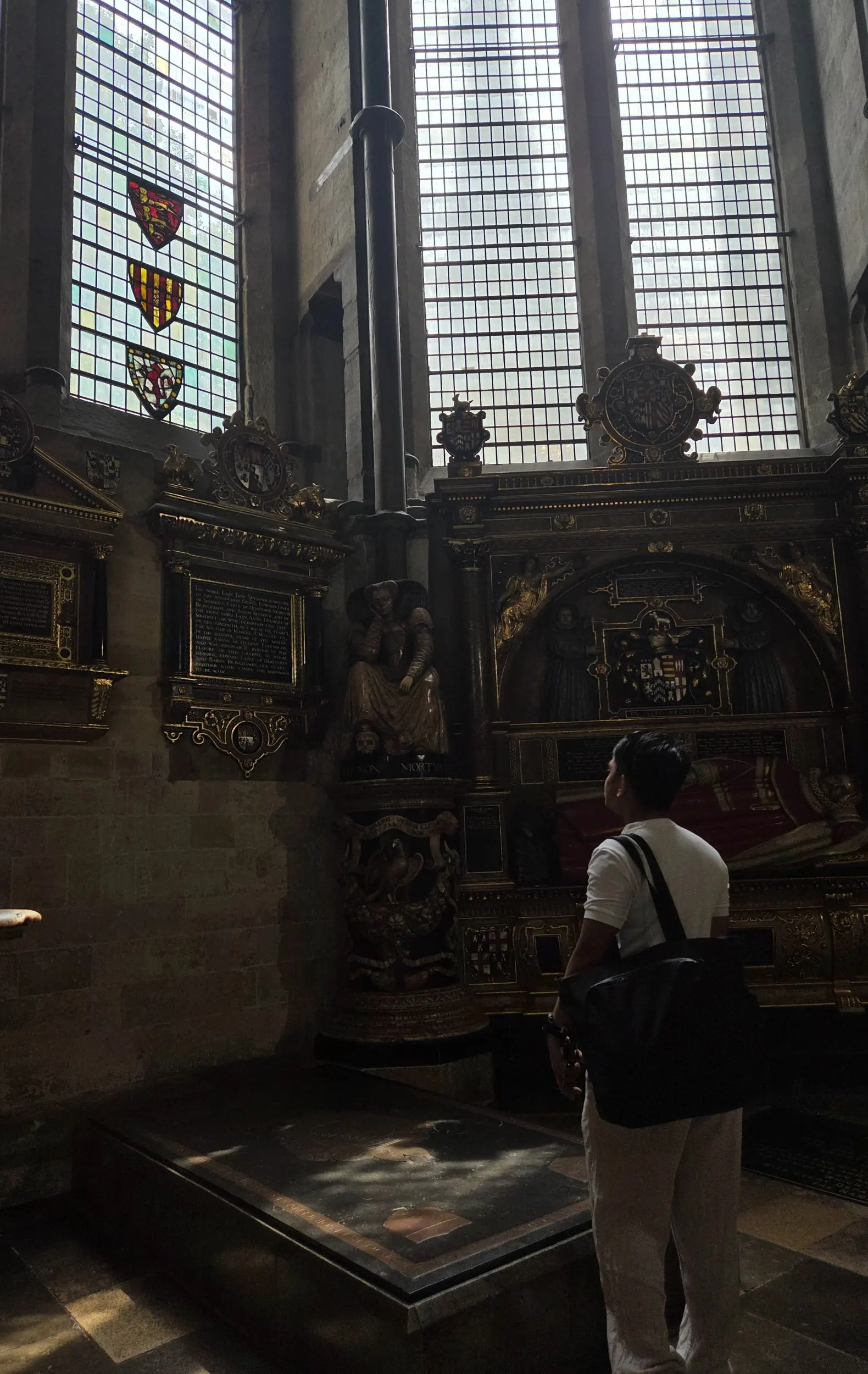


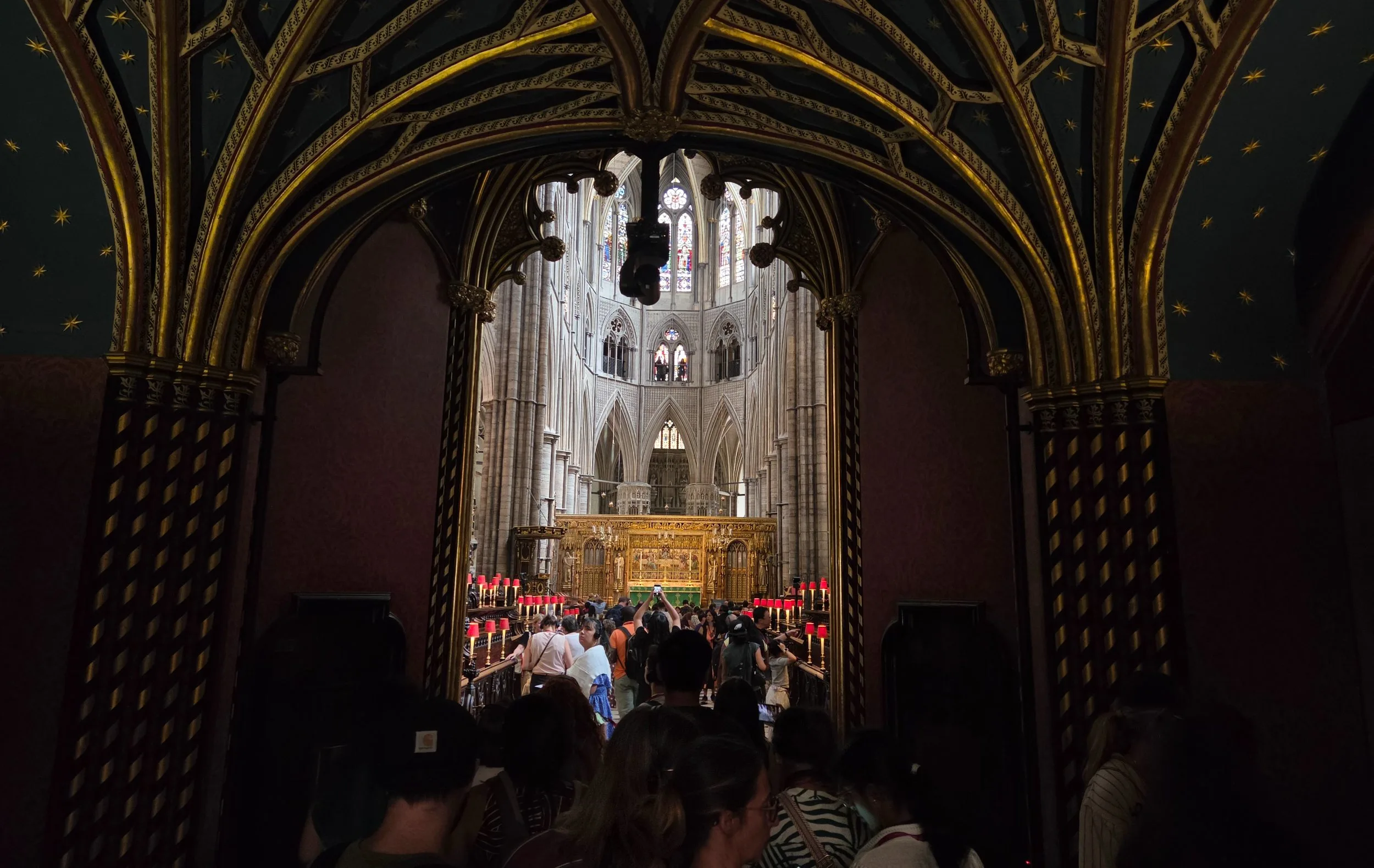
In daylight and typical indoor lighting, files come out clean and color-accurate, and in low-light side-by-side testing, roughly 95 percent of shots looked nearly identical to the Ultra’s output. Samsung’s ProVisual Engine and AI-driven imaging pipeline are doing a lot of the heavy lifting here, closing a gap that used to be much more obvious between tiers.
Battery Life Gets a Real Upgrade
Battery performance has been one of the pleasant surprises. The Z Fold8 runs on a 4,800mAh Silicon Carbon battery, and the difference is noticeable compared to older Fold generations. Silicon Carbon anodes pack more energy density into the same physical space, which is exactly why Samsung could keep this device thin and light while still improving battery longevity. Across a normal day of shooting content, messaging, and streaming, I have not felt the usual anxiety of watching the battery percentage drop by early evening.
One UI 9 Feels Like the Real Star
If there is one thing elevating this device beyond hardware, it is One UI 9. Samsung’s software here feels genuinely fantastic, with more AI functions and quality-of-life touches that make the larger screen worth using rather than just staring at. Features like My FanCam for automatic subject tracking and reframing, plus Galaxy AI tools that now understand context rather than just responding to isolated commands, make the Fold8 feel less like a phone with a bigger screen and more like a purpose-built productivity and content tool.
In my previous report, Samsung has also reported Galaxy AI adoption among Fold and Flip users in Southeast Asia jumping from 84 percent in August 2025 to 96 percent by June 2026, which tracks with how naturally these tools fit into daily use once you actually try them.
Making the Pre-Order Period Work for Your Budget
If the Z Fold8 is on your radar before pre-order closes, it is worth knowing you do not have to pay for it in one lump sum. If you put the purchase on your Maya Black credit card, you can use Maya’s Mini Payments feature to convert that transaction into a manageable installment plan directly inside the Maya app. Simply put your purchase on your Maya Black Credit Card and use Maya Mini Payments to convert the transaction into a 3-month installment plan at 0% interest until Oct 31, 2026.
The best part? Processing fees are waived for Mini Payments created until September 30, 2026.
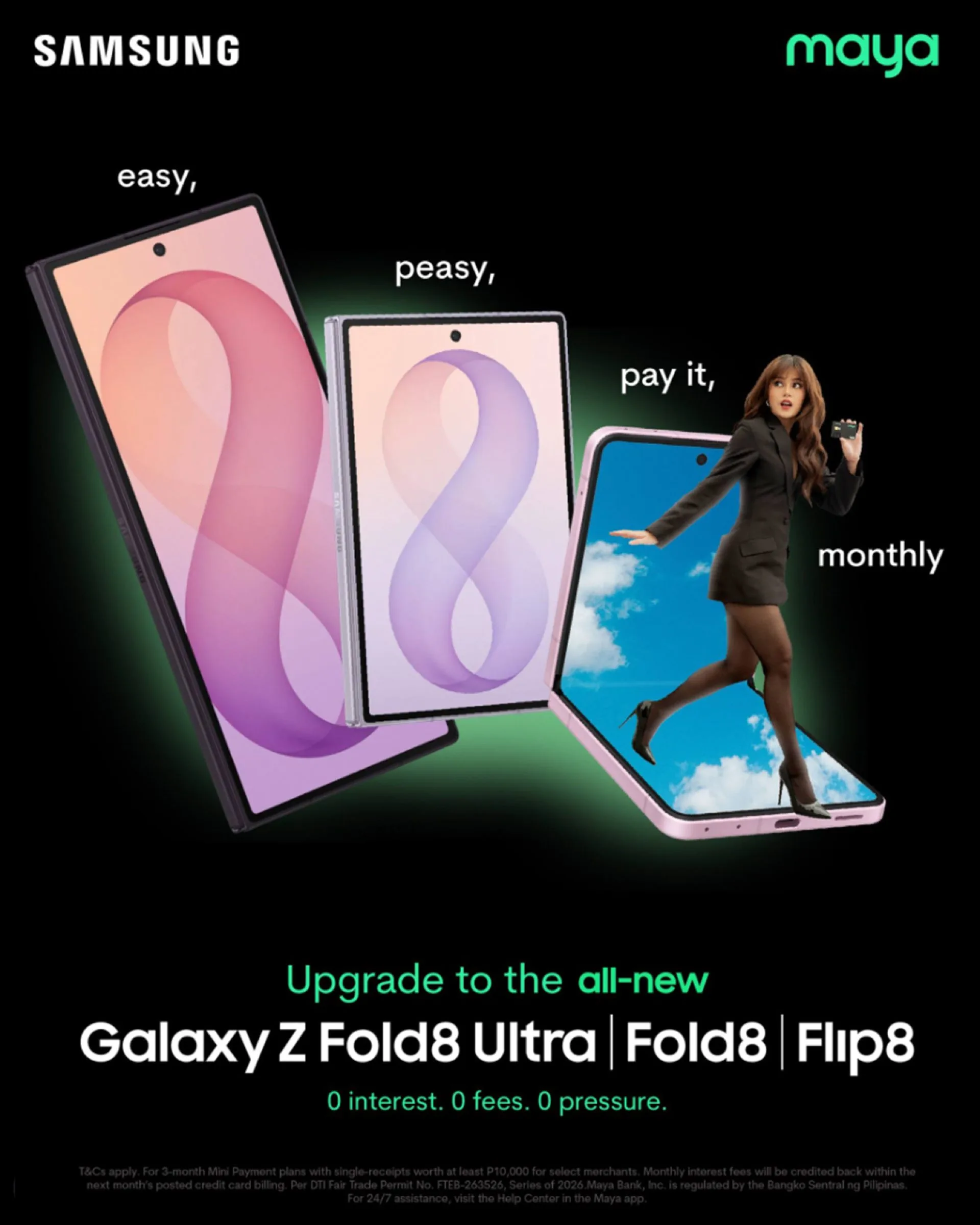
For a premium device like this, that kind of flexibility makes the pre-order decision a lot easier to commit to, letting you get the storage upgrade and early pre-order perks without needing to pay the full price at checkout.
A full review with deeper testing on performance, multitasking, and camera samples is coming soon. For now, the Z Fold8 has made a strong first impression, and it might just be the most usable Fold Samsung has built yet.

Giancarlo Viterbo
Giancarlo Viterbo is a Filipino Technology Journalist, blogger and Editor of gadgetpilipinas.net, He is also a Geek, Dad and a Husband. He knows a lot about washing the dishes, doing some errands and following instructions from his boss on his day job. Follow him on twitter: @gianviterbo and @gadgetpilipinas.
View all articles →Related Articles
 NBA 2K27 Review: A Better Game Than DLSS 5 Suggests
 iPhone Duo: What We Know So Far
 Why I’m excited for the MSI Claw EX AI+