


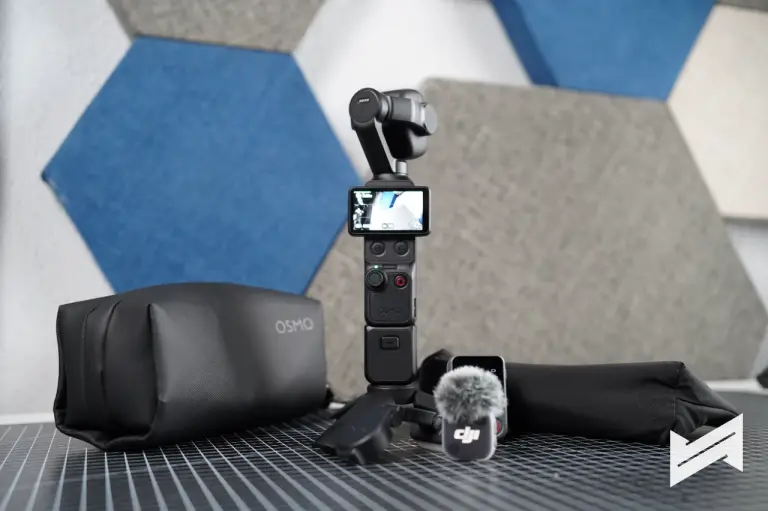
Osmo Pocket 4P is the best evolution of the Pocket Series
DJI’s Osmo Pocket 4P arrives as the next evolution of the brand’s pocket gimbal cameras, building on the foundation laid by the Pocket 3 and Pocket 4 while pushing closer toward cinema‑oriented performance in a compact form factor. It introduces a dual‑camera design, a new 1‑inch sensor with up to 17 stops of dynamic range, and 10‑bit D‑Log 2, all aimed at creators who want more flexibility and headroom in their footage without giving up portability.
In the Philippines, the Osmo Pocket 4P is priced at PhP37,790 for the base version and PhP42,290 for the Vlog Combo, which places it in premium compact territory but still keeps it accessible to serious enthusiasts and working content creators. In this review, we’ll look at how the Pocket 4P performs in real‑world use, with a focus on build, video and photo quality, software, audio, modularity, and its value relative to the Pocket 4 and competing devices.
Build
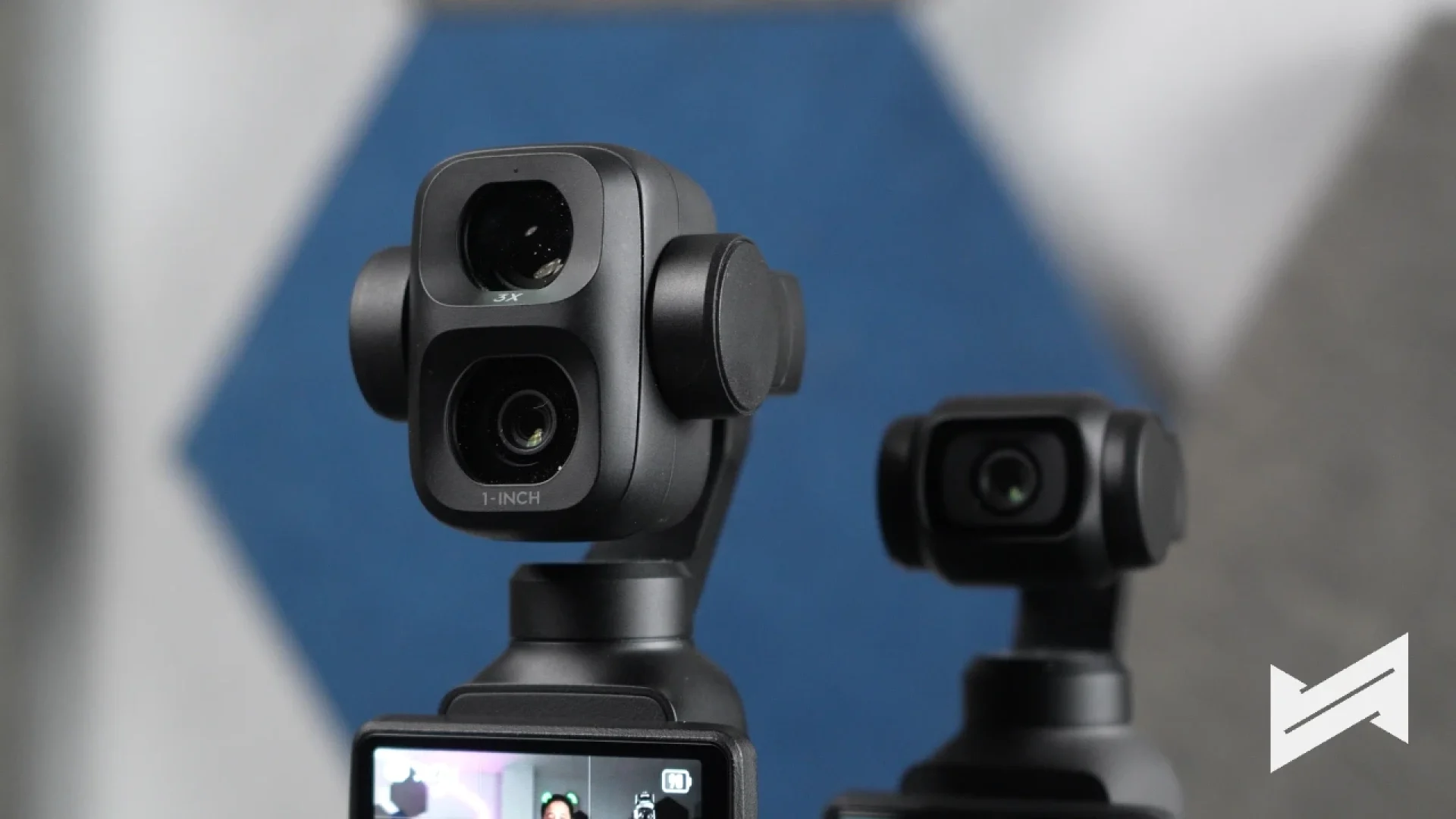
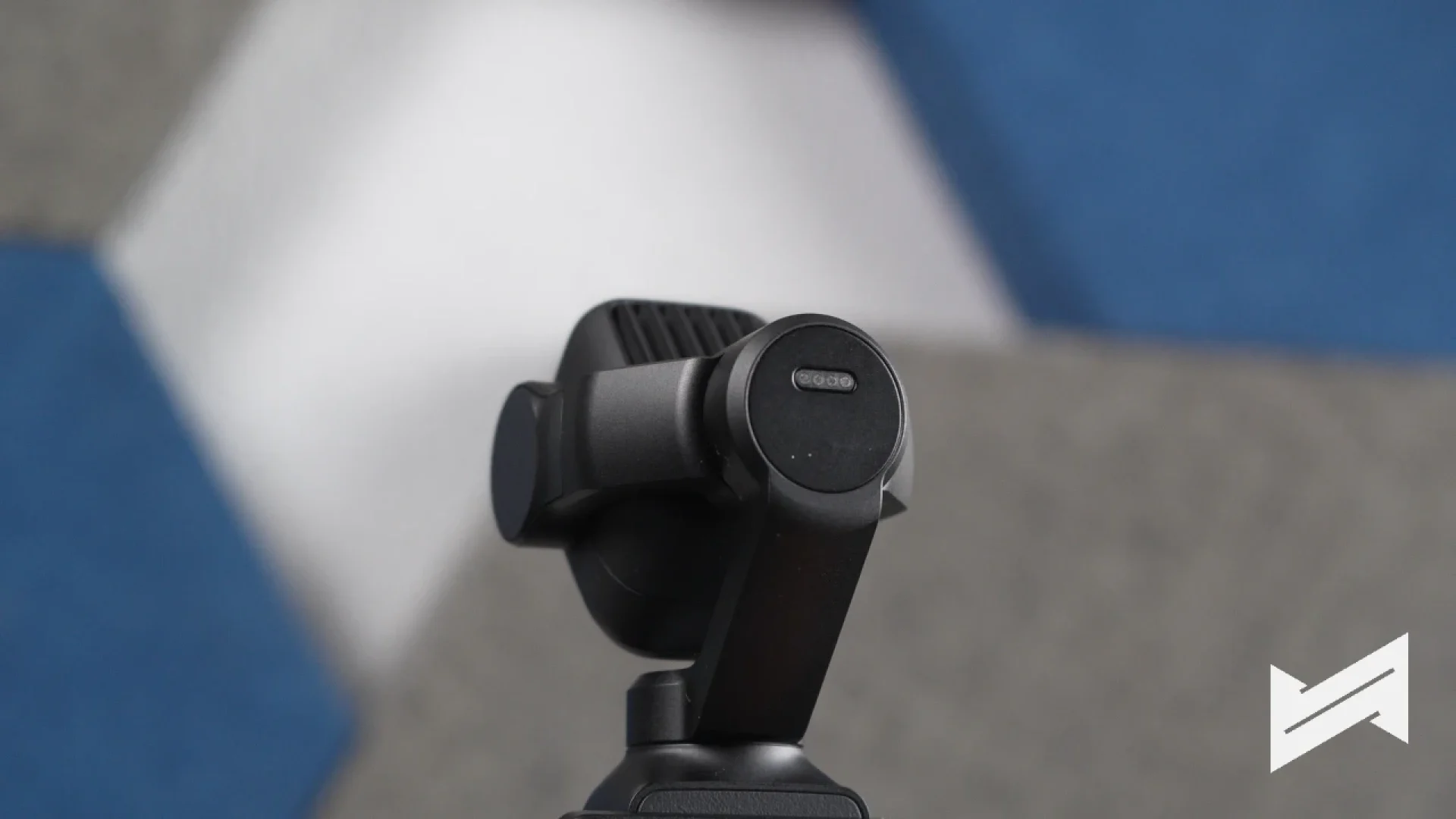
Physically, the Osmo Pocket 4P follows the familiar silhouette of DJI’s previous pocket gimbals, but the new dual‑camera head immediately sets it apart. The gimbal head is notably more substantial, housing both the 20mm‑equivalent wide‑angle lens and the 60mm med‑tele lens, which in turn makes the device feel a bit top‑heavy compared to the Pocket 4. You notice this when holding it one‑handed for long periods; the balance shifts closer to the gimbal head, and while still very manageable, it requires a slightly firmer grip. On the flip side, this denser top section also gives a sense of solidity, and the gimbal movements remain precise and stable across both lenses.
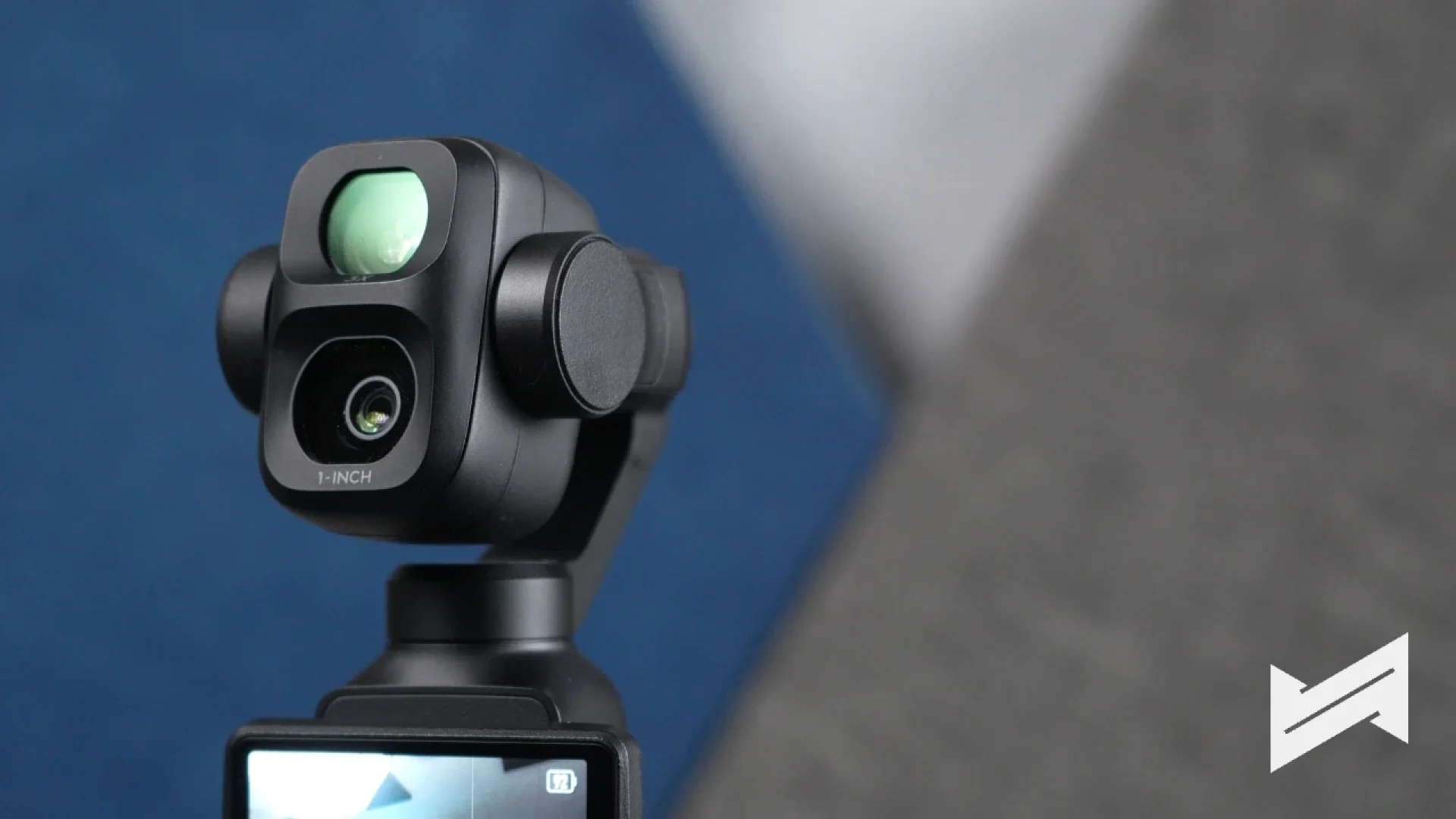
The body retains a compact footprint, weighing around 230g, with a rotating 2‑inch OLED touchscreen that can switch between vertical and horizontal orientations. The screen is rated up to roughly 1,000 nits, which helps with visibility under bright Philippine sunlight, and the interface benefits from a dedicated zoom button and a customizable preset button for quick access to favorite settings.
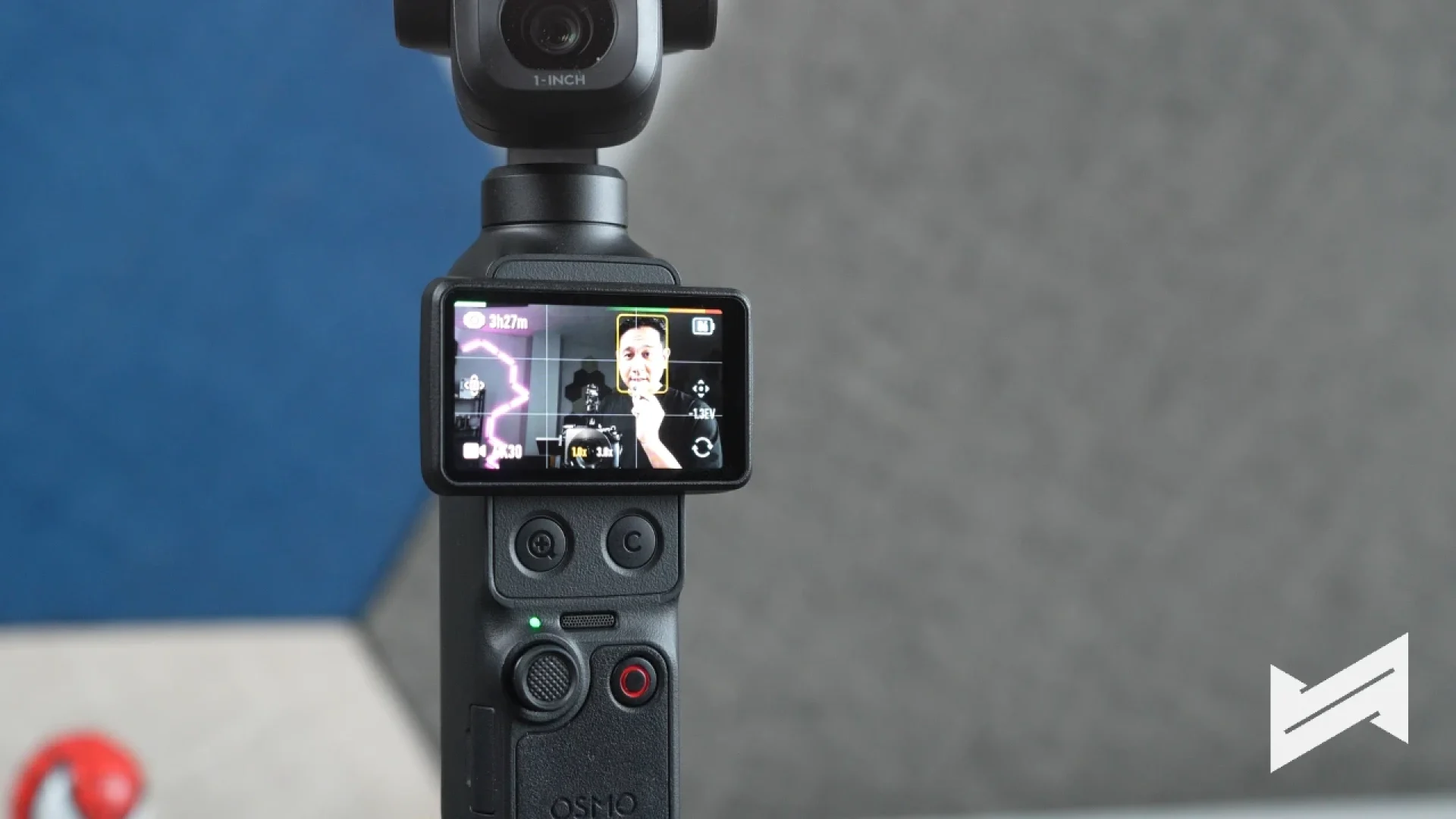
Buttons, the joystick, and the overall control layout feel refined and familiar for anyone who has used previous Pocket models, and the device still slips easily into small bags or even larger pockets, maintaining its “always‑with‑you” appeal. Build quality is consistent with DJI’s recent products, with a combination of plastics and metals that feel durable without adding unnecessary bulk.
Video features and quality
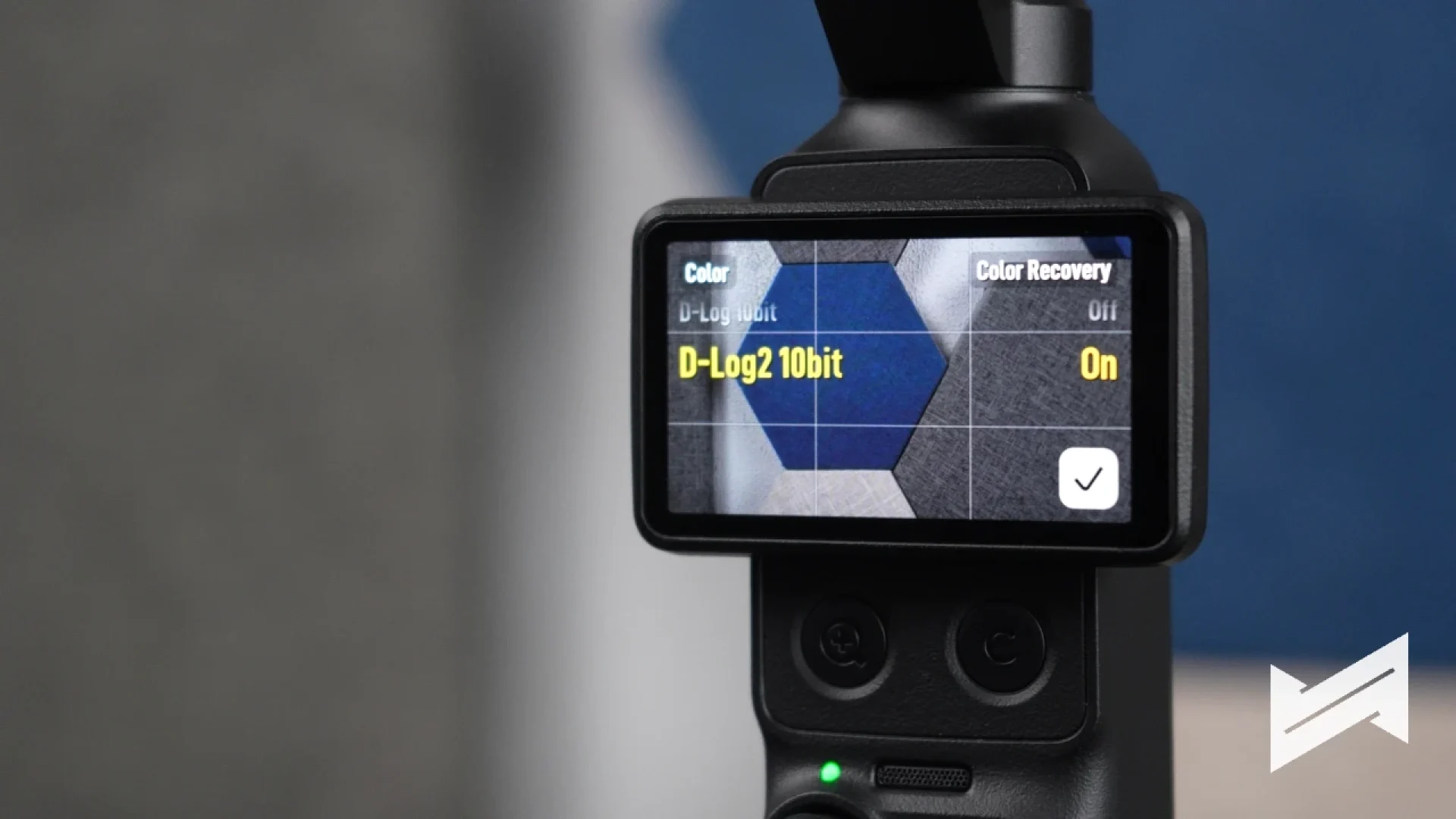
Video is where the Osmo Pocket 4P makes its clearest case as an upgrade over the Pocket 4. The primary wide‑angle camera uses a new 1‑inch CMOS sensor paired with an f/2.0 lens, capable of capturing up to 4K video at high frame rates and delivering up to 17 stops of dynamic range when shooting in D‑Log 2. In practice, this translates to greater tonal separation between highlights and shadows, especially in tricky lighting scenarios like backlit subjects, harsh midday sun, and neon‑lit night streets. Scenes that would typically clip highlights or crush shadows on smaller sensors hold together more gracefully, giving editors more room to fine‑tune exposure and color in post.
The Pocket 4P supports 4K/240fps slow motion, which is a standout feature for a camera this size and one that most competing compact systems can’t match. Slow‑motion footage looks clean with good detail retention and consistent color, turning everyday actions (like walking through a crowded mall or shooting B‑roll of food preparation) into more dramatic, cinematic sequences. DJI’s 3‑axis mechanical stabilization remains a key strength; combined with ActiveTrack 8.0, the camera can lock onto subjects and keep them framed even when using the 60mm med‑tele lens or pushing up to 12x zoom. This is particularly useful for vloggers who want to walk and talk while the camera tracks their face, or for capturing kids, pets, and moving subjects in a more dynamic way.
Importantly, battery capacity remains at around 1,545mAh, similar to the Pocket 4, and in real‑world shooting, the higher processing demands of D‑Log 2 and dual‑lens operation do not drastically impact endurance. You still get strong run times at 1080p and 4K with moderate frame rates, and fast charging allows the battery to reach around 80 percent in under 20 minutes and a full charge in just over 30 minutes with a capable charger. This makes the Pocket 4P reliable for day‑long shoots, especially when paired with a power bank or quick charging breaks between setups.
Photo features and quality
While video is the main focus, the Pocket 4P also performs very well as a stills camera. It can capture 37‑megapixel photos and supports a 4K Live Photo mode, which records short clips alongside high‑resolution frames for more dynamic storytelling. The 1‑inch sensor and improved dynamic range help preserve detail in sky and shadow areas, while DJI’s portrait color tuning gives skin tones a natural, flattering look without pushing them too far into artificial territory.
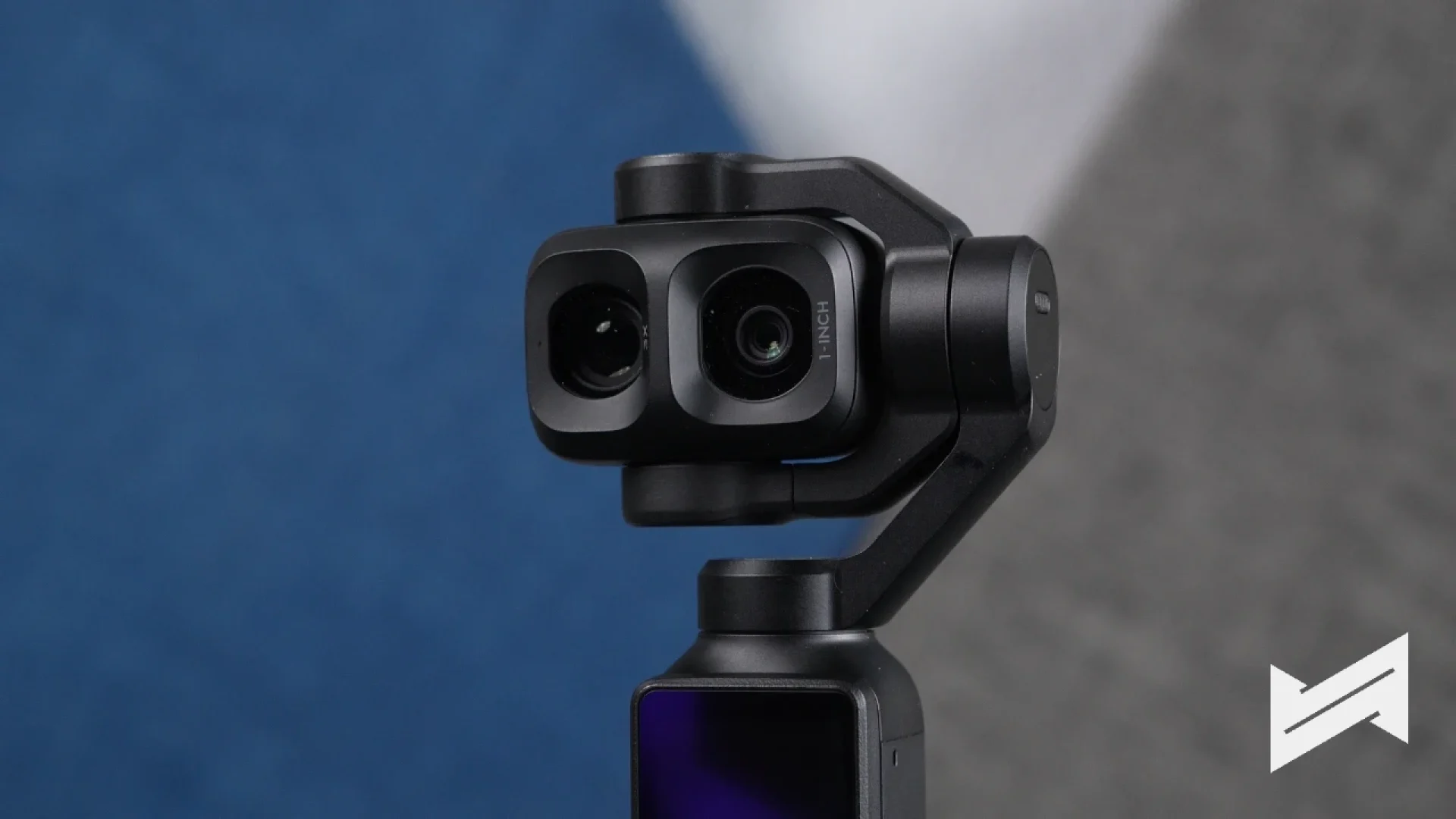
Using the dual‑camera setup for stills is particularly enjoyable. The 20mm wide lens is perfect for travel photos, landscapes, and environmental portraits, while the 60mm med‑tele lens truly shines for tighter compositions and portrait work. The med‑tele focal length combined with an f/1.8 aperture gives backgrounds a pleasing compression and natural bokeh, creating images that feel more intentional and cinematic than what you typically get from smartphones. ActiveTrack and face/eye priority autofocus help keep subjects sharp even when they’re moving, and the gimbal stabilization allows creative handheld moves and compositions that would be hard to replicate with a regular compact camera.


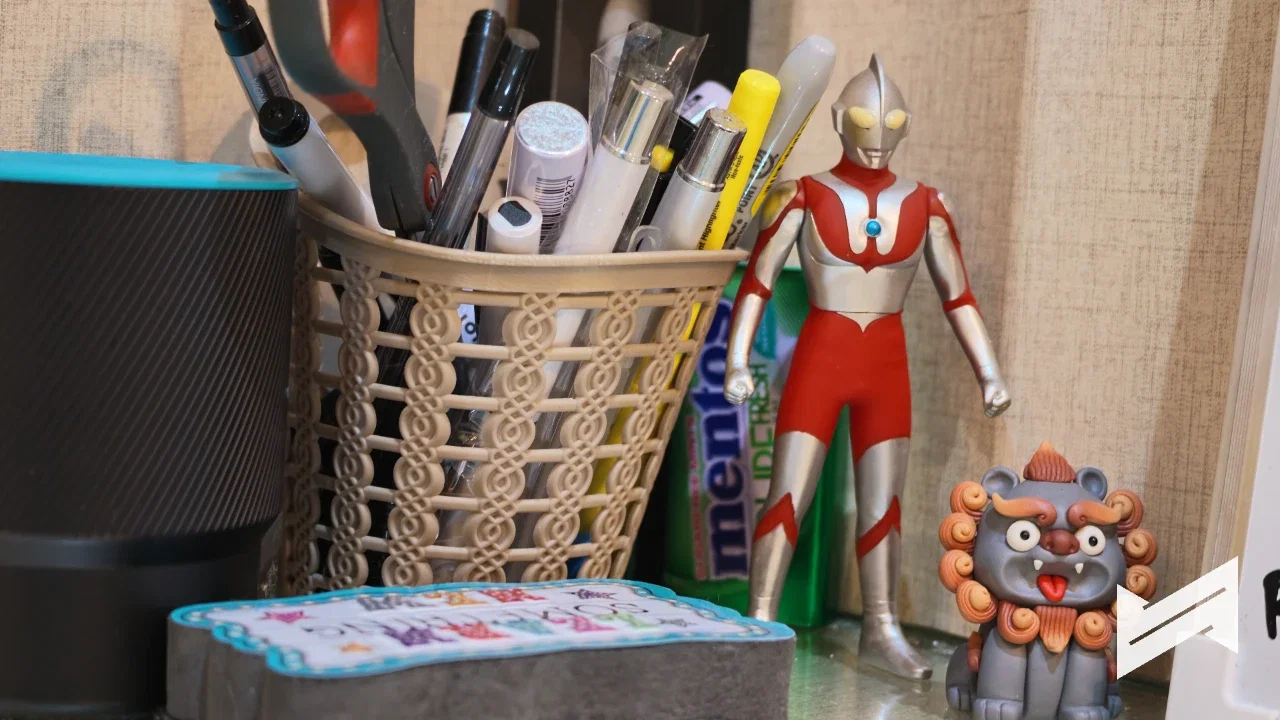
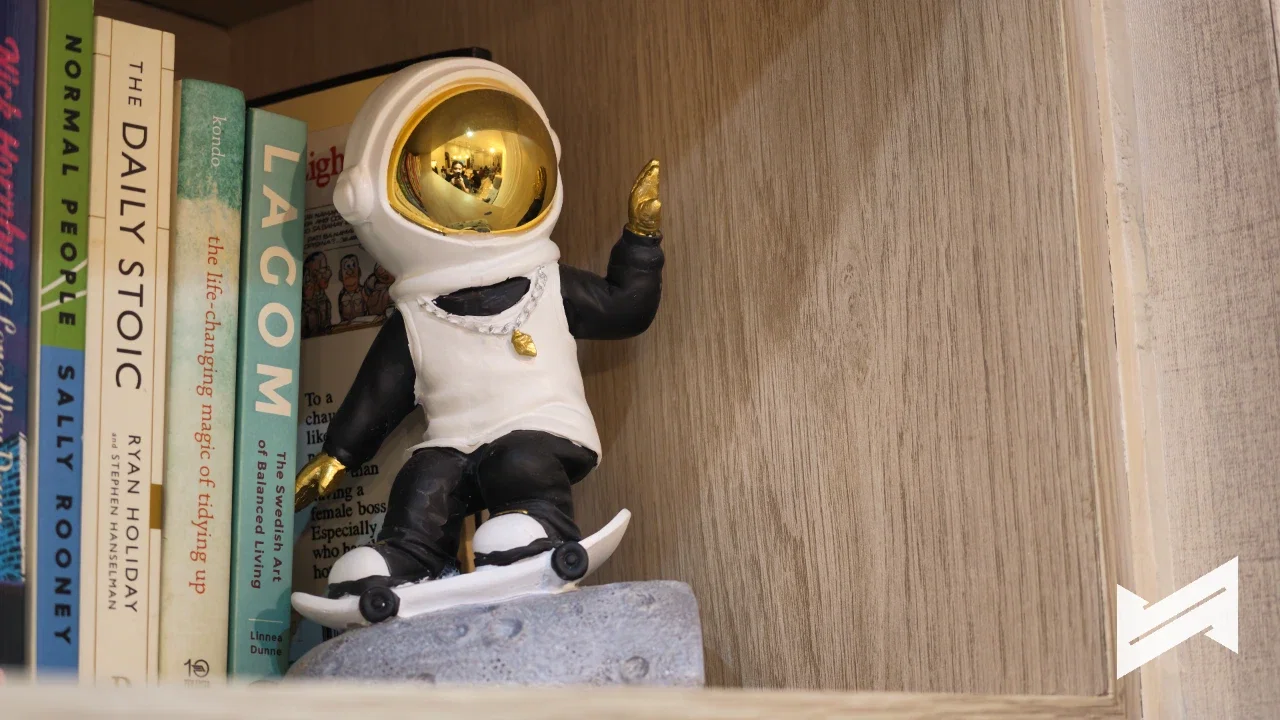
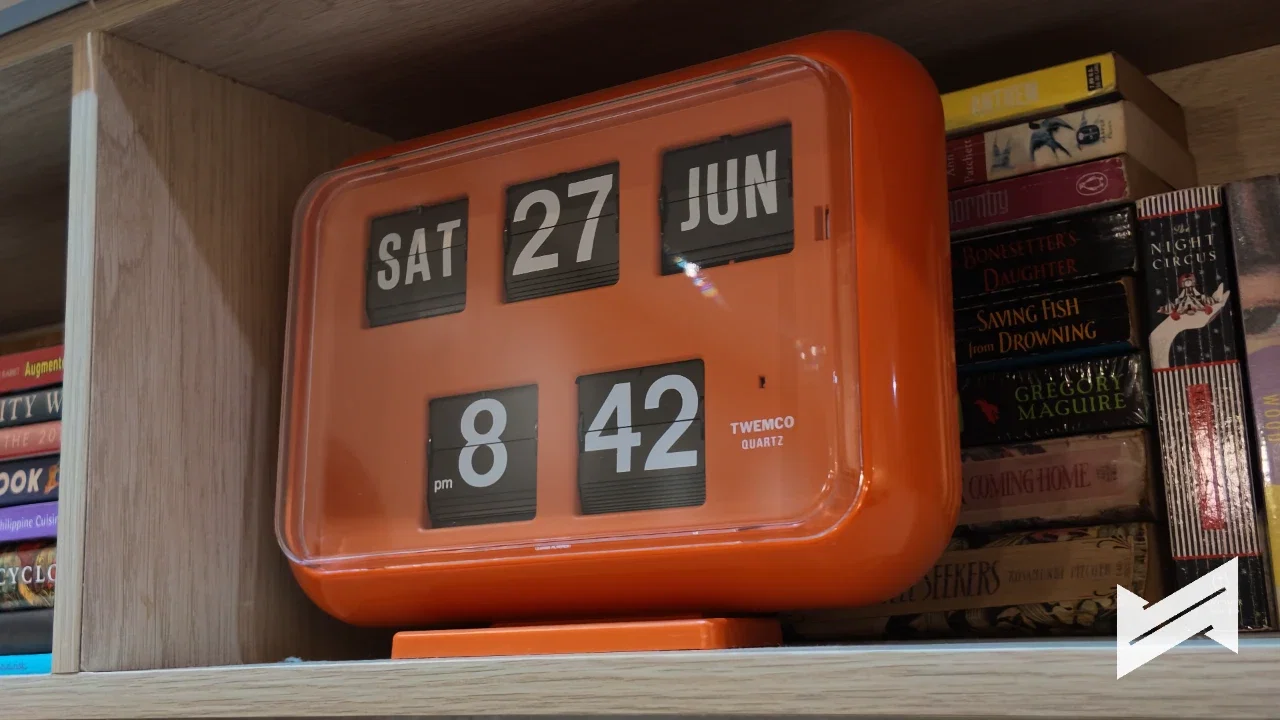
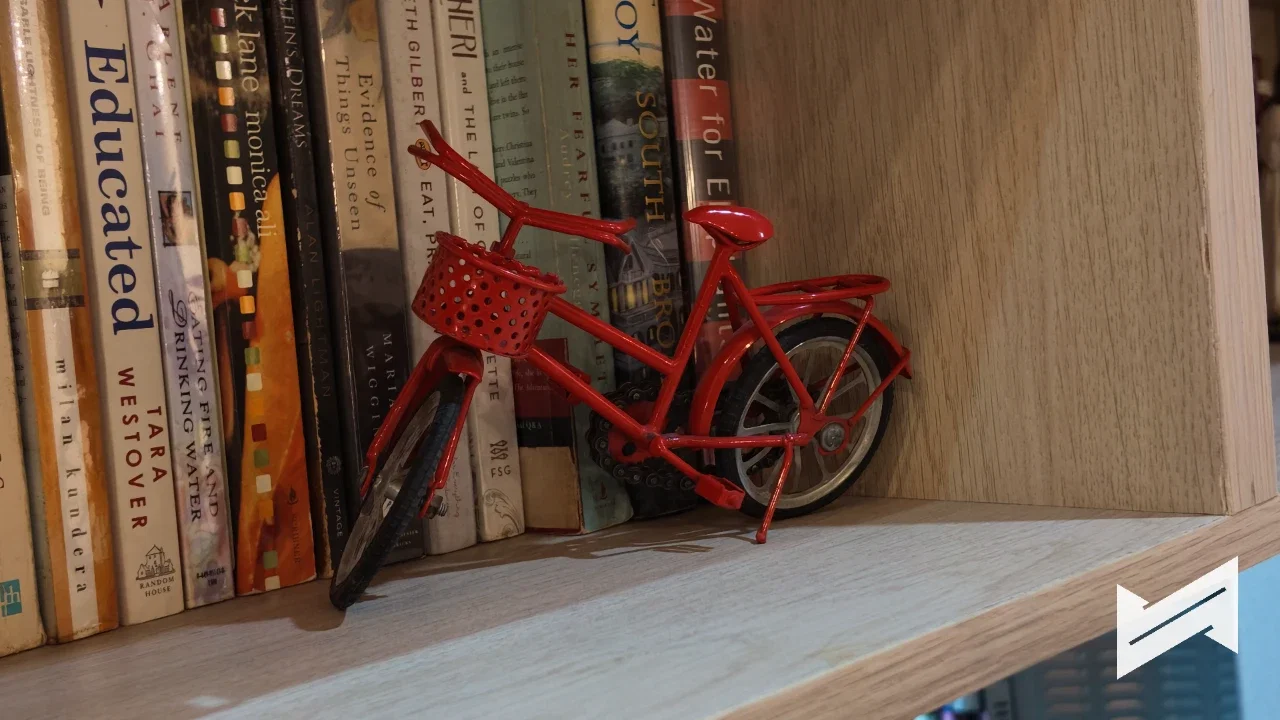
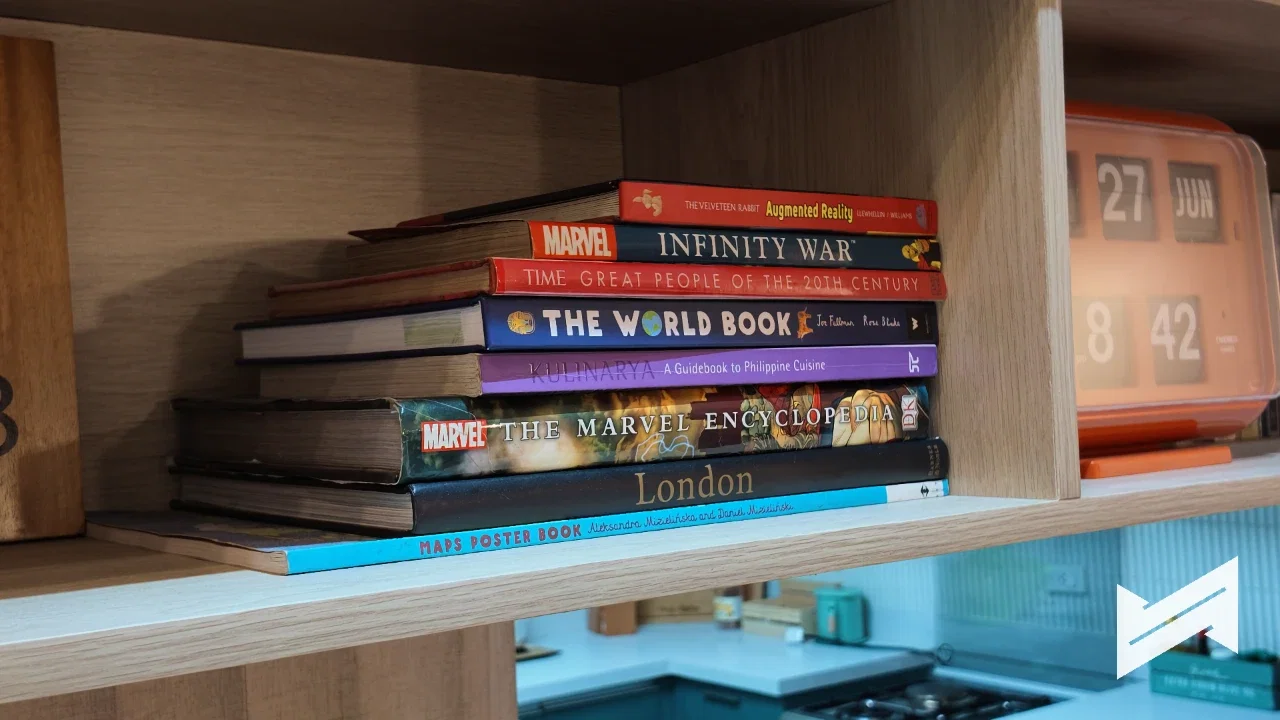
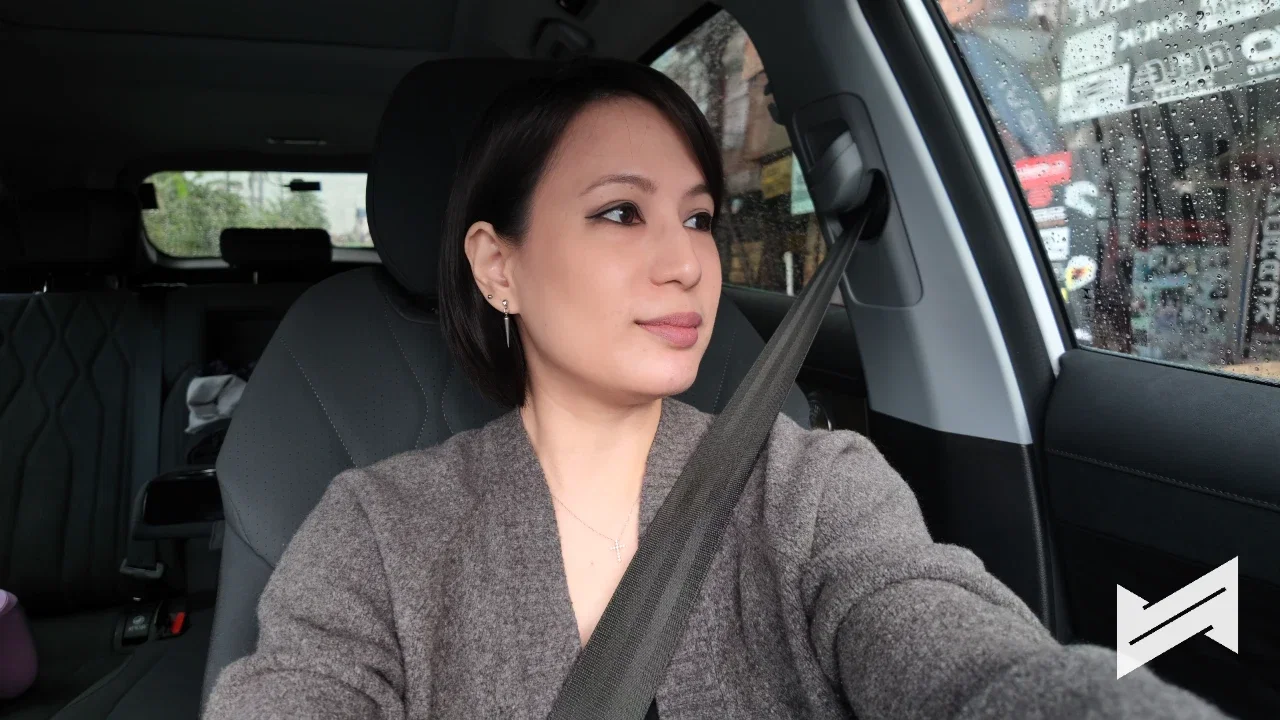
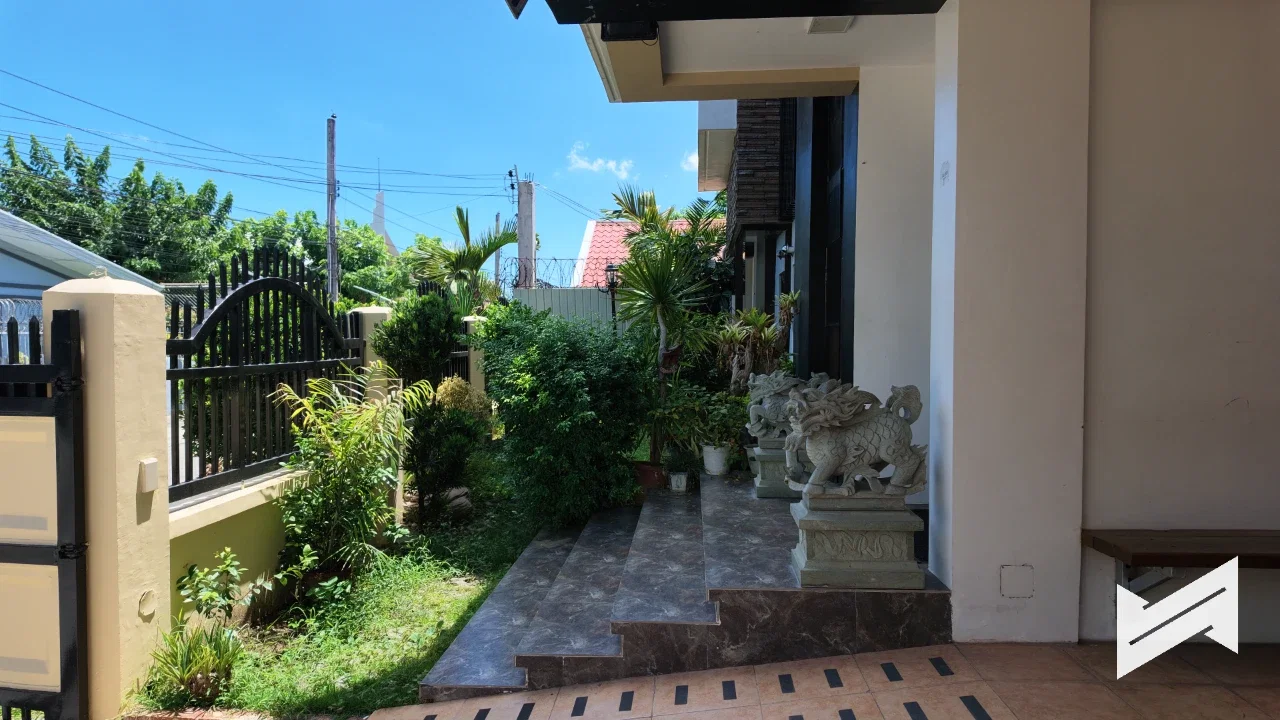
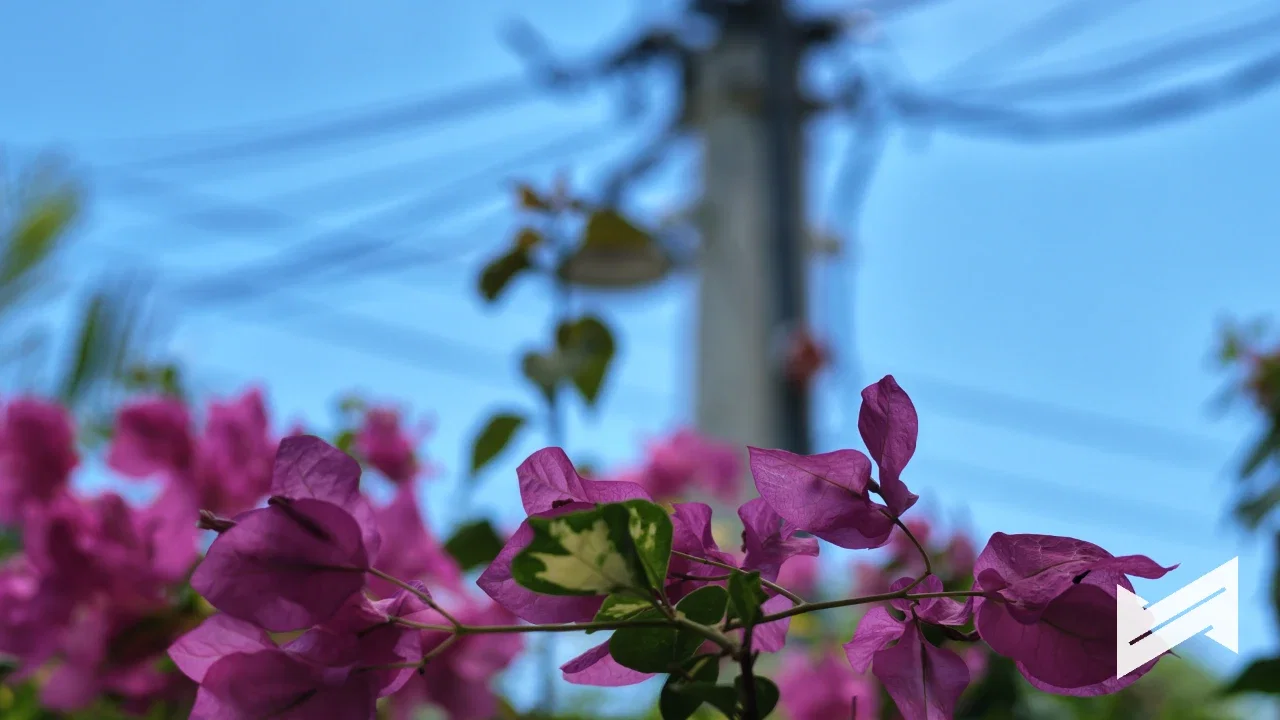

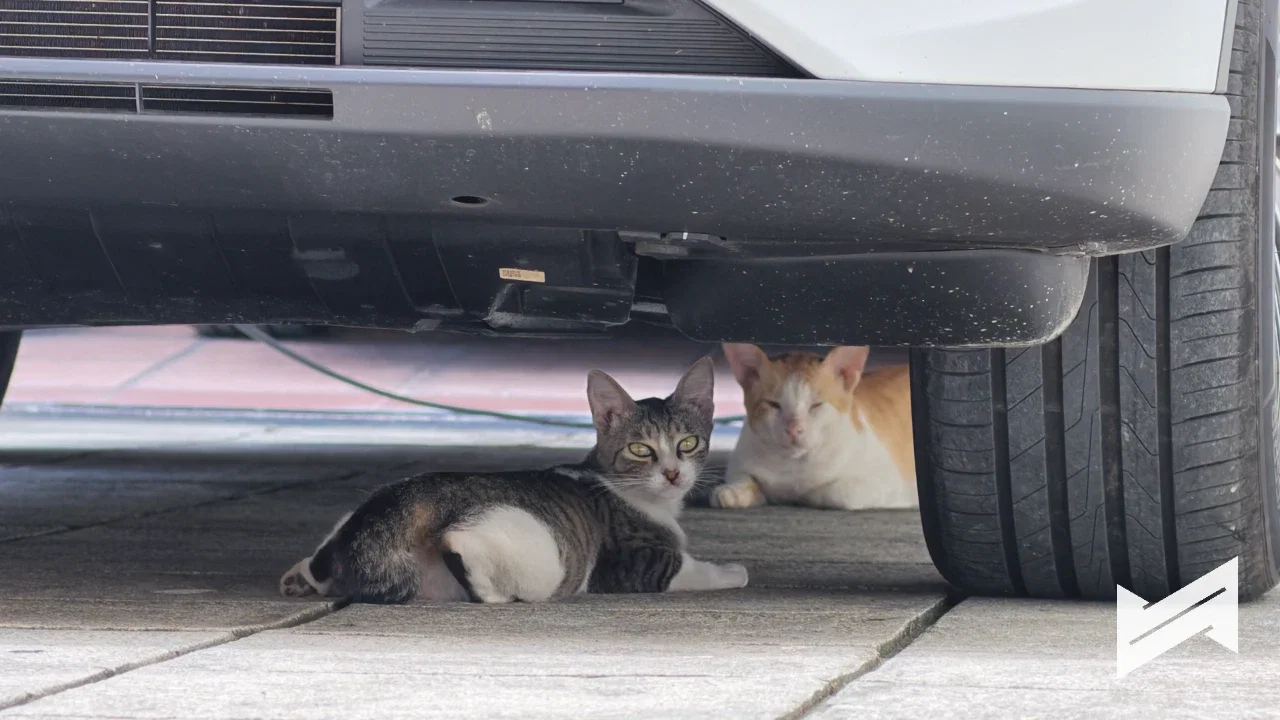
From a usability standpoint, the Pocket 4P encourages more photo experimentation. It is easy to quickly switch from video to stills, and the compact form factor makes it a camera you actually bring out and use, rather than something that lives in a bag. For creators who value both strong video and photo capabilities in one device, this hybrid performance is a clear plus.
Software
On the software side, the Osmo Pocket 4P integrates tightly with DJI’s app ecosystem and offers a mix of in‑camera and app‑based tools to streamline shooting and editing. In‑camera, you get various shooting modes, including slow shutter video, time‑lapse, hyperlapse, and pre‑built camera movement presets that help beginners create smooth, cinematic clips with a single tap. Glamour Effects and film tone filters can be applied either in‑camera or via the app, providing quick “Fuji‑style” film looks and subtle skin softening for creators who prefer ready‑to‑share footage.
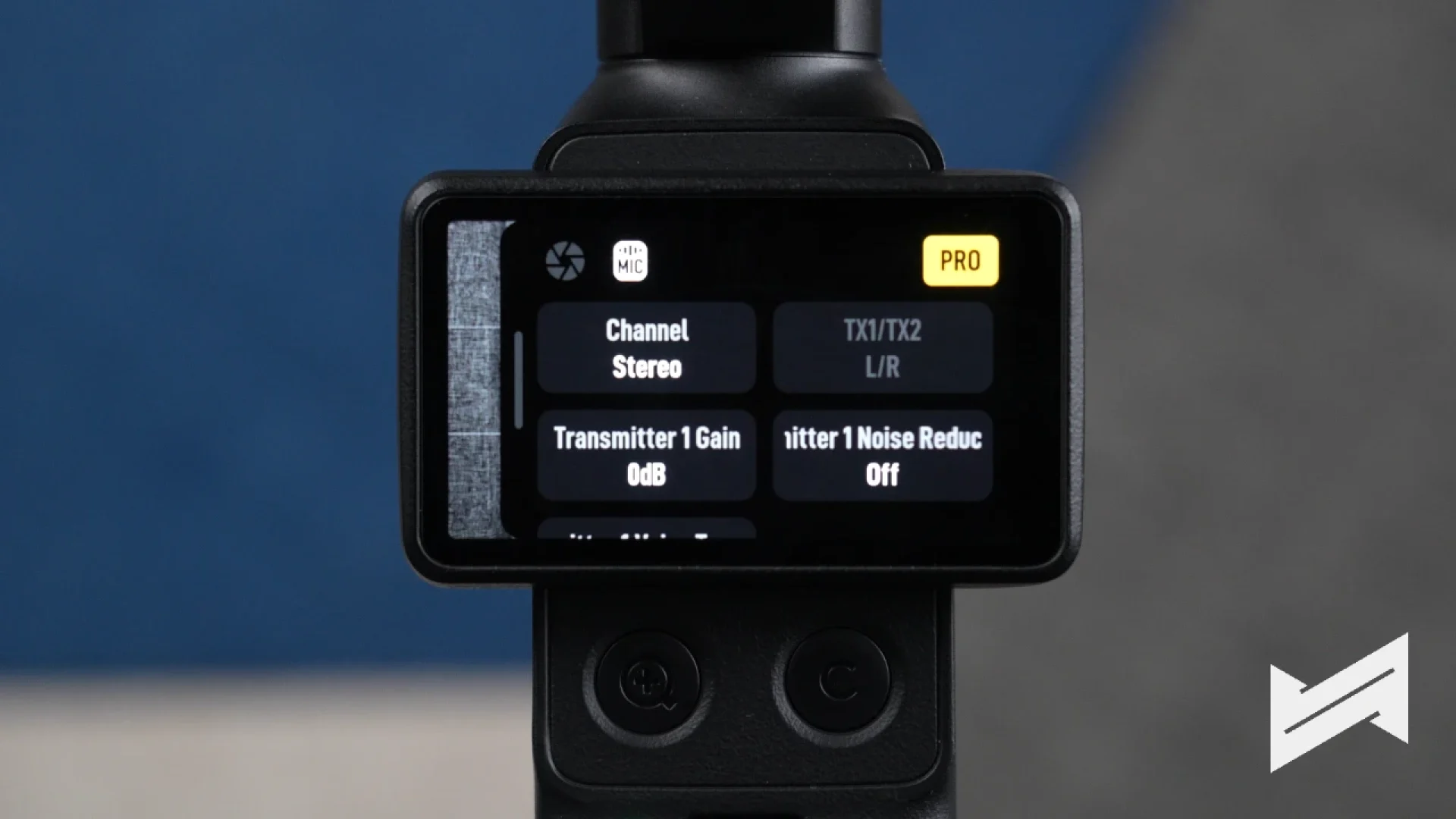
The Pocket 4P’s 103GB of built‑in storage works alongside Wi‑Fi 6 and USB 3.1 connectivity to deliver fast transfers. Wireless transfer speeds can go up to around 90MB/s, while wired transfers can reach up to 800MB/s, which is particularly helpful for creators dealing with large 4K/240fps clips. The camera also supports microSD cards up to 1TB, so long‑form projects or extended trips are well‑covered in terms of storage. D‑Log 2 workflows are helped by DJI’s official LUTs, allowing easy conversion to Rec.709 or integration into ARRI LogC4‑style pipelines for more advanced grading.
Audio quality and DJI Mic Mini 2
Audio is a crucial part of the Pocket 4P experience, and DJI includes multiple microphones on the body to capture stereo sound, with improvements in wind noise reduction and speech clarity compared to older models. However, the more interesting story is in the wireless audio ecosystem around the camera.
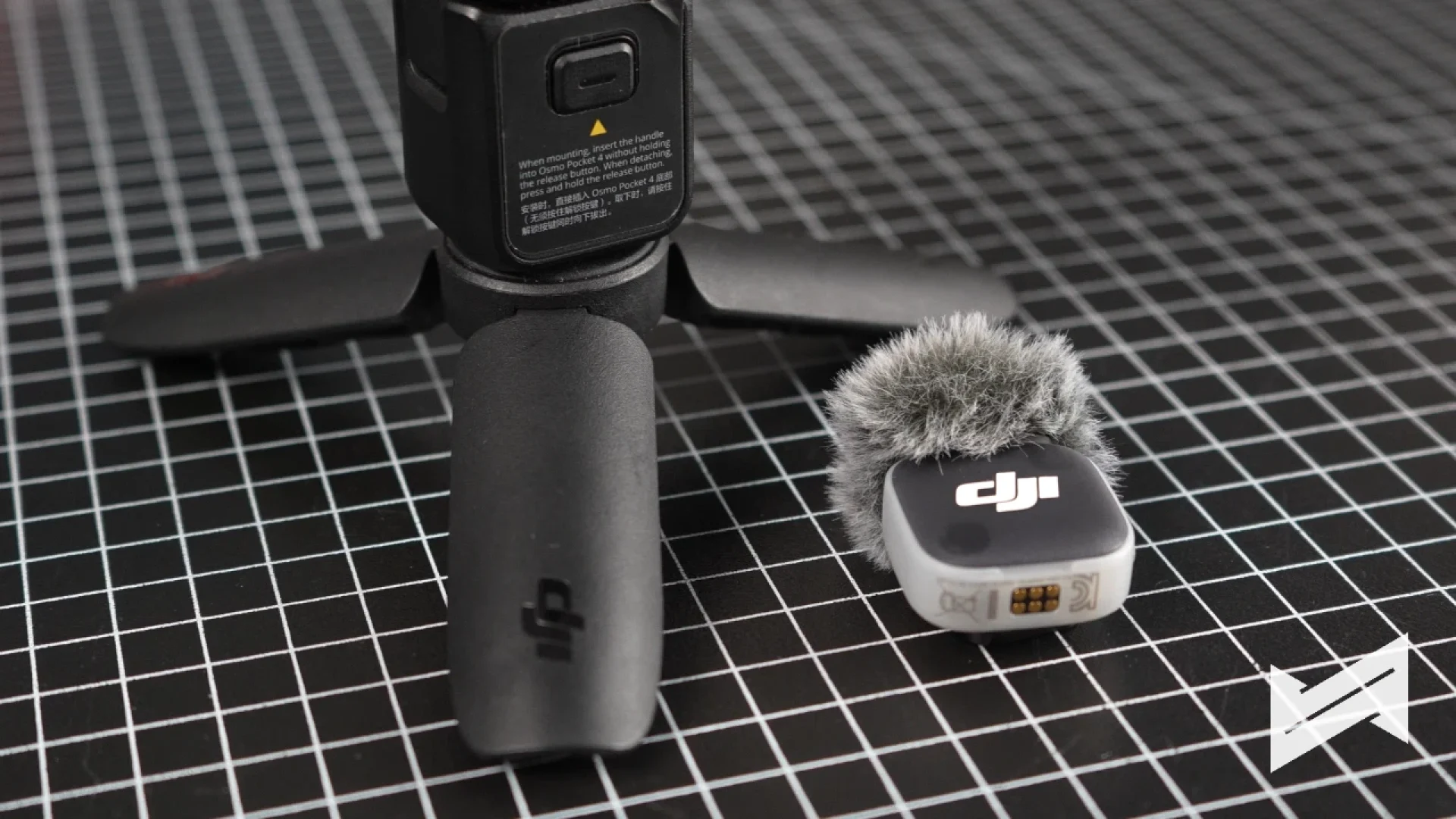
You would remember that the included camera in the Osmo Pocket 4 Creator Combo is a DJI Mic 3. The Vlog Combo of Osmo Pocket 4P includes the DJI Mic Mini 2 rather than the higher‑end DJI Mic 3, which is likely a deliberate decision to keep the overall package price at a more accessible level while still providing a ready‑to‑go wireless audio solution.
The DJI Mic Mini 2 offers solid audio quality and convenient pairing with the Pocket 4P but lacks some of the advanced features found in the DJI Mic 3, such as on‑board memory and 32‑bit float recording. From a value perspective, this makes sense: including Mic 3 would have driven the Vlog Combo’s price significantly higher, potentially pushing it out of reach for many creators. For most vlog and run‑and‑gun scenarios, Mic Mini 2 is more than sufficient, and users who truly need on‑board recording and 32‑bit float safety tracks can always invest separately in the higher‑end system. Overall, the audio experience is cohesive and well‑considered, with a clear upgrade path for users who outgrow the included mic.
Modularity and availability of accessories
One of the Pocket 4P’s strengths is its modularity and compatibility with accessories. DJI and third‑party brands offer a range of add‑ons such as extension handles, tripod mounts, ND and CPL filters, and audio accessories that allow the camera to adapt to various shooting scenarios. The lens design in particular makes it easy to upgrade with lens attachments; by slightly twisting the lens cap, you can quickly swap in ND or CPL filters from third‑party brands without fuss. In testing, these filters mounted securely and opened up more creative control over exposure and reflections, especially for outdoor shooting in bright conditions.
FrameTap, DJI’s detachable remote display solution for the Osmo Mobile 8p, is an interesting part of the Pocket 4P’s ecosystem. It feels somewhat like an after‑thought, likely introduced to respond to competitors like the Insta360 Luna Ultra, which features a built‑in detachable remote display.
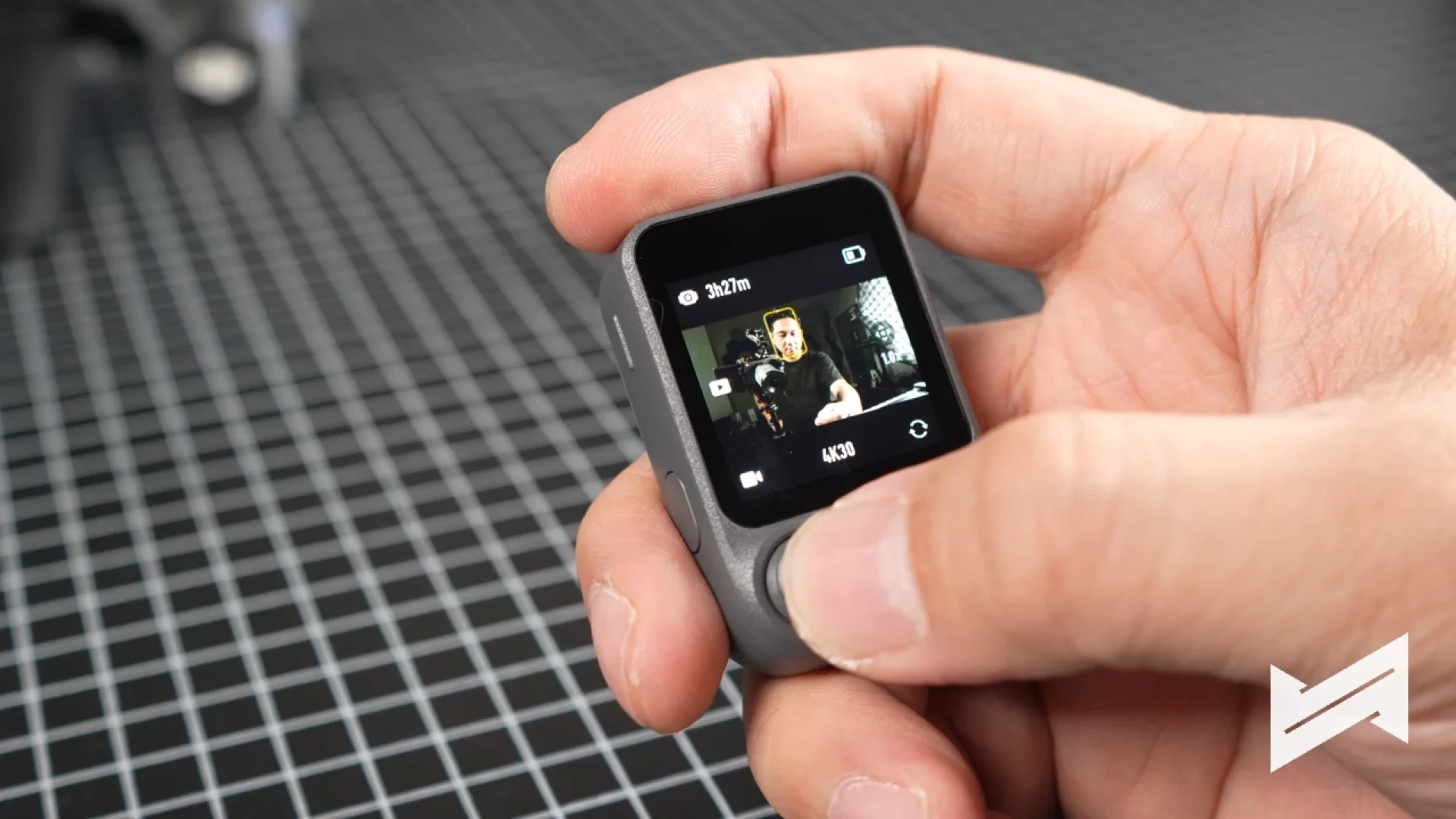
While FrameTap isn’t as seamlessly integrated and currently lacks some advanced functions, it still represents an ingenious approach to adding flexibility, allowing users to monitor and control the camera from a short distance, turning the Pocket 4P into a more fully‑fledged gimbal camera system. Even in its imperfect state, FrameTap helps DJI stay relevant in a rapidly evolving compact‑camera market and suggests room for future firmware updates and accessory refinements.
Combos and price
In the Philippines, the Osmo Pocket 4P’s pricing strategy is central to its appeal. The standard set at PhP37,790 gives users the core camera experience with its dual‑lens system, 1‑inch sensor, 17‑stop dynamic range, and 10‑bit D‑Log 2, delivering strong value for creators who prioritize image quality and flexibility. The Vlog Combo at PhP42,290 adds extra accessories, including the DJI Mic Mini 2, making it a near‑complete out‑of‑the‑box vlogging kit that only needs a power bank and a microSD card to be production‑ready.
Considering the broader market, these price points are competitive. Competing products like the Insta360 Luna Ultra often come in at higher prices globally, especially once you add accessories that bring them closer to what DJI includes in the Vlog Combo. The Pocket 4, priced lower at around PhP28,990 at launch, remains the more budget‑friendly option and still offers a 1‑inch sensor, 14‑stop dynamic range, 10‑bit D‑Log, and strong stabilization, making it attractive for users who want a modern pocket gimbal camera without stretching their budget. In contrast, the Pocket 4P is clearly targeted at users who demand more cinematic latitude, dual‑lens versatility, and a more future‑proof log workflow, yet it does so without venturing into the pricing territory of larger mirrorless or cinema setups.
Taken as a whole, the DJI Osmo Pocket 4P is an objective step up in capability while maintaining a positive balance between feature set, portability, and price. Its dual cameras, 17‑stop dynamic range, 10‑bit D‑Log 2, and thoughtful accessory ecosystem make it one of the most compelling pocket gimbal cameras currently available, especially for creators in the Philippines who need a do‑it‑all device for video, photos, and content production. The slight top‑heaviness and the choice of Mic Mini 2 over Mic 3 are minor trade‑offs in a package that otherwise feels mature, flexible, and ready to slot into both beginner and professional workflows.

Giancarlo Viterbo
Giancarlo Viterbo is a Filipino Technology Journalist, blogger and Editor of gadgetpilipinas.net, He is also a Geek, Dad and a Husband. He knows a lot about washing the dishes, doing some errands and following instructions from his boss on his day job. Follow him on twitter: @gianviterbo and @gadgetpilipinas.
View all articles →Related Reviews
 NBA 2K27 Review: A Better Game Than DLSS 5 Suggests
 TECNO Camon Slim 5G Review: The Best-Looking CAMON Yet
 ROG Gjallar Review: ROG’s First Soundbar Gets the Priorities Right
 PLDT StreamTV+ Review: Cinema in a Box, at a Price
 LG PuriCare AeroMini Review: Small Purifier, Big Relief for Home Offices
 ANKER soundcore Liberty 5 Pro: Great ANC for calls and music