



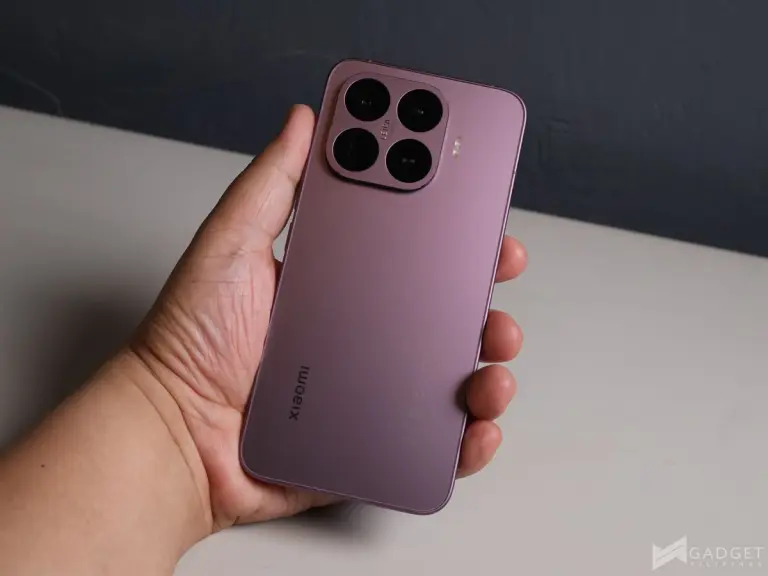
The Xiaomi 17T Pro is Xiaomi’s newest attempt at delivering the flagship experience without fully crossing into ultra-premium territory. It sits in a middle space wherein buyers prioritize top-tier performance, strong cameras, and a polished design, but without the price tag that usually comes with Xiaomi’s most expensive phones.
This year’s big theme is the telephoto camera. Xiaomi is calling the 17T series the “Telephoto Master,” and that branding makes sense because the Leica 5x telephoto lens is now a feature in all devices in the lineup rather than something reserved for the most expensive model.
That shift matters because the T series has clearly evolved. What used to be mostly about performance now feels more rounded, with a stronger focus on photography and content creation, while still keeping enough performane to satisfy power users.
Design and Build Quality
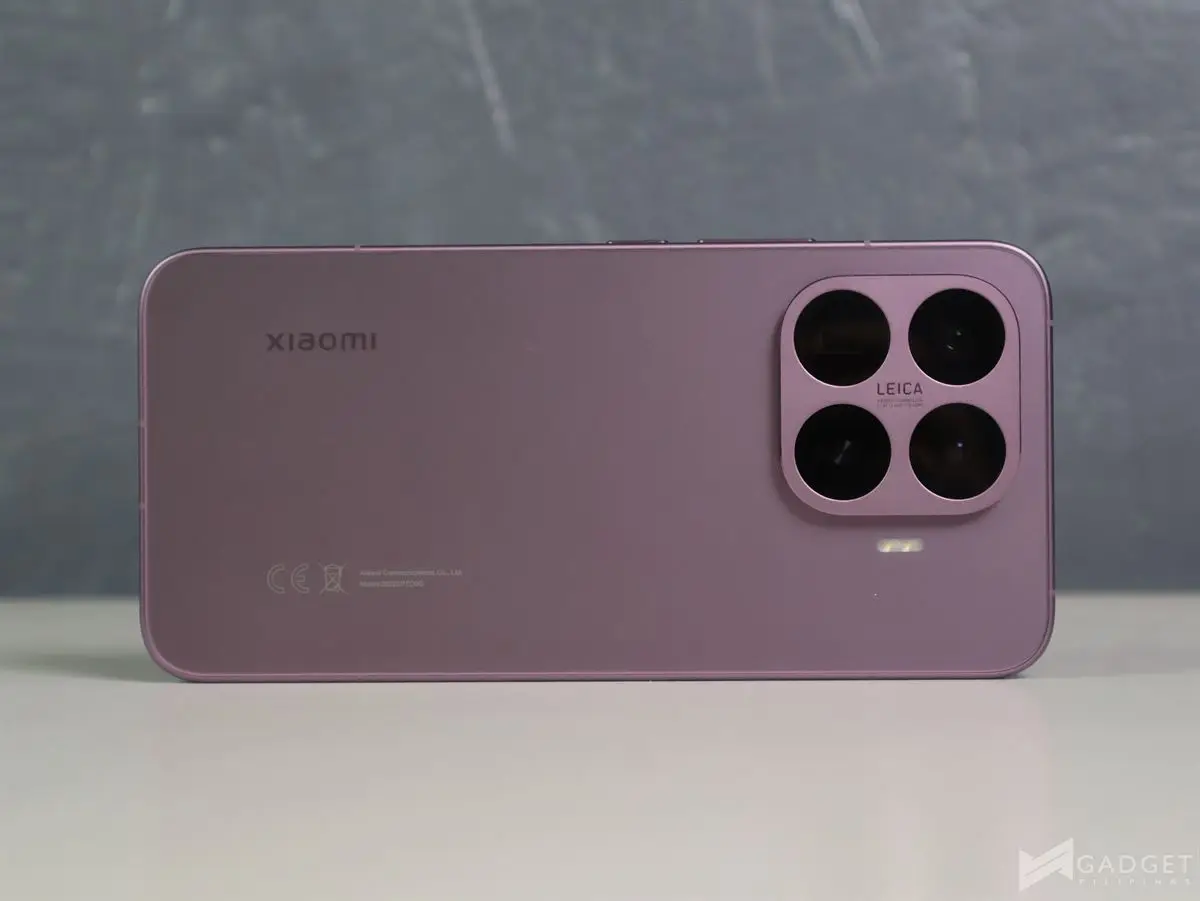
The Xiaomi 17T Pro gets a lot right in the design department. The matte metallic finish, flat frame, rounded camera module, and Leica branding work well, giving it a look that feels clean and premium without being overstyled.
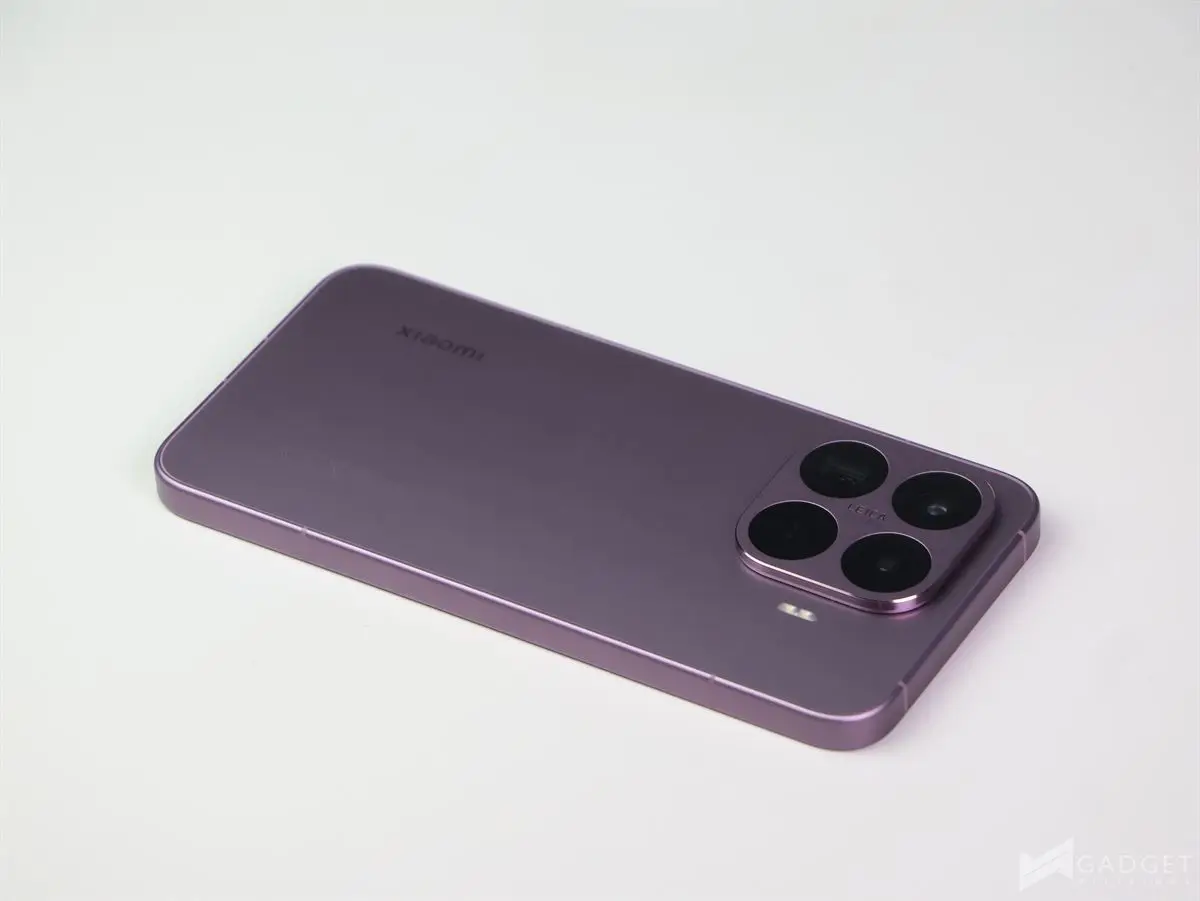
The Deep Violet color is especially fitting for a phone that wants to project a more refined identity. It is the kind of finish that looks more expensive than it probably is, which helps the device stand out in a market full of safe, forgettable colors.
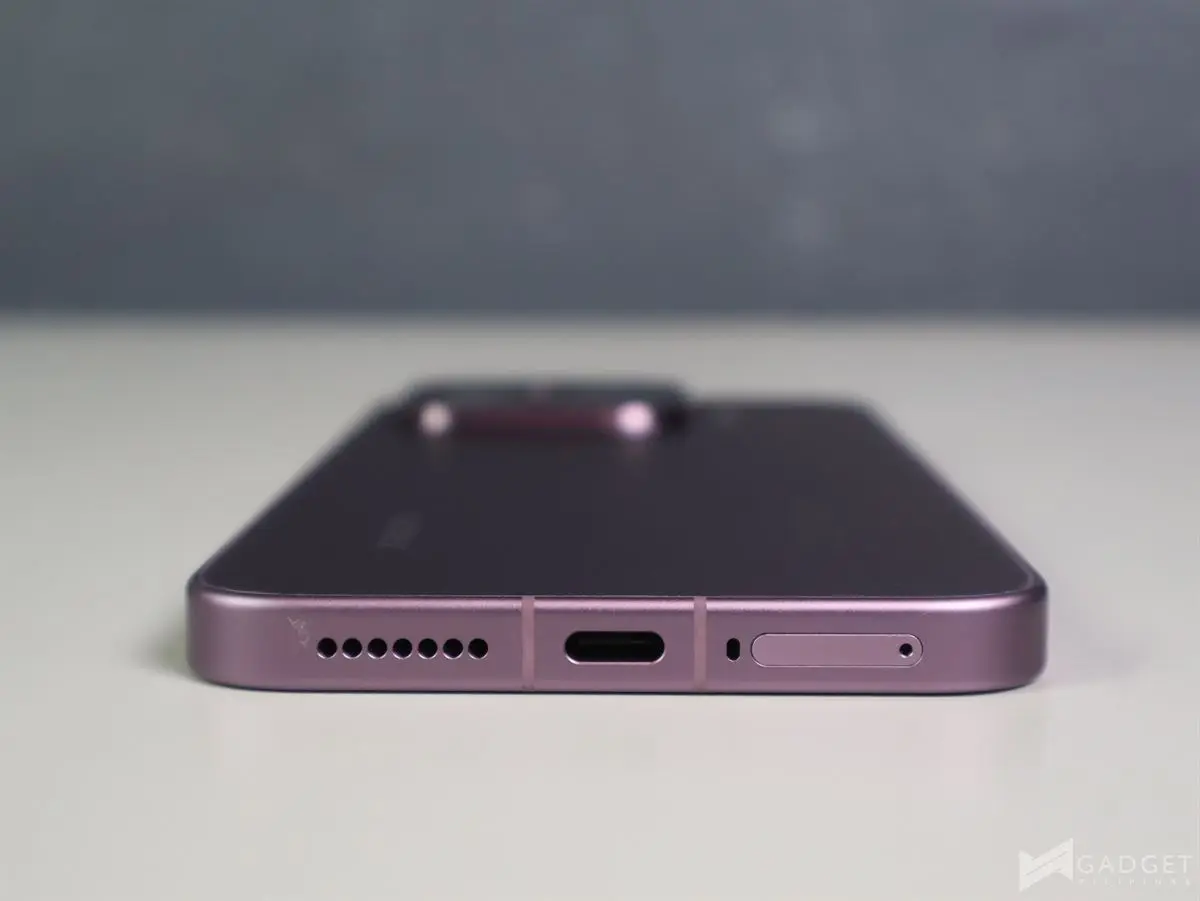
There are, however, a few practical omissions. The Xiaomi 17T Pro neither has expandable storage nor has a headphone jack, which are standard compromises at this point, but they still sting a bit on a phone at this level. The frame also keeps things as simple with the usual volume rocker and power button, so there is nothing extra to help it feel particularly distinct.
Its IP68 rating is reassuring and should be enough for most buyers, even if it is no longer unusual in this category. In other words, the build is solid, but it earns that praise by being carefully executed rather than especially ambitious.
Performance
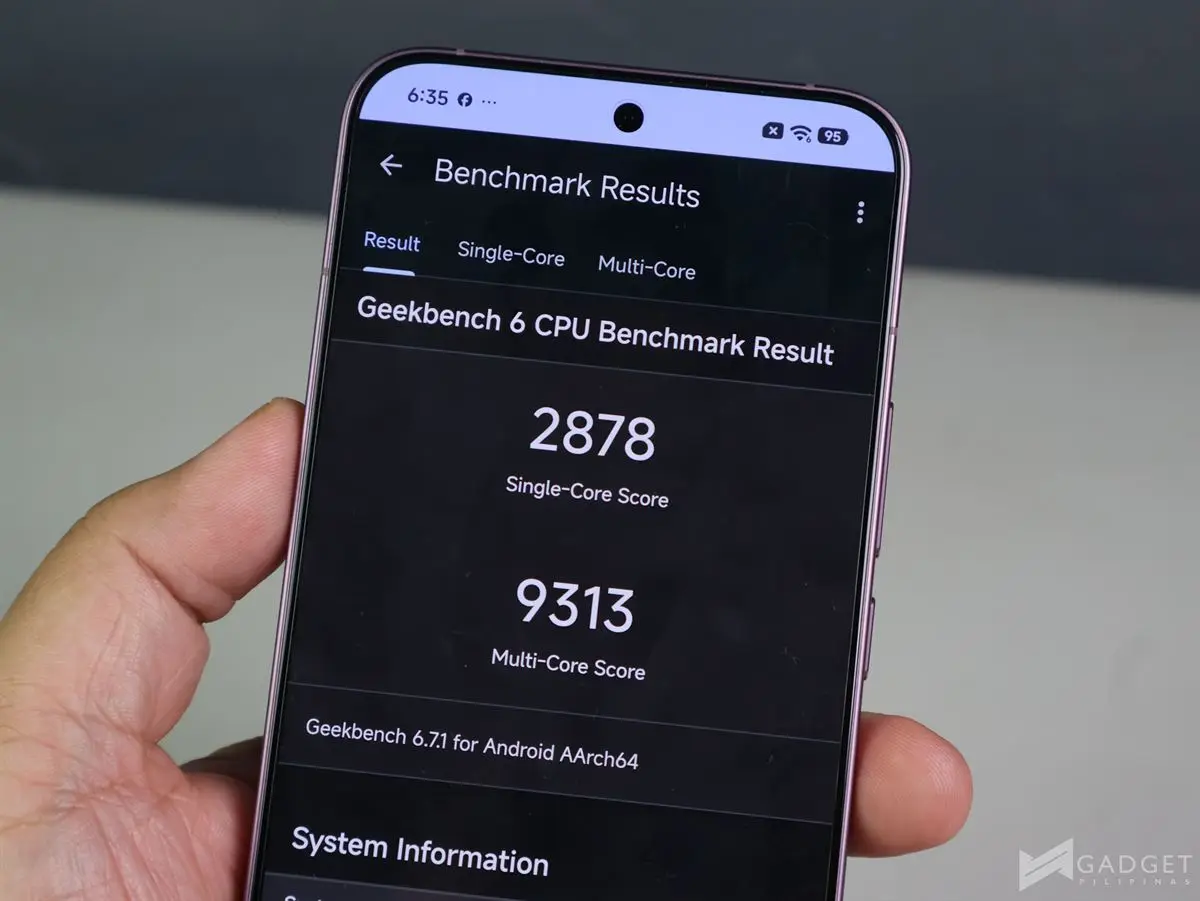
The MediaTek Dimensity 9500 gives the Xiaomi 17T Pro the kind of flagship-grade speed that keeps the whole experience feeling quick and responsive.
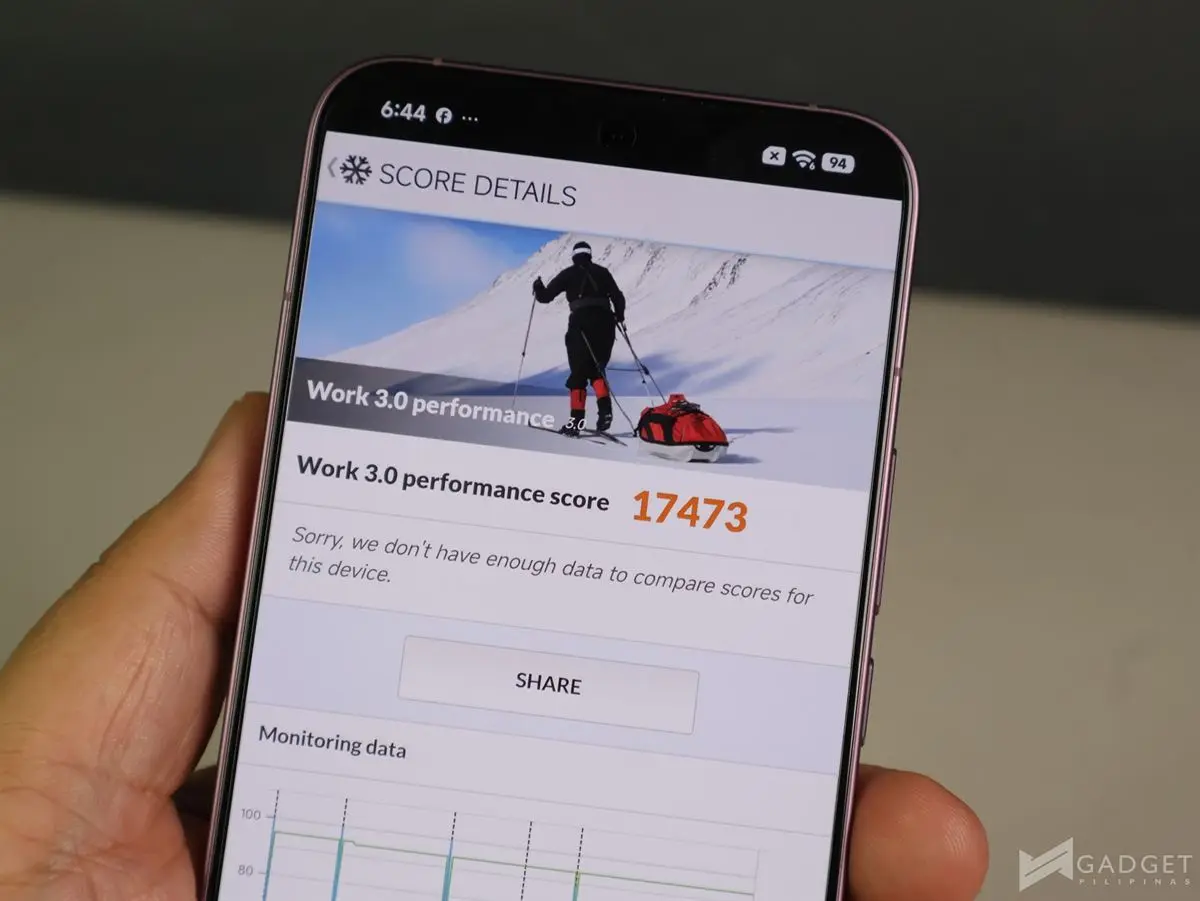
The 12GB of RAM and 512GB of storage also make the hardware feel generous. That combination is more than enough for multitasking, heavy apps, and large media libraries, and it helps the phone avoid the kind of compromises that can make cheaper flagships feel less complete.
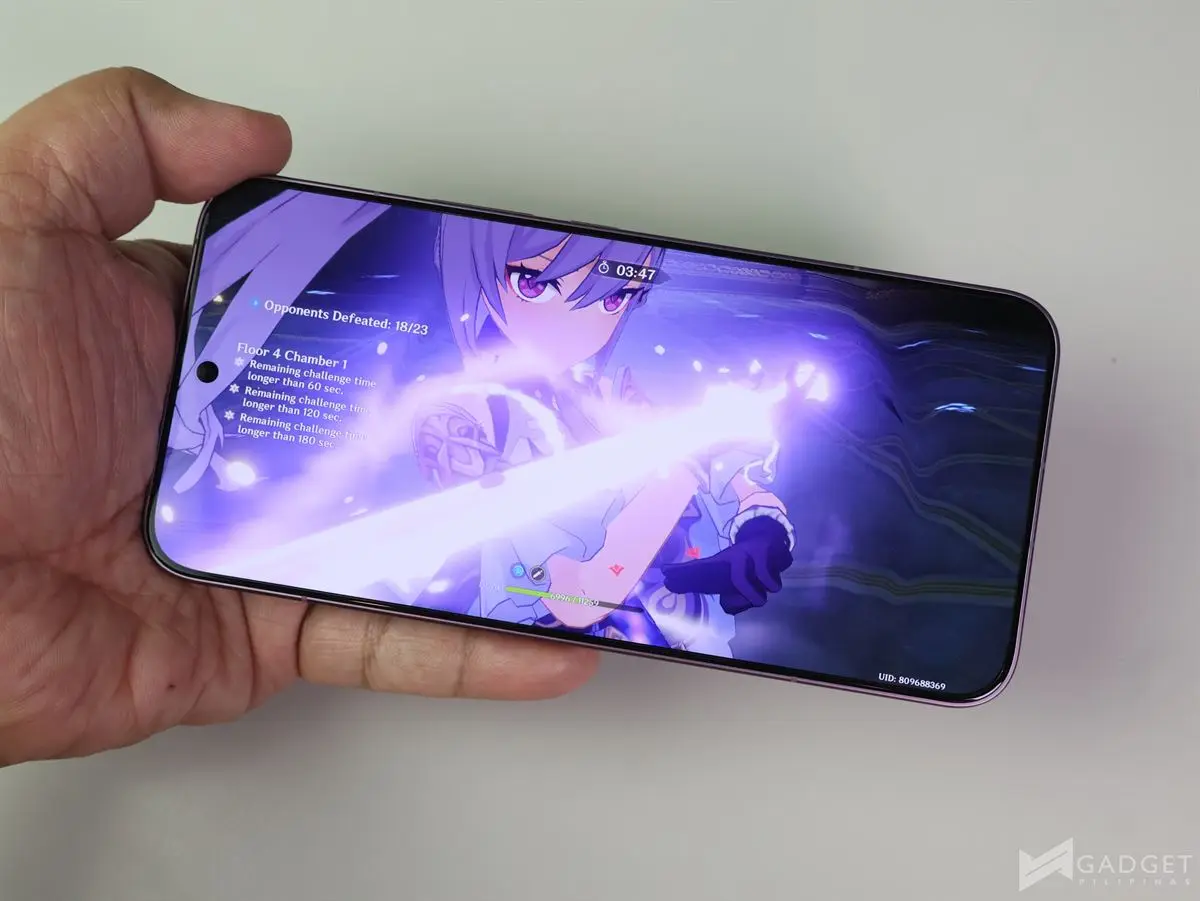
Gaming is another clear strength. Honor of Kings, Genshin Impact, and NTE reportedly run well even at their highest settings, which tells you the phone is not just fast in benchmarks but actually capable in demanding real-world games.
It does heat up under load, but not to a troubling degree. Xiaomi’s 3D IceLoop system seems to be doing the job well enough, and the addition of Wi-Fi 7 makes the phone feel properly modern for long-term use.
Camera
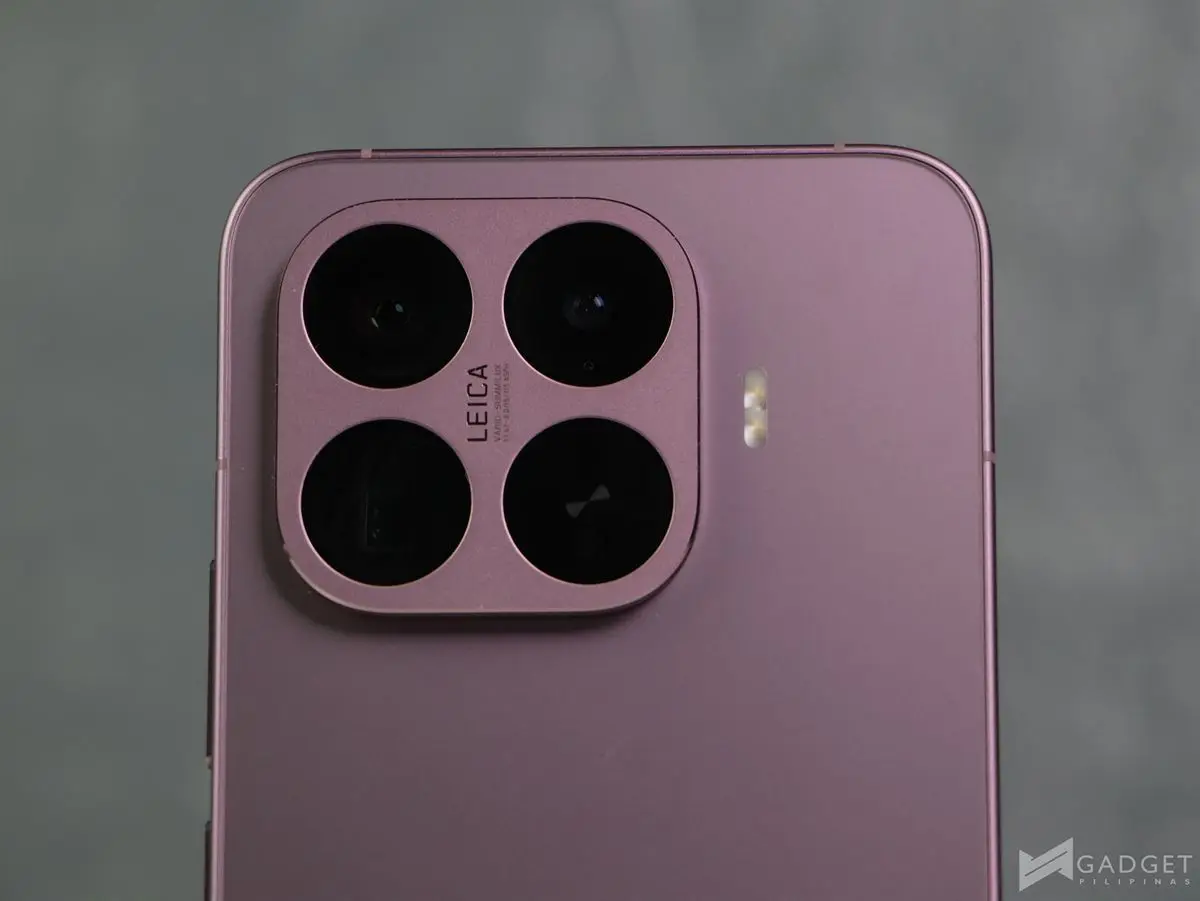
The Xiaomi 17T Pro is built around a Leica triple-camera setup that tries to be more versatile than flashy. It has a 50MP main camera with OIS, a 50MP telephoto lens with OIS, 5x optical zoom and 10x optical-grade zoom, and a 12MP ultrawide camera, along with a 32MP front camera.

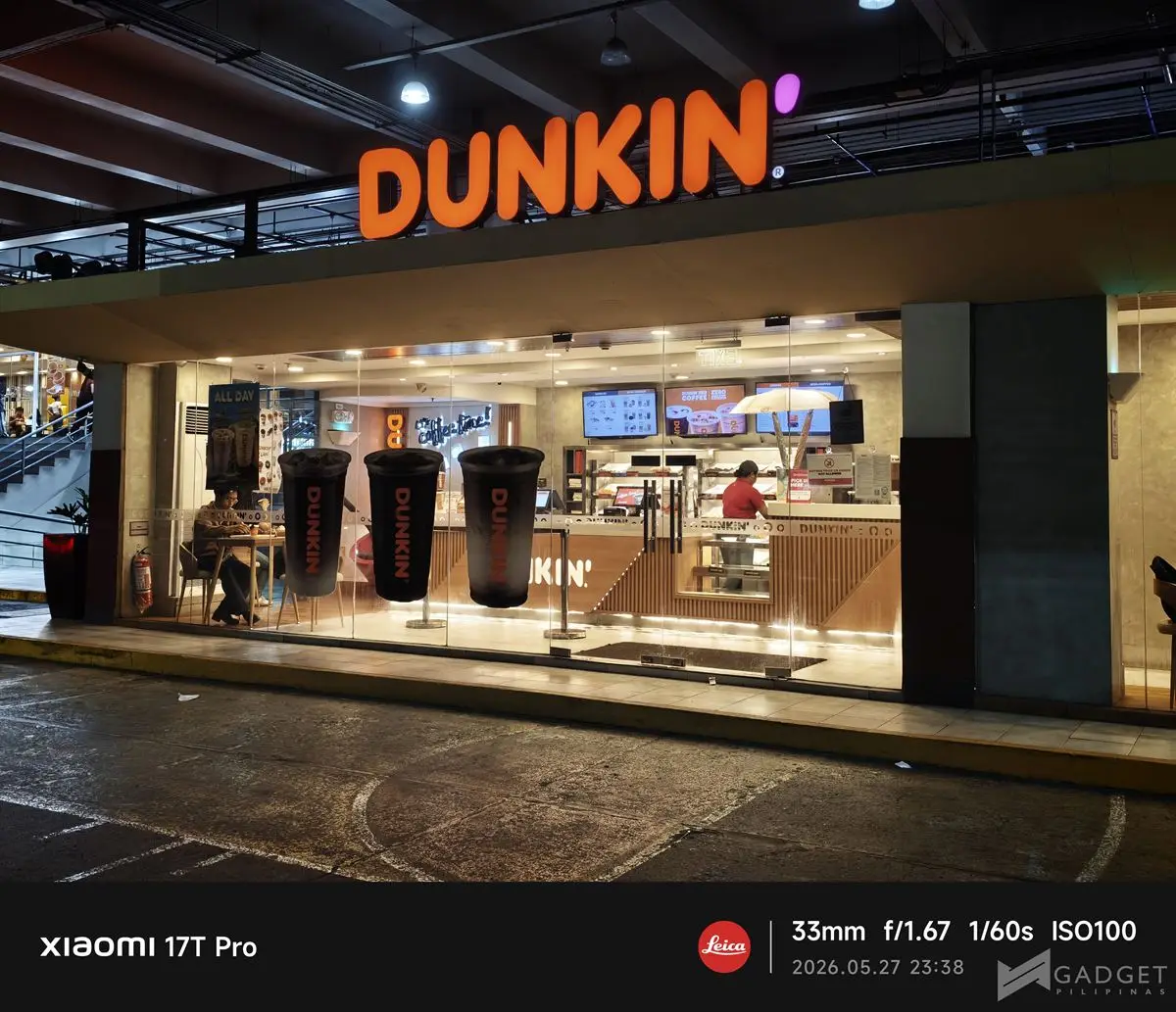
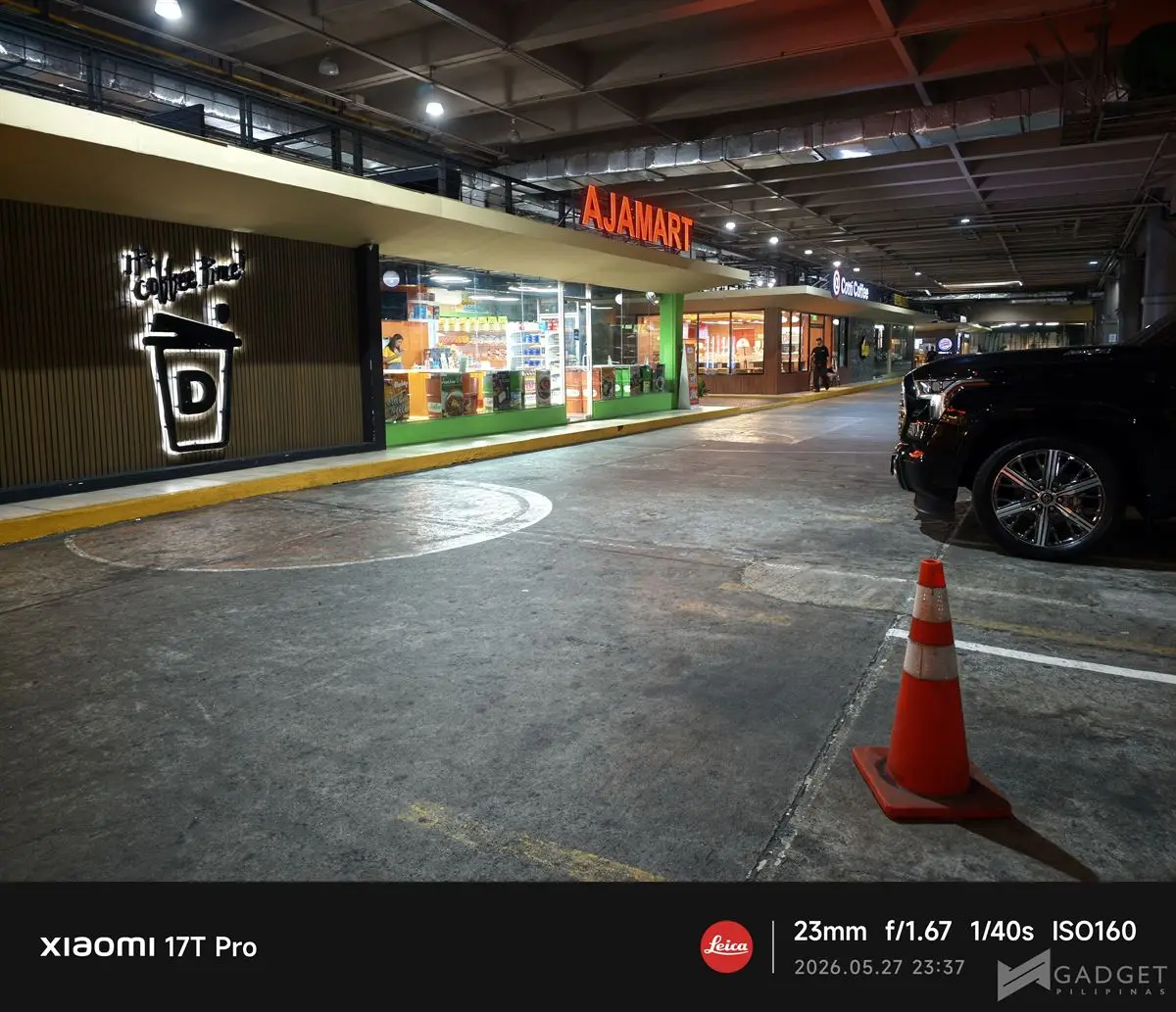
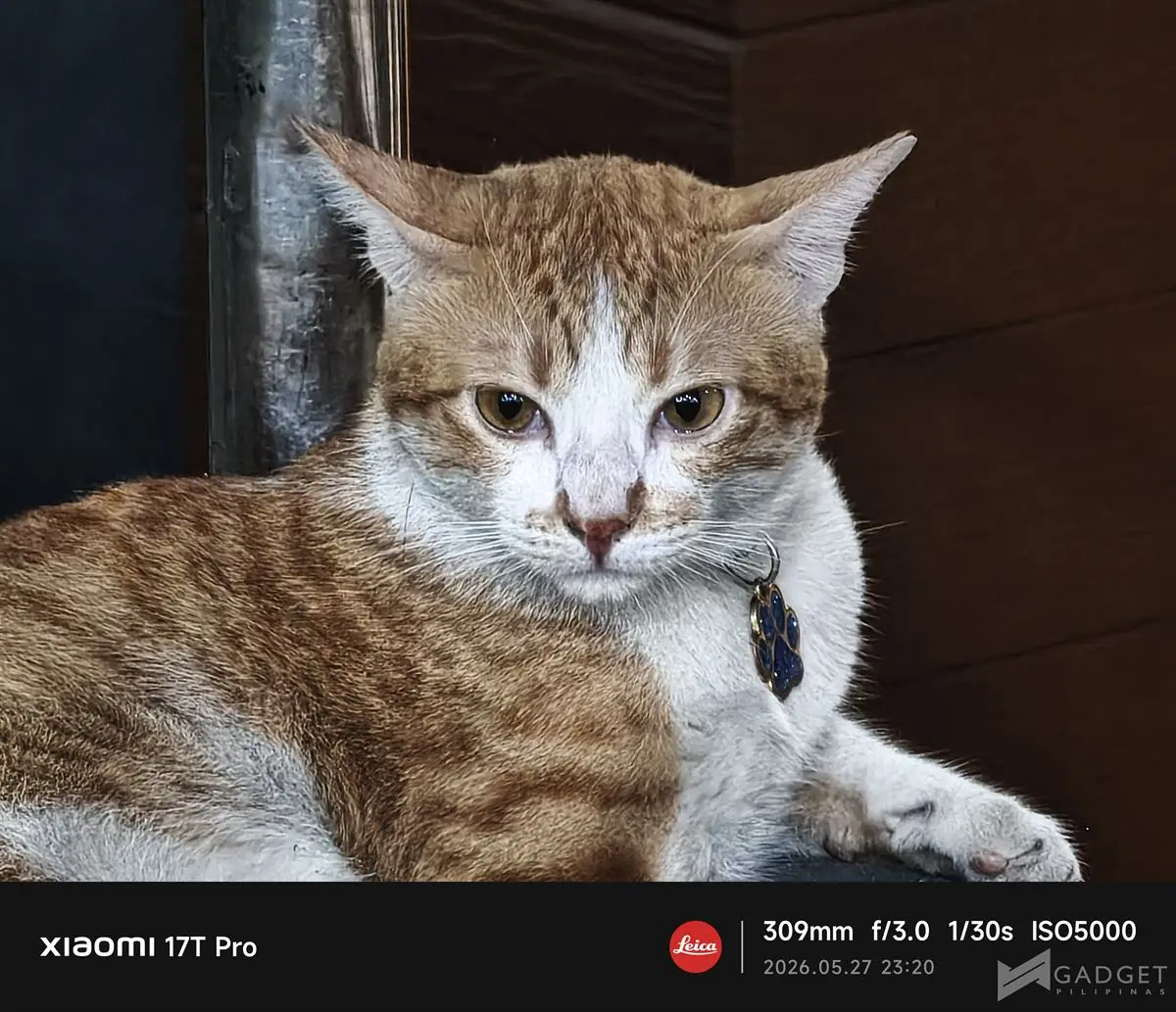


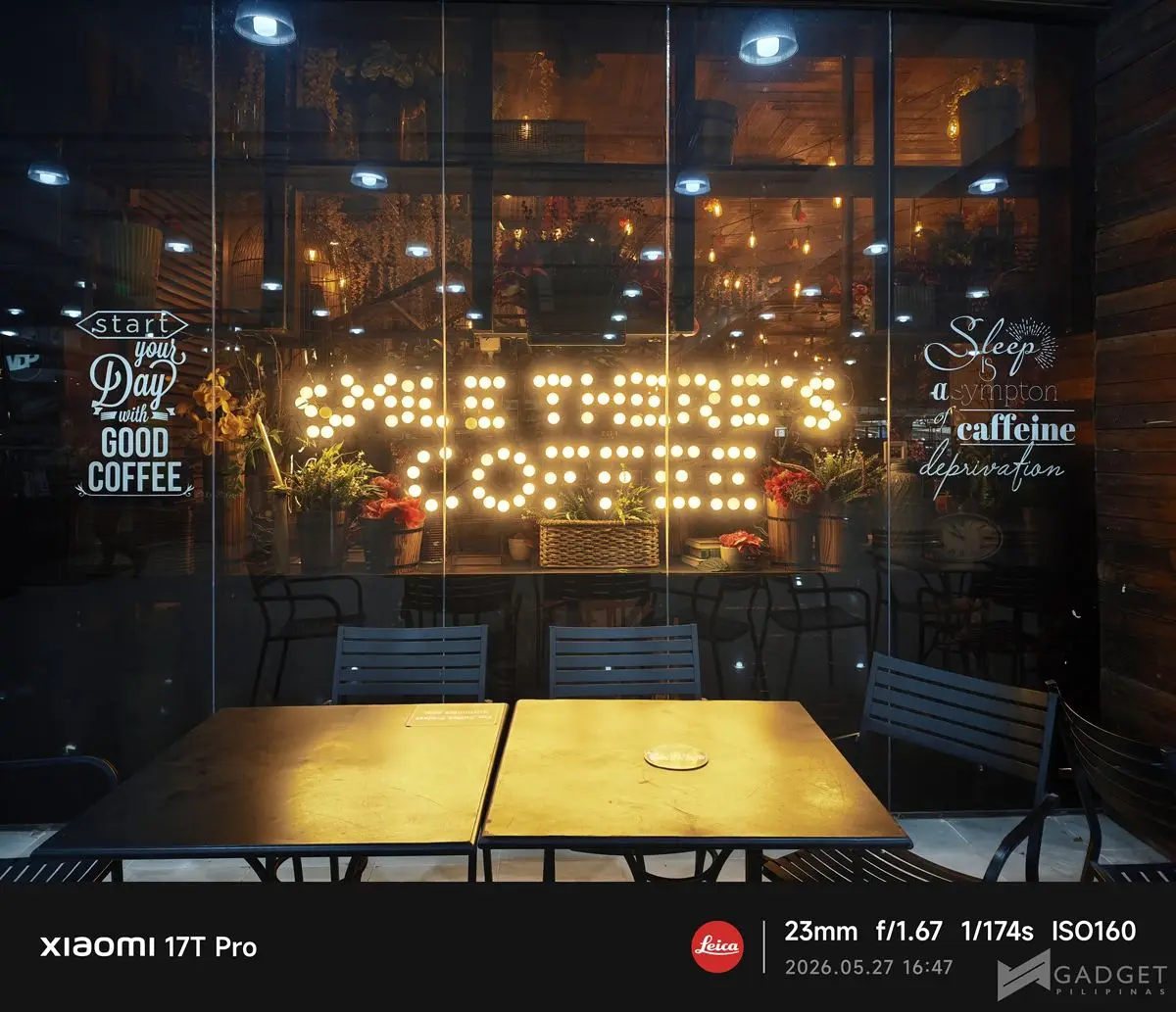
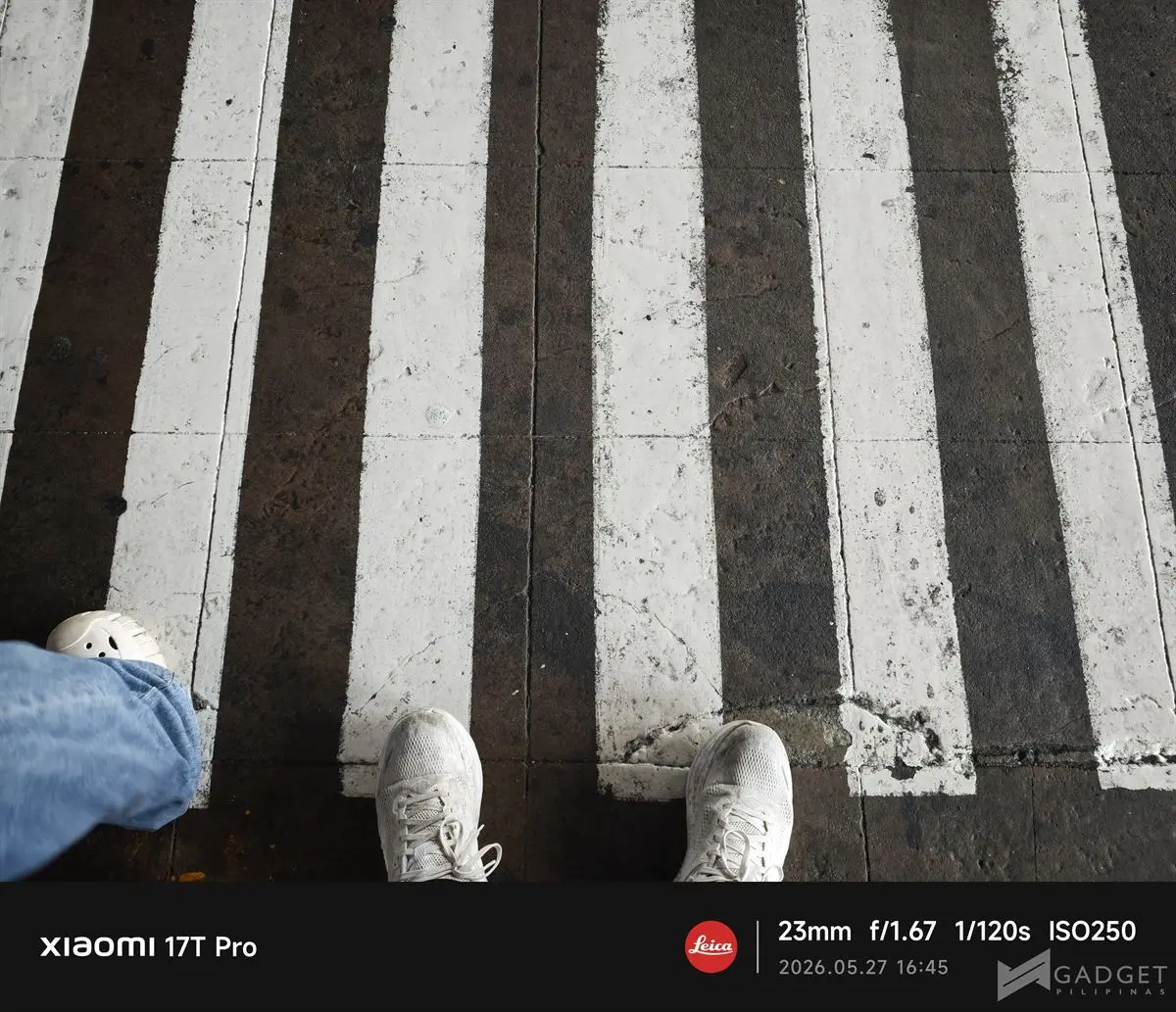
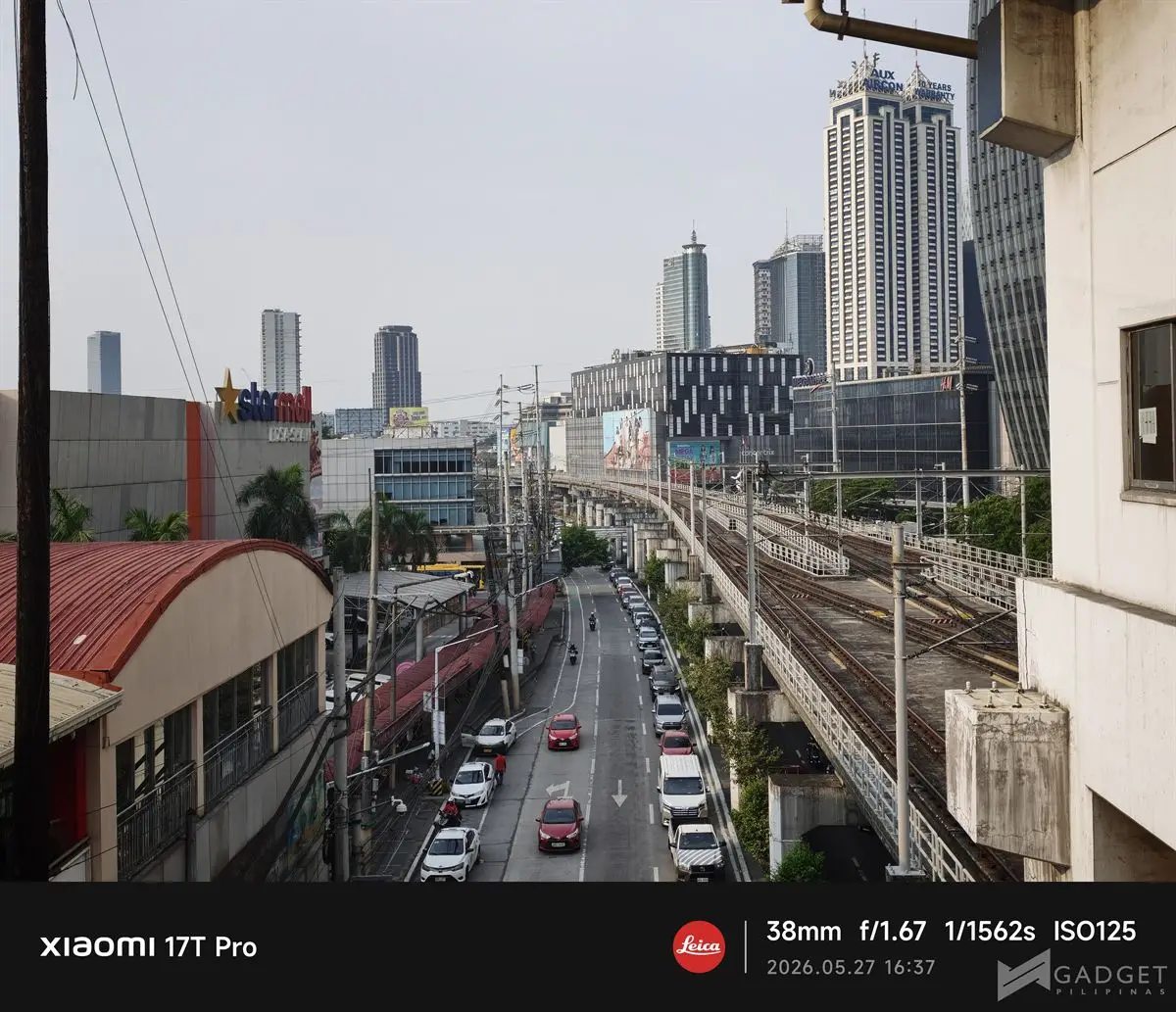

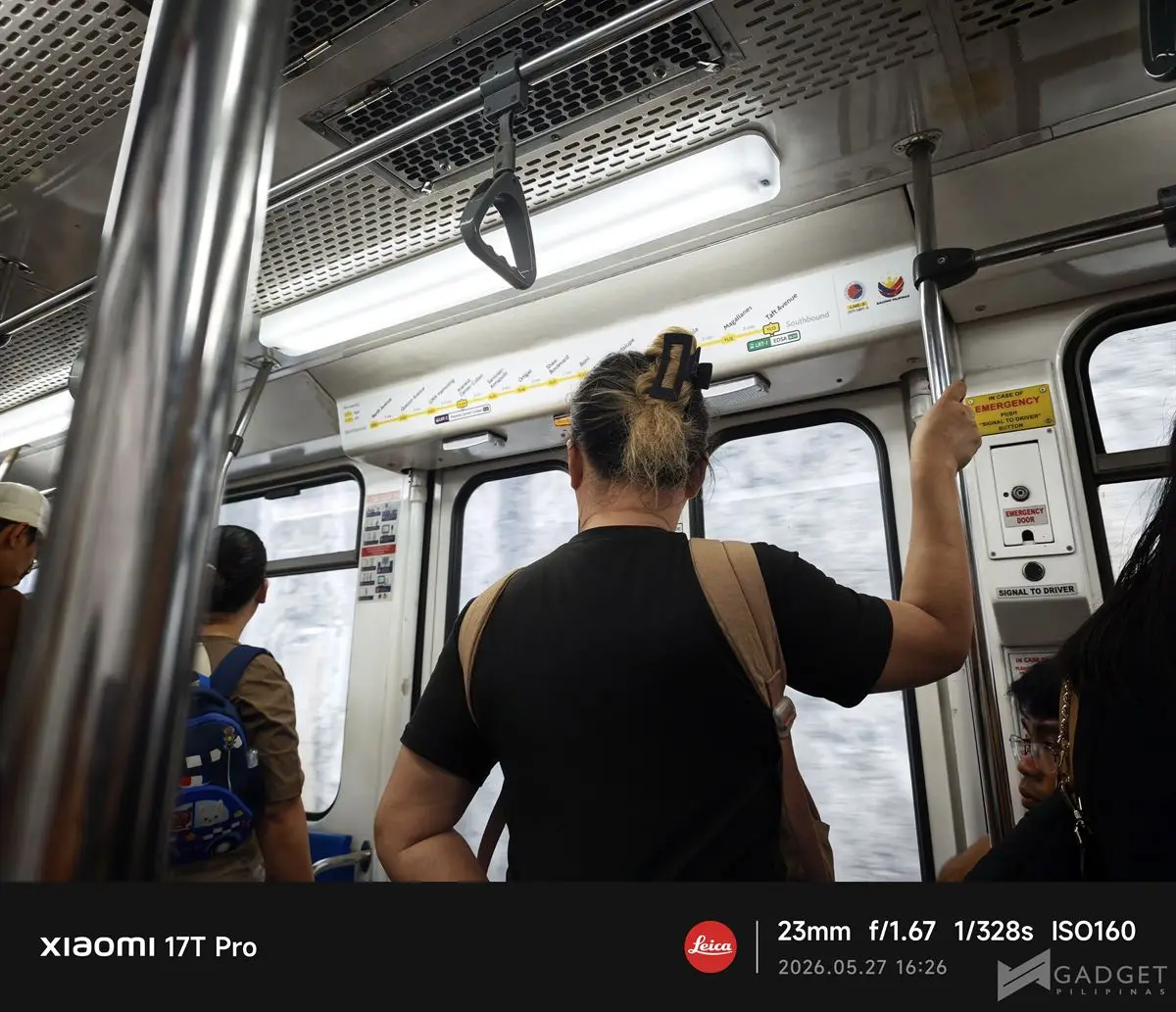
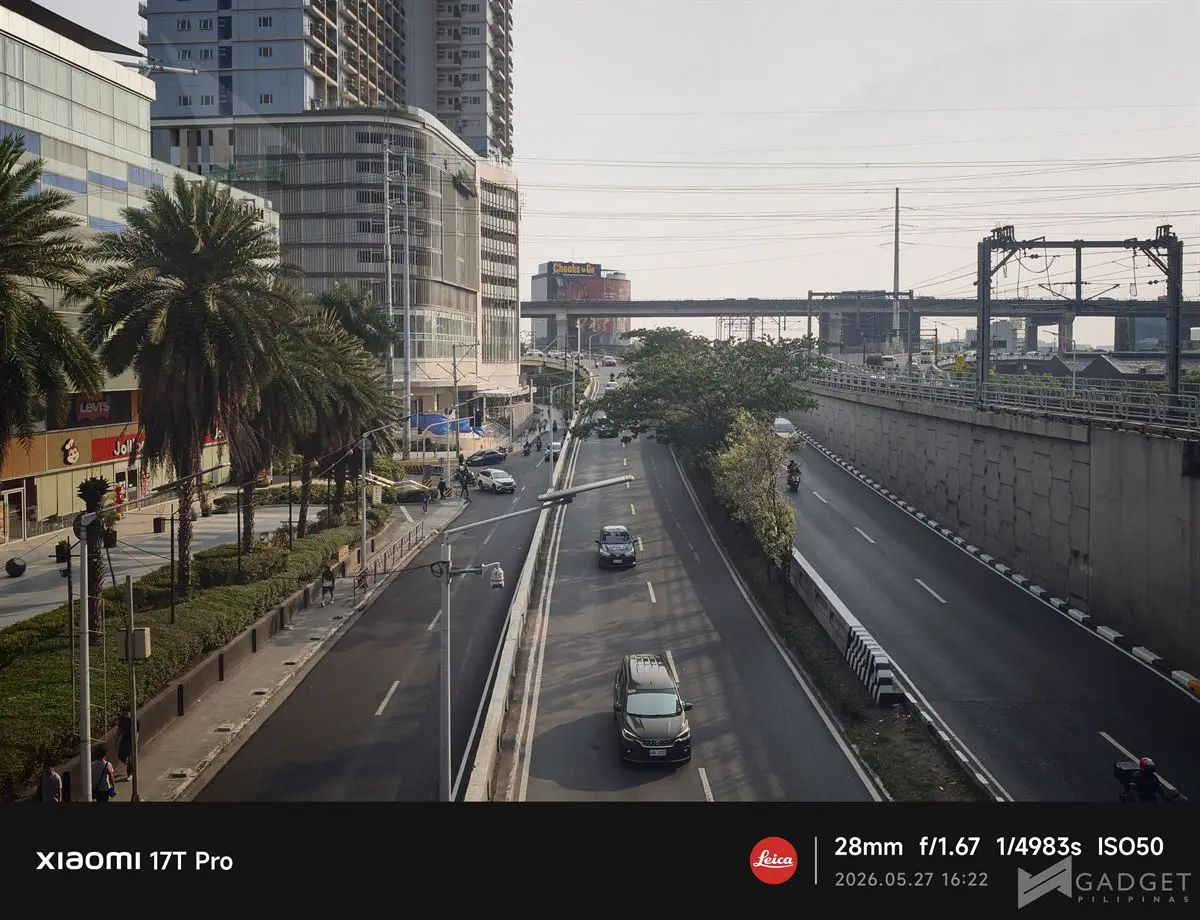

At its best, the system delivers sharp, detailed photos with good color accuracy and a pleasing sense of depth. The telephoto camera is the standout here, since it holds up well at its native 5x range and still produces usable results beyond that.
Even when you push zoom levels higher, the images can remain surprisingly readable, especially for text and general subject recognition, though the quality clearly drops off once you get into very high zoom territory.
Low-light performance is more uneven. The main and telephoto cameras still do a respectable job, but quality falls more noticeably when zooming beyond 10x in dim conditions. That is where the phone starts to show its limits, and it is also where the ultrawide camera feels the most outclassed by the rest of the system.
Xiaomi does add a few thoughtful shooting features that help the camera feel more complete. Leica Live Moments is a neat pre-capture tool that records the moments before you press the shutter, and it even works in portrait mode. Stage Mode is also useful for concerts and events, where lighting and motion can be difficult to handle.
The selfie camera captures photos with good amounts of detail and a convincing depth of field effect.
Video recording is a strong point, at least on paper. The rear camera can shoot up to 4K at 120fps and even 8K at 30fps, and handheld stabilization is described as decent, which should make the phone flexible for both casual and more serious video use
Display and Multimedia

The Xiaomi 17T Pro’s 6.83-inch AMOLED display boasts a 144Hz refresh rate, making basic navigation feel very fluid, and the panel’s rich colors and deep blacks give it the sort of visual quality that works excellent for both games and streaming.
The panel is protected by Gorilla Glass 7i and includes a range of eye-care features, a practical touch for anyone who spends too much time staring at their phone.
Audio quality is better on the Xiaomi 17T Pro is than expected. The dual stereo speakers support Dolby Atmos, Hi-Res, and Hi-Res Wireless audio, and they apparently deliver a balanced sound with respectable loudness and solid bass presence.
Software
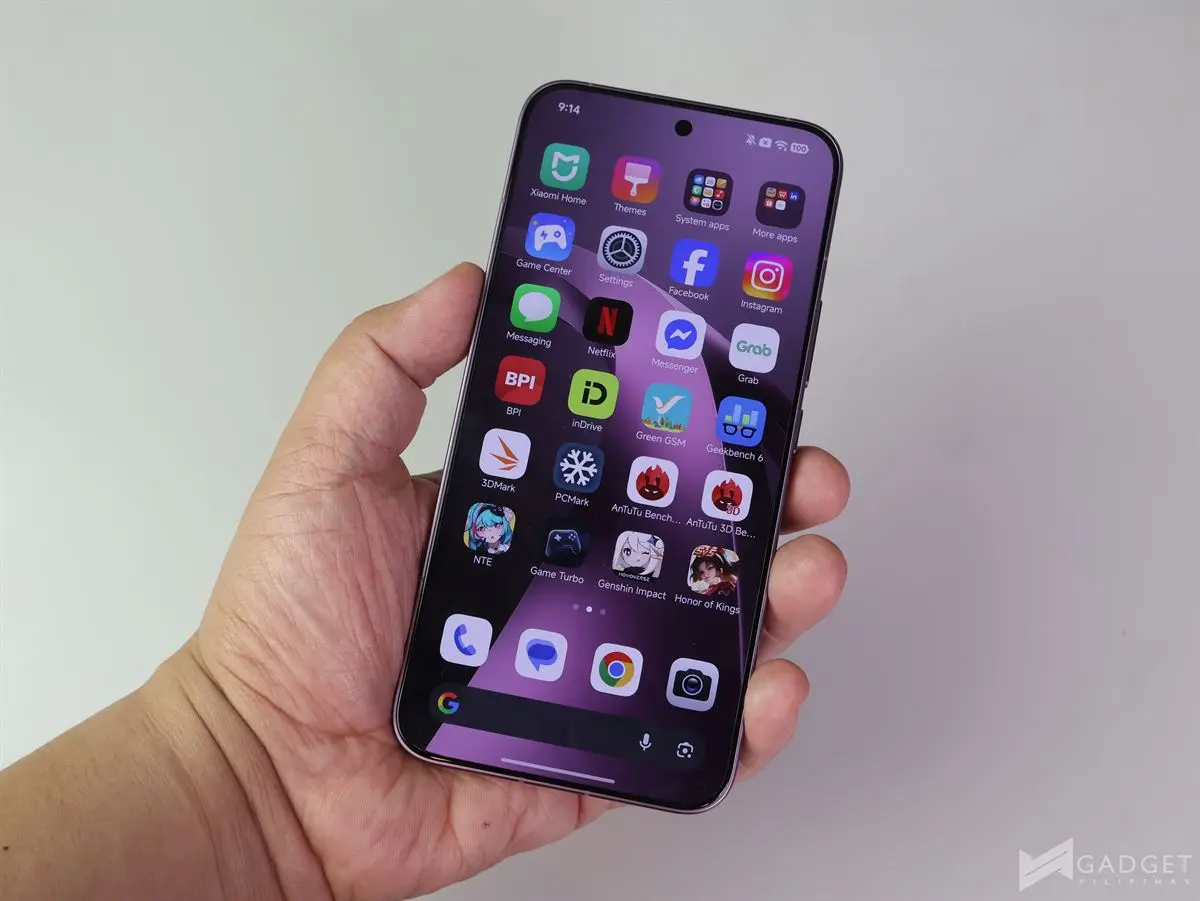
HyperOS 3 is a mixed but mostly positive part of the experience. Xiaomi has refined the animations, given the interface a fresher look, improved cross-device features, and added better compatibility with Apple device file sharing.
Those improvements matter because software can easily drag down an otherwise strong phone. Here, the interface sounds smoother and more capable than before, which helps the hardware feel like it is being used properly rather than held back.
The downside is still the usual Xiaomi annoyance: several pre-installed apps out of the box. It is not a deal-breaker, but it does make the software feel a bit less clean than it should on a phone in this price range.
Battery
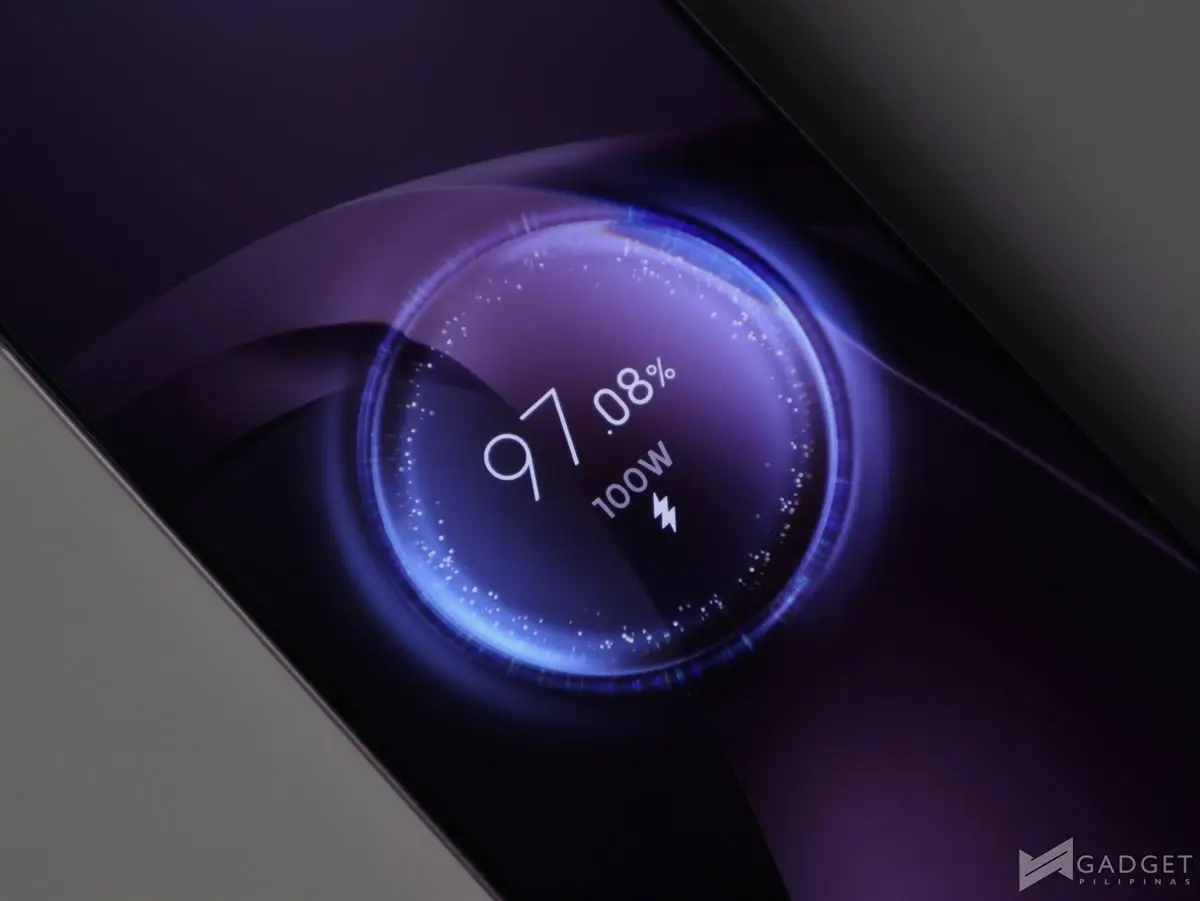
The Xiaomi 17T Pro’s 7,000mAh silicon-carbon battery is large by any standard, and real-world use suggests around two days of light to moderate usage on a charge.
That kind of endurance changes how a phone feels day to day. It means the Xiaomi 17T Pro is not the kind of device you need to baby or constantly top up, which is a real advantage for heavy users.
You get 100W wired HyperCharge and 50W wireless HyperCharge, which is a strong set of options for a device at this level. The wireless charging support is especially nice because it is still often missing from phones that cost this much.
Verdict
The Xiaomi 17T Pro makes a strong case as a premium smartphone placed just short of the ultra-premium bracket. It gets the important things right, which includes fast performance, a sharp and fluid display, strong battery life, wireless charging, and a camera system that’s appealing, moreso if zoom photography matters to you.
Its weaknesses are real, though, and they keep it from feeling completely polished. The ultrawide camera is the weakest part of the rear setup, especially in low light.
Even so, the phone’s strengths outweigh its flaws for the right buyer. At PHP 45,999, it is not cheap, and last year’s flagships will naturally look tempting, but the Xiaomi 17T Pro still offers a convincing mix of features that make it one of the better choices in the space between premium mid-range and full flagship.
Very Good
Gadget PilipinasWhat we like
- Premium-looking design with a solid IP68 rating
- Loud, balanced stereo speakers
- Excellent battery life
- Has wireless charging
- Strong camera performance especially its telephoto lens
Could improve
- Ultrawide camera is weaker, especially in low light
- No expandable storage
- Price makes some older flagships tempting alternatives

Emman Tortoza
Emman has been writing technical and feature articles since 2010. Prior to this, he became one of the instructors at Asia Pacific College in 2008, and eventually landed a job as Business Analyst and Technical Writer at Integrated Open Source Solutions for almost 3 years.
View all articles →Related Reviews
 HONOR 600S Review: Bits of What’s Loved on the HONOR 600 Series in a More Accessible Package
 Keychron C75 HE 8K TMR Keyboard Review
 Samsung Galaxy S26 FE: Great Functional Elegance
 NBA 2K27 Review: A Better Game Than DLSS 5 Suggests
 TECNO Camon Slim 5G Review: The Best-Looking CAMON Yet
 ROG Kithara Review: A HIFIMAN Collaboration for Gamers