



MacBook Neo is a win for consumers
For years, the Philippine laptop market under PhP40,000 has been a Windows-dominated battleground. Lenovo, ASUS, Acer, HP, and a fleet of Chinese brands have long competed aggressively in this tier, offering the most RAM, the biggest screen, or the fastest processor their budget could afford.

Apple, meanwhile, watched from a distance, with its cheapest Mac always priced well beyond the reach of the everyday Filipino student or entry-level professional. That changed when Apple unveiled the MacBook Neo, starting at just ₱39,990, and the laptop market here will never quite look the same.
An iPhone Chip Inside a Laptop
The first question many Filipinos (that includes me, of course) had when the MacBook Neo was announced was a fair one: an iPhone chip in a laptop? The MacBook Neo runs on the Apple A18 Pro, the same silicon powering flagship iPhones. On paper, that sounds like a step down. In practice, Apple pulled off something remarkable.
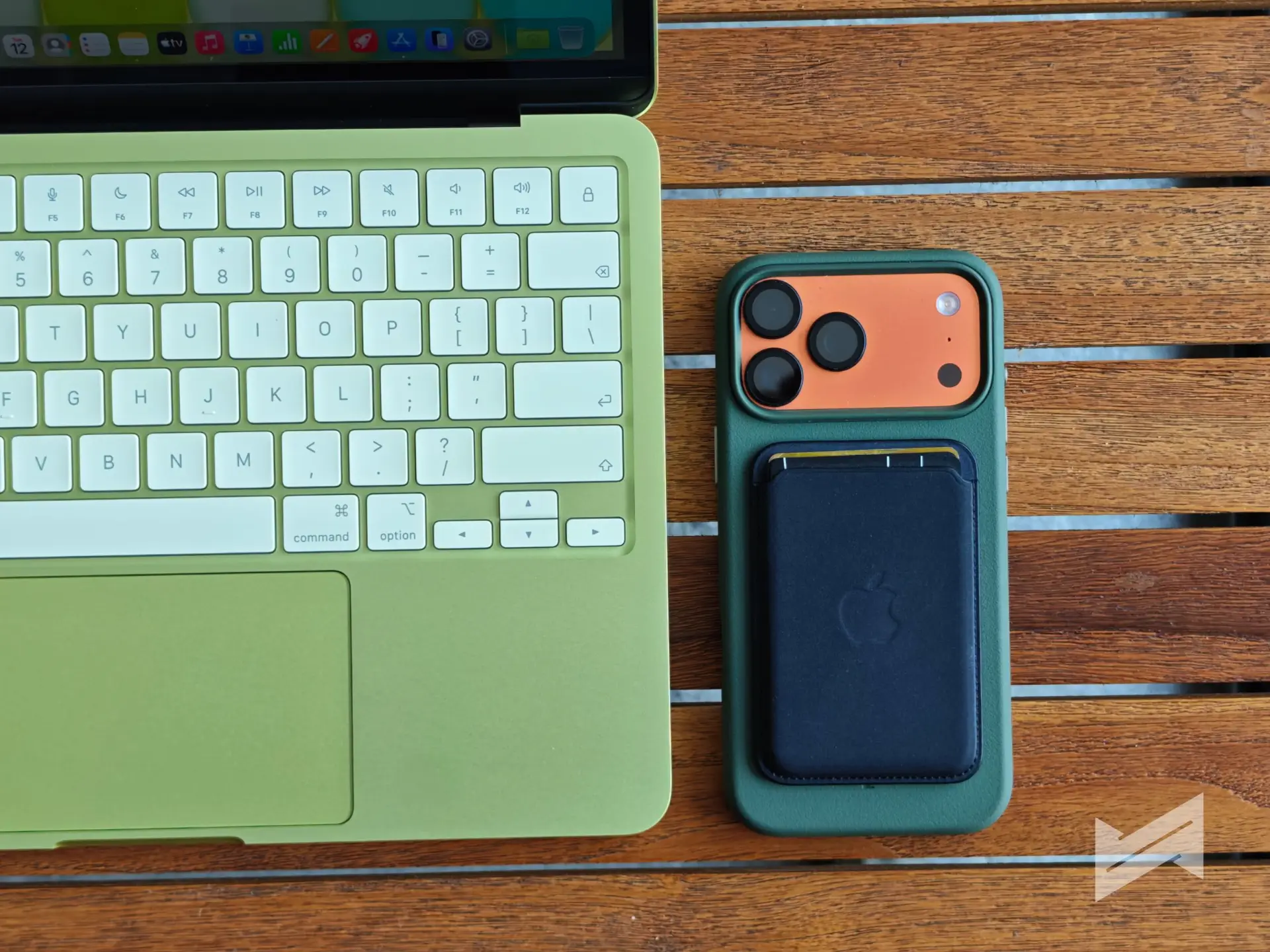
Early benchmarks tell a story that even hardcore PC enthusiasts had to sit with for a moment. In Cinebench 2024 single-core testing, the A18 Pro inside the MacBook Neo scored 147 points, outperforming every x86 processor currently available, including AMD’s Ryzen 9 9950X and Intel’s Core Ultra 9 285HX. That’s a desktop-class chip beaten by something Apple strapped into a 1.23kg laptop. The secret isn’t just the chip itself. It’s actually how tightly Apple has optimized macOS around it. The hardware and software speak the same language, and the result is a machine that performs far beyond what its spec sheet suggests.
What Windows Brands Are Selling at This Price
To understand why this matters, look at what Windows OEMs are offering in the same price bracket. At around PhP38,000 to PhP42,000, the Philippine market is filled with capable but conventional laptops: Ryzen-powered machines with 16GB of RAM, 512GB SSDs, and 1080p or 1200p displays running 60Hz panels. These are solid, honest machines, but they are also fighting each other over the same spec sheet. The marketing language is familiar: more cores, more gigabytes, bigger numbers, which make this like a race to win on paper.

Windows brands in the Philippines lean heavily on retail presence. PC Express, Villman, Octagon, and brand-specific stores push aggressive bundles, installment promos, and back-to-school deals. The pitch is almost always about value: get more for less. And for many buyers with immediate need “to have an affordable laptop”, that pitch works.
But Apple isn’t playing that game with the MacBook Neo. Apple’s pitch is different. It isn’t selling specs. It’s selling an experience, and more importantly, it’s selling an entry point into an ecosystem.

The Gateway to Apple
This is perhaps where the MacBook Neo’s cultural impact is most significant in the Philippines. Filipino consumers are among the most brand-conscious in Southeast Asia, and Apple products carry genuine aspirational value. For years, the iPhone has been the first Apple device most Filipinos own. The MacBook Neo is designed to be the second. For instance, my colleague, Luie, owns an iPhone 15 Pro and buying a MacBook Neo is compatible to her aspiration to expand her Apple ecosystem.

Features like Continuity Camera, AirDrop, Handoff, and Apple Intelligence, Apple’s built-in AI suite, work best when your devices are all in the same ecosystem. The MacBook Neo is tailor-made to make iPhone users feel the pull of that integration. Once you’ve used your iPhone as a webcam on your MacBook, or picked up a conversation on your Mac that you started on your phone, going back feels like a downgrade. That’s intentional. MacBook Neo is a device Apple is betting will convert millions of iPhone users into full Apple household customers.

For students and young content creators especially, the MacBook Neo hits a particularly sweet spot. The Liquid Retina display with 500 nits of brightness, the all-day battery life of up to 16 hours, and the 1.23kg build make it a genuine everyday companion. For content creators dabbling in photo or video work, the tightly optimized software stack means smooth performance on tasks that would push similarly priced Windows machines to their thermal and RAM limits. Sure, it won’t beat my MacBook Pro M5 when it comes to rendering speeds and overall performance by a huge margin. And the sheer fact that all of this is possible on a MacBook at a fraction of the price of the MacBook M5 makes it a massive win for budget-conscious buyers.
A New Benchmark for Sub-₱40,000
The MacBook Neo has effectively forced a conversation that Windows OEMs were not ready to have: when a machine powered by an iPhone chip outperforms top x86 offerings in raw benchmarks while costing less than many premium Windows models, the old playbook stops working. Price-per-spec comparisons start to feel hollow when the competitor is offering a genuinely differentiated product, one backed by a software ecosystem, long-term OS support, and a brand identity that the Philippine market deeply respects.

Windows brands are not going anywhere. But the MacBook Neo signals that the sub-₱40,000 segment is no longer theirs by default.
The MacBook Neo is now available in the Philippines through Beyond the Box, Digital Walker, and open_source by Beyond the Box, making it more accessible than ever for students, professionals, and content creators who are ready to make that first, or next, step into the Apple ecosystem.

Giancarlo Viterbo
Giancarlo Viterbo is a Filipino Technology Journalist, blogger and Editor of gadgetpilipinas.net, He is also a Geek, Dad and a Husband. He knows a lot about washing the dishes, doing some errands and following instructions from his boss on his day job. Follow him on twitter: @gianviterbo and @gadgetpilipinas.
View all articles →Related Articles

 iPhone Duo: What We Know So Far
 Why I’m excited for the MSI Claw EX AI+
 The HBO Max series I can’t stop talking about online, and the new internet plan I use to geek on it
 ANKER soundcore Liberty 5 Pro: Great ANC for calls and music