
Finalmouse Starlight X, New Flagship Mouse
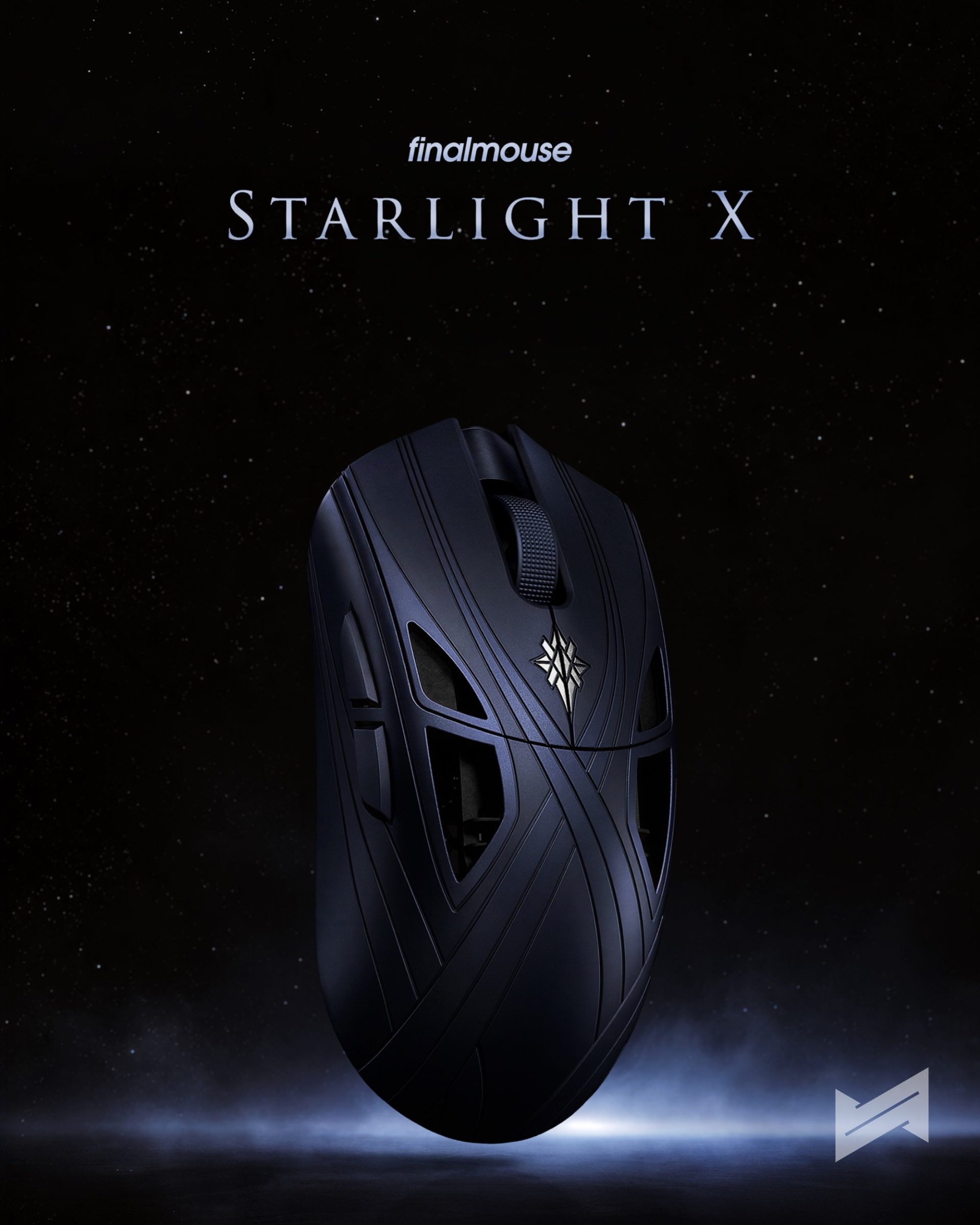
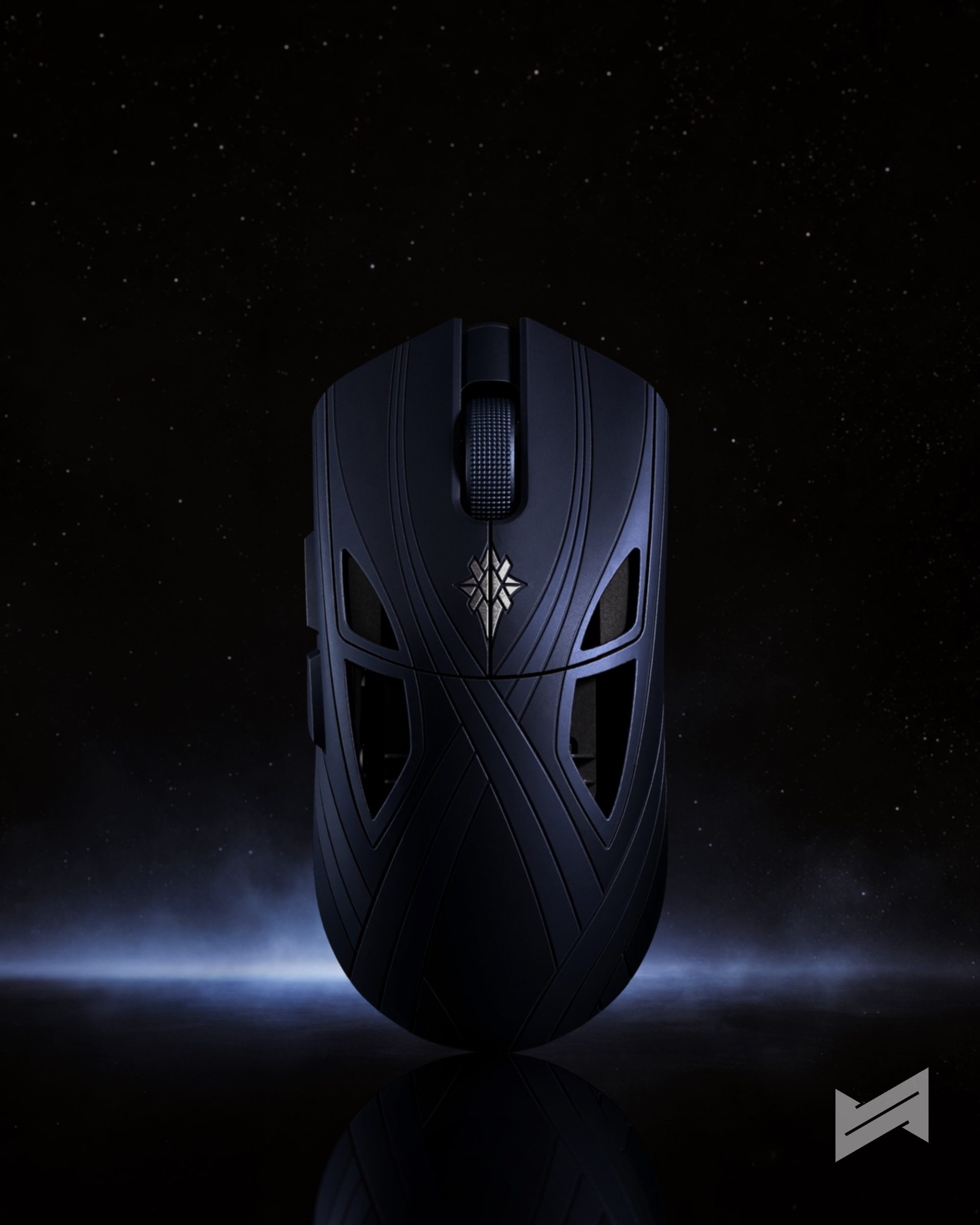
Finalmouse is back with a new flagship, and it’s a big one: the Finalmouse Starlight X, or SLX, is being positioned as the company’s most advanced competitive gaming mouse yet. With a brand‑new shape, a 38‑gram carbon fiber chassis, an analog TMR click system, and a next‑generation Nordic wireless platform, SLX is clearly aimed at esports players who want every last millisecond of performance in tactical shooters like Counter‑Strike.
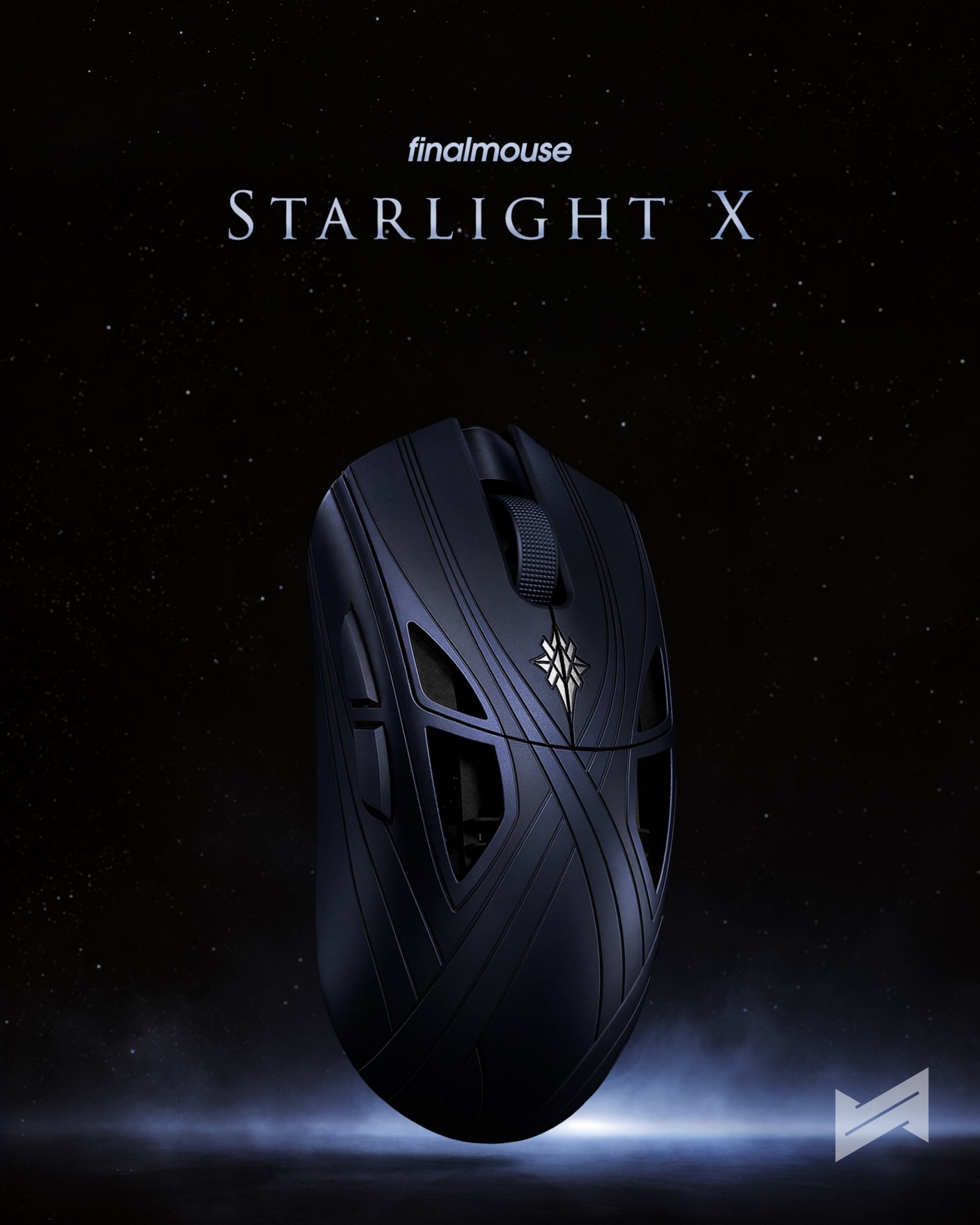
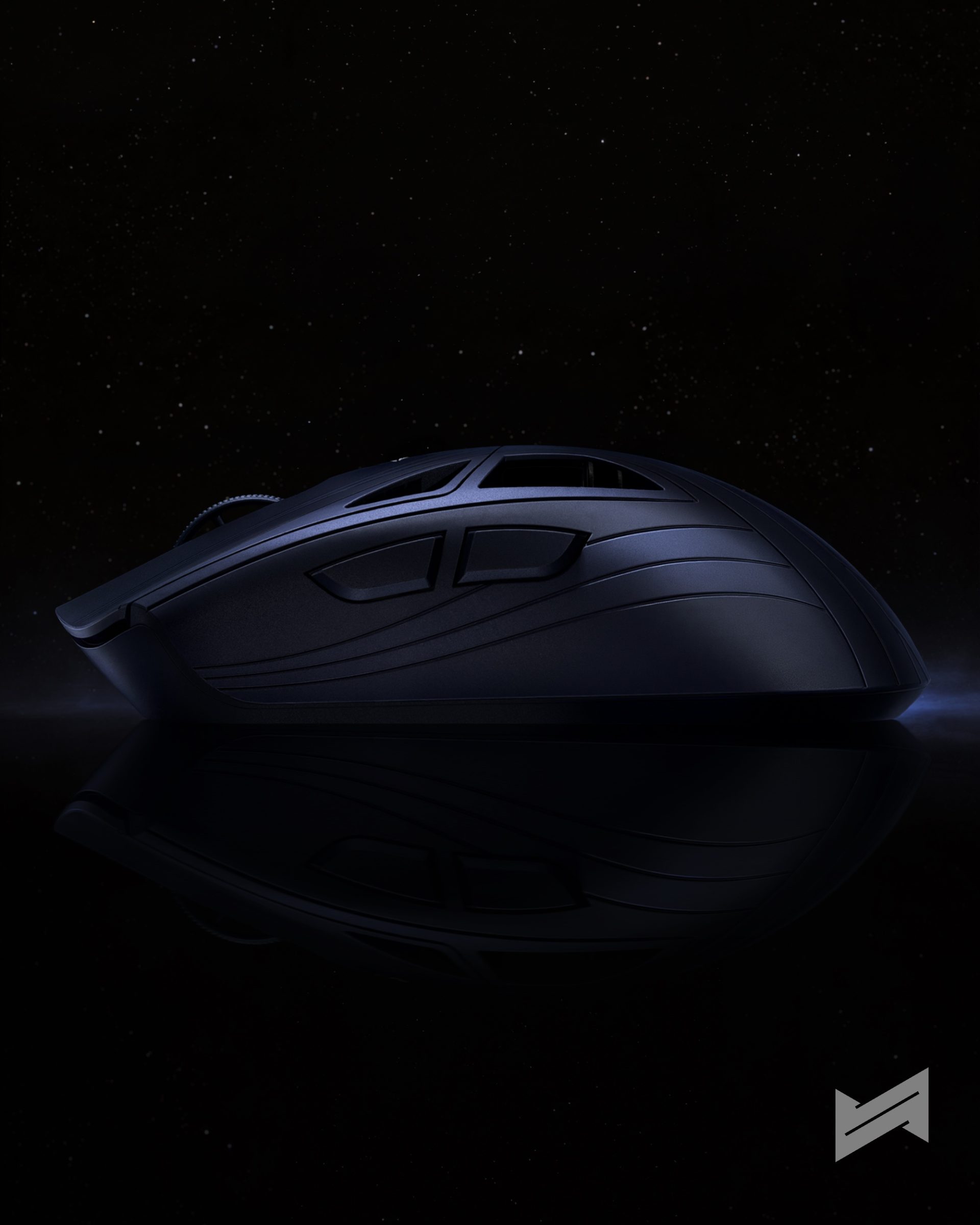
At the heart of the story is the shape. This is Finalmouse’s first completely new silhouette in 11 years, developed over four years of clay modeling, more than 50 full prototypes, and competitive testing. The company describes it as a design built specifically for modern tactical FPS: a fuller rear hump for more palm support, increased overall stability, smoother transitions, and reduced pressure points. The goal is simple: create a mouse that “disappears” in your hand, so nothing distracts you from micro‑adjustments and spray transfers.
Starlight X Specs
Despite the fuller shape, weight is aggressively low. Starlight X measures 124.8 mm long, 58.9 mm in grip width, and 39.5 mm tall, but tips the scales at just 38 grams. That puts it among the lightest wireless esports mice available right now, and Finalmouse is very clear that it’s not just a shell‑cutout trick; the engineering focus is on lowering density while increasing rigidity, consistency, and structural integrity so that lightness doesn’t come with flex or creak.
To get there, SLX abandons the classic honeycomb shell of older Finalmouse mice and introduces a rigid unibody main cage. The overall shell has been simplified from a four‑part assembly to a three‑component structure, which Finalmouse says improves mechanical consistency, assembly precision, and surface continuity. Holding everything together are 15 graphite‑coated titanium screws, each weighing just 0.02 g, so the chassis can be locked down tight without meaningful impact on weight. Strategic carbon‑fiber beaming, thinner wall sections, and pressure‑mapped cutouts are used instead of large open patterns; only areas that the hand never contacts during gameplay are opened, keeping primary contact surfaces smooth and solid.
The material itself is a new carbon fiber “super composite” co‑developed with aerospace partners. It has a density below 0.9 g/cm³ and roughly 70% more carbon fiber reinforcement compared to the previous composite, resulting in a strength‑to‑weight ratio over three times that of magnesium. Combined with the unibody architecture, this should give SLX a unique feel in hand: extremely lightweight yet rigid and mechanically “locked‑in.”
Where Finalmouse really tries to separate SLX from other mice is click latency. The company already pushed sub‑400 microsecond end‑to‑end electrical latency in the UltralightX; in Starlight X, electrical latency is quoted at 223 microseconds. More importantly, they argue that traditional latency measurements ignore physical delay, the time it takes for your finger to move, the switch to pre‑travel, the metal leaf to compress and snap. To address this, Finalmouse developed TMR‑DS, or TMR Dual‑State Analog Click System.
What’s with the TMD-DS?
In TMR‑DS, a tiny magnet is embedded under the clicker while a high‑precision TMR sensor sits on the PCB, measuring changes in magnetic flux as soon as your finger commits to pressing down. Instead of waiting for the mechanical switch to actuate, the mouse can register intent earlier, allowing actuation to be tuned in 0.01 mm increments with 40 discrete steps within the pre‑travel window. Finalmouse claims this can reduce physical click latency by up to 35 ms at the most sensitive setting compared to conventional click systems. Importantly, they keep the Huano Blue Shell Pink Dot mechanical switches for feel; mechanical tactility and analog sensing are separated so you get the familiar crisp click, but with earlier and more controllable activation.
Under the hood, Starlight X runs on Nordic’s new nRF54LM20 microcontroller, a 25 nm part that promises higher processing performance, improved RF efficiency, and 4 Mbps wireless modulation. For the first time, Finalmouse uses high‑speed USB on both the mouse and the receiver, eliminating an extra bridge chip in the dongle and tightening the latency budget even further. On the firmware side, PerfectSync is designed to keep sensor polling, MCU processing, RF transmission, and USB output continuously aligned without resorting to smoothing or buffering, while PerfectPolling replaces the marketing‑driven 2K/4K/8K race with a single optimized system that mixes subtick optimization, efficient RF scheduling, and high‑speed USB interrupts.
Tracking is handled by the Finalmouse F1 sensor, a custom PixArt‑based platform built exclusively for SLX. Finalmouse describes it as effectively three generations ahead of the PAW3395 used in ULX, with improved resolution accuracy, higher IPS, better maximum resolution, and higher power efficiency, backed by in‑house robotic testing and firmware tuning. Wireless reliability is supported by a redesigned puck‑style receiver with a raised metal antenna and internal steel weight for stability, plus a north‑mounted ceramic chip antenna inside the mouse and refined RF pass‑through in the shell. Power comes from a 250 mAh Jauch lithium cell, and Finalmouse claims SLX delivers their best battery life yet for a wireless esports mouse.
Price
Finalmouse announced that Starlight X will be available to order starting May 30 at 179 USD, with Nightfall as the initial colorway. That puts it firmly in ultra‑premium territory once imported into the Philippines, but it also makes SLX one of the most technically aggressive options for serious competitive players chasing every possible edge in aim consistency and click timing. We’ll be testing just how well these engineering claims translate into real‑world performance as soon as we can get the mouse on our desk.

Giancarlo Viterbo is a Filipino Technology Journalist, blogger and Editor of gadgetpilipinas.net, He is also a Geek, Dad and a Husband. He knows a lot about washing the dishes, doing some errands and following instructions from his boss on his day job. Follow him on twitter: @gianviterbo and @gadgetpilipinas.