

DJI Avata 360, for the next-level content creators
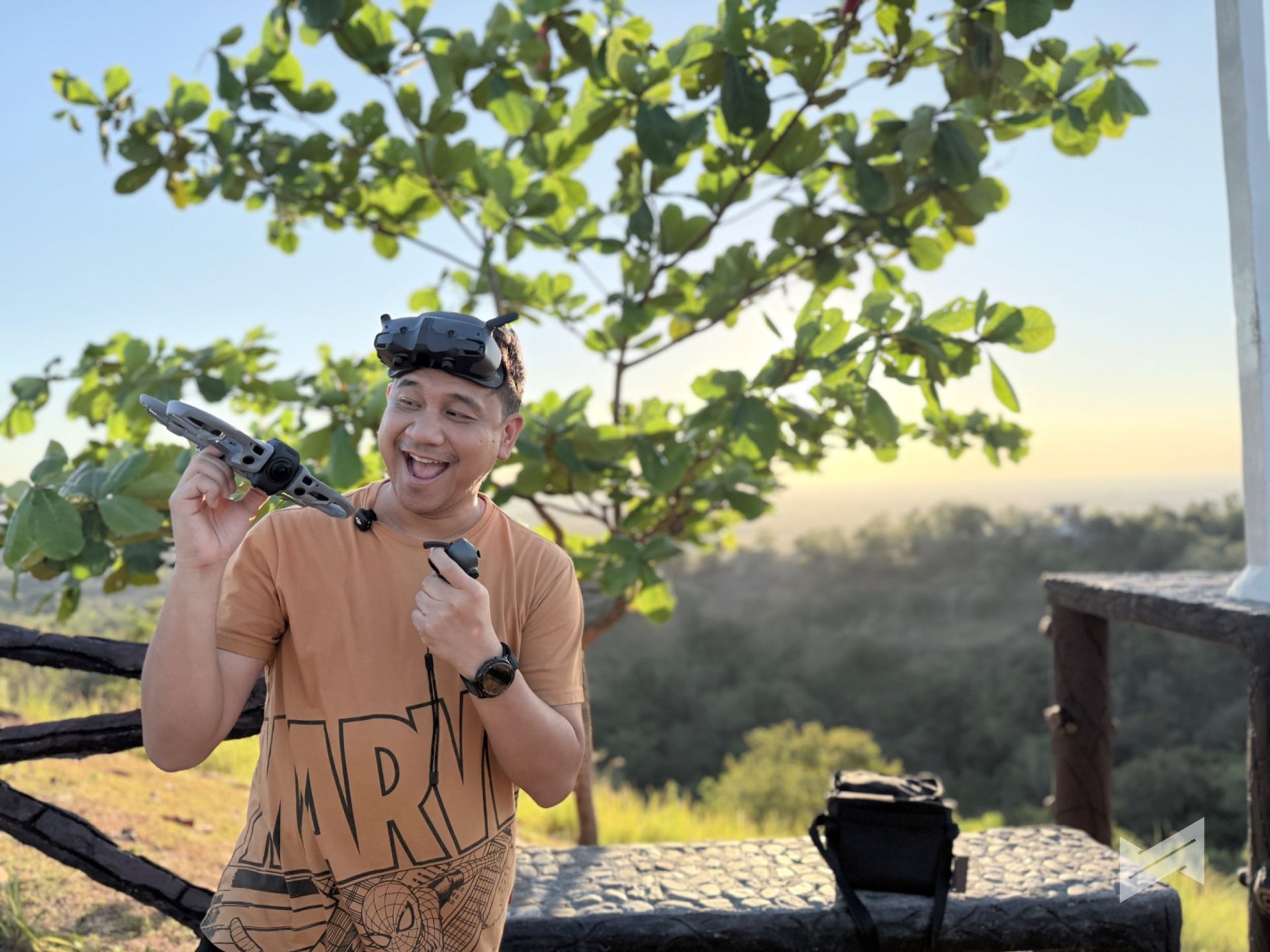
DJI has officially launched the Avata 360 in the Philippines, bringing its new 8K flagship 360° FPV drone to local creators who want cinematic, reframable aerial footage without the steep learning curve of traditional FPV flying. Designed as a “perspective revolution tool,” the DJI Avata 360 lets Filipino filmmakers, vloggers, and FPV enthusiasts capture fully immersive 360° footage in a single flight, then reframe and edit shots freely in post-production using DJI Fly and DJI Studio.
DJI Avata 360 officially lands in PH
Launched globally on March 26, 2026, the DJI Avata 360 is now arriving in the Philippine market through DJI’s official online store and authorized retailers nationwide. DJI positions the Avata 360 as its new 8K panoramic flagship drone, combining the brand’s FPV heritage with a 360 camera system that records everything around the aircraft in one take. Instead of worrying about framing mid-flight, pilots can simply fly to their chosen spot, hit record, and let the drone capture a full spherical view that can later be reframed into multiple angles and edits.
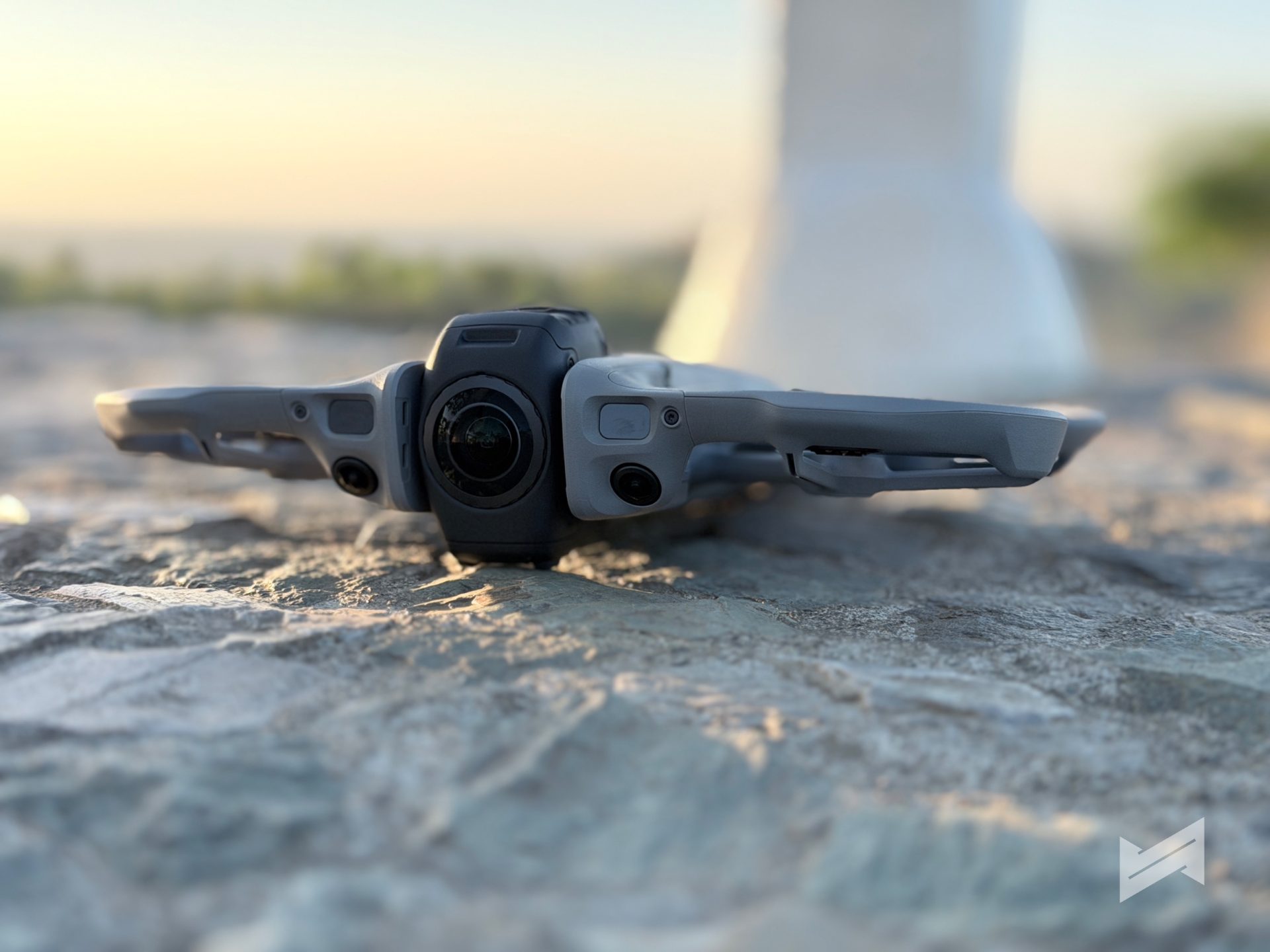
For the Philippine market, the DJI Avata 360 is offered in several bundles, including a standard kit with the DJI RC 2 controller, a Fly More Combo, and a Motion Fly More Combo that focuses on immersive FPV-style flying. Local SRP for the base DJI Avata 360 (DJI RC 2) is Php38,290, with Fly More or Motion combos priced at PhP47,890.
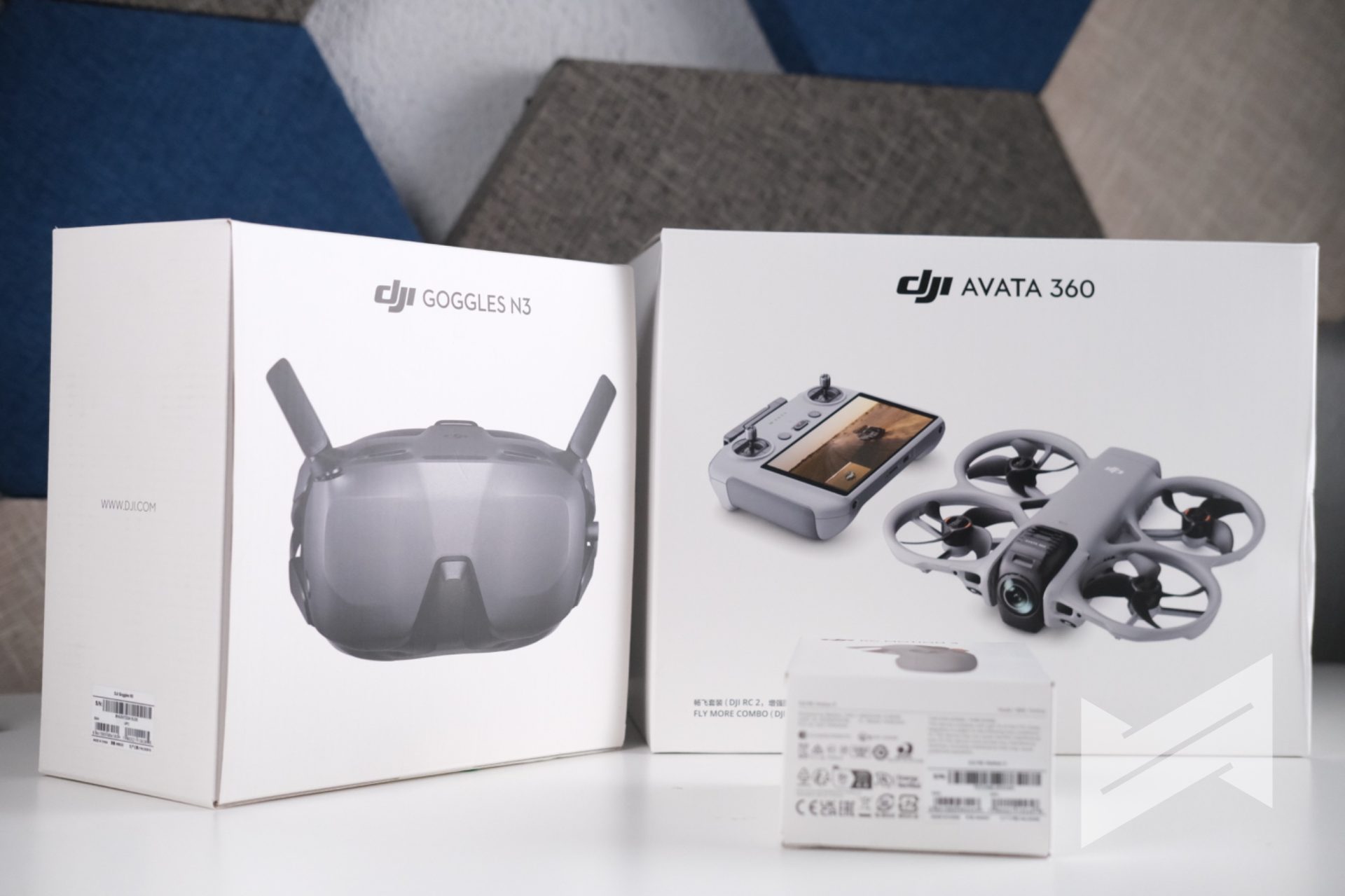
8K 360° imaging for creators
At the heart of the Avata 360 is a dual-lens system with 1-inch-equivalent sensors dedicated to 360° capture, allowing the drone to record 8K/60fps HDR video and shoot 120-megapixel true spherical panoramic photos. Thanks to large 2.4 μm pixels and high dynamic range, it preserves rich details in both highlights and shadows, making it suitable for sunrise cityscapes over Metro Manila or golden-hour beach shots in Siargao. Even after reframing and cropping the 360° footage down to a narrower field of view, DJI notes that creators can still retain usable 1080p/60fps quality, which is ideal for social media exports and multi-platform workflows.
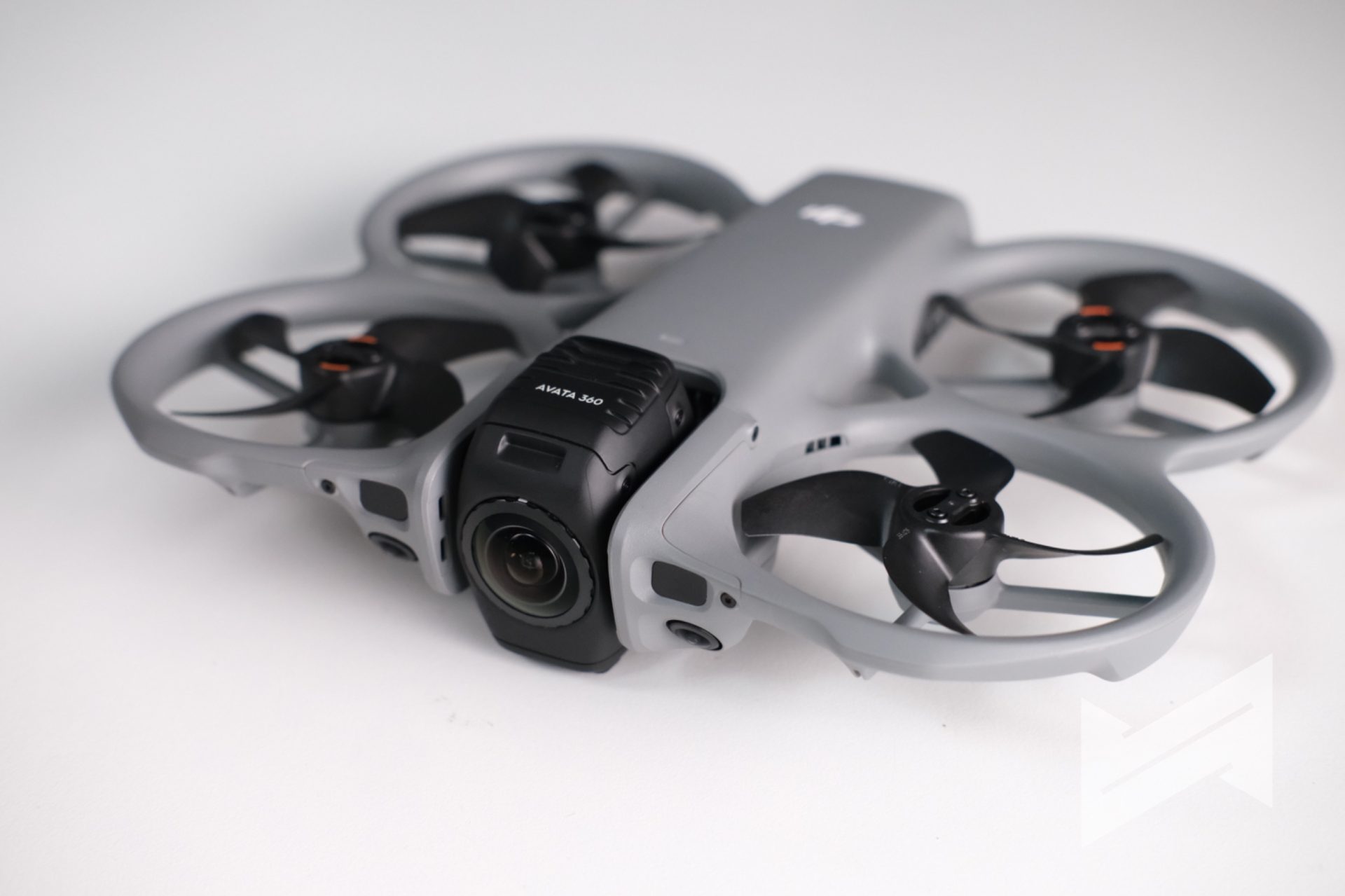
The Avata 360 also supports a Single Lens mode that mimics classic Avata-style shooting in 4K/60fps, giving users the option to switch from full 360° capture to more traditional forward-facing footage when needed. This makes the drone flexible enough to serve as both a creative 360 rig and a conventional FPV camera in a single platform. With 42 GB of internal storage, the aircraft can record around 30 minutes of 8K 360° video even without a microSD card, while Wi‑Fi 6 High-Speed Transfer enables copying 1 GB of footage to the DJI Fly app in around 10 seconds.
O4+ video transmission and FPV-ready flight
To support immersive FPV flying and long-range framing, the DJI Avata 360 uses the brand’s flagship O4+ video transmission system. This system delivers a live feed at up to 1080p/60fps, with strong anti-interference performance and a maximum range of up to 20 km (FCC), allowing more confident flights in open areas and complex urban environments. For Filipino pilots used to flying in dense cityscapes or along crowded coastlines, that extra stability and anti-interference capability can help maintain a more reliable connection during demanding shoots.
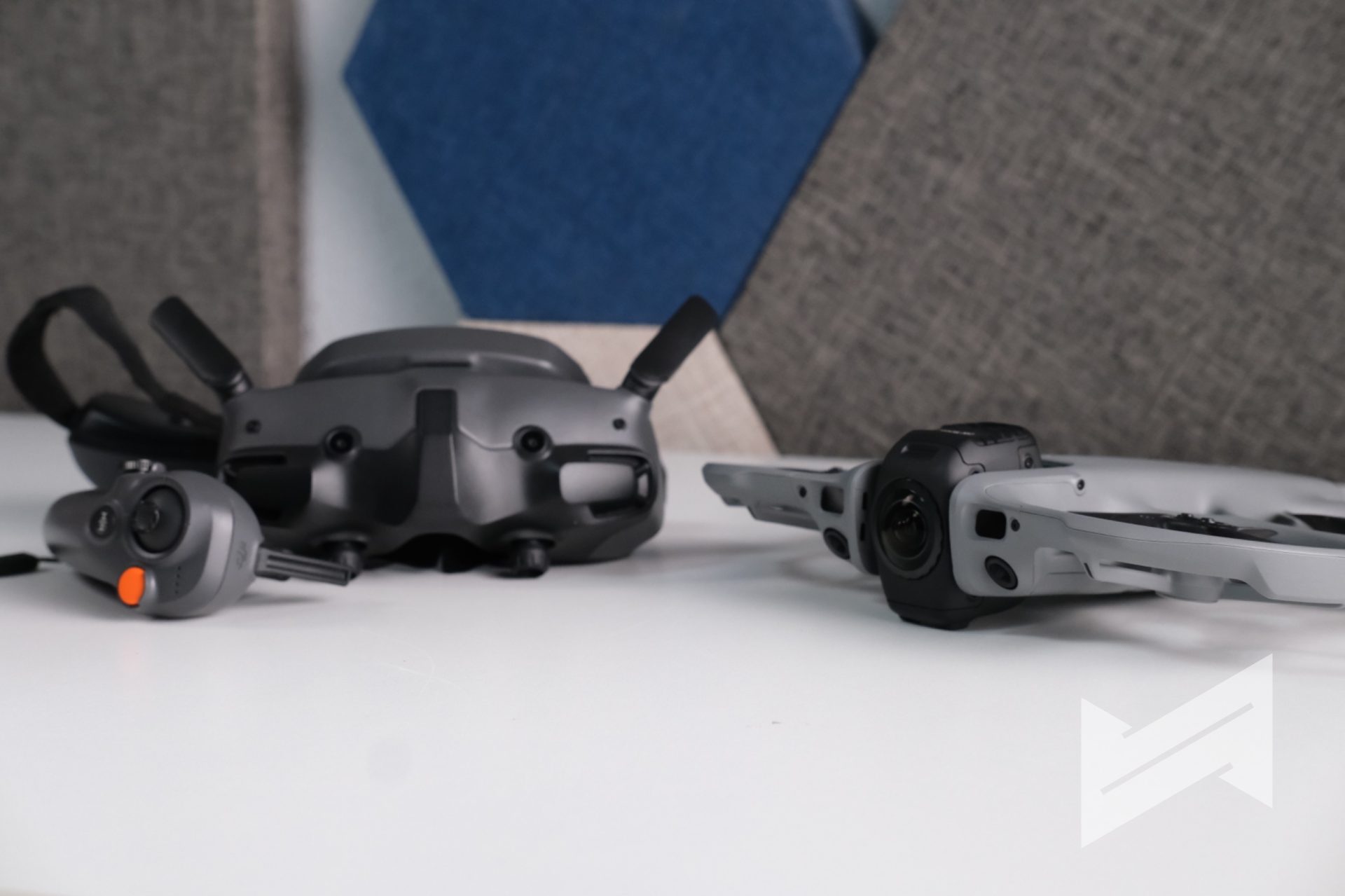
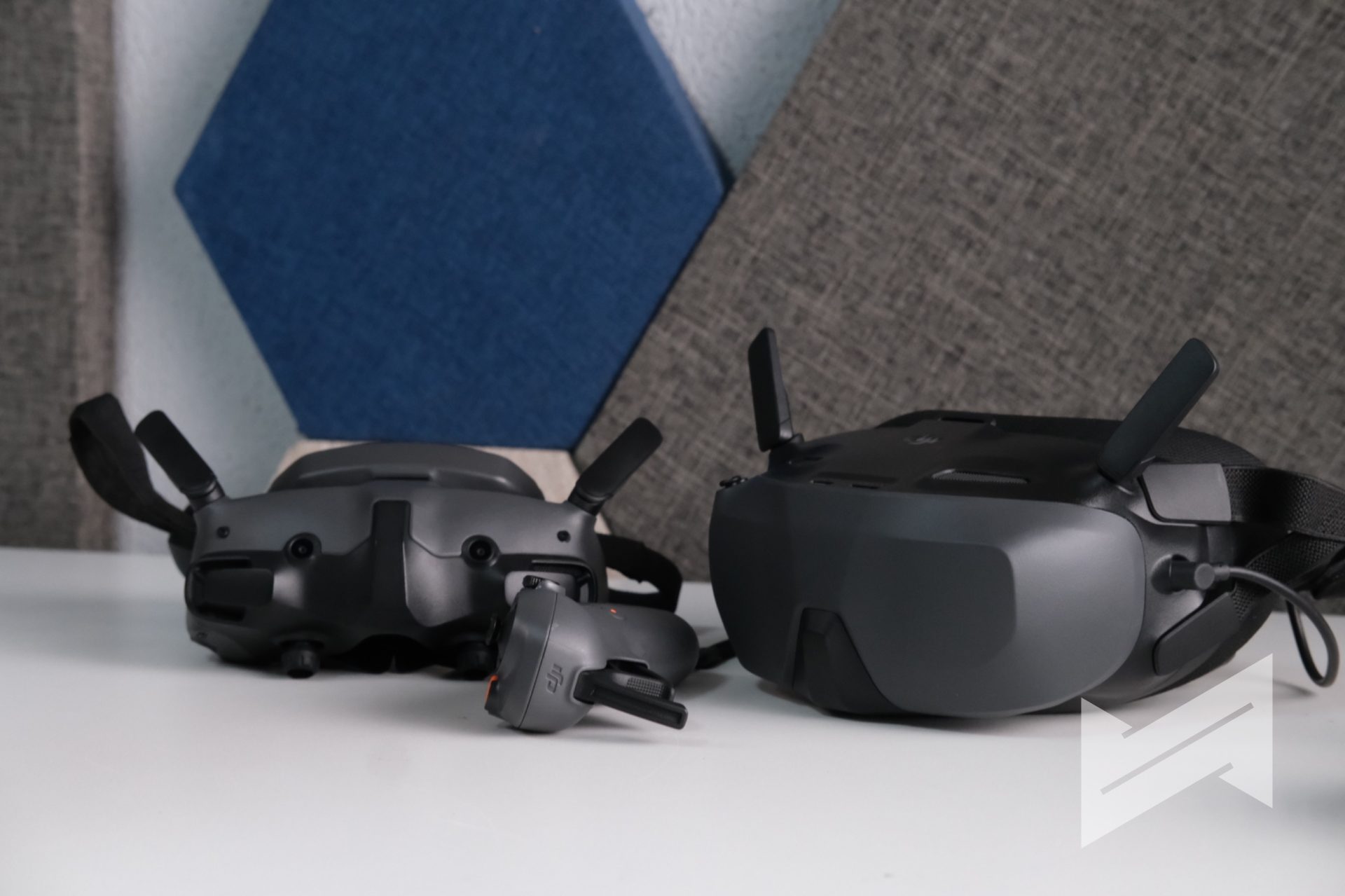
The Avata 360 offers up to 23 minutes of flight time on a single battery, giving creators enough airtime to capture multiple takes or long, continuous sequences for later reframing. It can be flown using traditional DJI remote controllers like the DJI RC 2, RC-N2, and RC-N3 for precise camera movements, or via DJI goggles and motion controllers for an ultra-immersive FPV experience. Paired with the DJI RC Motion 3 and compatible goggles, even beginners can attempt aerial acrobatics and dynamic FPV-like maneuvers while still benefiting from the 360 recording safety net.
Safety, obstacle sensing, and beginner-friendly design
DJI is clearly positioning the Avata 360 as a drone that lowers the barrier of entry to cinematic and FPV-style aerials. The aircraft features an integrated propeller guard design that allows pilots to fly closer to people, structures, and tight spaces with more confidence, reducing the risk of damage during close-up shots. An omnidirectional obstacle avoidance system in 360 mode works together with multi-level safe flight modes to automatically evade obstacles, even during low-altitude or complex environment flights.
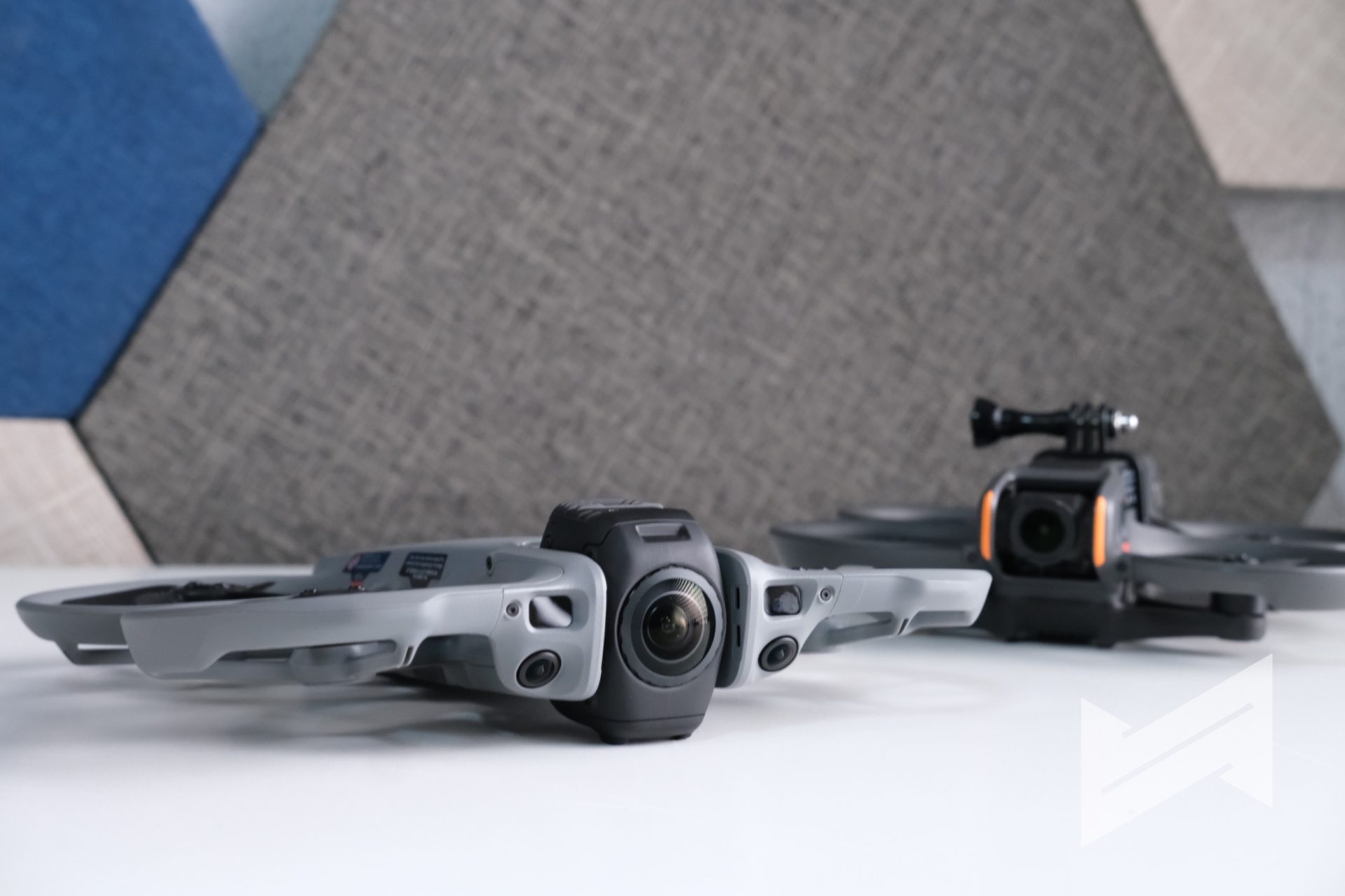
Forward-facing LiDAR helps detect obstacles and trigger immediate braking, even in very low-light or near pitch-black conditions, while also enabling upward detours during return-to-home. DJI notes that the Avata 360 can take off without satellite signal and still support return-to-home functions, increasing reliability in challenging GPS environments like dense city centers or under bridges. For peace of mind, the camera’s front lens element is user-replaceable via an official replacement lens kit, eliminating the need to send the drone in for repair after minor front element damage.
Intelligent tracking, virtual gimbal, and post-production power
Beyond hardware, much of the Avata 360’s appeal lies in its intelligent shooting and post tools. Features like Spotlight Free and ActiveTrack 360° assist with dynamic tracking shots, automatically locking onto moving subjects such as cyclists, cars, or runners while handling camera movement for cinematic-looking follow footage. Spotlight Free emulates the sophisticated camera language seen on DJI’s professional Inspire 3 platform, while ActiveTrack 360° can switch among tracking modes to keep subjects framed smoothly in different scenarios.
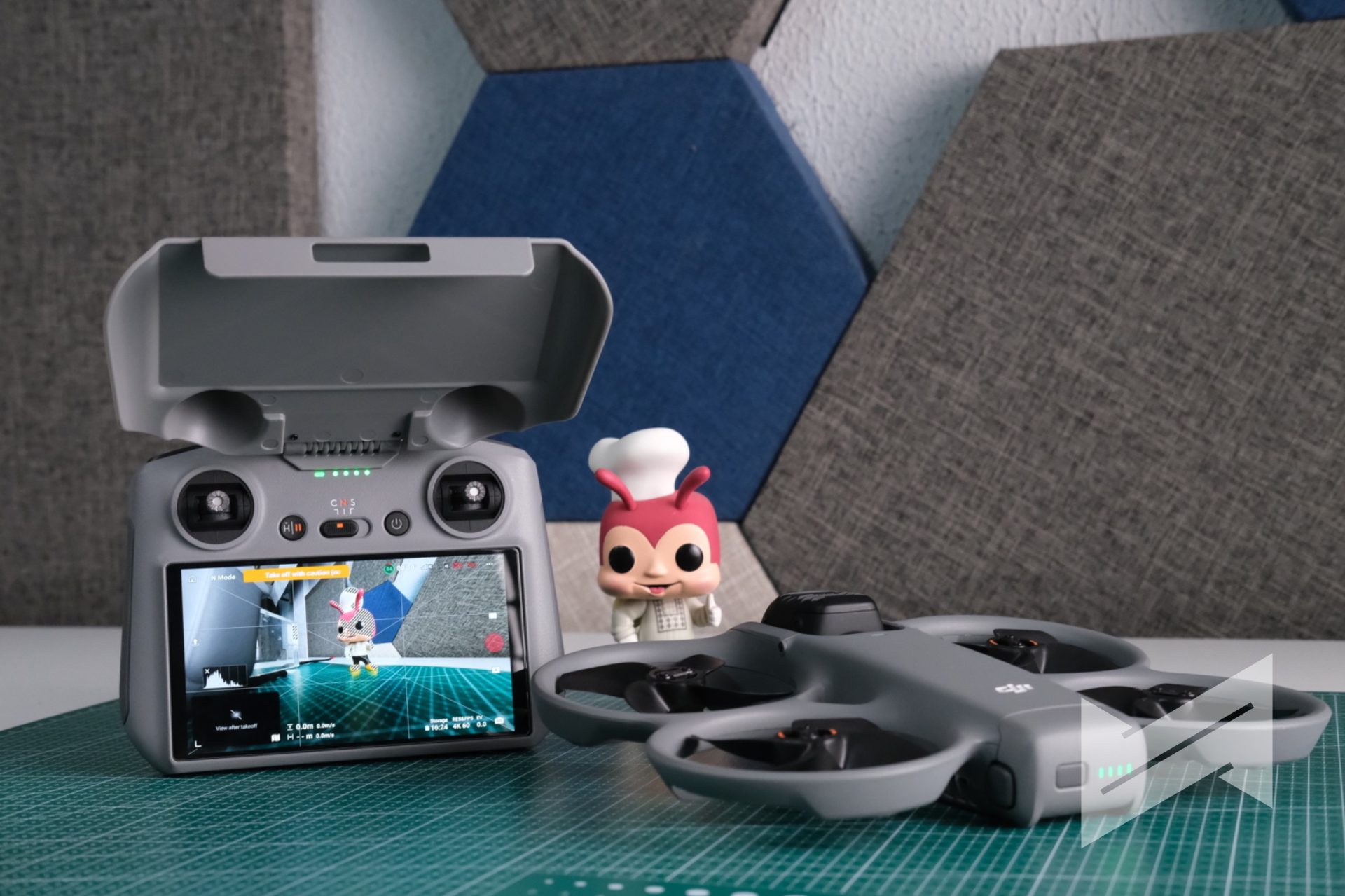
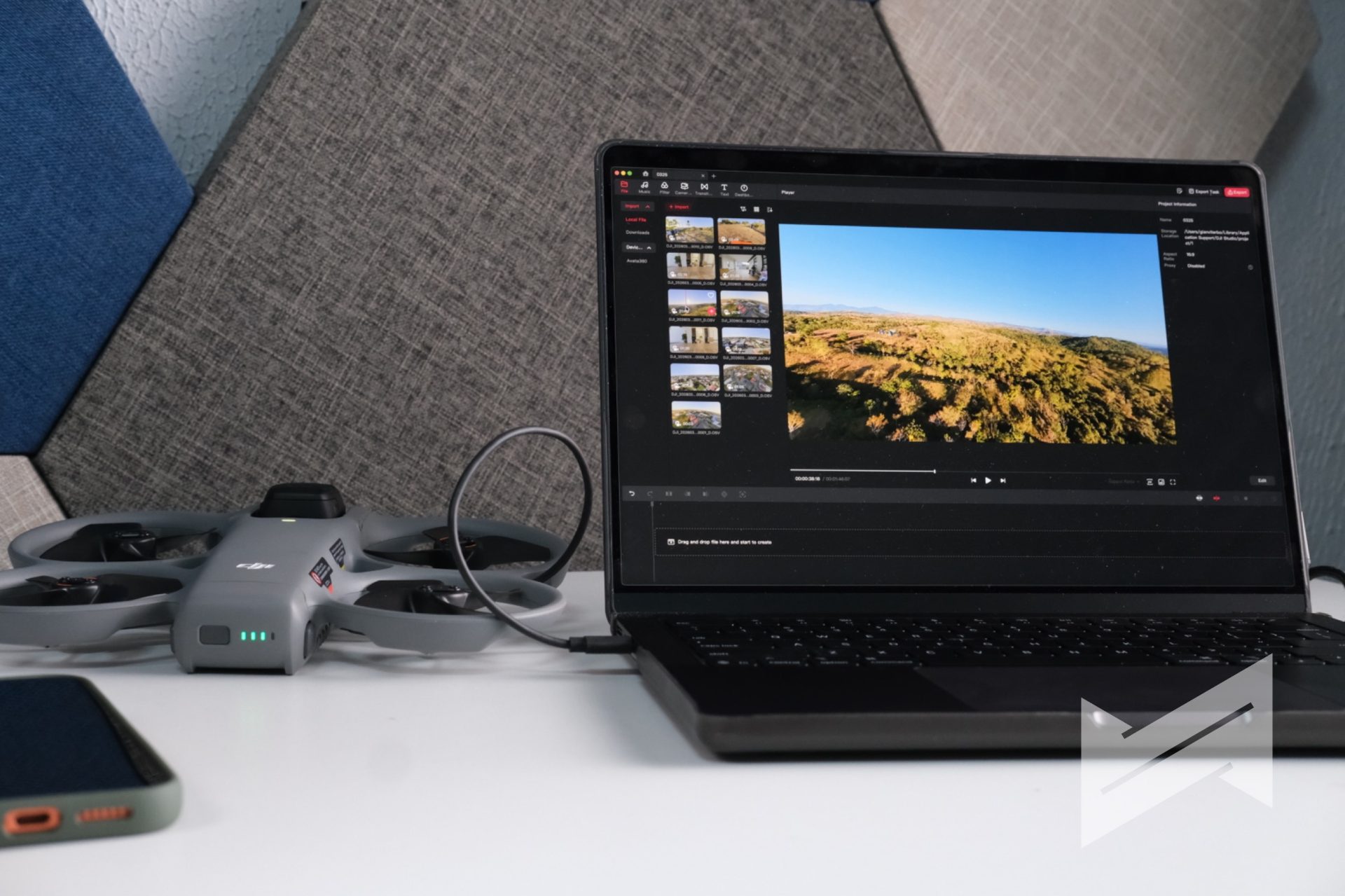
The Virtual Gimbal uses the full 360° capture to support infinite roll and tilt, allowing editors to create Inception-style rotations, “tiny planet” effects, tunnel views, and dramatic perspective shifts from a single continuous flight. Through GyroFrame and one-tap editing in the DJI Fly app, users can select ideal angles and camera paths, adjust speed, and add motion effects directly on mobile, before taking more advanced edits into DJI Studio on desktop. For content creators who need to move quickly between platforms like YouTube, TikTok, and Reels, this 360-first workflow means one flight can yield multiple highly differentiated cuts.
Why Avata 360 matters for PH creators
DJI describes the Avata 360 as more than just another camera drone, characterizing it as a “creative director in the sky” that complements, rather than replaces, traditional Mavic or Air-style aircraft. It targets creators who prioritize efficiency and unique perspectives: short-form video storytellers, travel vloggers, solo shooters, and beginners who want the feeling of FPV flight without the steep technical barrier. In a content landscape where standing out requires distinctive visuals and repeatable workflows, the ability to capture a full 360° scene once and then endlessly remix it in post can be a significant competitive advantage.
In the Philippines, where dramatic landscapes, dense urban skylines, and fast-growing creator communities collide, the DJI Avata 360 arrives as a timely tool for pushing aerial storytelling further. With 8K 360 capture, O4+ transmission, omnidirectional obstacle sensing, and a beginner-friendly safety design, it offers local pilots a high-end yet approachable way to document “the world you’re in” from perspectives that were previously difficult or risky to achieve.
Check out our full review of the Avata 360 on this link.

Giancarlo Viterbo is a Filipino Technology Journalist, blogger and Editor of gadgetpilipinas.net, He is also a Geek, Dad and a Husband. He knows a lot about washing the dishes, doing some errands and following instructions from his boss on his day job. Follow him on twitter: @gianviterbo and @gadgetpilipinas.

Giancarlo Viterbo
Giancarlo Viterbo is a Filipino Technology Journalist, blogger and Editor of gadgetpilipinas.net, He is also a Geek, Dad and a Husband. He knows a lot about washing the dishes, doing some errands and following instructions from his boss on his day job. Follow him on twitter: @gianviterbo and @gadgetpilipinas.
View all articles →