









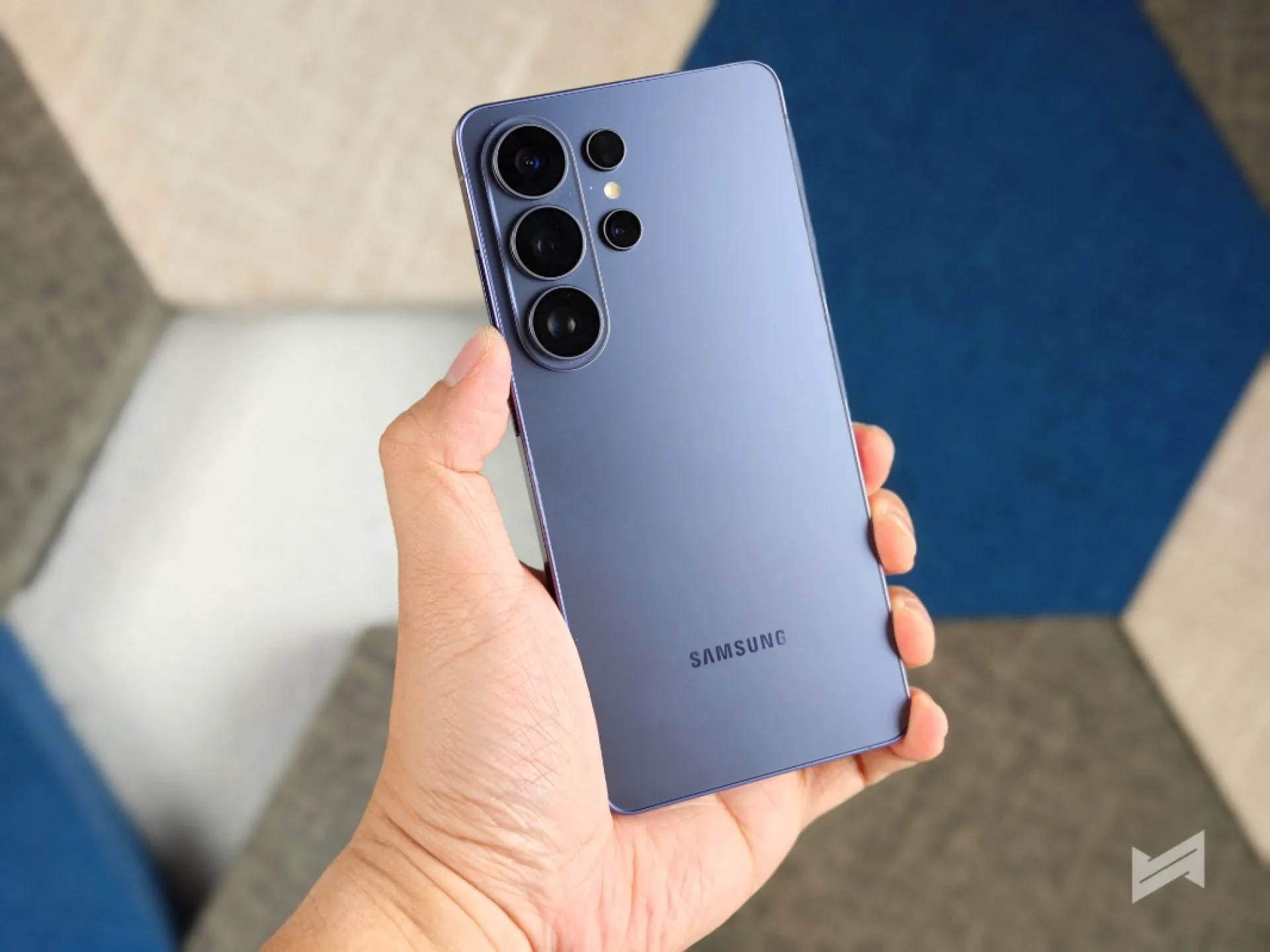
Samsung Galaxy S26 Ultra
Samsung’s Galaxy S26 Ultra is here, and it checks almost every box a flagship should. Better performance, a genuinely useful new display feature, improved cameras, and battery life that holds up well. It’s not a radical redesign, and Samsung didn’t try to be. But there’s enough here to make it one of the most complete Android flagships available right now.
Here’s our full review.
Build and Design
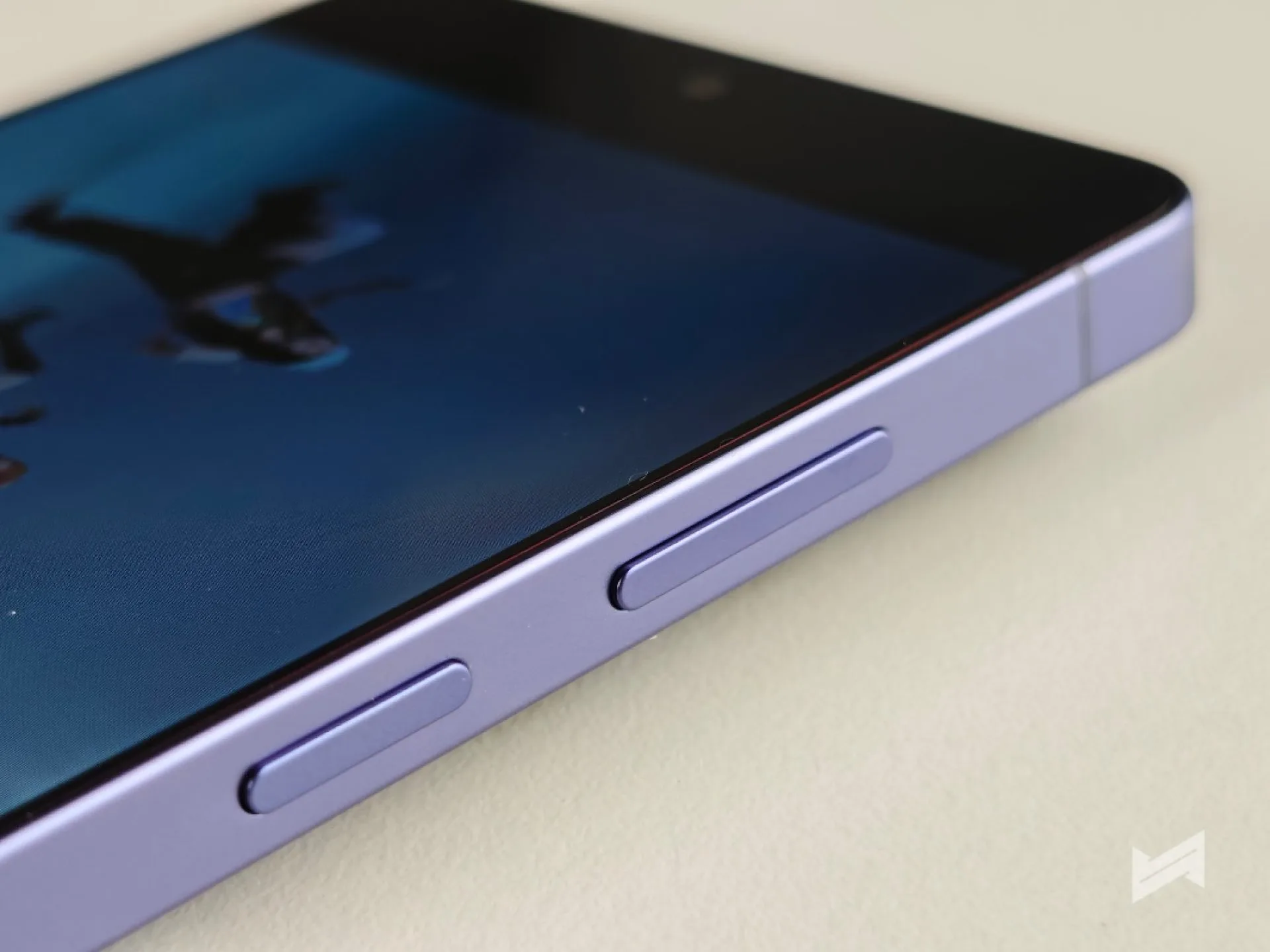
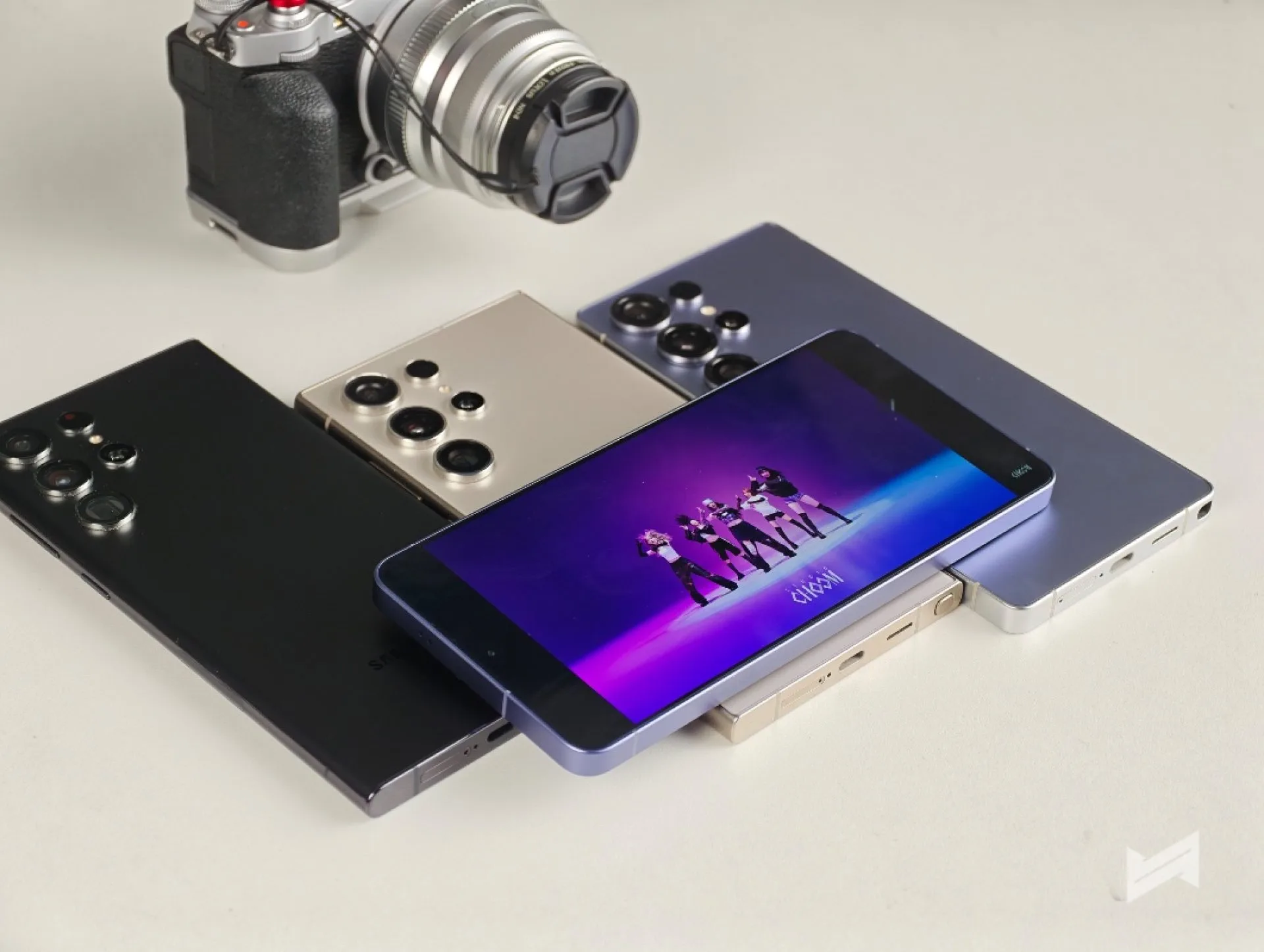
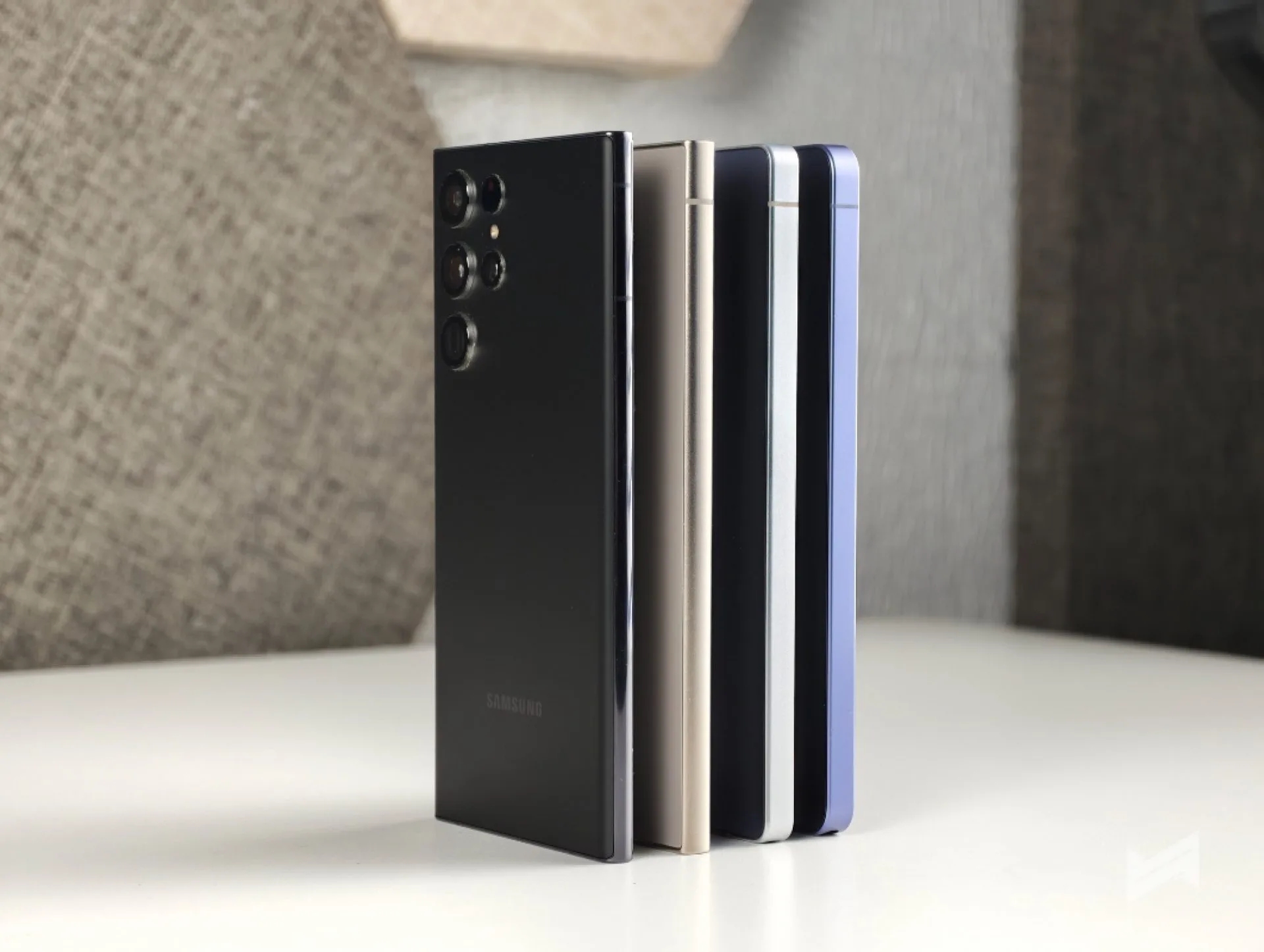
If you’ve been following the Galaxy S series since the S22 Ultra, the Galaxy S26 Ultra will look very familiar. Samsung has deliberately kept the same design language across the last few generations, and the Galaxy S26 Ultra is no different. Same flat display, same boxy titanium frame, same overall form factor.
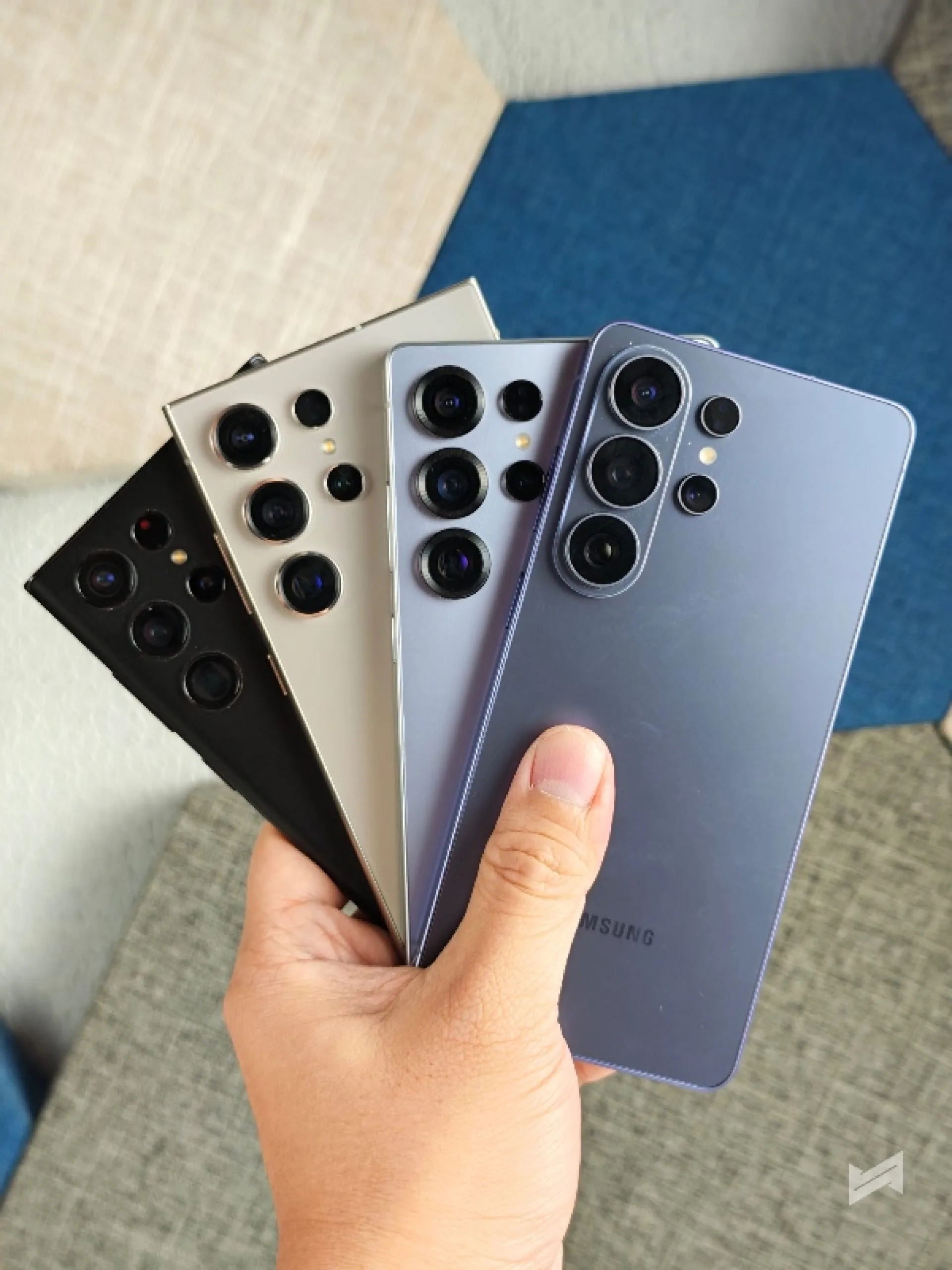
But the subtle changes are there if you look closely. The most notable one is the slightly curved edges. It’s a small tweak, but it makes a real difference in how the phone feels in the hand. It also affects how the S Pen sits in the silo and how it glides across the screen. Small change, big payoff.
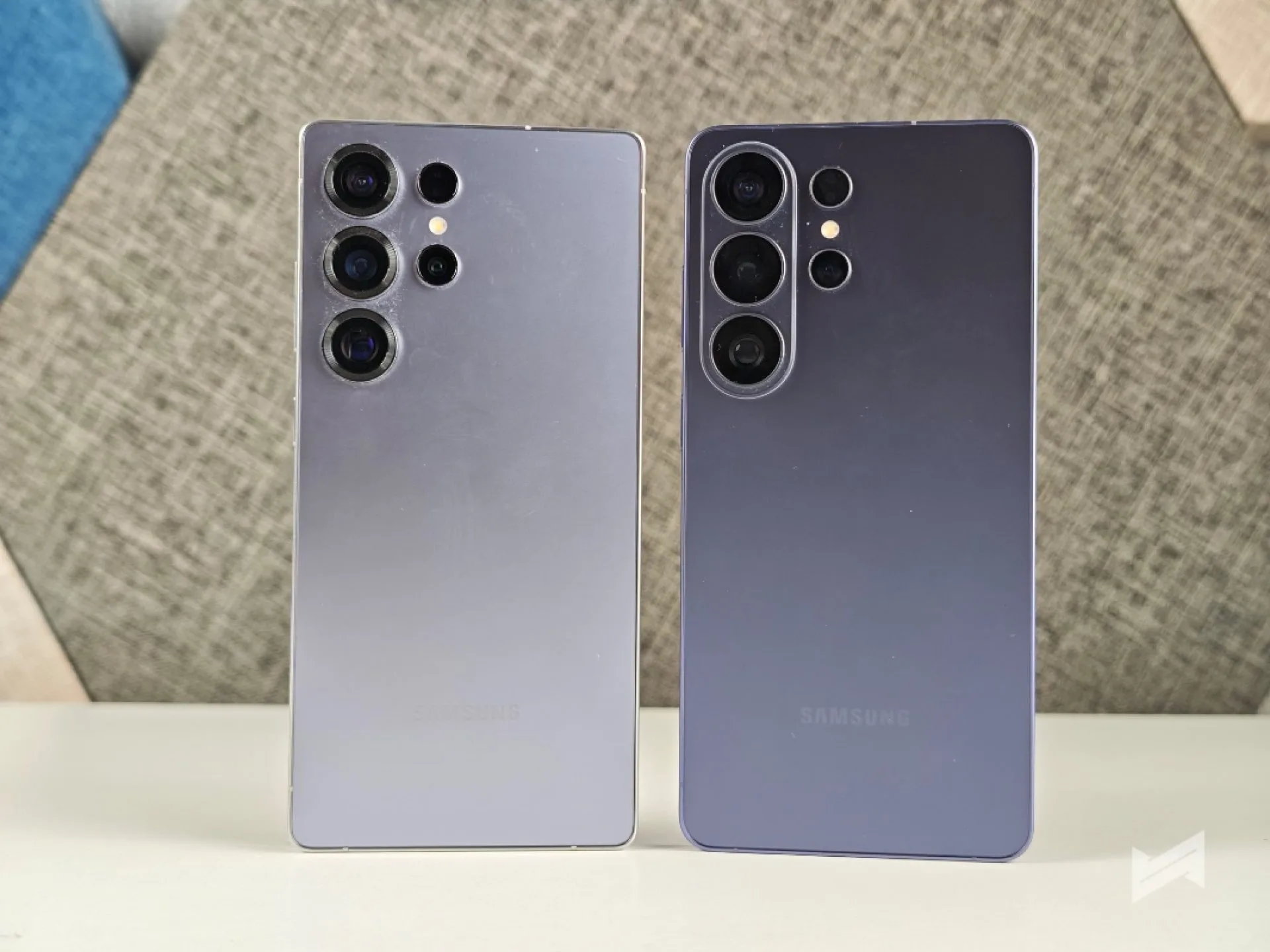
Build quality is top tier. The phone feels solid and premium in every way. Nothing rattles, nothing flexes. If you liked how the S25 Ultra felt, you’ll feel right at home here.
Display
This is where things get interesting. The Galaxy S26 Ultra still uses a 6.9-inch Dynamic AMOLED 2X panel with QHD+ resolution and up to 120Hz adaptive refresh. On paper, not much has changed. In practice, though, there’s one major addition that changes the experience: Privacy Display.
This isn’t a software trick or a filter. It’s a hardware-level implementation powered by Samsung’s Flex Magic Display technology. When turned on, the screen looks completely normal to you but becomes nearly unreadable to anyone looking from the side. It works exactly like those privacy screen protectors you buy separately, but built right into the display.
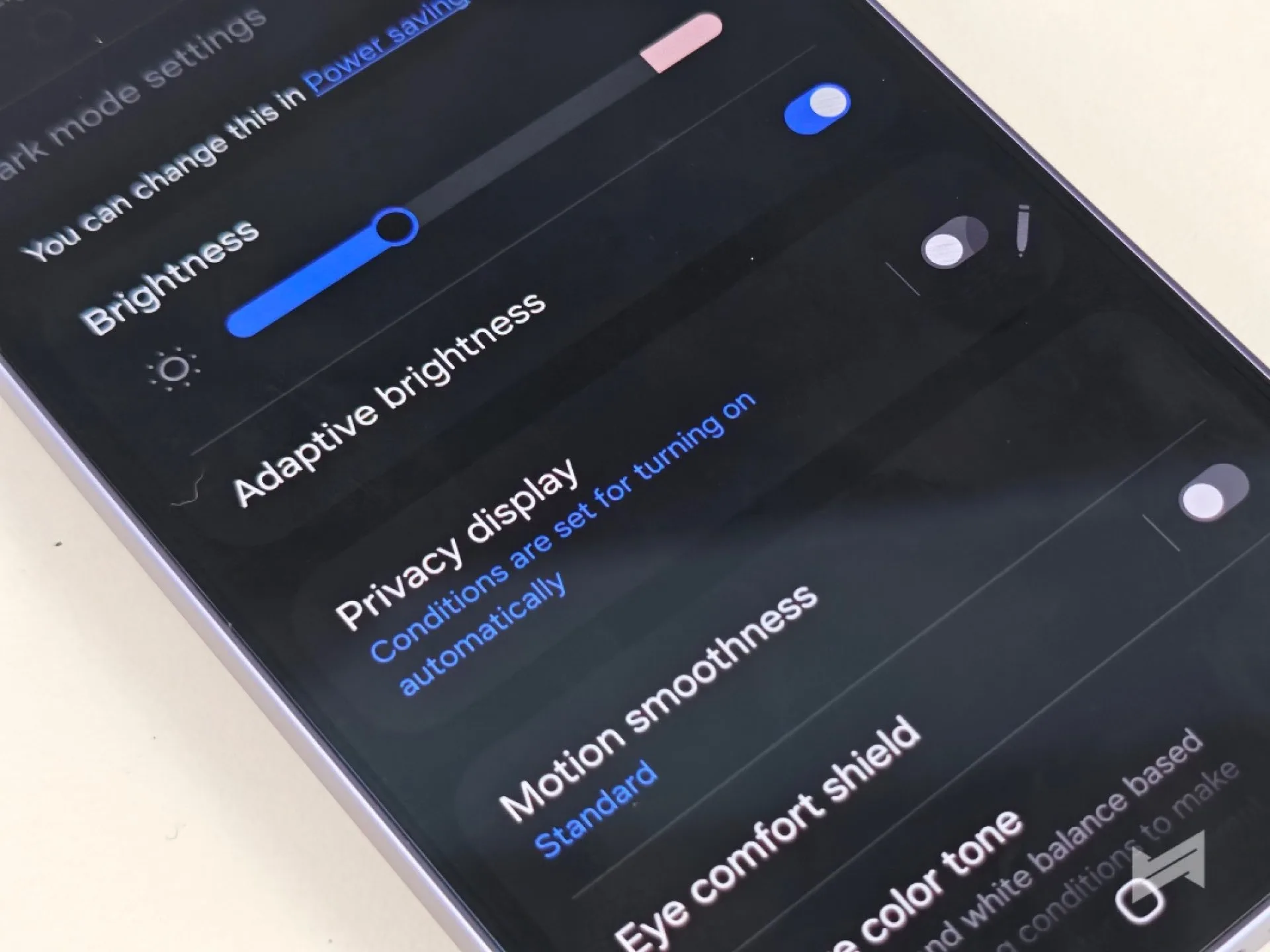
You can enable it globally, per app, or even for notifications only. So if you want your messages hidden but your YouTube scrolling visible, that’s possible. We tested it independently, and it works exactly as advertised. Could it be refined further? Yes. But as a first-generation hardware privacy feature, this is genuinely impressive. Other brands will definitely follow suit.
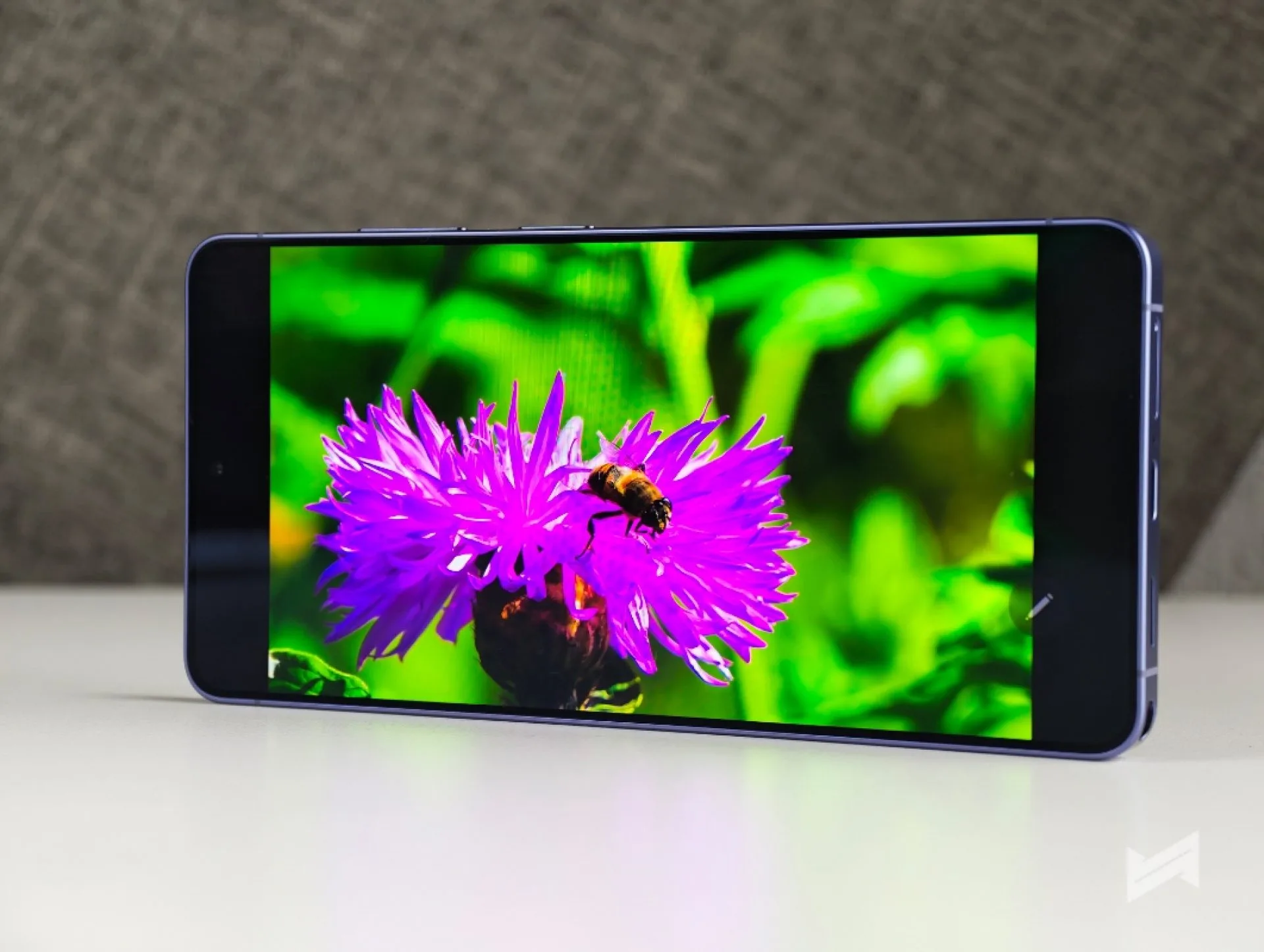
There is one tradeoff worth mentioning. Based on our independent testing, the Galaxuy S26 Ultra’s anti-reflective properties are slightly weaker compared to the S25 Ultra. Outdoor visibility in direct sunlight takes a small hit. It’s not a dealbreaker, but if anti-glare was something you valued on the S25 Ultra, you’ll notice the difference. It’s an acceptable trade for Privacy Display, but it’s worth knowing.
Hardware
The Galaxy S26 Ultra runs on the Snapdragon 8 Elite Gen 5, tuned specifically for Galaxy. Looking at our benchmark results, the numbers speak for themselves. In Geekbench 6 Multi-Core, it scored 10,323, which lands above the Xiaomi 17 Ultra’s 10,203 and well above the Galaxy S25 Ultra’s 9,556. In the AnTuTu 3D Benchmark, it hit 3,488,397, again placing it near the top alongside the Xiaomi 17 Ultra’s 3,502,553.
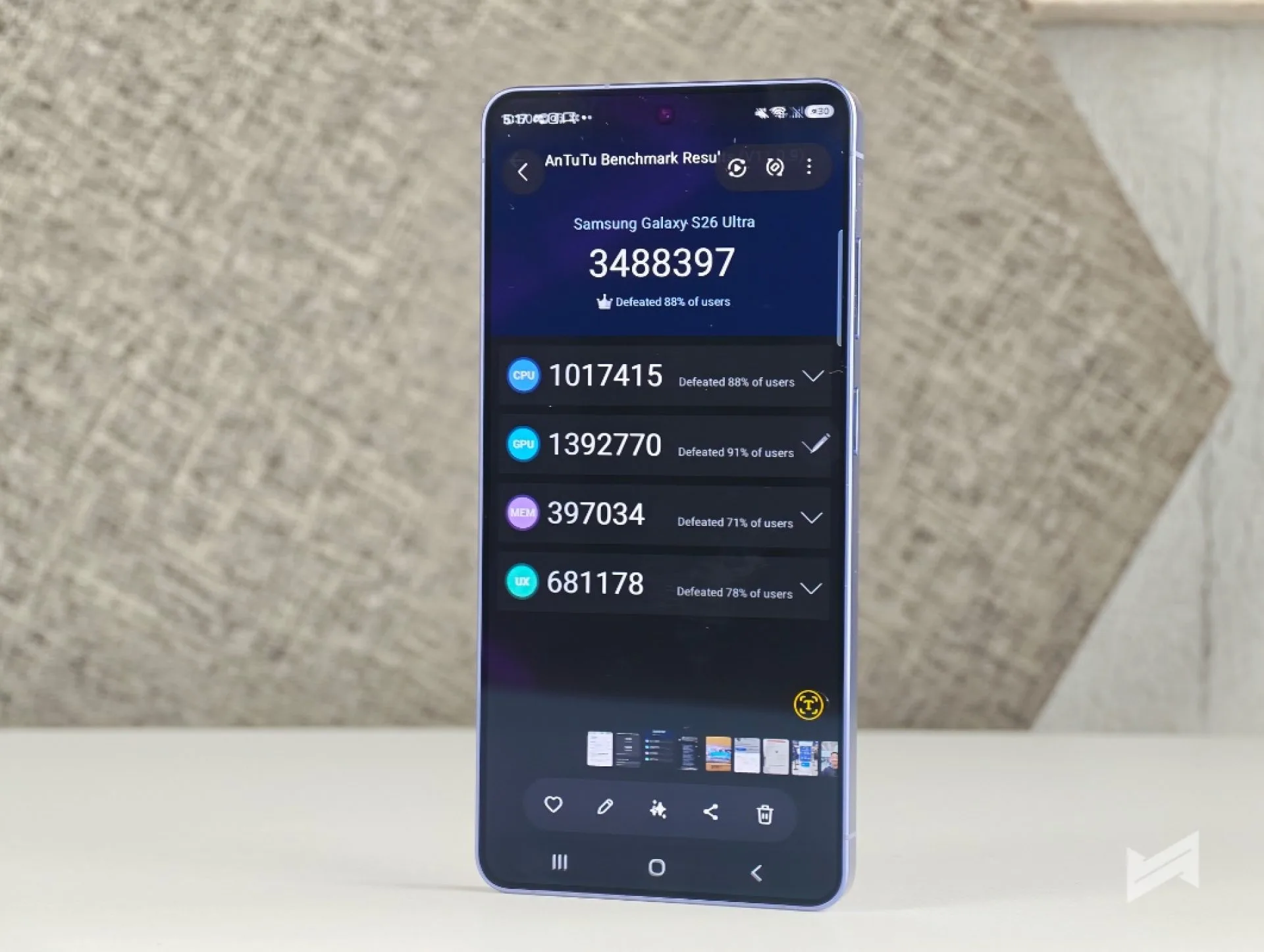
GPU performance is where it really shines. In 3DMark Wild Life Extreme, the Galaxy S26 Ultra scored 7,517, which is the highest among all the devices we tested in this round, beating the OPPO Find X9’s 6,728 and the Galaxy S25 Ultra’s 6,375.
For PCMark 3.0 productivity, the Galaxy S26 Ultra scored 17,892, placing it just above the Xiaomi 17 Ultra. The ROG Phone 9 Pro still leads this category at 26,320, but that’s a dedicated gaming device with active cooling.
Single-core performance on Geekbench 6 came in at 2,848. That’s lower than the S25 Ultra’s 3,039, the Xiaomi 17 Ultra’s 3,441, and the iPhone 17 Pro Max’s 3,509. For most users this won’t matter day-to-day since multi-core performance governs most real-world tasks, but it’s a note worth keeping.
Bottom line: gaming and productivity performance is strong. If you’re coming from the S25 Ultra and performance is your only reason to upgrade, it’s hard to justify the jump. But as part of the full package, the performance here is absolutely solid.
Benchmark Summary
| Benchmark | Galaxy S26 Ultra | Galaxy S25 Ultra |
|---|---|---|
| Geekbench 6 Multi-Core | 10,323 | 9,556 |
| Geekbench 6 Single-Core | 2,848 | 3,039 |
| AnTuTu 3D | 3,488,397 | 2,328,783 |
| PCMark 3.0 | 17,892 | 21,153 |
| 3DMark Wild Life Extreme | 7,517 | 6,375 |
Software
The Galaxy S26 Ultra ships with One UI 6.1 with Samsung’s Galaxy AI features baked in. On top of the existing Now Brief, Samsung added Now Nudge, which surfaces upcoming tasks or schedules at the right time so you don’t miss them. It’s less about creating alerts and more about intelligent reminders that actually feel helpful.
Call Screening is another standout feature. The phone handles suspicious or unknown calls before they hit your queue, showing you a transcript so you can decide whether to answer or ignore. If you’re tired of spam calls, this one genuinely helps.
Photo Assist also got smarter. You can now use natural language prompts to edit images directly. Just type “make the sky bluer” or “remove the person on the left,” and the AI processes the change. It won’t replace professional editing apps, but for quick fixes and social media content, it works well.
Camera
The Galaxy S26 Ultra’s camera system remains one of the best in the business. It runs a 200MP main sensor, a 50MP ultra-wide, a 10MP 3x telephoto, and a 50MP 5x periscope telephoto with up to 10x Optical Quality zoom.
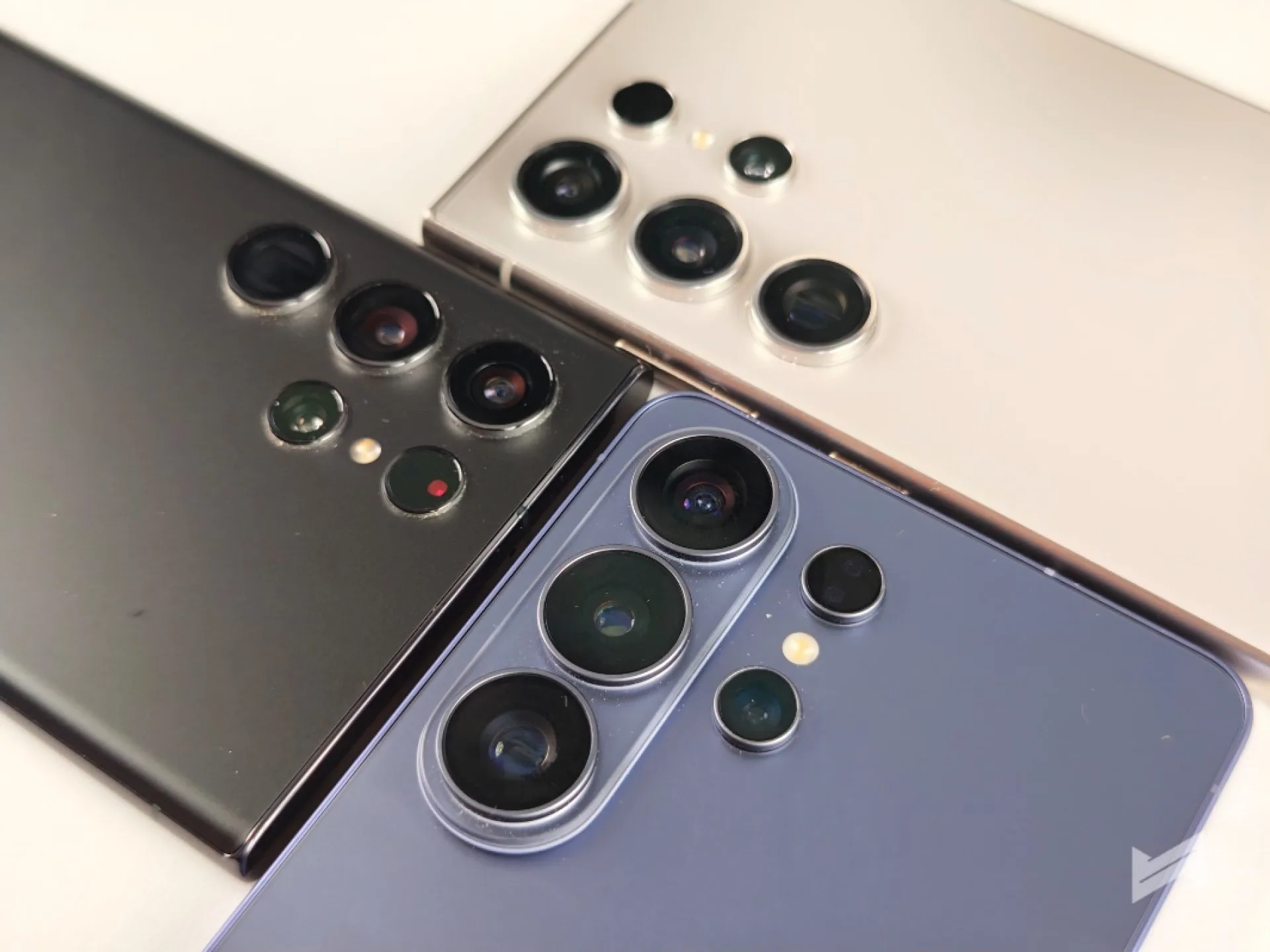
During myt recent trip to the US, the Galaxy S26 Ultra performed excellently across different scenarios. Landscape and cityscape shots came out sharp with accurate, natural colors. Dynamic range is impressive, especially in scenes with both bright skies and shaded foregrounds. The main sensor handles detail incredibly well, and zooming in on crops from 200MP shots reveals texture that most phones simply can’t match.
Portrait shots showed natural edge detection with good background separation. Skin tones are well-balanced without looking overly processed. Moving subjects in good lighting stayed sharp without much hunting from the autofocus.
The telephoto performance is where the Galaxy S26 Ultra separates itself. The 5x periscope gets you close to subjects cleanly, and the “Optical Quality 10x” processing holds up well. Concert shots, in particular, benefited from this. You can stand at the back of the venue and still get frame-worthy shots of the performers on stage.
Low light performance is improved as well. Night mode photos show less noise and better color accuracy compared to the S25 Ultra. The new video nightography improvements also make a real difference for low-light video recording. SuperSteady mode and the new horizon lock ensure stable, level footage even when you’re moving around in a crowd.
If you shoot a lot of travel content, events, or concerts, the Galaxy S26 Ultra is still the best Android camera phone you can get right now.
Audio
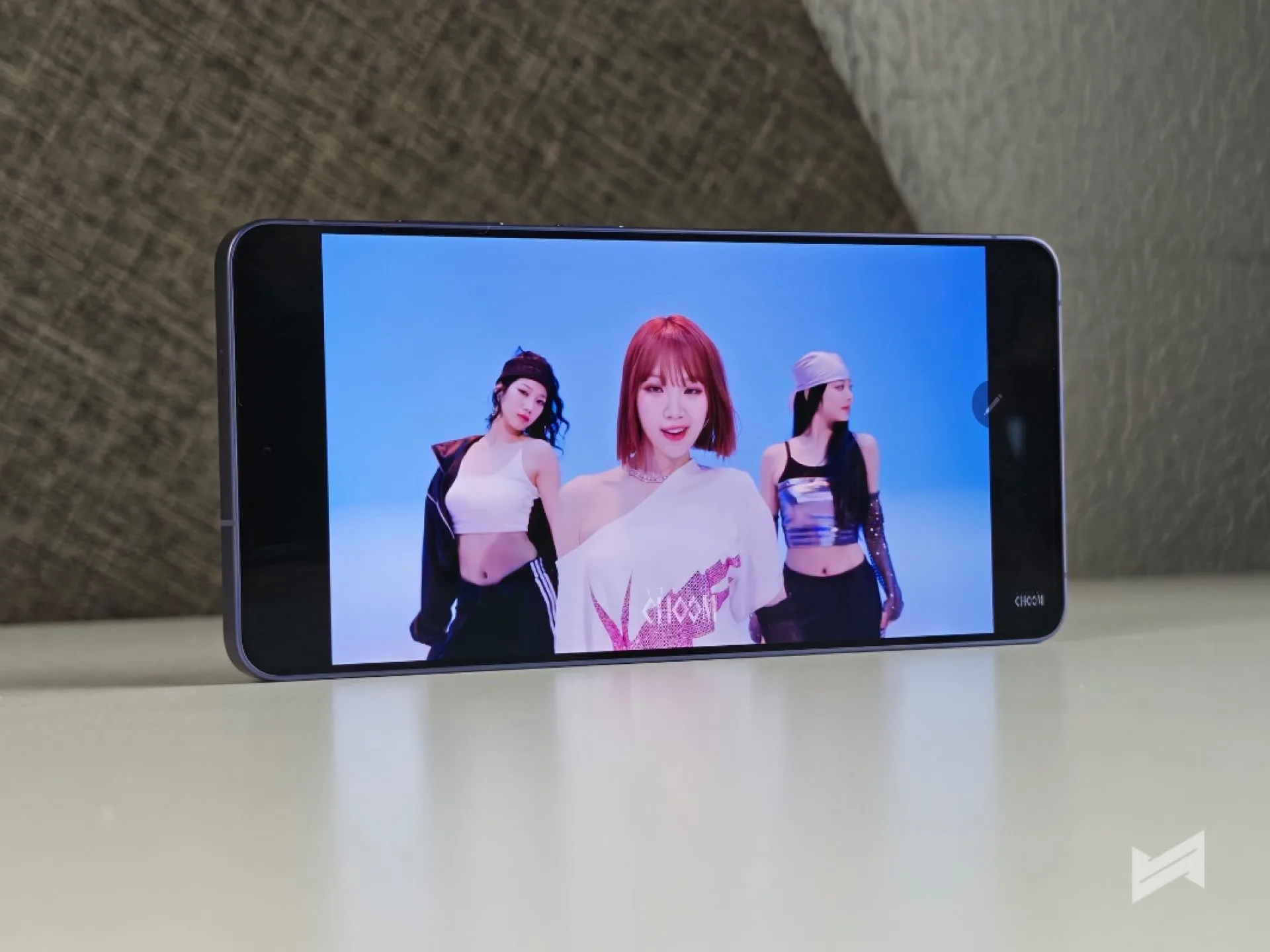
The stereo speaker setup on the Galaxy S26 Ultra is loud and clear. It handles both music and videos well, with decent stereo separation for a flat speaker setup. Not much has changed here from the S25 Ultra, and that’s fine. It was already good, and it still is.
Battery
Battery capacity is still 5,000mAh, same as the Galaxy S25 Ultra. But real-world battery life feels slightly better. The Snapdragon 8 Elite Gen 5 is more efficient, and the display improvements also help. Day-to-day use with a mix of social media, photography, and video playback gets you comfortably through a full day with charge to spare. Charging with Super Fast Charging 3.0 is quick, and wireless charging is still on board.
Verdict
The Galaxy S26 Ultra is the most complete Galaxy S Ultra to date. Privacy Display alone is enough to make it stand out, and everything else, from the improved cameras to the better battery life and top-tier performance, backs it up well. The price increase is real and noticeable. Starting at ₱86,990 for the 256GB variant, this is not a casual purchase. But if you caught it during the pre-order window, you got a very good deal.
For Galaxy S23 Ultra or older users, upgrading is an easy yes. For S25 Ultra users, it depends on how much Privacy Display and the camera improvements matter to you. If those are compelling, go for it.
Samsung Galaxy S26 Ultra
Gadget PilipinasWhat we like
- Privacy Display is a genuine hardware innovation
- Best-in-class camera system, especially for zoom and low light
- Strong multi-core and GPU benchmark performance
- Slightly better battery life despite same capacity
- Horizon lock and improved SuperSteady for video
- Now Nudge and Call Screening are genuinely useful AI features
Could improve
- Single-core performance slightly lower than Galaxy S25 Ultra
- Anti-reflective coating is weaker than previous generation
- Price increase across all storage tiers
- Design is nearly identical to Galaxy S25 Ultra

Giancarlo Viterbo
Giancarlo Viterbo is a Filipino Technology Journalist, blogger and Editor of gadgetpilipinas.net, He is also a Geek, Dad and a Husband. He knows a lot about washing the dishes, doing some errands and following instructions from his boss on his day job. Follow him on twitter: @gianviterbo and @gadgetpilipinas.
View all articles →Related Reviews
 realme 16T 5G Review: An 8000mAh Battery With a Price
 OPPO Find X9 Ultra Review: The Camera Phone to Beat in the Philippines
 HP Smart Tank 580 Review: Affordable Everyday Printing Without the Cartridge Cycle
 DJI Osmo 360 II Review: A Small Price Bump for a Big Step Forward
 POCO F9 Ultra Review: The Flagship Killer Now Comes With a Subwoofer
 HONOR Magic V6 Review: A Foldable You Can Stop Babying