
The Outer Worlds 2 – Going beyond the first game
Last week, at TGS 2025, I sat down with some of the developers of Obsidian Entertainment focused on The Outer Worlds 2. I learned quite a number of things about their development process, and the changes they have made that makes the game even more interesting than the first game.
In the universe of The Outer Worlds 2, Obsidian Entertainment doesn’t just present another sprawling RPG for fans of player choice. They dive deeper, challenging and expanding what agency means in an interactive world where consequences linger and unique experiences emerge around every corner. The result is a game that resonates far beyond simple branching pathways, placing genuine narrative depth and personal impact at the heart of its design.
From the outset, Game Director Brandon Adler and Design Director Matt Singh emphasize that the sequel stands apart both as a fresh entrypoint and as a masterful expansion of the series’ core philosophy. New players aren’t required to have experienced the original, as The Outer Worlds 2 is set in a distinct star system, introducing unfamiliar factions, uncharted politics, and a diverse cast.
Personal Storytelling and accessibility
Accessibility stands as a pillar, whether in difficulty modes, third-person gameplay, or motion sickness adjustments. Yet beneath these quality-of-life features lies a game structure intent on letting players build out truly personal stories, supported by comprehensive tutorialization and broad character builds. There are no “wrong” choices—only different paths to explore, each uniquely rewarding and authentically reactive. This is particularly important for me because I always thought of The Outer Worlds as a sandbox RPG, and it seems that the second game will live up to its core of being one.
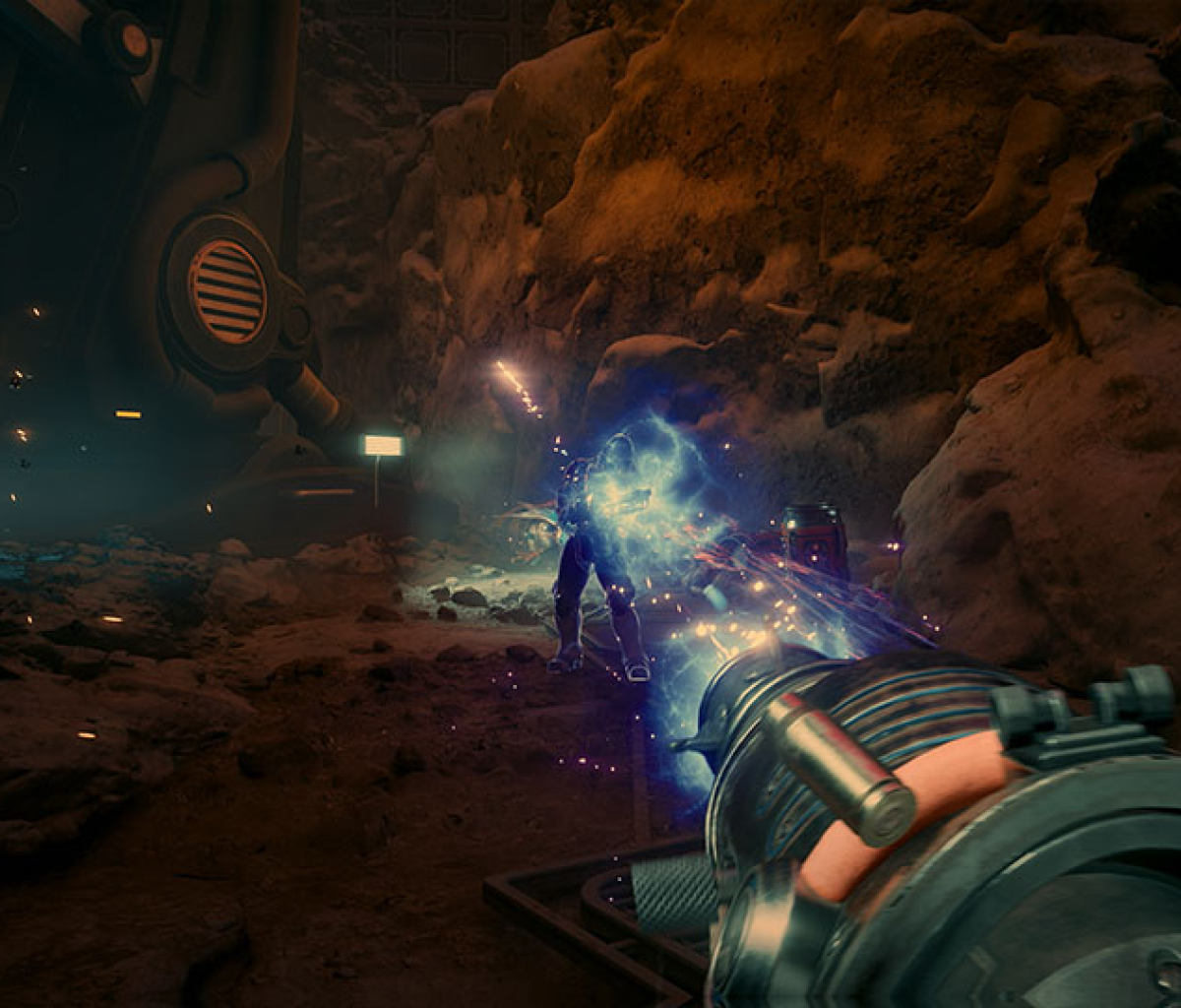
This focus on personal storytelling is woven through every aspect of The Outer Worlds 2. Choices are more than dichotomous decisions: they are the threads that tie together a living world. Adler explains that when a player’s actions create chaos (like “accidentally” shooting triggers factional fallout) the game rolls forward, embracing the emergent consequences. Rather than backtracking or punishing, the narrative adapts, making space for a more distinct outcome. Singh elaborates on the replayability, explaining that different character builds, be it a persuasive diplomat, a fearless leader, or a rogue combatant, shape the player’s approach to situations and the world’s reactions. The game doesn’t funnel players towards “optimal” outcomes. Instead, success is defined by the journey itself, often leading to a story that feels wholly unique and deeply personal.
Beyond Choice-driven Mechanics
The Outer Worlds 2’s advancements don’t stop at choice-driven mechanics. The team has expanded its satirical undertones, a hallmark of the first game, by introducing fresh factions such as Aunties Choice, The Protectorate, and the Order of the Ascendant. These groups bring not just new philosophical viewpoints but also expanded opportunities for humor, conflict, and alliance. Inspired by Fallout: New Vegas, factions are omnipresent—always tugging at the player’s allegiances, competing for influence, and reacting singularly to the protagonist’s decisions. This omnipresence amplifies the sense that every announcement, every allegiance shift, every betrayal adds another layer to the world’s evolving tapestry.
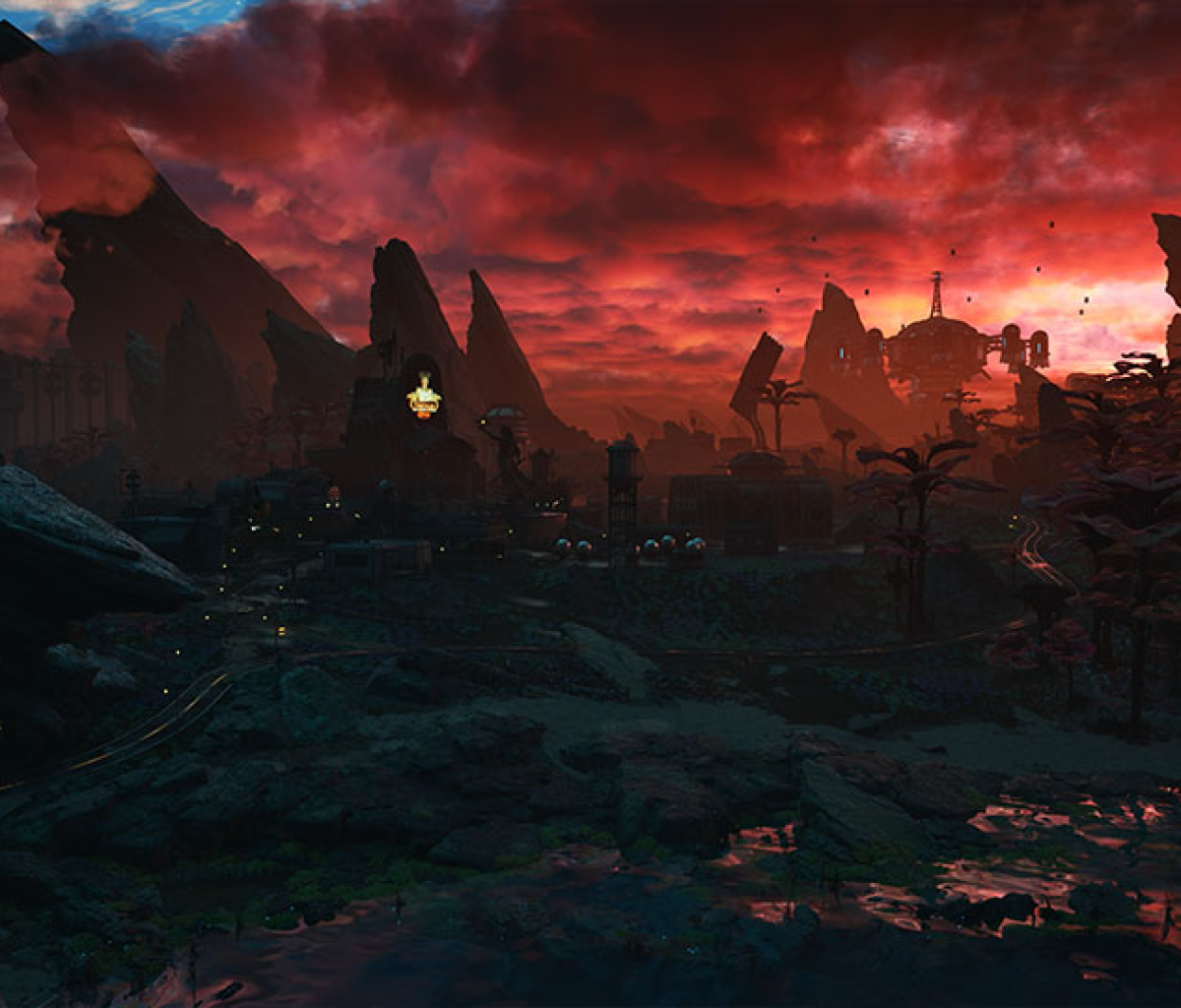
A significant innovation comes in the form of an in-game radio system. Each faction possesses its own station, with unique DJs, soundtracks, advertisements, and propaganda. These stations respond dynamically to the player’s choices, offering multiple perspectives on unfolding events, amplifying immersion and narrative resonance. For example, after solving a crisis at a facility, one faction’s media may hail the player as a hero, while another paints them as a villain. This ecosystem of evolving narrative feedback is a testament to Obsidian’s commitment to nuanced, player-driven storytelling. This reminds me of the dynamic announcements found in games like Helldivers 2 and Void Space.
Importantly, the design team has mastered the delicate balance between freedom and coherence. Singh notes the challenge: expanding player agency risks making the experience unwieldy or inconsistent. Their solution is rooted in a philosophy of meticulous interconnectivity. Every character, quest, and faction has their own motivations, reacting authentically to the player’s evolving reputation. Bringing a companion from one faction into the stronghold of another, for instance, can create friction and force real decisions that affect relationships and allegiances. The living web of interactions grows organically, often in response to developer playtests and feedback. When testers want to pursue an unplanned course of action, it often inspires the team to add that option, weaving more vitality into the game’s DNA.
The Evolution of RPG
Much of this depth is evident in systems frequently overlooked by casual players. The RPG layer boasts more than 90 perks, alongside a flaw system attentive to the player’s behaviors, offering opportunities to further shape a character’s development. Perks, backgrounds, and skills aren’t just numerical tweaks; they unlock choices both in dialogue and active gameplay, from hacking consoles to creative explosive solutions. Singh and Adler want players to feel that every selection, whether a combat specialization or a particular personality trait, creates noticeably different narratives and gameplay interactions.
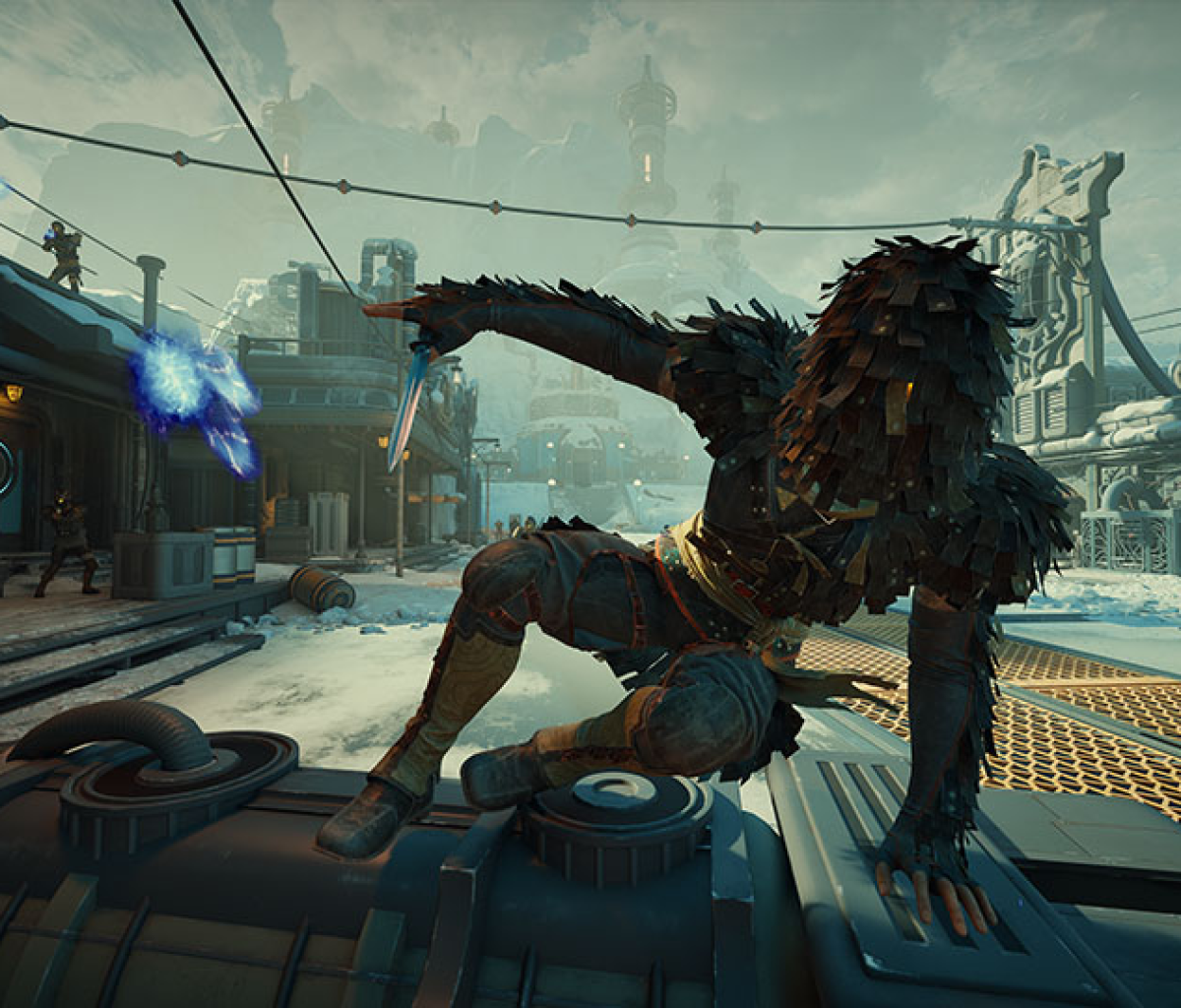
Yet, the thrill of discovery is left intentionally intact. Not every branch or secret is meant to be experienced in a single playthrough. Singh argues that this is the very magic of their games. Players compare stories, swapped anecdotes reveal missed opportunities, and mystery fuels replayability. Sometimes developers have to prune the design tree, letting go of certain planned content to reinforce narrative focus.
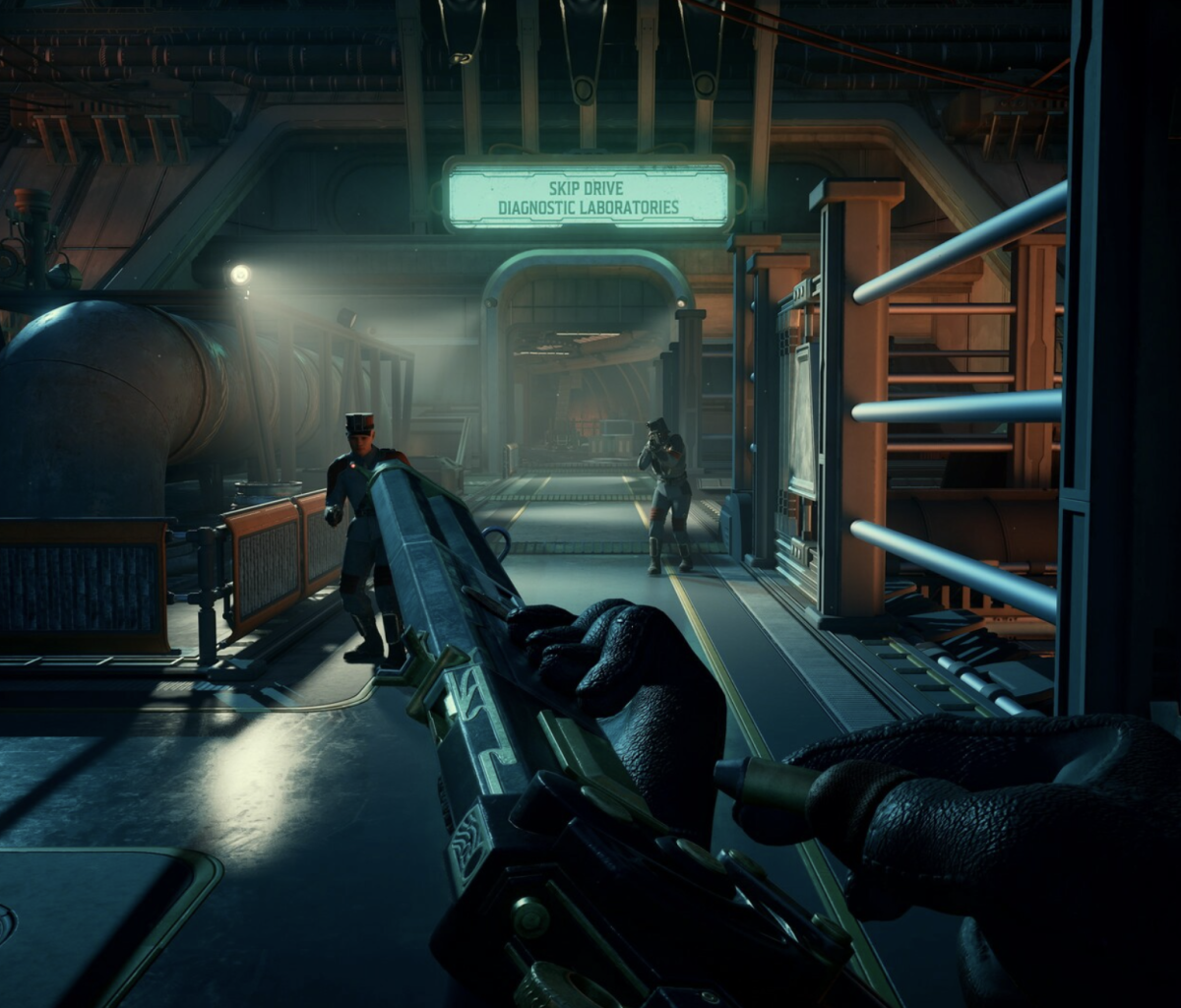
Loot and progression systems similarly support the ethos of unbounded agency. Instead of arbitrary level locks or heavy scaling, rewards are tied to challenge and exploration. You are rewarded for your valor and sense of adventure. The developers communicate critical information through the radio and in-game cues but ultimately leave risk-taking squarely in the player’s hands.
Hardware optimization hits all platforms
Optimization and platform support further bolster accessibility. Obsidian aims for nothing less than universal reach, supporting Steam Deck, ROG Ally, consoles, and the cloud, with technologies like FSR 3 (and probably FSR 4) and DLSS enhancing performance across devices.

Perhaps the greatest lesson Adler and Singh drew from the first game is the significance of meaningful, exclusive experiences. Rather than seeing individual, unique play styles as a problem, they celebrate the diversity. By surfacing options that weren’t chosen, such as skill checks in dialogue, players are reminded of the breadth available, nudging curiosity and encouraging a second, third, or fourth playthrough.
The Outer Worlds 2 will be this October 29, 2025 on Xbox Series X/S, Xbox Game Pass, Windows, Steam, PS5, and BattleNet.

Giancarlo Viterbo is a Filipino Technology Journalist, blogger and Editor of gadgetpilipinas.net, He is also a Geek, Dad and a Husband. He knows a lot about washing the dishes, doing some errands and following instructions from his boss on his day job. Follow him on twitter: @gianviterbo and @gadgetpilipinas.