

A University of the Philippines Diliman student has won the James Dyson Award for developing a solar-powered solution that could revitalize the Philippine salt industry and empower coastal communities. John Carlo Luna Reyes’ invention, SolAsin, offers a breakthrough in sustainable salt production, addressing both economic challenges and environmental concerns in a single compact device.
What Problem Does SolAsin Address?
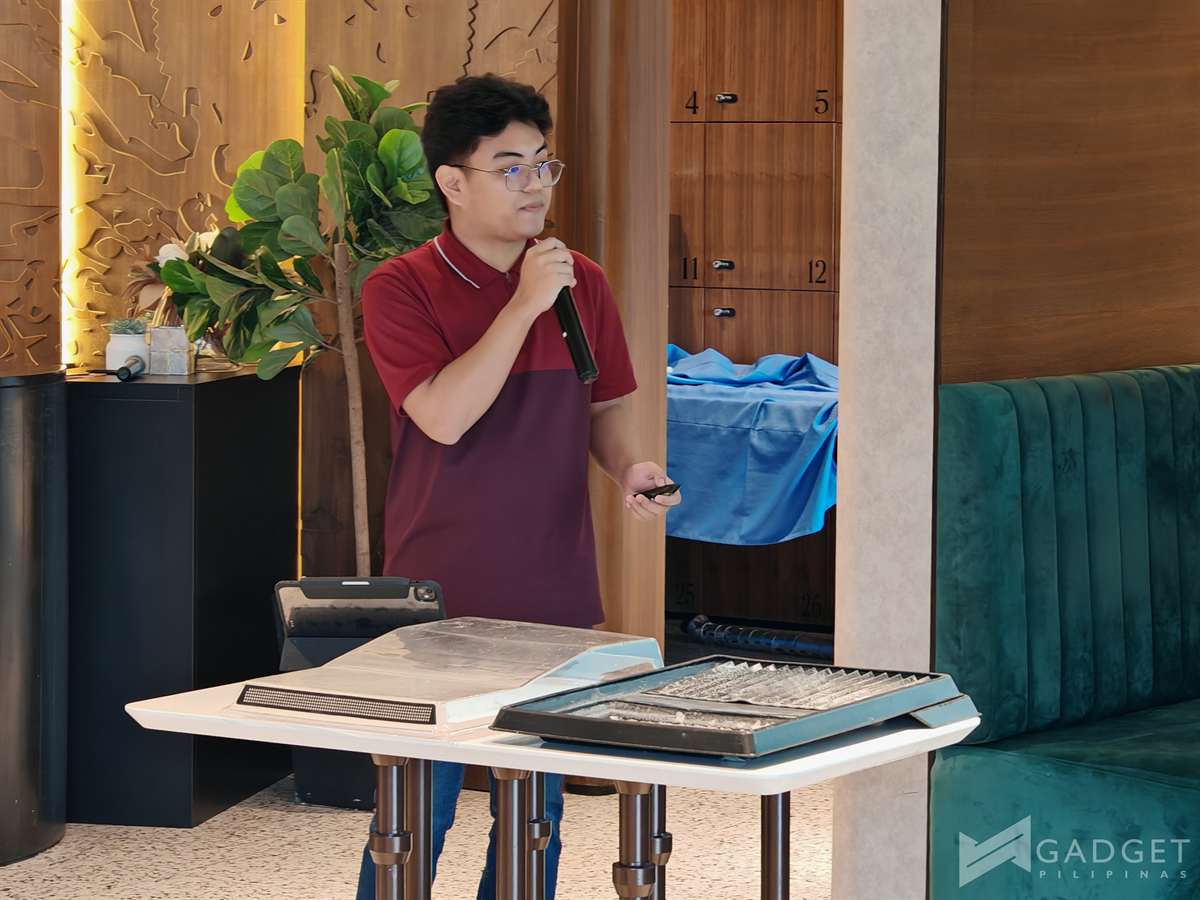
John Carlo Luna Reyes, an industrial design student from UP Diliman, won the Philippine national title at the 20th James Dyson Award for his innovative solution called SolAsin. His invention addresses a pressing issue facing Filipino coastal communities: the dramatic decline of the once-thriving local salt industry.
The numbers reveal a stark reality about the Philippine salt industry’s deterioration. Even with abundant coastlines and a rich history of salt production, the Philippines now imports 93% of its salt needs. This dramatic shift represents more than just economic statistics—it reflects the loss of a traditional livelihood that once sustained countless coastal families.
Multiple factors have contributed to this decline over the years. Climate change has disrupted traditional salt-making patterns, while limited technological advances have left local producers struggling to compete. The lack of consistent government support, combined with urbanization and coastal development projects, has further eroded the industry’s foundation.
Perhaps most concerning is the waning interest among younger generations, who increasingly turn away from what their ancestors once considered a vital profession.
How Does SolAsin Revolutionize Traditional Salt Production?
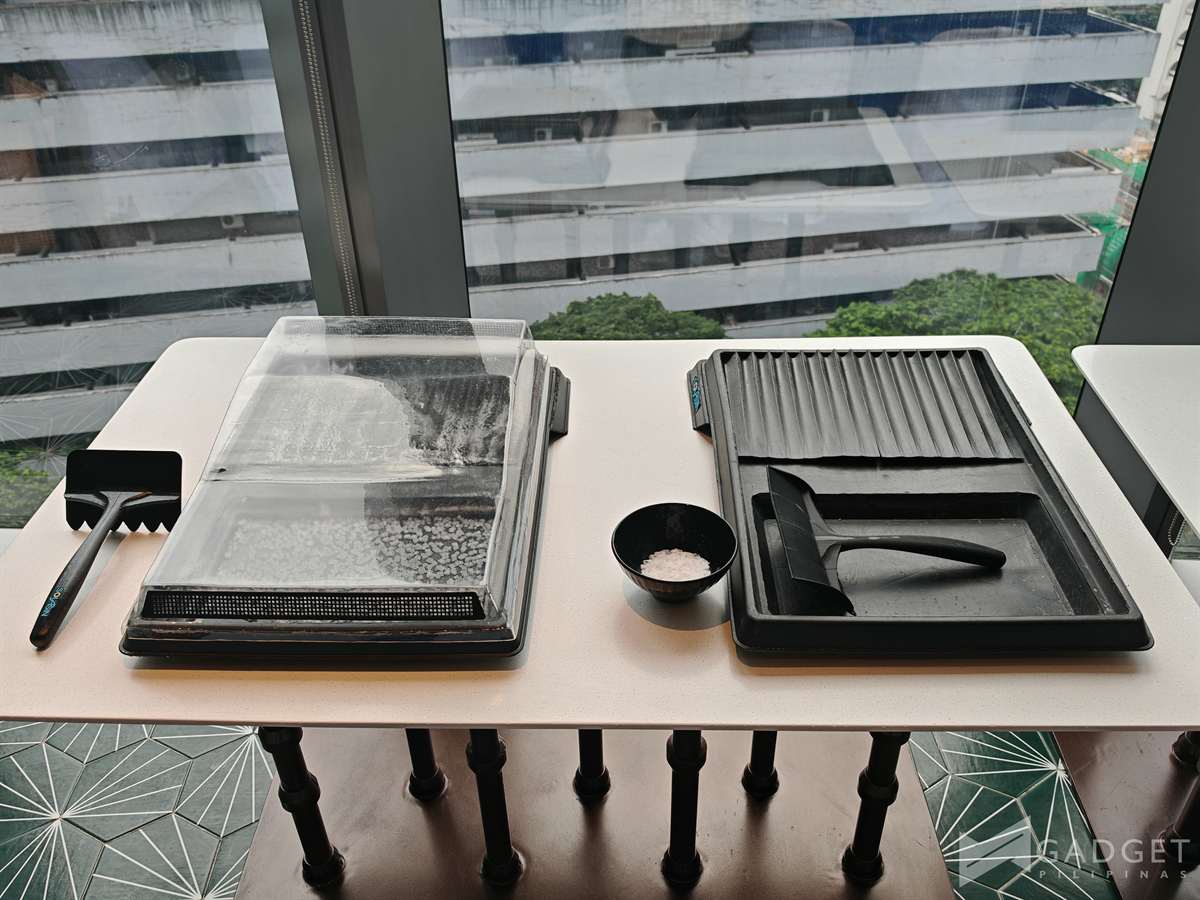
SolAsin is a fundamental shift from traditional salt-making methods that required vast land areas and significant capital investment. Reyes designed his invention as a compact, sustainable unit that harnesses solar energy to produce high-value flaky salt using nothing more than filtered seawater and sunlight.
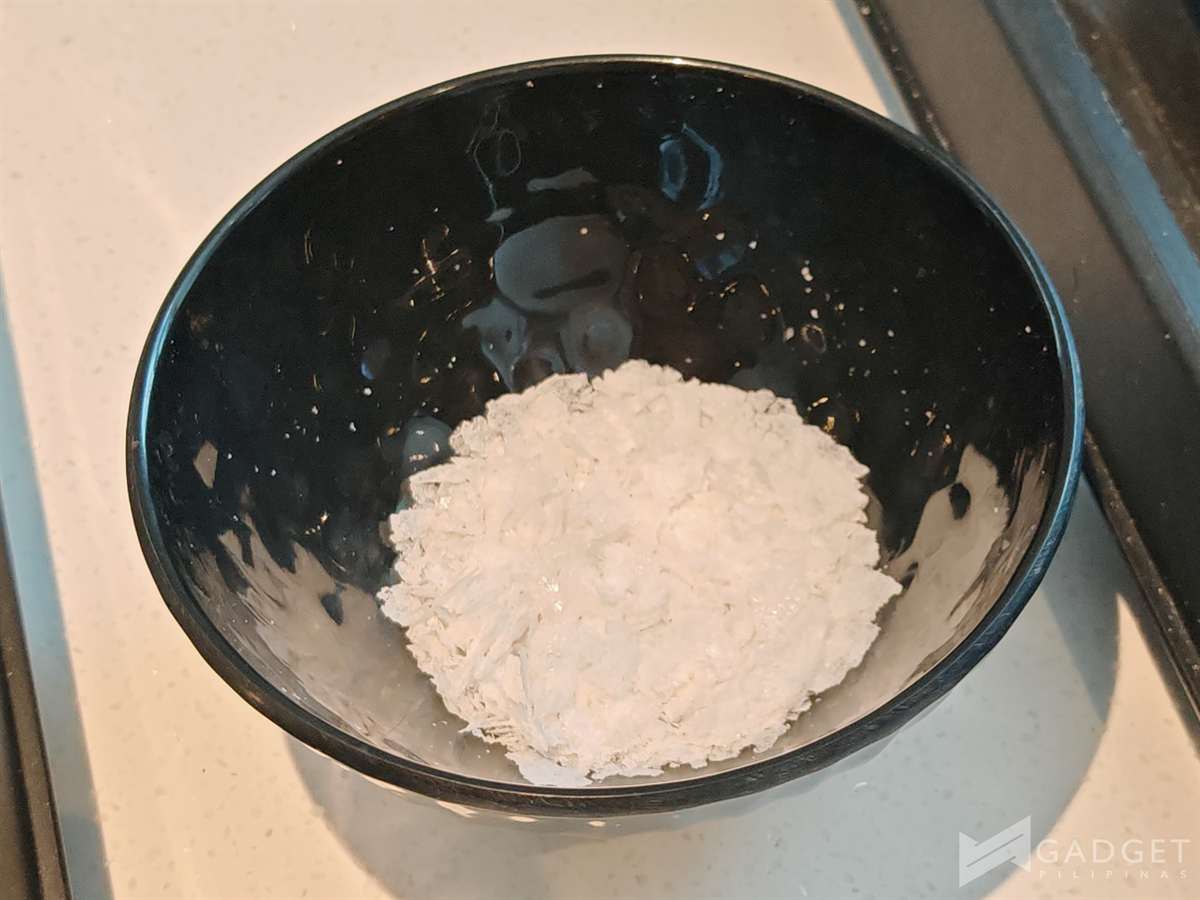
The beauty of SolAsin lies in its simplicity and accessibility. Unlike conventional salt beds that demand extensive infrastructure and ongoing maintenance costs, this innovative system requires only occasional remixing during the production process. The end product is premium flaky salt, a variant that commands higher market prices and can be sold in smaller quantities to local restaurants, hotels, and tourists.

Reyes drew inspiration from his hometown of Pangasinan, whose name literally translates to “a place where salt is made.” Growing up in this region gave him firsthand insight into the struggles facing coastal communities as they watched their traditional industries fade away.
What Makes This Solution Particularly Innovative?
The development process behind SolAsin involves thoughtful engineering and genuine community engagement. Reyes collaborated closely with coastal residents, local government officials, and the provincial environmental office throughout the design process to ensure that the final product would actually meet the needs of its intended users.
Through multiple prototypes and months of fieldwork, Reyes refined his design based on real-world feedback. This confirmed not only the system’s usability but also its potential for generating meaningful income for coastal families.
Dr. Jaine Cadoc-Reyes, one of the James Dyson Award Philippines National Judges, praised SolAsin for its “simplicity, scalability and social impact.” She noted that the invention represents “a brilliant example of how design can empower communities and revive local industries.”
Who Were the Other Philippine Winners?
Two other Filipino inventions earned recognition as national runners-up, both originating from Mindanao State University’s Iligan Institute of Technology.
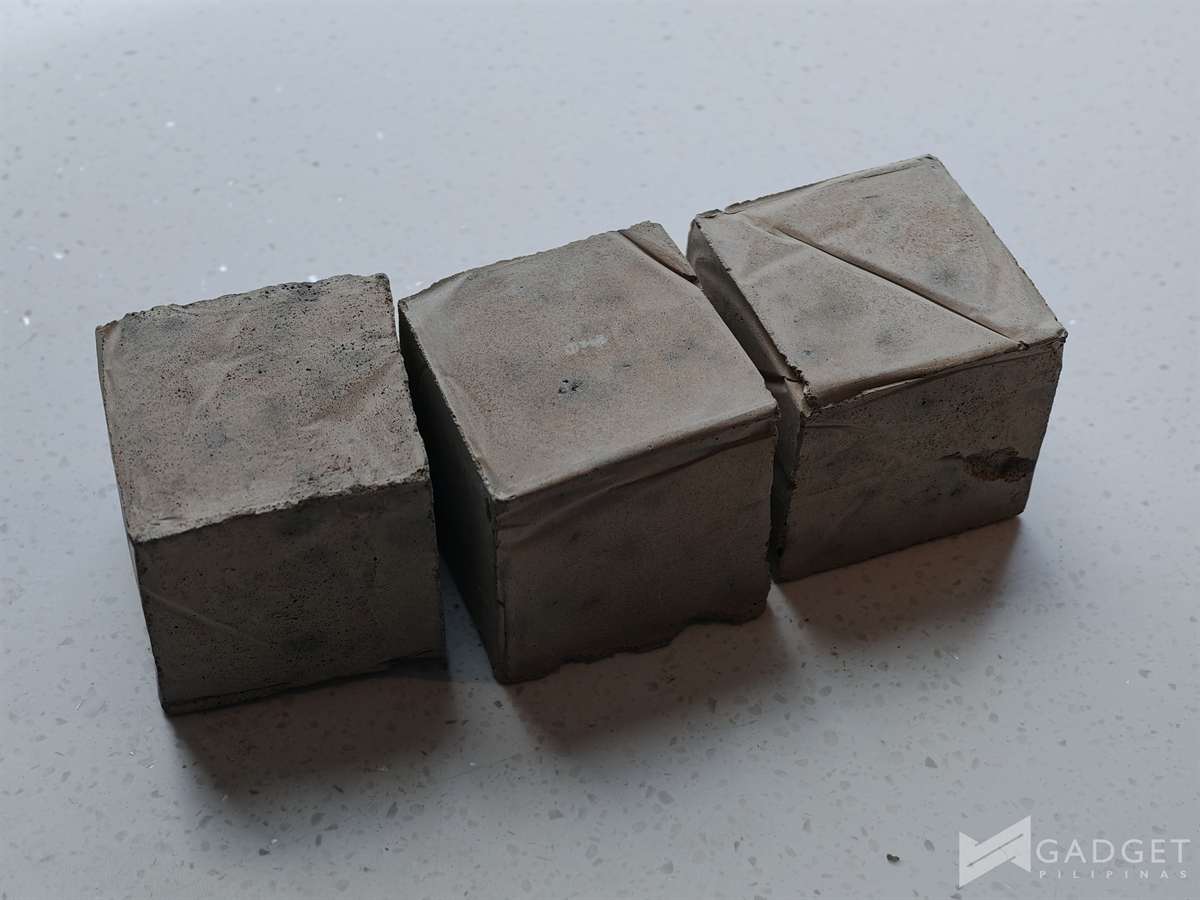
ChillWise addresses the challenge of cooling costs in a tropical climate where many homes and schools lack air conditioning due to high upfront costs and energy consumption. This passive cooling panel system combines lightweight foamed concrete with heat-storing materials and agricultural waste products like rice hull ash. The system can reduce energy use by up to 95% compared to conventional concrete while naturally regulating indoor temperatures without electricity.
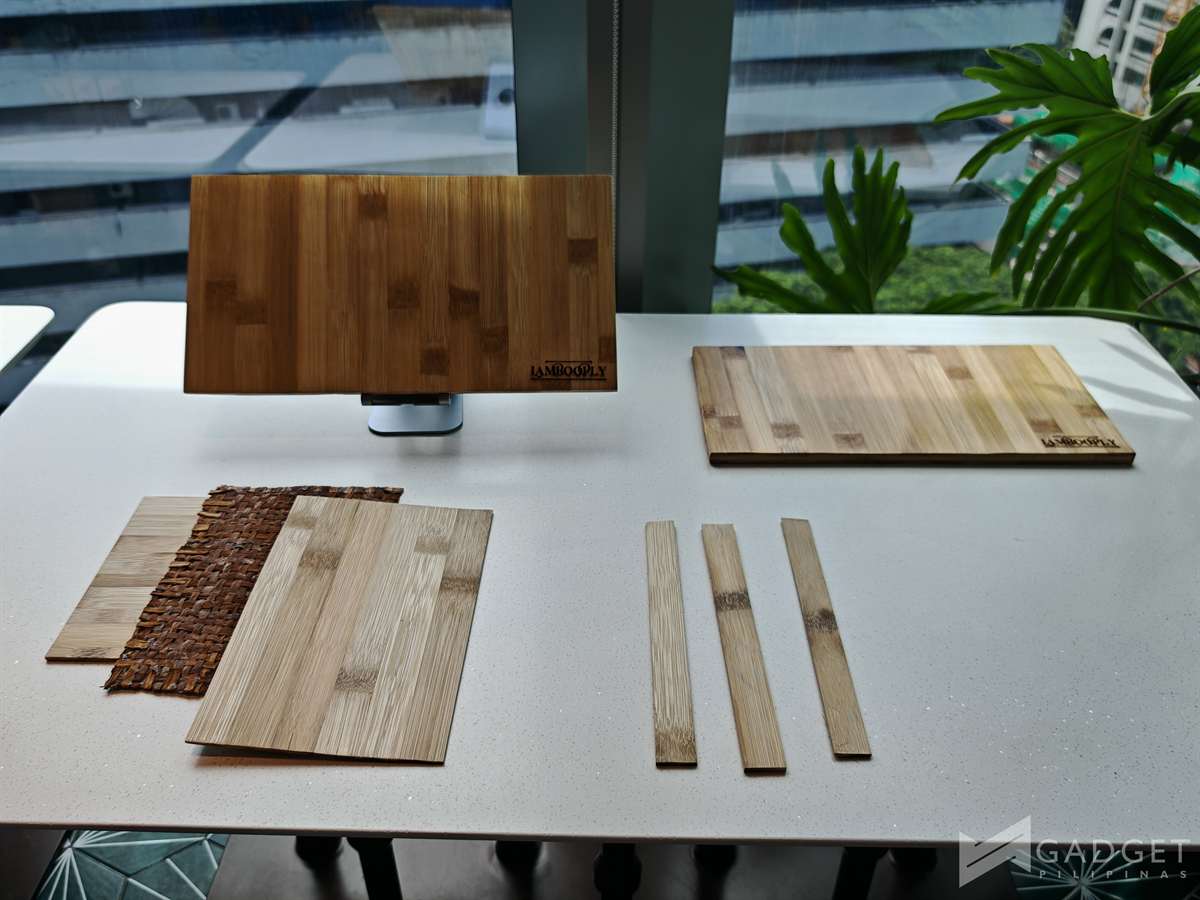
Lambooply tackles deforestation and the Philippines’ heavy reliance on imported wood by creating a composite material from bamboo and Lampakanay grass fibers. Using non-toxic adhesives, this eco-friendly alternative offers strength and stability for various construction applications while utilizing abundant local resources that have been traditionally underused.
What’s Next for These Filipino Innovations?
All three Philippine inventions will advance to the international stage of the James Dyson Award, where they’ll compete for the global prize of PHP 2,168,000. The international Top 20 shortlist will be announced on October 15th, with global winners selected by James Dyson himself on November 5th.
Reyes plans to use his national prize money of PHP 361,300 to continue developing SolAsin, focusing on material improvements and preparation for mass production. His goal extends beyond personal achievement—he views this recognition as an opportunity to create lasting change for the communities that inspired his work.
The James Dyson Award, now in its 20th year, has supported more than 400 problem-solving inventions with over PHP 70 million in prize money across 28 countries and regions. For Reyes, this journey represents more than technical achievement.
As he explains, “This recognition is more than just a personal achievement—it is a win for the communities that inspired SolAsin. My goal has always been to design with and for the people, and this award gives me the opportunity to further develop the project so it can truly uplift local salt farmers.”

Emman has been writing technical and feature articles since 2010. Prior to this, he became one of the instructors at Asia Pacific College in 2008, and eventually landed a job as Business Analyst and Technical Writer at Integrated Open Source Solutions for almost 3 years.