



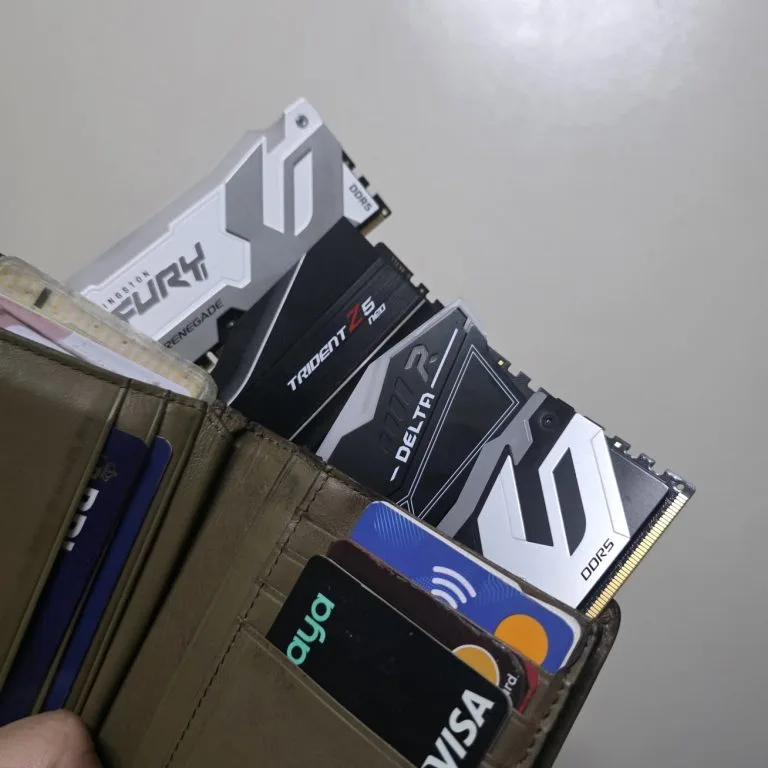
The ongoing AI-incuded memory shortage could become an even bigger problem in 2027, with manufacturers expected to release only around 30% of their 2026 RAM and NAND supply volume next year. The warning comes as AI companies continue to consume large amounts of RAM and storage for data center workloads, putting additional pressure on an already constrained memory market. For the consumer, this could translate to higher prices and more difficulty finding RAM and storage.
Memory Supply Could Become a Bigger Concern in 2027

According to Apacer CEO C.K. Chang, securing memory supply has now become a bigger operational concern than the rising cost of the components themselves. Chang expects memory manufacturers to release only about 30% of their 2026 supply volume in 2027, which could make the current shortage even more difficult for companies that rely on consumer memory. Apacer is already preparing for the situation by building inventory, holding around $383 million worth of inventory at the end of the first half of 2026.
The expected reduction does not necessarily mean memory manufacturers will suddenly cut production by 70%. Instead, the figure refers to the amount of 2026 supply that Chang expects manufacturers to release in 2027, highlighting just how tight the market could become. Several consumer electronics companies are already signing multi-year supply agreements to secure the memory they need ahead of further shortages.
AI Data Centers Are Taking Up More DRAM Capacity
The growing demand for AI infrastructure is one of the major factors behind the current situation. DigiTimes estimates that around 60% of global DRAM capacity is now allocated to server-related applications, including data centers, leaving less capacity for traditional consumer products. DDR5 RDIMM modules used in servers have also experienced some of the largest price increases, with further increases expected as demand remains strong.
AI and enterprise customers are willing to secure large amounts of memory despite higher prices, while demand from the consumer sector remains comparatively weak. As a result, manufacturers of PCs and other consumer devices could find it increasingly difficult to compete for the same supply.
Less and Expensive Options for Gamers
For PC gamers, the biggest concern is that RAM and storage could remain expensive while also becoming harder to find. Even if price increases eventually slow down, limited availability could still make it more difficult for manufacturers and retailers to maintain the same range of memory configurations, as we’re already seeing single 8GB sticks for DDR5 memory. This could also affect the cost and availability of new gaming PCs, laptops, consoles, handhelds, and other devices that rely on DRAM and NAND storage.
The situation could also push PC buyers to hold on to their existing systems for longer. While upgrading RAM or adding an SSD remains one of the simpler ways to improve a PC, higher component prices could make these upgrades less attractive in the short term. For now, the memory market appears to be heading into 2027 with supply remaining a bigger concern than demand from consumers.

Grant Soriano
Grant is a Financial Management graduate from UST. His passion for gadgets and tech crossed him over in the industry where he could apply his knowledge as an enthusiast and in-depth analytic skills as a Finance Major. His passion allows him to earn at the same time help Gadget Pilipinas' readers in making smart, value-based decisions and purchases with his reviews and guides.
View all articles →Related News
 JBL Brings New Audio Lineup to Philippine Market