




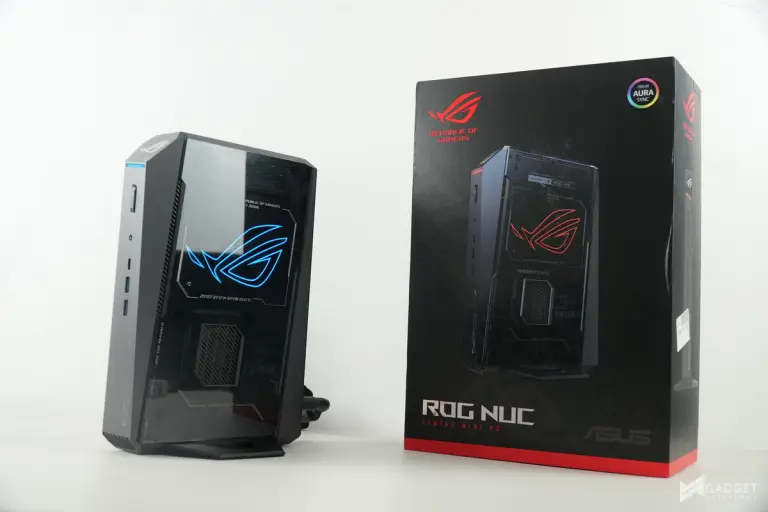
It’s been a few years since ASUS took over Intel’s NUC segment and in typical ASUS fashion, the ROG DNA spills over the NUC lineup with the introduction of the ROG NUC. What makes it an “ROG” device apart from the signature ROG theme is the inclusion of a dedicated NVIDIA RTX GPU, making it the most powerful NUC in ASUS’ offerings. The ASUS ROG NUC 2025 is the latest iteration, sporting the Intel Core Ultra 9 285H CPU paired with an NVIDIA GeForce RTX 5080 Laptop GPU.
Unboxing and First Impressions
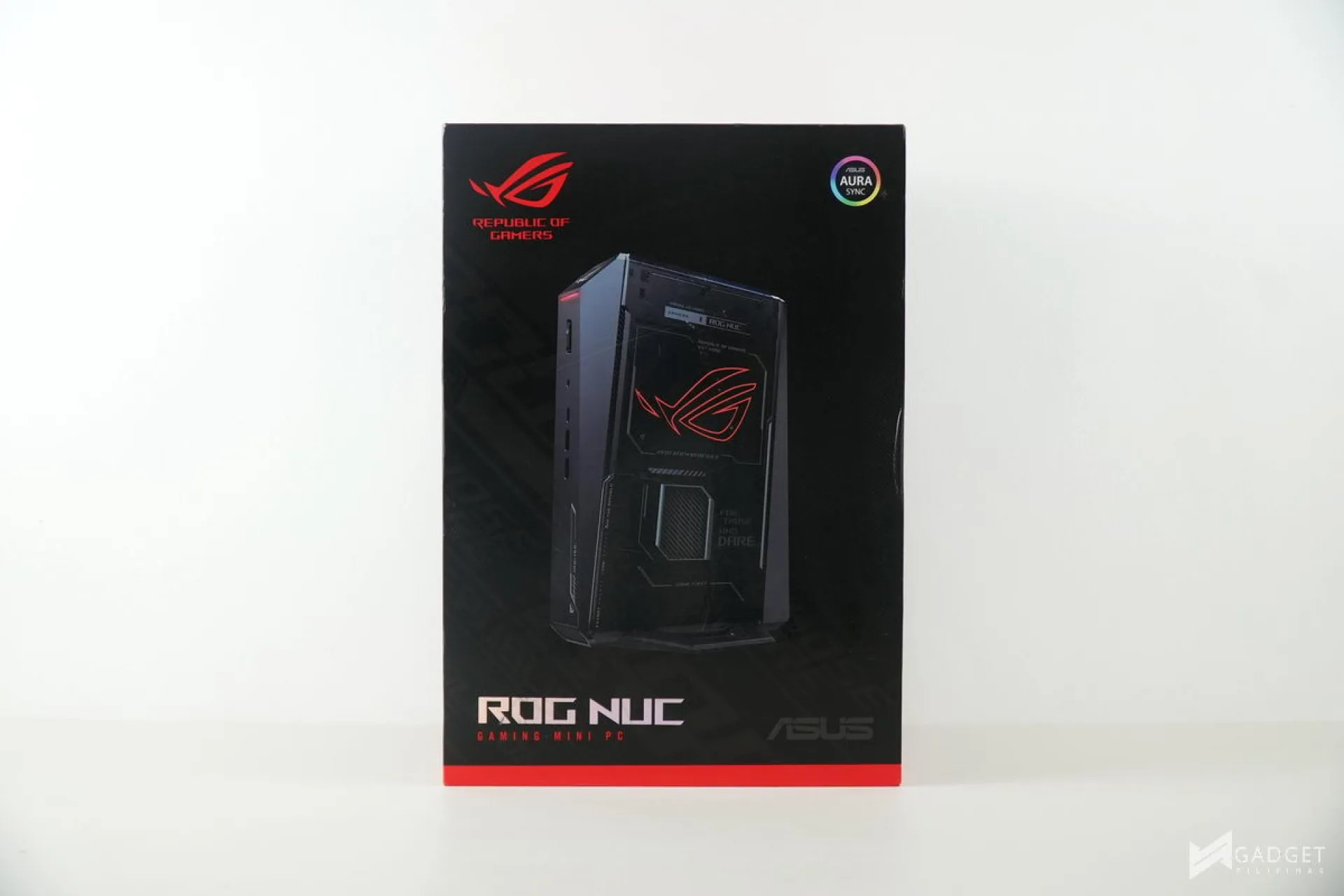
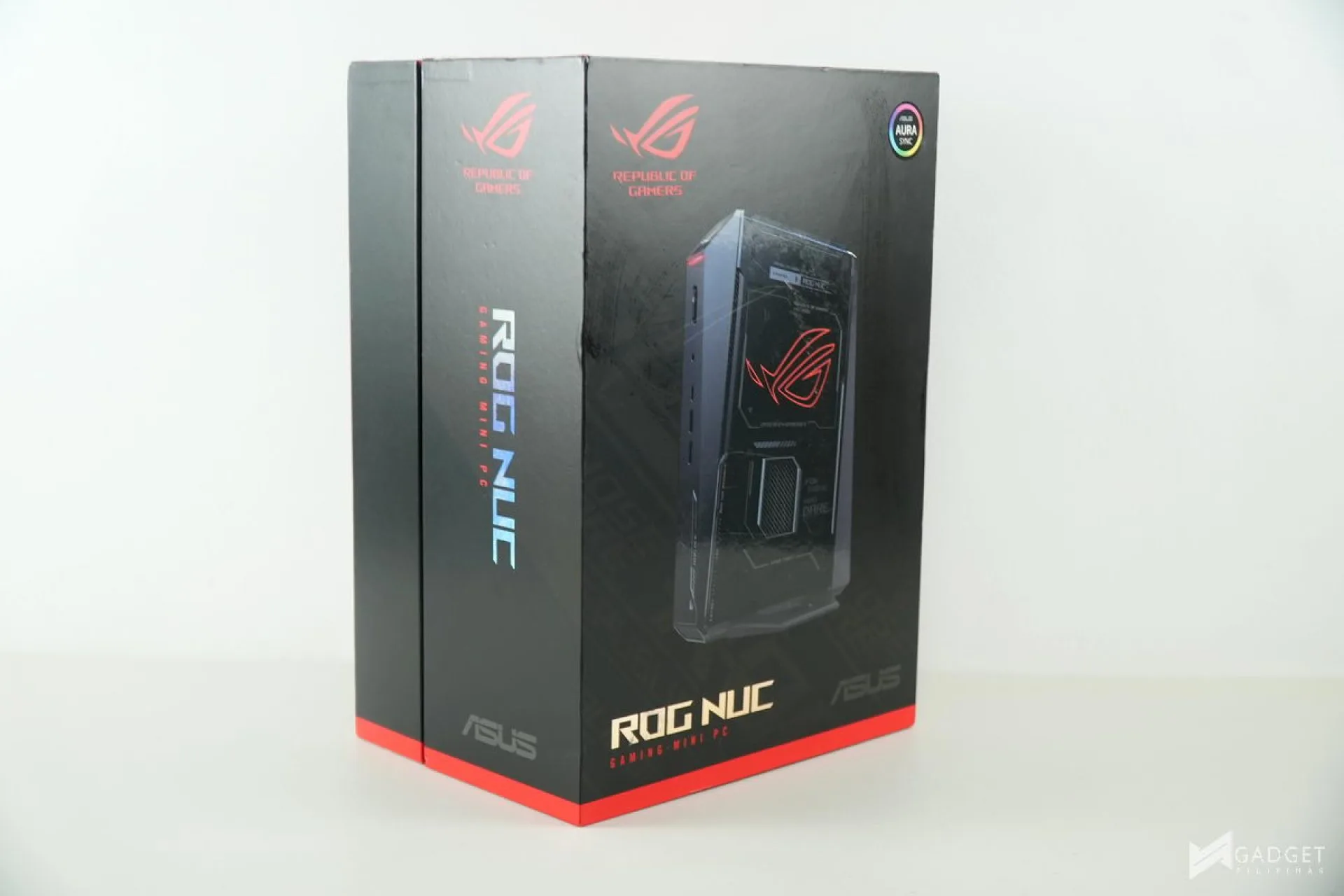
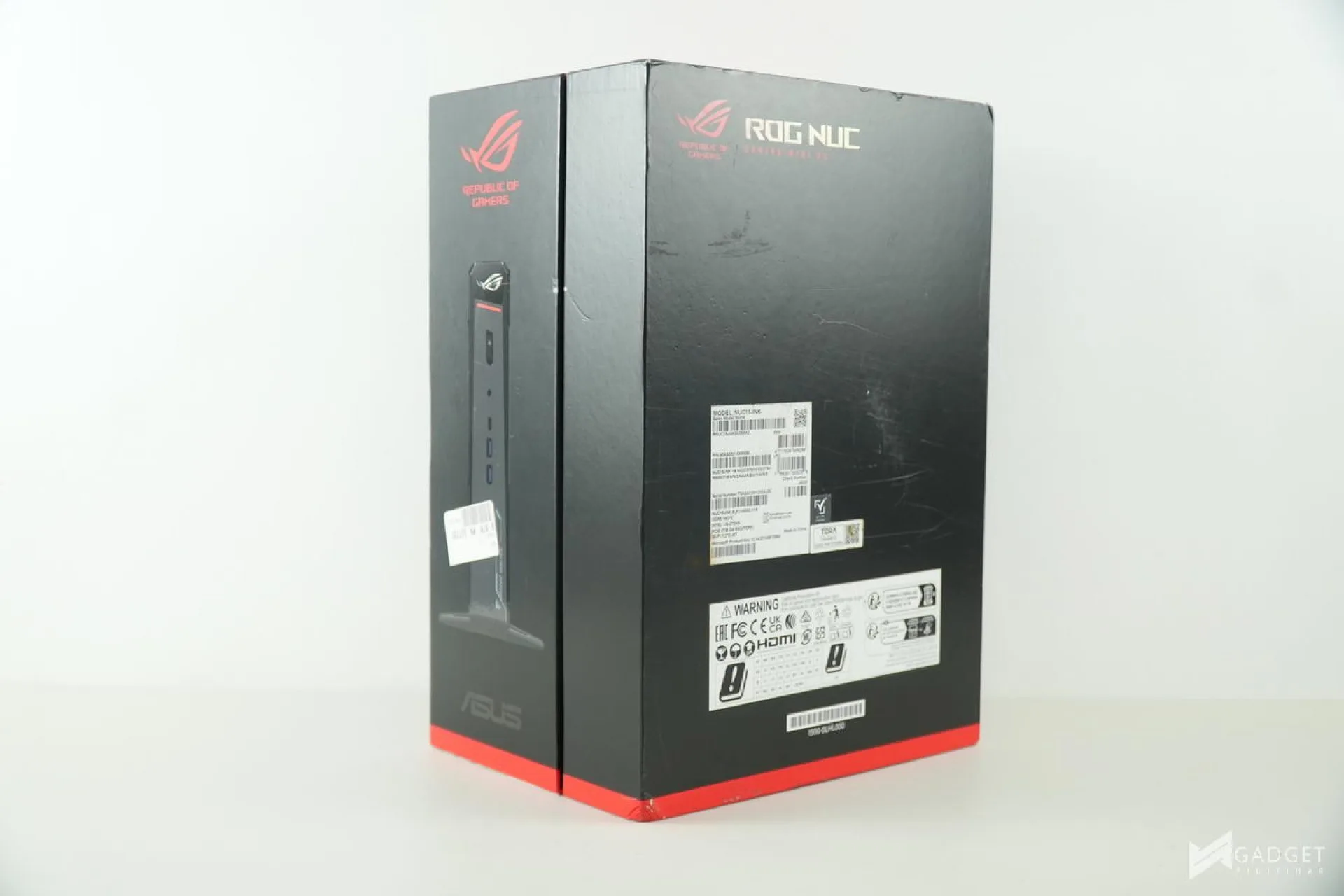
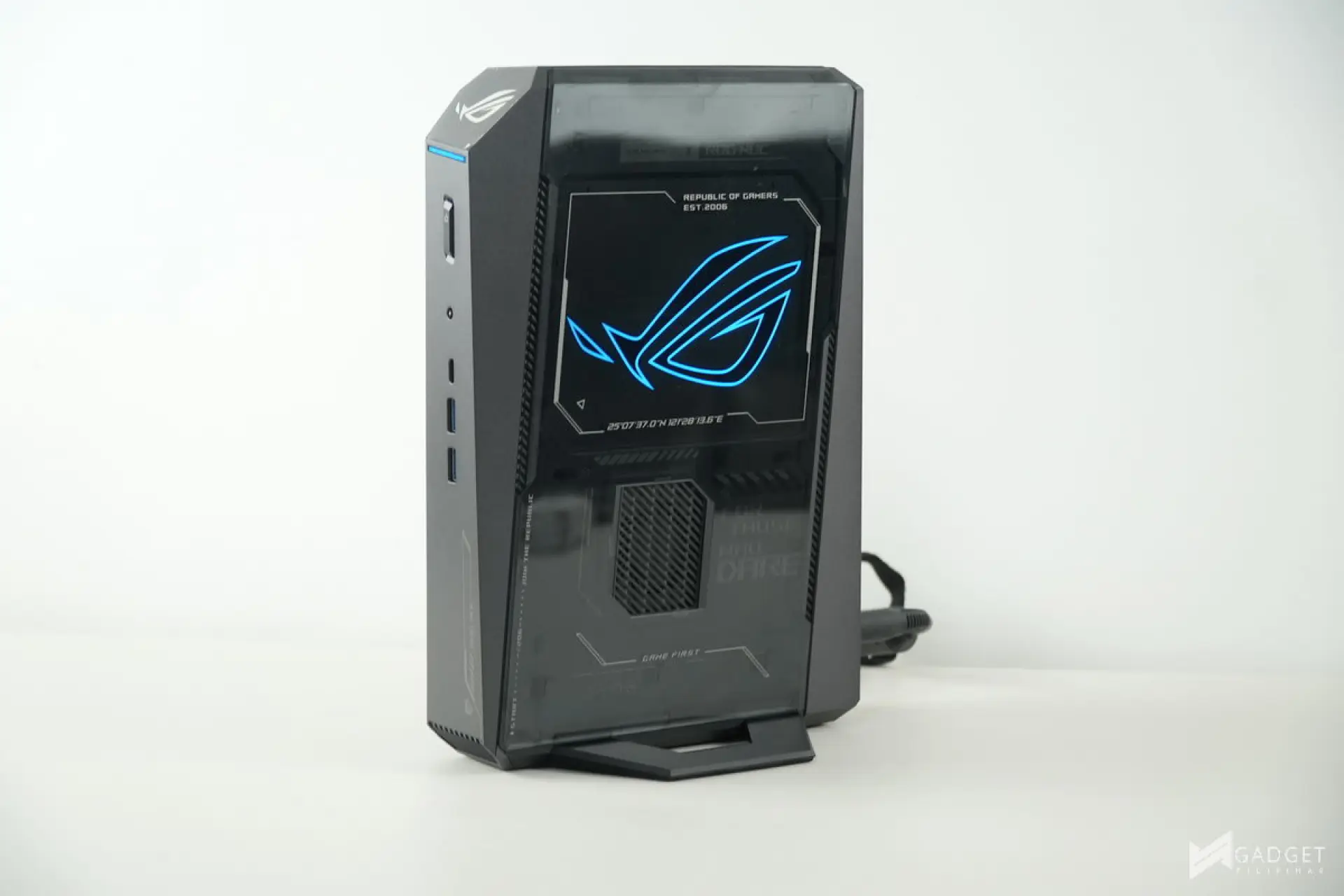
The ASUS ROG NUC 2025 comes in your typical ASUS Republic of Gamers design. The front shows a render of the device, while one of the sides contains a front shot of the ROG NUC.
The ASUS ROG NUC 2025 has a larger form factor than a typical NUC mini PC to accommodate the cooling needed for the NVIDIA GeForce RTX 5080 Laptop GPU. The ROG NUC has a console-like design, which is vertically oriented to also save up space on your desk. It measures 282.4 x 187.7 x 56.5mm
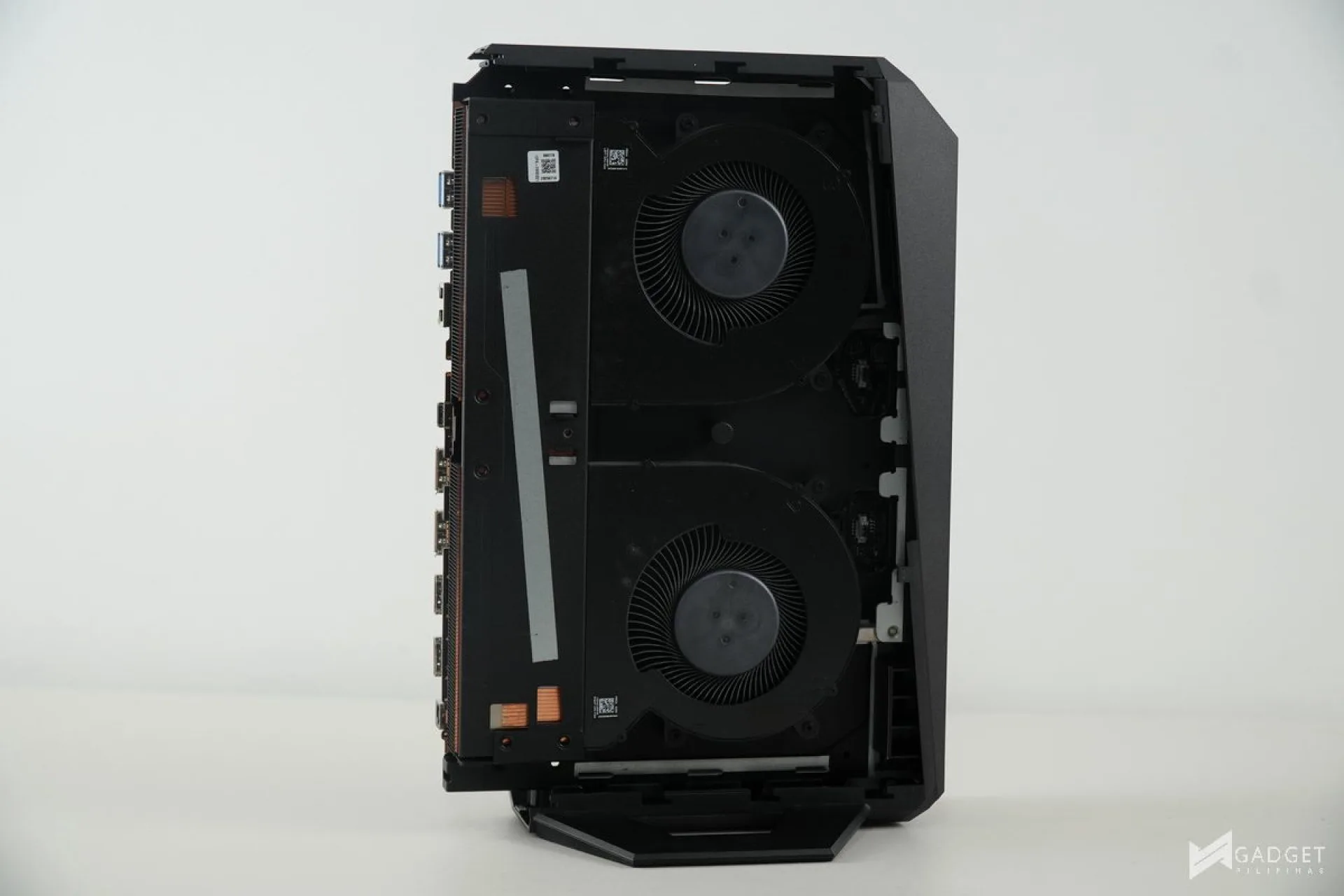
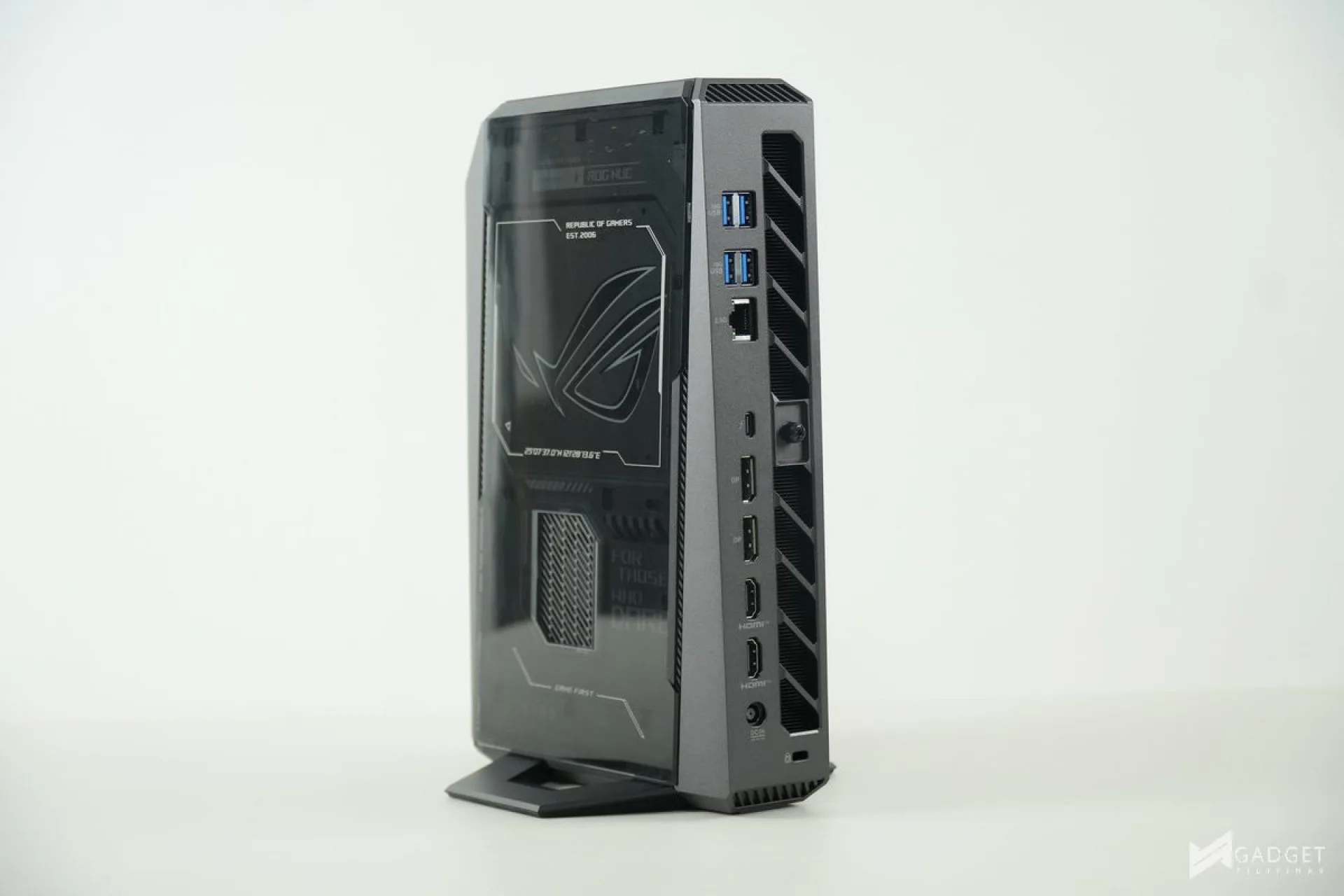
The left panel has a large mesh designed patterned with an ROG text. Underneath the vents are two out of three fans and the unified vapor chamber that cools the Core Ultra 9 275HX and RTX 5080 Laptop GPU.
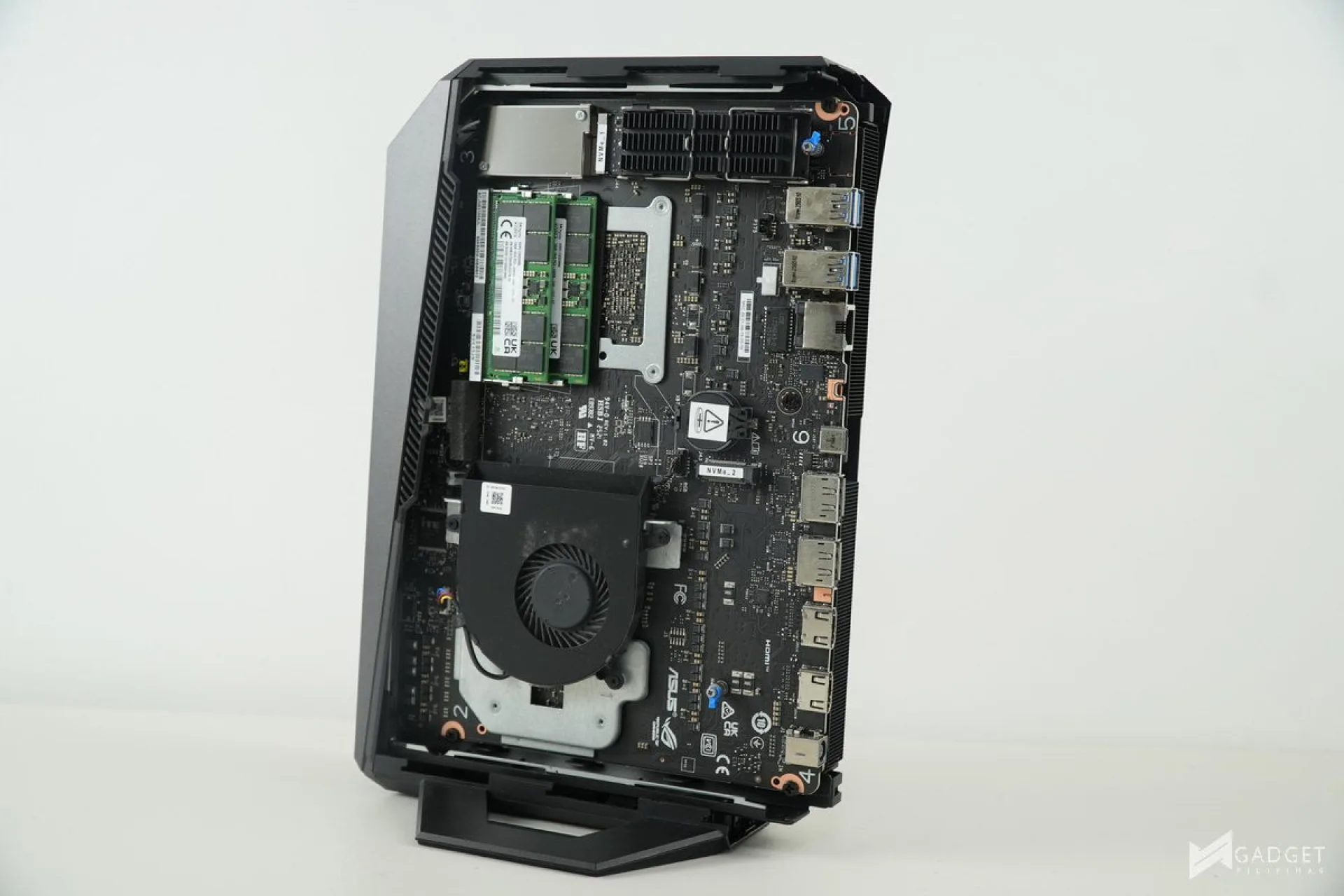
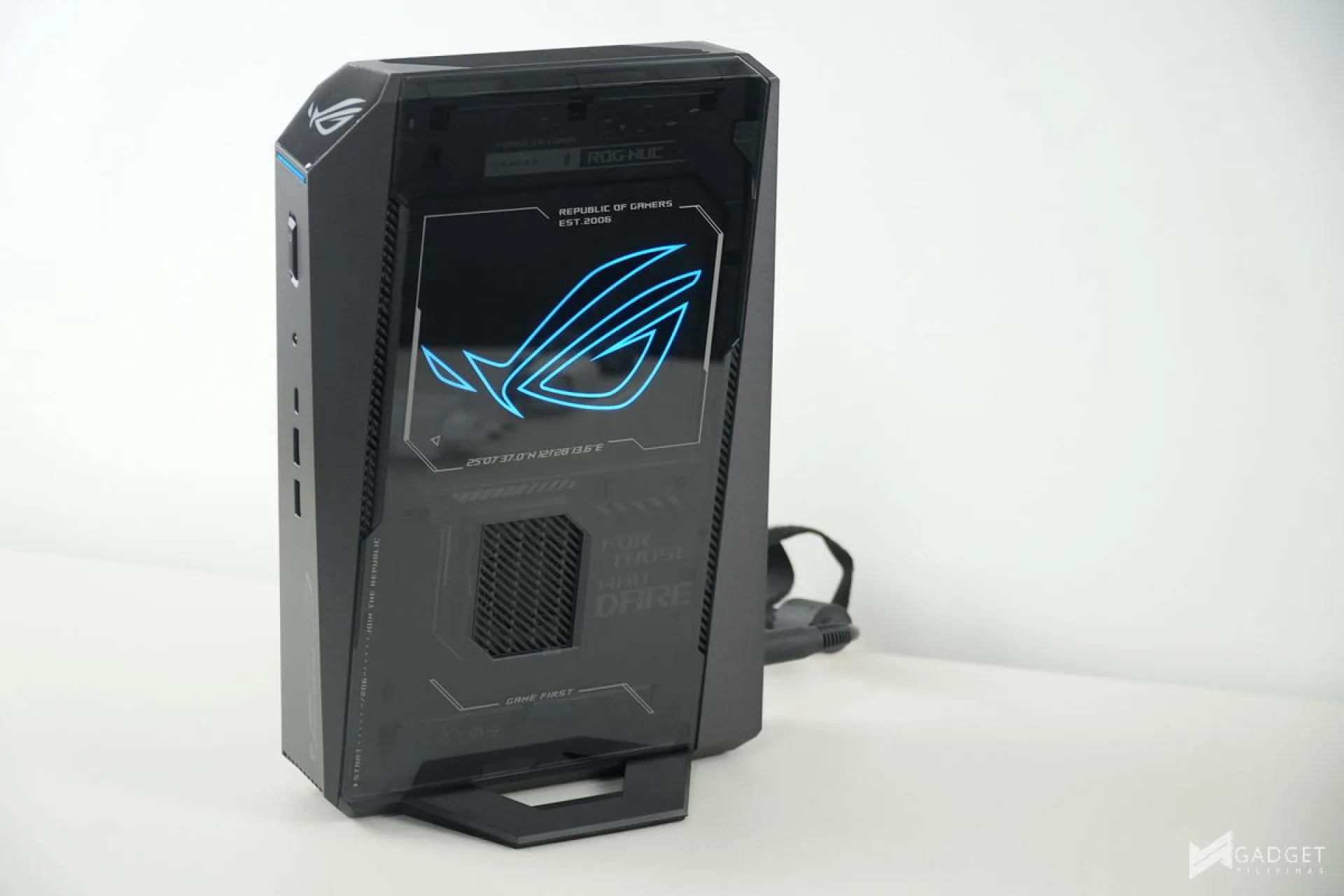
The right panel is a tinted plastic that houses the third fan and the RGB-lit ROG logo.
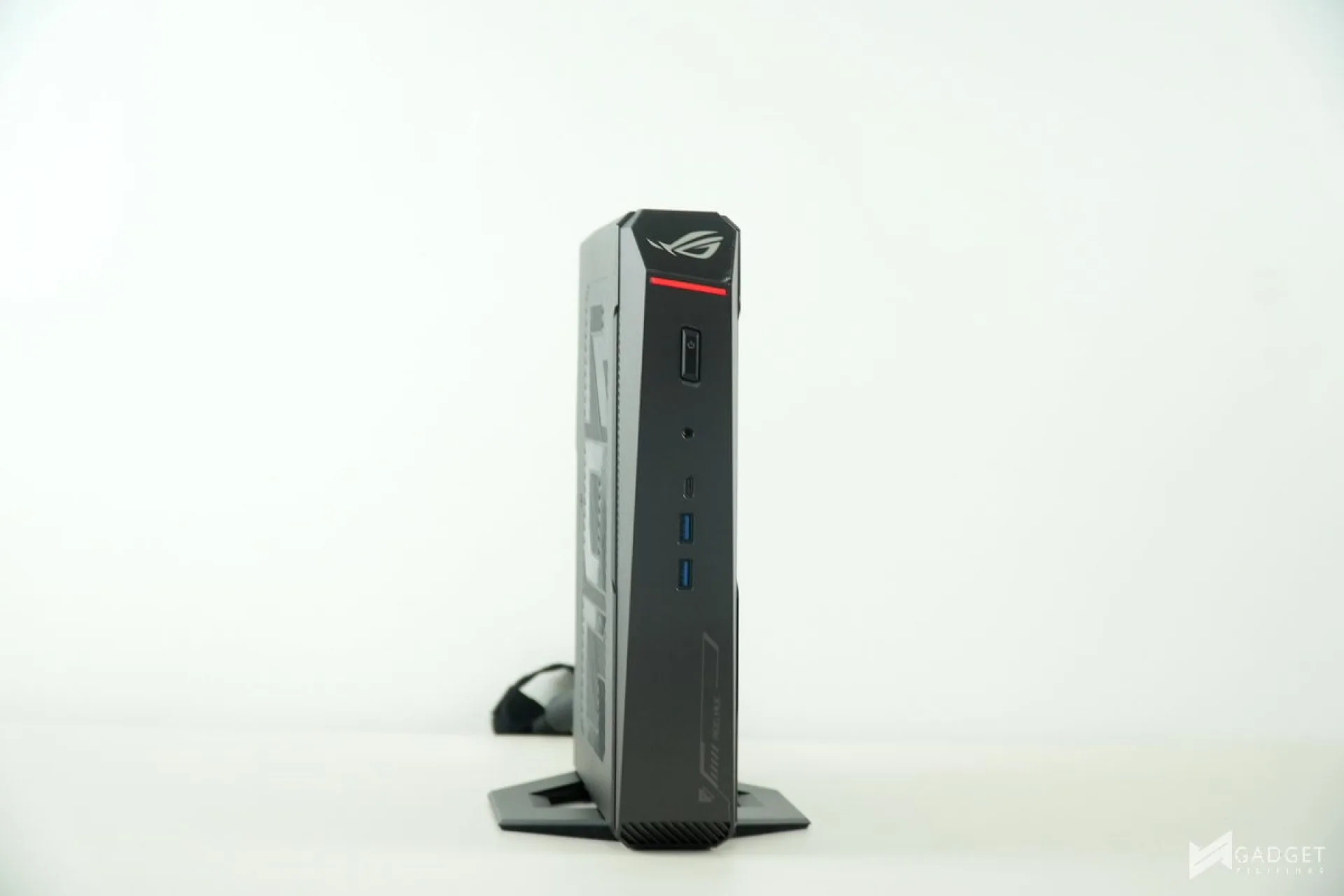
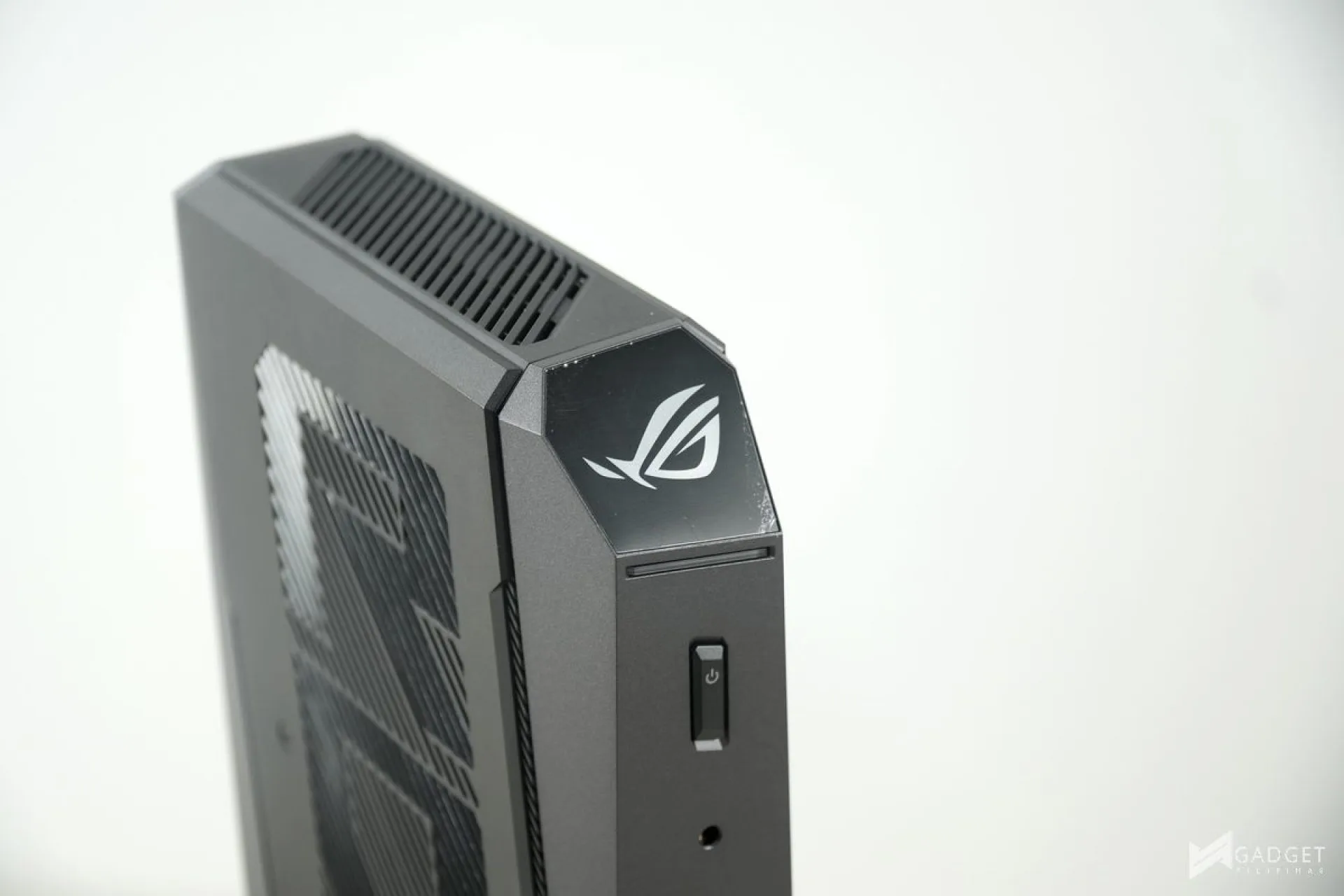
The front houses the power button, one USB 3.2 Gen 2 Type-C port, two USB 3.2 Gen 2 Type-A ports, and one 3.5mm combo jack.
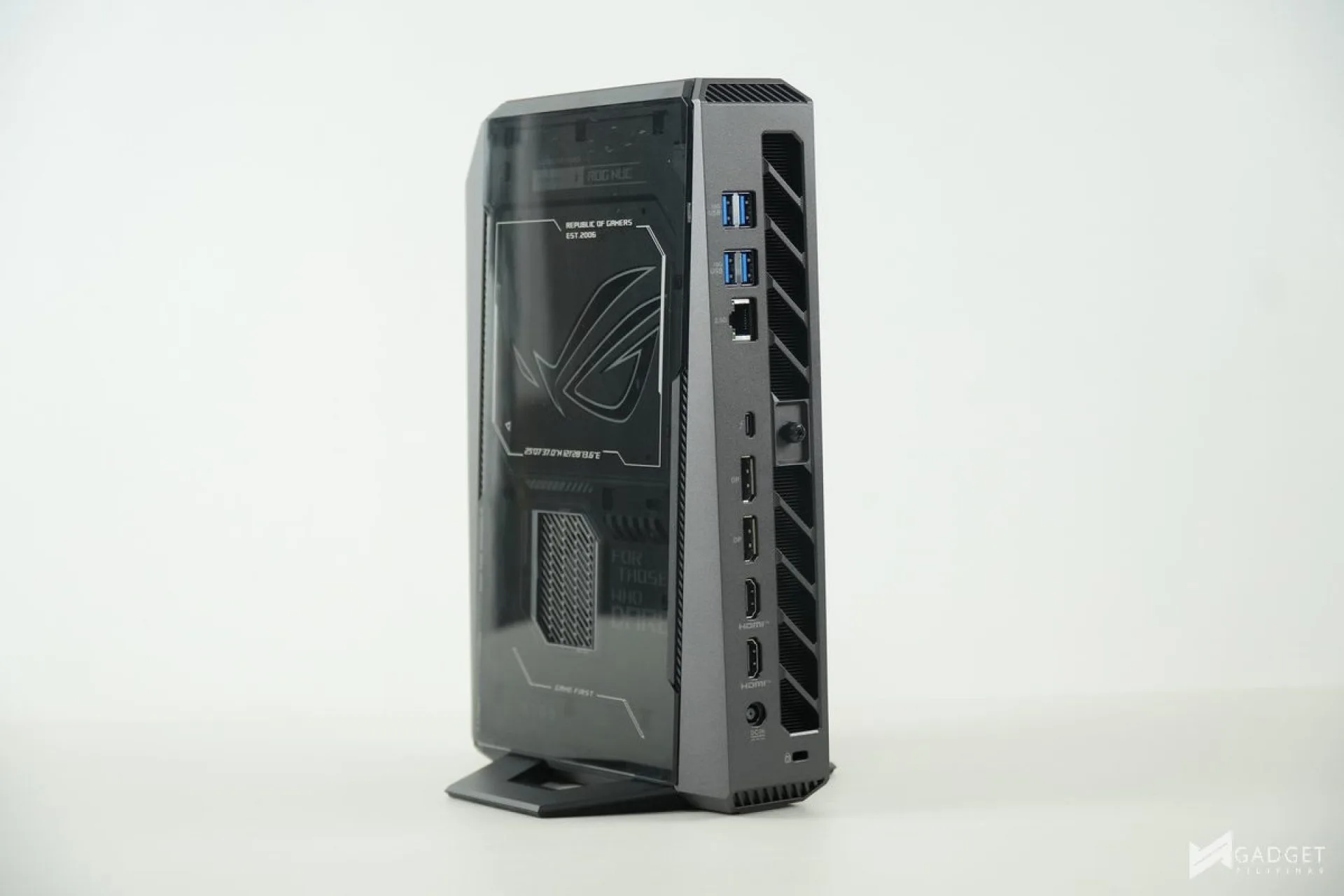
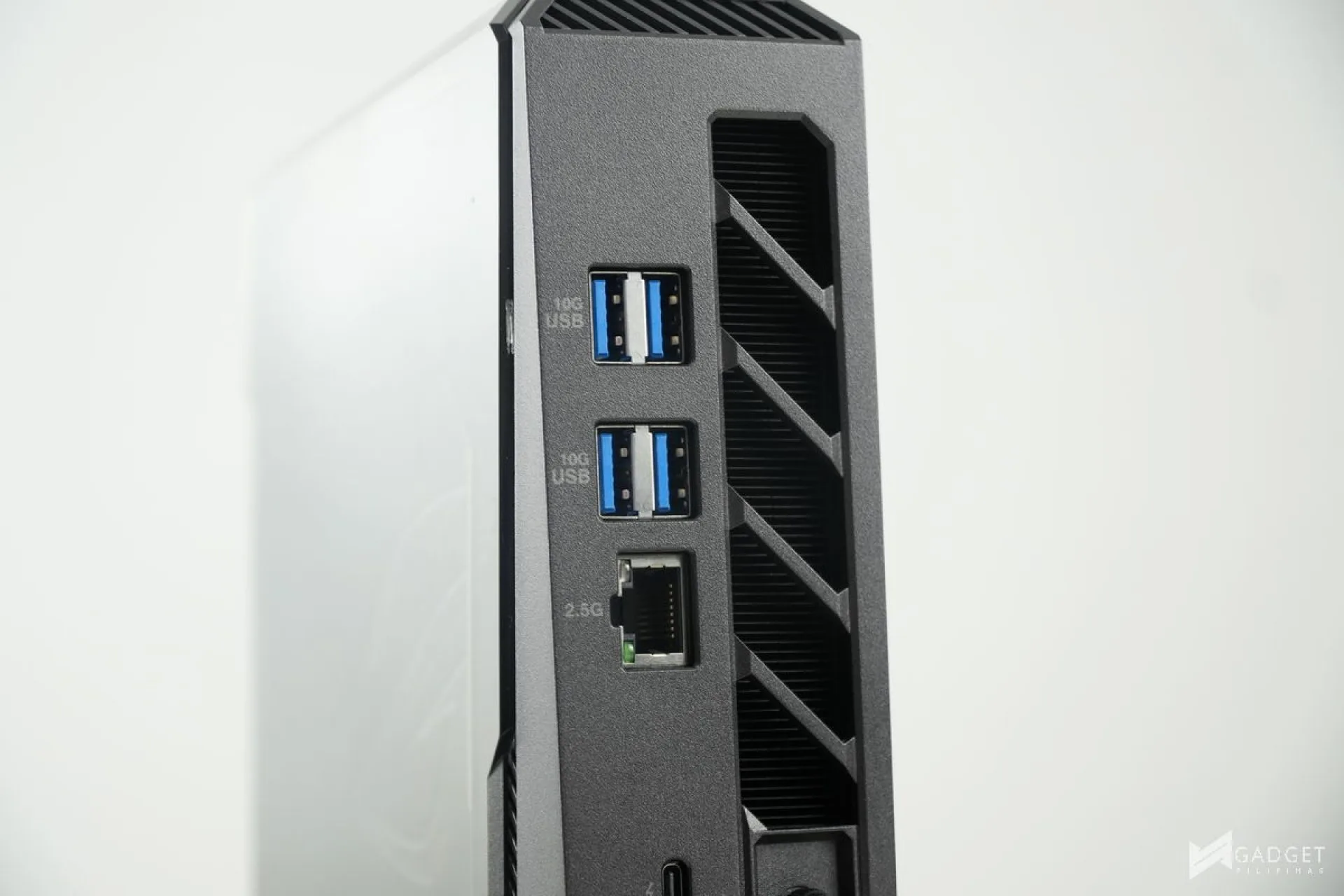
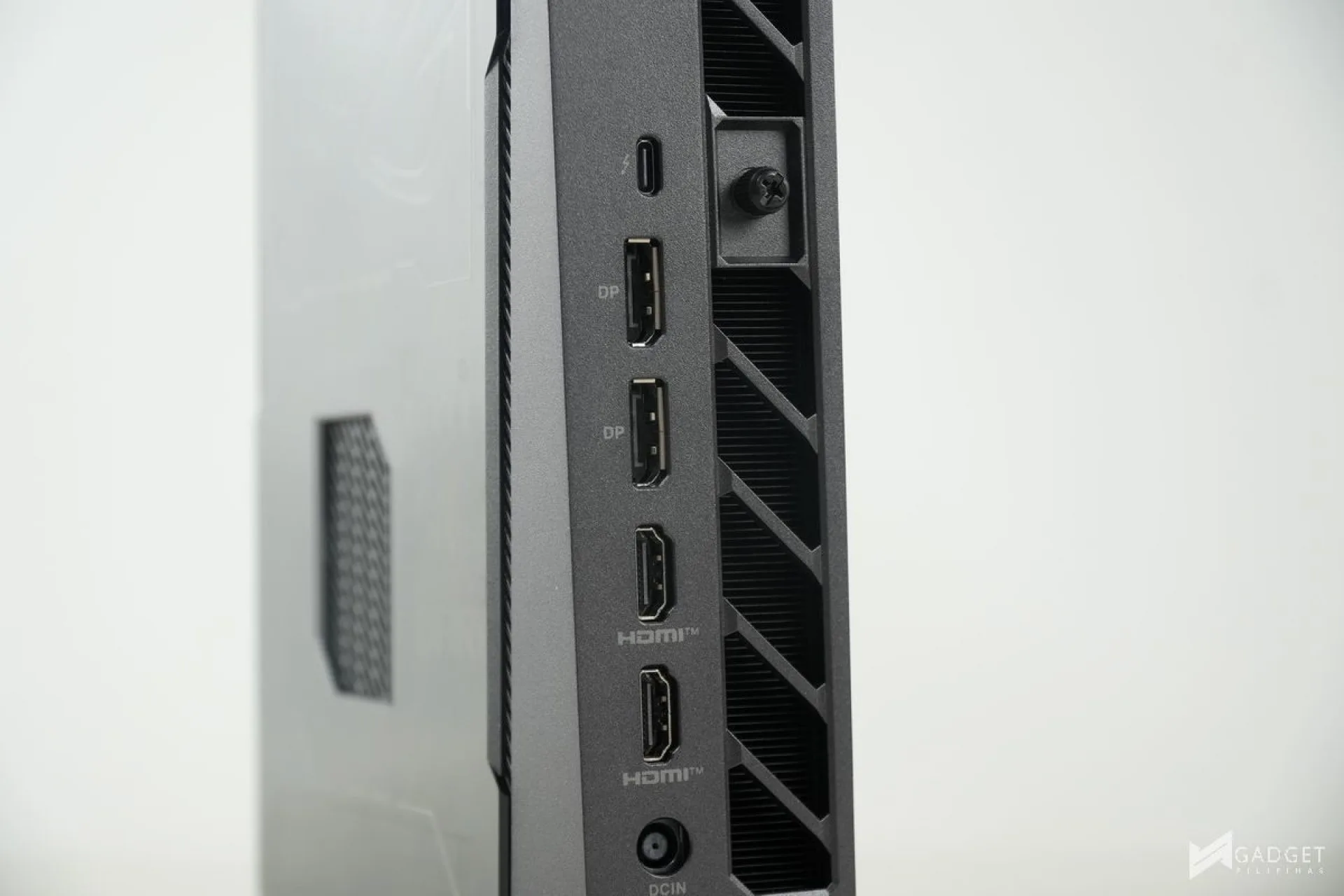
The back has more ports, namely one Thunderbolt 4 Type-C port, four USB 3.2 Gen 2 Type-A ports, two HDMI 2.1 ports, two DisplayPort 2.1 ports, one ethernet port, one DC-in, and one Kensington lock.
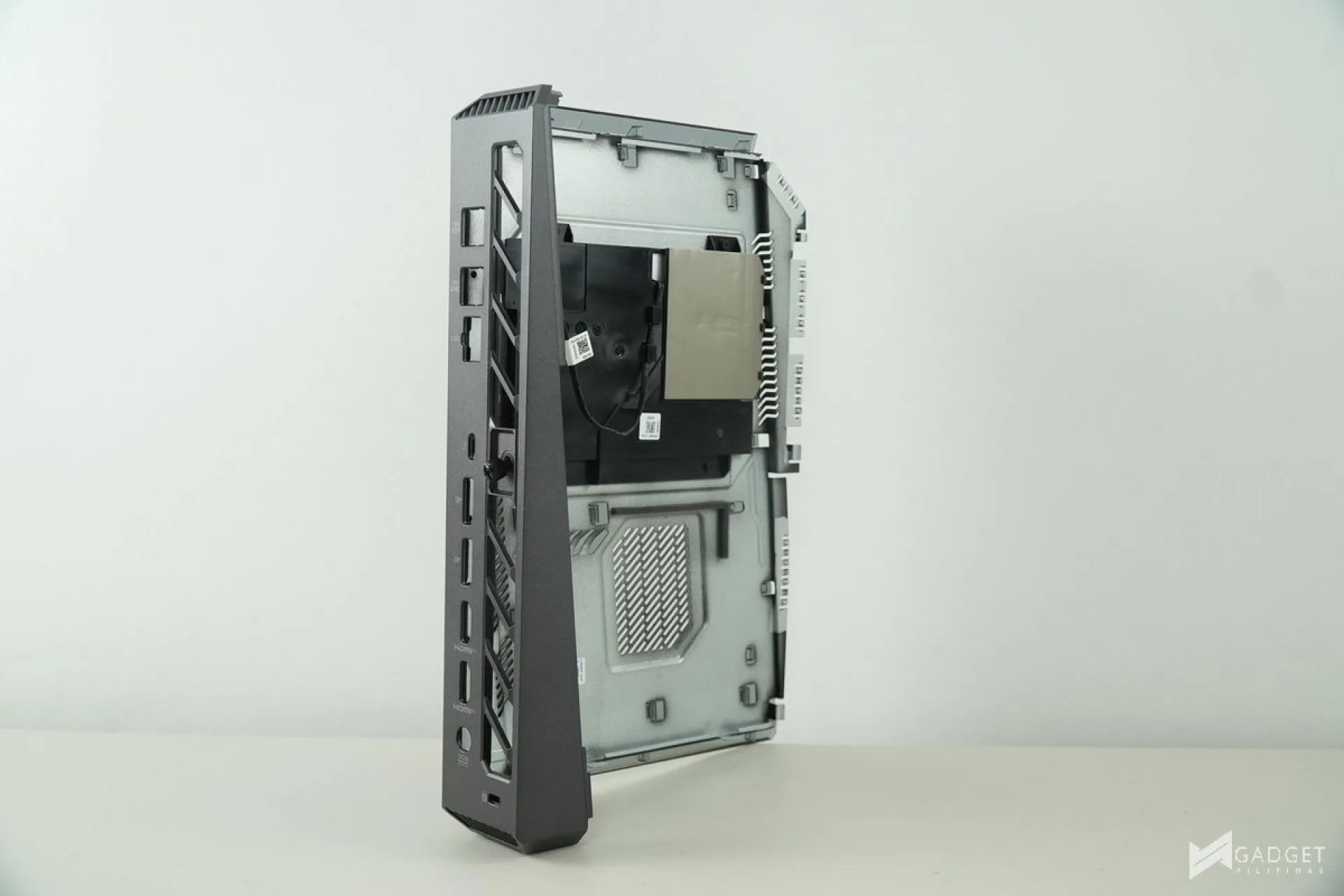
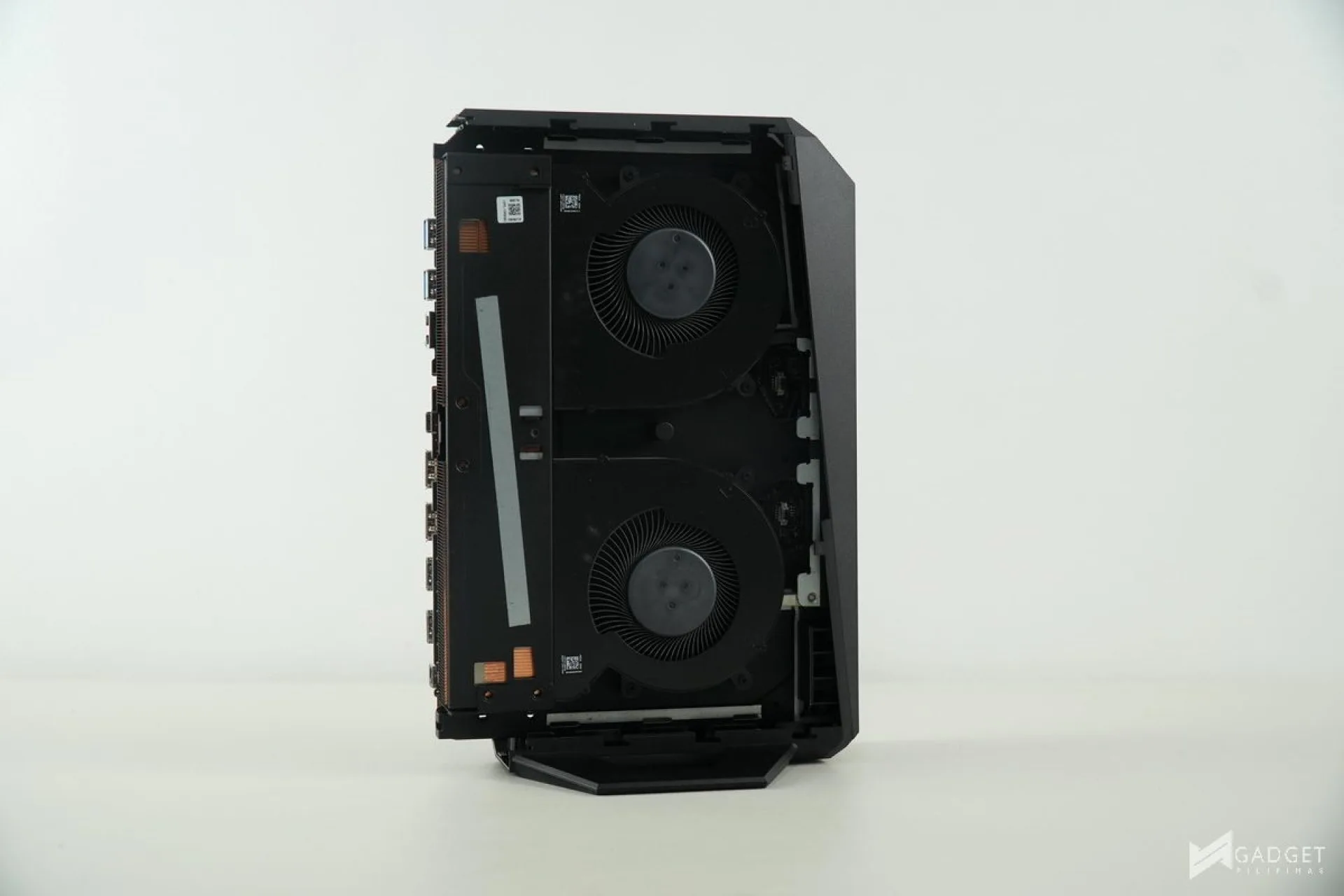
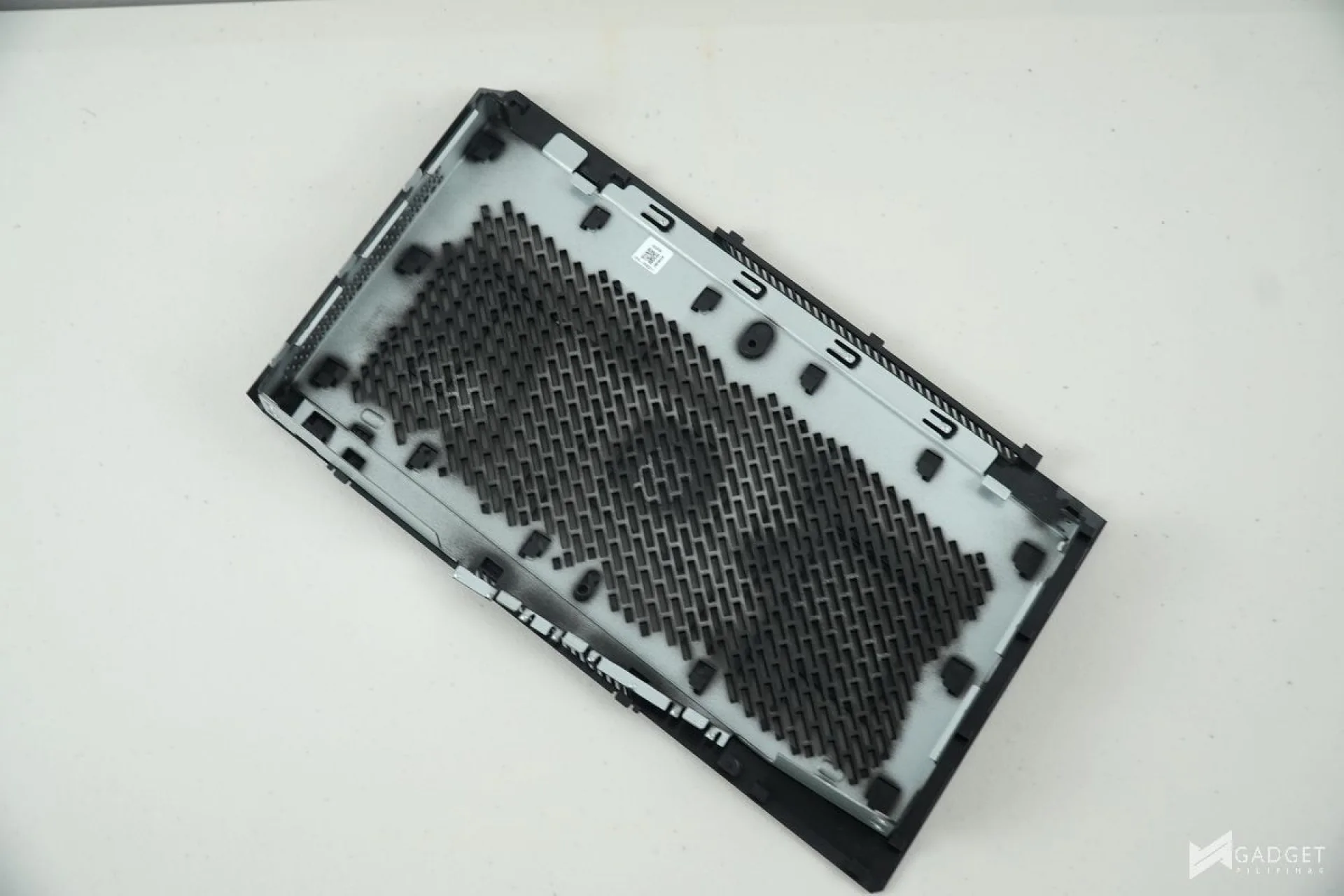
ASUS claims an easy access upgrade with the tool-less design, but our experience is on the clunkier side. While it is indeed easy to slide the side panels off compared to a normal PC chassis, getting them back on is another story, as you have to line up the pegs for secure mounting – failing to do so will result in a bulge in the area where you failed to secure it before sliding it in.
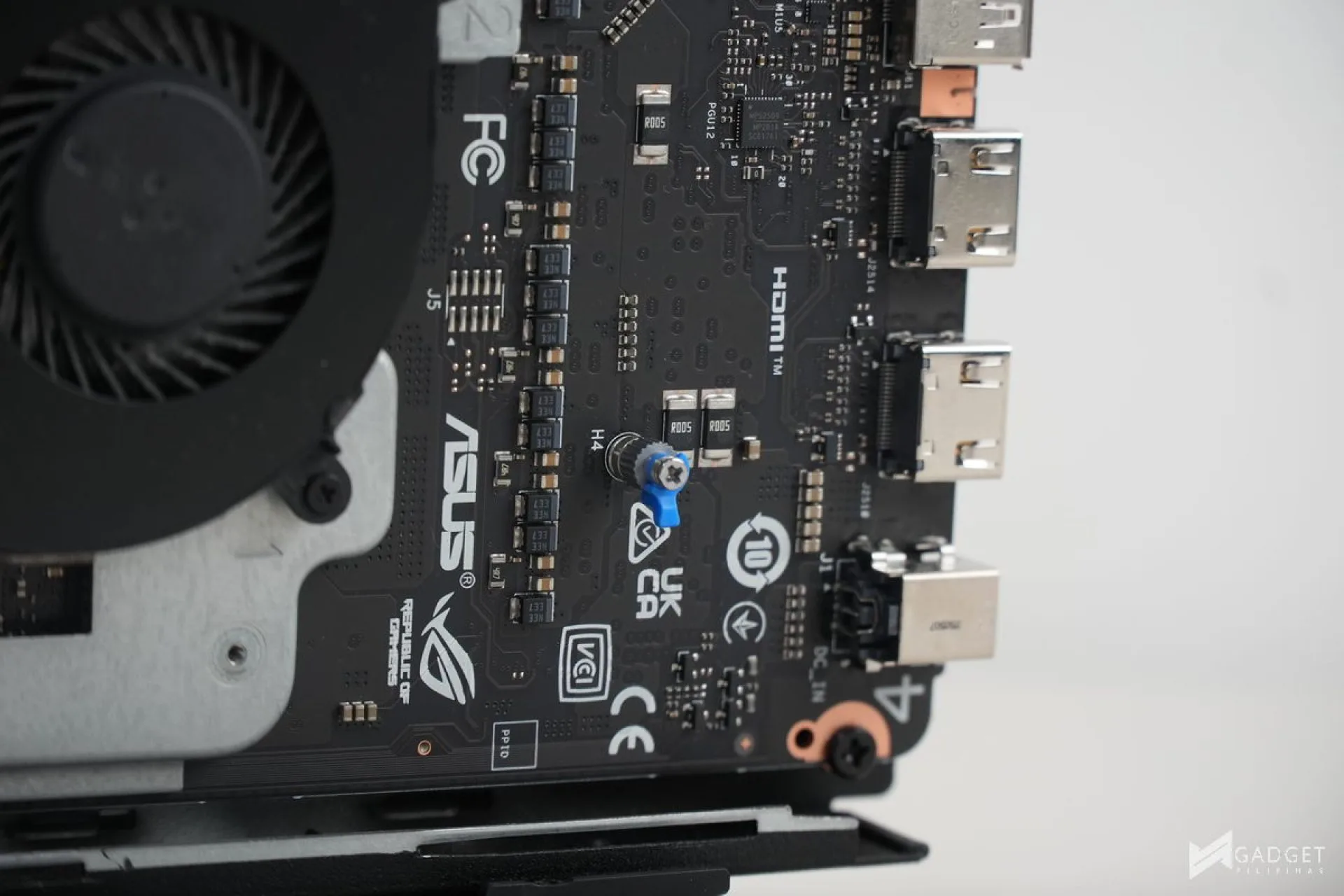
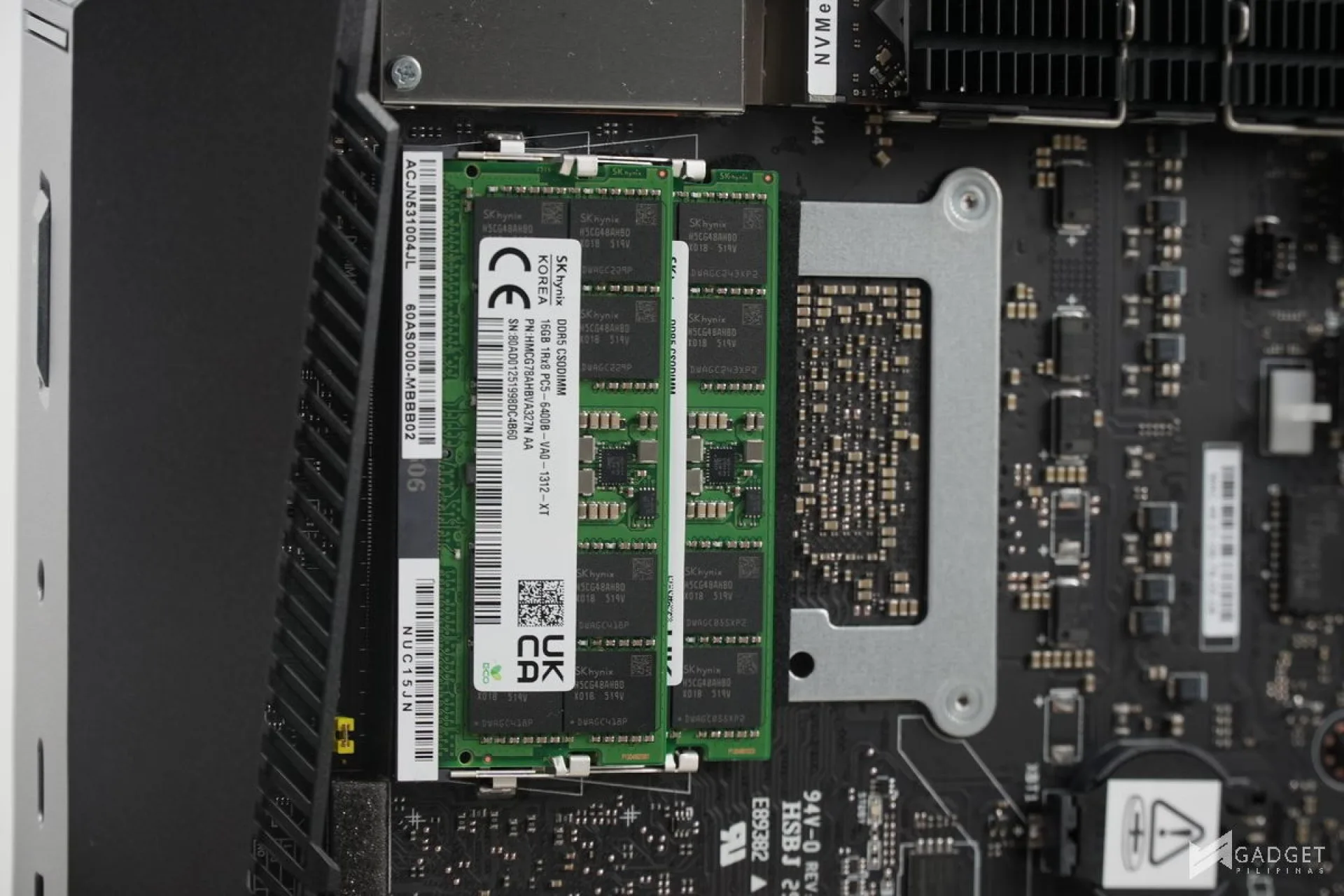
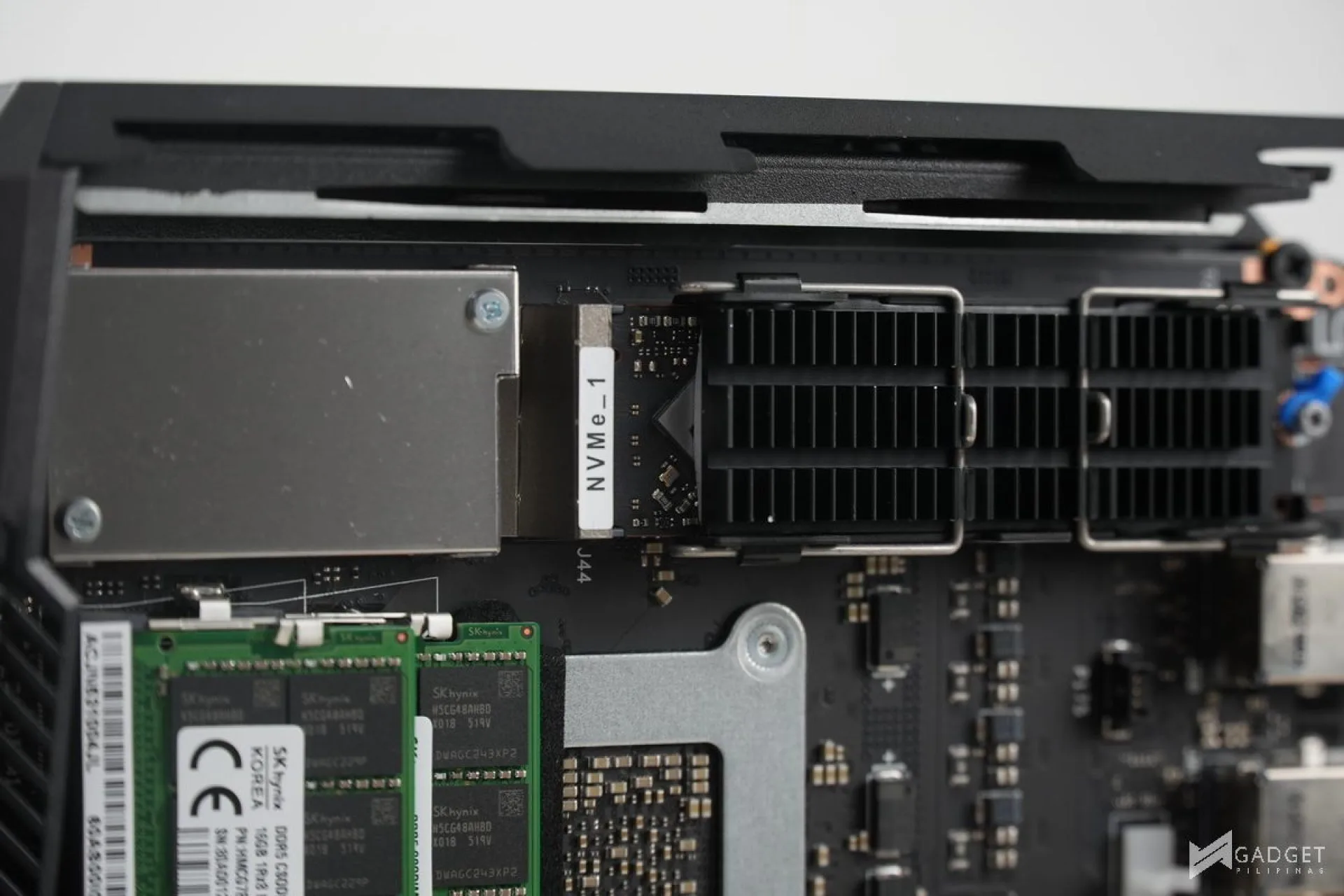
The SODIMM slots and M.2 ports are accessible on the right side of the NUC. Memory can be upgraded from its included 2x16GB DDR5-6400 SODIMM up to a 48GBx2 DDR5-5600 SODIMM. The pre-installed SSD is a Micron 2TB SSD with an included heatsink. The extra M.2 slot supports up to 4TB of 2280 PCIe Gen4 NVMe SSD.
Benchmark Setup and Test Methodology

Gadget Pilipinas’ testing philosophy is to provide detail-oriented results as accurately as possible so that our readers can replicate our tests, given that these conditions are met. Different benchmarking apps and sequences are used depending on the tested component or device.
| CPU | AMD Ryzen 7 9800X3D |
| COOLER | RYUJIN II 360mm V2 – NT-H2 Thermal Paste |
| MOTHERBOARD | MSI MPG X870E CARBON WIFI |
| MEMORY | Trident Z Neo 32GB(2x16GB) DDR5-6000 CL28 |
| GPUs | NVIDIA GeForce RTX 5090 Founders Edition |
| STORAGE | Kingston Renegade 2TB NVME SSD |
| POWER SUPPLY | FSP VITA GM1000W Gold ATX 3.1 |
| OPERATING SYSTEM | Windows 11 Pro Build 25H2 |
| CASE | Open Benchtable V2 |
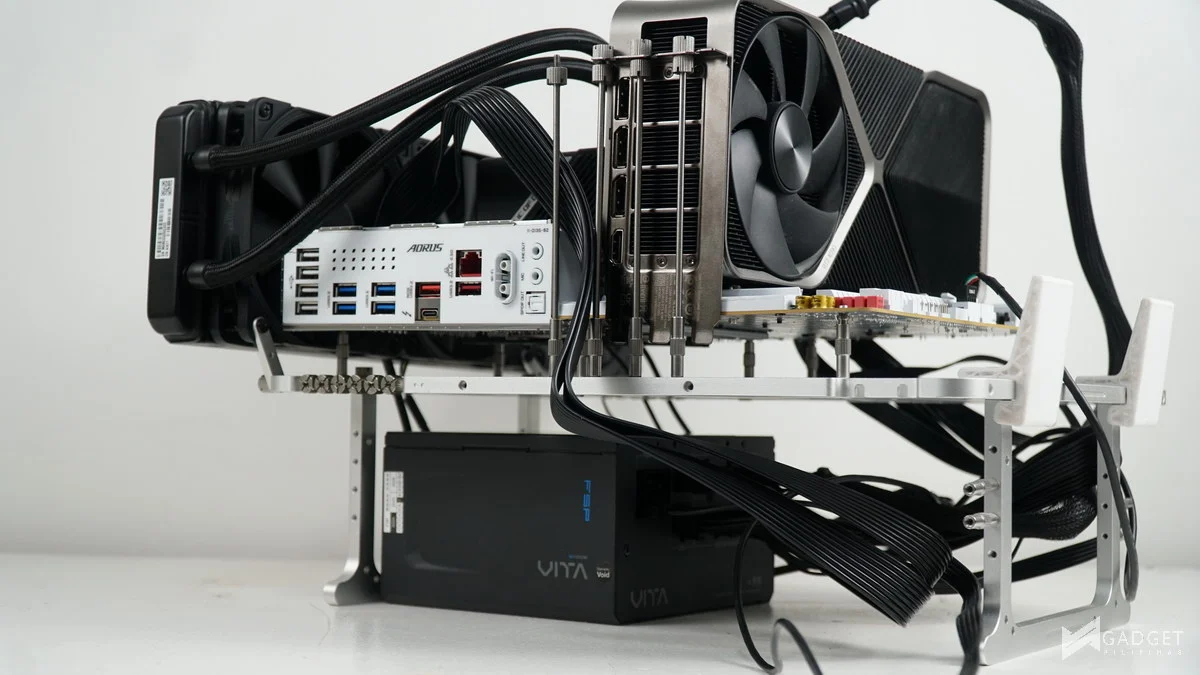
We use CapFrameX 1.8.4 BETA as our primary FPS capture and analysis tool for all our gaming benchmarks. The latest build version of Windows 11 Pro and WHQL-certified drivers are used for our benchmarks. Readings such as temperatures and power draws are recorded using HWINFO64, and other relevant software for cross-checking.
For more info, read our Review and Benchmark methodology article.
ASUS ROG NUC 2025 Synthetic and Productivity Benchmarks
3DMark – Firestrike, Timespy, and CPU Profile
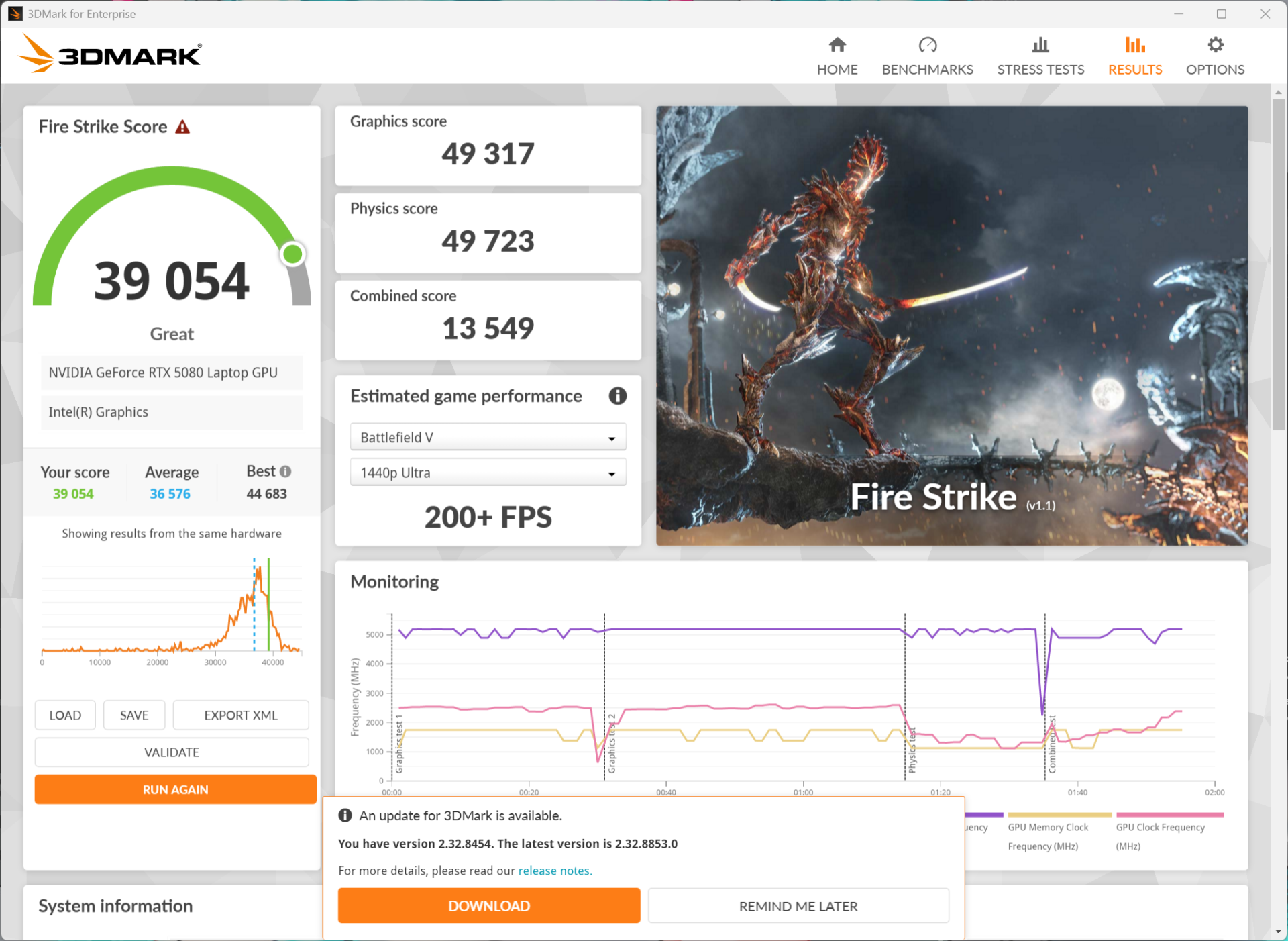
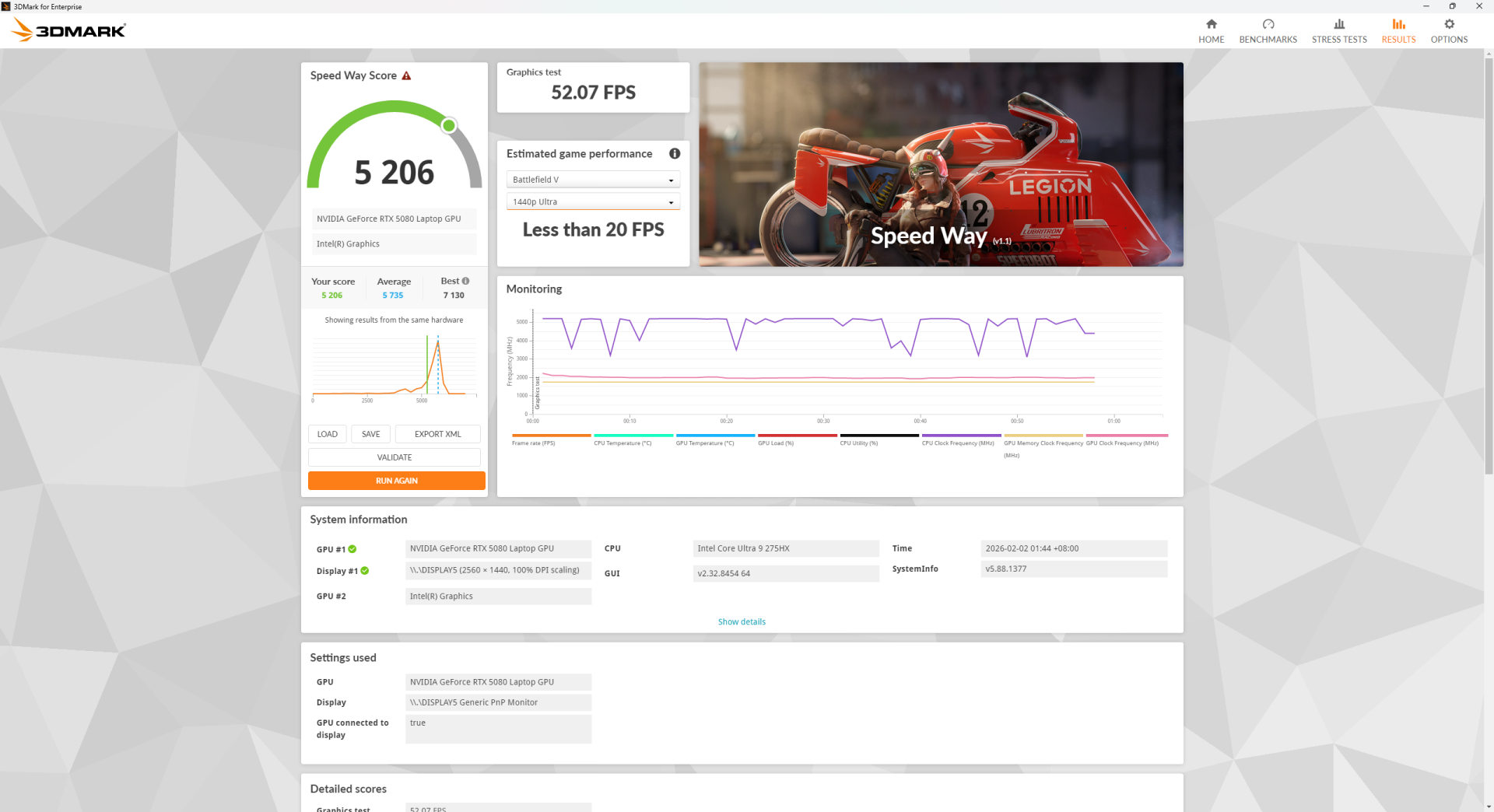

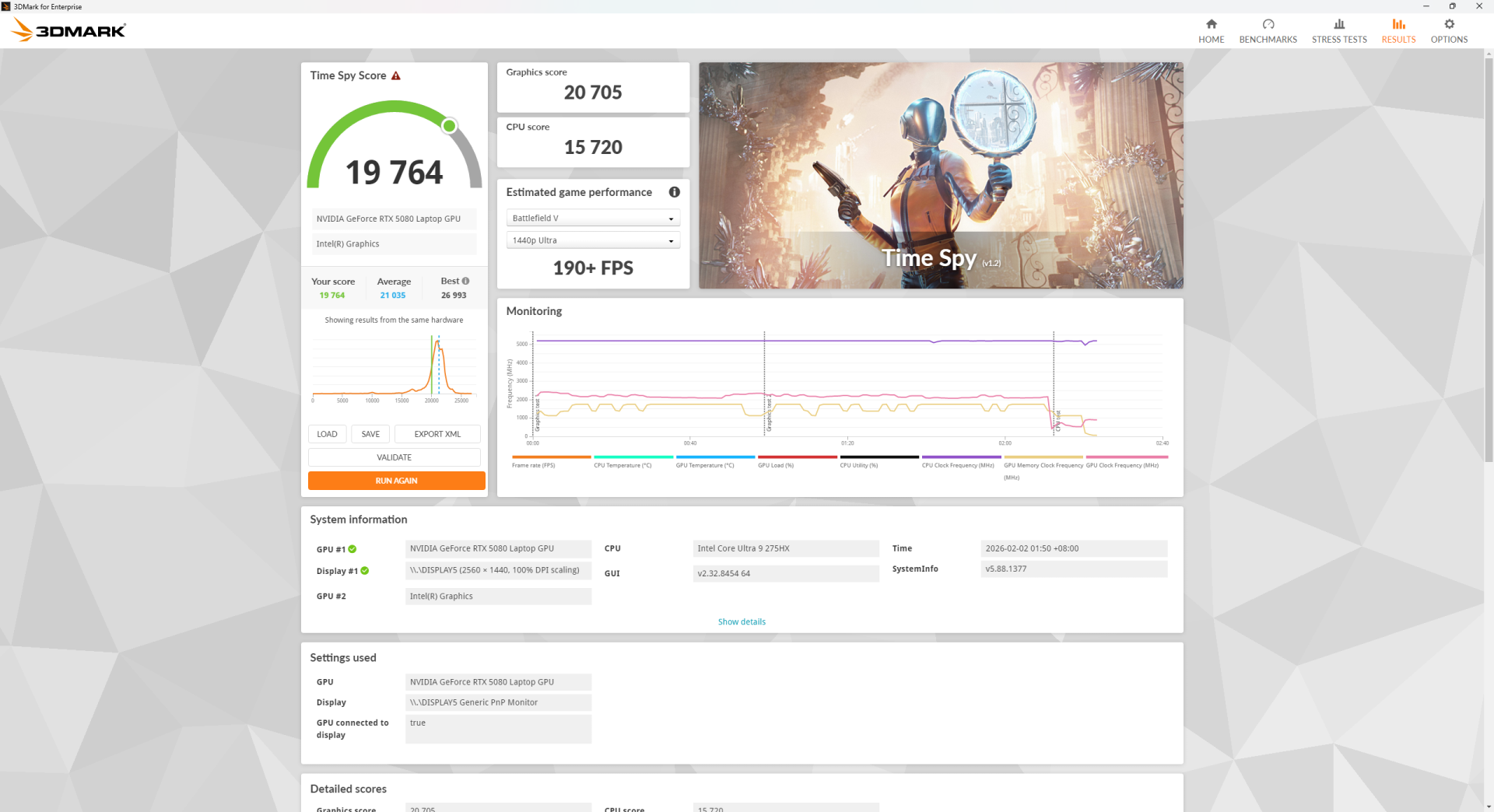
3DMark is the go-to benchmark for gamers because of the ability to share and compare results online.
SuperPI 32M
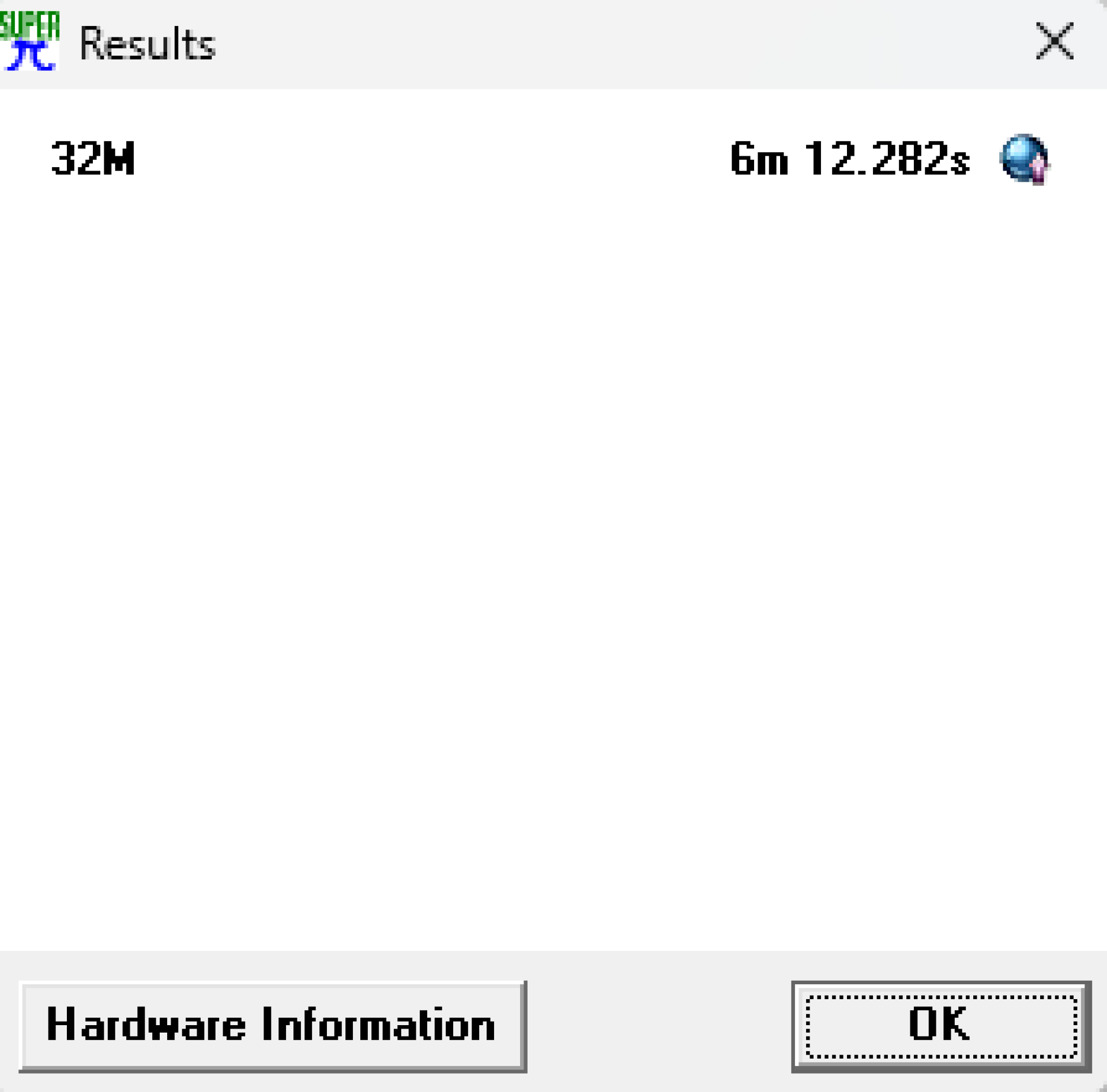
SuperPI is a single-threaded benchmark application that lets the CPU calculate Pi(π) to the nth digit. In this benchmark, we selected the Pi calculation to 32M, the highest available for the app.
CINEBENCH 2024.1
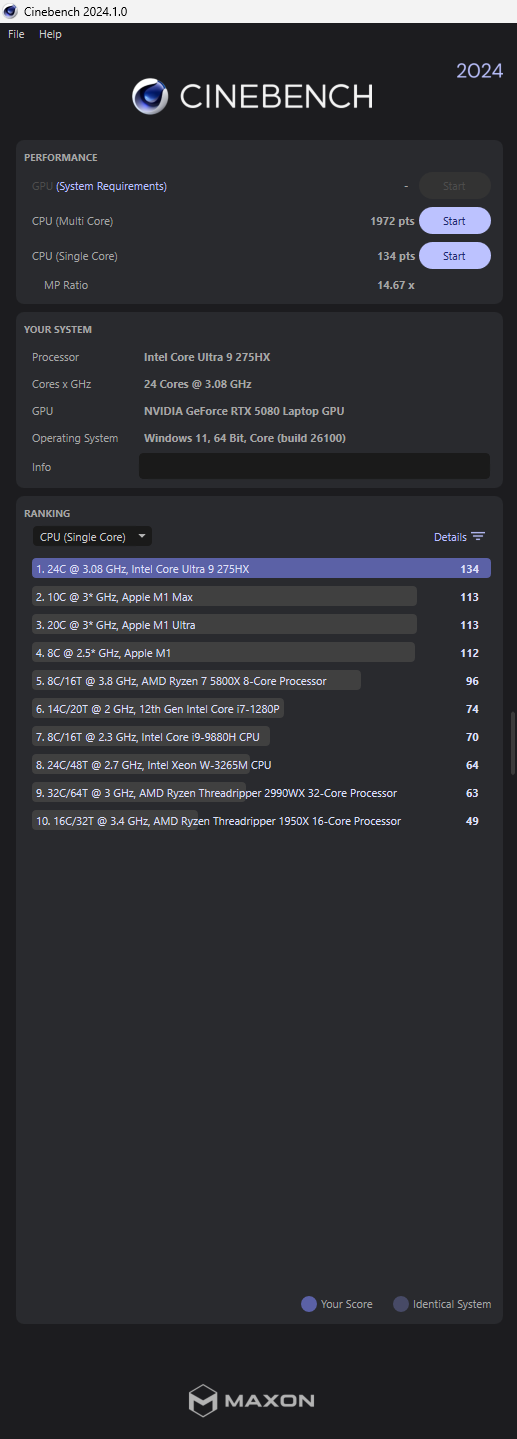
Maxon’s Cinebench benchmark is one of the most iconic benchmark applications used by reviewers and enthusiasts. The latest Cinebench R23 uses the latest rendering architectures, including Intel’s Embree ray tracing technology and other advanced features from AMD and Intel that allow users to render the same scene on the same hard.
ADOBE PREMIERE PRO v26 – PROCYON
Procyon benchmark suite is developed by the UL, the same team behind 3DMark and PCMark benchmarks. The UL Procycon video editing benchmark uses Adobe Premiere in a typical video editing workflow. The benchmark starts by importing two video project files with various edits, adjustments, and effects – the second project uses several GPU-accelerated effects. Each project is exported in 1080p with H.264 encoding and again in 4K with HEVC H.265. The reported score is based on the time taken to export all four videos.
OCCT Enterprise Benchmark
OCCT is a popular benchmark and stability testing tool among overclockers, enthusiasts, and system integrators
wPrime 1024M
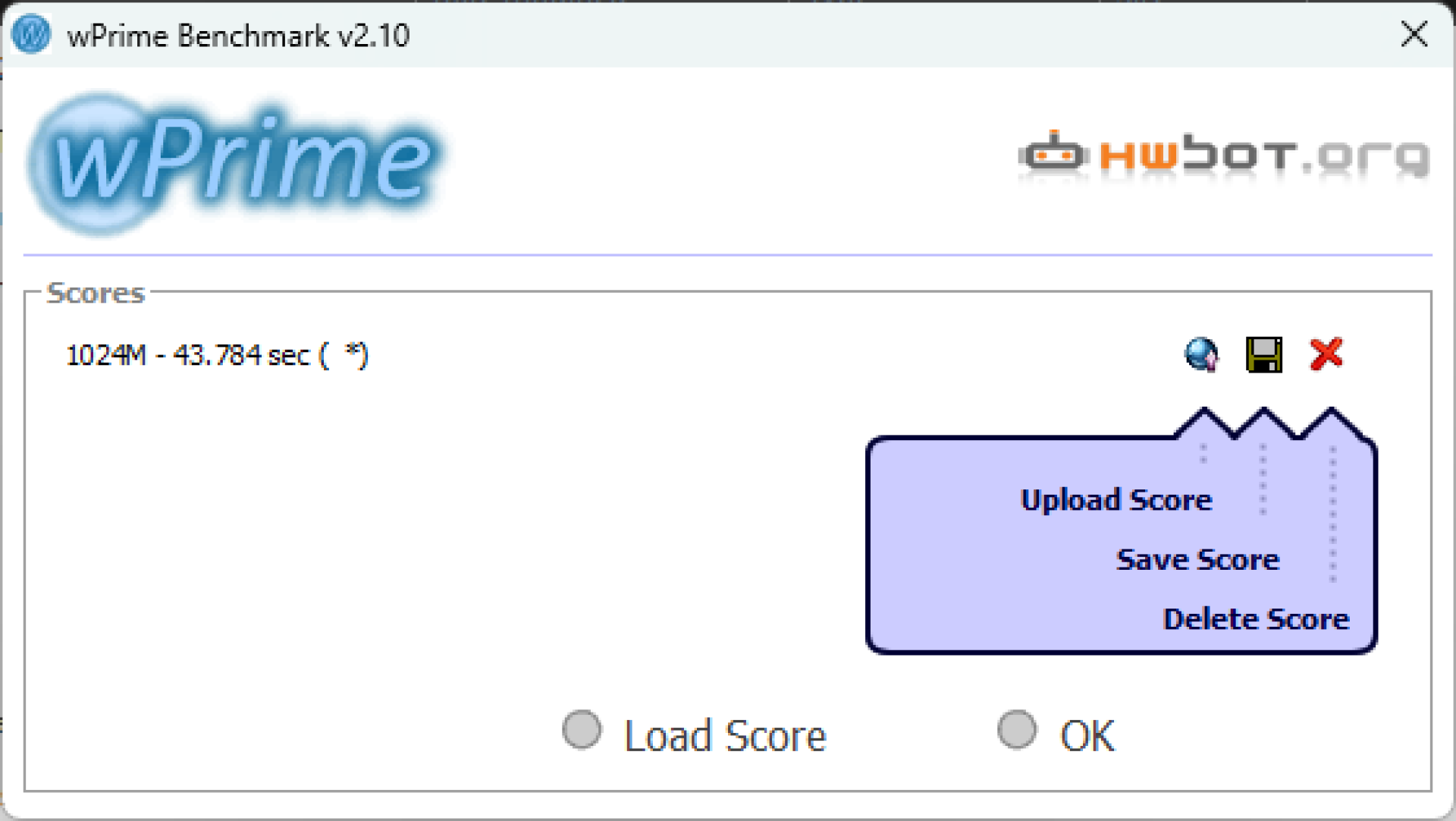
wPrime is a benchmark tool similar to SuperPI, but the former takes on finding prime numbers using Newton’s Method. The benchmark is set to calculate 1024 million prime numbers, and the performance is measured according to calculation time.
V-RAY 6
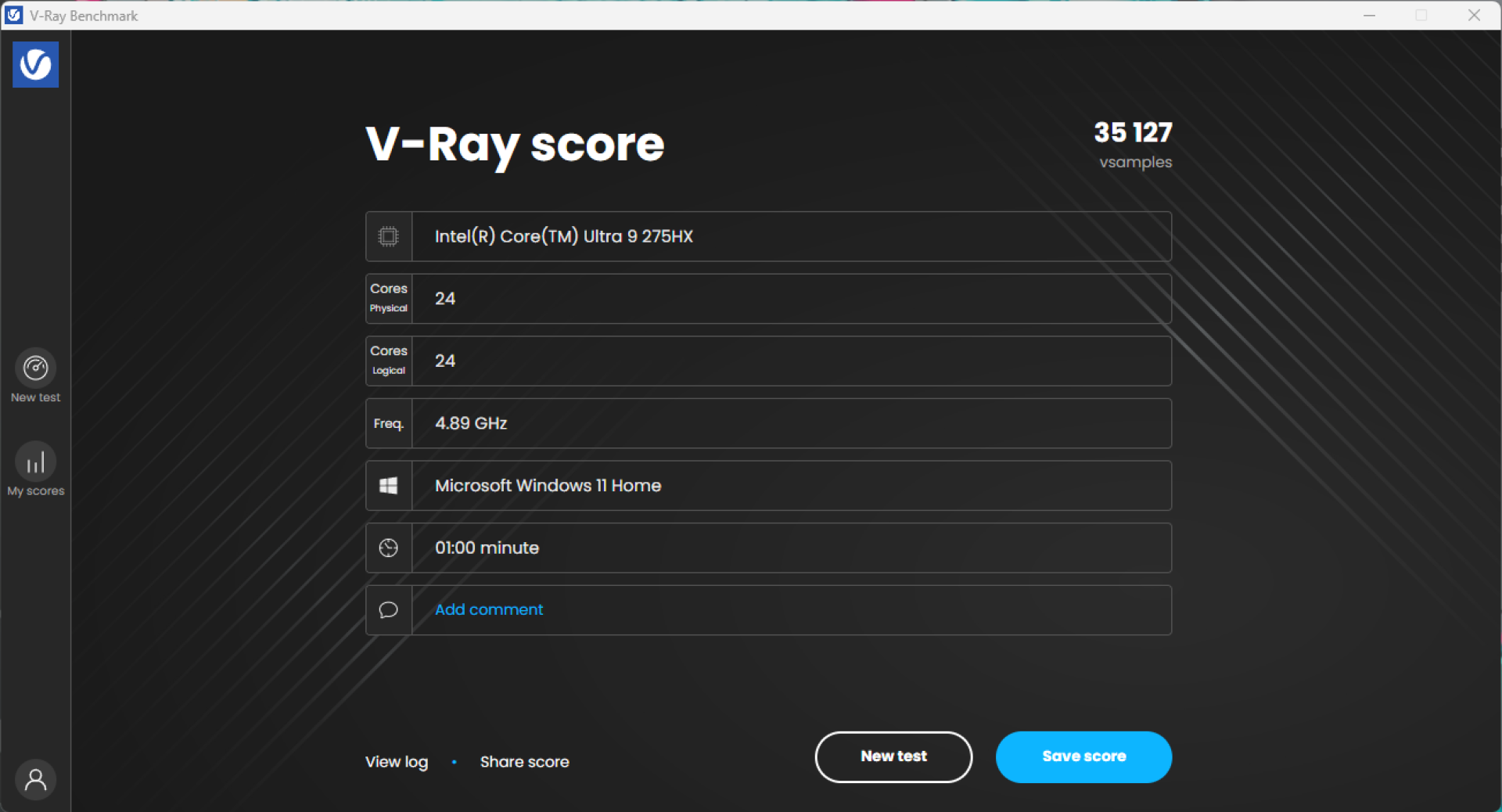
V-Ray Benchmark is a stand-alone version of V-Ray developed by Chaos Group. It is designed to test the CPU and GPU by rendering sample scenes at a fixed amount of time. V-Ray is a plug-in mostly utilized by 3D computer graphics software applications mainly for industrial design, product design, architecture, film, and video game production. V-Ray is not limited to 64-threads as it supports multi and mega-threading.
BLENDER
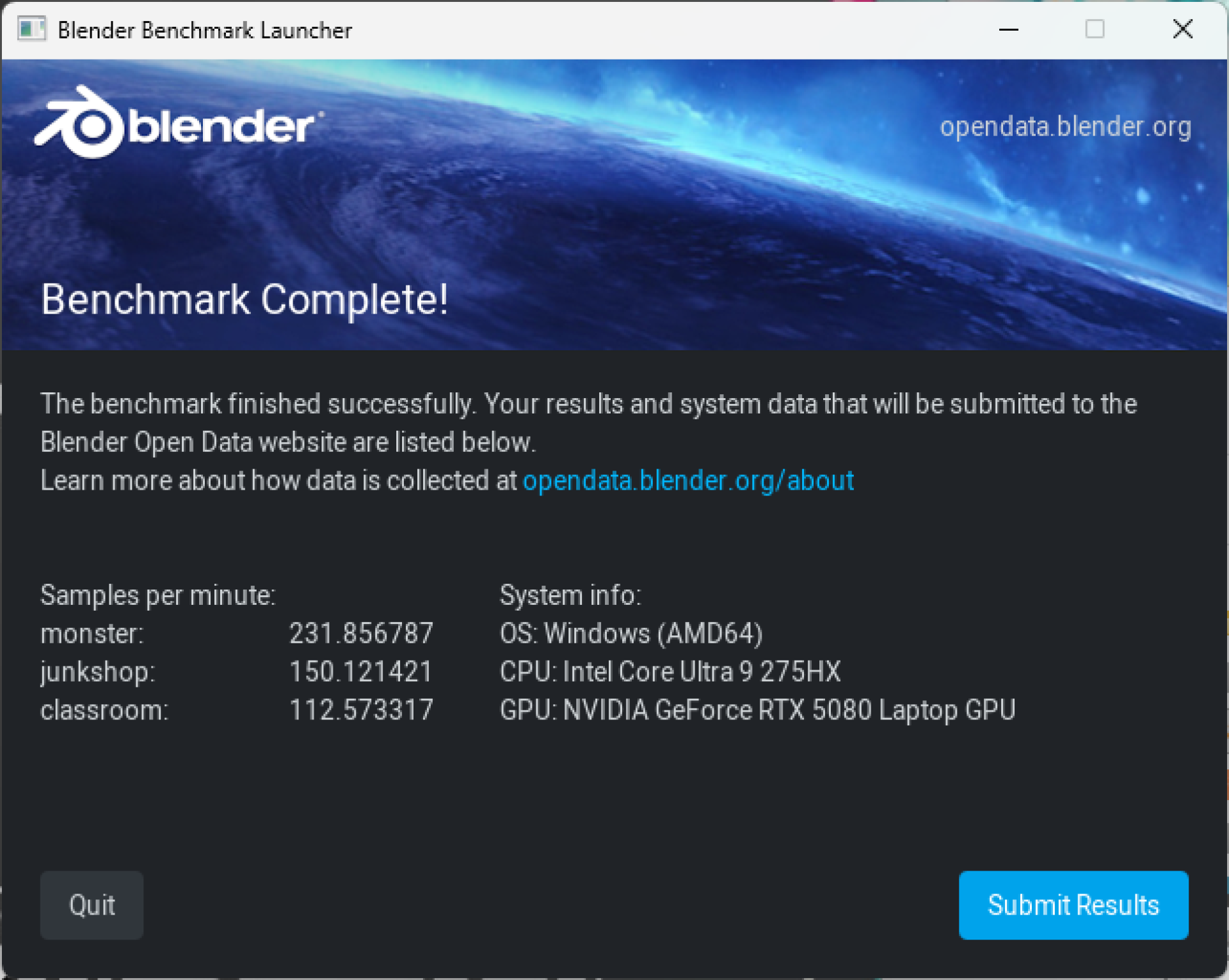
Blender is a widely used, free, open-source 3D creation suite. It supports the whole 3D pipeline process from modeling, rigging, animation, simulation, rendering, and even motion tracking. Blender has become a standard for CPU benchmarks with the BMW27 and Classroom Scene most used. This prompted the company to release Blender Open Data Benchmark in 2018, a benchmark-specific version allowing users to run a preset benchmark and share the results online like 3DMark.
GeekBench 6.5
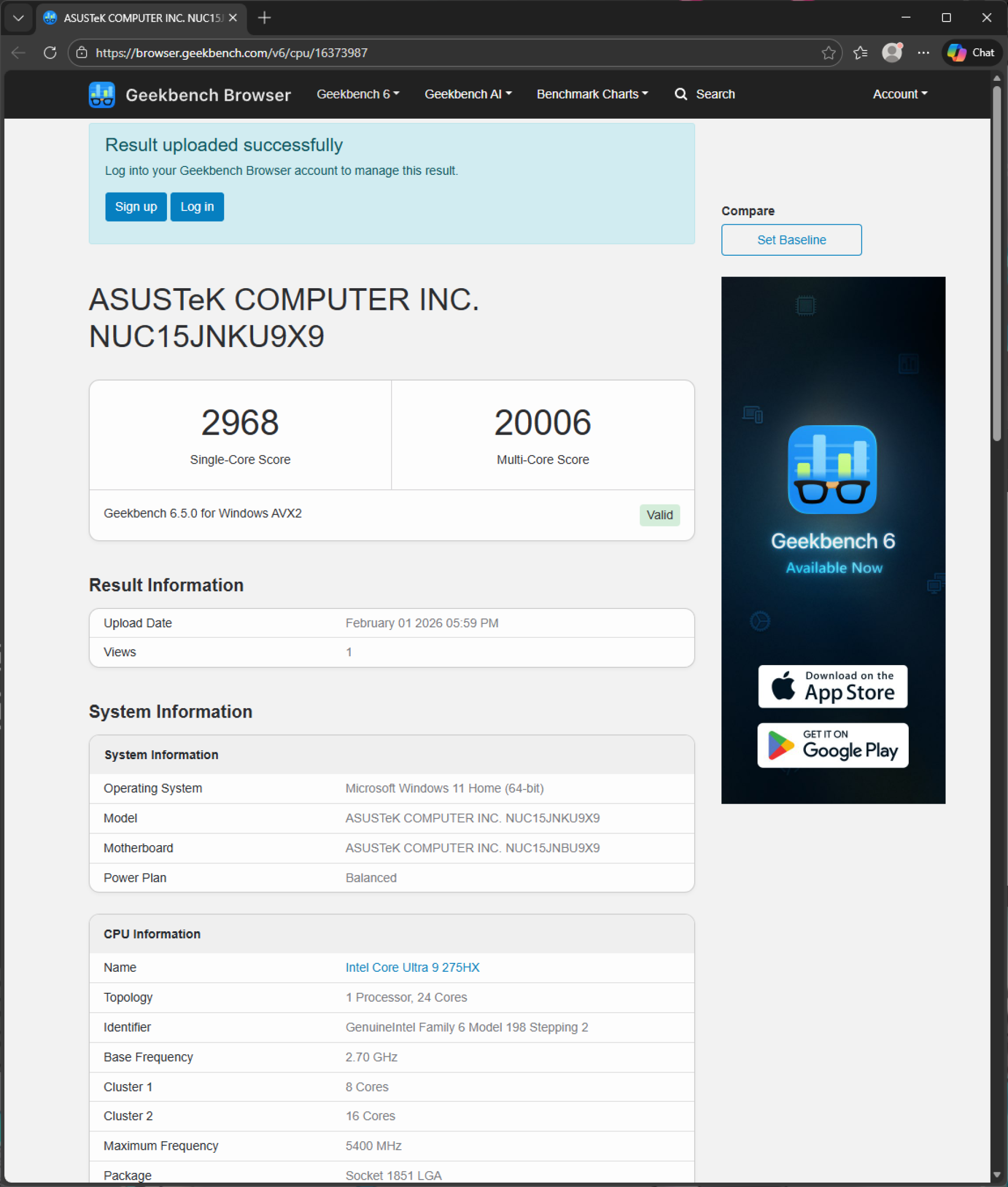

Geekbench is a multi-platform benchmark used to gauge CPU performance and compare them across Windows, Mac, and Mobile. Geekbench 6 is the latest version and doesn’t rely on memory more than the previous Geekbench 4, making it a great tool to measure both single-core and multi-core CPU performance.
PCMark10
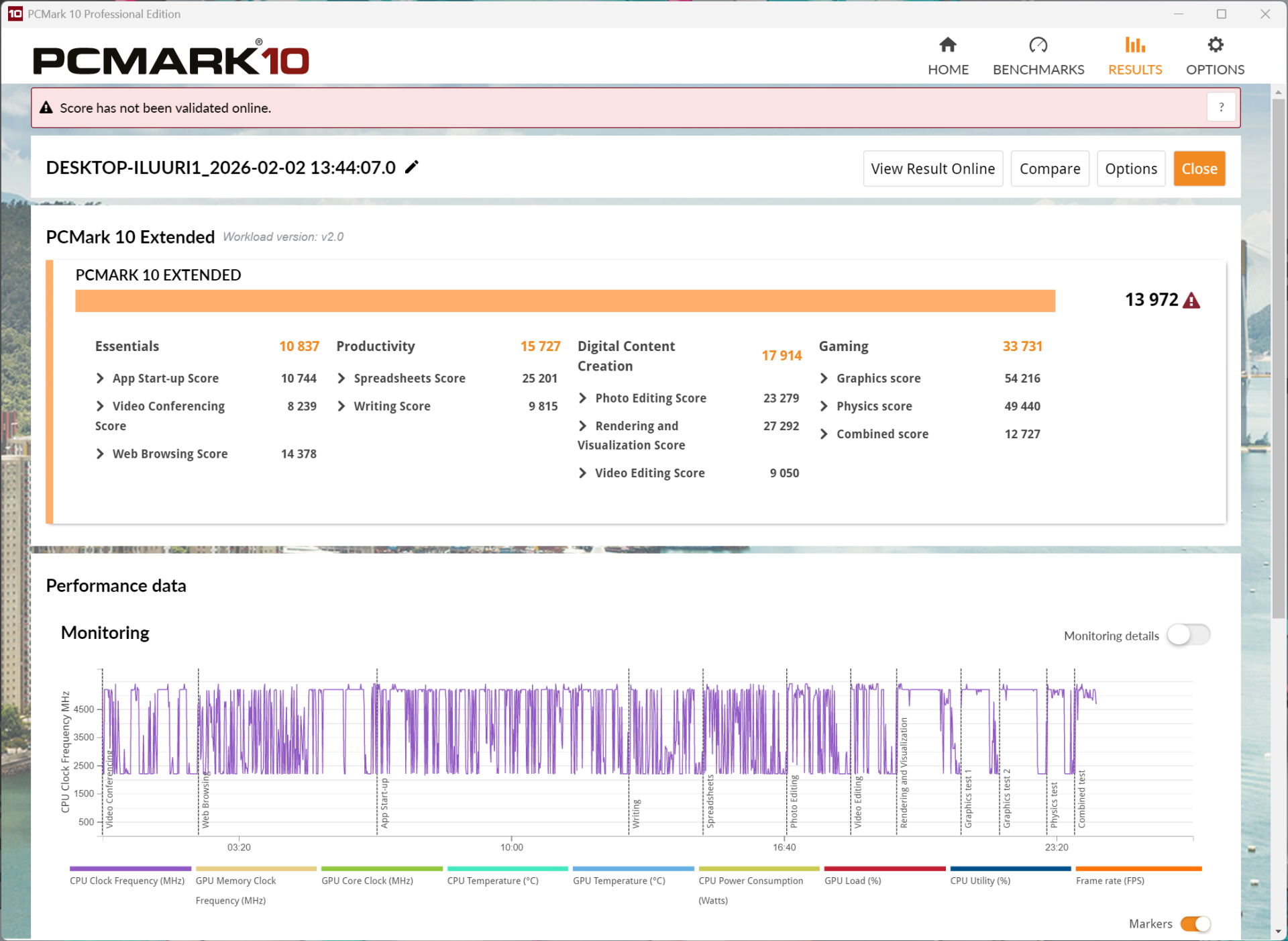
From the same developers of the popular game benchmarking tool 3DMark, PCMark 10 is a benchmarking app for measuring a whole PC’s performance. It covers a wide variety of tests to reflect common tasks performed in a modern workplace. We selected PCMark 10’s extended benchmark and reported both the overall score and Digital Content Creation Score.
CORONA RENDERER
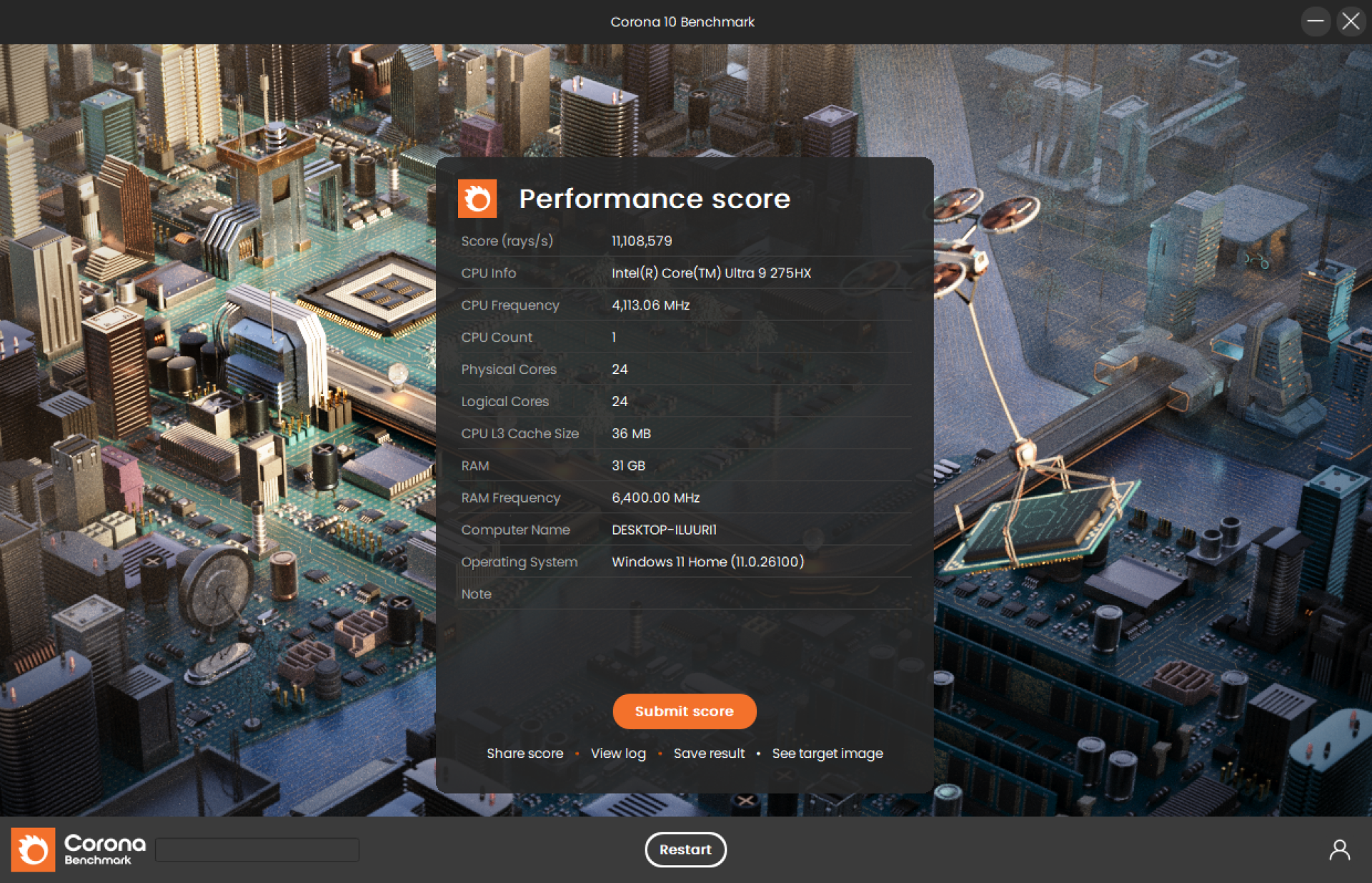
Corona Renderer is an unbiased photorealistic render available for Autodesk 3Ds Max, Maxon Cinema 4D, and as a stand-alone application. Its popularity, similar to Blender, led Chaos Group to develop a benchmark version of the app which runs using Corona Renderer 1.3. Workstation systems, especially CPUs, can utilize Corona Benchmark as up to 72 threads can be used in the benchmark, making it very suitable for CPUs with various price segments.
PassMark 10.2
Passmark 10 provides a comprehensive suite of tests that evaluate various aspects of a system’s performance, including CPU, GPU, memory, and disk performance. Its automated testing process makes it accessible and efficient for reviewers to conduct benchmarks and analyze the performance of different systems.
BapCo CROSSMARK
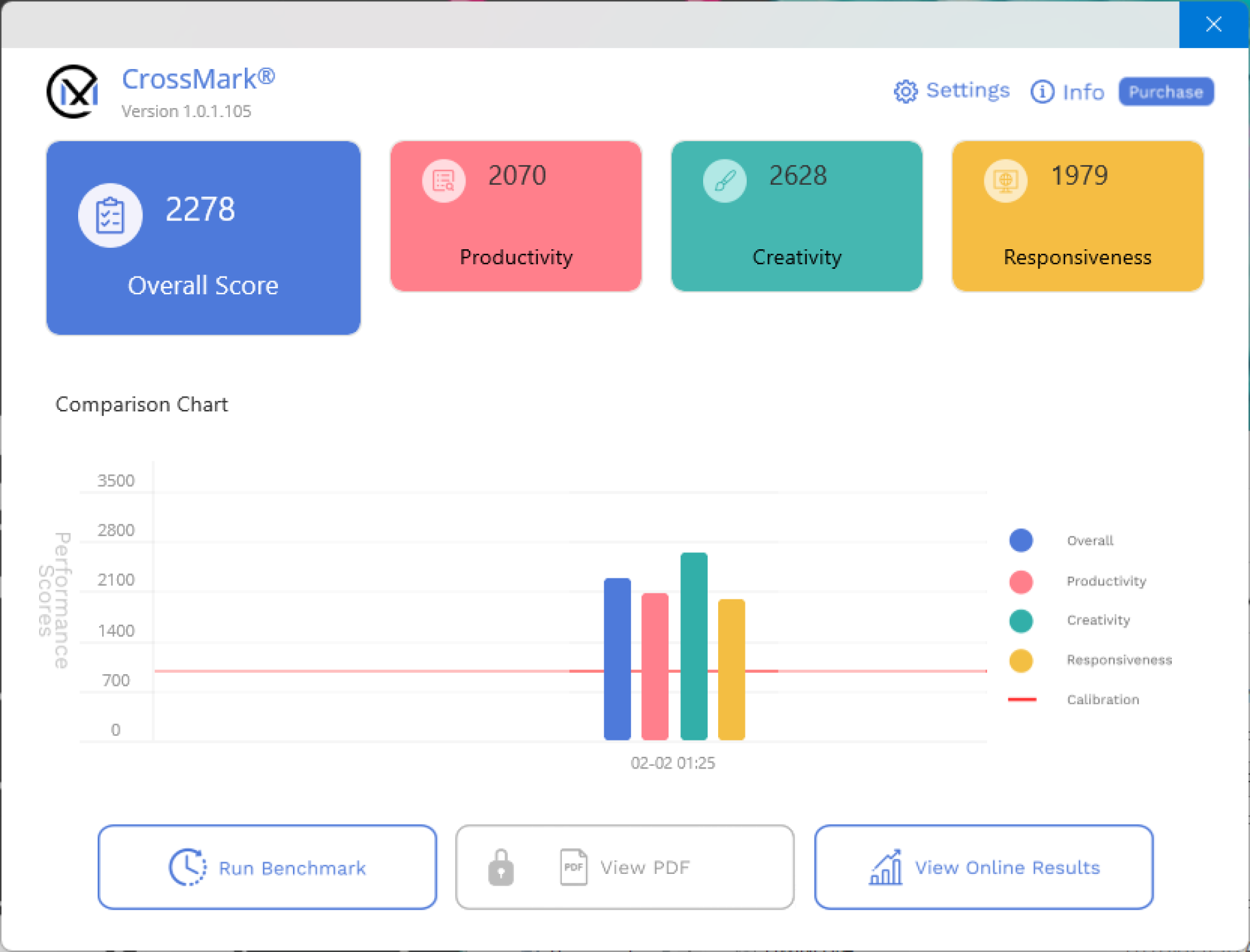
Crossmark is one of the few native cross-platform benchmark tools available for Windows, Android, Linux ChromeOS, iOS, and macOS. It measures overall system performance and system responsiveness using models of real-world applications making it a great comparison point across multiple platforms.
HANDBRAKE
Handbrake is a top-rated open-source video conversion software that is used by professionals, enthusiasts, and even reviewers as a reference point mainly because of its wide variety of media codecs. The rise of streaming and blogging makes video content, both encoding, and transcoding important for these people, regardless of whether they’re seasoned professionals or just starting out. Handbrake also takes advantage of AVX-512 and OpenCL to accelerate certain types of media codecs. Our Handbrake benchmark converts a 500MB MP4 video to H.264 to measure the processor’s performance.
OCTANE 2.0 PLUS
Google Octane 2.0 is a benchmark that measures a Javascript engine’s performance by running multiple tests representing different use cases of JavaScript applications. While Google Octane is retired and no longer maintained, it is still a good representation of today’s dynamic, interactive web applications. Our Google Octane 2.0 is run on Microsoft’s latest Chromium-based Edge browser.
ASUS ROG NUC 2025 Gaming Benchmarks
RETURNAL
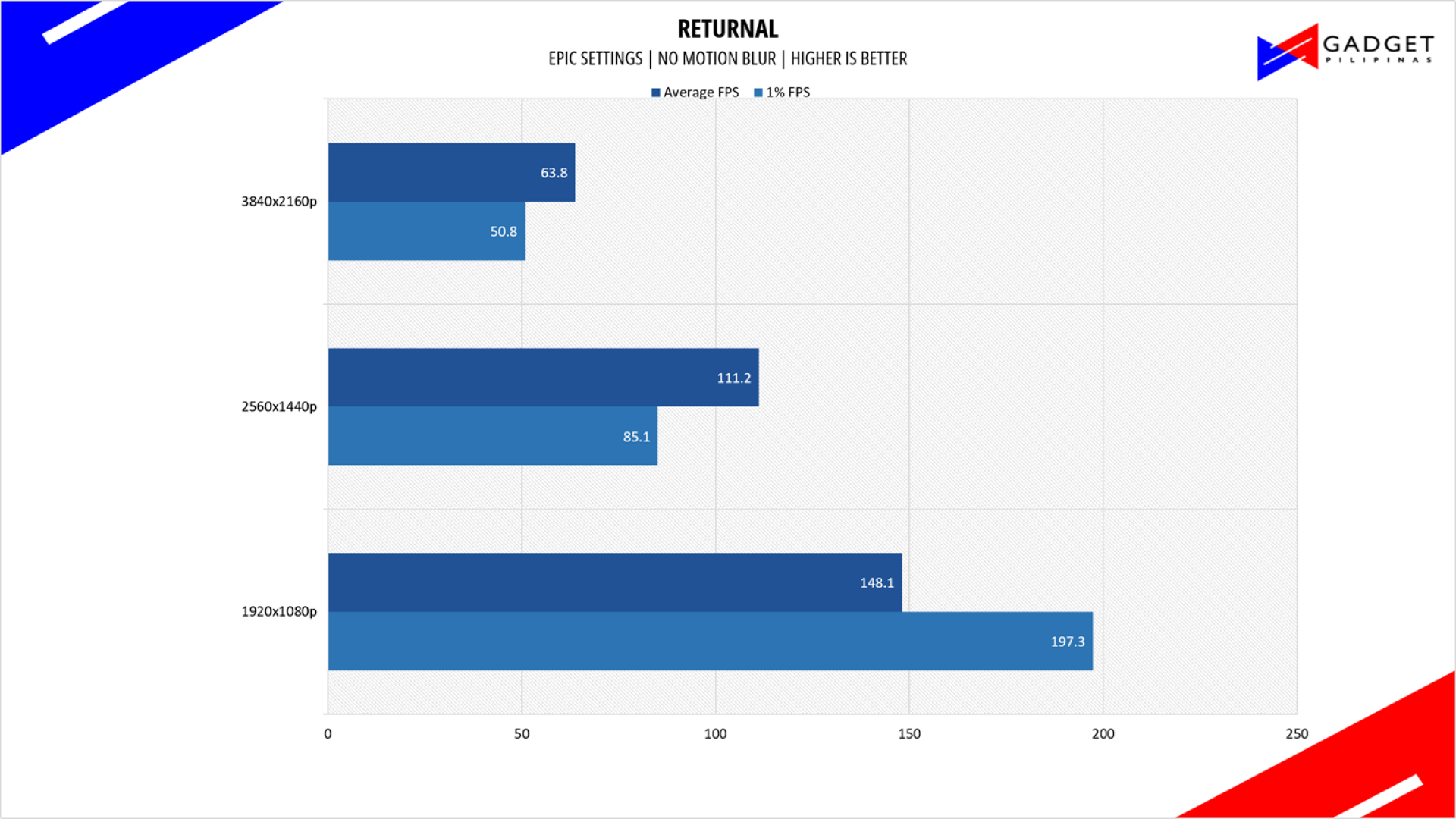
Returnal is one of the most technologically advanced games since the launch of Cyberpunk 2077. Released last April 2021 on PS5 and February 2023 on PC, it uses Unreal Engine 4 and supports multiple technologies such as Ray Tracing, DLSS, VSR, and FSR.
COUNTERSTRIKE 2

CounterStrike 2 or CS2 is the successor to the now-retired CSGO and now uses the Source 2 Engine – the same engine used on DOTA 2. CS2 is a great FPS game to test out CPU performance. Our benchmark process uses the replay function of the game.
DOTA 2

Dota 2 has a good reputation among F2P titles, especially MOBAs and RTS as it lands on the demanding side of the spectrum. Its gameplay and quality of life updates are far more frequent than most F2P titles, thanks to its vast popularity. Our benchmark sequence is based on a replay of Liquid vs. Gaimin Gladiators in the The International Grand Finals Game 3 from the team fight that happened from 16:24 to 17:24.
SPIDER-MAN: MILES MORALES
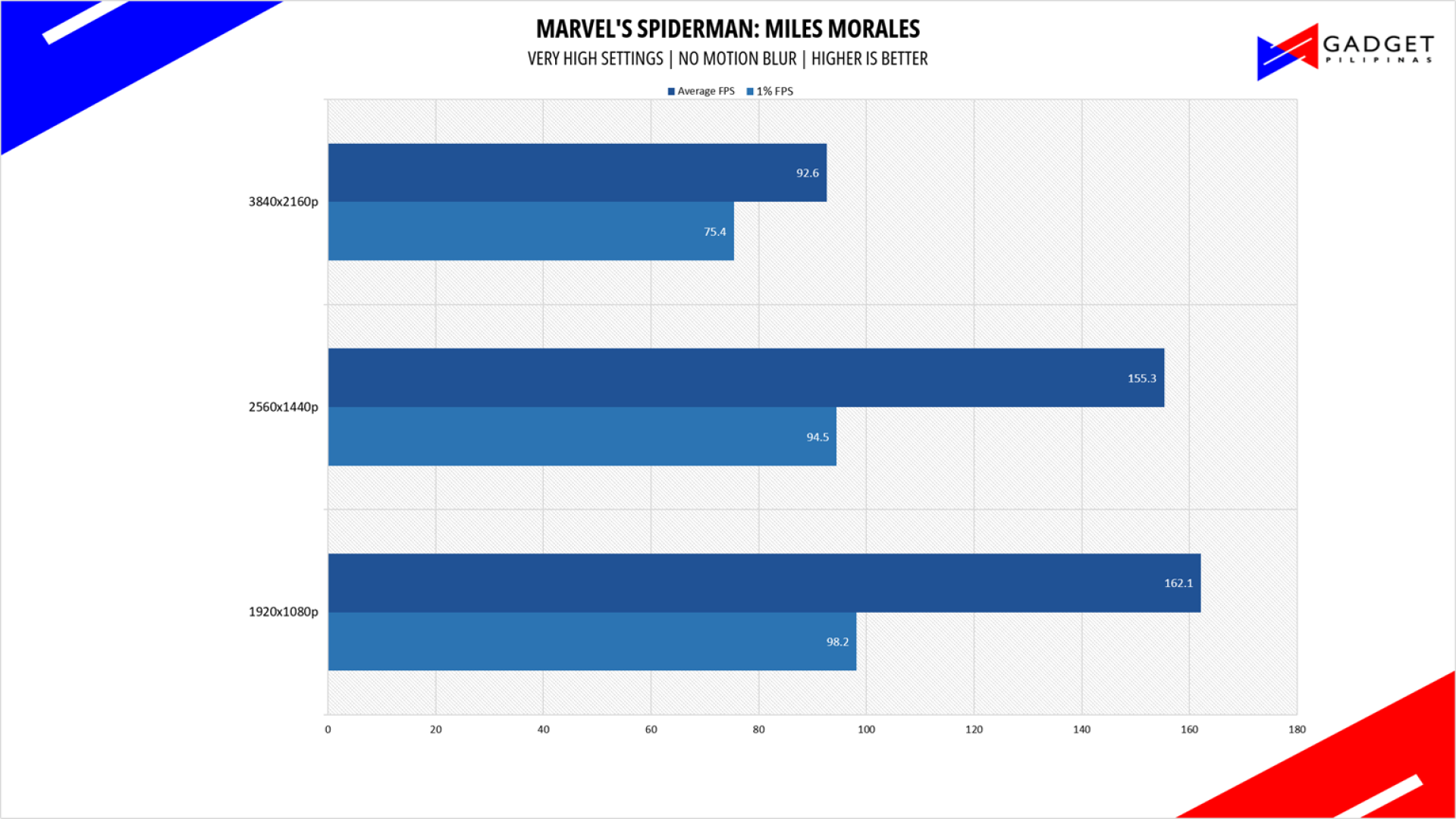
Marvel’s Spider-Man: Miles Morales is developed by Insomniac Games and published by Sony, is one of the most popular PC port titles last 2022. It’s one of the few modern game titles that support upscaling technologies FSR, DLSS, and XeSS, making it a great title to use for benchmarks.
F1 25
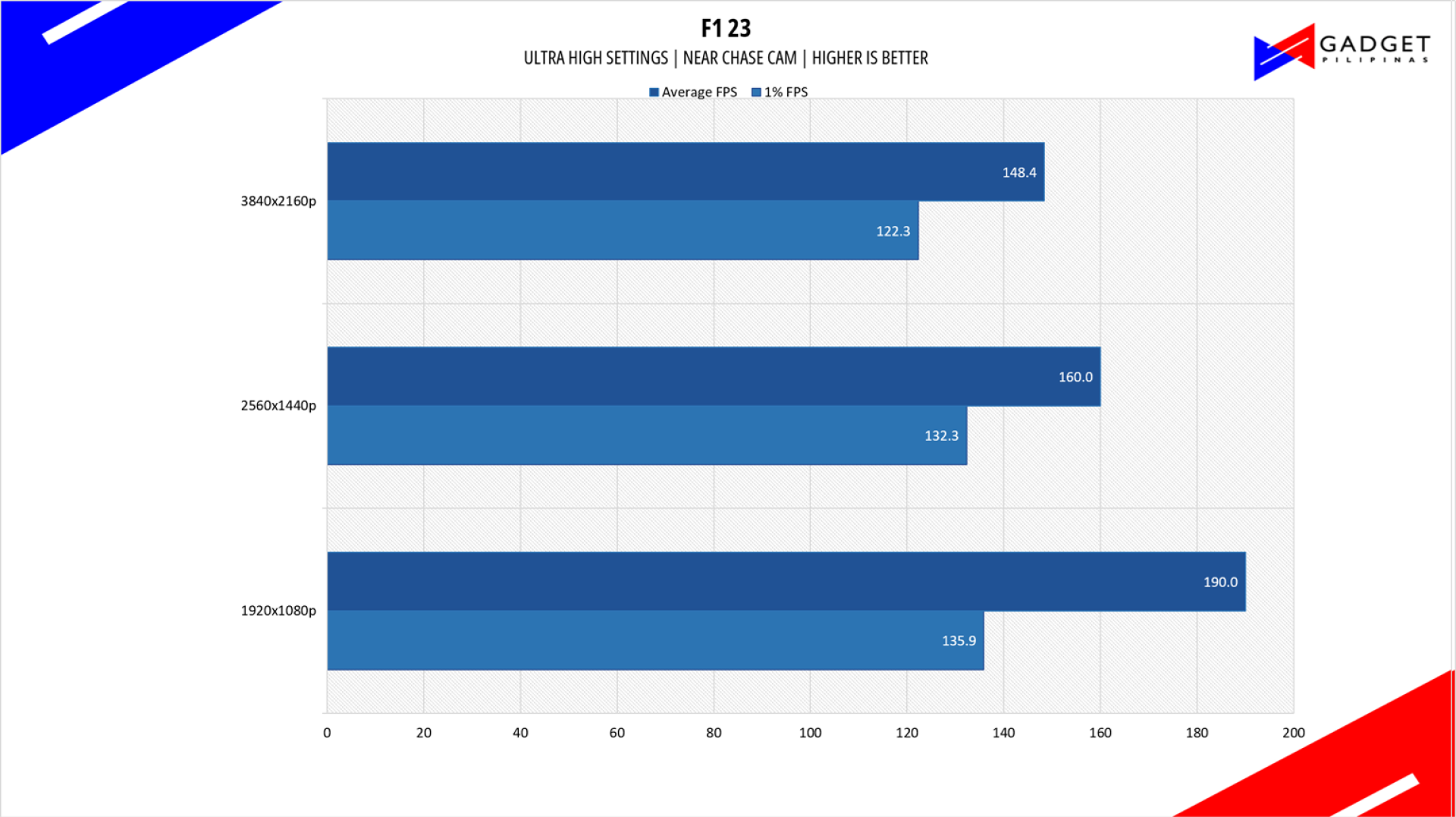
F1 25 is the official video game of the 2025 Formula One and Formula 2 championships, developed by Codemasters. F1 25 is the latest installment in the franchise and uses the Ego Engine 4.0. F1 25 is a good representation of racing games thanks to its realistic graphics and fairly demanding spec requirements as well as support for Ray Tracing and the latest upscaling technologies such as DLSS, XeSS, and FSR.
ASSASSIN’S CREED: MIRAGE
Assassin’s Creed Mirage is the latest Assassin’s Creed game from Ubisoft, making it the thirteenth major installment in the franchise. It uses the AnvilNext 2.0 game engine and is the very first AC game to support the latest upscaling technologies such as XeSS, FSR, and DLSS.
Cyberpunk 2077
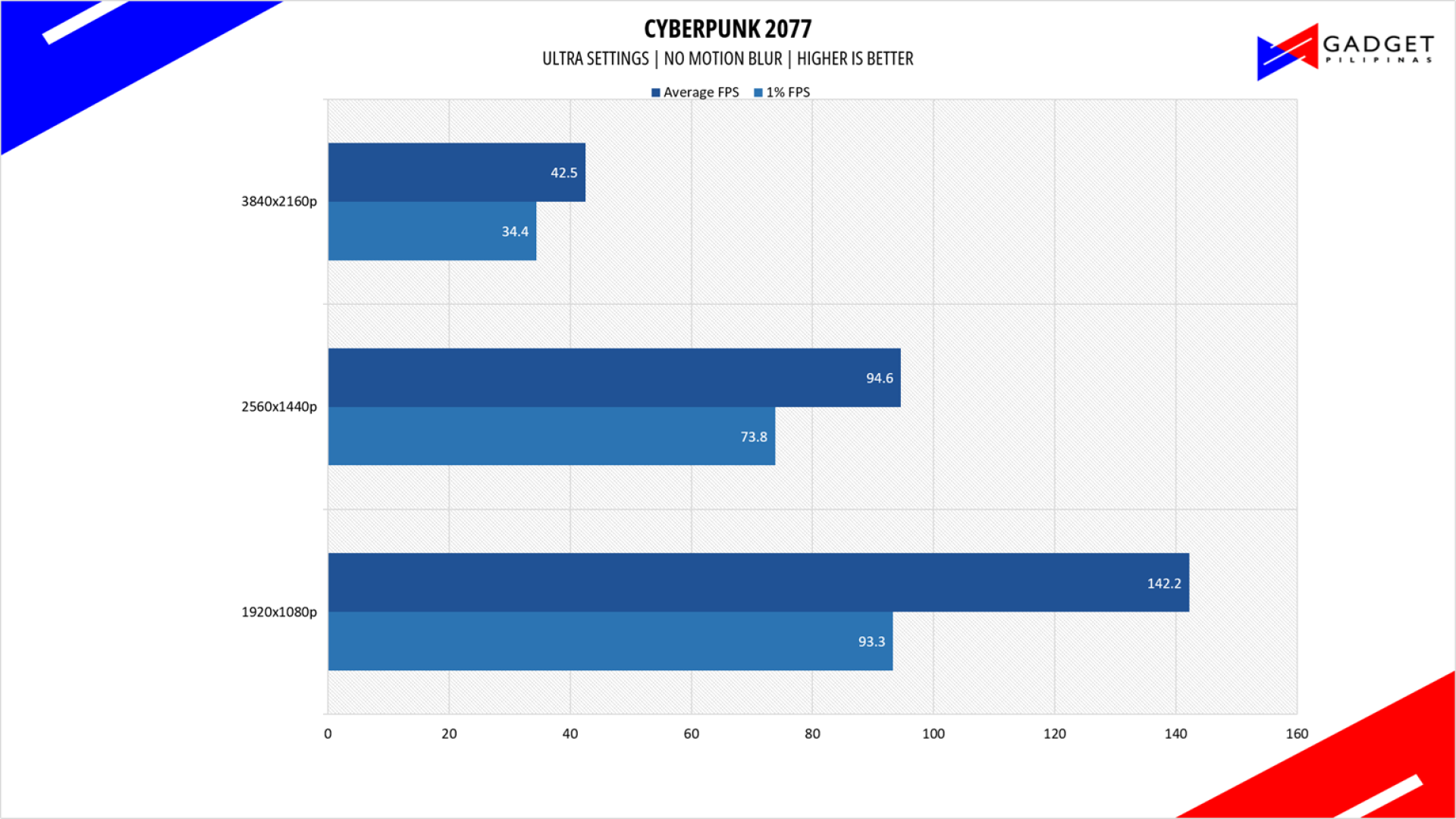
Cyberpunk 2077 is arguably the most hyped game of 2020. Developed by CD Projekt Red, the dystopian open-world, action-adventure RPG sports is one of the most demanding titles to date. Cyberpunk 2077 also supports three Ray Tracing settings as well as DLSS, which makes the game a great tool to measure Ray Tracing performance for both AMD and NVIDIA graphics cards.
HORIZON FORBIDDEN WEST
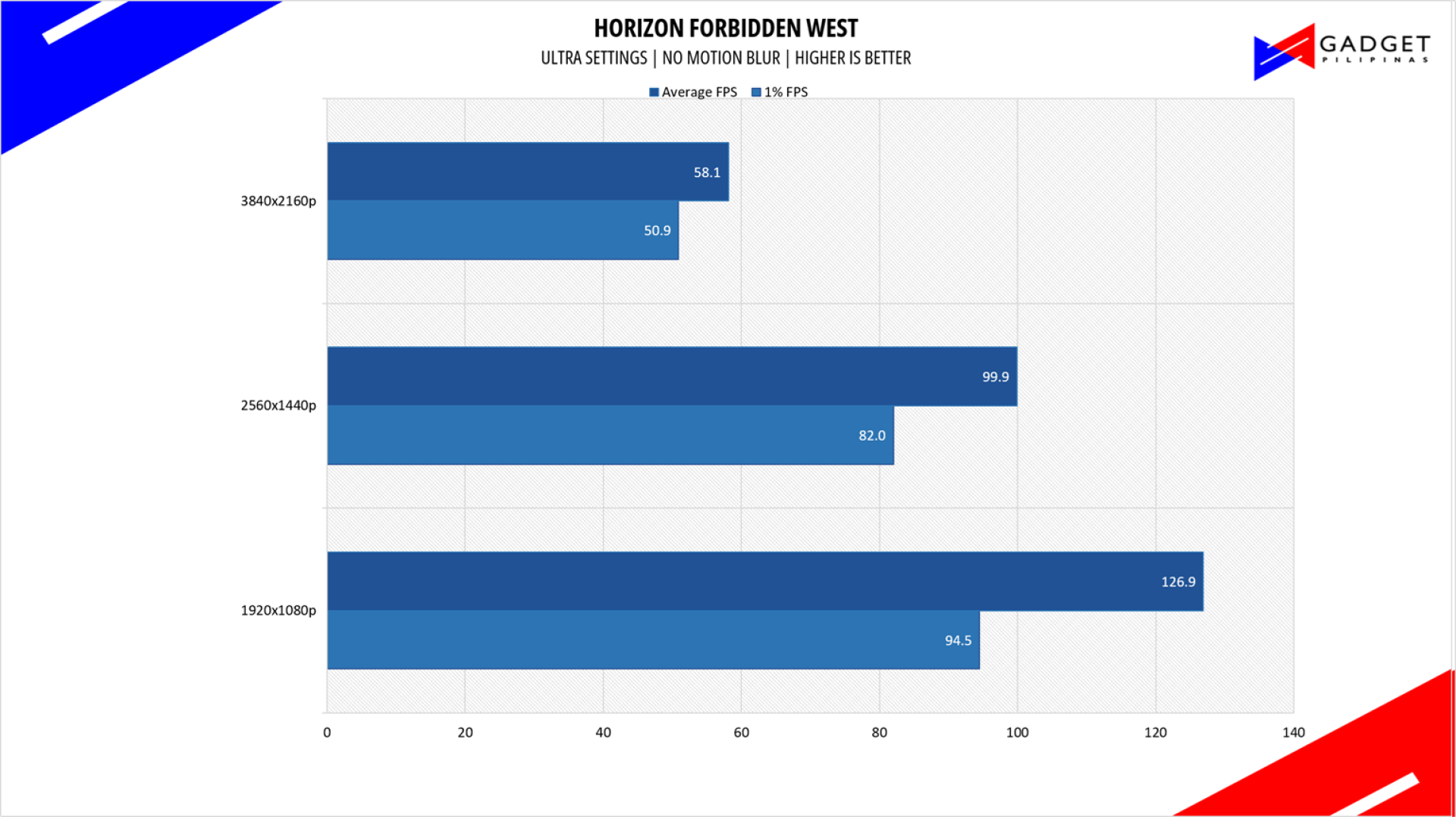
Horizon Forbidden West is a 2022 action role-playing game developed by Guerrilla Games and published by Sony Interactive Entertainment. The Horizon Zero Dawn game sequel launched on PC last March 2024 built on the Decima Game Engine, the same one used on Death Stranding. Horizon Forbidden West features Ray Tracing and Upscaling technologies not present in the prequel game.
BLACK MYTH WUKONG

Black Myth: Wukong is one of the most popular game titles launched in 2024, with its stunning graphics thanks to the Unreal Engine 5. Developed by Game Science, Black Myth: Wukong is one of the most demanding titles recently released titles with complete Ray Tracing and Upscaling technology features, making it a great benchmark for new hardware.
GHOST OF TSUSHIMA
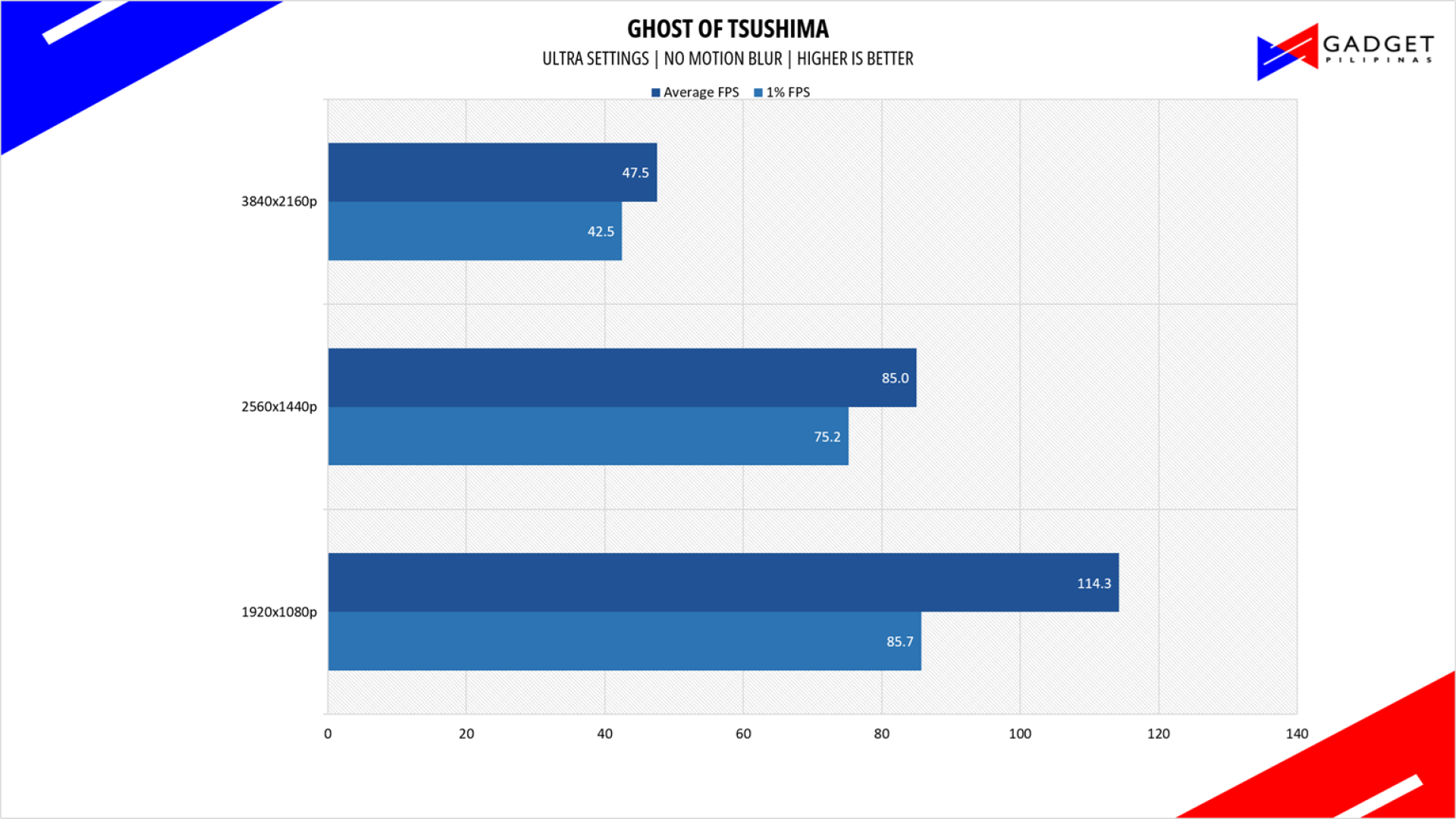
Ghost of Tsushima is an action-adventure game developed by Sucker Punch Productions and published by Sony Interactive Entertainment. It was initially released for the PlayStation 4 in July 2020 and later for PlayStation 5 and Windows. Ghost of Tsushima runs on a modified and optimized version of Sucker Punch’s in-house engine, originally built for the PlayStation platforms.
HOGWARTS LEGACY
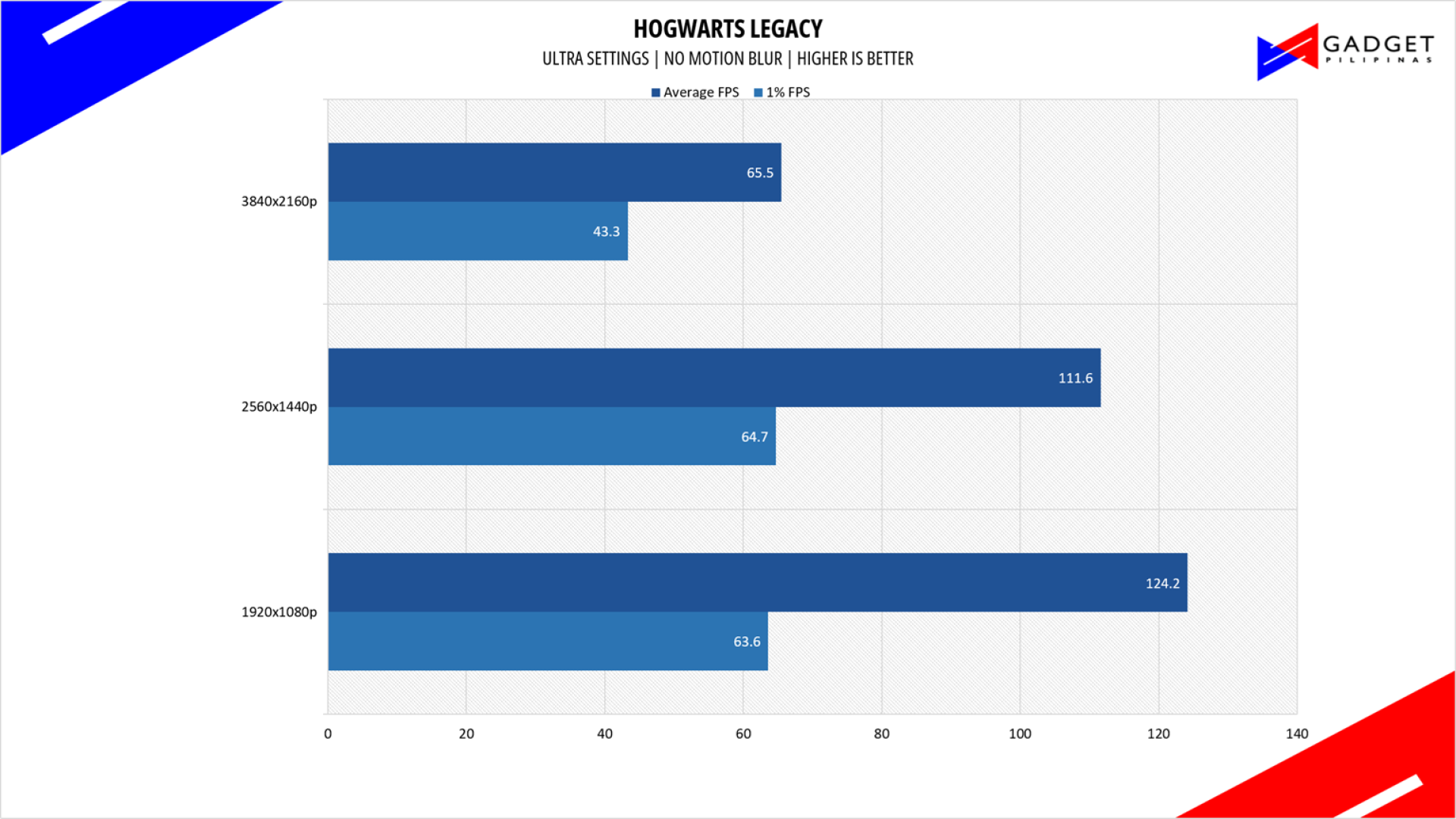
Hogwarts Legacy is a popular game catering to the hearts of Harry Potter fans and gamers with its rich world and engaging gameplay. Developed by Avalanche Software and built on the Unreal Engine 4, Hogwarts Legacy delivers detailed environments and character models with support for the latest rendering and upscaling technologies.
FAR CRY 6
FarCry 6 is an FPS game published by Ubisoft that uses the Dunia engine. It heavily relies on and takes advantage of DirectX 12 to render a realistic environment that is taxing to both the CPU and GPU. It’s also the first game in the franchise to support Ray Tracing.
ASUS ROG NUC 2025 Temps
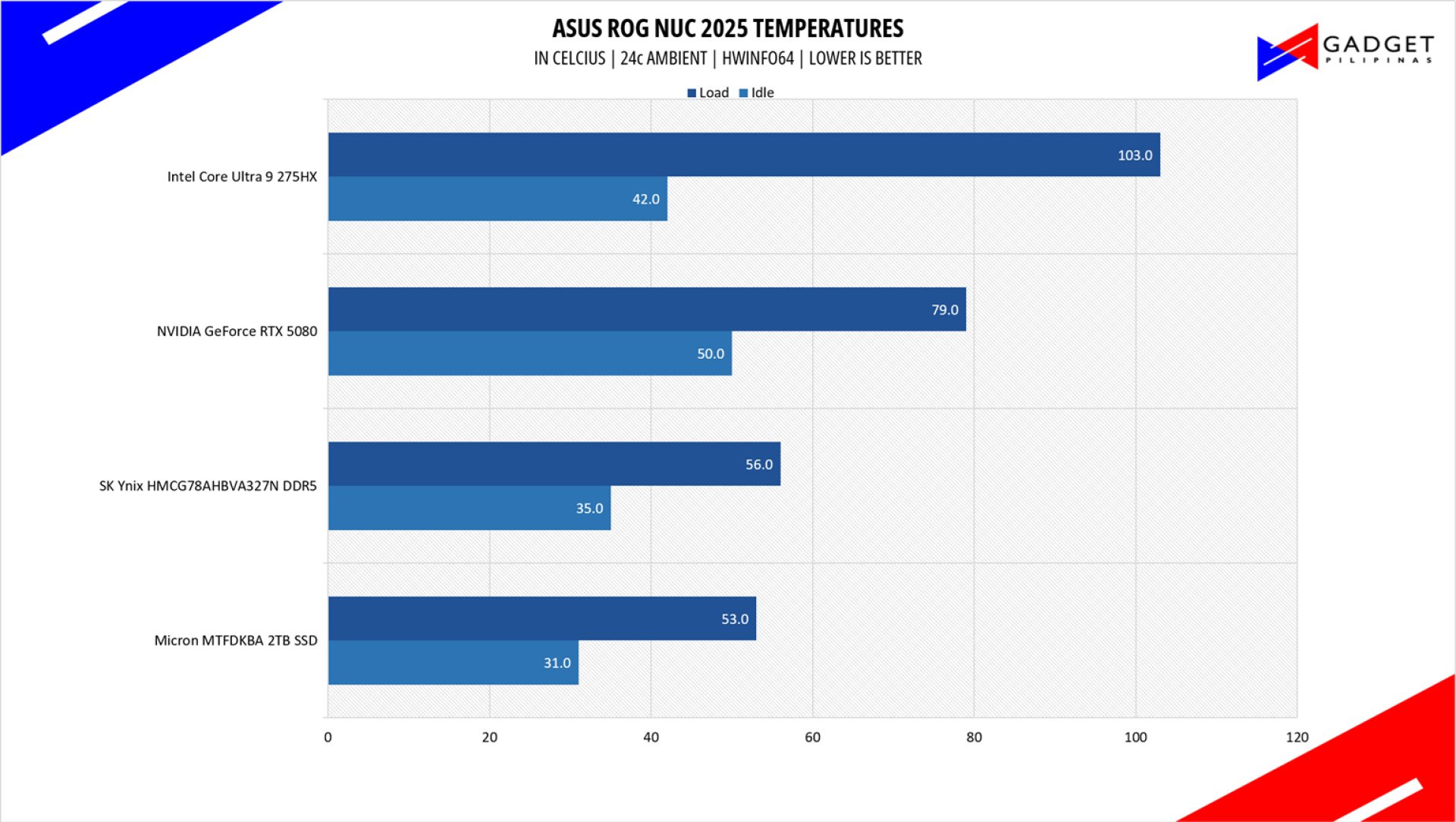
°C
Conclusion
The ASUS ROG NUC 2025, despite its console-like form factor, has the performance that trumps most laptops and gaming setups thanks to the combination of the Intel Core Ultra 9 275HX and NVIDIA GeForce RTX 5080 Laptop GPU. Providing desktop-class cooling to these mobile silicons make much closer to its desktop counterparts. That said, you’re mainly paying for the compact form factor of the ASUS ROG NUC 2025 as there are way cheaper PC builds that perform equally or faster than the ROG NUC 2025. Moreover, unlike PCs, you are only stuck to memory and storage upgrades, which the ROG NUC 2025 already sports more than what a typical user would need.

Grant Soriano
Grant is a Financial Management graduate from UST. His passion for gadgets and tech crossed him over in the industry where he could apply his knowledge as an enthusiast and in-depth analytic skills as a Finance Major. His passion allows him to earn at the same time help Gadget Pilipinas' readers in making smart, value-based decisions and purchases with his reviews and guides.
View all articles →Related Reviews
 Sony 1000X The Collexion Review: Three Months Later
 ASUS ProArt P16 (H7607BA) Review: the RTX Spark platform, tested in the work creators actually do
 HONOR 600S Review: Bits of What’s Loved on the HONOR 600 Series in a More Accessible Package
 Keychron C75 HE 8K TMR Keyboard Review
 Samsung Galaxy S26 FE: Great Functional Elegance
 NBA 2K27 Review: A Better Game Than DLSS 5 Suggests