

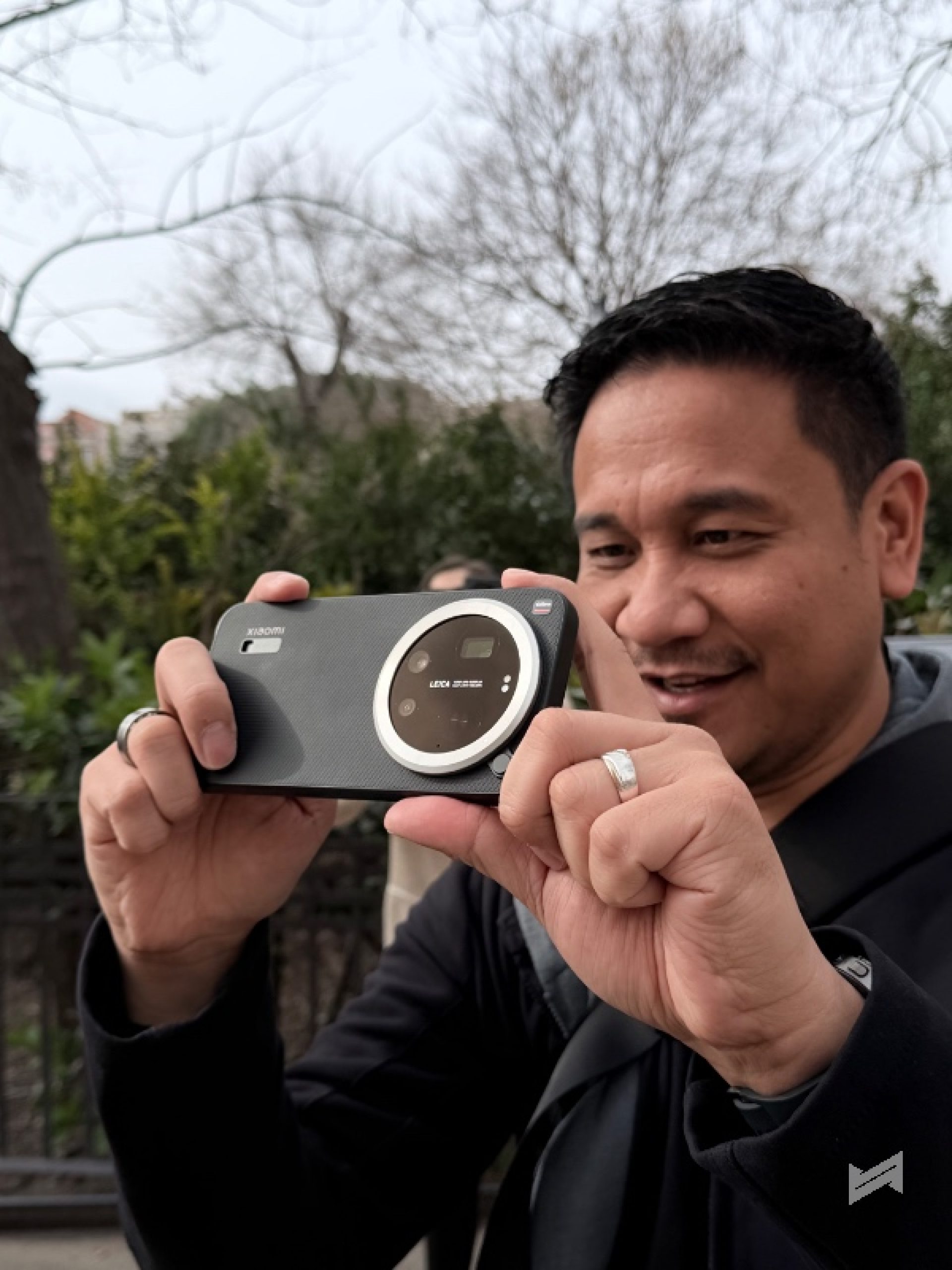
Xiaomi 17 Ultra
The Xiaomi 17 Ultra is the clearest look yet at how Xiaomi sees its future with Leica. It feels less like a regular flagship and more like a Leica‑inspired camera that just happens to make calls, and that mindset shows in both the hardware and the software.
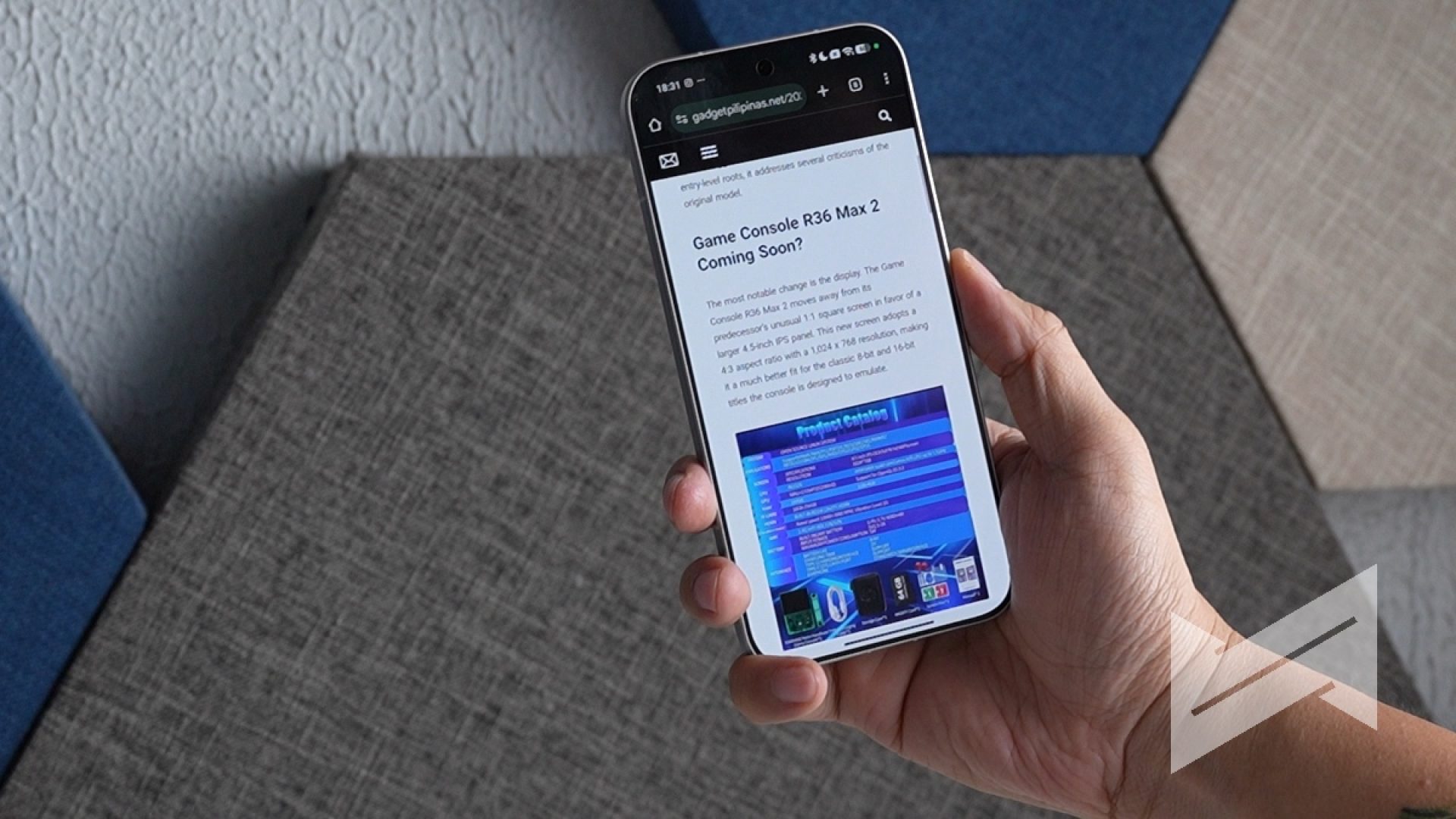
In this review, we drill down our thoughts about Xiaomi’s latest flagship smartphone.
Design
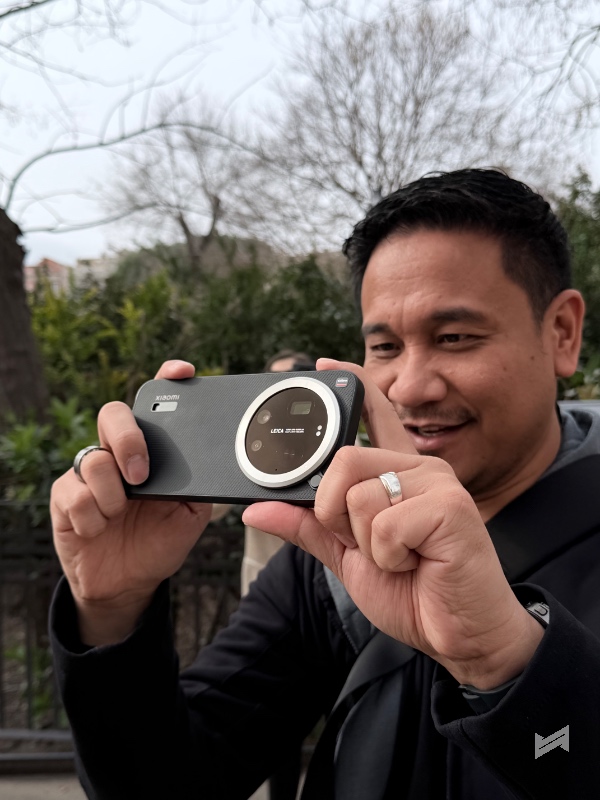
Xiaomi is not shy about the Leica influence here. The circular camera module, flat sides, and overall aesthetic borrow heavily from the Leica Leitzphone, so using the 17 Ultra feels like having a Leica‑branded camera in your pocket, complete with the same focus on optics and control. The white unit I have looks clean and premium, and it stands out in a sea of black and gray slabs without feeling loud. The phone is big though. In the hand it is about as large as an iPhone 17 Pro Max and only a touch smaller than a Galaxy S26 Ultra, so you need to be okay with a two‑hand device if you go this route.
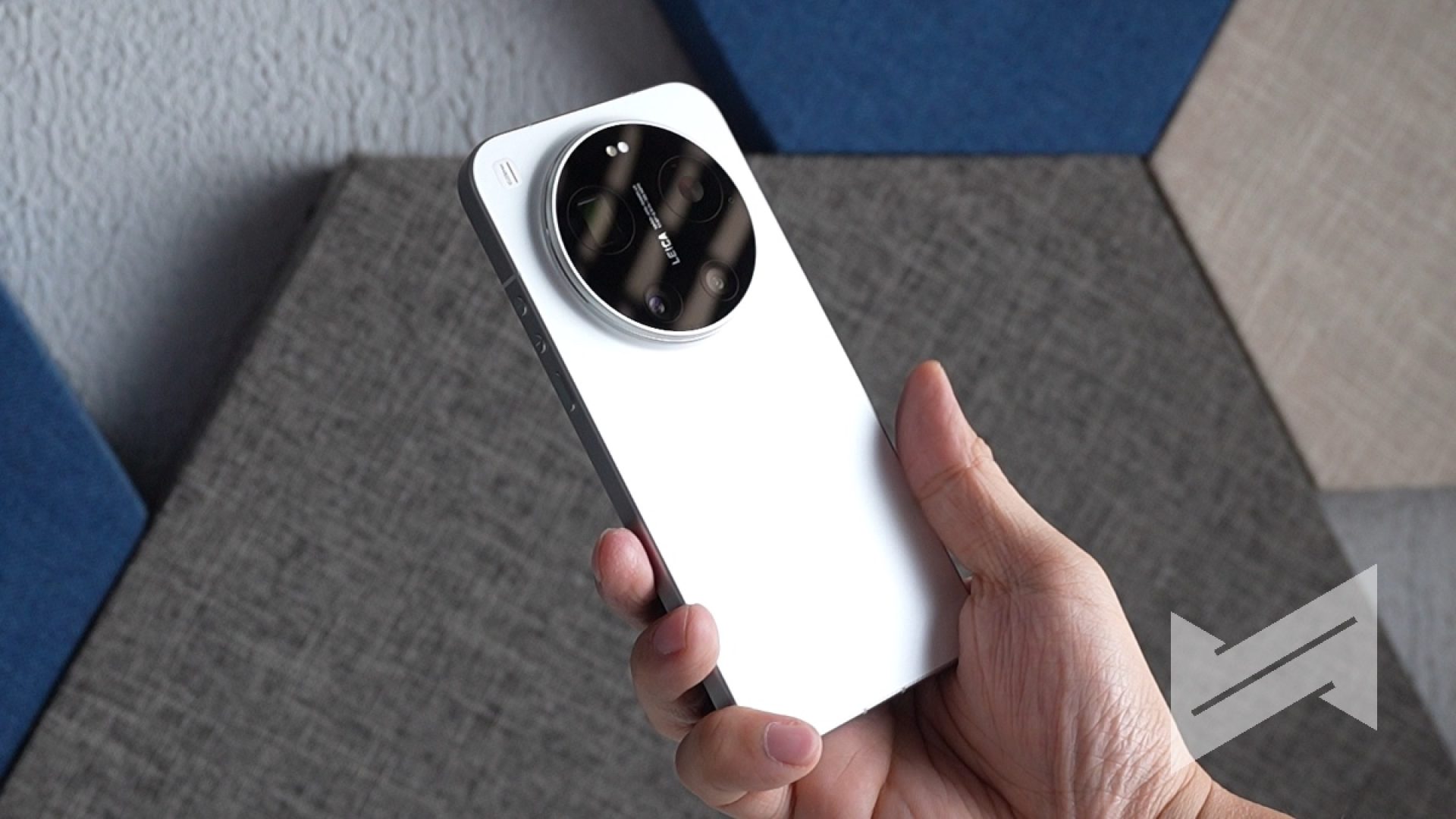
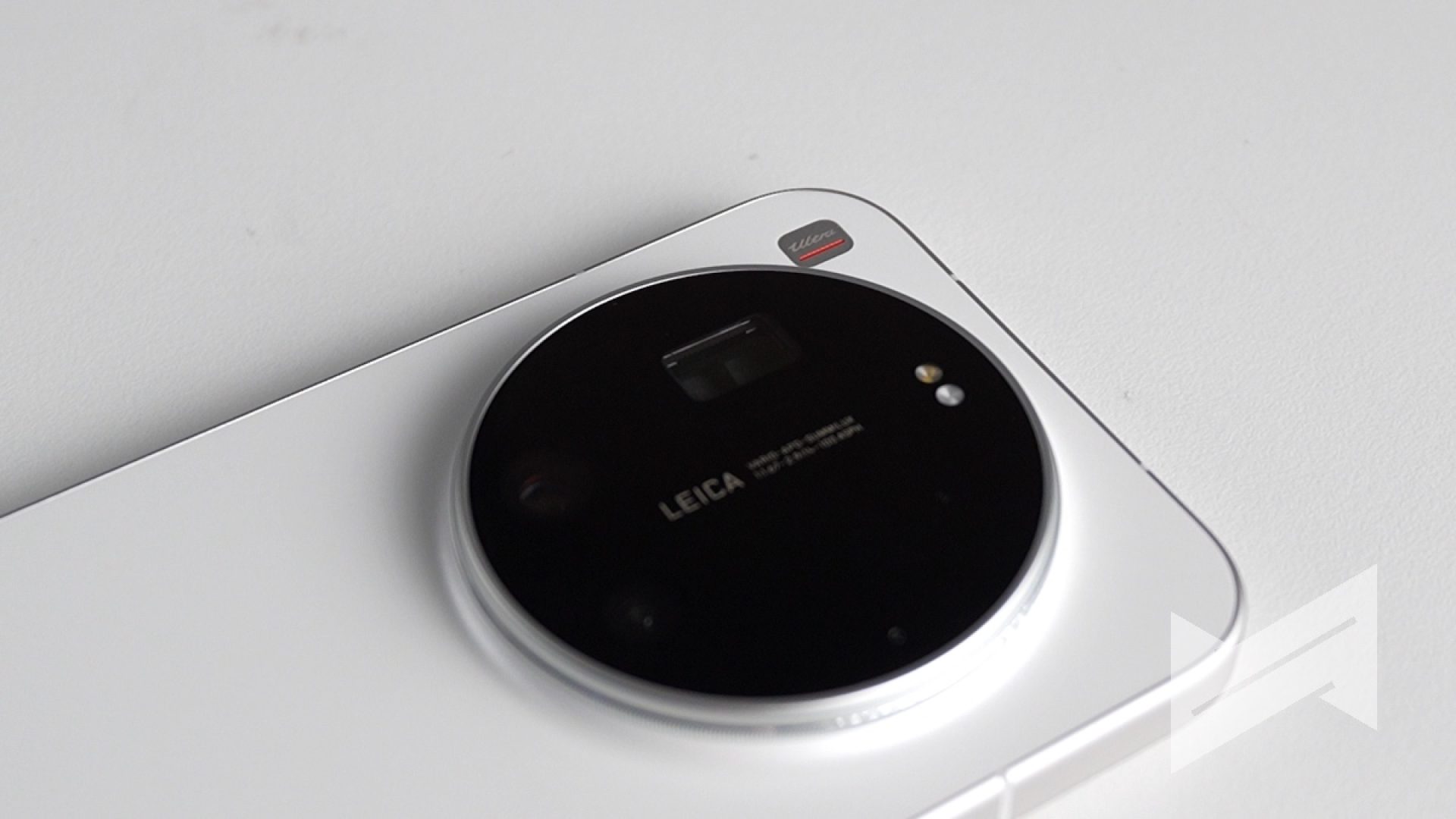
The circular bump is where opinions will split. I understand why some people are not fans, since it takes up a big chunk of the back and makes the phone look a bit like a compact camera glued onto a slab. For me, it is easy to accept because that circle houses the main reason you buy this phone. It packs a 1‑inch‑type Light Fusion 1050L sensor, a 200 MP Leica telephoto with 75–100 mm mechanical zoom, and a 50 MP ultrawide, so functionally it earns the space it occupies. One quirk though: shake the phone and you will clearly hear the stabilizer rattling. It is loud enough that you will notice it right away. The upside is that the stabilizer actually works well in real use, which I will get to later.
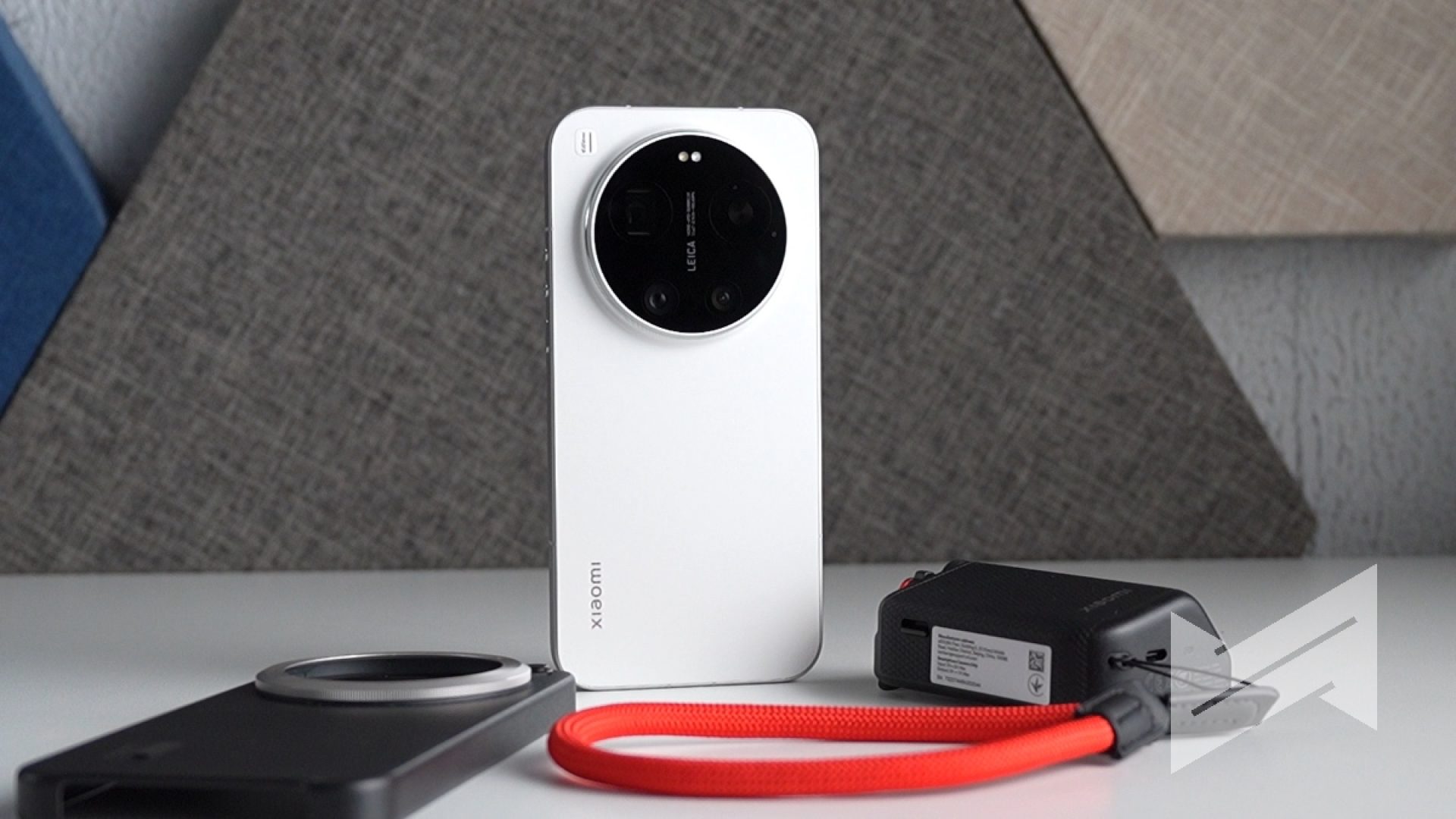
Despite the big battery and massive camera hardware, Xiaomi managed to keep the 17 Ultra reasonably thin and well balanced. At 8.29 mm thick with an all‑flat frame, it feels dense but not awkward, and the flat display makes it easier to grip without accidental touches. Xiaomi Shield Glass 3.0 and an IP68 rating add peace of mind for daily use, whether you are in a humid Manila commute or shooting in light rain abroad. The HyperRGB OLED display is sharp and bright enough to stay readable under direct sunlight, with up to 3,500 nits peak brightness, which is great for framing shots outdoors and reviewing photos on the go.
Camera
I would normally put this section after the performance of my reviews. I thought that I should implement this exception on the Xiaomi 17 Ulltra.
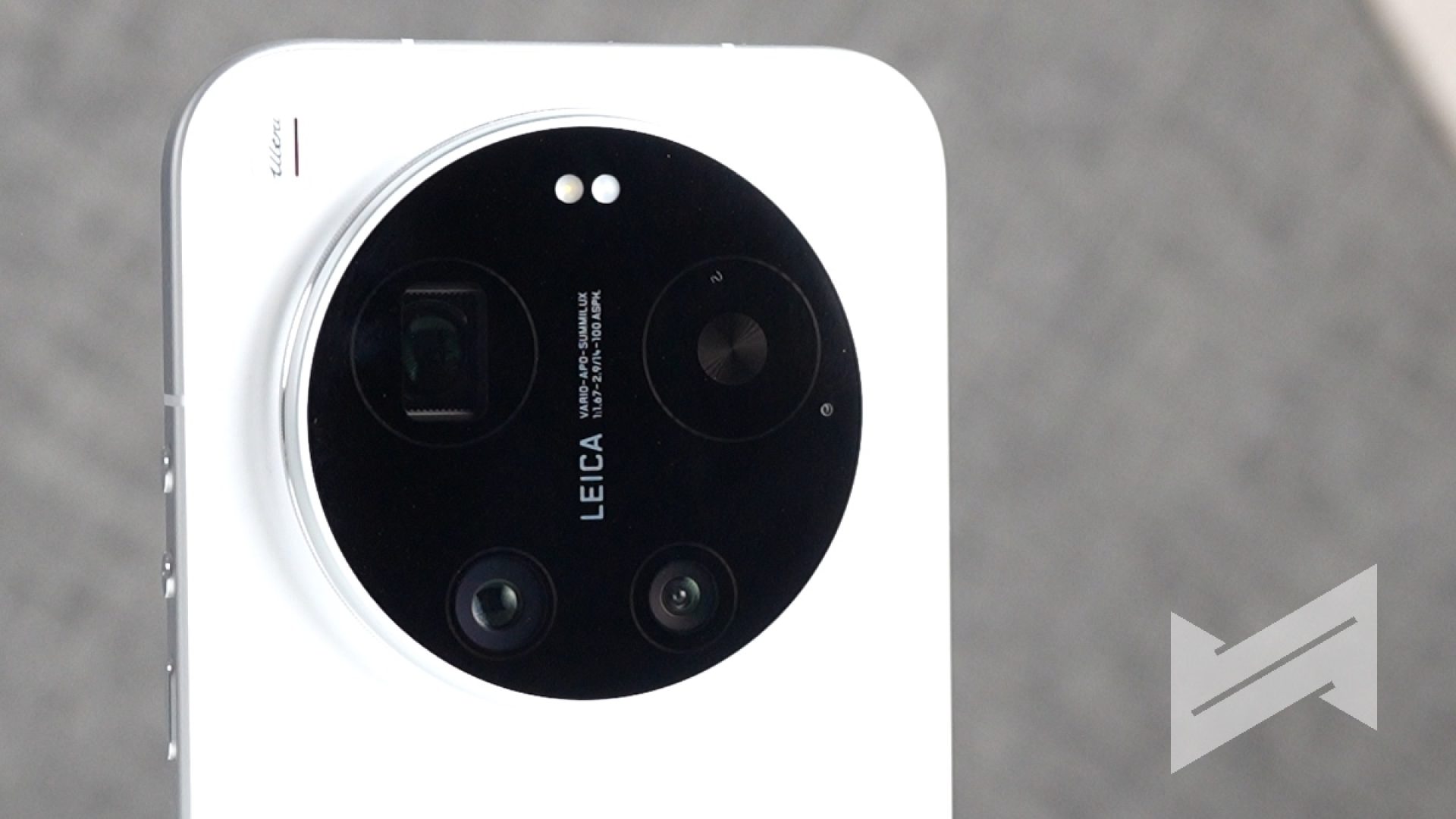
The Xiaomi 17 Ultra’s camera setup is not just about big numbers. It is a full Leica system built around three serious lenses that cover almost everything you would want to shoot while traveling or creating content. In fact, you slap a full Leica branding and custom camera software on this phone, and you’ll instantly get a Leitzphone.
You get a 50 MP 1‑inch Light Fusion 1050L main camera at 23 mm, a 200 MP Leica telephoto with 75–100 mm mechanical optical zoom, and a 50 MP 14 mm ultrawide with 115‑degree field of view. In practice, that means you can move between wide landscapes, normal street scenes, and tight details without feeling like you are hitting the limits of a typical phone camera.




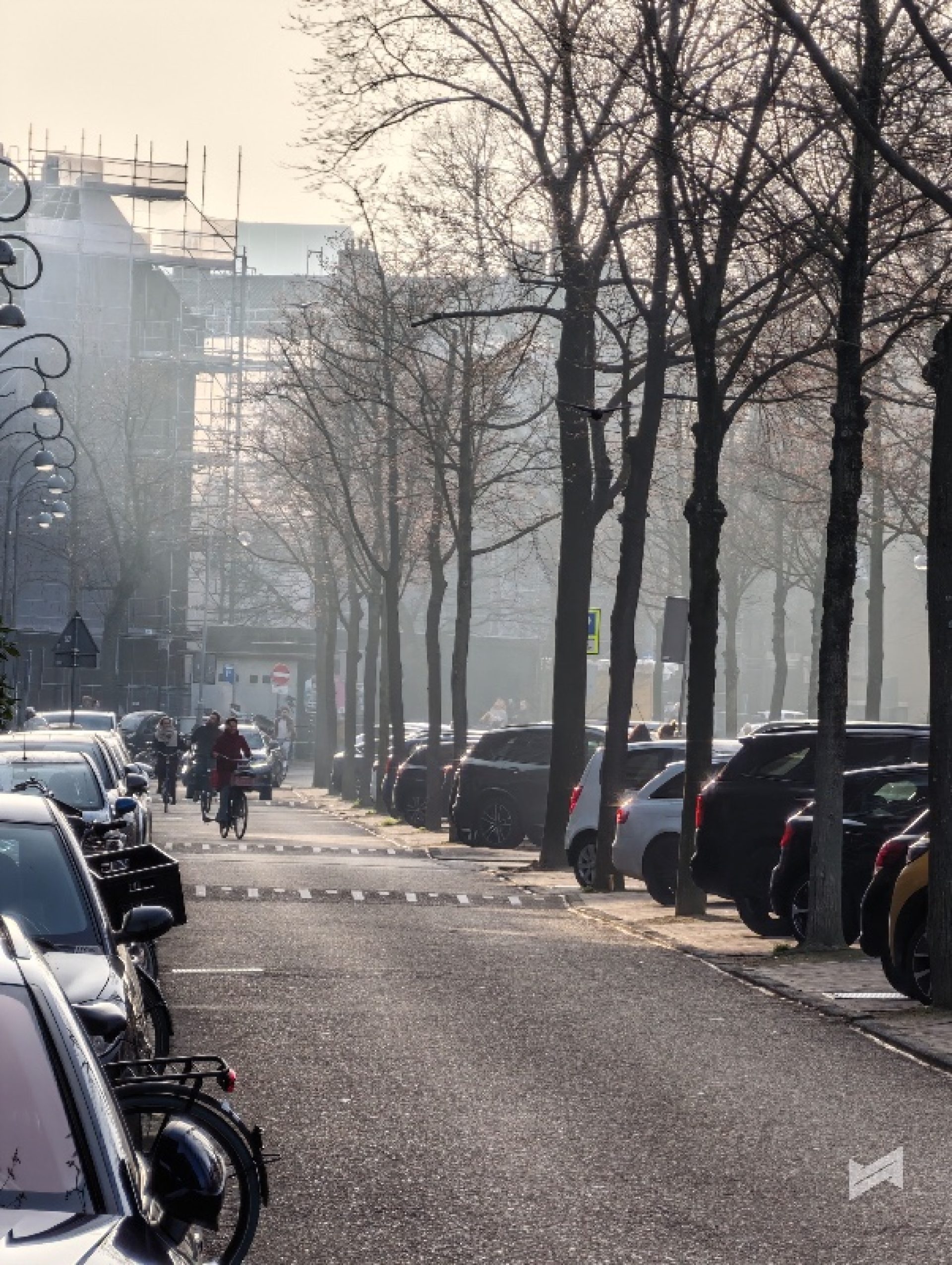


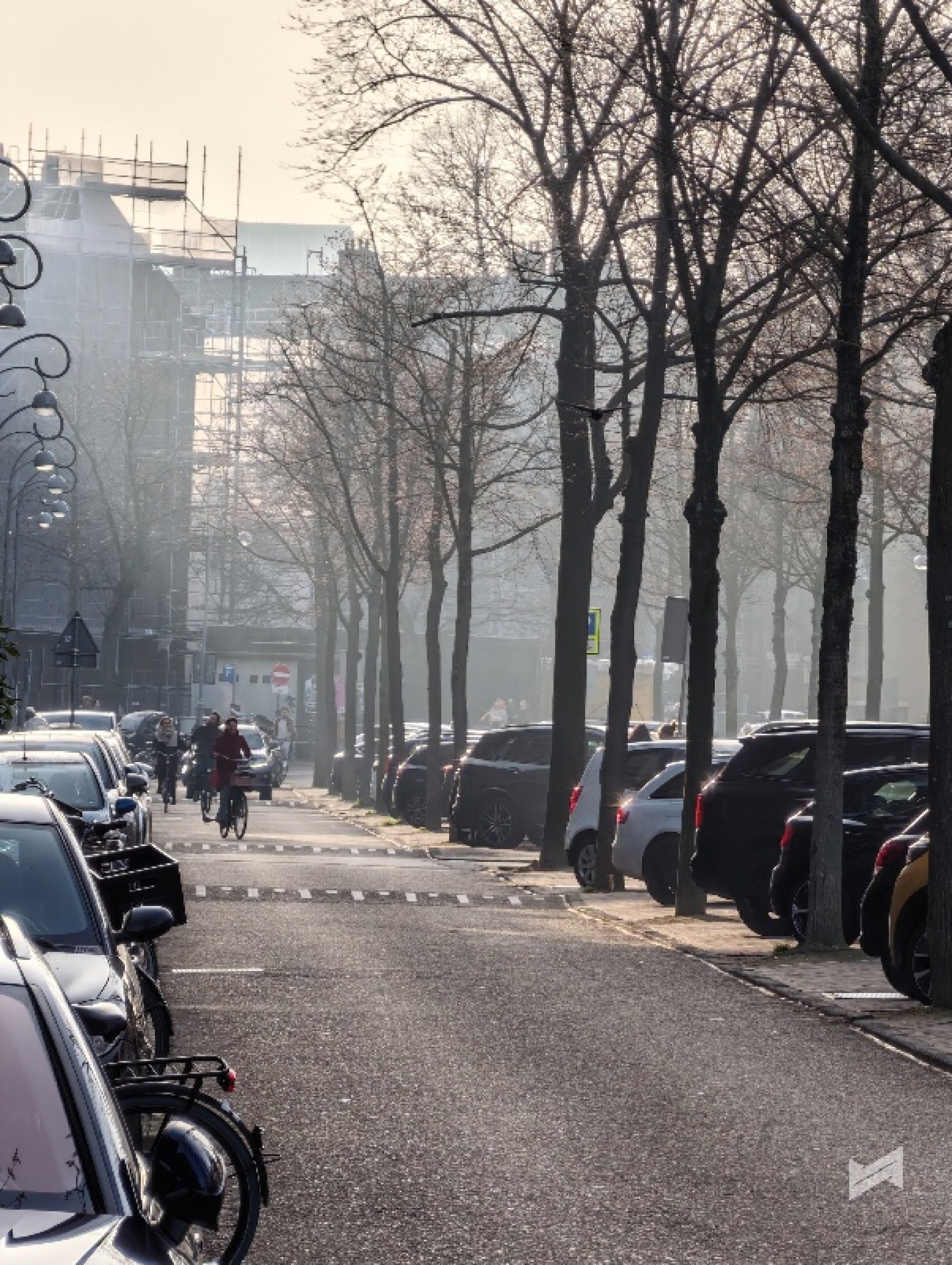
My photos show what makes these lenses special. Leica Authentic mode keeps contrast and saturation more reserved, which suits documentary‑style street shots and more natural‑looking city scenes. Leica Vibrant pushes colors and contrast for those postcard photos and thumbnails, and the Leica M9 and M3‑inspired styles add character on top. M9 gives you a classic digital Leica feel with rich color, while M3 leans into black‑and‑white with film‑like tonality that makes monochrome portraits and city shots look intentional instead of “just turned grayscale.” The nice thing is that these modes feel predictable. Once you learn how each affects your photos, it is easy to pick the right one for a scene.
For portraits, the 17 Ultra does a great job with separation and skin tones. The portrait shots I took show strong subject isolation with clean edges even around hair and glasses, which helps portraits look closer to images from fast primes on real cameras. Background blur is smooth and rounded rather than busy, and Leica portrait looks add subtle tweaks that make skin look flattering without going overboard with beauty filters. You can use the main camera for wider environmental portraits or the 75–100 mm telephoto when you want that more classic compressed portrait look with stronger background separation.





Landscapes and cityscapes are where the main and ultrawide lenses shine together. The ultrawide lets you capture big plazas, tall buildings, and tight interiors without extreme distortion, which is clear in your architecture and landscape samples. The main sensor comes in when light gets tricky. Thanks to the 1‑inch sensor and LOFIC HDR technology, the phone holds onto bright skies and neon signs while still pulling detail from shadows in buildings and streets. Sunrise, sunset, and night city shots make this obvious. Highlights stay controlled and you can still see texture in darker areas instead of crushed blacks.





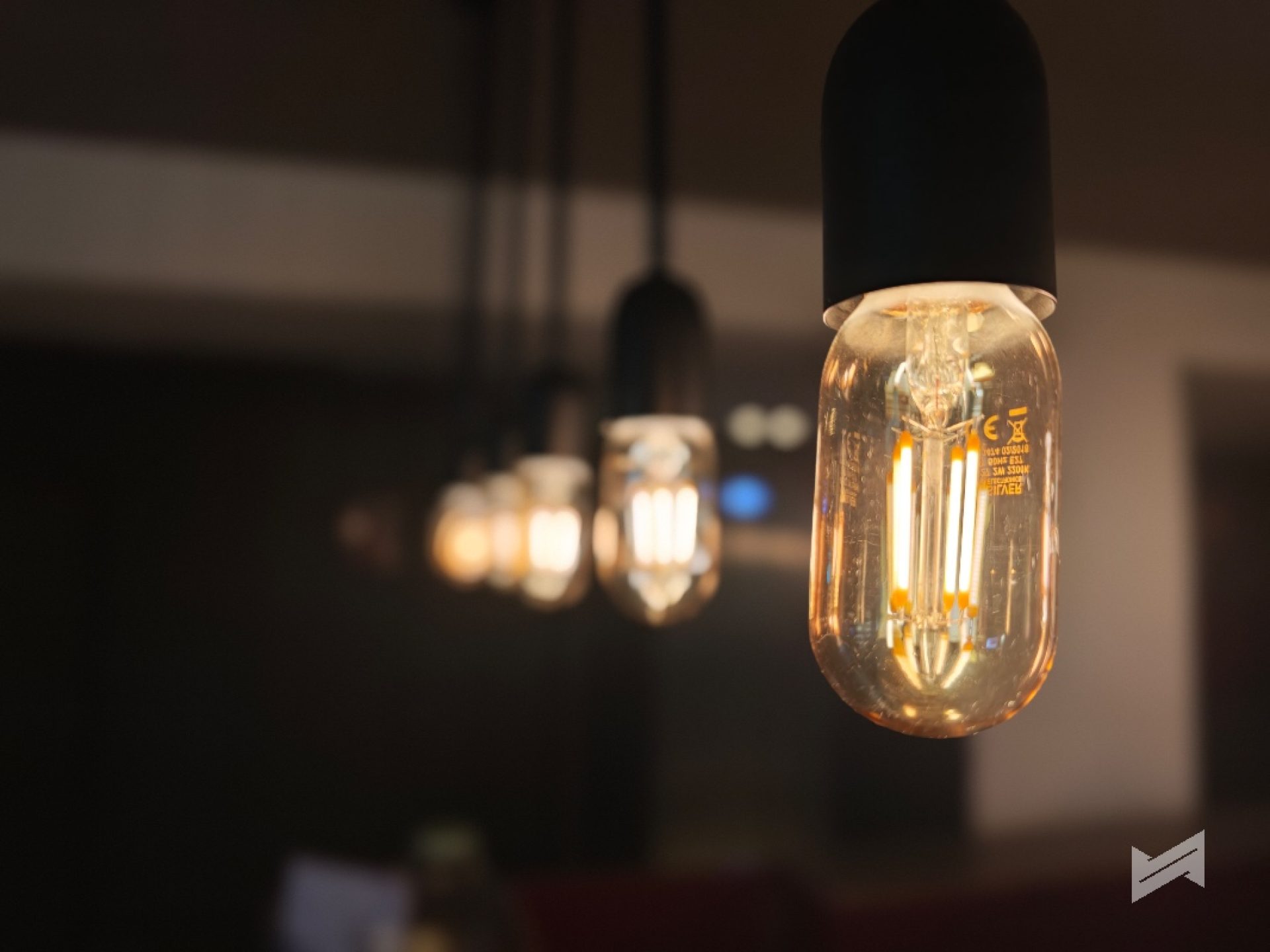
Low‑light performance overall is very solid. Night samples show clean images with less mushy noise and more texture on walls, pavement, and faces lit by street lamps. Colors lean slightly warm, which makes night scenes feel inviting rather than cold, and the phone rarely overdoes sharpening. For someone who usually brings a mirrorless camera, this is one of those phones that can finally make you comfortable leaving the dedicated body at the hotel on casual nights out.





Video
On video, the Xiaomi 17 Ultra gives you a lot of room to play. It can record up to 8K at 30 fps, but the sweet spot is 4K where you get up to 120 fps with Dolby Vision or Log for heavier grading. My travel clips show how easy it is to mix normal 4K 30 or 60 fps vlog segments with 4K 120 fps slow motion of fountains, crowds, and performers, all on one timeline. Dolby Vision footage already looks punchy on compatible displays, while Log with ACES support gives you more flexibility to pull back highlights and tune colors in post.
That rattling stabilizer turns into a positive once you start shooting. Even handheld walking shots look stable enough that you do not feel forced to use a gimbal, especially with the main camera. The telephoto and ultrawide are also very usable for video in good light. Being able to switch lenses while recording lets you start from a wide establishing shot, then slowly move into a tighter framing with the 75–100 mm zoom in a single take, which my sample videos capture nicely. Transfer those clips into an editor like DaVinci Resolve and you get footage that feels more like it came from a compact camera than a phone.
Leica color modes carry over to video as well. That means your travel clips can share the same character as your still photos, which helps entire projects feel consistent. You can keep a more neutral Authentic look for vlogs where skin tones matter, then switch to Vibrant or Leica‑style color for cinematic sequences and B‑roll. Paired with the extensive in‑app editing and AI tools, you can shoot, cut, and polish a lot of your content without ever installing a third‑party editor.
Performance
On paper, the Xiaomi 17 Ultra is stacked. It uses the Snapdragon 8 Elite Gen 5, LPDDR5X RAM, and UFS 4.1 storage, so you get the kind of responsiveness you expect from a 2026 ultra flagship. In actual use, the phone feels fast and stable. Swiping around HyperOS, multitasking, and jumping between camera, maps, and social apps all feel smooth. Thermal management is solid as well. Playing graphically heavy games or shooting 4K video for extended periods does not result in uncomfortable heat, thanks to Xiaomi’s 3D Dual‑Channel IceLoop cooling and the large 6,000 mAh Surge battery that shares the load.
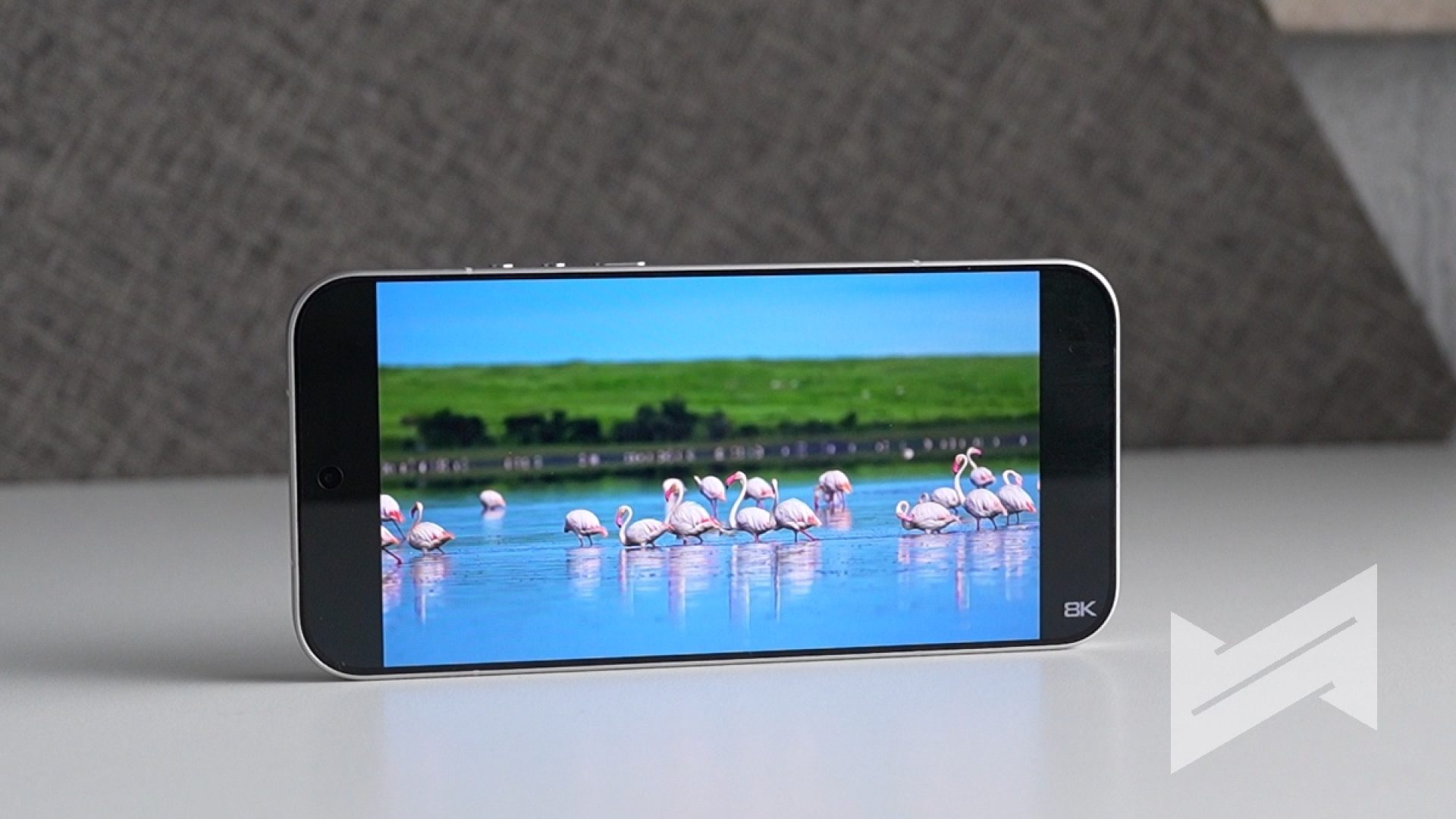
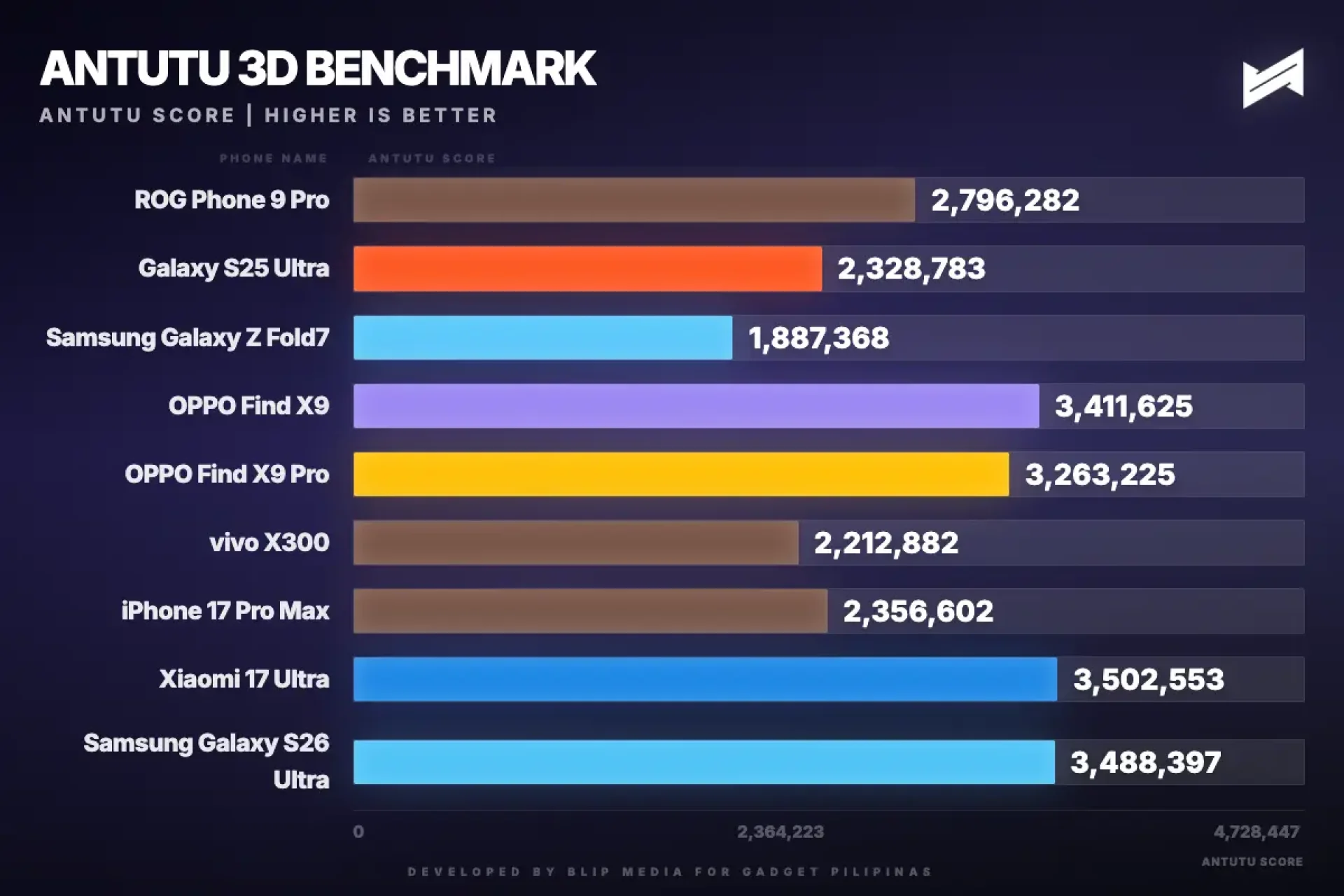
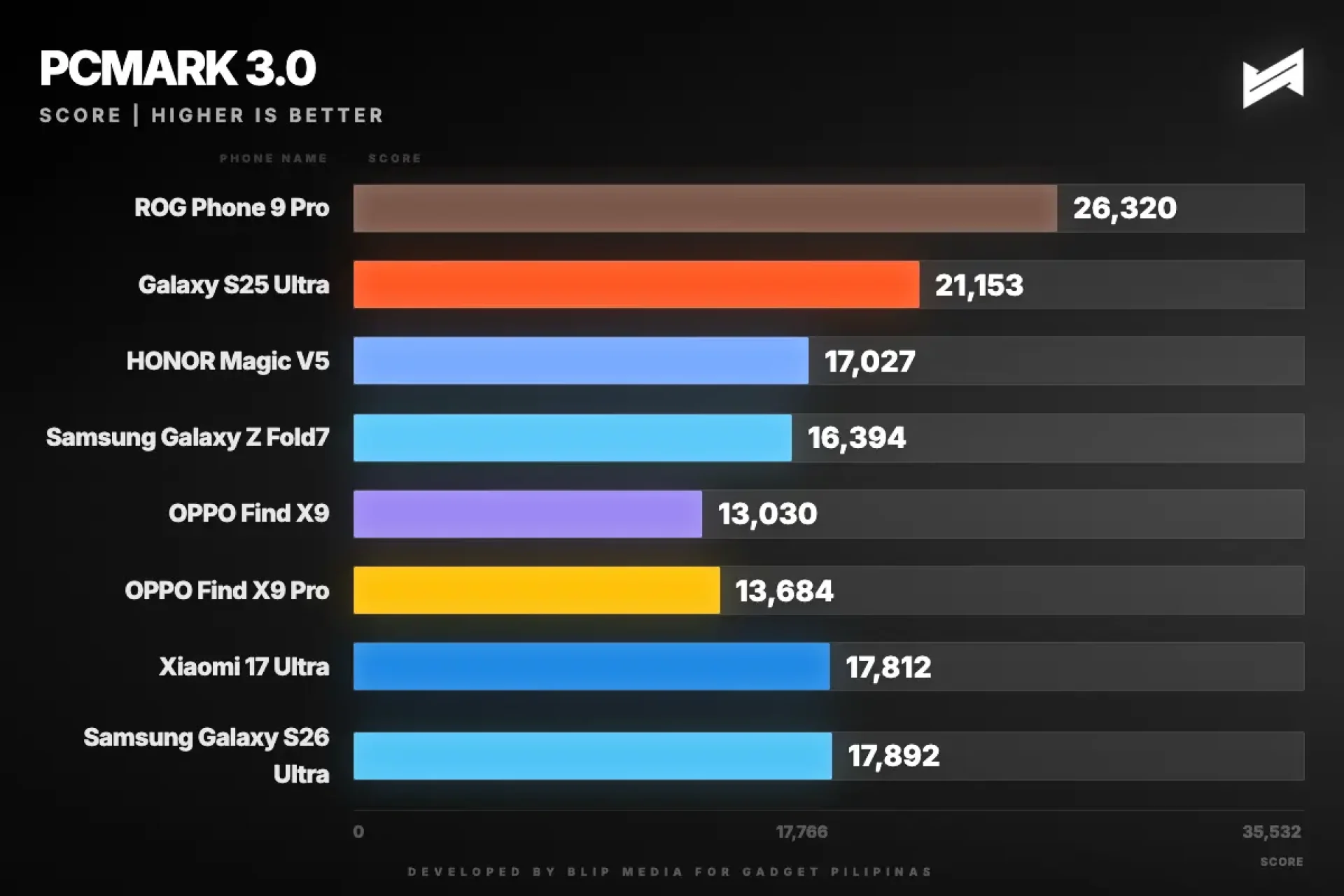
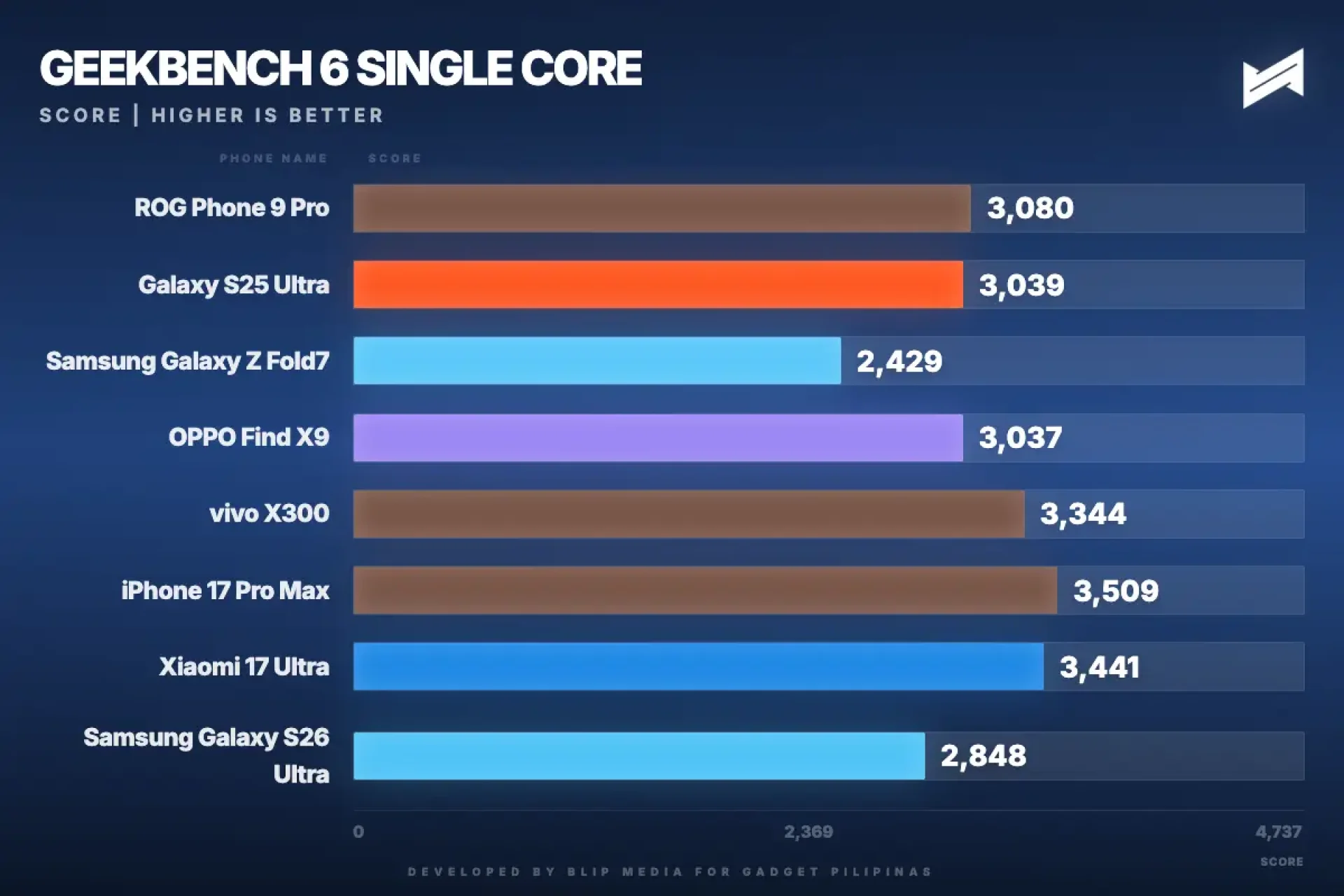
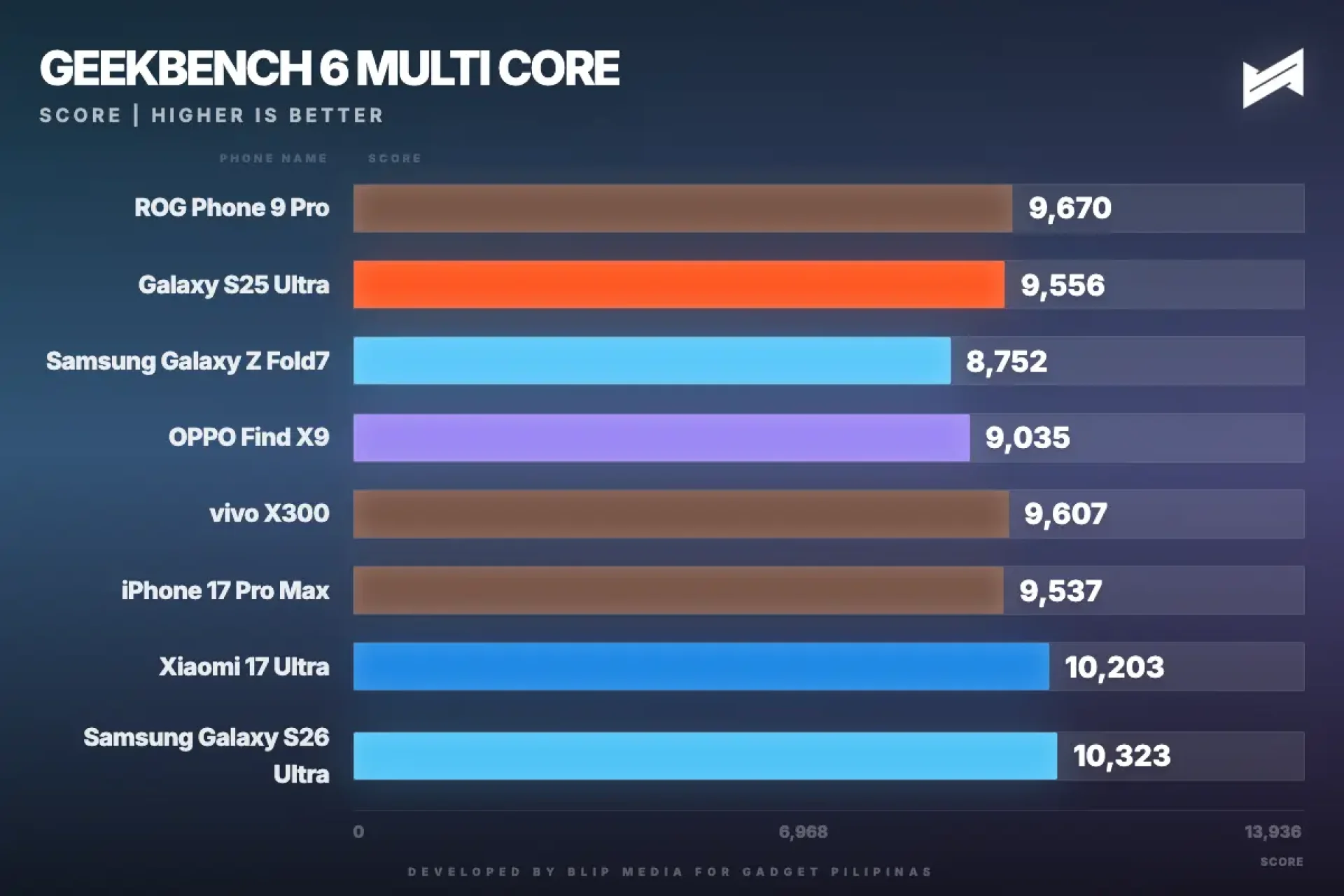
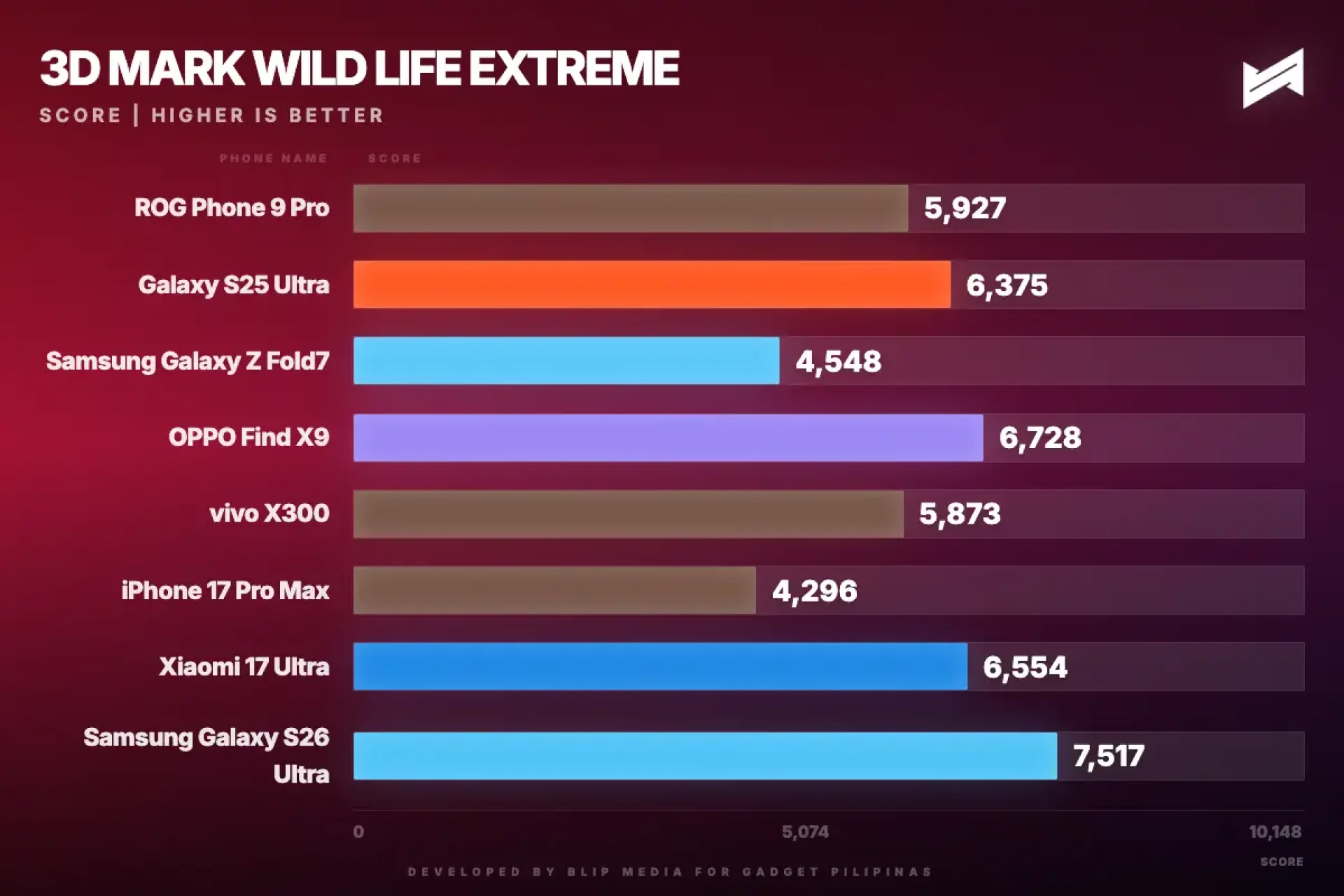
8K video recording is the one area where heat becomes more noticeable, which is expected for this class of workload across all brands. The performance level here goes toe to toe with devices like the Galaxy S26 Ultra in synthetic benchmarks and real usage, so you are not losing anything by choosing Xiaomi in terms of raw speed. If you are planning to buy this mainly for gaming, you will be happy with the frame rates and stability, but I would temper expectations about a huge jump over last‑gen flagships. Premium games feel smoother, yet the generational improvement is not big enough to justify an upgrade solely for gaming performance.
HyperOS and camera software
Software is where Xiaomi has made a big step. HyperOS on the Xiaomi 17 Ultra feels more refined, with animations, menus, and icons that lean closer to the clean look of iOS 26 while still keeping Android flexibility. Everyday navigation is straightforward. Important toggles are easier to reach, and the system feels more coherent compared to older Xiaomi skins. There are still a lot of options if you dig into settings, but it no longer feels like you are fighting the interface just to find basic controls.
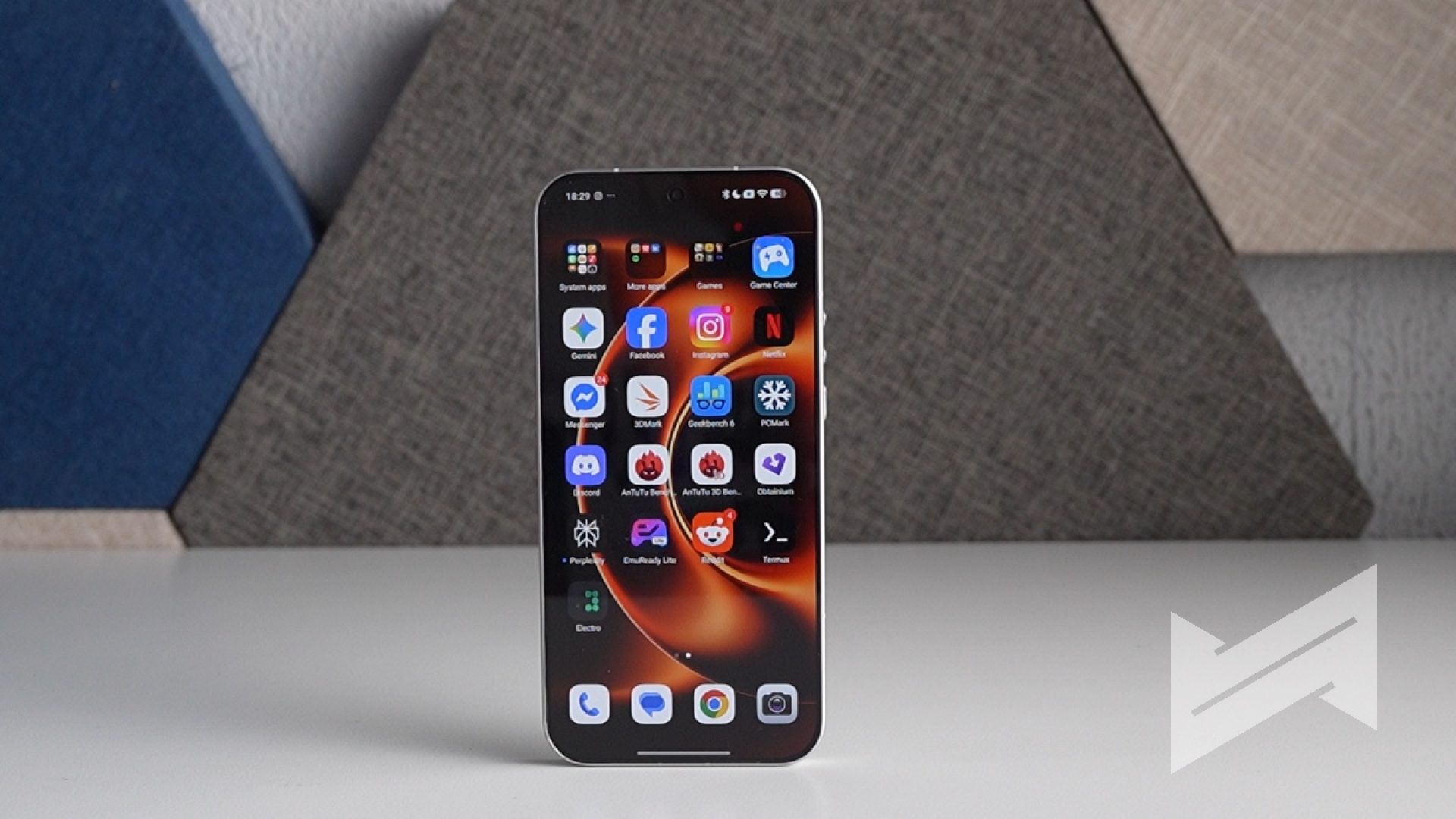
The camera software is the part I really appreciate. Xiaomi has clearly matured the camera app on the Xiaomi 17 Ultra. Shortcut placement is thoughtful, and many of the buttons are customizable, so you can tune it for your own shooting style. Pre‑shoot options, tools while shooting, and post‑shoot features all sit within easy reach. After taking a shot, you can quickly add watermarks, adjust framing, and apply looks without leaving the app.
Xiaomi also integrated plenty of editing and AI tools directly into the camera and gallery. Features like Mixing Console for audio work and AI‑driven Create tools feel similar in spirit to what you get on Galaxy S25 and S26 devices, but Xiaomi’s implementation is more extensive. You can handle retouching, object removal, and creative edits on the phone itself, which meant I did not need to install third‑party editing apps during my tests. If you like shooting, editing, and posting everything from one device, this matters more than any single spec on the sheet.
Audio and media experience
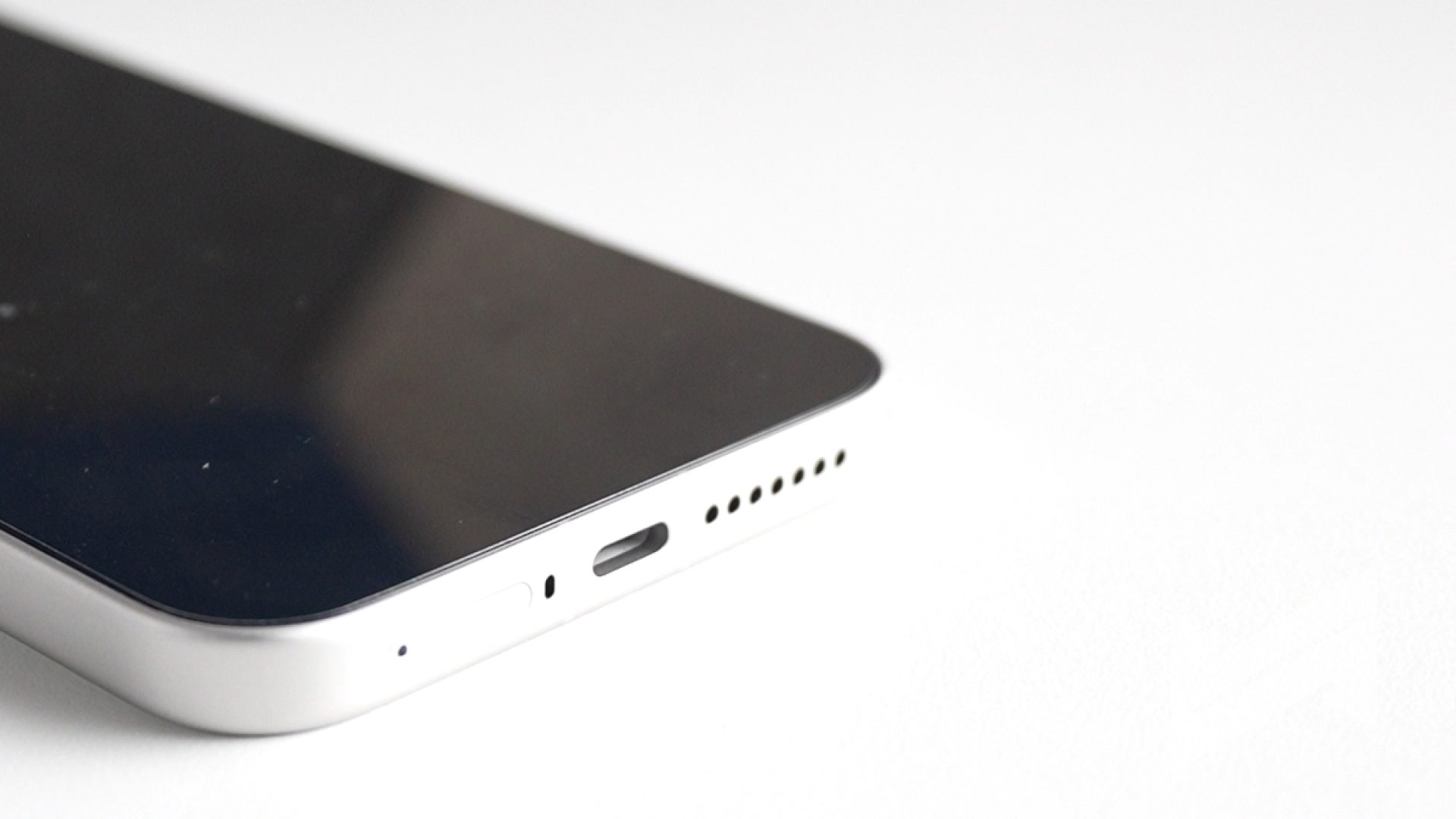
The stereo speakers on the Xiaomi 17 Ultra are loud and clear. They may not dramatically beat the iPhone 17 Pro Max or Galaxy S26 Ultra, but they are close enough that most people will be happy watching videos or playing games using the built in speakers. When you plug in headphones or connect wireless ones, the system equalizer kicks in, letting you tune audio to your liking. There is also an Immersive Sound mode in settings that enhances perceived space and clarity from the speakers, which is handy when you are streaming content or playing games in a noisy room.
Battery and charging
Battery life is one of the strongest points of this phone. The 6,000 mAh Surge battery with higher silicon content helps the 17 Ultra stay relatively slim while still delivering serious endurance. In my own use, starting at 100 percent in the morning and shooting hundreds of photos and videos during a trip, I still ended most days with around 35 percent left. That is without babying the phone. Your experience will depend on signal quality and temperature, and I am curious to see how it behaves under the hotter, more humid Philippine climate, but so far it looks very promising.
Charging is equally solid. With 90W wired HyperCharge and 50W wireless HyperCharge, top ups are quick, so you can plug in during a short break and get enough juice to keep shooting into the night. This combo of big battery and fast charging fits the travel‑camera positioning well. You do not need to carry a power bank all the time, and you spend less time tethered to a socket.
Verdict
The Xiaomi 17 Ultra is not a small phone, and the big circular camera bump plus the audible stabilizer rattle will not please everyone. But if you care about photography and video, those trade offs make sense. You are getting a Leica‑inspired design, serious optics, powerful editing tools built into the camera app, strong performance that stays cool in real use, and battery life that keeps up with long travel days. As a pure gaming upgrade, it might be overkill, especially with the modest generational jump in premium mobile titles. As a camera‑first flagship that can replace a dedicated travel camera for many people though, the Xiaomi 17 Ultra hits that sweet spot.

Giancarlo Viterbo is a Filipino Technology Journalist, blogger and Editor of gadgetpilipinas.net, He is also a Geek, Dad and a Husband. He knows a lot about washing the dishes, doing some errands and following instructions from his boss on his day job. Follow him on twitter: @gianviterbo and @gadgetpilipinas.