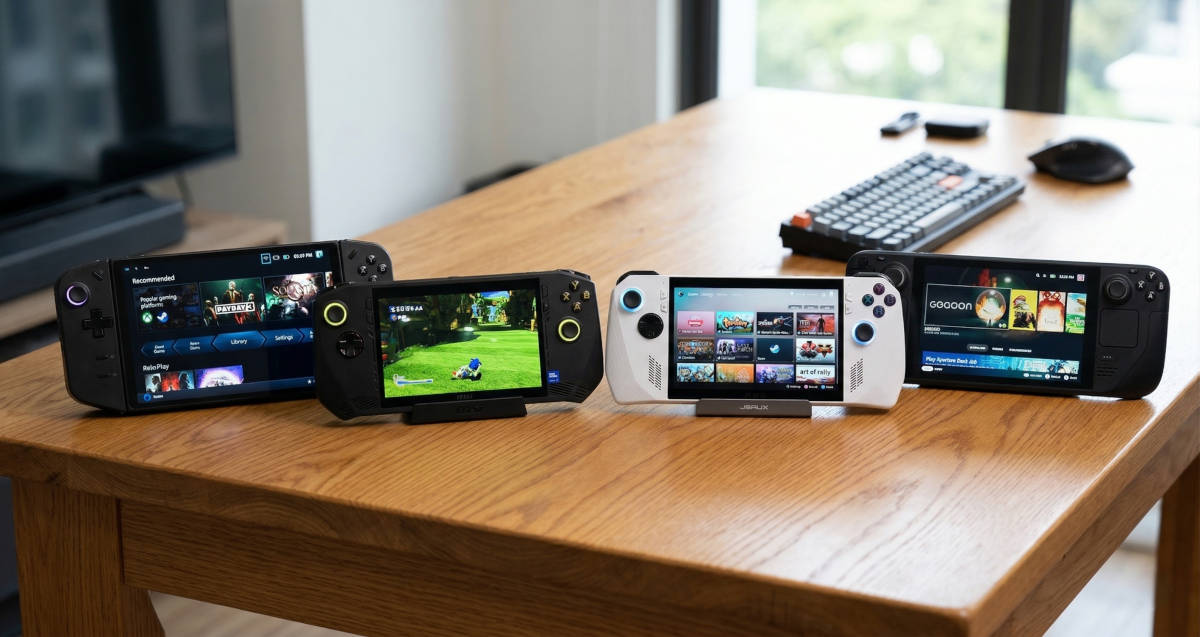



The way companies sell these new handheld PCs, like the Steam Deck, ROG Ally series, MSI Claw, and the Legion Go Series, is a little strange. They always try to show them running the newest, most demanding games, even if those games make the device run hot or drain the battery in an hour. We act like it’s a miracle to see a brand-new blockbuster work on a screen the size of a book.

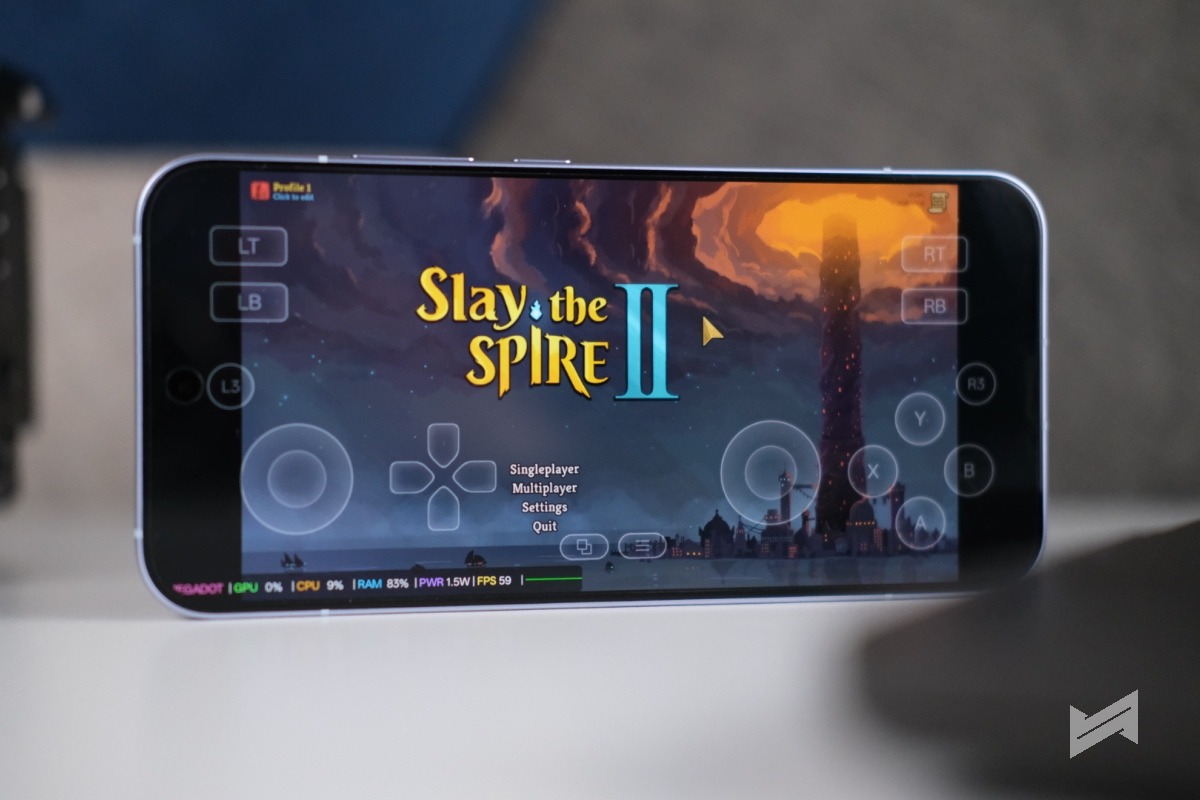
Speaking of your gaming backlog or your “Pile of Shame”, in our rush to play the “next big thing,” we’re missing the best part of these gadgets. The real secret isn’t that they can play today’s newest games; it’s that they make the great games from a few years ago feel brand new again. The best reason to own one of these isn’t the game that launched this morning, it’s that masterpiece you bought years ago on sale and finally have the perfect way to finish.
Solve Your Retro Backlog Problems with Handheld PCs – It is A LOT of Fun
Curing the “Pile of Shame”
For the working adult or any gamer who’s looking for a simple solution to play on the go, the “backlog” is a source of low-level guilt. We have a lot of games in our digital libraries, but the thought of sitting at a desk, the same desk where many of us work, feels like a chore.


The handheld PC “cures” that. It turns a 100-hour epic into something digestible. It’s the difference between committing to a “session” and simply “playing for a bit.” By bringing these older AAA giants to the couch, the porch, or the bed, we are finally finishing the stories we started a decade ago.
The “Small Screen” Magic Trick
Aside from what’s ticking inside these handheld PCs, there’s also a bit of a magic trick happening with the screen. If you try to play a game from ten years ago on a giant living room TV, it can sometimes look a bit “dusty” or blurry because the images are being stretched out so far.

On a handheld, the opposite happens. Because the screen is smaller and higher quality, everything looks incredibly sharp and detailed. It’s like looking at a high-definition photograph instead of a billboard. Those older games actually end up looking better in your hands than they did on a big TV back when they first came out. It’s like getting a free “remastered” version of your favorite classic just by changing how you look at it.
The Performance Sweet Spot
When you try to play a 2024 AAA title on a handheld, you are often playing a game of compromises. You’re toggling “Low” settings, aggressive upscaling, and praying the battery lasts longer than your commute.
Looking back to the 2010’s, titles like The Witcher 3, Batman: Arkham Knight, BioShock Infinite, or Metal Gear Solid V were designed for hardware that is now noticeably weaker than a modern handheld APU. On a handheld, most of these games run smoother than ever. You can crank every setting to Ultra and maintain a solid 60 FPS or higher.


Okay, okay, back to battery life struggles, this part of the handheld pc conundrum deserves an article of its own. Innovation in this aspect will always take longer than what the machine can do, “computing” wise. We can only hope that a breakthrough with batteries will come sooner rather than later. Who wouldn’t want to play away from the power outlet for 12 hours or more, right?
Also, if your handheld can install the Steam client, Steam Remote Play can help scratch the itch of playing the latest games on high to ultra settings while lying down on your couch, depending on your desktop’s capabilities, internet connection stability, and speed.
Start Playing to Their Strengths
We should stop judging handheld PCs by how well they mimic an expensive gaming rig running the latest hardware-crusher. Instead, we should celebrate them for what they actually are: the most powerful, portable, and polished way to experience the best games ever made and start playing to their strengths.
The future of gaming is exciting, and revisiting the past is also fun, nostalgic, and has never looked better.
For more articles on handheld gaming and other tech news, click HERE.

Started his freelancing adventure in 2018 and began doing freelance Audio Engineering work and then started freelance writing a few years later.
Currently he writes for Gadget Pilipinas and Grit.PH.
He is also a musician, foody, gamer, and PC enthusiast.