NVIDIA received a lot of heat over the release of the NVIDIA GeForce RTX 5060 Ti Graphics Card, which comes in two memory capacities: 8GB and 16 GB. The reason? Is it that gamers are saying that 8GB memory isn’t enough for 2025. Going into 2026 amid the RAM and SSD shortages, the 8GB VRAM vs 16GB VRAM debate is now more crucial due to rising component prices, which will also affect GPUs, Laptops, Phones, and Consoles, not just the basic RAM and SSD components.
COLORFUL GeForce RTX 5060 Ti NB EX
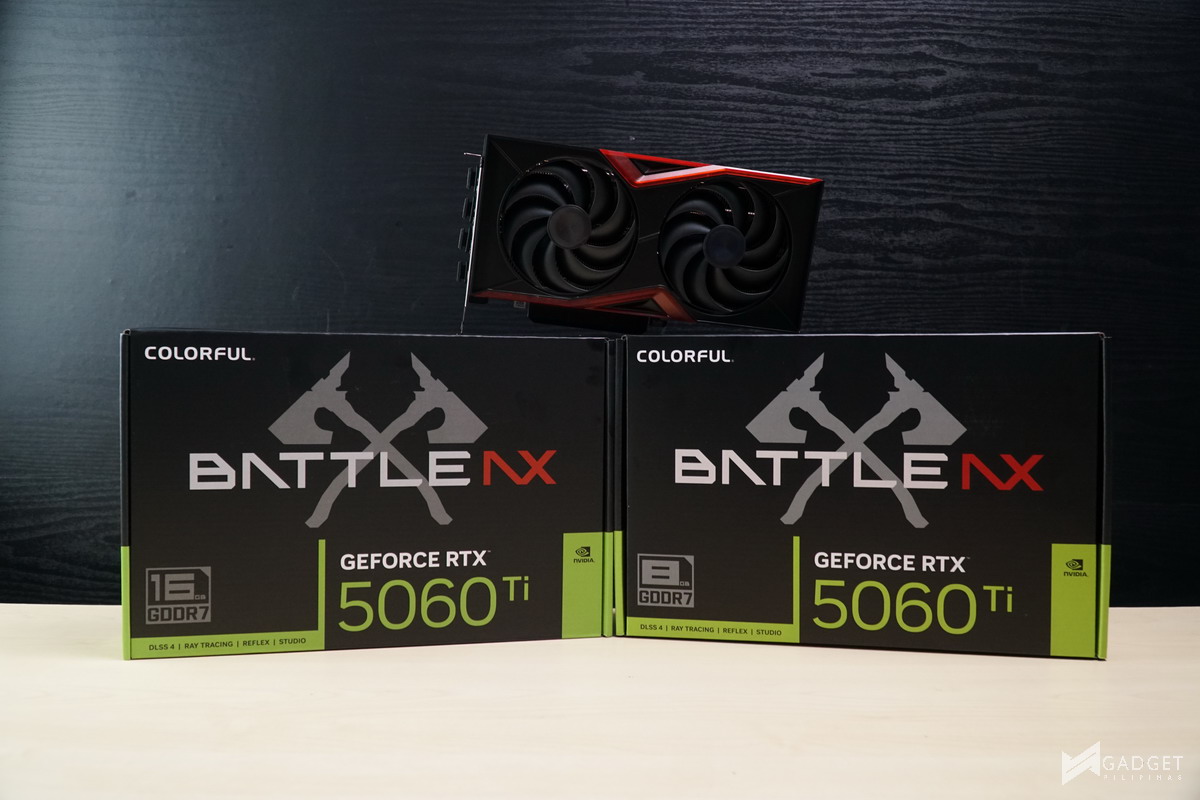
We used the COLORFUL GeForce RTX 5060 Ti NB DUO 8GB and 16GB GPUs for our tests. Both GPUs are the MSRPs variants of their respective memory class, with the 8GB VRAM variant priced at Php 25,999 while the 16GB card is priced at Php 29,999. Since both GPUs sport the same cooler with both being the same SRP model, the GPU frequency boost clock behavior should be the same, leaving only the VRAM being variable that will affect our test results.
COLORFUL RTX 5060 Ti 8GB vs 16GB – 1080p & 1440p Gaming Performance
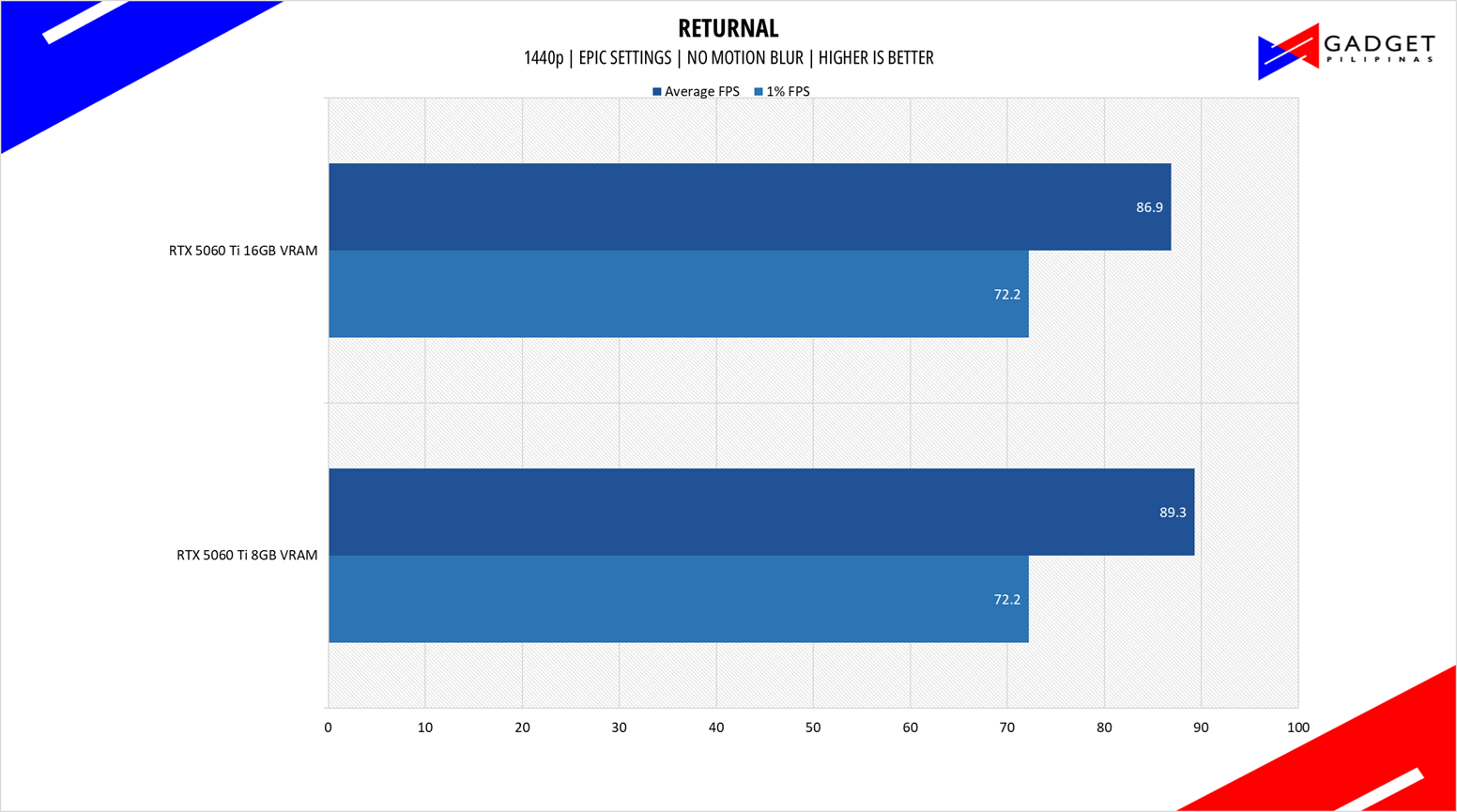
RETURNAL
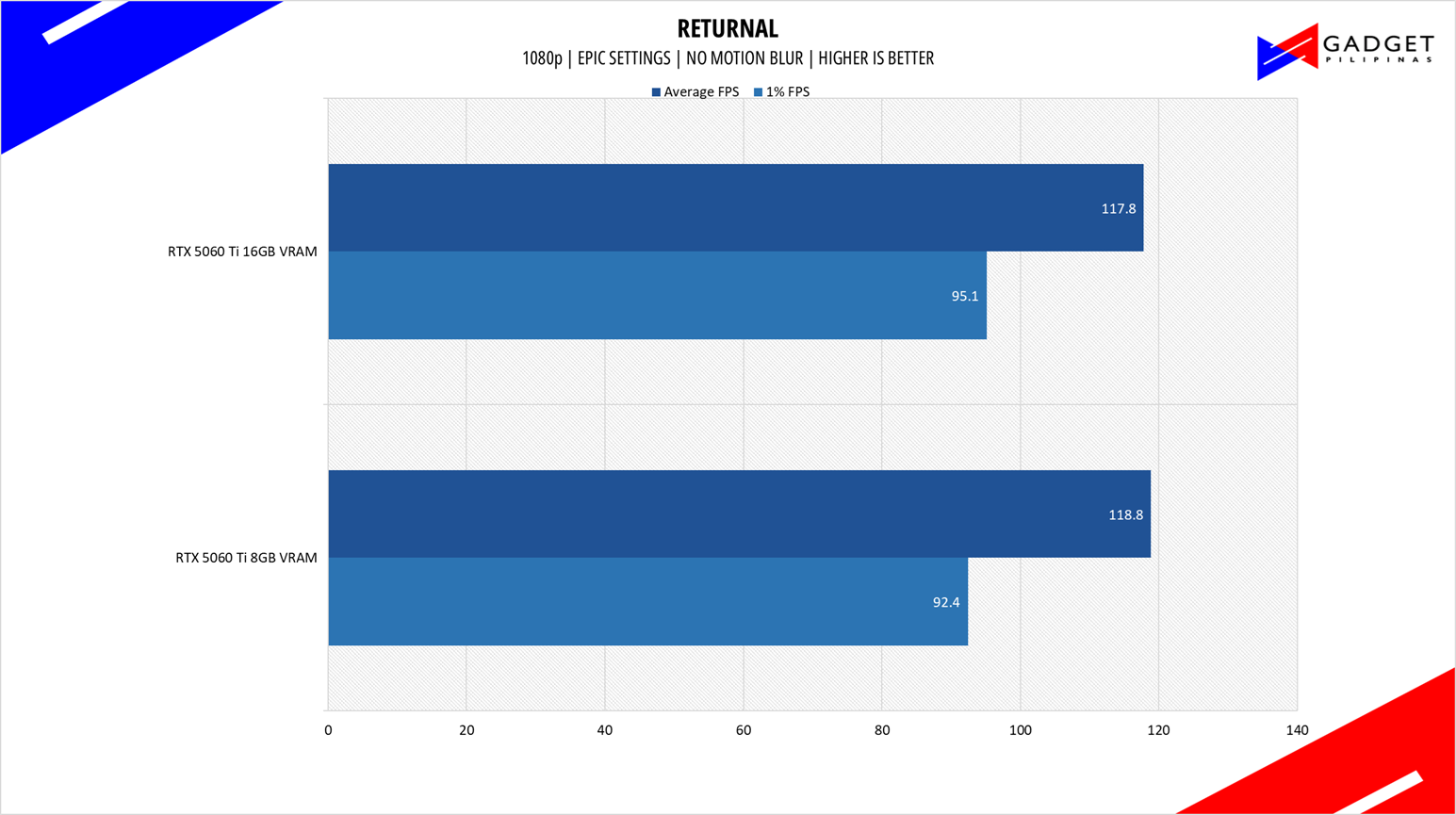
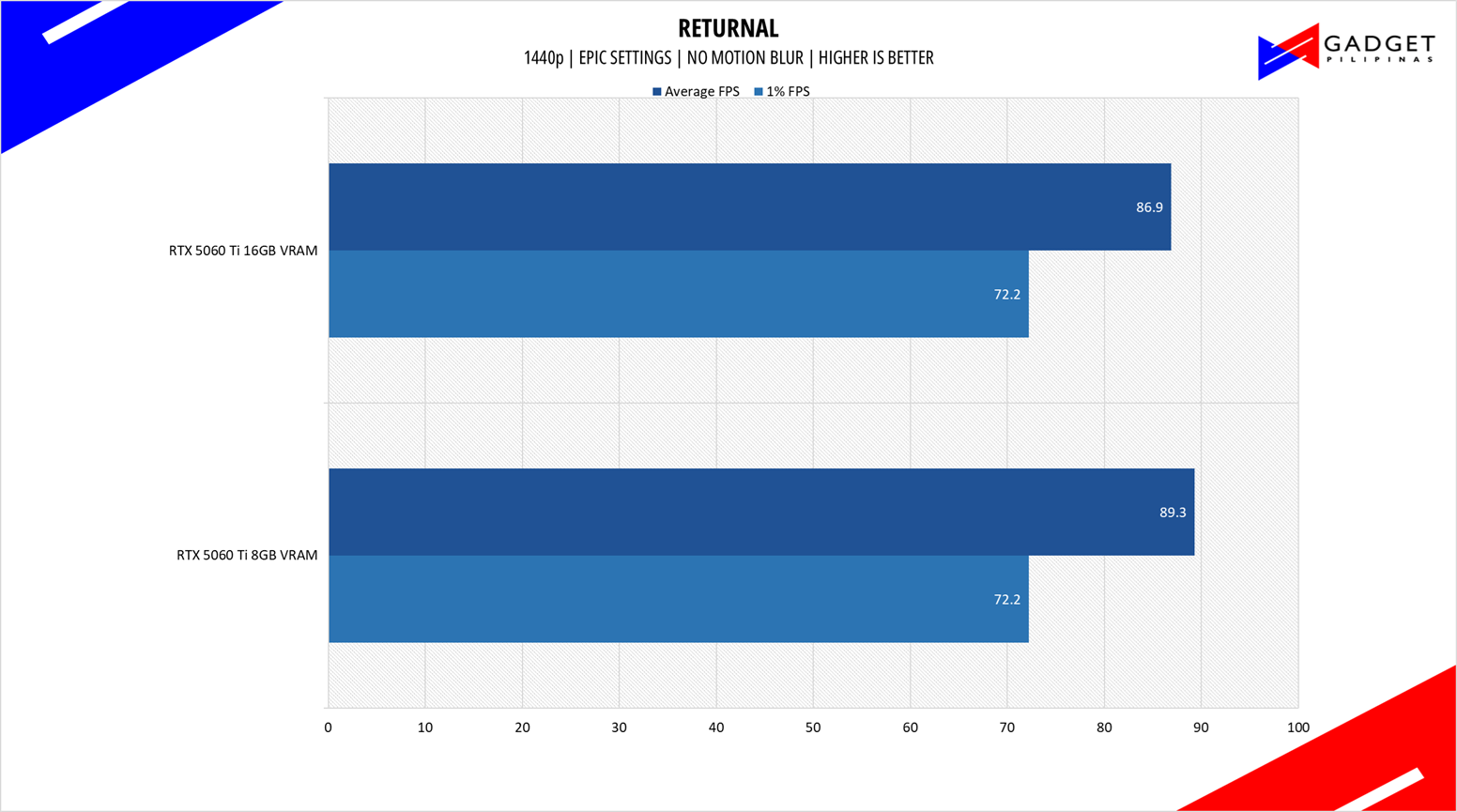
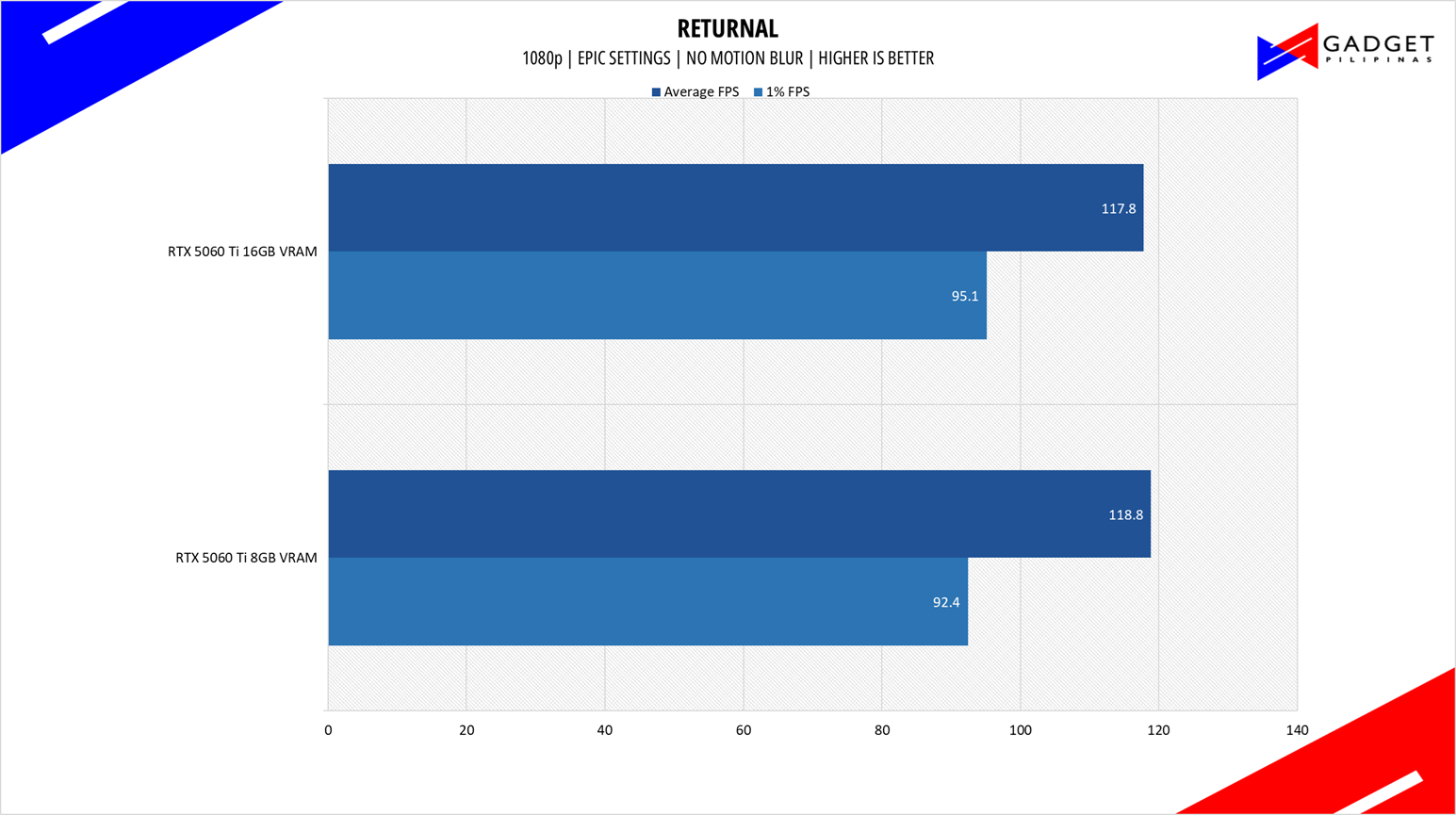
Returnal is one of the most technologically advanced games since the launch of Cyberpunk 2077. Released last April 2021 on PS5 and February 2023 on PC, it uses Unreal Engine 4 and supports multiple technologies such as Ray Tracing, DLSS, VSR, and FSR.
COUNTERSTRIKE 2
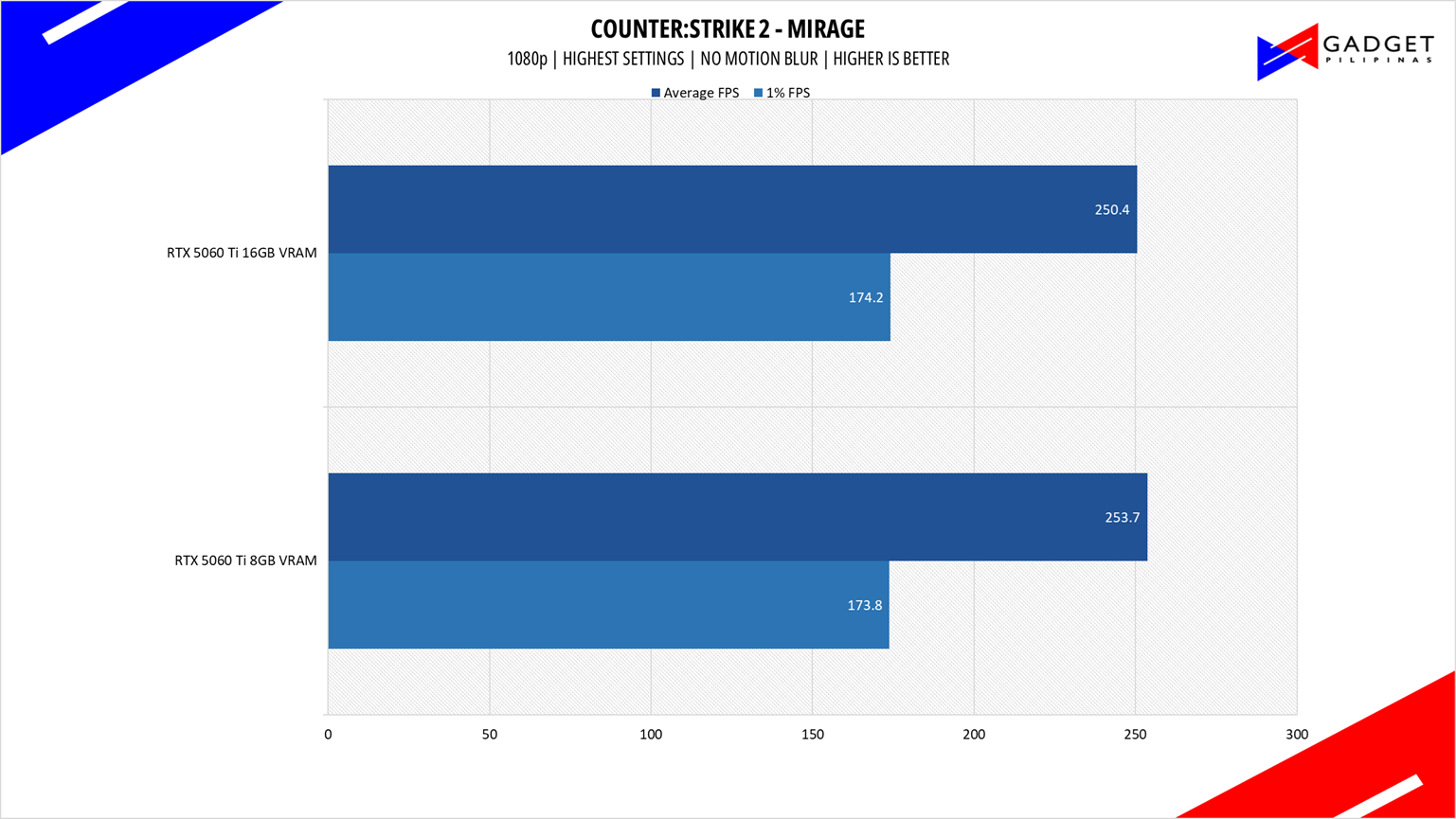
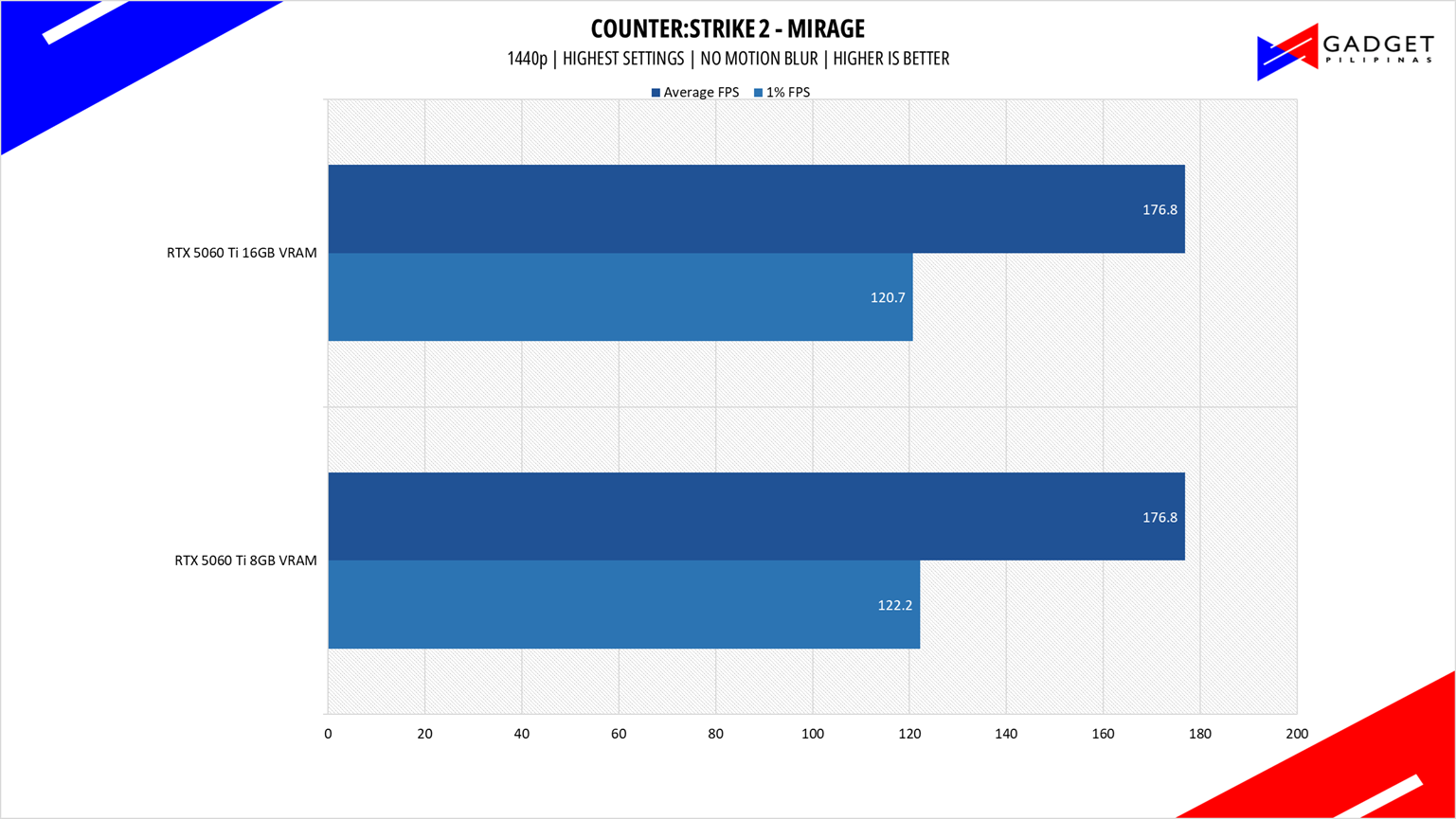
CounterStrike 2 or CS2 is the successor to the now-retired CSGO and now uses the Source 2 Engine – the same engine used on DOTA 2. CS2 is a great FPS game to test out CPU performance. Our benchmark process uses the replay function of the game.
DOTA 2
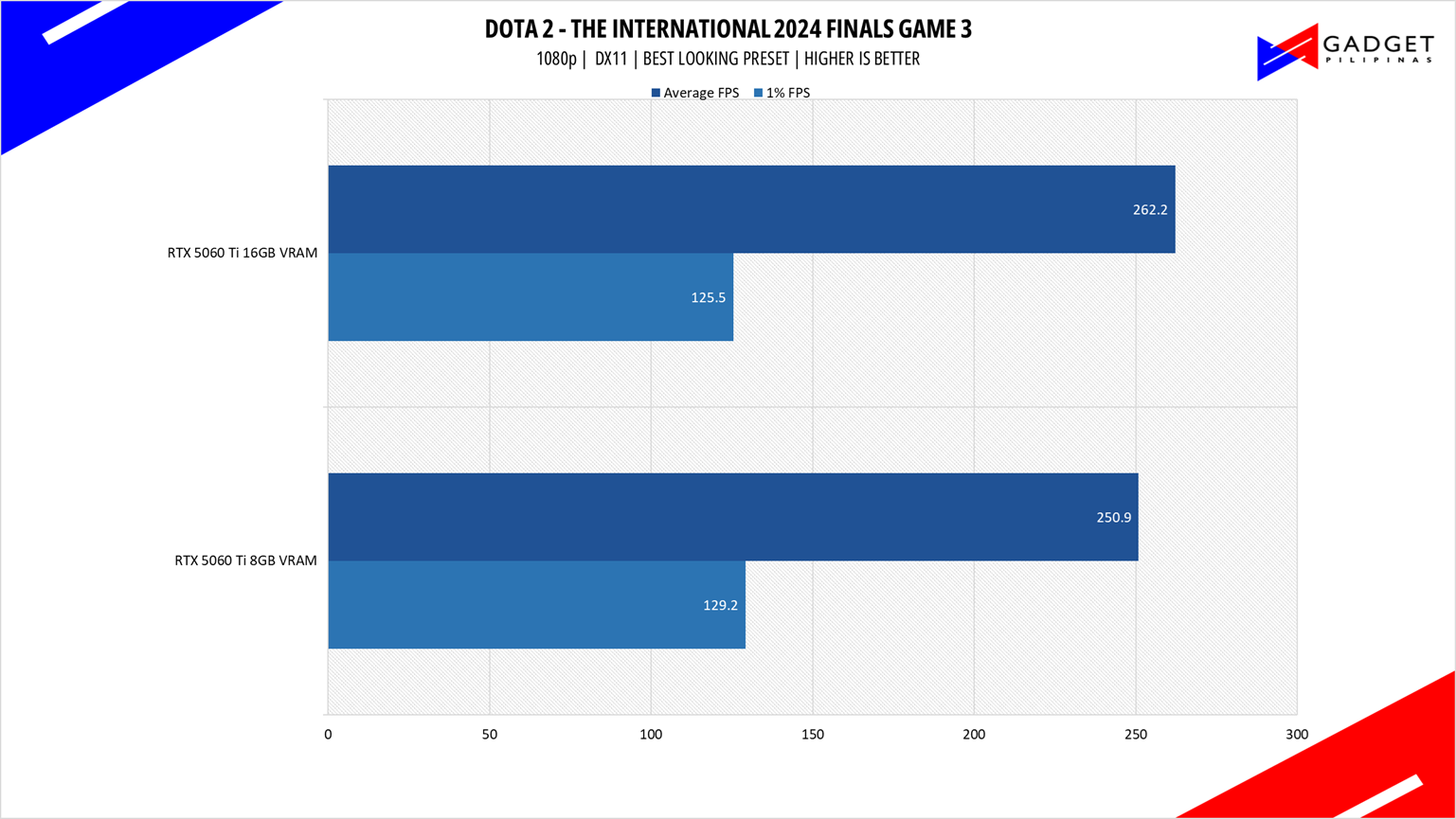
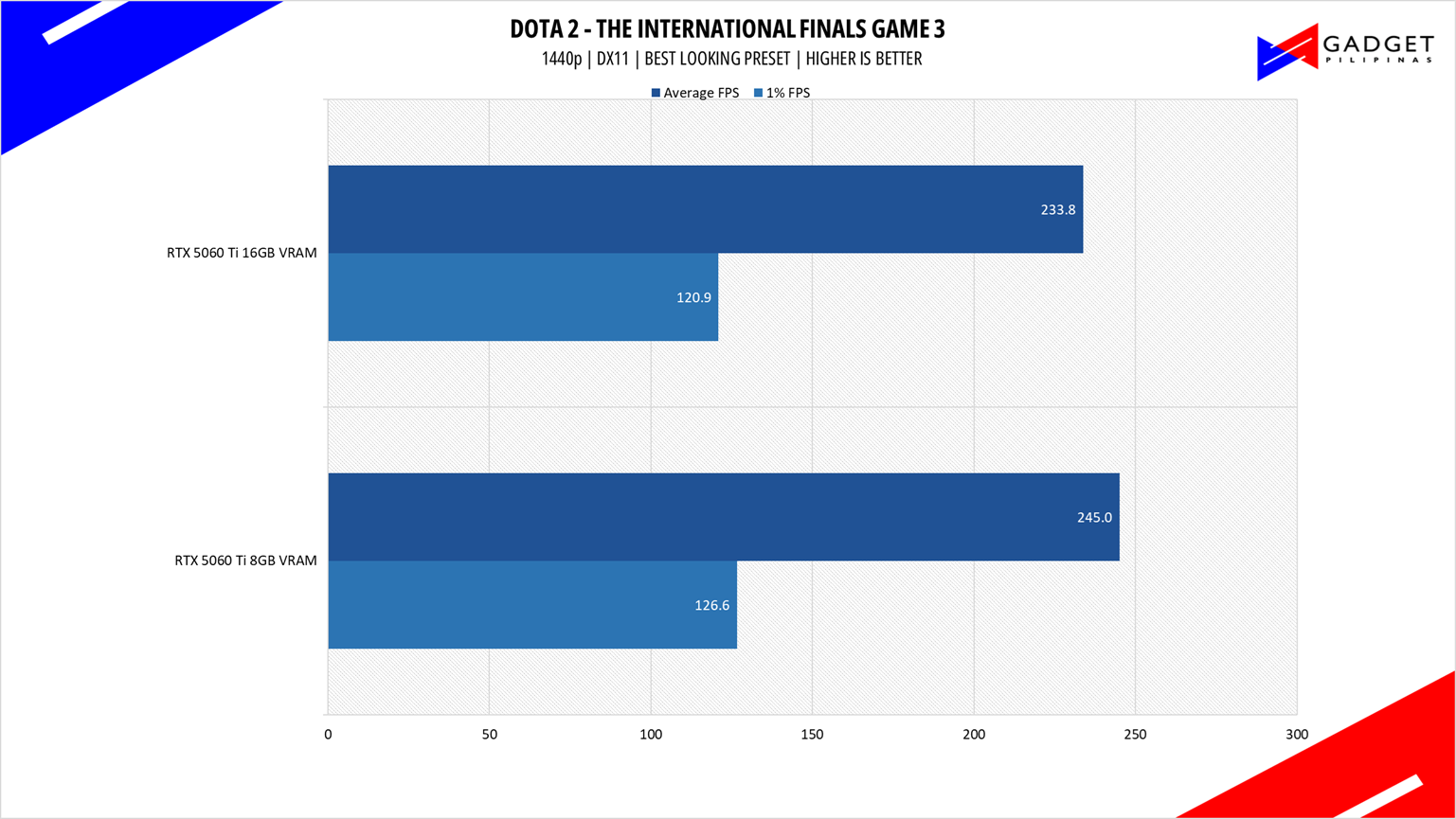
Dota 2 is a good reputation among F2P titles, especially MOBAs and RTS as it lands on the demanding side of the spectrum. Its gameplay and quality of life updates are far more frequent than most F2P titles, thanks to its vast popularity. Our benchmark sequence is based on a replay of Liquid vs. Gaimin Gladiators in the The International Grand Finals Game 3 from the team fight that happened from 16:24 to 17:24.
SPIDER-MAN: MILES MORALES
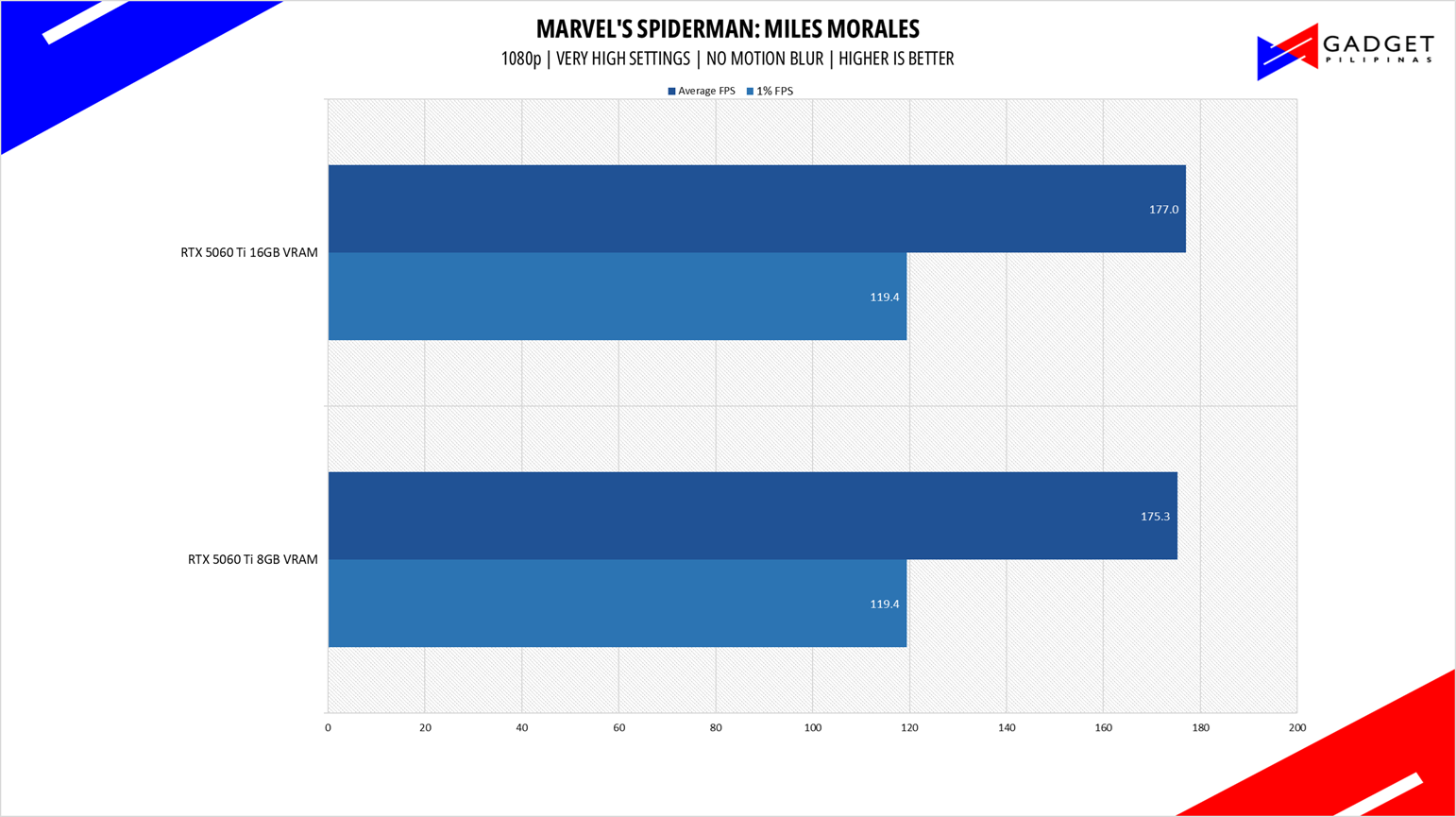
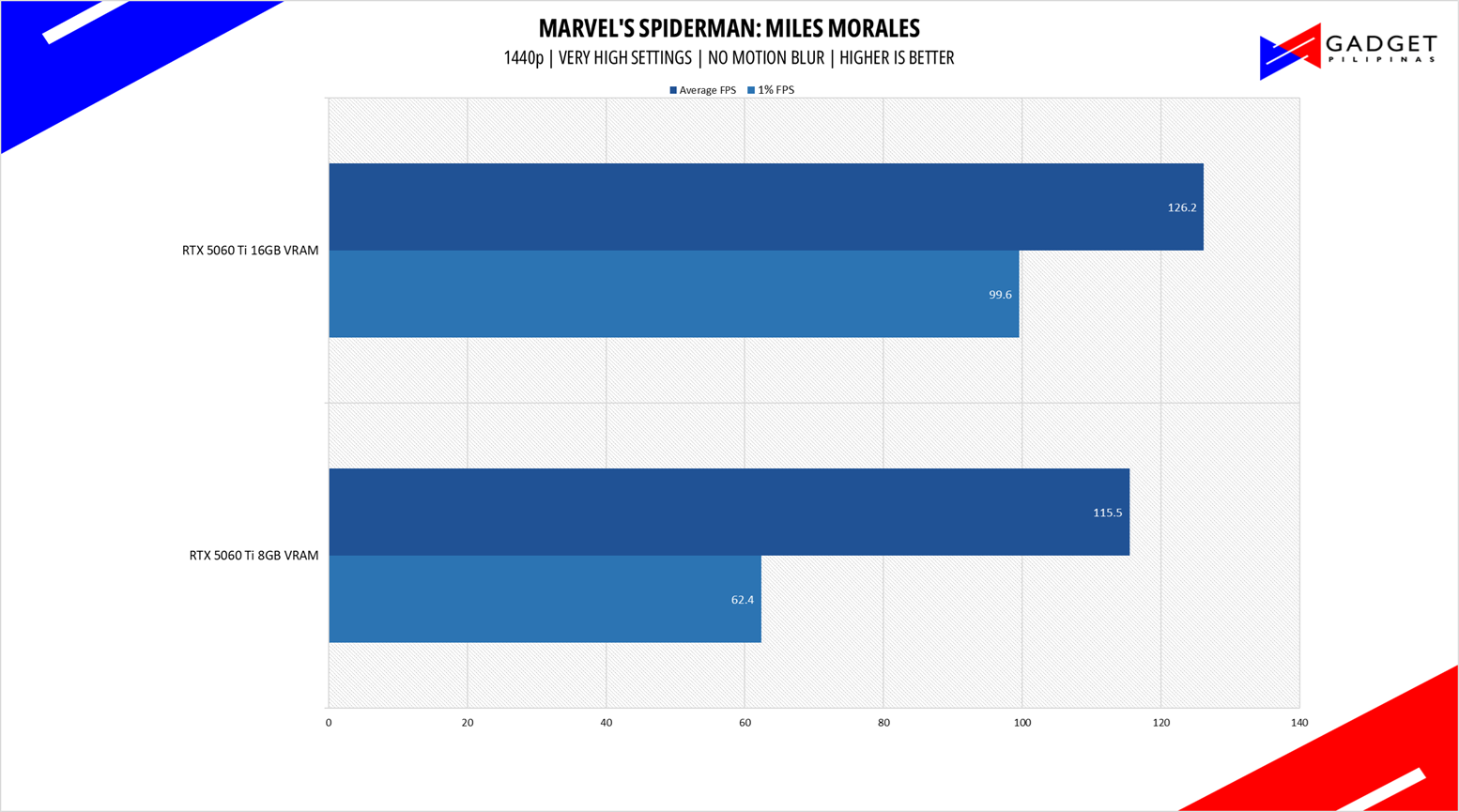
Marvel’s Spider-Man: Miles Morales is developed by Insomniac Games and published by Sony, is one of the most popular PC port titles last 2022. It’s one of the few modern game titles that support upscaling technologies FSR, DLSS, and XeSS, making it a great title to use for benchmarks.
F1 23
F1 23 is the official video game of the 2023 Formula One and Formula 2 championships, developed by Codemasters. F1 2023 is the sixteenth installment in the franchise and uses the Ego Engine 4.0. F1 233 is a good representation of racing games thanks to its realistic graphics and fairly demanding spec requirements as well as support for Ray Tracing and the latest upscaling technologies such as DLSS, XeSS, and FSR.
ASSASSIN’S CREED: MIRAGE
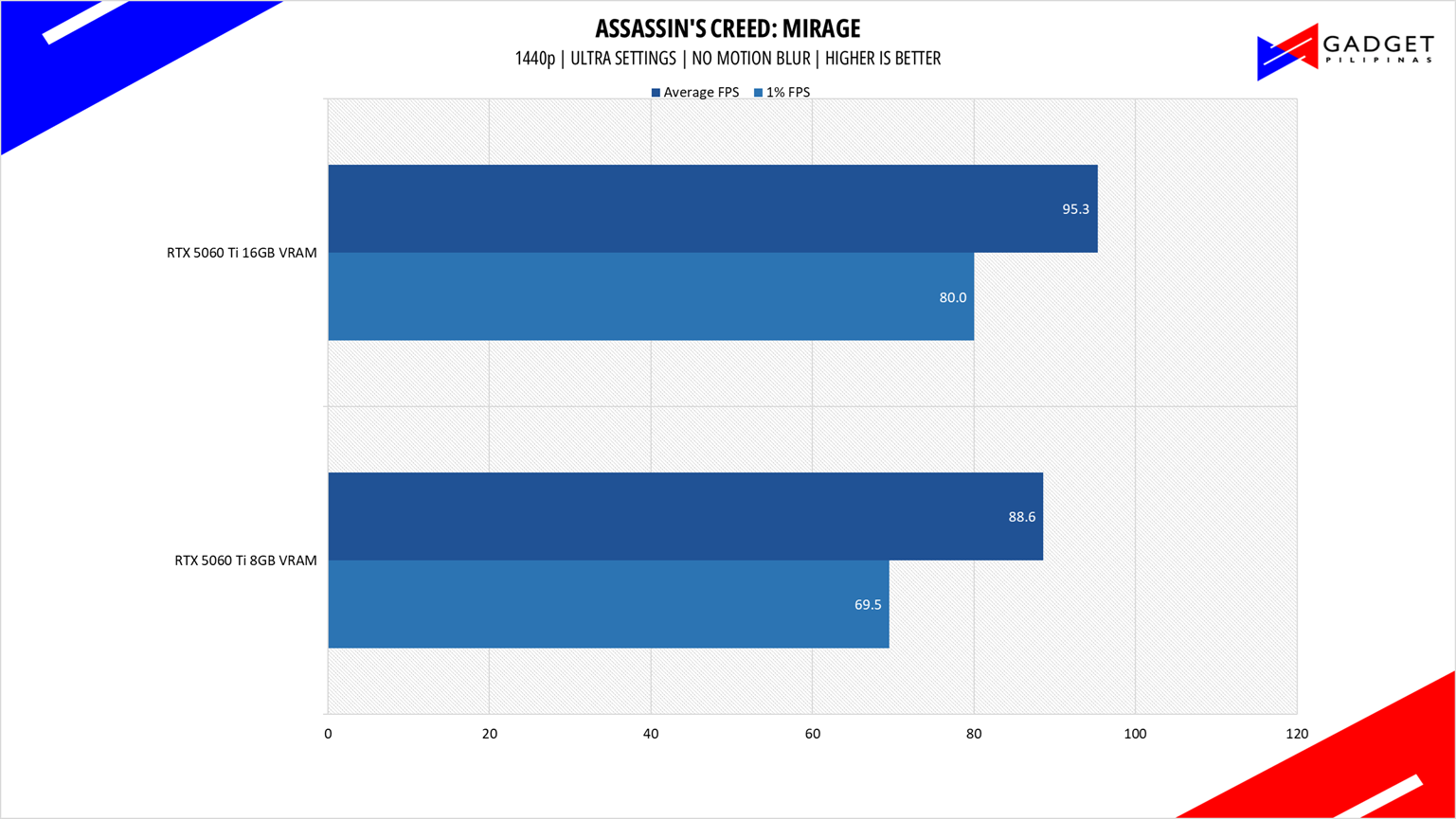
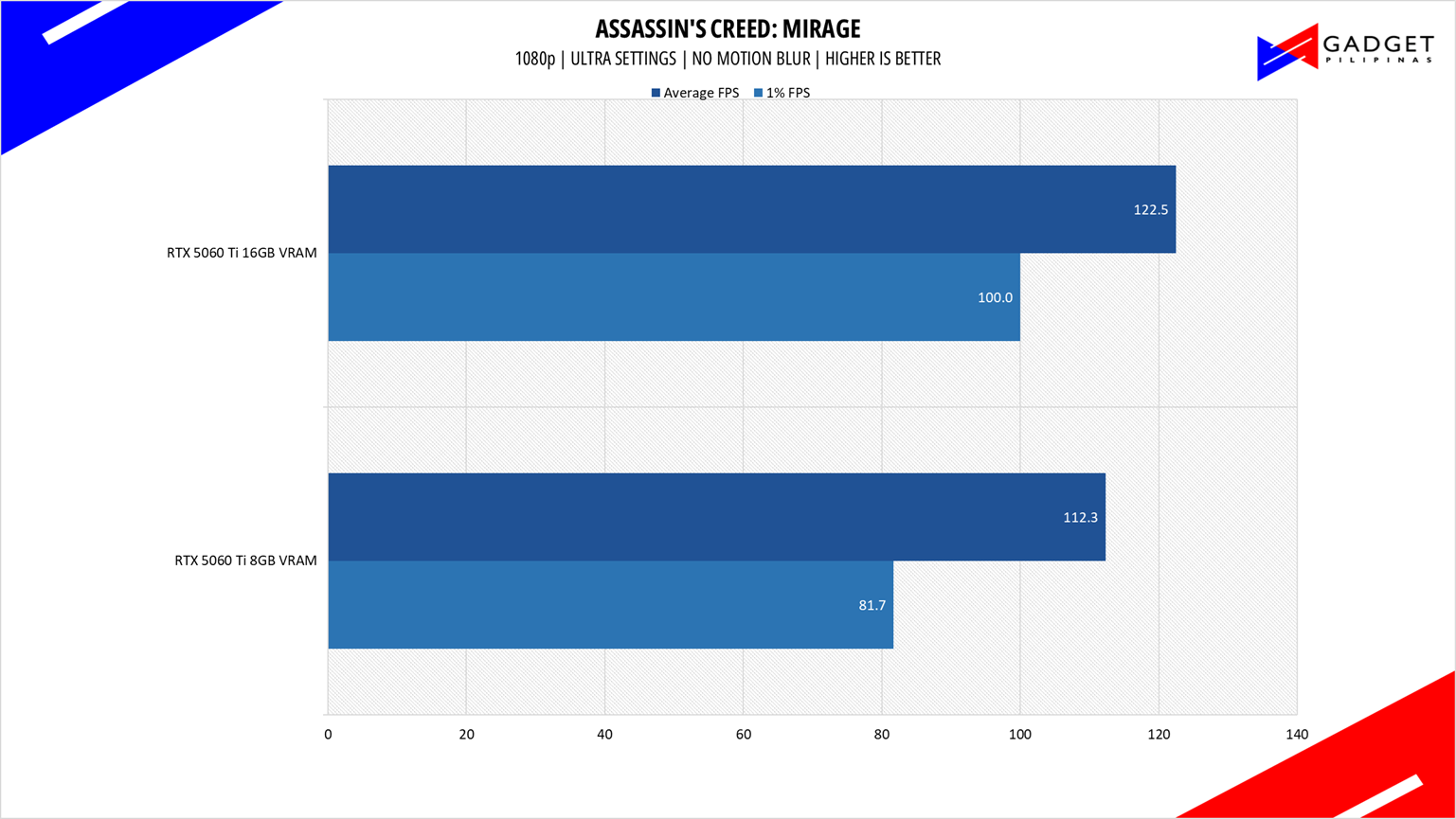
Assassin’s Creed Mirage is the latest Assassin’s Creed game from Ubisoft making it the thirteenth major installment in the franchise. It uses the AnvilNext 2.0 game engine and is the very first AC game to support the latest upscaling technology such as XeSS, FSR, and DLSS.
Cyberpunk 2077
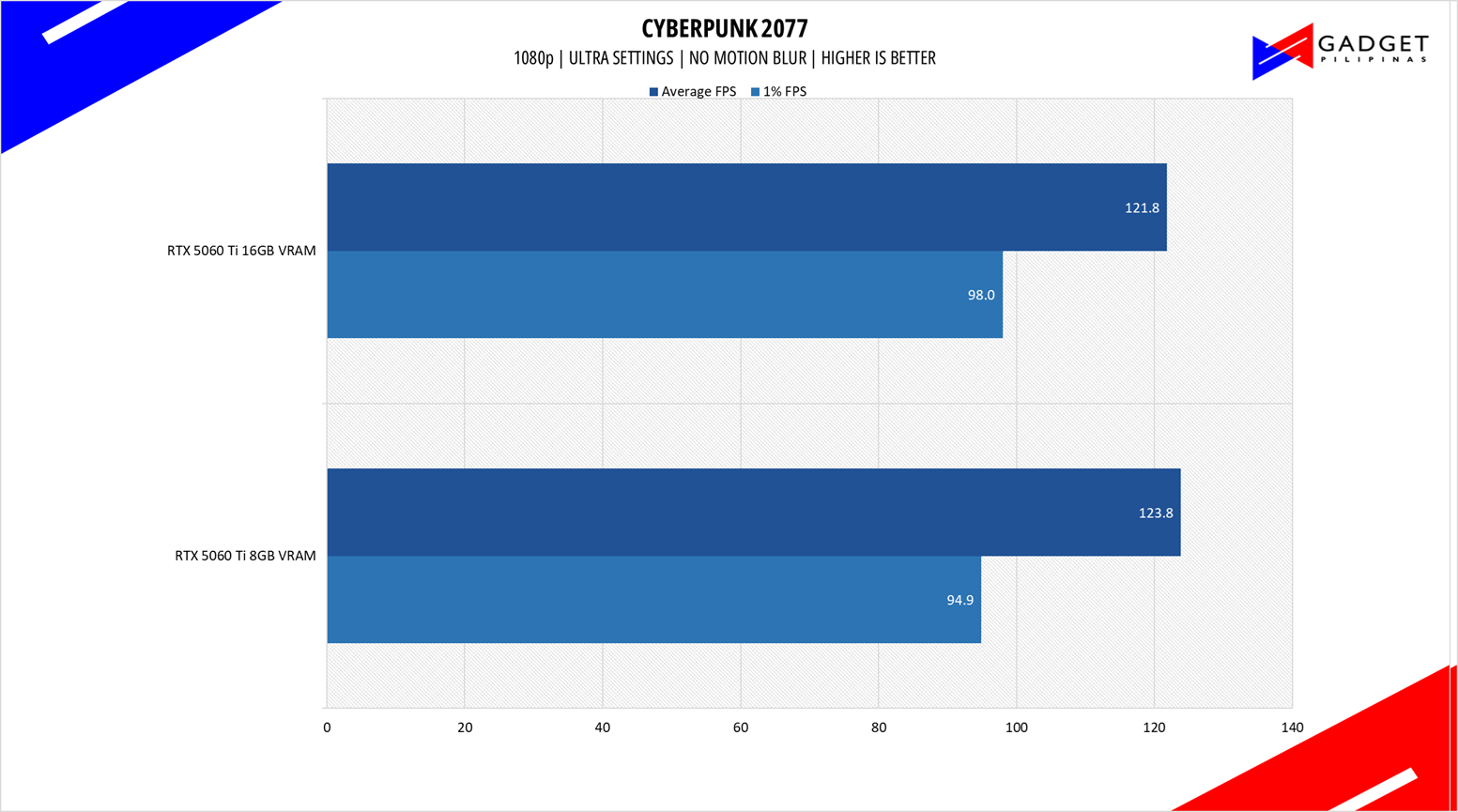
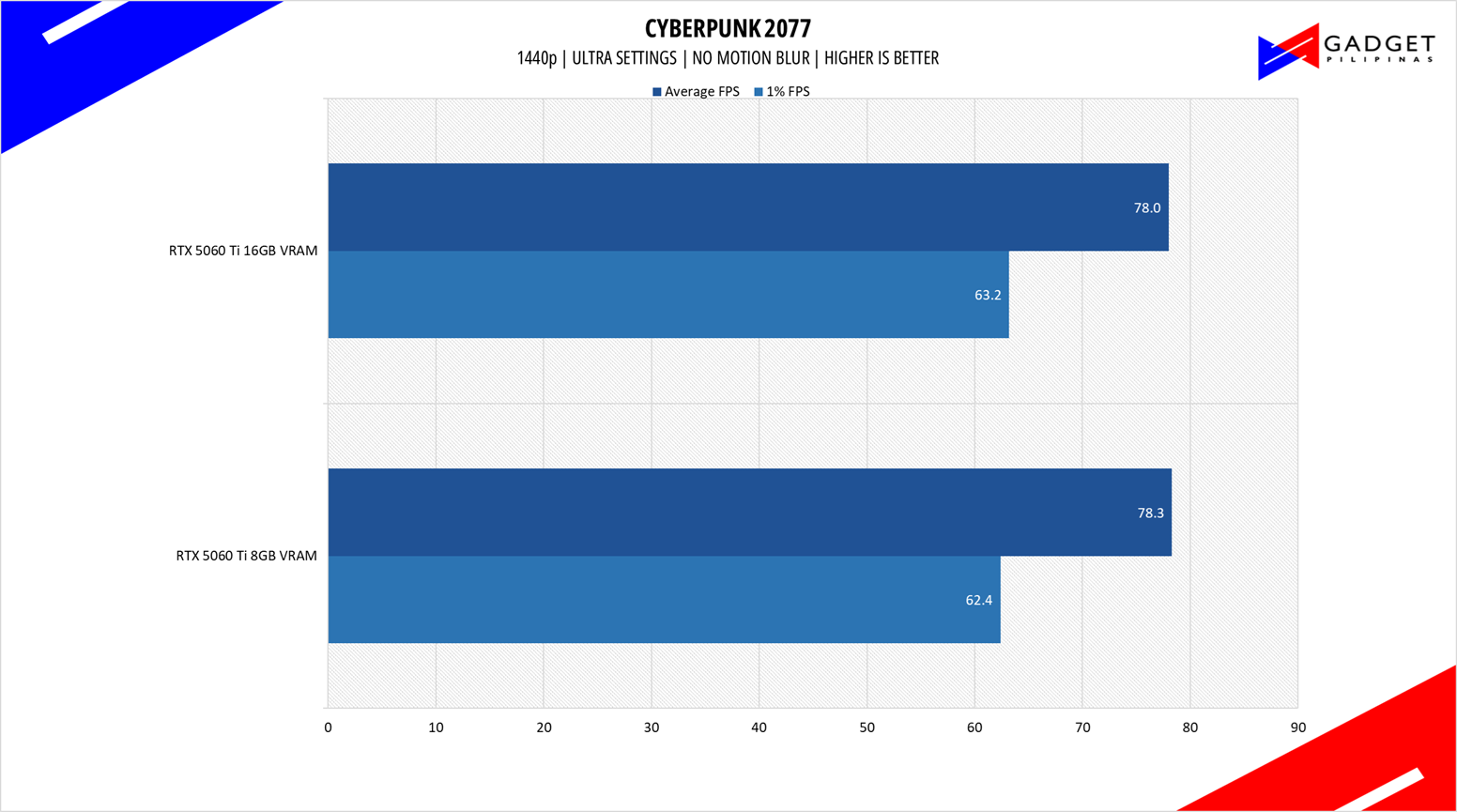
Cyberpunk 2077 is arguably the most hyped game of 2020. Developed by CD Projekt Red, the dystopian open-world, action-adventure RPG sports is one of the most demanding titles to date. Cyberpunk 2077 also supports three Ray Tracing settings as well as DLSS, which makes the game a great tool to measure Ray Tracing performance for both AMD and Nvidia graphics cards.
HORIZON FORBIDDEN WEST
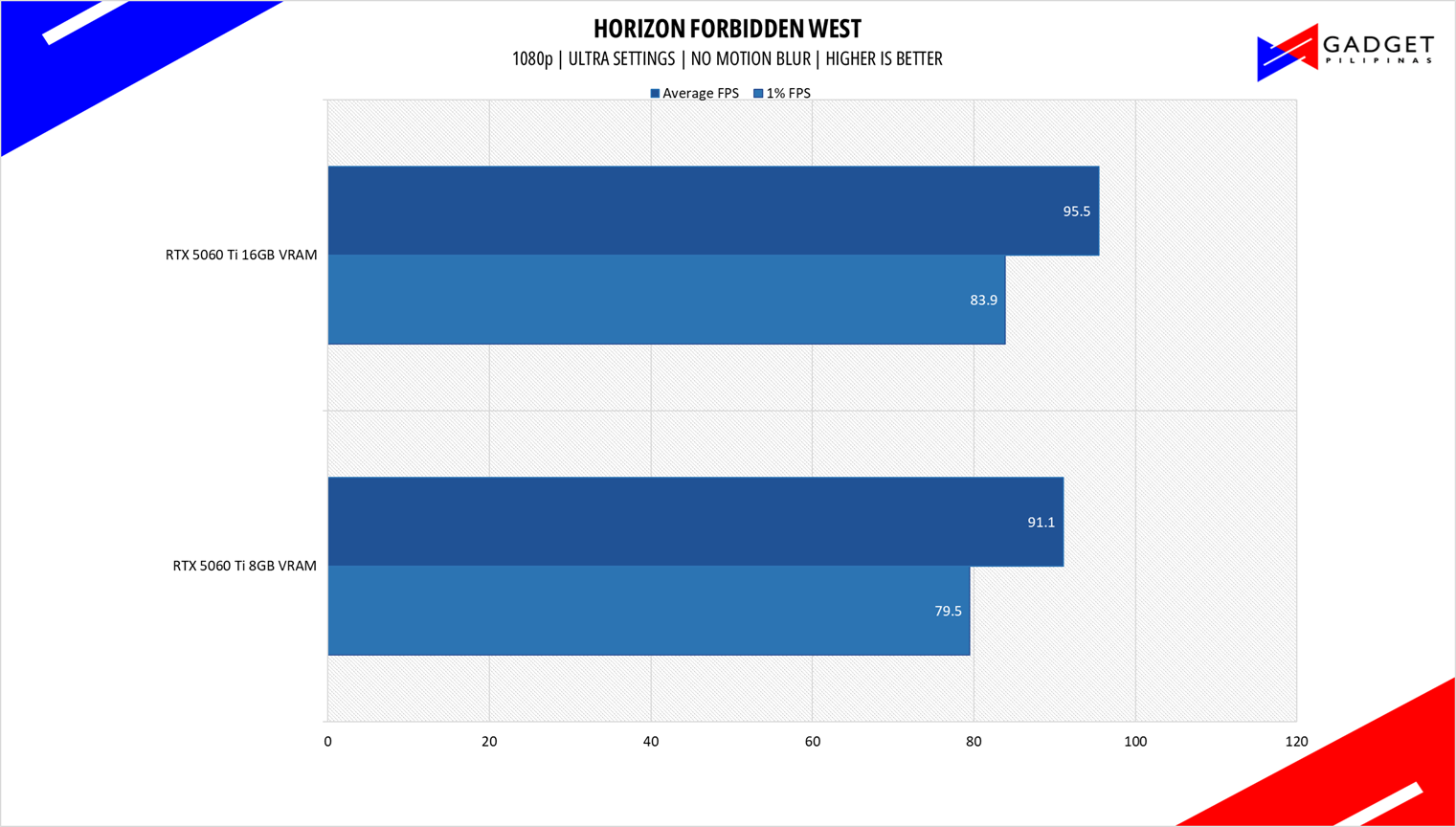
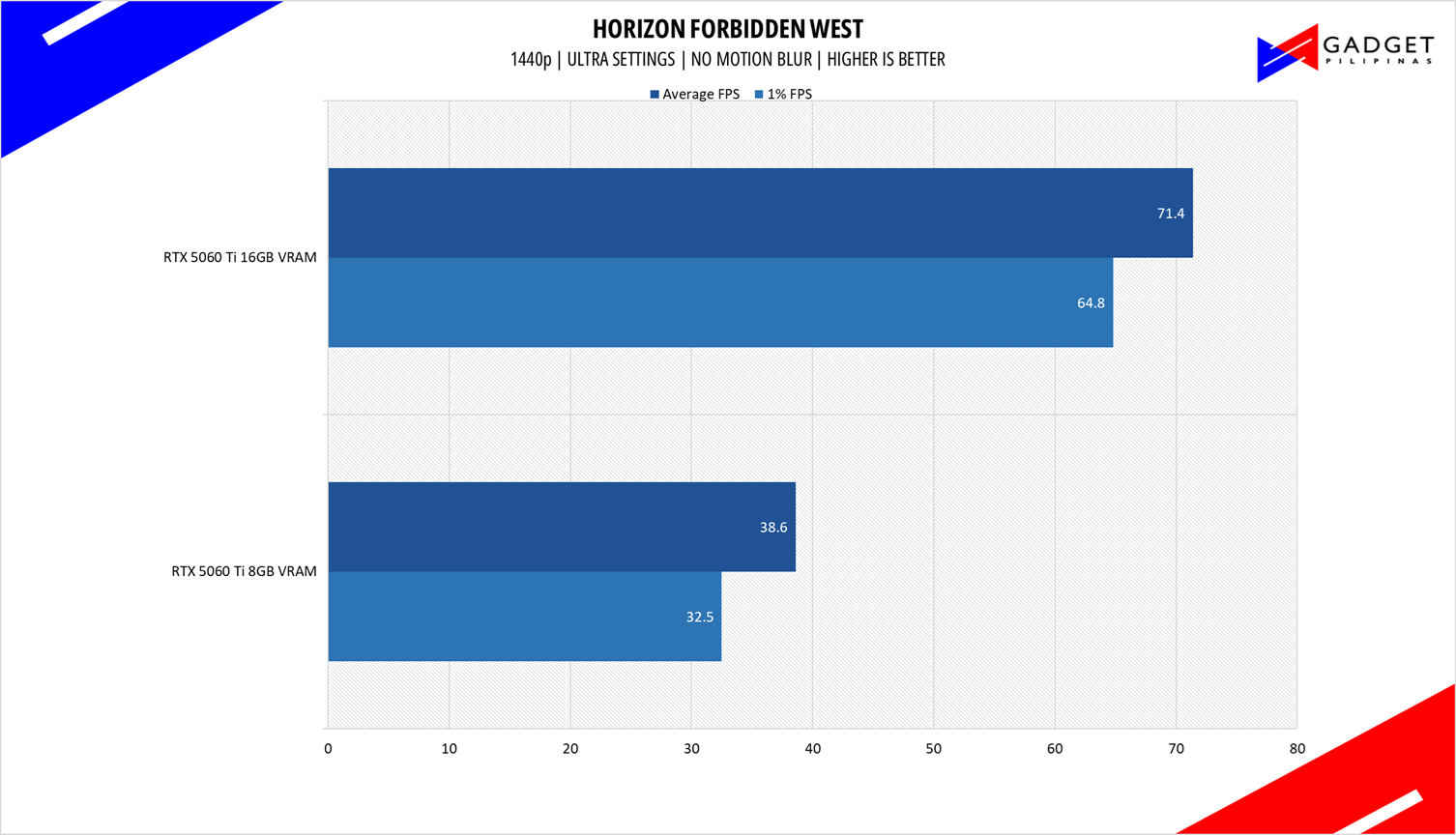
Horizon Forbidden West is a 2022 action role-playing game developed by Guerrilla Games and published by Sony Interactive Entertainment. The Horizon Zero Dawn game sequel launched on PC last March 2024 built on the Decima Game Engine, the same one used on Death Stranding. Horizon Forbidden West features Ray Tracing and Upscaling technologies not present in the prequel game.
BLACK MYTH WUKONG
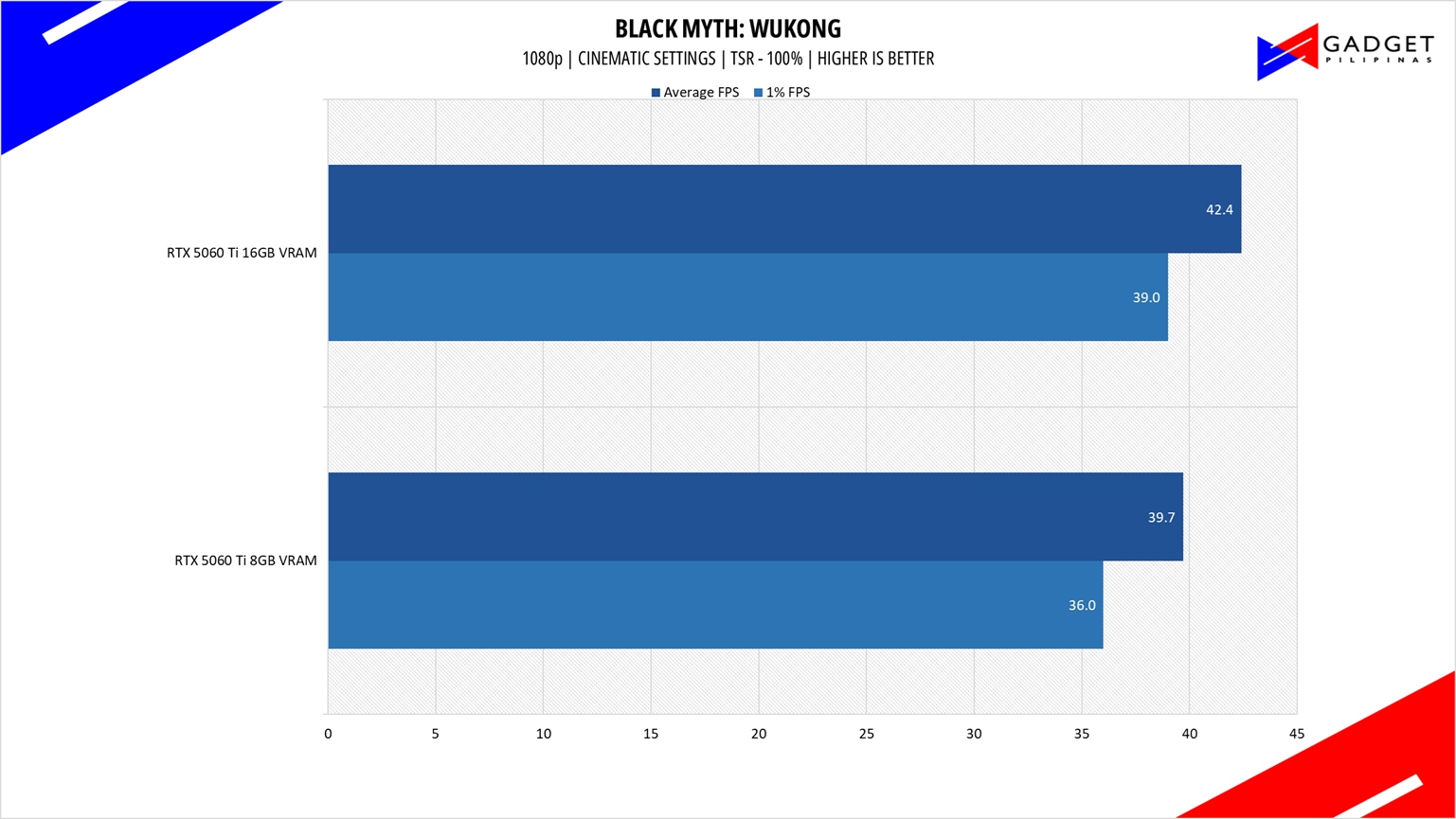
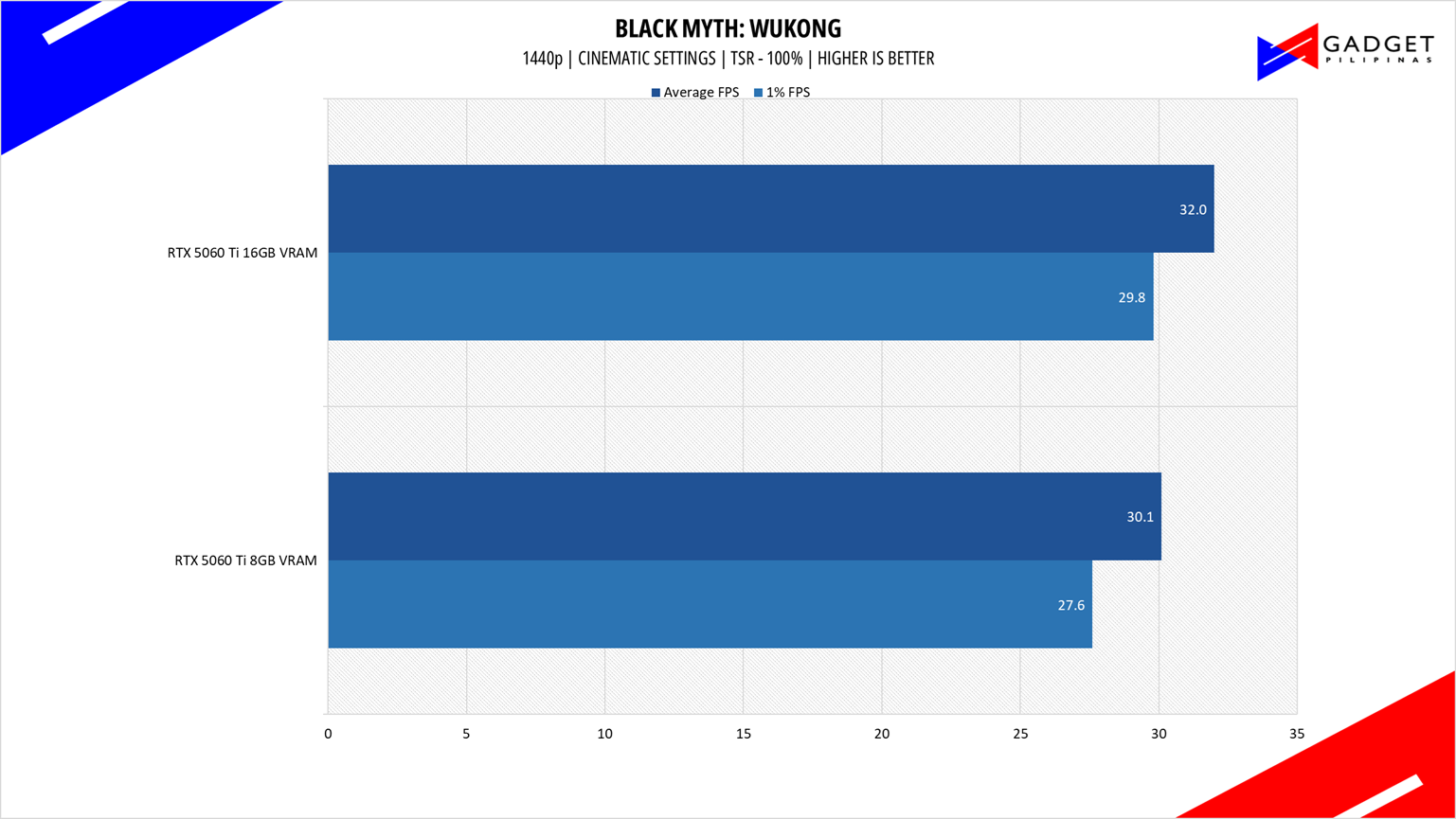
Black Myth: Wukong is one of the most popular game titles launched in 2024, with its stunning graphics thanks to the Unreal Engine 5. Developed by Game Science, Black Myth: Wukong is one of the most demanding titles recently released titles with complete Ray Tracing and Upscaling technology features, making it a great benchmark for new hardware.
GHOST OF TSUSHIMA
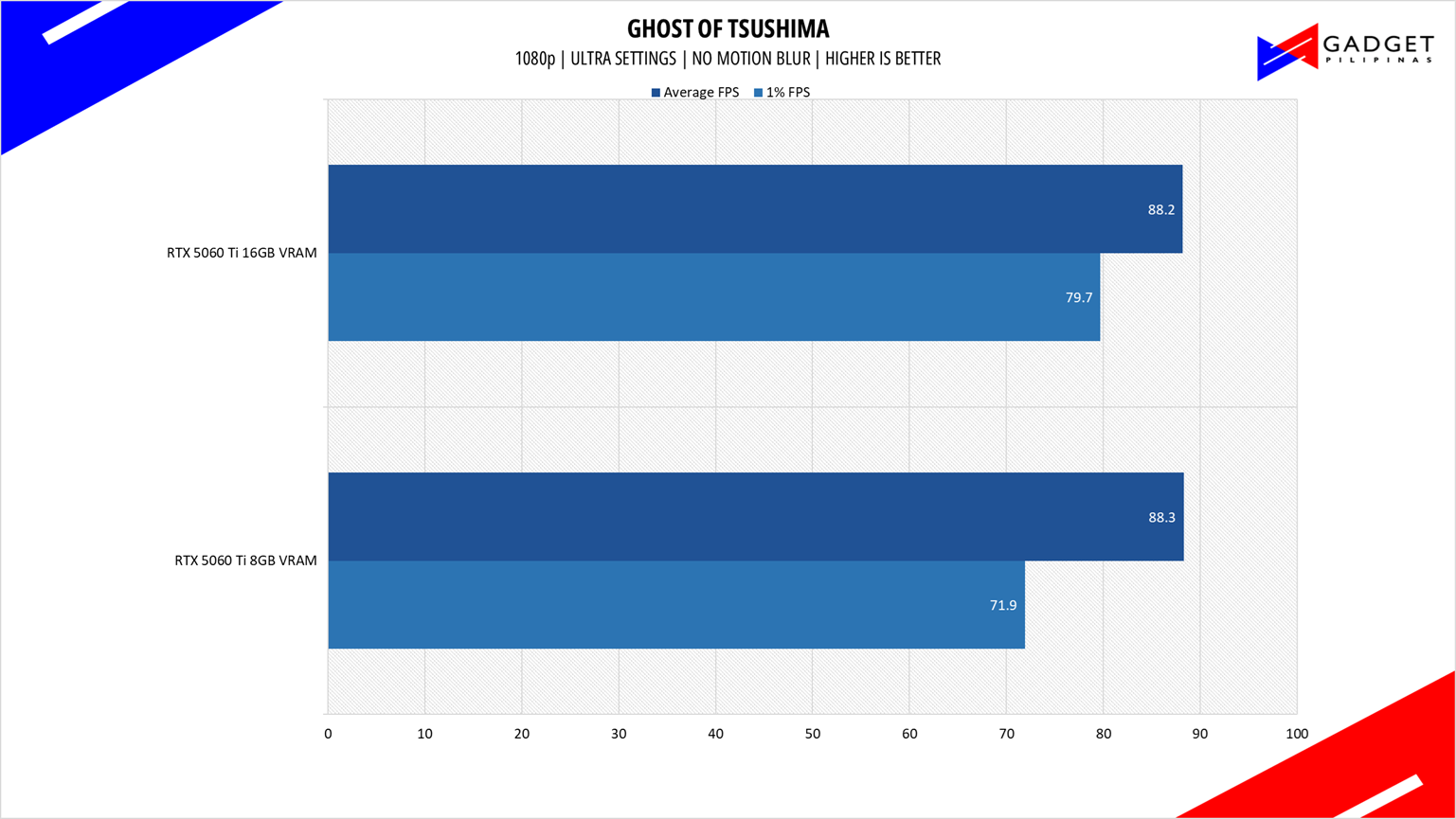
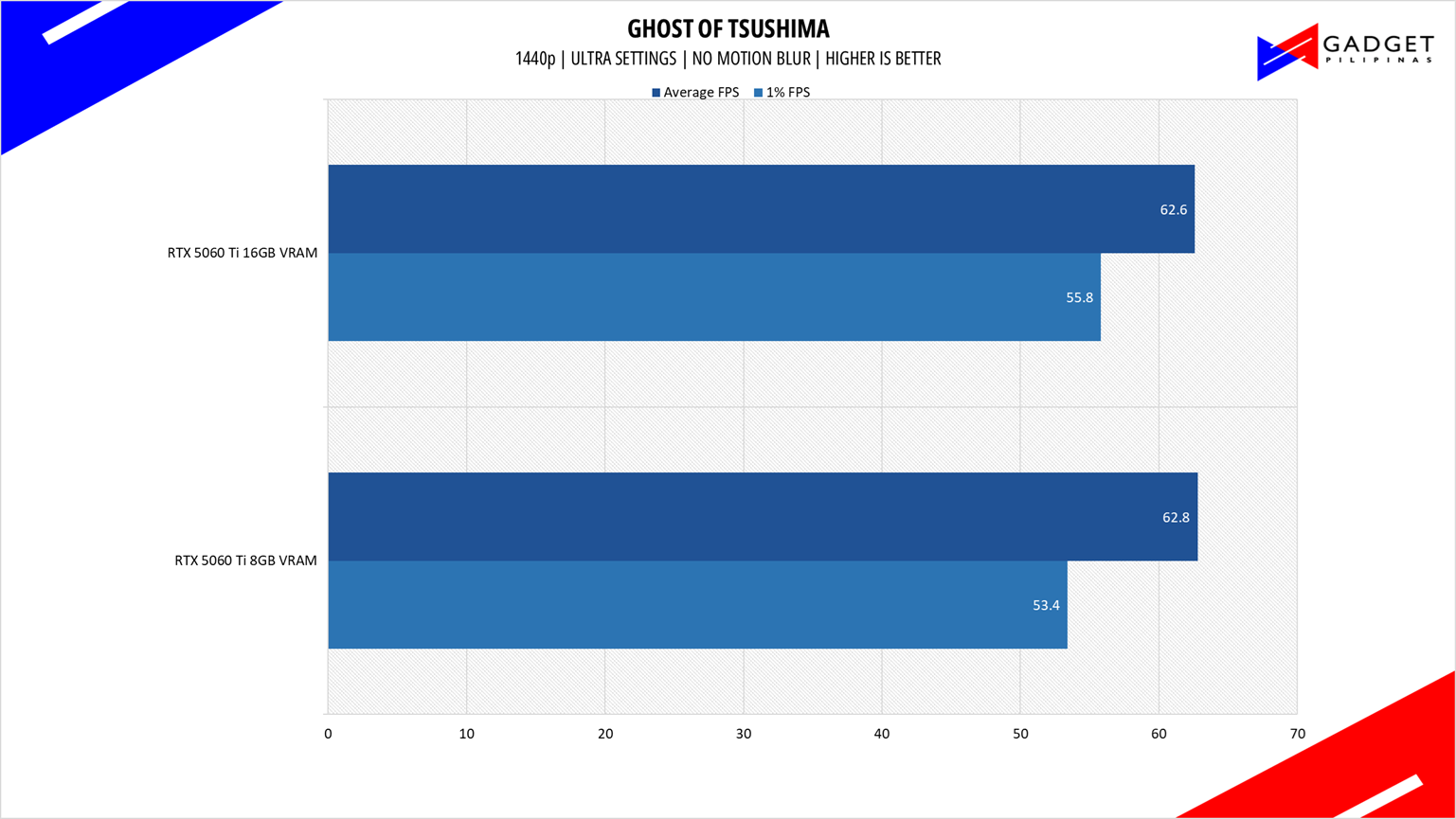
Ghost of Tsushima is an action-adventure game developed by Sucker Punch Productions and published by Sony Interactive Entertainment. It was initially released for the PlayStation 4 in July 2020 and later for PlayStation 5 and Windows. Ghost of Tsushima runs on a modified and optimized version of Sucker Punch’s in-house engine, originally built for the PlayStation platforms.
HOGWARTS LEGACY
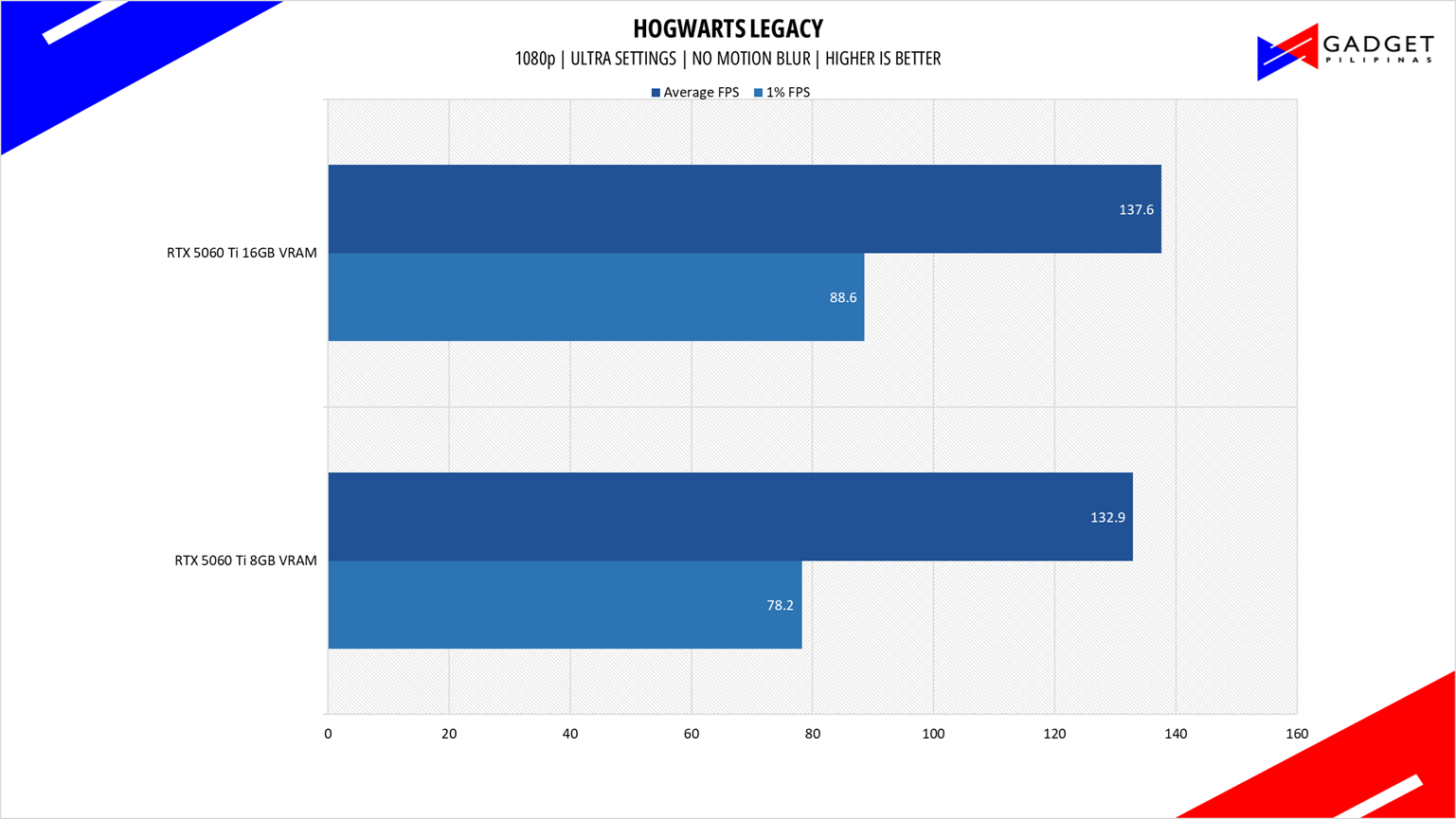
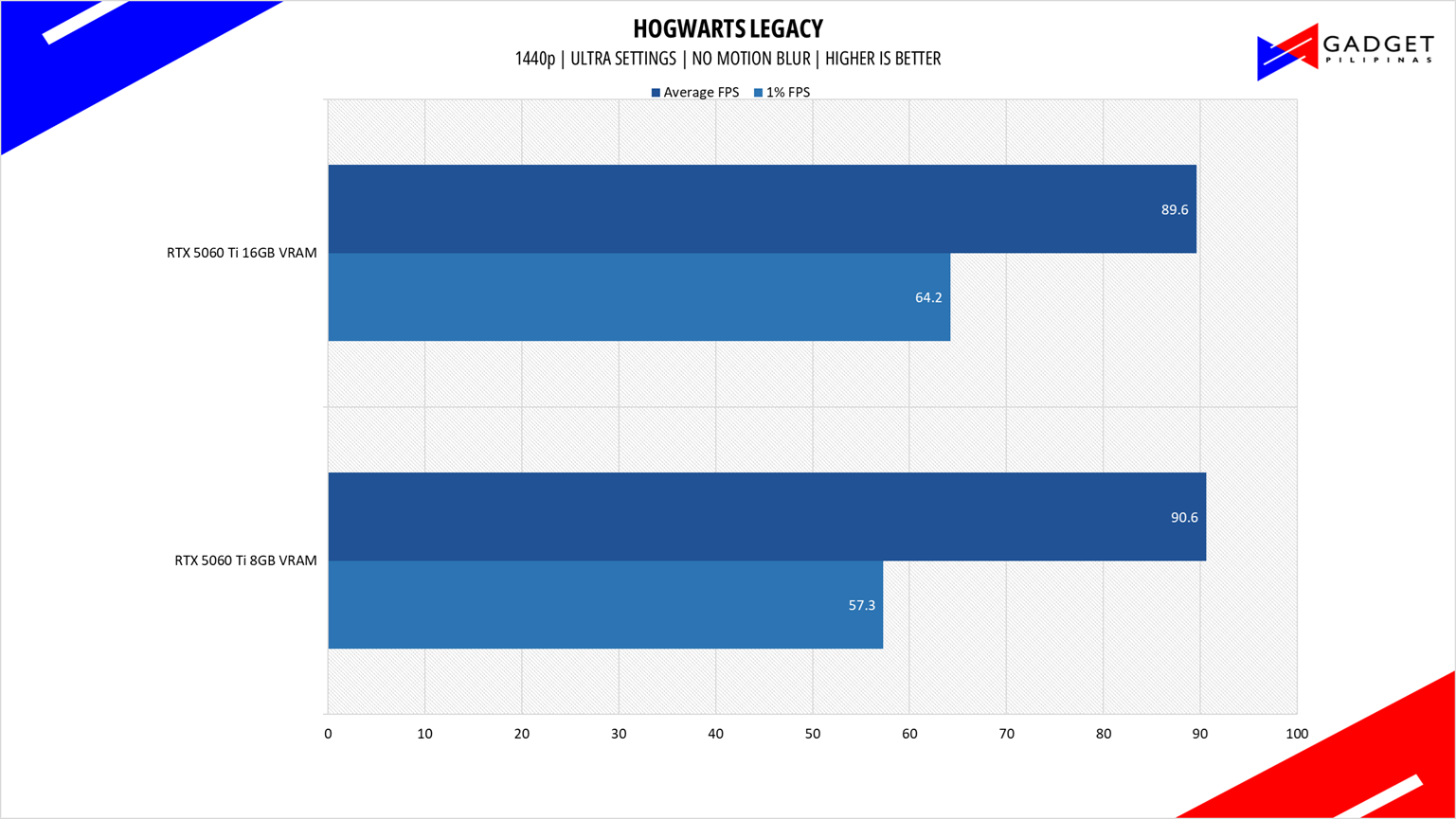
Hogwarts Legacy is a popular game catering to the hearts of Harry Potter fans and gamers with its rich world and engaging gameplay. Developed by Avalanche Software and built on the Unreal Engine 4, Hogwarts Legacy delivers detailed environments and character models with support for the latest rendering and upscaling technologies.
FAR CRY 6
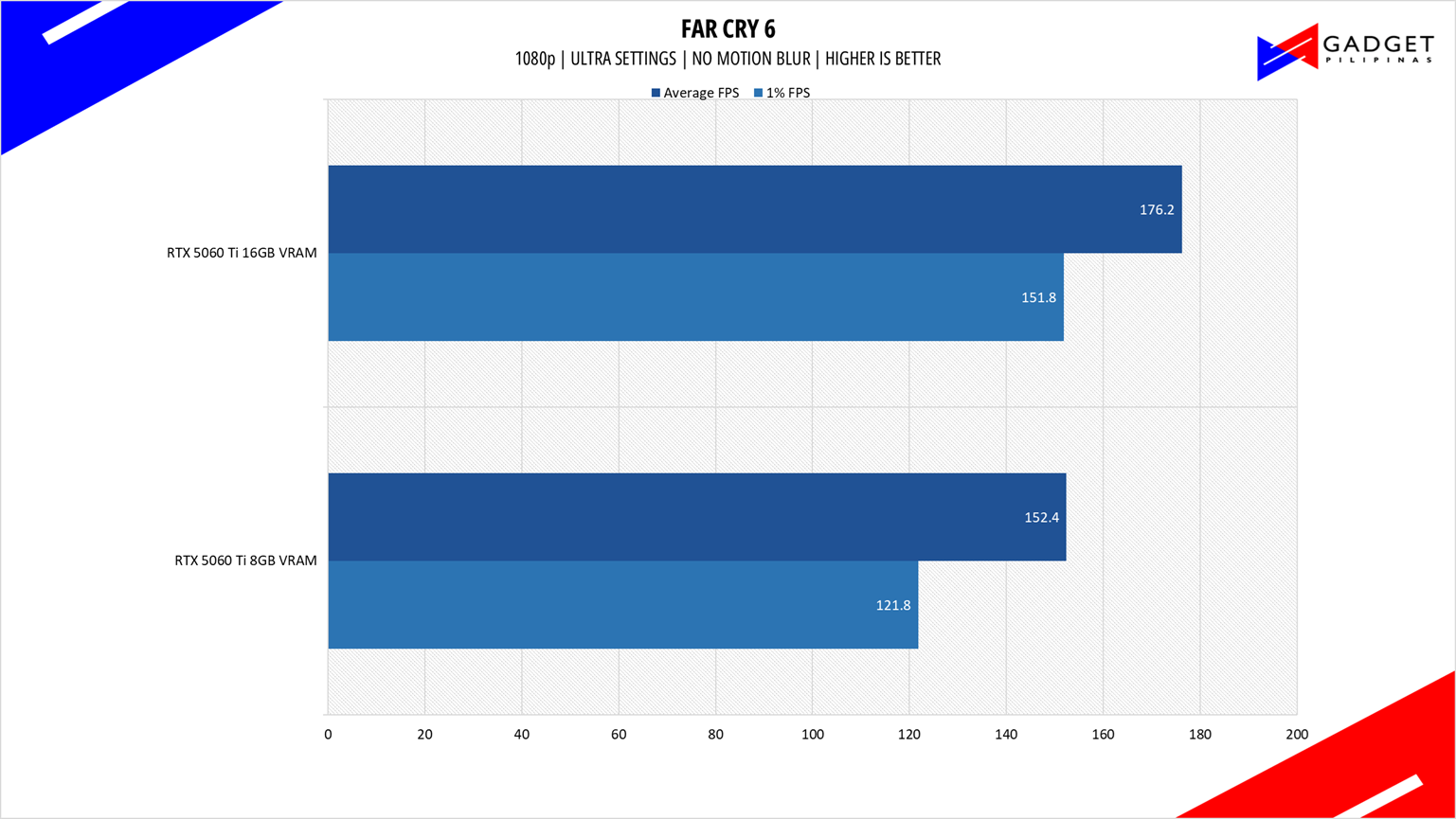
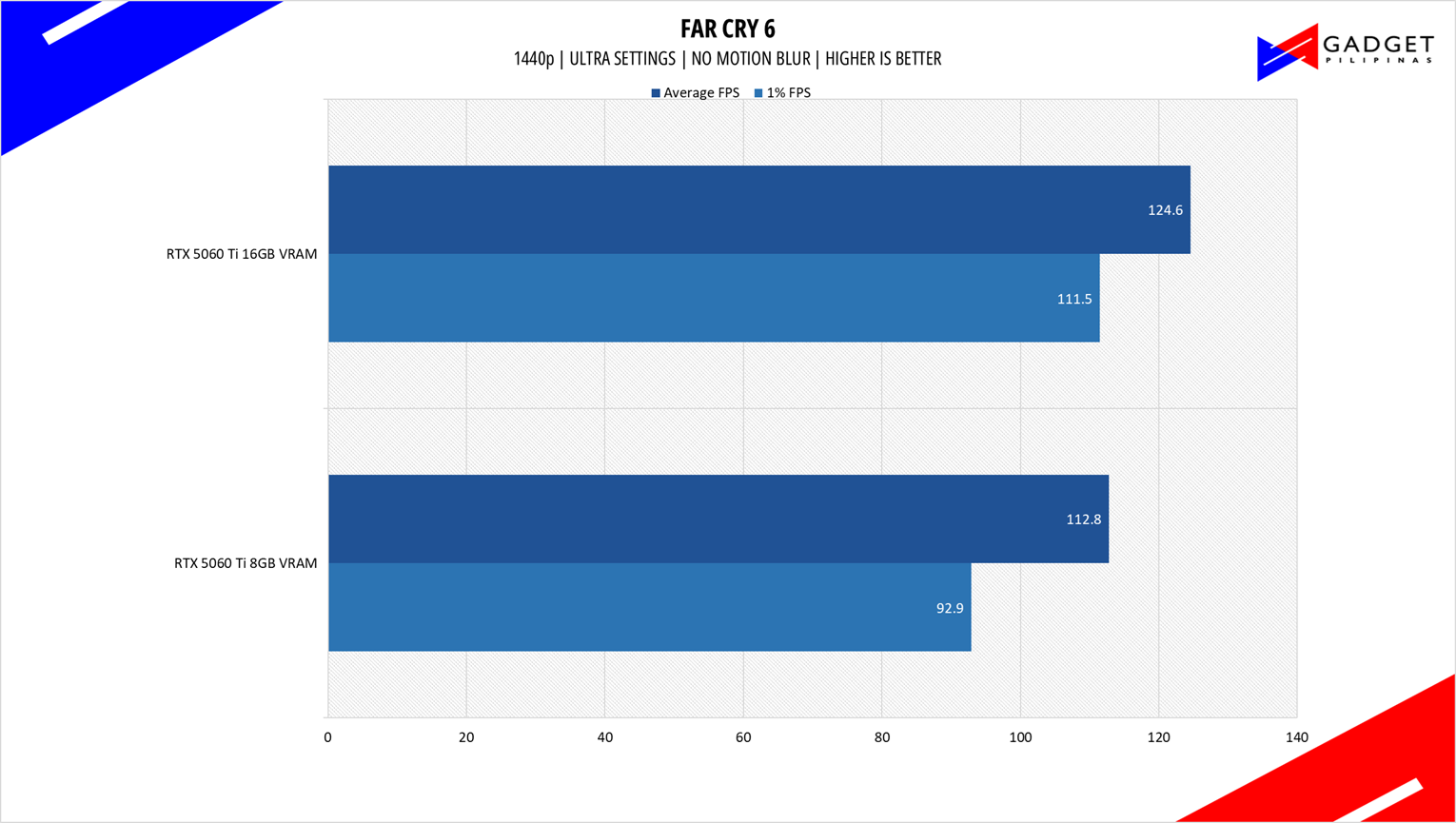
FarCry 6 is an FPS game published by Ubisoft that uses the Dunia engine. It heavily relies on and takes advantage of DirectX 12 to render a realistic environment that is taxing to both the CPU and GPU. It’s also the first game in the franchise to support Ray Tracing.
Productivity and AI
V-RAY 6
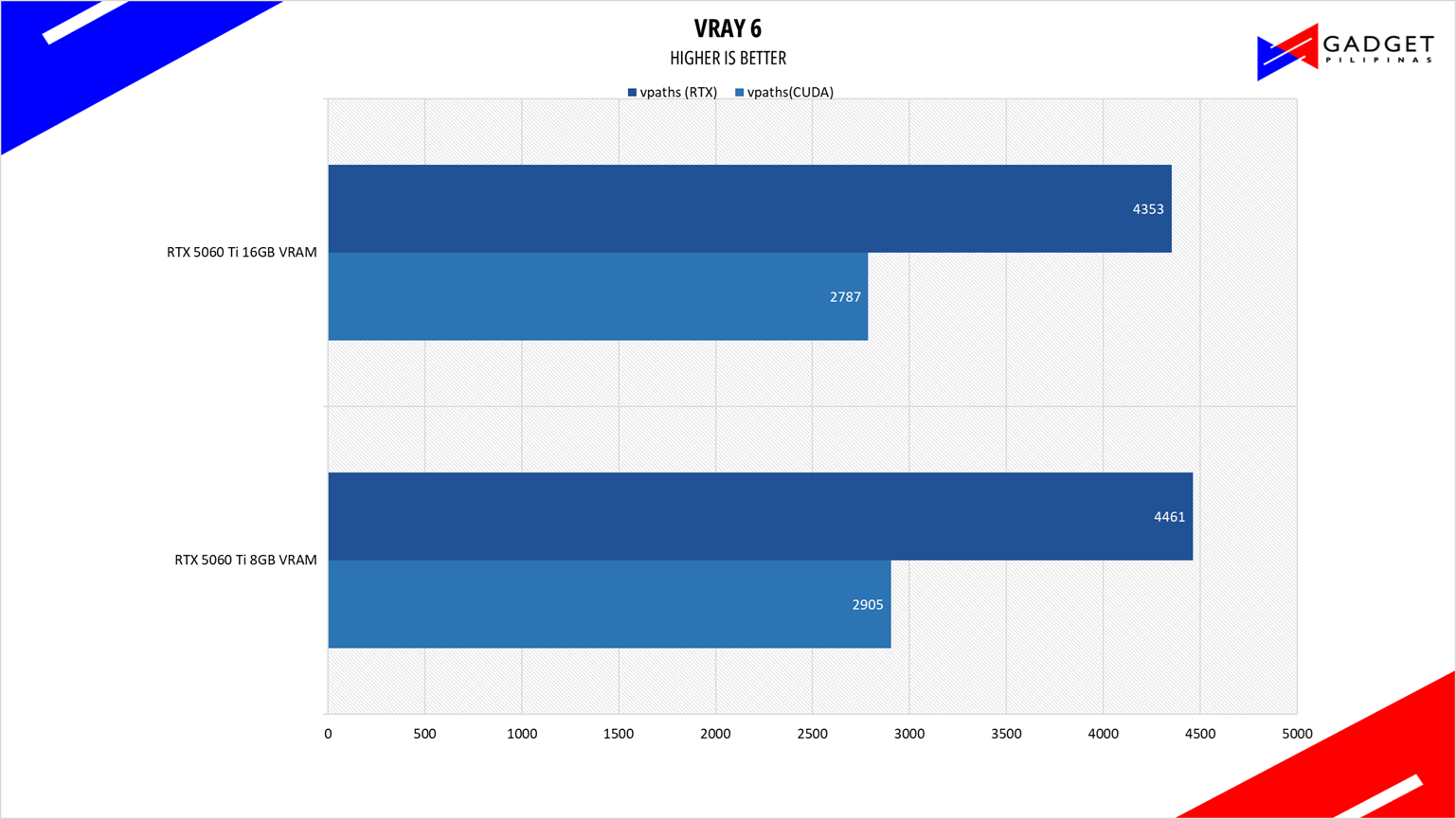
V-Ray Benchmark is a stand-alone version of V-Ray developed by Chaos Group. It is designed to test the CPU and GPU by rendering sample scenes at a fixed amount of time. V-Ray is a plug-in mostly utilized by 3D computer graphics software applications mainly for industrial design, product design, architecture, film, and video game production. V-Ray is not limited to 64-threads as it supports multi and mega-threading.
ADOBE PREMIERE PRO VIDEO EDITING BENCHMARK
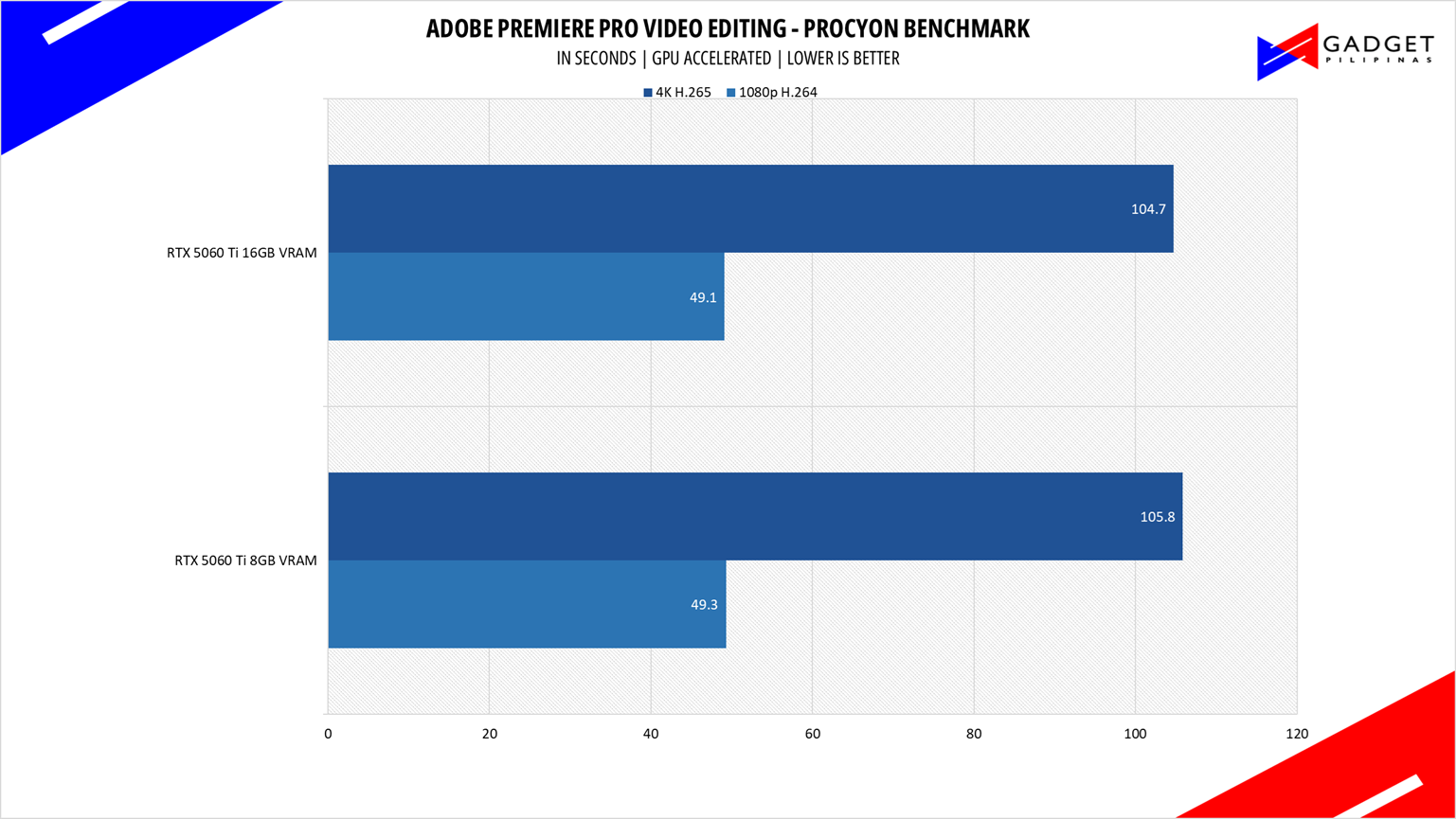
Procyon benchmark suite is developed by UL, the same team behind 3DMark and PCMark benchmarks. The UL Procycon video editing benchmark uses Adobe Premiere in a typical video editing workflow. The benchmark starts by importing two video project files with various edits, adjustments, and effects – the second project uses several GPU-accelerated effects. Each project is exported in 1080p with H.264 encoding and again in 4K with HEVC H.265. The reported score is based on the time taken to export all four videos. GPU acceleration is turned on for GPU benchmarks.
3DMark Benchmark Suite
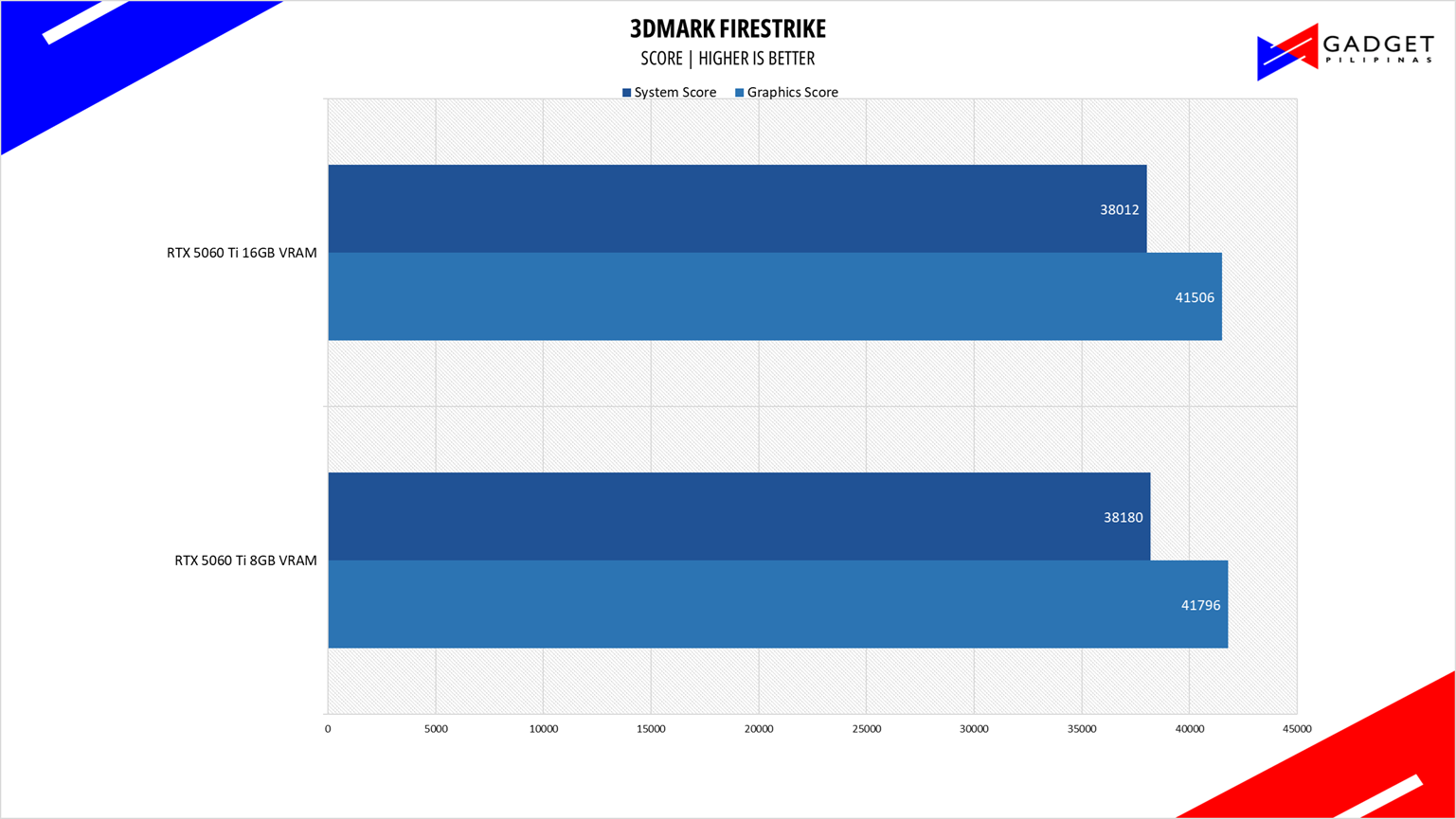
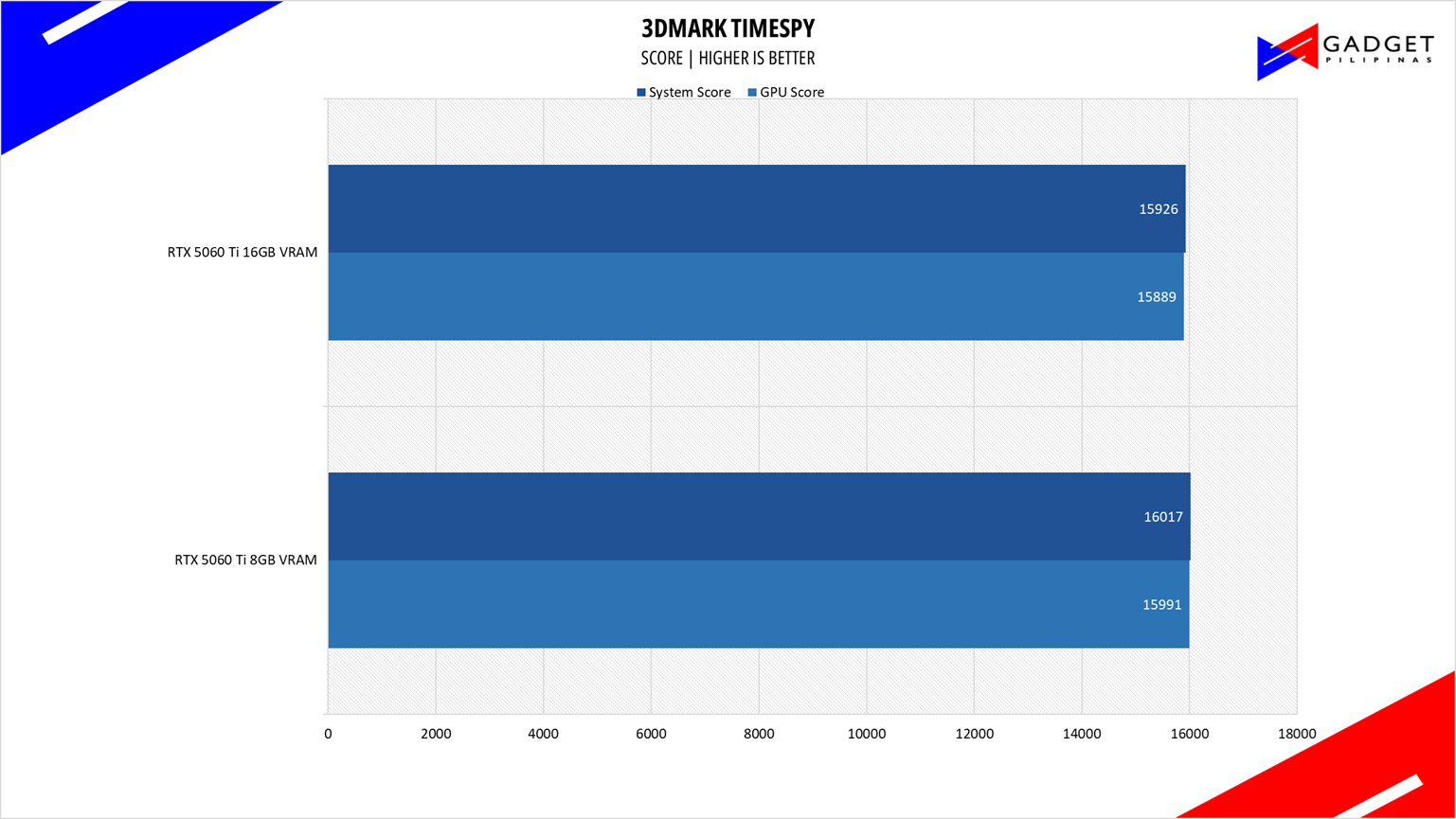
3DMark is the go-to benchmark for gamers because of the ability to share and compare results online. We test GPUs both in DX11 Firestike and DX12 Timespy for the “classic” benchmarks. We also used 3DMark’s latest Steel Nomad and SpeedWay benchmarks as we slowly shift to these “more accurate” synthetic game benchmarks.
GeekBench 6.5
Geekbench is a multi-platform benchmark used to gauge CPU and GPU performance and compare them across Windows, Mac, and Mobile. Geekbench 6 is the latest version and doesn’t rely on memory more than the previous Geekbench 4, making it a great tool to measure both single-core and multi-core CPU performance.
GeekBench AI
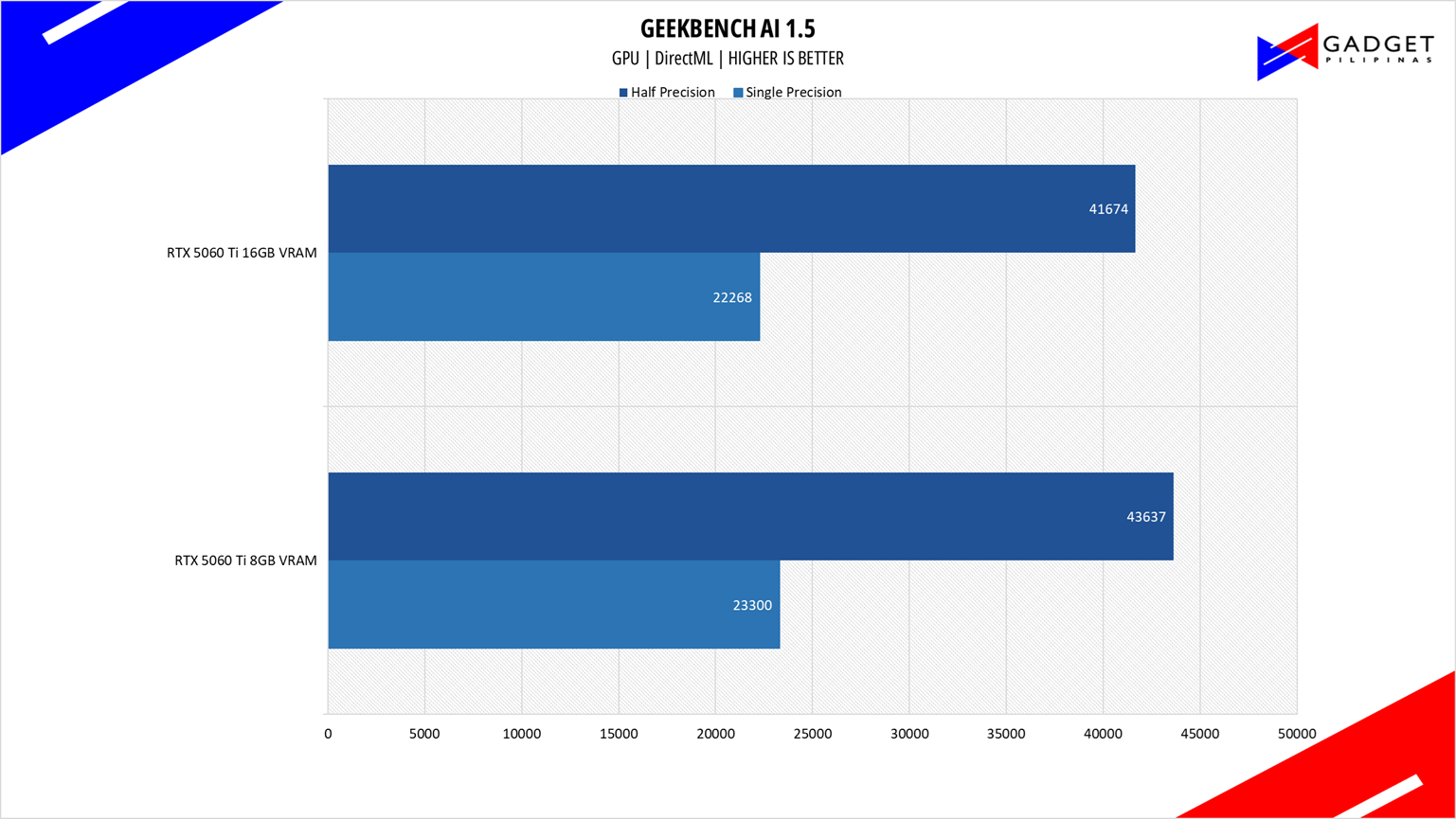
Geekbench AI is the latest addition to Primate Lab’s benchmark Suite. It runs ten real-world AI workloads such as image classification, object detection, and natural language processing, across different frameworks like Core ML, OpenVINO, and ONNX. This multi-model approach helps users understand how effectively a device handles modern AI applications, while also measuring the accuracy of the outputs to ensure performance isn’t being prioritized over quality.
Blender
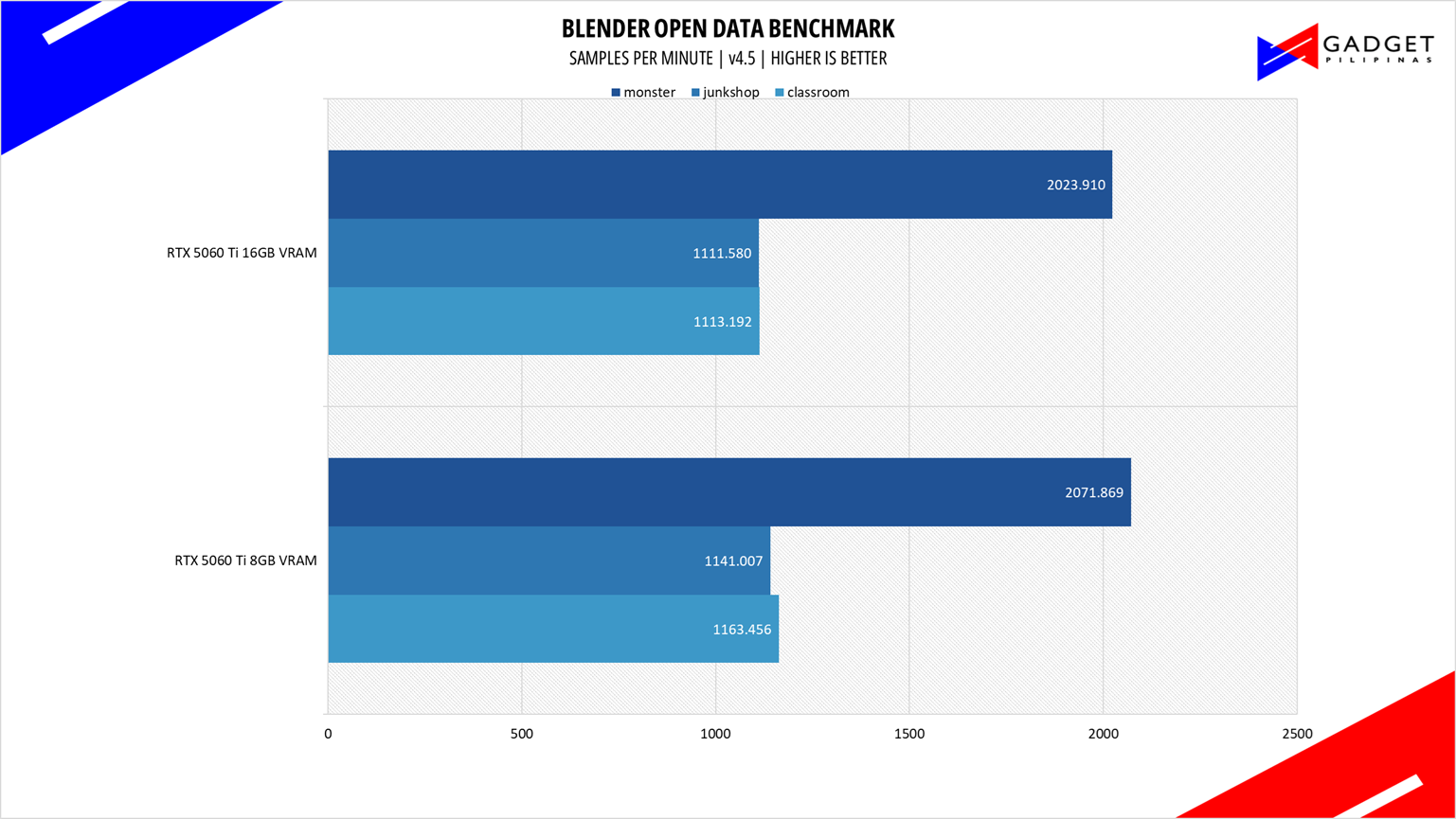
Blender is a widely used, free, open-source 3D creation suite. It supports the whole 3D pipeline process from modeling, rigging, animation, simulation, rendering, and even motion tracking. Blender has become a standard for CPU benchmarks with the BMW27 and Classroom Scene most used. This prompted the company to release Blender Open Data Benchmark in 2018, a benchmark-specific version allowing users to run a preset benchmark and share the results online like 3DMark.
Performance Summary and Conclusion
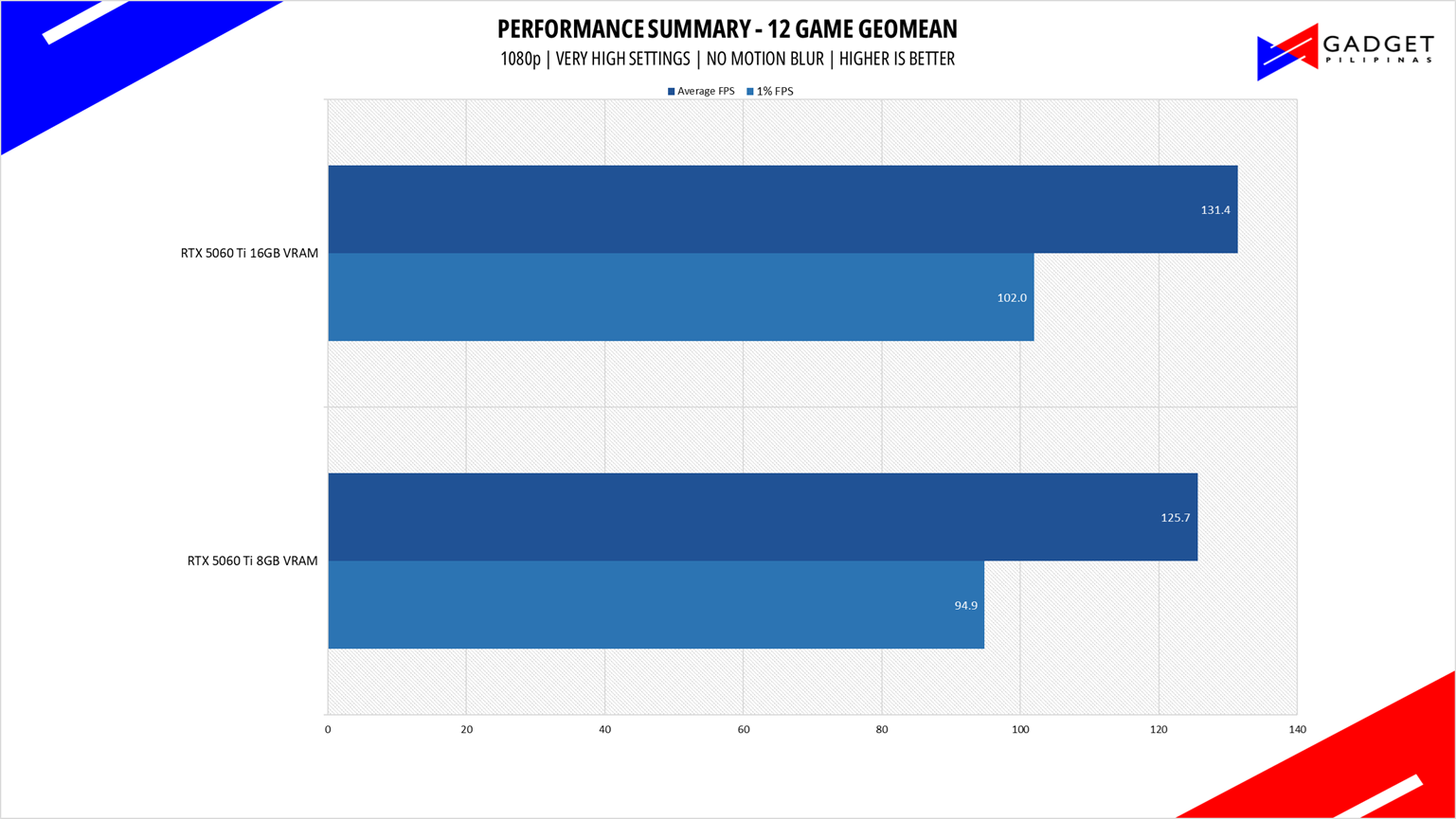
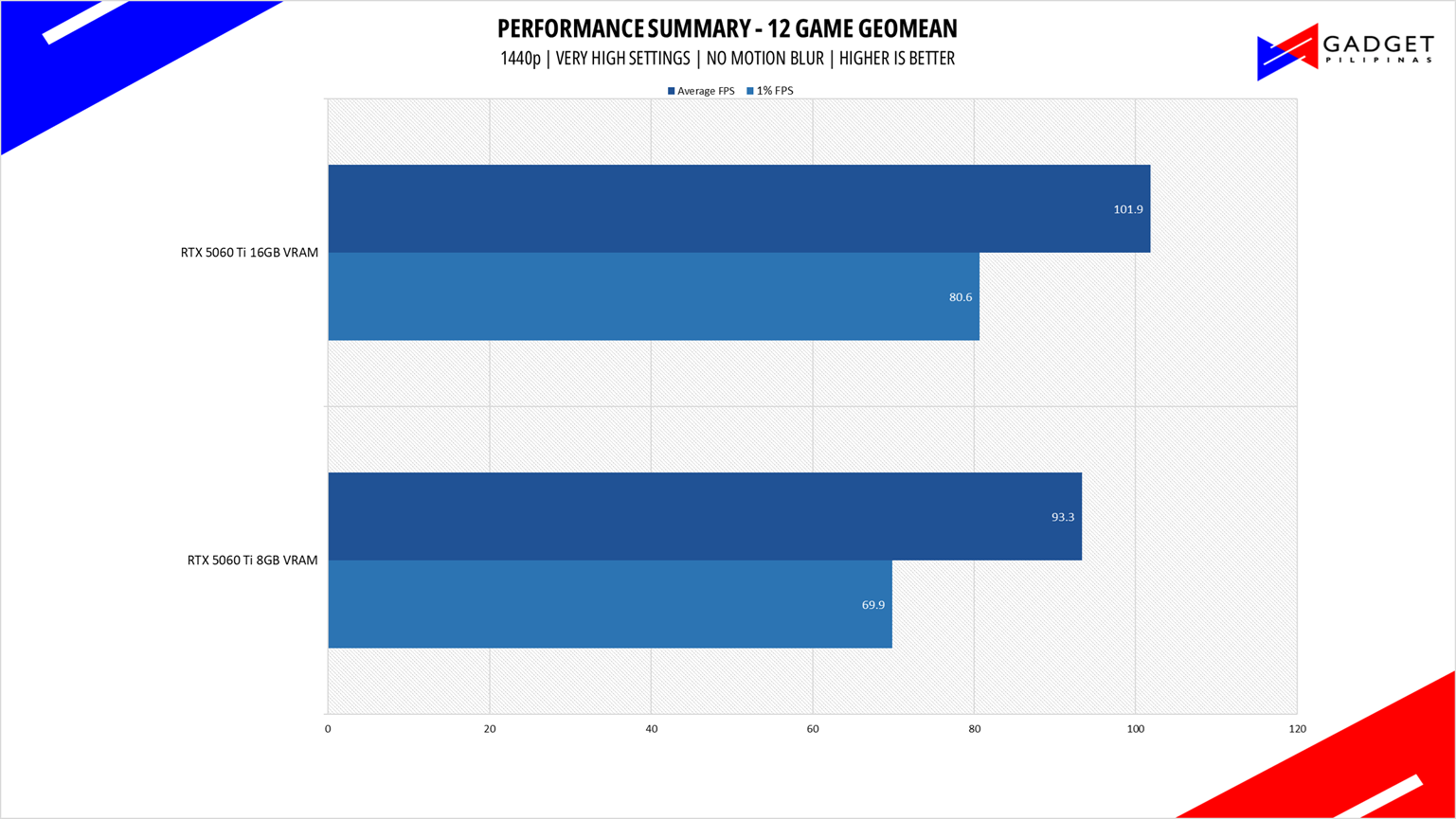
Before we started testing, we initially had an idea on the results of the 8GB vs 16GB VRAM comparison but we didn’t expect it to be this close. For gaming, the performance impact in upgrading from an 8GB VRAM to a 16GB VRAM capacity will likely depend on the game’s optimization – whether or not the game will take advantage of the extra 8GB VRAM buffer. The same could be said in 1440p albeit the 1% lows tell a more convincing story in favor of the 16GB VRAM. The higher and more stable 1% lows are probably due to the game and GPU not having to cut corners and recalculate in the rare instances where VRAM consumption would exceed 8GB.
Productivity tells more of a conflicting story. Basic workloads that don’t require extra VRAM would provide performance to favor the 8GB variant. The 16GB variant gives off its advantage as you go through larger project files, such as a larger render scene, higher inference AI training, and using more plugins.
Is 8GB VRAM Still Enough For 2026?
As both our productivity and AI benchmarks show, its a simple yes. Scalability, especially in productivity will be the main selling point of a 16GB card. While the 8GB VRAM still pushes through in high settings even at 1440p. For consumer who are in the 60-class GPU range, it’s more likely that some other component will bottleneck your system’s framerates before the 8GB VRAM cap becomes a problem. Moreover, people often forget that the 8GB VRAM installed on the Colorful RTX 5060 Ti and the rest of the NVIDIA GeForce RTX 50 series GPUs are using GDDR7 memory – offering double the bandwidth of GDDR6.
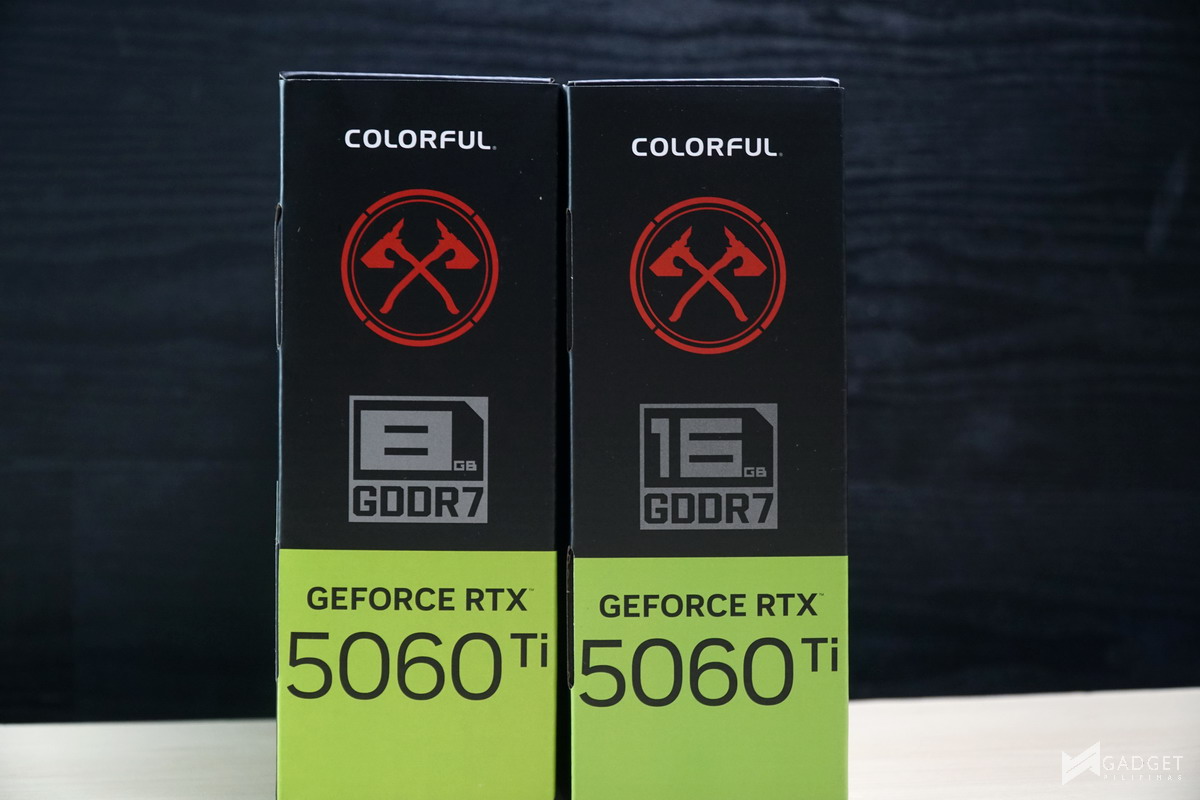
So, the answer on whether you should get a 8GB VRAM or 16GB RTX 5060 Ti or any graphics card for that matter, will most likely depend on your gaming resolution and workload. What’s clear is that 16GB VRAM isn’t as a “must have” as the internet tells you to. And considering today’s DRAM and SSD landscape, the savings from 16GB to an 8GB VRAM GPU can be used to get a dedicated CPU cooler, faster and/or higher memory and storage, a better rated PSU, and in some cases, a higher tier CPU – something that would have a more tangible improvement in your overall system performance.
Overall, the choice to go for a COLORFUL GeForce RTX 5060 Ti NB EX 8GB or 16GB GPU will boil down to your personal preference and budget. There’s always the argument of “future-proofing” in the side of the 16GB card, but a counter argument will always be go for a more balanced build. If you’re just upgrading your GPU than building a new PC, then go for what you could afford TODAY – the current RAM and SSD AI shortage will likely also affect GPU pricing as there’s RAM in V-RAM. So, there’s no shame if you’re going for an 8GB VRAM variant of a COLORFUL GeForce RTX 5060 Ti NB EX, it’s more shameful if you withhold your upgrade and then have no choice but to downgrade to a lower tier card just because of online peer pressure from people who don’t even contribute to your upgrade budget.

Grant is a Financial Management graduate from UST. His passion for gadgets and tech crossed him over in the industry where he could apply his knowledge as an enthusiast and in-depth analytic skills as a Finance Major. His passion allows him to earn at the same time help Gadget Pilipinas' readers in making smart, value-based decisions and purchases with his reviews and guides.