

The evolution of the DJI RS series
DJI’s RS series has long been the default answer for creators who want smooth footage without lugging around a cinema rig. With the new DJI RS 5, that formula doesn’t just get a small refresh, it actually gets a serious upgrade in intelligence, ergonomics, and all‑day usability.
A lightweight commercial workhorse
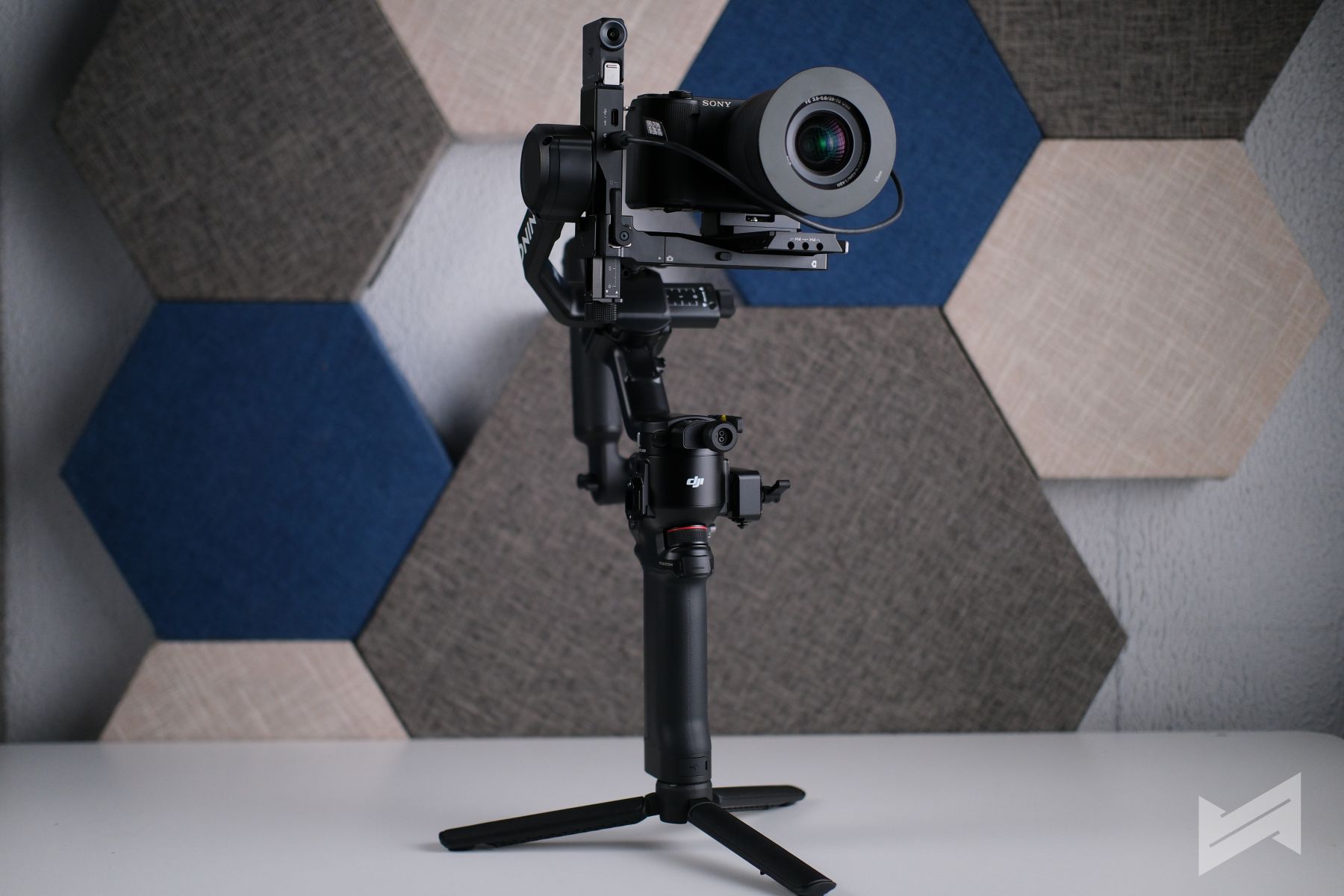
The DJI RS 5 is positioned as a lightweight commercial stabilizer, aimed squarely at solo photographers, wedding and event shooters, and small studio teams that need pro‑level camera movement without a full crew.
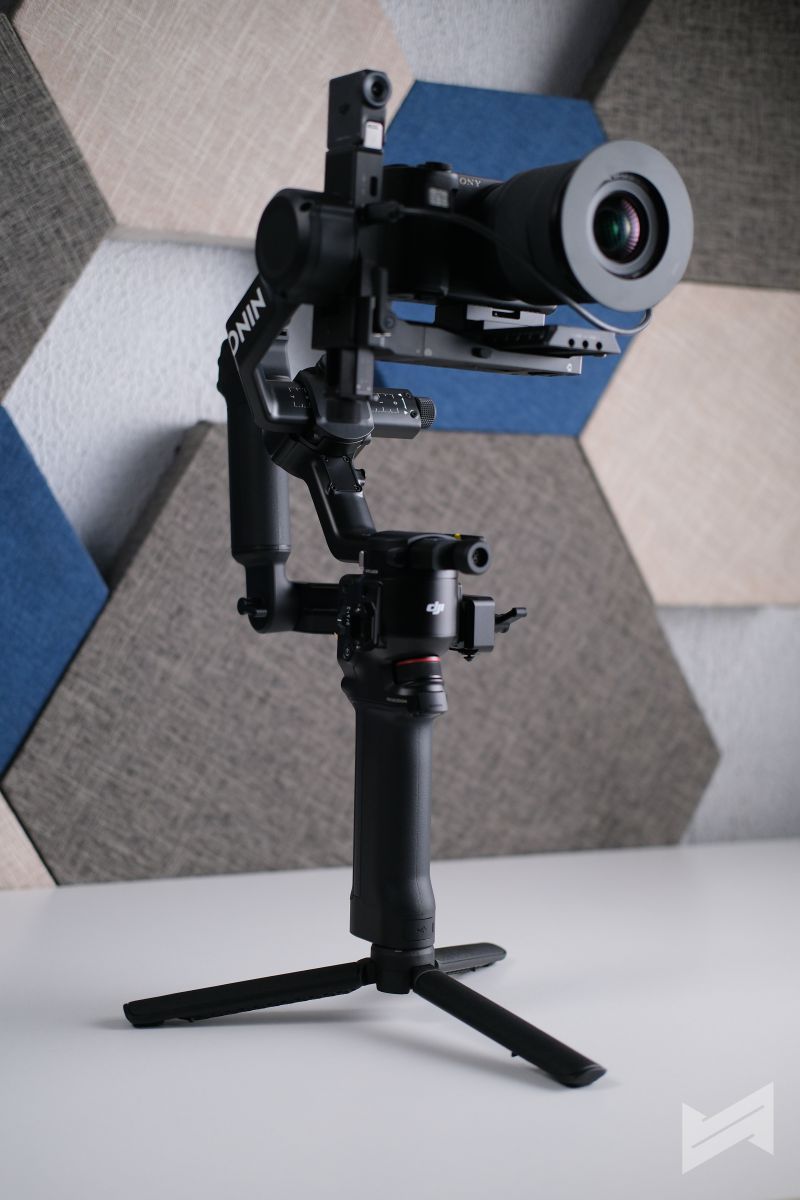
It’s rated for a 3 kg payload, which comfortably covers most hybrid bodies and cine‑lite setups with standard zooms or fast primes, as long as the total rig stays under that limit. Core use cases called out by DJI include commercial projects, weddings, automotive shoots, travel films, real estate, concerts, and mini‑dramas. In other words, it’s built to be that one gimbal you can carry to almost every paid gig.
For content creators, the DJI RS 5 addresses needs the sits perfectly well for travel and motoring videographers. Its features perfectly hit the smooth panning and movements that every content creator, who are serious about craft, need.
Smarter subject tracking with the RS Enhanced Intelligent Tracking Module
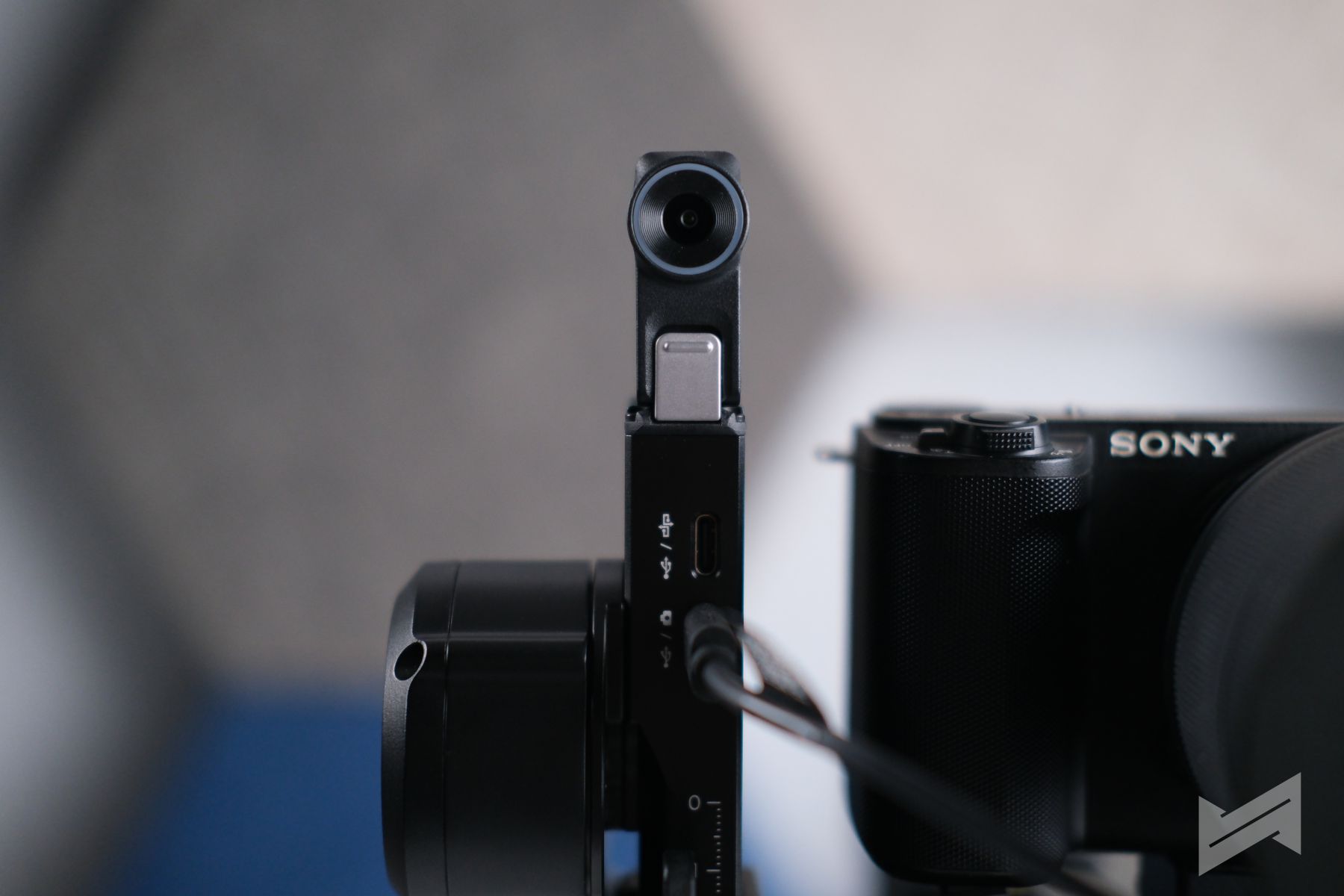
The headline feature of the RS 5 is the new RS Enhanced Intelligent Tracking Module. It attaches magnetically to the gimbal. It does not require any adapter unlike the previous RS 4 and RS 4 Pro. It feeds video to the RS 5’s built‑in touchscreen. From there, you can swipe into the tracking interface, see the live image, and tap on the screen to select your subject.
The big leap is in what it can follow. Instead of being limited to human subjects, the module lets you lock onto a person, vehicle, pet, or almost any object you draw a box around. In multi‑person scenarios, the system can recognize several people and allow you to pick which one becomes the tracking priority. For creators, that opens up more complex B‑roll moves: simulated jib or telescopic‑pole shots, robotic‑arm‑style sweeps, orbit shots with tilt, low‑angle tracking, and classic push‑pull or panning moves, all while the gimbal handles framing.
All‑axis fine‑tuning and smoother balancing
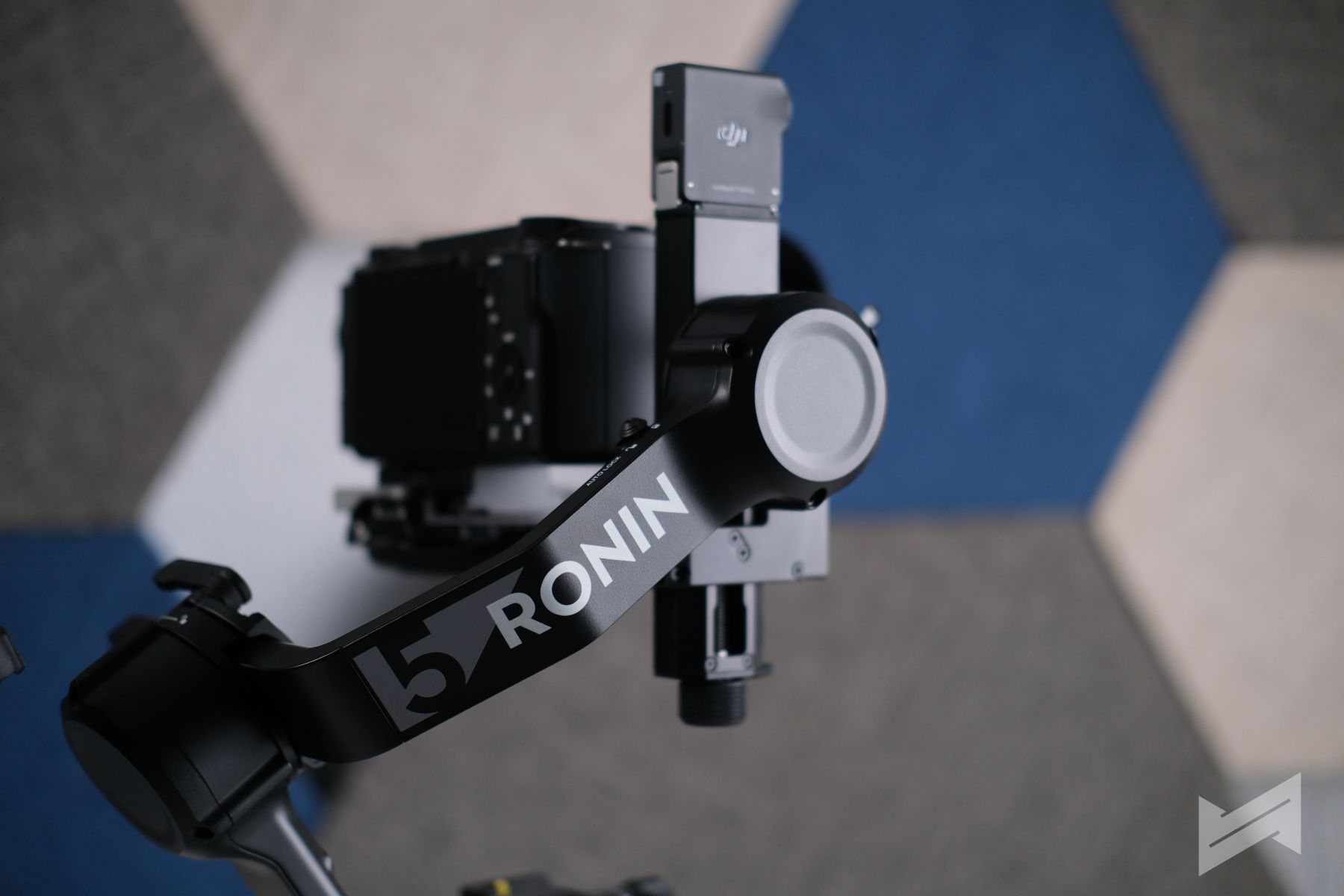
Balancing a loaded rig has always been the most tedious part of working with a gimbal. The RS 5 tackles this with fine‑tuning knobs on every axis arm: front‑back, tilt, roll, and pan; paired with Teflon interlayers that let the arms slide more smoothly and precisely. This reduces the time it takes to dial in balance, especially when you’re swapping between lenses or even different camera bodies during a shoot.
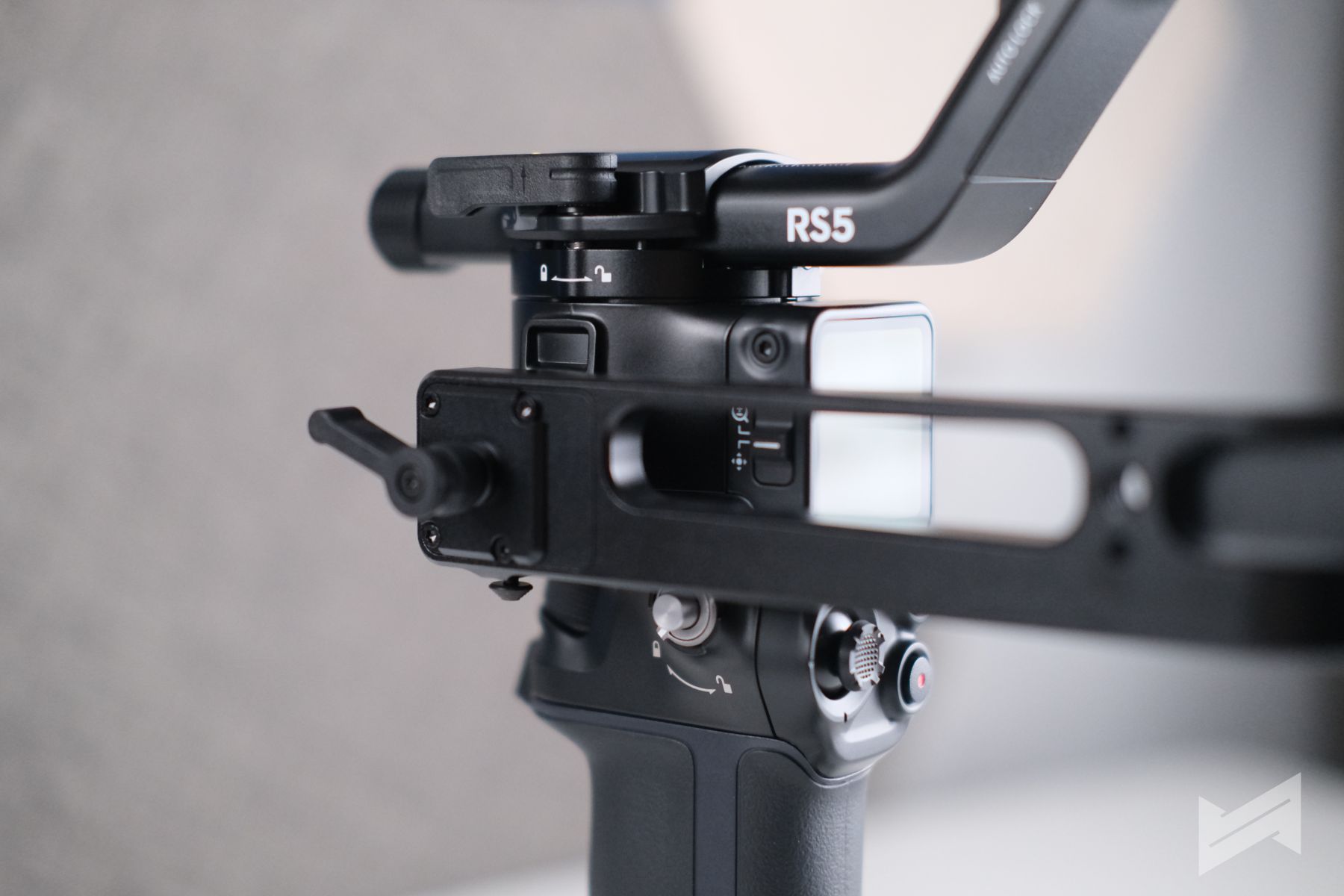
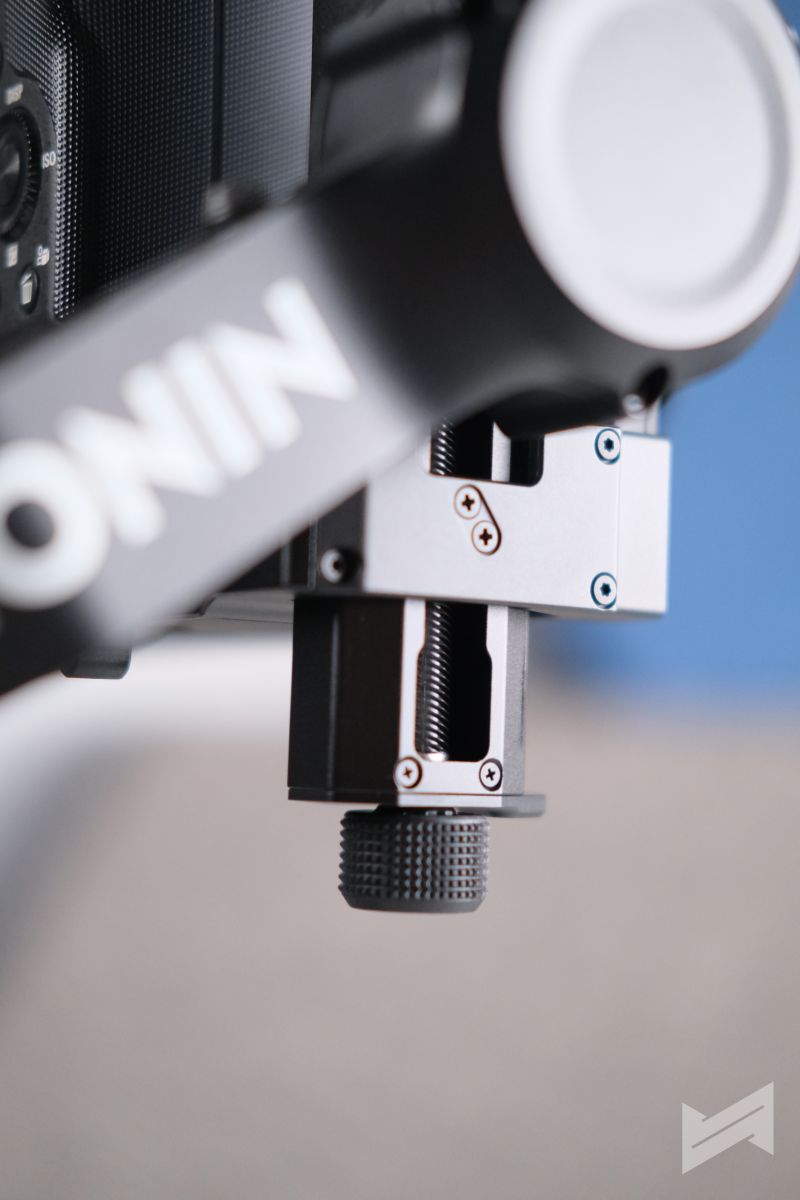
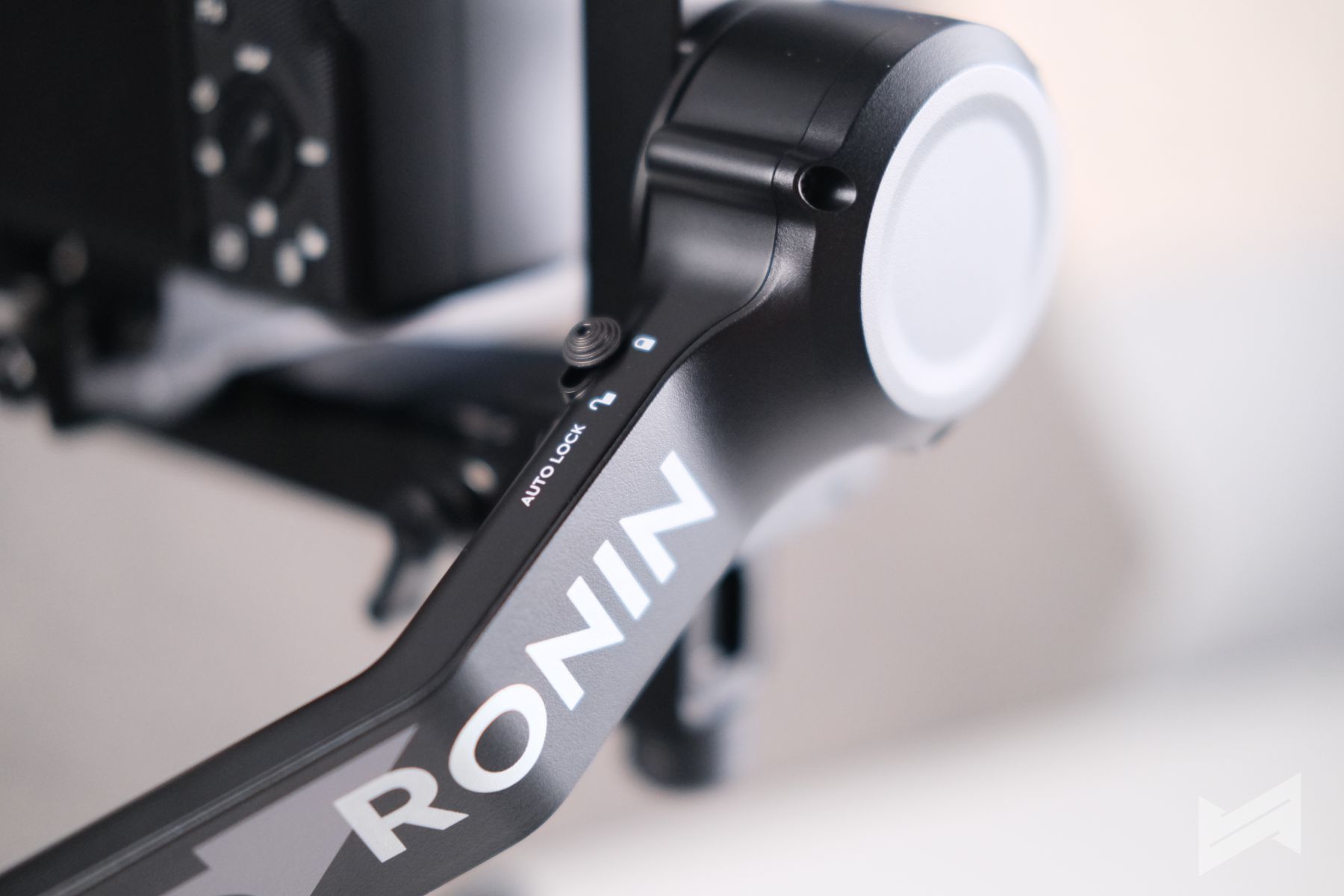
Because every axis can be micro‑adjusted, you can move faster between horizontal and vertical setups without fighting sticky rails or having to completely re‑balance from scratch. For small teams and solo shooters juggling multiple deliverables (widescreen edits plus vertical shorts) this alone can be a huge workflow win.
New Electronic Briefcase Handle for better multi‑angle control
Low‑angle and underslung shots are some of the most cinematic moves a gimbal can deliver, but they’re also some of the most awkward to control. The DJI RS 5 introduces an Electronic Briefcase Handle that goes beyond a simple grip,
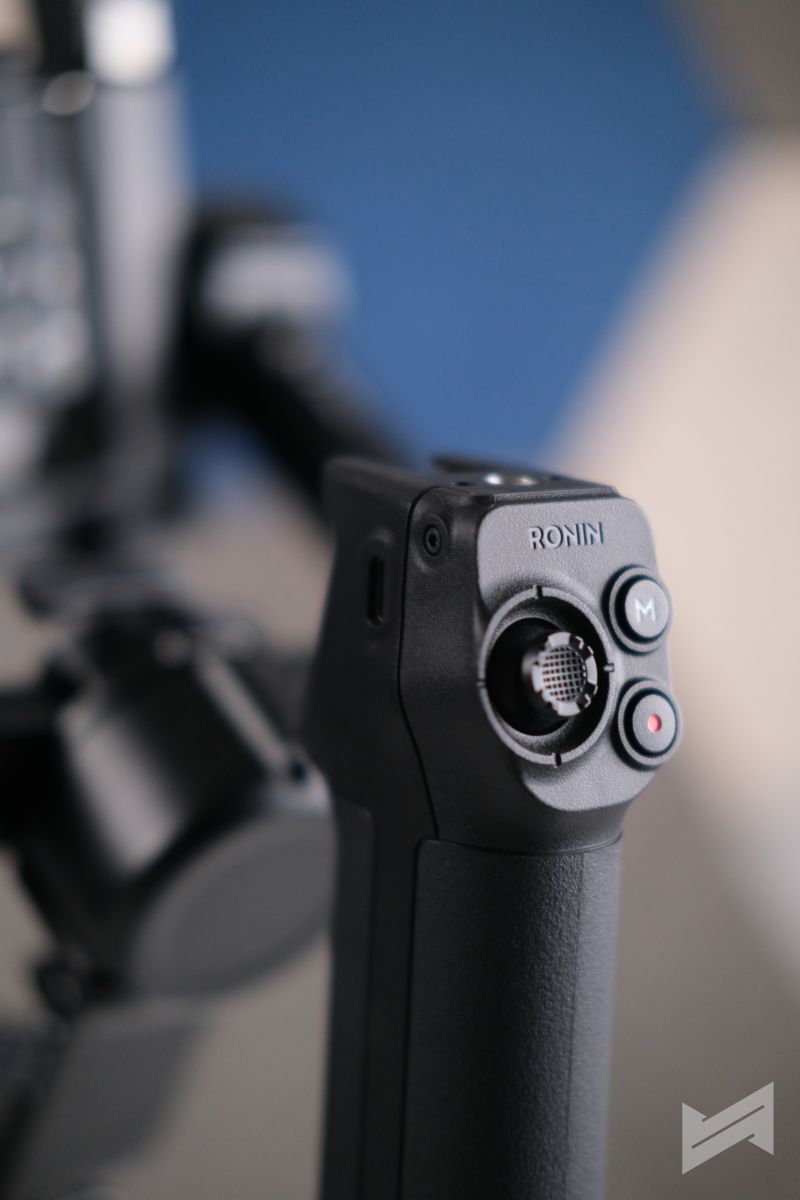
This new handle integrates a joystick, M button, start/stop recording button, and trigger, giving you direct gimbal and camera control even when you’re holding the rig from the side or underneath. It’s designed to make high‑angle and low‑angle shooting feel more natural, reduce wrist strain, and allow smoother transitions between positions.
Automated axis locks and faster deployment
The RS 5 carries over and refines DJI’s automated axis lock system with its 2nd‑generation Automated Axis Locks. With a quick power‑on or power‑off, the gimbal can automatically lock or unlock all axes, folding into a flat structure for storage or unfolding into shooting position.
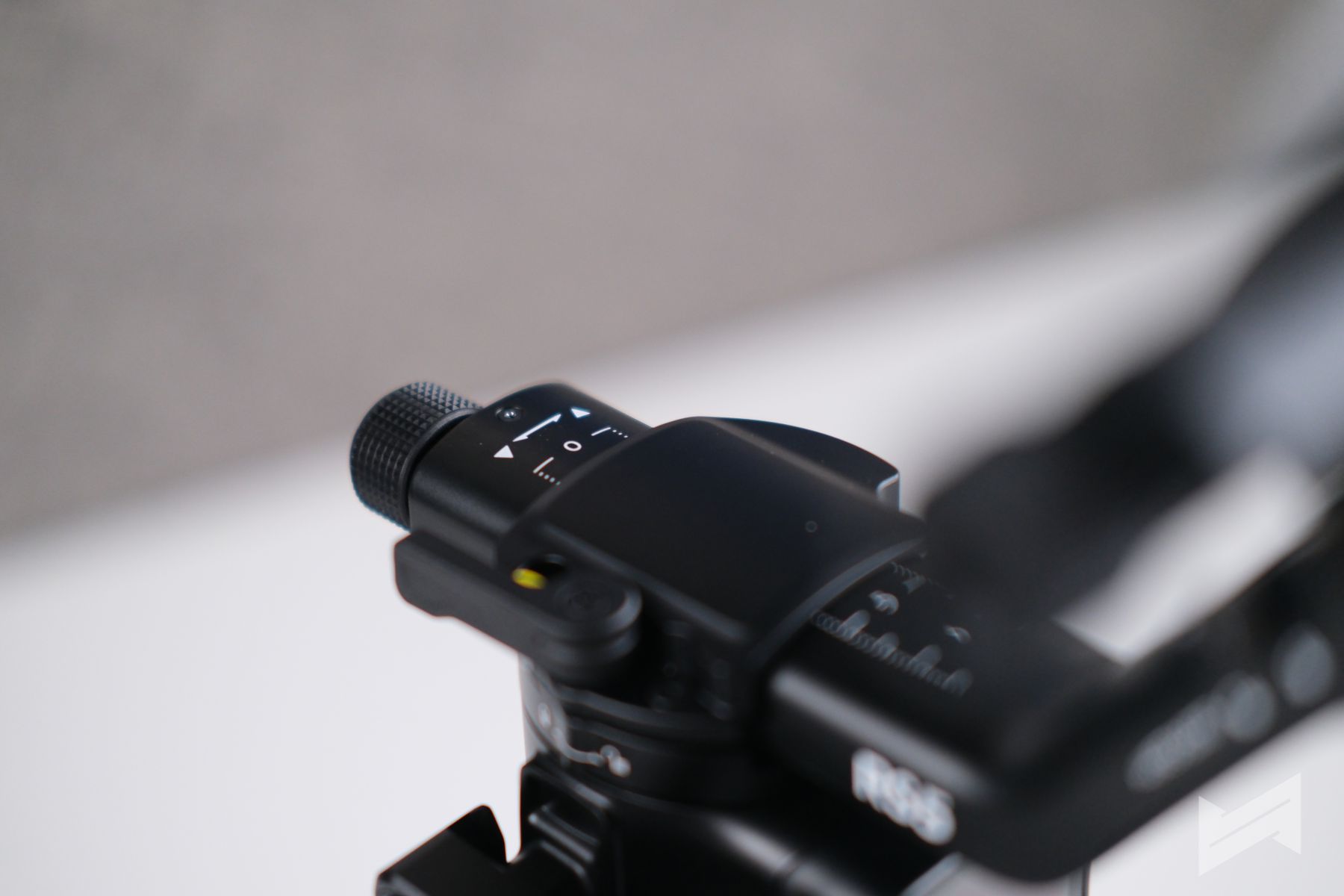
This means faster transitions when you move between locations, jump into a car, or switch from handheld to gimbal and back. For shooters who regularly bounce between scenes, saving even a minute each time you deploy the gimbal adds up over an entire day.
Z‑axis indicator: teaching you how to walk smoother
One of the more unique RS 5 features is the Z‑axis indicator, designed to help shooters refine their walking technique. As you move, the indicator gives real‑time feedback: green when your gait is steady, red when vertical movement is introducing too much shake. Really impressive feature for both gimbal veterans and newcomers.
This turns every shot into like a mini training session, guiding you to adjust your pace and footwork to reduce bounce at the source, not just in post. It’s especially helpful for beginners learning gimbal walking, but also for experienced operators who want to push longer takes or more complex moves with fewer retakes.
5th‑gen stabilization, stronger motors, and all‑day power
Under the hood, the DJI RS 5 runs a 5th‑generation stabilization algorithm tuned for more demanding scenarios. DJI specifically highlights running shots, athlete tracking, concert and performance coverage, skate and roller sports, and mini‑dramas as ideal use cases. To support this, motor power has been upgraded, with peak torque increased by up to about 50% compared to the previous generation. That extra torque helps the gimbal stay locked in even with heavier lenses, accessories, or more aggressive movements.
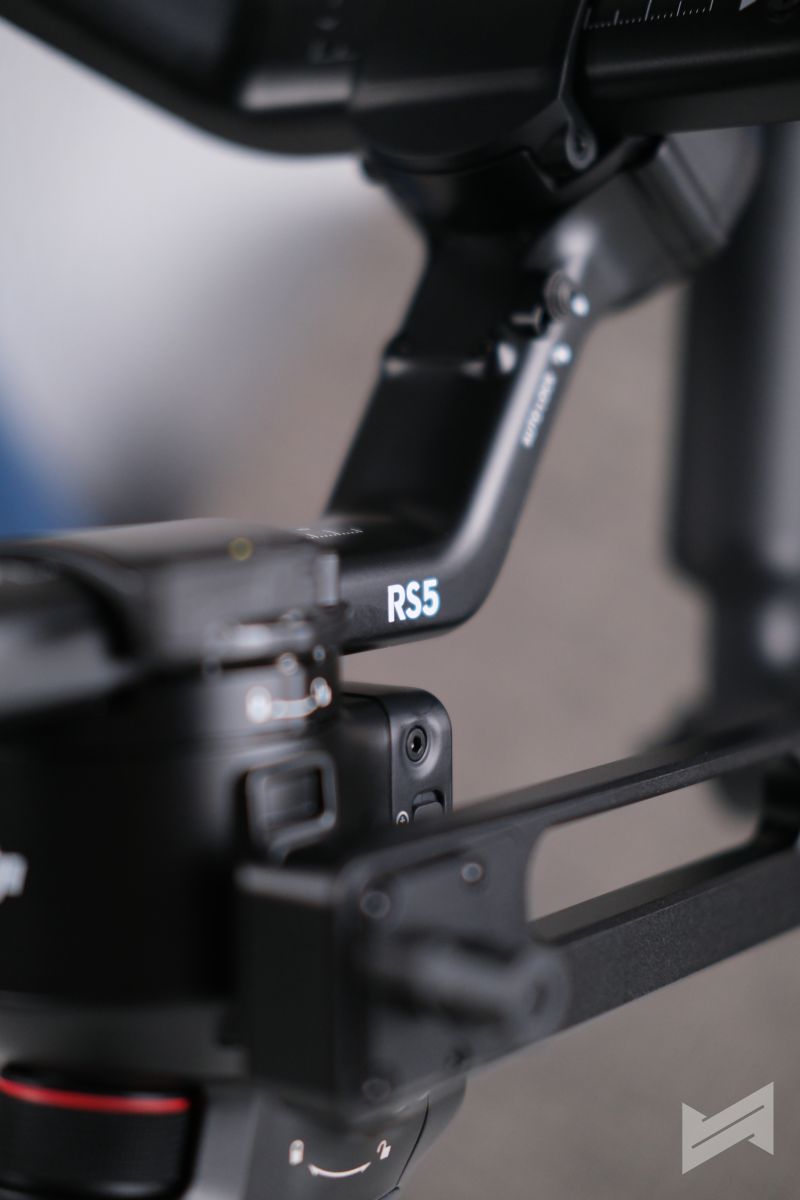
Powering everything is the new BG33 detachable battery grip, which offers up to 14 hours of runtime per charge. With a 65 W PD‑compatible charger, the battery can be fully charged in about one hour, significantly faster than the RS 4’s standard grip. For long shooting days, this combination of extended runtime and quick top‑ups reduces battery anxiety and keeps the gimbal ready to roll.
Deeper ecosystem integration
As part of the wider DJI ecosystem, the RS 5 is built to work with more than just your camera. The front dial can be used for zoom or focus control when paired with the DJI Focus Pro Motor, giving you precise control without reaching for the lens. It can also power and integrate with DJI’s SDR transmission system, enabling wireless monitoring for small teams on set.
The gimbal supports Bluetooth shutter control for major camera brands like Sony, Canon, Panasonic, and Fujifilm. With this, you can start and stop recording without extra cables in many setups. And with native quick‑release plates that support both horizontal and vertical shooting, it’s built for today’s dual‑format delivery requirements.
How it stacks up inside the RS lineup
Within DJI’s own lineup, the RS 5 sits as a semi‑professional option between the more affordable RS 4 and the high‑payload RS 4 Pro. Compared to RS 4, it brings stronger intelligent tracking (now able to follow people, vehicles, pets, and objects instead of just humans), full‑axis fine‑tuning, the Electronic Briefcase Handle, the Z‑axis indicator, faster charging, a longer‑lasting battery, and more powerful motors.
While the RS 4 Pro still leads in pure payload and broadest ecosystem compatibility for large‑scale productions, several usability features on the RS 5 (especially intelligent tracking, fine‑tuning, the electronic handle, and the Z‑axis indicator) now surpass the RS 4 Pro’s user experience. For many solo operators and small teams, that trade‑off will be more compelling than sheer load capacity.
A mid‑range stabilizer that feels like a flagship
Taken together, the DJI RS 5’s feature set adds up to more than just an incremental update. Enhanced intelligent tracking, all‑axis fine‑tuning, the Electronic Briefcase Handle, 2nd‑gen automated axis locks, the Z‑axis indicator, 5th‑gen stabilization, and a fast‑charging 14‑hour battery grip are all focused on the same goal: letting creators worry less about wrestling the gimbal and more about what’s in front of the lens.
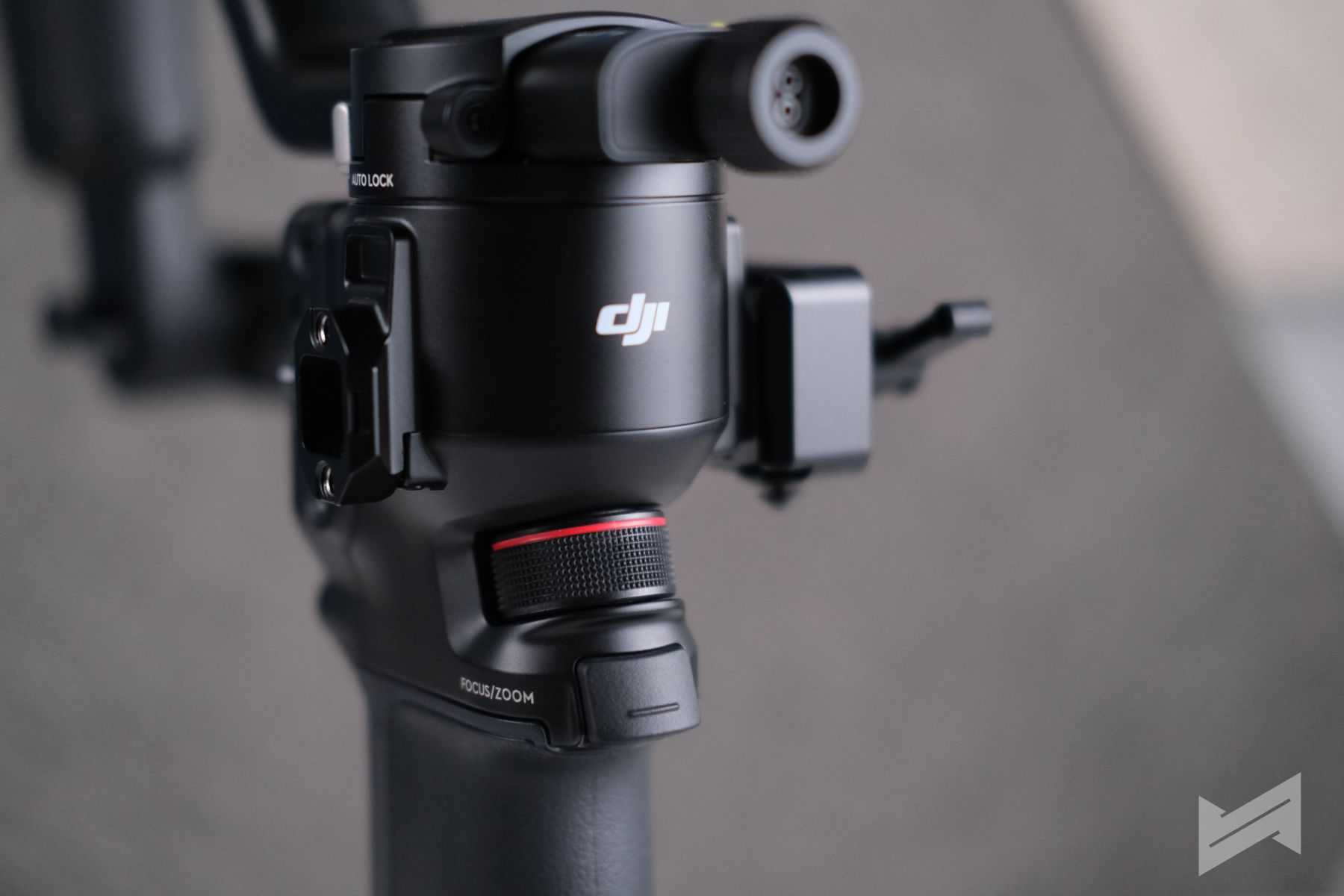
For solo shooters, wedding and commercial teams, and content creators who need a mid‑range stabilizer that behaves like a mini‑flagship, the RS 5 lands in a very compelling spot in DJI’s lineup, and creates a noticeable gap versus many competing gimbals in its class.
The DJI RS 5 is now available in two configurations:
- DJI RS 5 (Standalone): PhP26,390
- DJI RS 5 Combo: PhP32,990

Giancarlo Viterbo is a Filipino Technology Journalist, blogger and Editor of gadgetpilipinas.net, He is also a Geek, Dad and a Husband. He knows a lot about washing the dishes, doing some errands and following instructions from his boss on his day job. Follow him on twitter: @gianviterbo and @gadgetpilipinas.