

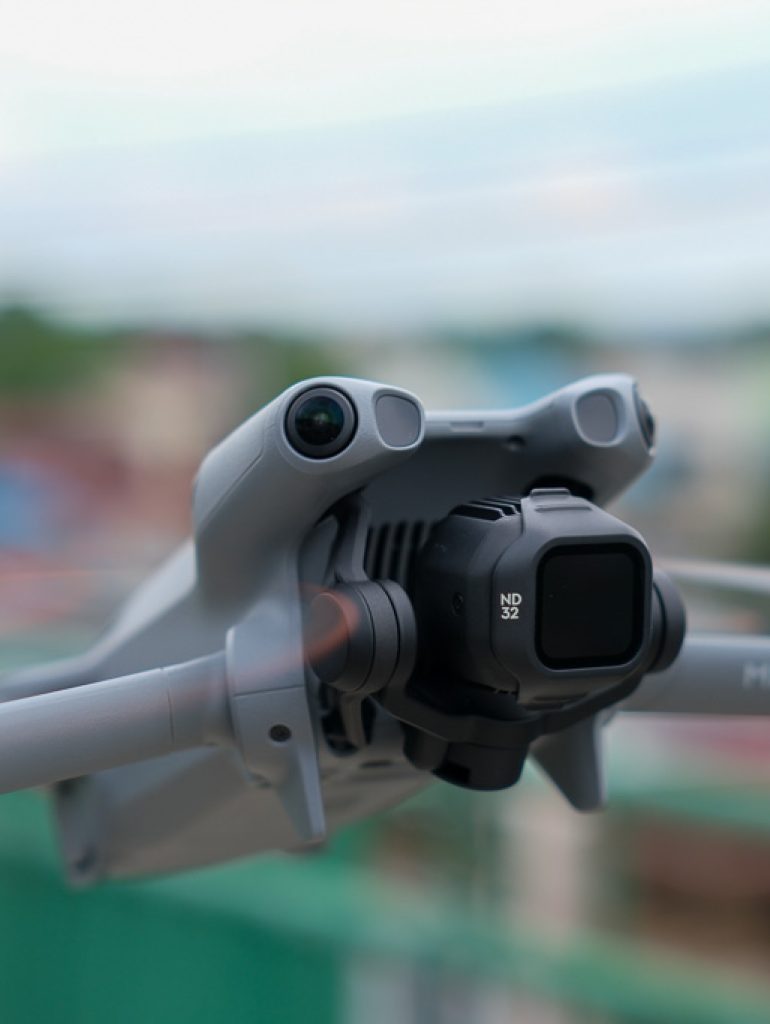
DJI Mini 5 Pro Review
I personally own two drones – a DJI Mini 4 Pro and a DJI Flip. Both are almost identical, and varies mostly in terms of build and construction. I do not intend to sell these drones, but after using the new DJI Mini 5 Pro for a few days, it became clear to me that upgrading is the most logical step based on my current drone needs.
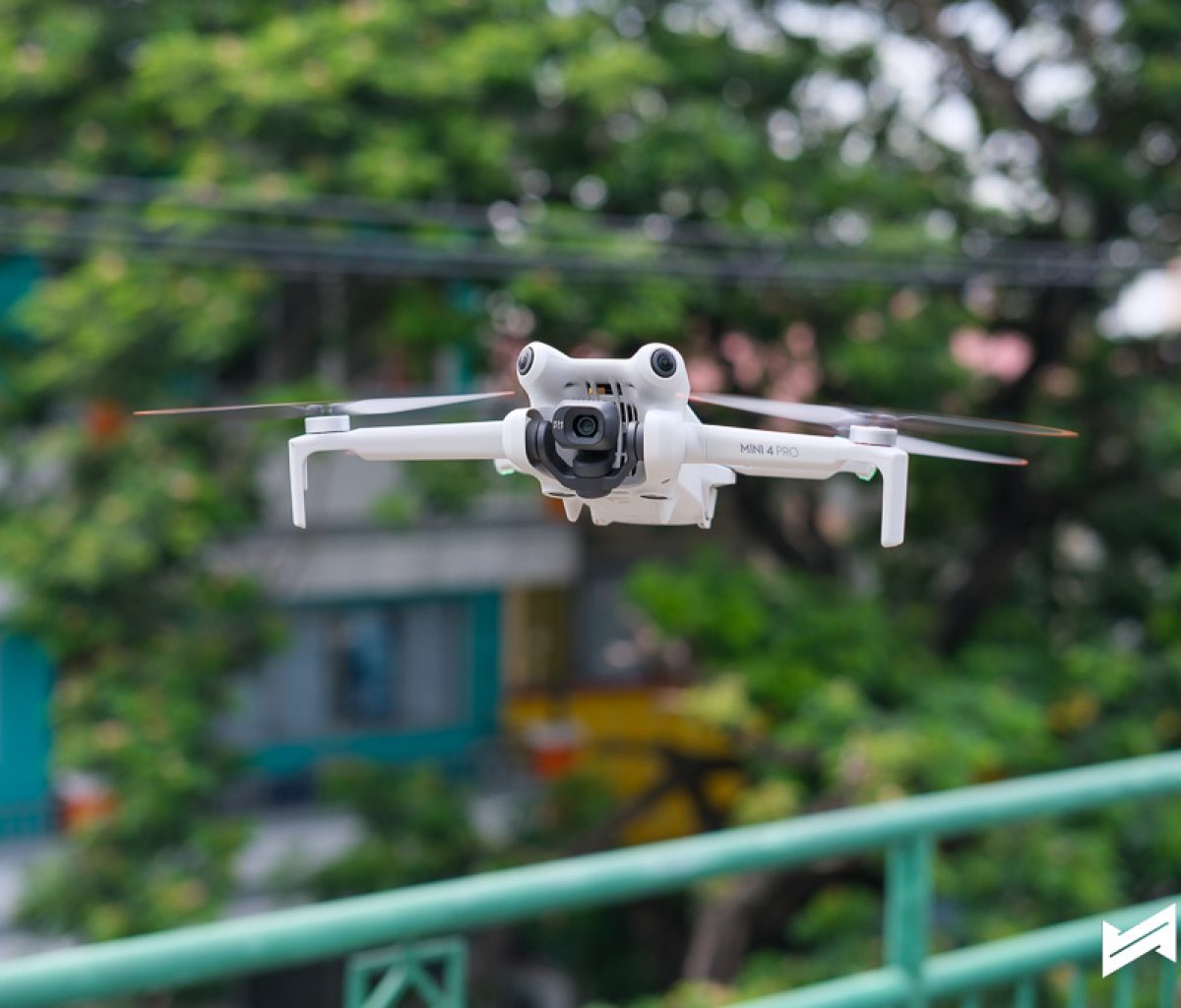
The DJI Mini 5 Pro feels like DJI took the best features from their larger drones and packed them into a tiny body that weighs just under 250g. In hindsight, the new drone is like an amalgamation of the 2 consumer drones by DJI: size and build of its predecessor, and combined features of the DJI Air 3s.
The features that his new drone offers opens up flight in more places because users don’t need to worry about heavy regulations, thanks to its size. It’s a drone you can carry every day that delivers the kind of results you’d expect from something much bigger.
Build
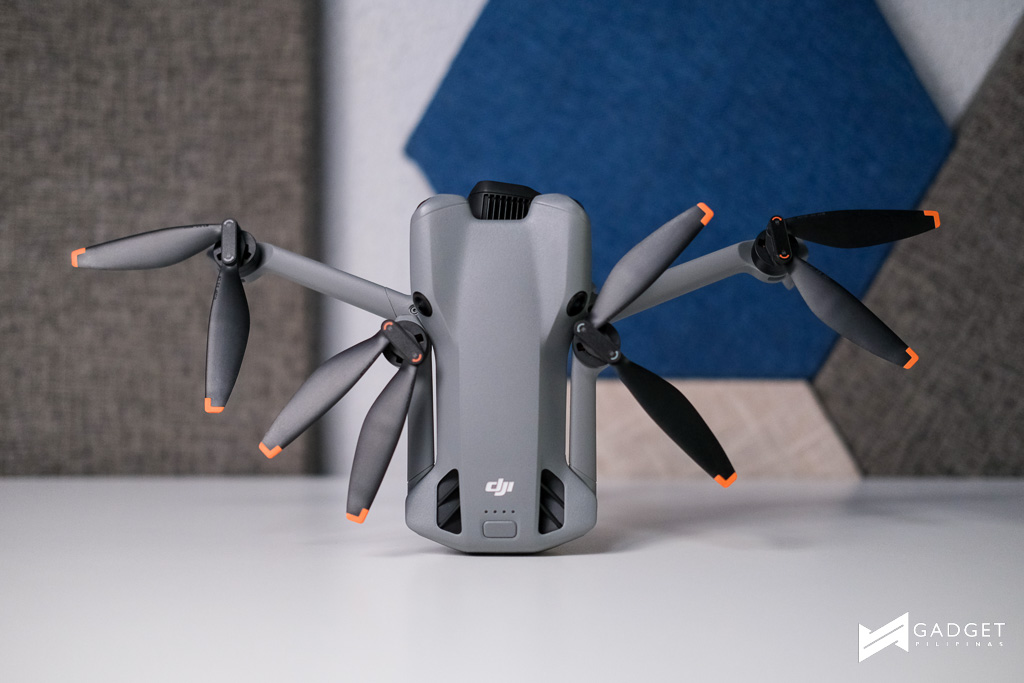
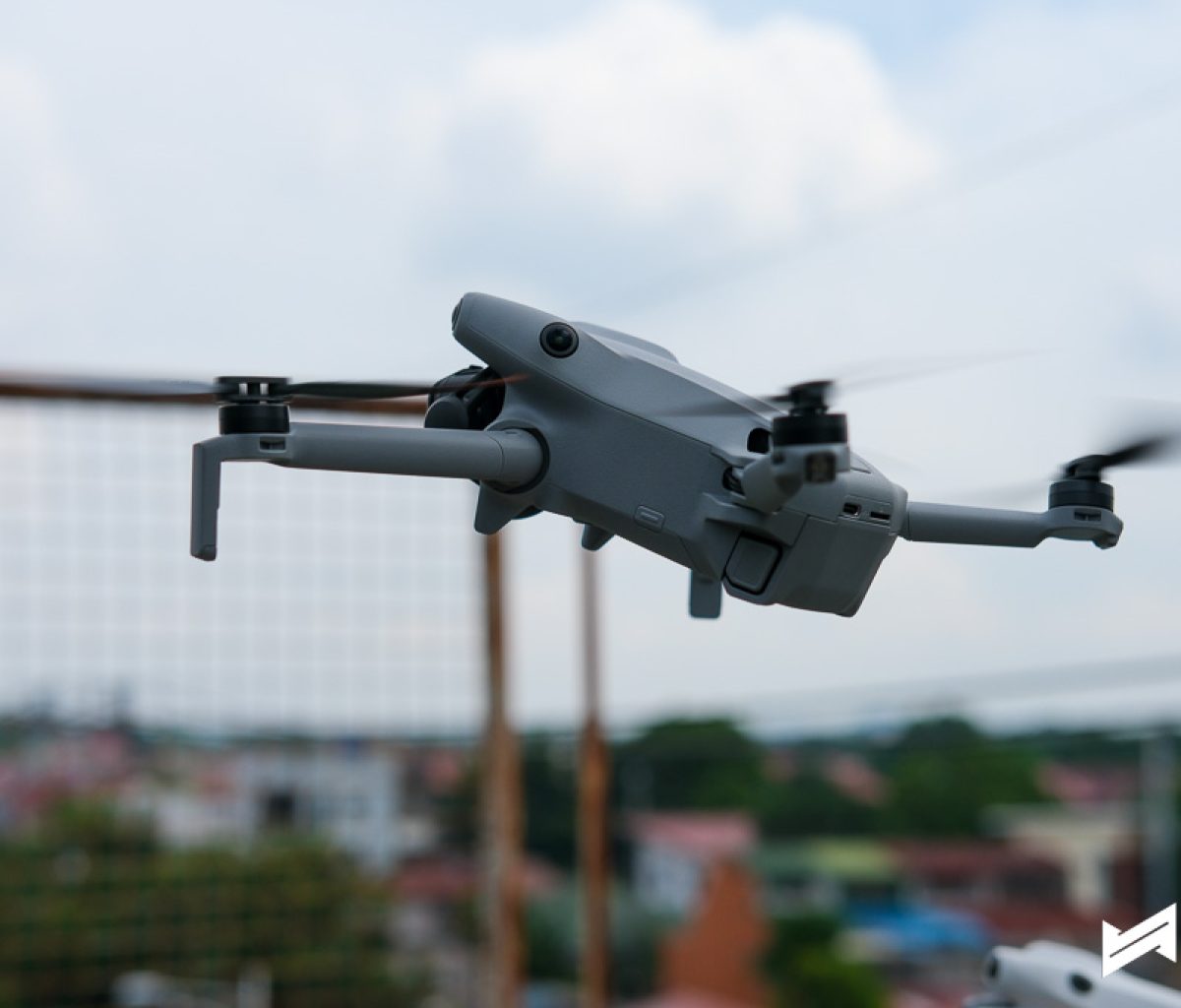
The Mini 5 Pro fits in your hand when folded and feels solid. Its construction shows quality in the plastics and hinges, without feeling fragile. The sub-250g weight makes traveling easy and lets you skip some of the paperwork that comes with heavier drones in many countries.
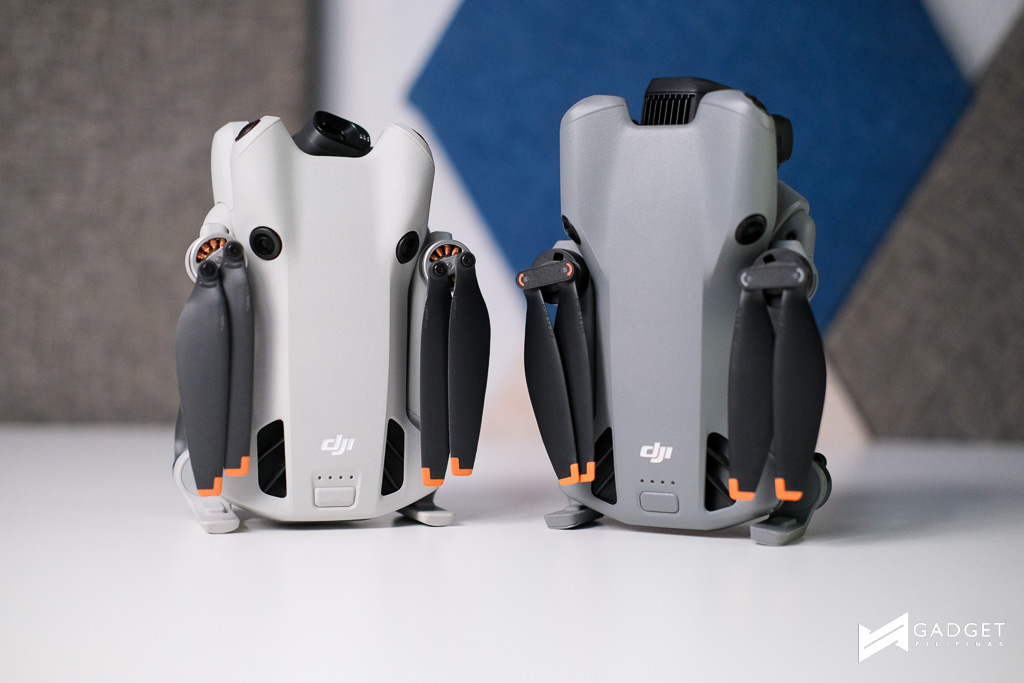
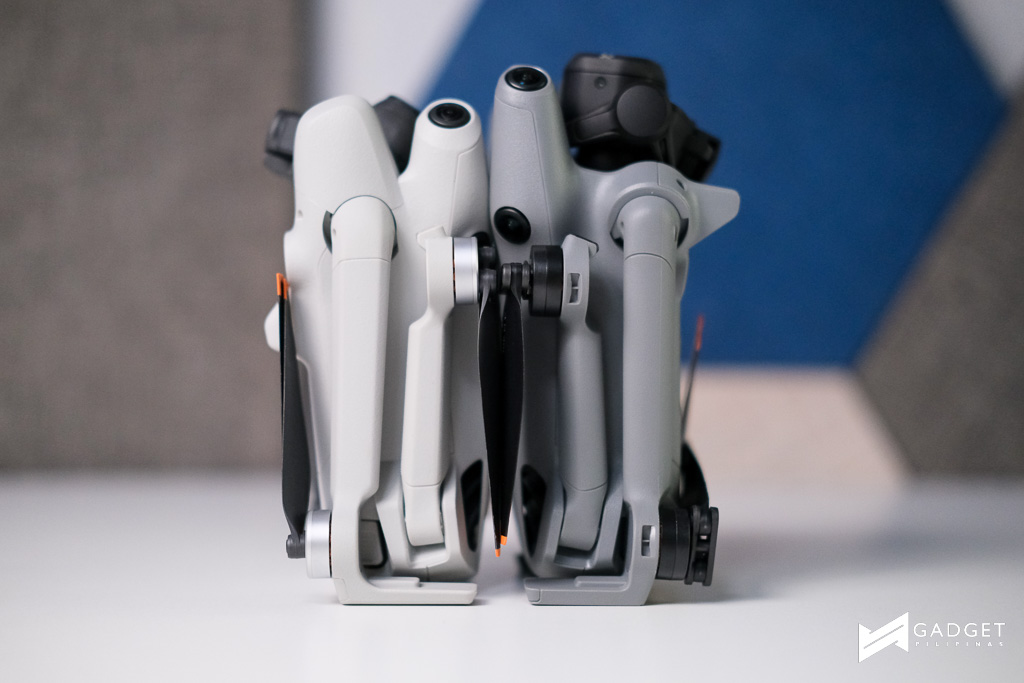
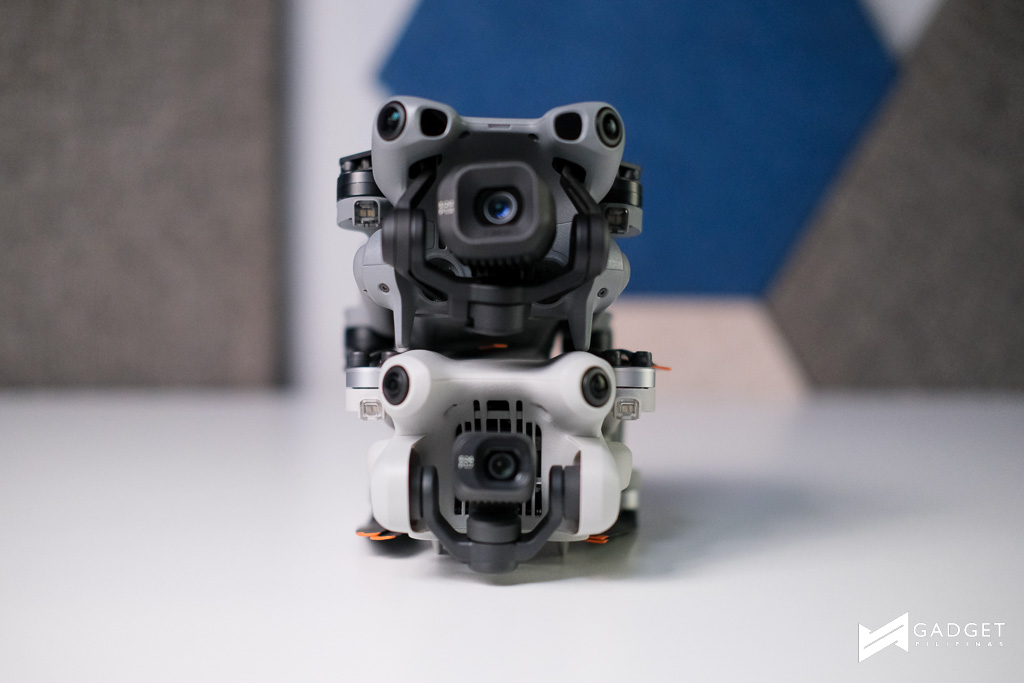
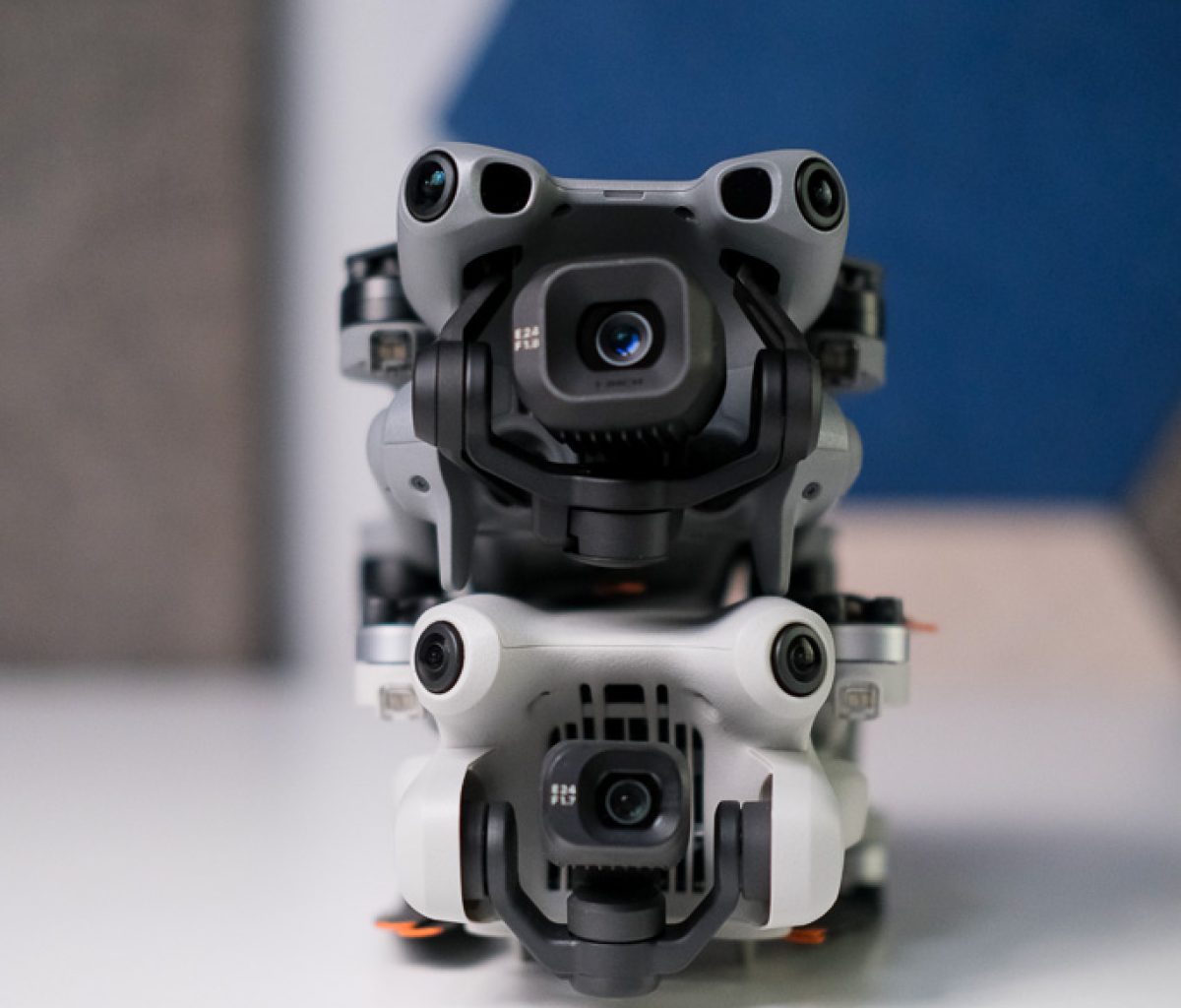
Coming from the Mini 4 Pro, the new drone clearly shows how DJI improved the Mini design that has been working for ages. Even though it’s small, the Mini 5 Pro never feels like a toy. When unfolded, everything locks in place securely and the overall design feels mature.
Sensors
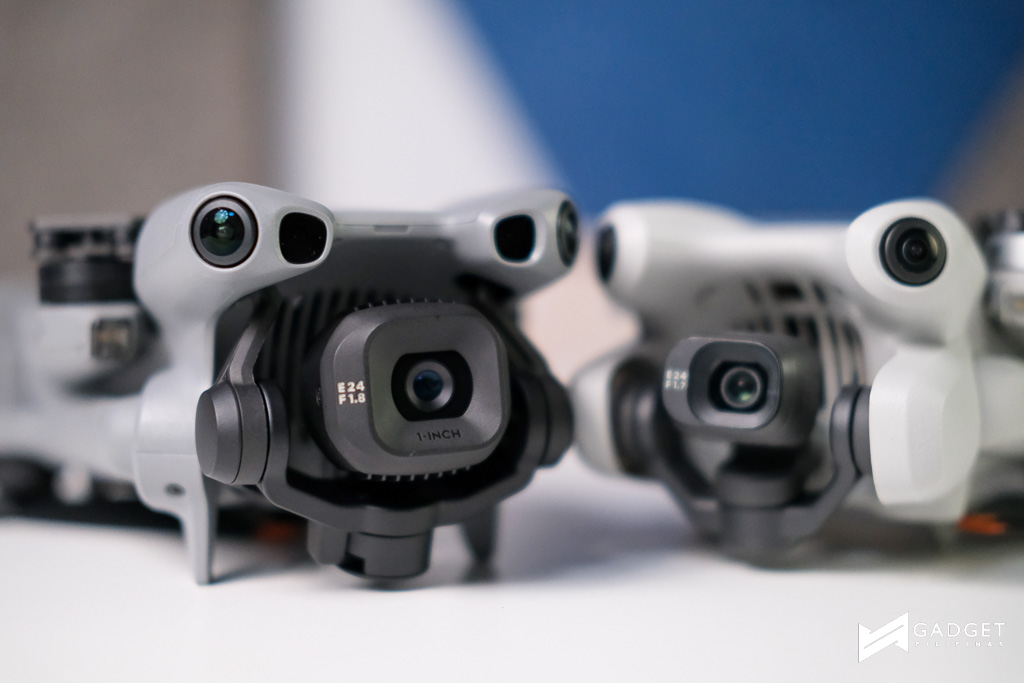
The DJI Mini 4 Pro packed the right amount of sensors to make drone-flying safe even for greenhorn drone pilots. DJI continued this legacy by not holding back when it came to vision sensors on the DJI Mini 5 Pro. You have all-around binocular sensors and a downward infrared sensor that work together for precise hovering and navigation.
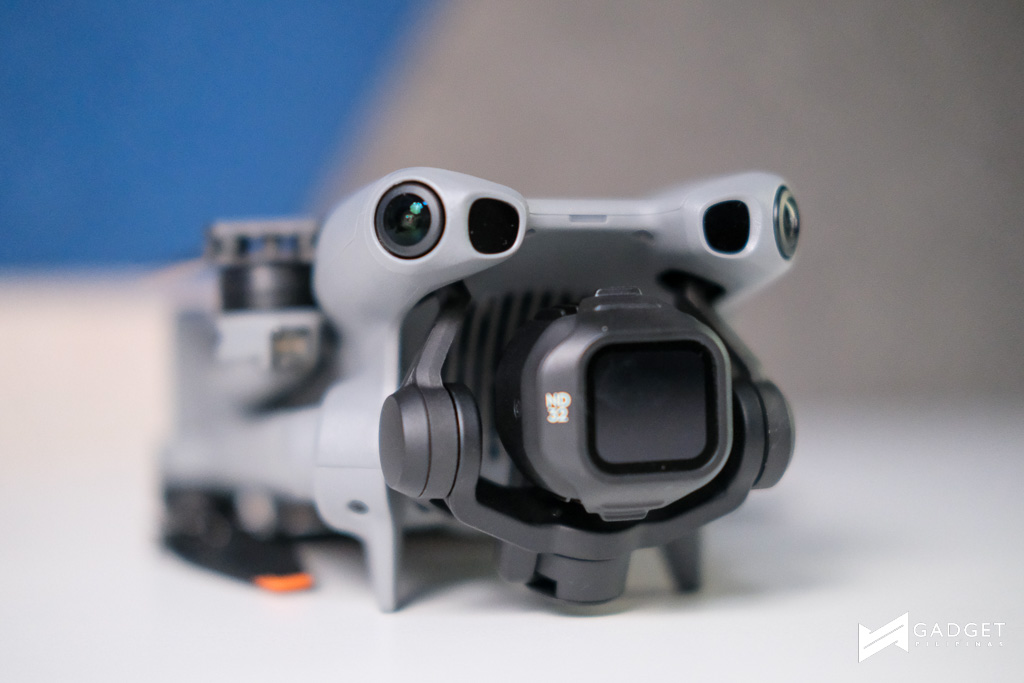
These sensors help keep the drone safe from all directions, making it much easier to avoid accidental bumps or crashes. This level of sensing is closer to what you get on much more expensive, professional drones.
Forward-facing LiDAR
Flying drones in low light makes a lot of people uneasy, myself included. This is where the forward-facing LiDAR sensor comes in. The Mini 5 Pro uses it to detect obstacles even in near darkness; again another added superior sensor to bring higher level of security and convenience to drone pilots.
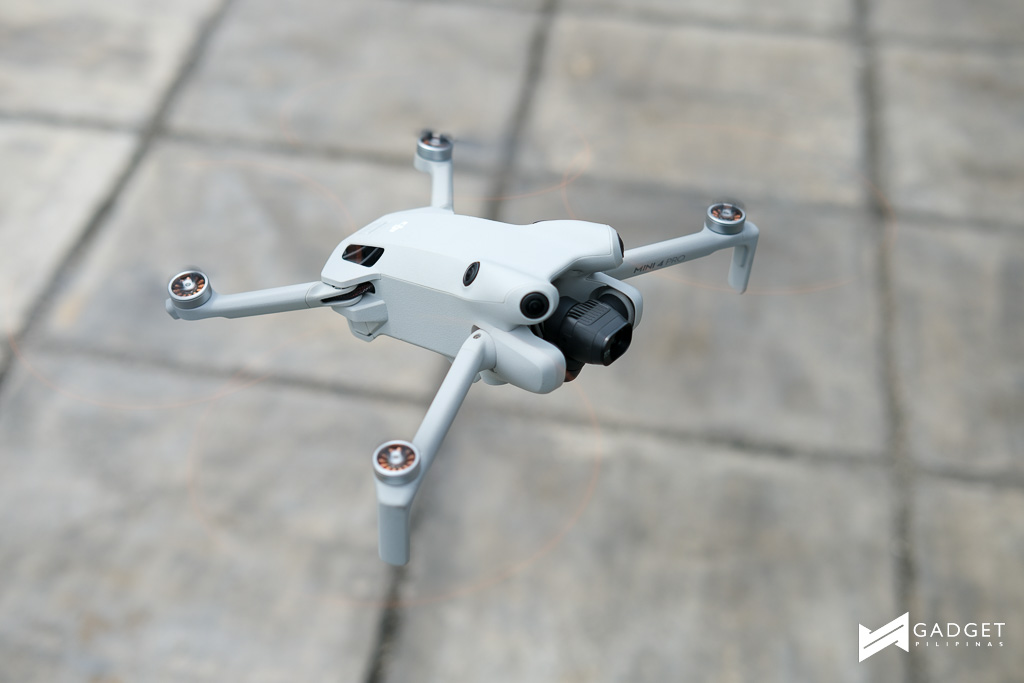
If you lose sight of the drone at dusk or can’t spot it during a night flight, support for Non-GNSS Return-to-Home and Nighttime Return-to-Home helps guide it back to you. You might not use these features often, but when you do, they can really save the day. I can liken this to an insurance policy, built-in to the drone.
Ease of Use
Getting the Mini 5 Pro in the air is a breeze. The startup process is quick, the app pairs right away, and pre-flight checks are built in so flying feels stress-free. Physical controls on the remote are intuitive and you can customize them in the DJI Fly app or through the DJI RC 2 Controller.
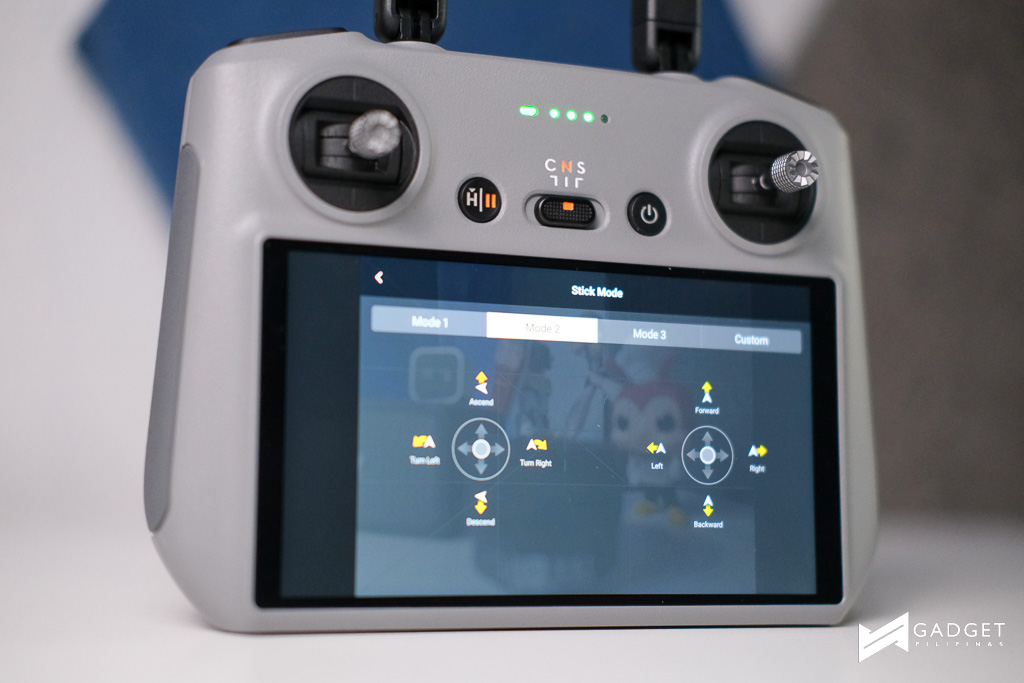
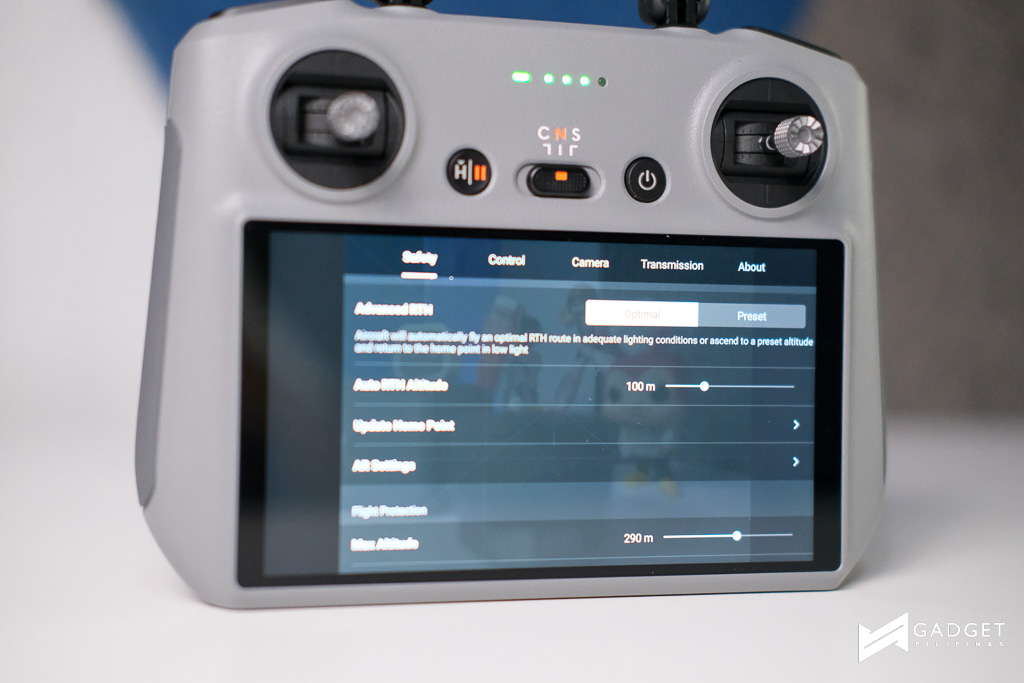
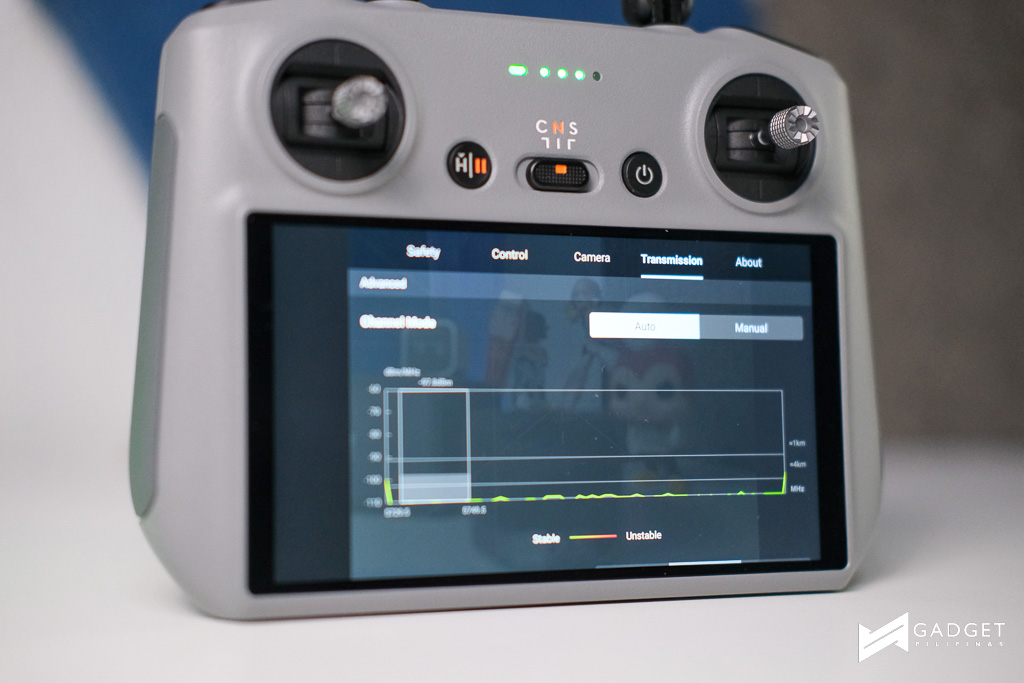
The drone feels stable in flight, even when the wind picks up. Speeds top out at 18 or 19 meters per second, depending on which battery you use, so you can cover a lot of ground between charges.
Video Quality
Video performance is where the DJI Mini 5 Pro pulls away from the rest of the mini-drone pack. Shooting in 4K60, the footage is crisp and smooth with minimal rolling shutter even on fast pans. The 1-inch sensor helps pull more detail from bright skies and textured shadows, so results look surprisingly professional straight out of the camera. Dynamic range is impressive in standard mode, making shots look rich without heavy editing.
4K60 with D-Log M takes things a step further for anyone who wants to edit seriously. D-Log M captures a flat, desaturated image that preserves a ton of highlight and shadow detail, helping you avoid blown-out skies and muddy shadows during tricky lighting. I was able to convert the D-Log M footage to Rec.709 color space easily using DaVinci Resolve Studio. The transformation process kept colors natural and balanced without extra effort, so grading your footage for YouTube, client work, or just some creative looks becomes fast and straightforward.
For creators who demand flexibility and control over their color, or just love to push their clips in post-production, the Mini 5 Pro’s D-Log M mode is a big step up from the baked-in looks of typical mini drones.
Photo Quality
The DJI Mini 5 Pro is more than just a video tool. With its 1-inch, 50MP sensor, it takes sharp, vibrant photos that catch plenty of detail whether you’re shooting city scenes, landscapes, or just quick snapshots. In good light, single shots look clean with very little noise or over-sharpening. You can shoot both 12MP and full 50MP stills, which gives you the flexibility to pick fast shooting or maximum detail depending on the situation.



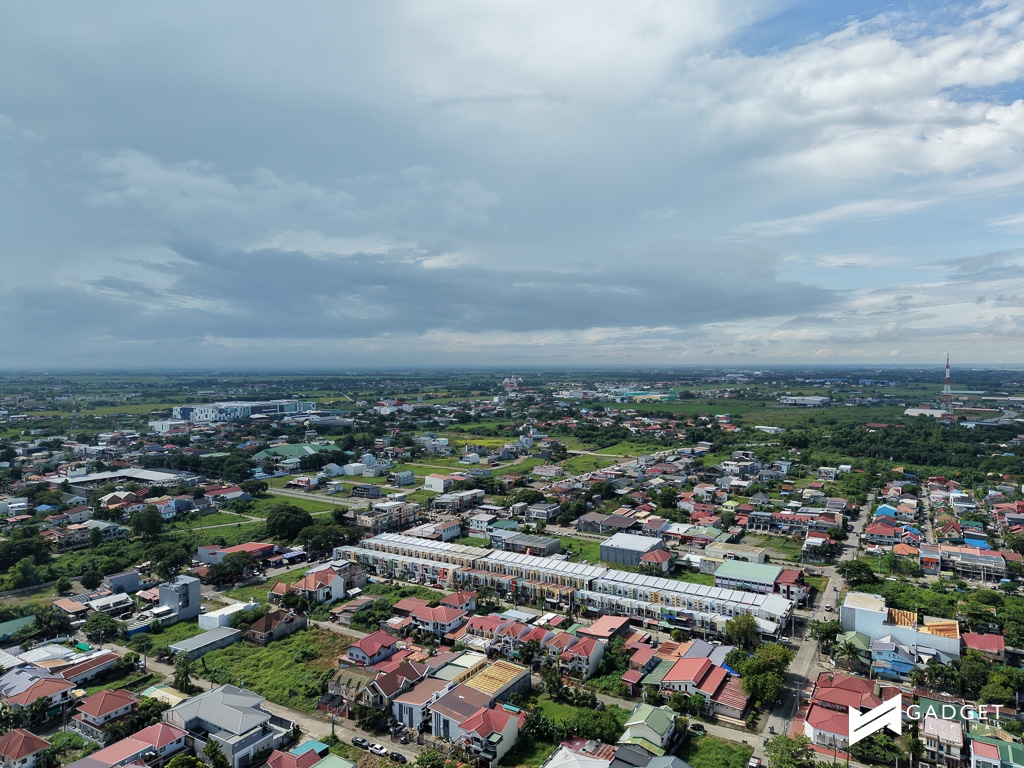






Zoom is another strength. You get up to 3x digital zoom for photos, and the new 48mm Med-Tele mode lets you get tighter shots that look almost like they came from a dedicated portrait camera. This feature is handy when you can’t get physically close, or when you want to compress backgrounds for a more dramatic look. And since the drone uses digital zoom smartly, detail remains strong without the muddy, processed look you sometimes see on cheaper models.
Storage
What makes this drone different is internal storage. DJI includes 42GB built in, which should really be standard for all camera gear. If you forget your memory card, you’re covered and can keep shooting. You can transfer files quickly using Wi-Fi 6 and even wake the drone up remotely for transfers if it’s within Bluetooth range and powered off. This brings real convenience for everyone.
Software
Everything runs from the DJI Fly app, which keeps things simple for beginners but gives you enough control for pro work. The remote comes with the app ready to go which keeps updates and controls in one place. While you can’t install third-party apps, DJI lets you customize your buttons and dials for fast access to your favorite features. Firmware updates are smooth, either through the app or on your computer with Assistant 2.
Battery Performance
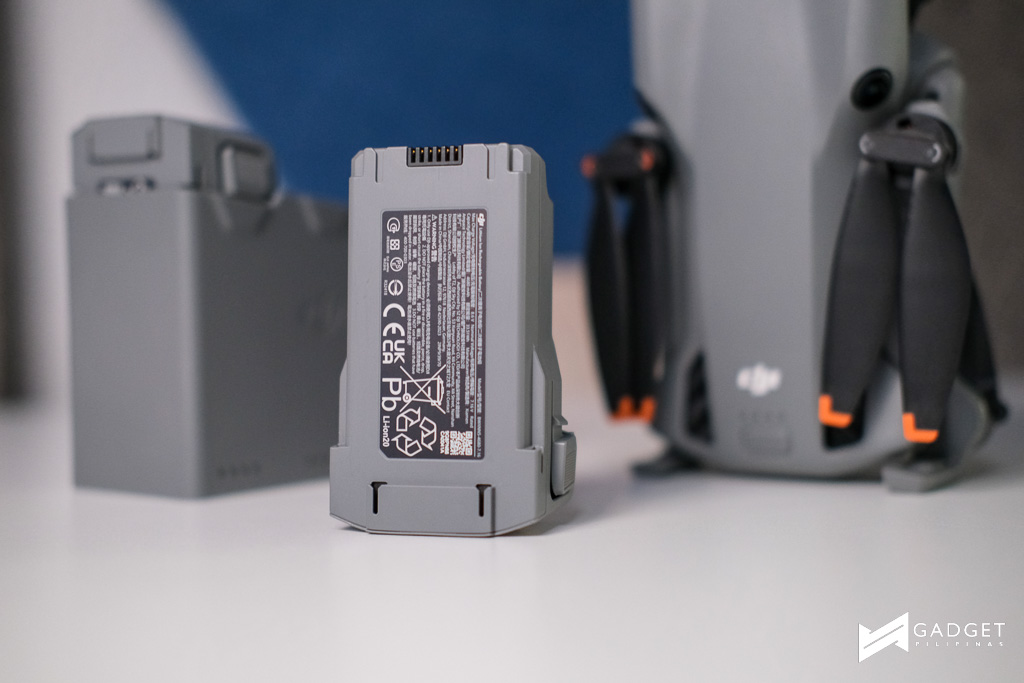
Flight time depends on your battery choice. The standard Intelligent Flight Battery gives you up to 36 minutes if you’re careful, while the Intelligent Flight Battery Plus can get up to 52 minutes in perfect settings. In typical use, expect about 21-25 minutes with the basic battery and 33-38 minutes with the Plus.
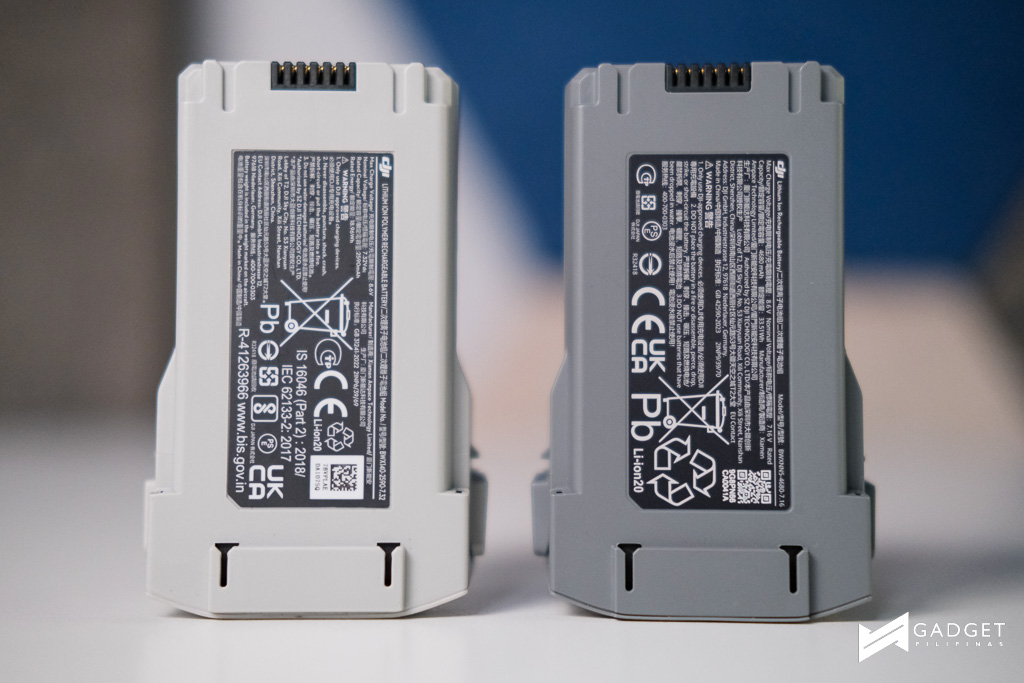
DJI made the Plus battery the heart of the Fly More Combo Plus, which was a smart move. Professionals and creators will notice the difference because you can stay in the air longer and worry less. Just a quick note though – when using the DJI Intelligent Flight Battery Plus, the DJI Mini 5 Pro will exceed the 249g weight. Also, when we tried, the battery included for the DJI Mini 5 Pro did not work on our DJI Mini 4 Pro.
Charging Time
Charging is fast with the 65W Portable Charger and the Two-Way Charging Hub. One regular battery needs about 46 minutes and the Plus takes about 56 minutes. You can fill three regular batteries in about 115 minutes or three Plus batteries in about 193 minutes. This helps you maximize your time flying and spend less time plugged in.
Included Accessories
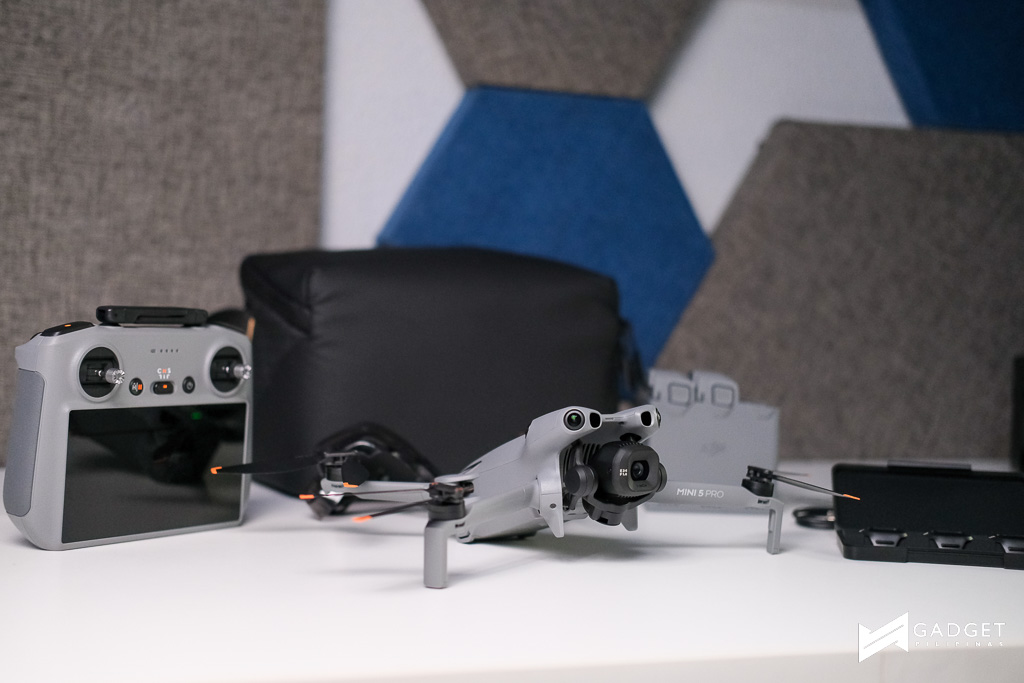
The Fly More Combo Plus bundles in extra batteries, ND filters, and the charging hub. The ND filters stand out because they’re now a must-have for creators who care about video quality. Shooting outside on bright days is much easier when you can control the light coming into the camera. It’s good to see DJI include them this time right in the box for those serious about their craft.
How it compares to DJI Air 3s

The Mini 5 Pro is basically a shrunken version of the DJI Air 3s, designed for portability. Most of the advanced features—like robust sensors, flexible gimbal, and a strong camera—carry over, but in a lighter and smaller package. The Air 3s still has more raw power and sometimes even more sensors, but if your priority is traveling light, the Mini 5 Pro’s performance per gram is outstanding. You get almost all the creativity of the Air 3s in a form factor that fits smaller bags and skips regulations.
| Feature | DJI Mini 5 Pro | DJI Air 3s |
|---|---|---|
| Weight | 249.9g (sub-250g) | ~720g |
| Image Sensor | 1-inch CMOS, 50MP | 1/1.3-inch Dual Primary (Wide + Tele) |
| Max Video Resolution | 4K @ 120fps (10-bit HDR) | 4K @ 100fps (Wide), 4K @ 60fps (Tele) |
| Max Flight Time | Up to 36 min (standard) up to 52 min (Plus) | Up to 46 min |
| Max Transmission Distance | Up to 20 km (FCC) | Up to 20 km (O4, FCC) |
| Obstacle Sensing | Omnidirectional (with Front LiDAR) | Omnidirectional |
| Internal Storage | 42GB | None |
| ND Filters | Included (Fly More Combo Plus) | Optional/Sold Separately |
| Max Horizontal Speed | Up to 19 m/s | Up to 21 m/s |
| Gimbal Rotation | 225° roll, 3-axis mechanical | 3-axis mechanical |
| App Support | DJI Fly (RC 2 or smartphone) | DJI Fly (RC 2, RC-N2, or smartphone) |
| Main Use Case | Travel, easy flying, portability | Professional, higher-end content |
| Price | Starts at PhP40,690 | Starts at PhP57,990 |
How it compares to the DJI Mini 4 Pro
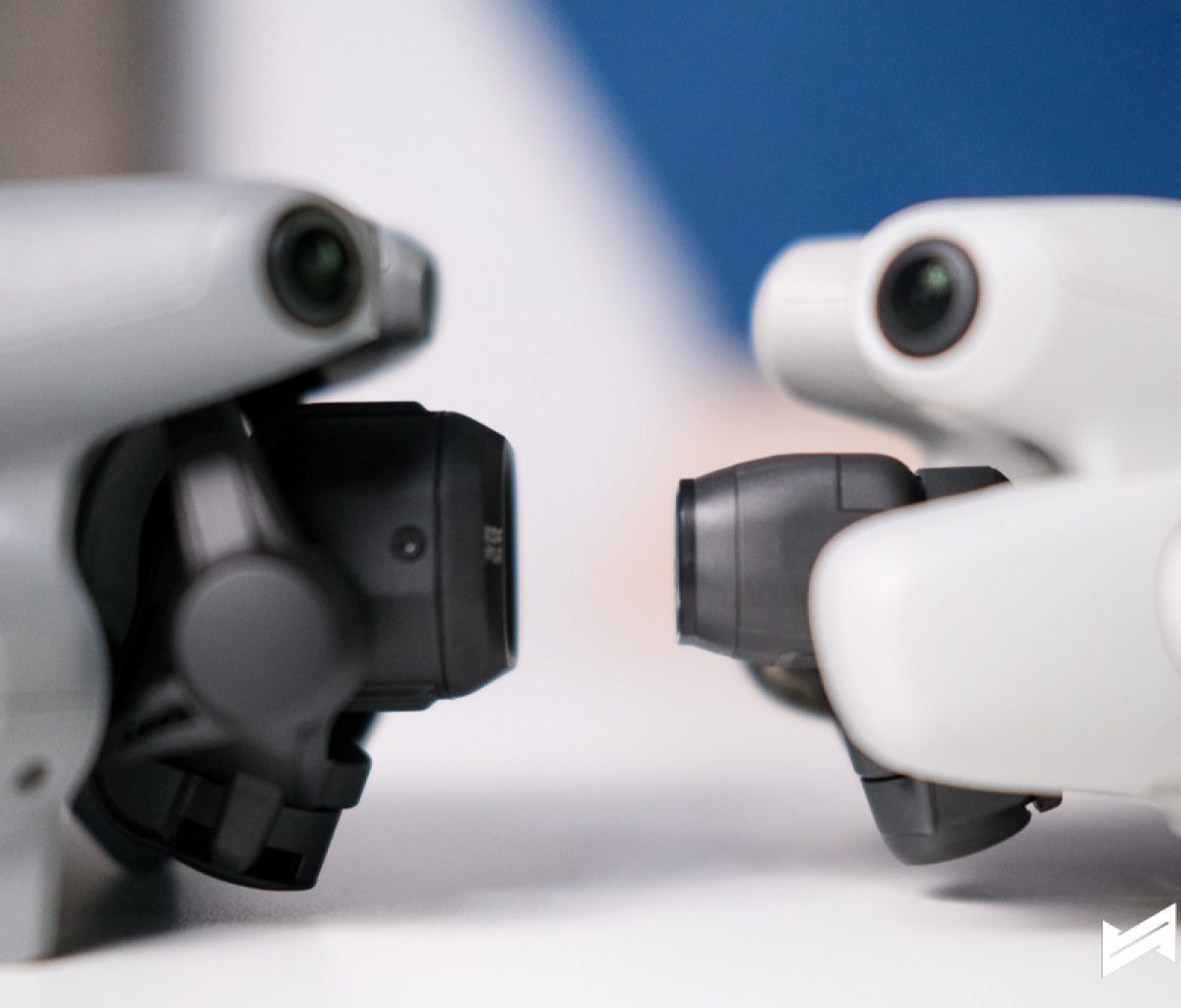
The jump from Mini 4 Pro to Mini 5 Pro is big. You’ll notice the larger sensor, longer battery life, and more advanced safety thanks to LiDAR obstacle detection. The processing platform is faster, there’s more internal storage, and the gimbal now offers 225 degrees of rotation. ND filters are included and video transmission has better range and reliability. You’re getting a jump in image quality, flexibility, and safety. This means better shots in more scenarios and smoother workflow for creators.
| Feature | DJI Mini 5 Pro | DJI Mini 4 Pro |
|---|---|---|
| Weight | 249.9g (sub-250g) | 249g (sub-250g) |
| Image Sensor | 1-inch CMOS, 50MP | 1/1.3-inch CMOS, 48MP |
| Max Video Resolution | 4K @ 120fps (10-bit HDR) | 4K @ 100fps (10-bit HDR) |
| Max Flight Time | Up to 36 min (standard) up to 52 min (Plus) | Up to 34 min (standard) up to 45 min (Plus) |
| Max Transmission Distance | Up to 20 km (FCC) | Up to 20 km (FCC) |
| Obstacle Sensing | Omnidirectional (with Front LiDAR) | Omnidirectional |
| Internal Storage | 42GB | None |
| ND Filters | Included (Fly More Combo Plus) | Optional/Sold Separately |
| Max Horizontal Speed | Up to 19 m/s | Up to 16 m/s |
| Gimbal Rotation | 225° roll, 3-axis mechanical | 3-axis mechanical |
| App Support | DJI Fly (RC 2 or smartphone) | DJI Fly (RC 2 or smartphone) |
| Main Use Case | Travel, easy flying, highest Mini specs | Travel, ease of use, creative shots |
| Price | Starts at PhP40,690 | Starts at PhP38,990 |
Verdict
The DJI Mini 5 Pro proves you don’t need to compromise performance just because you want a small drone. DJI managed to give us a miniaturized Air 3s that weighs less while including things like internal storage, smart sensors, and useful accessories. The forward-facing LiDAR and safety features make low-light flying less risky and the extended battery life helps you shoot longer without breaks. If you’re after a compact flyer with the brains and guts of a bigger drone, this one easily earns its spot in the top tier. The Mini 5 Pro pushes the bar up for what a mini drone should be.

Giancarlo Viterbo is a Filipino Technology Journalist, blogger and Editor of gadgetpilipinas.net, He is also a Geek, Dad and a Husband. He knows a lot about washing the dishes, doing some errands and following instructions from his boss on his day job. Follow him on twitter: @gianviterbo and @gadgetpilipinas.