


Xiaomi has officially launched its latest budget-friendly smartphone, the Redmi 14R, in the Chinese market. The new addition to the Redmi lineup boasts a range of features that cater to those who prefer a balance between performance and affordability.
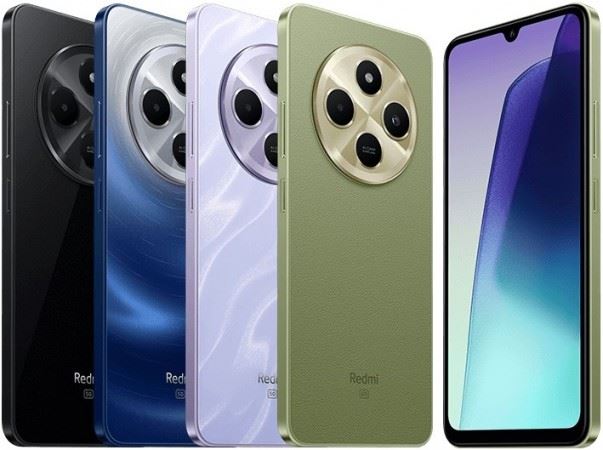
The Redmi 14R comes equipped with a 6.88-inch HD+ LCD with a 120Hz refresh rate and a peak brightness of 600 nits. This ensures a comfortable viewing experience in various lighting conditions. Under the hood, the device is powered by the Snapdragon 4 Gen 2 processor, providing efficient performance for everyday tasks.


For optics, it has a 13MP main sensor accompanied by an auxiliary lens and for selfies and video calls, the Redmi 14R sports a 5MP front-facing camera. It houses a 5,160mAh battery supporting 18W fast charging to keep users connected throughout the day.


Running on Xiaomi’s latest HyperOS, based on Android 14, the Redmi 14R offers a fresh and intuitive user interface. The smartphone also includes practical features such as expandable storage via a microSD card slot, a side-mounted fingerprint scanner, and a 3.5mm headphone jack.
FAQ
Q: What color options are available for the Redmi 14R?
A: The Redmi 14R is available in four colors: Olive Green, Lavender, Deep Sea Blue, and Shadow Black.
Q: What are the key specifications of the Redmi 14R?
A: Here are the key specifications of the Redmi 14R.
| Specification | Details |
|---|---|
| Display | 6.88-inch HD+ LCD, 120Hz refresh rate, 600 nits peak brightness |
| Processor | Snapdragon 4 Gen 2 |
| RAM | 4GB / 6GB / 8GB options |
| Storage | 128GB / 256GB UFS 2.2, expandable via microSD |
| Rear Camera | 13MP main, auxiliary lens |
| Front Camera | 5MP |
| Battery | 5,160mAh with 18W charging support |
| OS | HyperOS (based on Android 14) |
Q: What are the pricing options for the Redmi 14R?
A: Here are the pricing options for the Redmi 14R.
| Configuration | Price (CNY) |
|---|---|
| 4GB + 128GB | 1,099 |
| 6GB + 128GB | 1,499 |
| 8GB + 128GB | 1,699 |
| 8GB + 256GB | 1,899 |

Emman has been writing technical and feature articles since 2010. Prior to this, he became one of the instructors at Asia Pacific College in 2008, and eventually landed a job as Business Analyst and Technical Writer at Integrated Open Source Solutions for almost 3 years.